
Existentialism existence before essence ontology determination and creation
Existentialism • existence before essence (ontology) • determination and creation rather than discovery (ontology) • decisions and choices (ethics) • responsibility (ethics) • the absurdity of the human condition
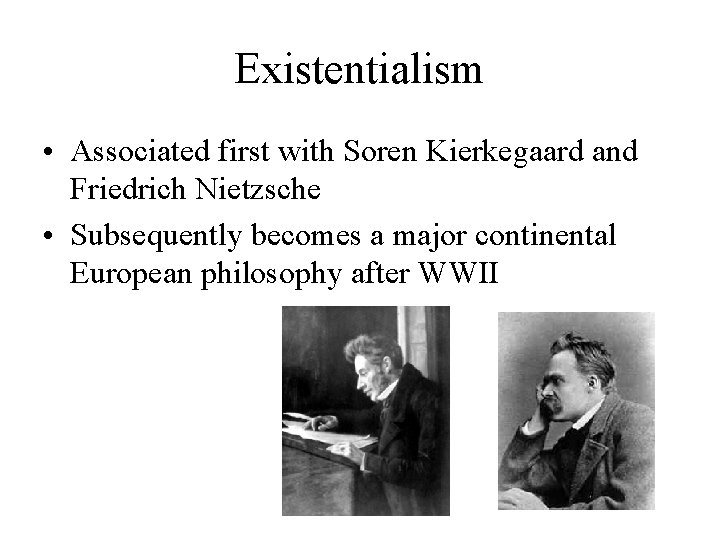
Existentialism • Associated first with Soren Kierkegaard and Friedrich Nietzsche • Subsequently becomes a major continental European philosophy after WWII
Citation (Bunnin/Yu) • “[Existentialism] grew from hostility toward the modern rationalism that characterized the Age of Reason. This rationalism claimed that reason is our highest faculty and that it is capable of solving any problem. It held that the universe is a coherent and intelligible system, which can be comprehended in a deductive conceptual system. ”
Citation (Bunnin/Yu) • Existentialism suggests that…belief in reason is itself irrational and rejects all purely abstract thinking. Instead of abstraction, it holds that philosophy should deal with the lives and experiences of individuals and their historical situations. Existentialism draws a fundamental distinction between essence and existence. Rationalist philosophy emphasizes essence as the abstract common nature of things. In contrast, existentialism argues that existence precedes essence and starts its philosophical work from individual and particular existence. […]. Existentialism is characterized by its concern with individuality and concreteness.
Citation (Bunnin/Yu) • “Existentialism further distinguishes two kinds of existence or being. One is the existence of things in the world that lack free will; the other, which Heidegger called Dasein, is human existence, characterized by reflection upon itself and free choice. Belief in the freedom of human beings is the most fundamental thesis of existentialism, which claims that the possibility of choice is the central fact of human nature. ”
Citation (Bunnin/Yu) • “Existentialism takes human freedom as the basic subject-matter of its philosophical analysis. In relation to this freedom, intentionality, emotion, the absurdity of the world, and basic human experiences of anxiety, dread, and death become recurrent themes of existentialism. ”
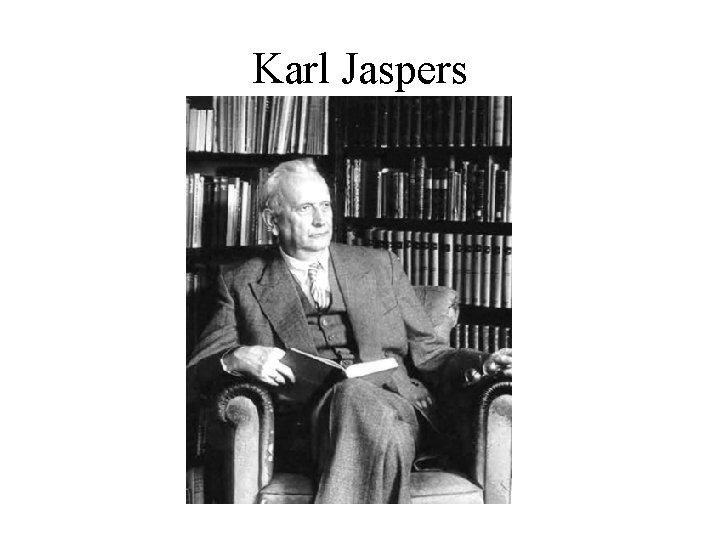
Karl Jaspers
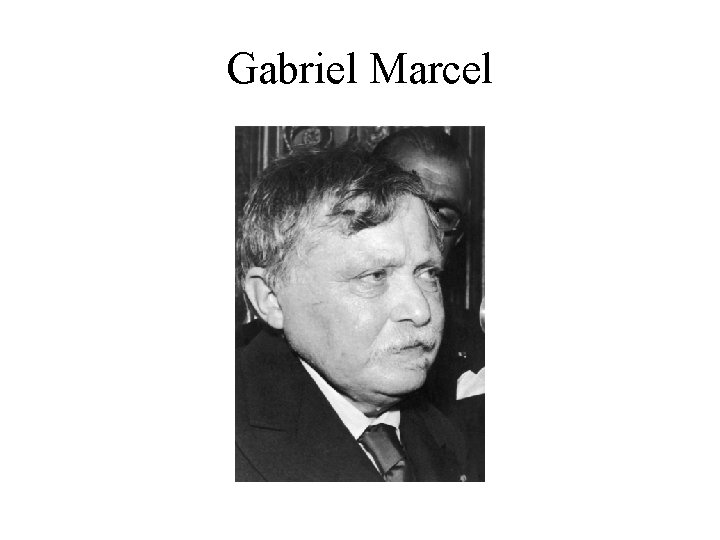
Gabriel Marcel
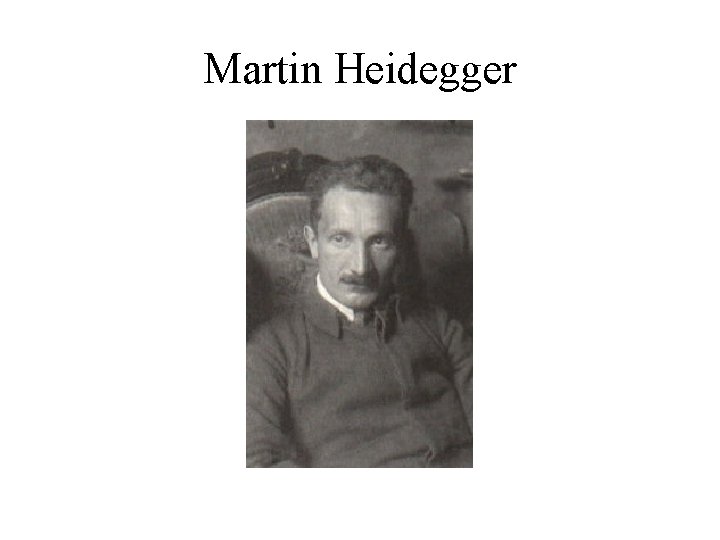
Martin Heidegger
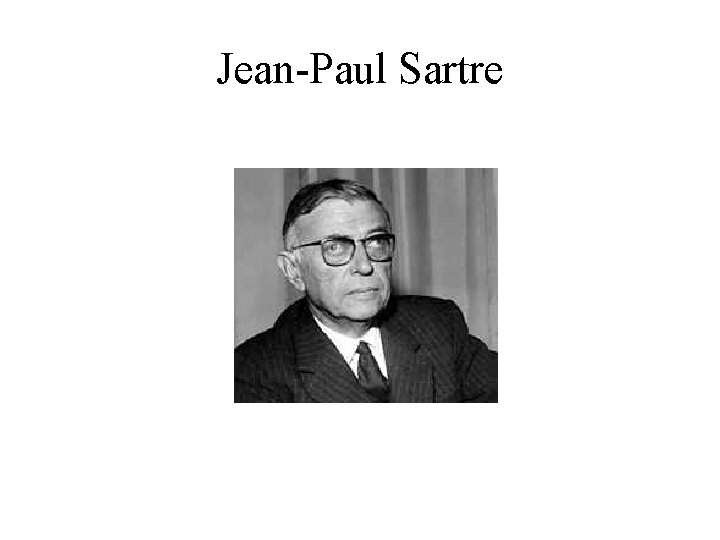
Jean-Paul Sartre
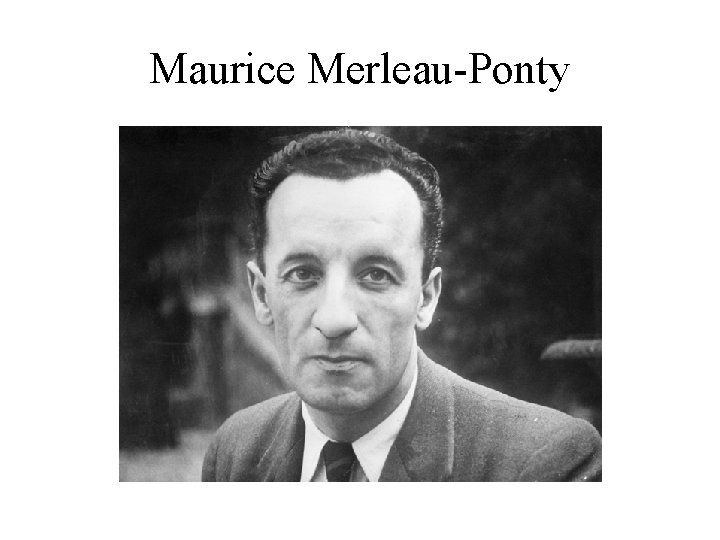
Maurice Merleau-Ponty
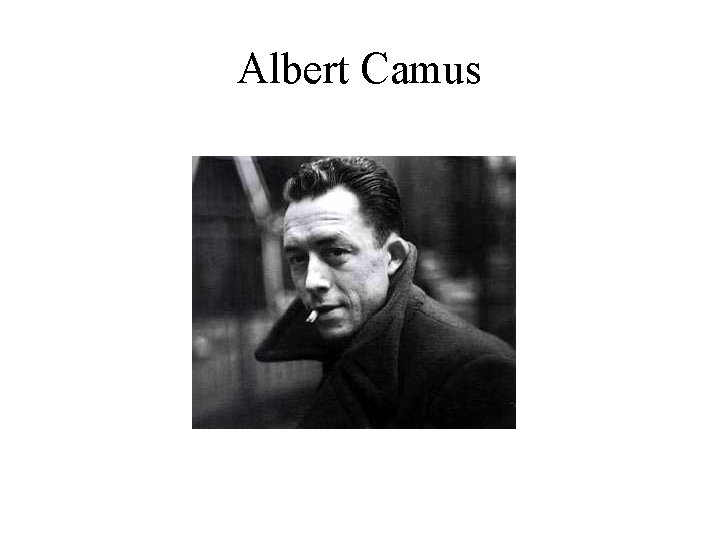
Albert Camus
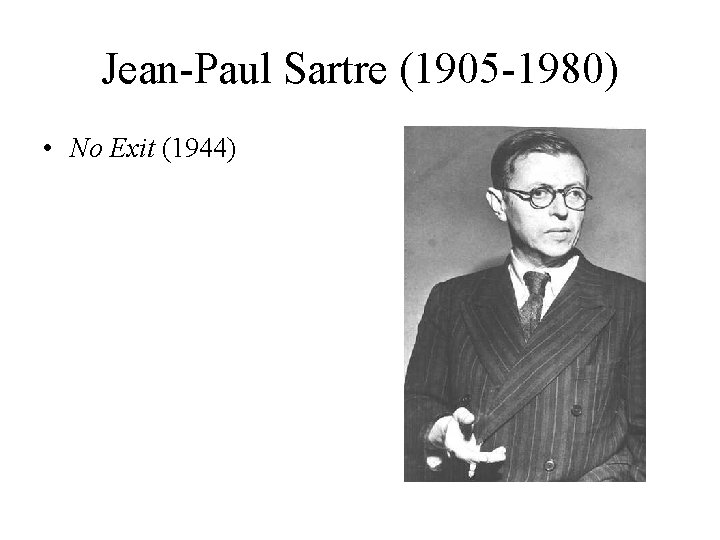
Jean-Paul Sartre (1905 -1980) • No Exit (1944)
Hell in Language • Hell has a literal and figurative sense. • What range of meanings can be given it?
Hell: Cosmography/Cosmology • What are some of the traditional or customary understandings of Hell as a place? • What are its physical qualities and the sorts of things that go on there? • How is it represented in art or literature?
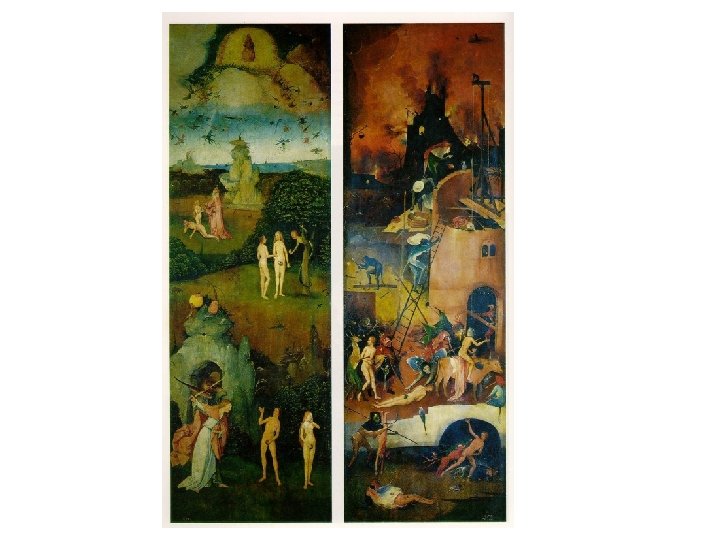
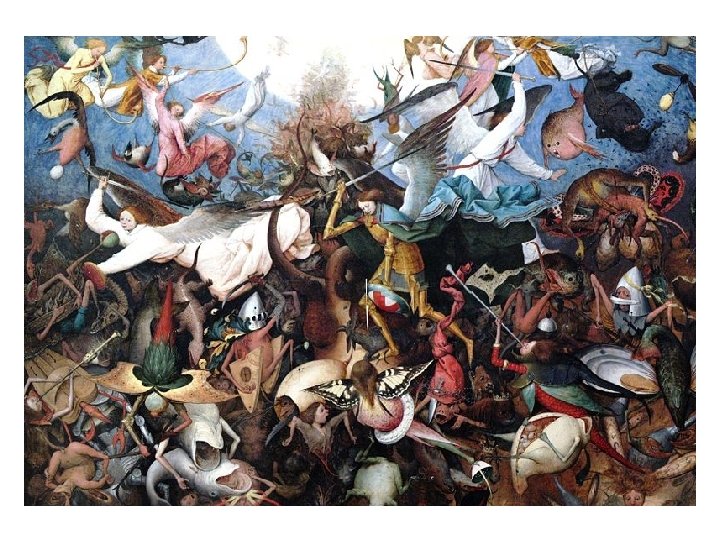
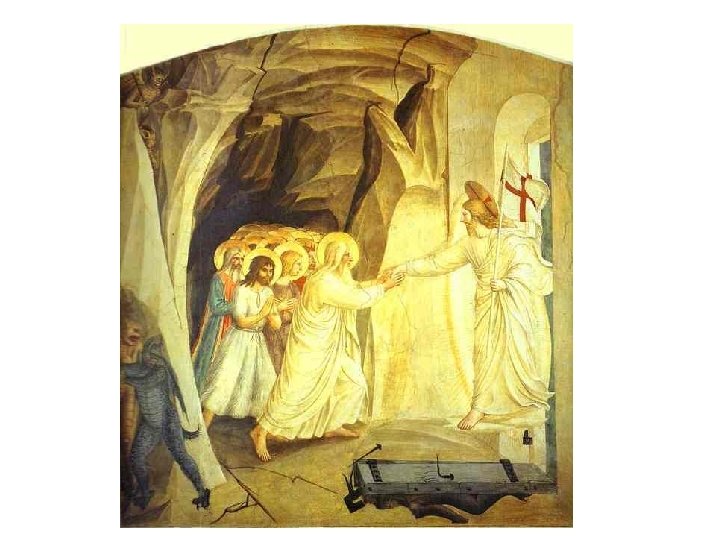
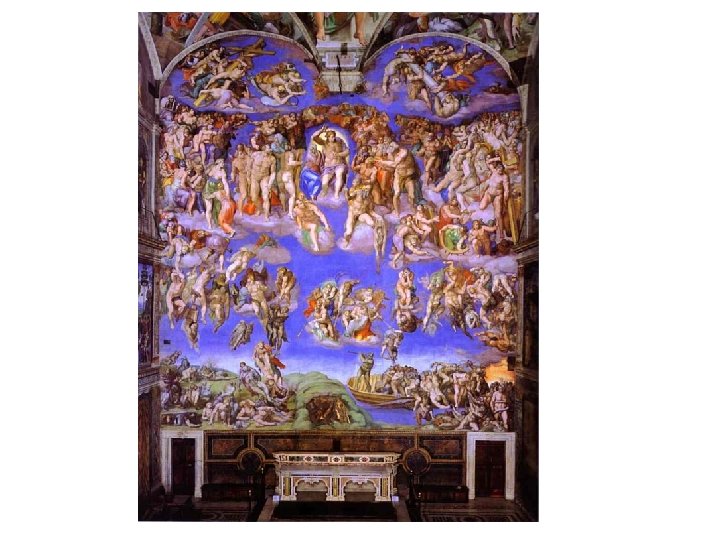
Hell • What is necessary for someone to go to Hell? • In our modern age of finding medical, psychological, and environmental reasons for behavior, does a Hell of individual guilt and responsibility make sense? • If you were to give an imaginative view of Hell, what might it look or be like?



Suffering • What is suffering, or what could it be? • How does suffering figure as a theme in literature? And for what purposes? • Why do we assume that suffering is uniform between subjects?
Characters • Joseph Garcin • Estelle Rigault • Inez Serrano • valet
Break • What does Garcin mean by “life without a break”? (5) • What sort of break might he have in mind? • Why is Hell contrary to a break?
Relation to the World • Characterize three people’s relation to the world. • You could start by their consciousness of the world—noting that this changes over the course of the play. • passages: 11 ff.
Characters as Types • How did these three people die? • Is there anything symbolic about them—their “type, ” mode of life or death, relationships, occupations, social position or background, occupations, etc. ? Note their manners. • passages: 12
Why these three? • At first, the three believe their meeting in Hell is chance, but then they reject this idea. What role does chance have in this play? • Perhaps none given the idea that Existentialism relies upon freedom of choice and the will to make certain decisions. • Why do they reject the idea of chance? Is this comforting? • passage: 14 -15
Characters’ Damnation • Why are Garcin, Estelle, and Inez in Hell? • Given that their remarks about their behavior on Earth are true, do they belong in Hell? • passages: 16, 17
Strategy • What proposals are made to deal with the situation? • Why are these unlikely to succeed?
Metaphorical Reading • Perhaps Sartre is not talking about a real Hell, but rather a metaphorical one. • How would this idea open new ways of reading the play?
They • At several points in the play, the characters refer to “they”—they are watching, they are expecting us to do this or that. • Who is they? • Note passages where this arises.
Punishment? • There seems to be agreement among the characters that they are destined to punish each other, but who instigates the situation? • Is there an alternative to the way they behave —could they find a peaceable solution to living for eternity together, or are you convinced that they will not? • How does this situation parallel modern sociopolitical reality?
Basis for Metaphor • Perhaps they are in fact alive on earth and their troubles are really our troubles—again, this would demand that you do not view this in a specifically religious context.
The Death of Action • In the first part of the play, at least, does anything happen? • Why is Hell problematic as a setting for drama? • Why is conflict undercut in Hell?
For Next Time • Finish Sartre
- Slides: 38