
Exercise and Health The Circulatory System The Circulatory

- Slides: 33
Exercise and Health The Circulatory System
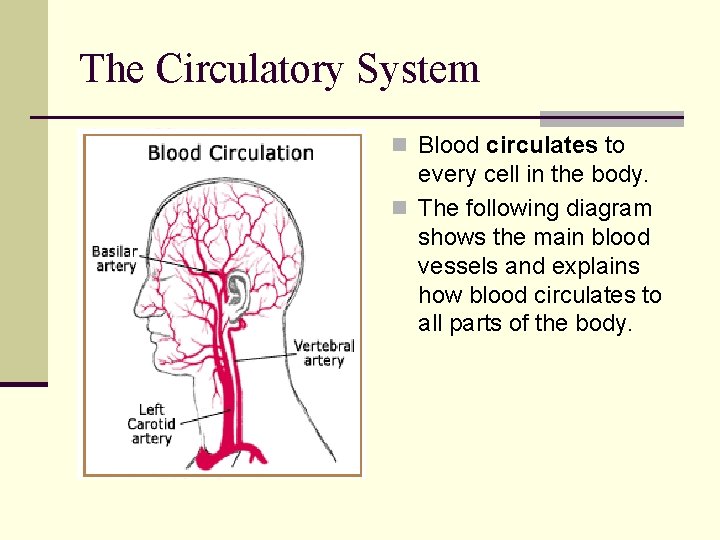
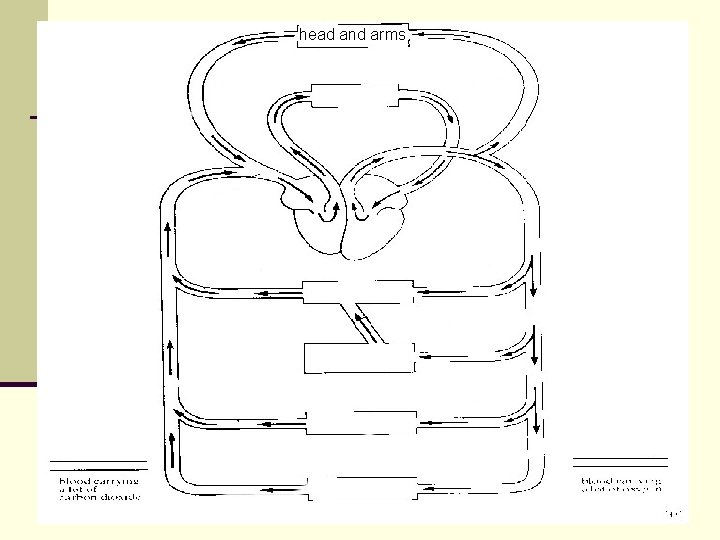
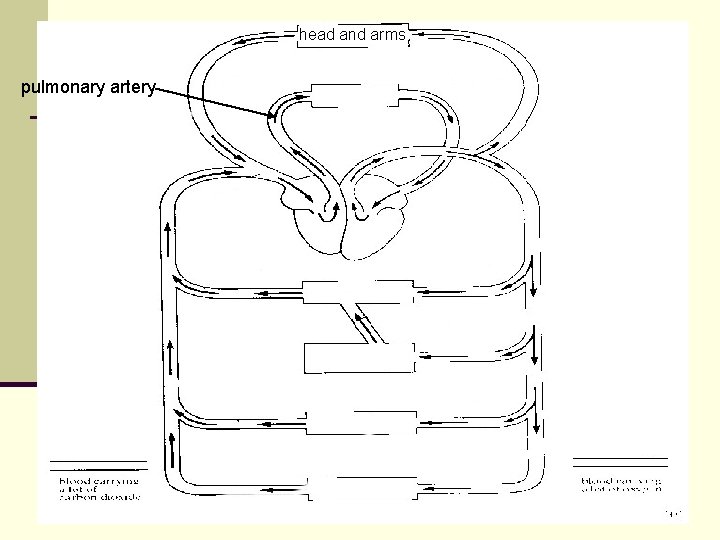
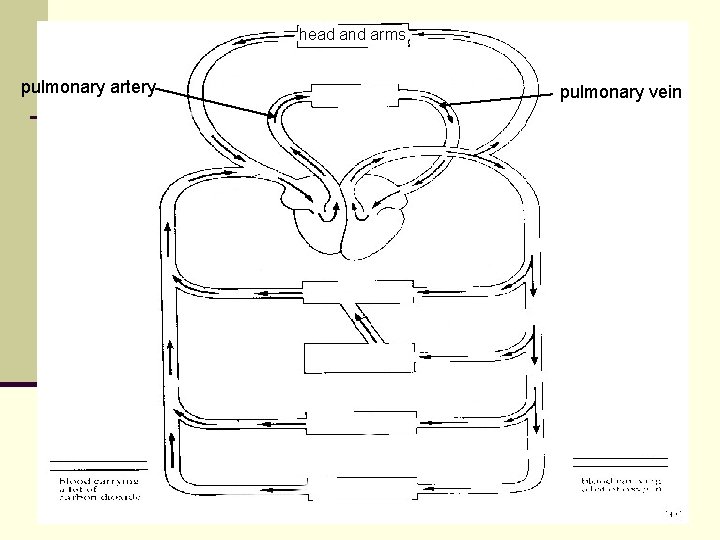
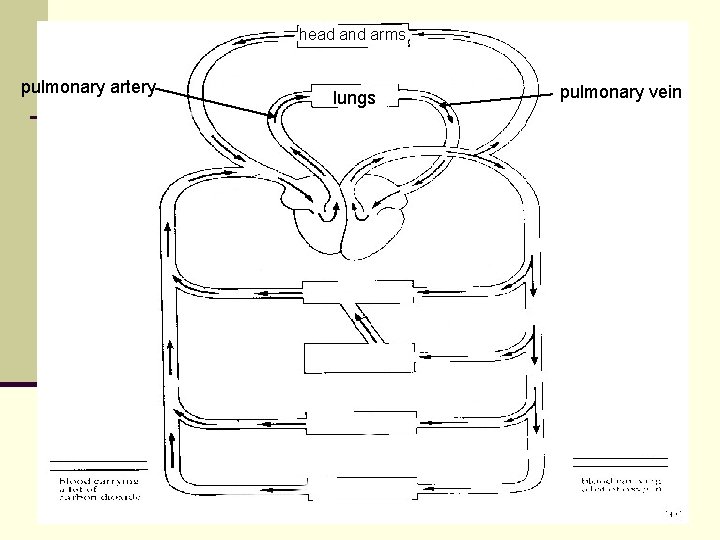
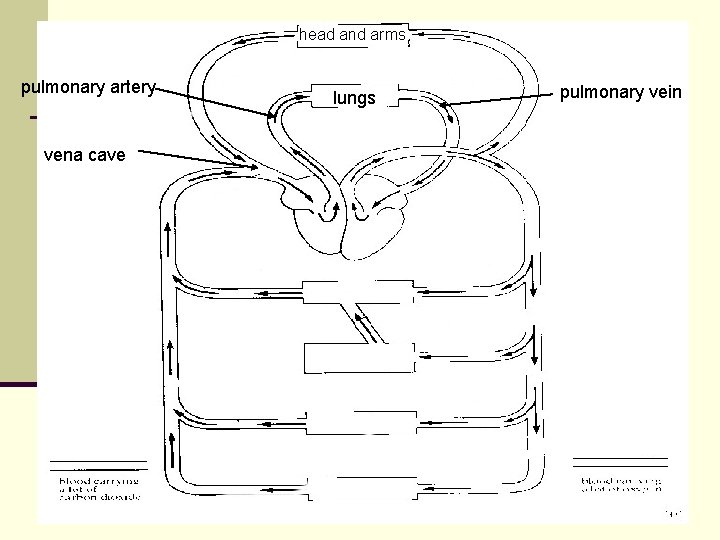
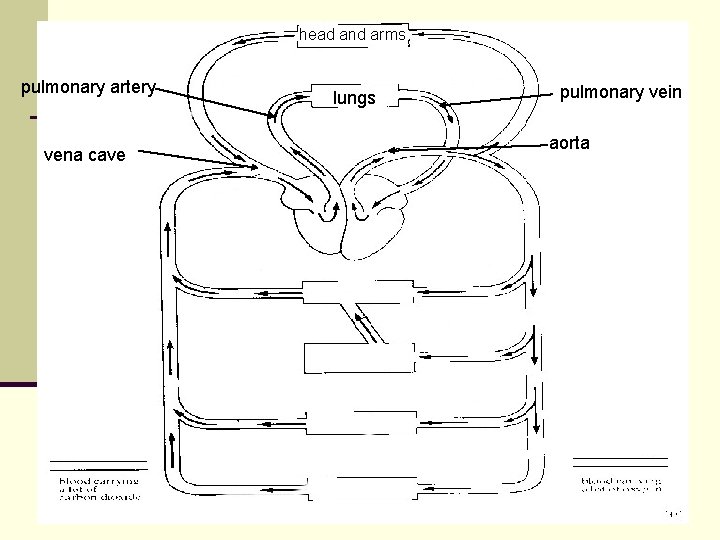
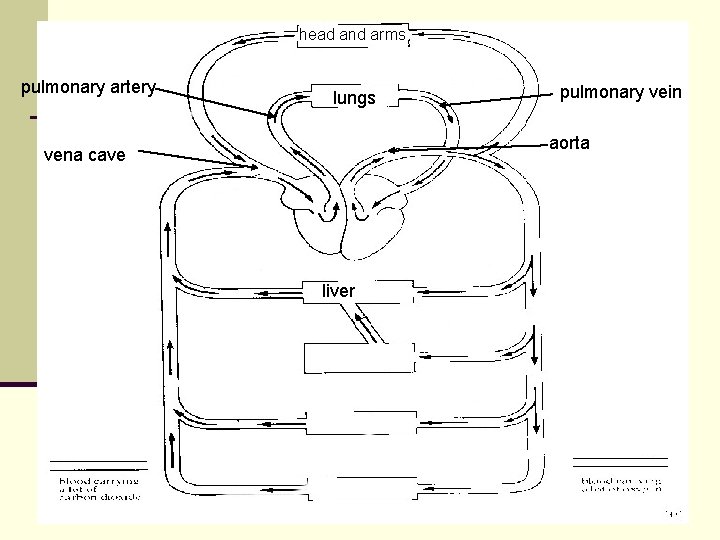
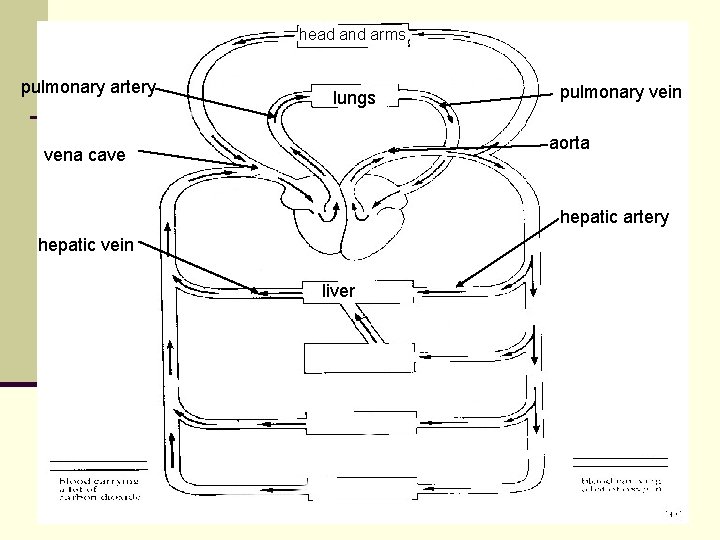
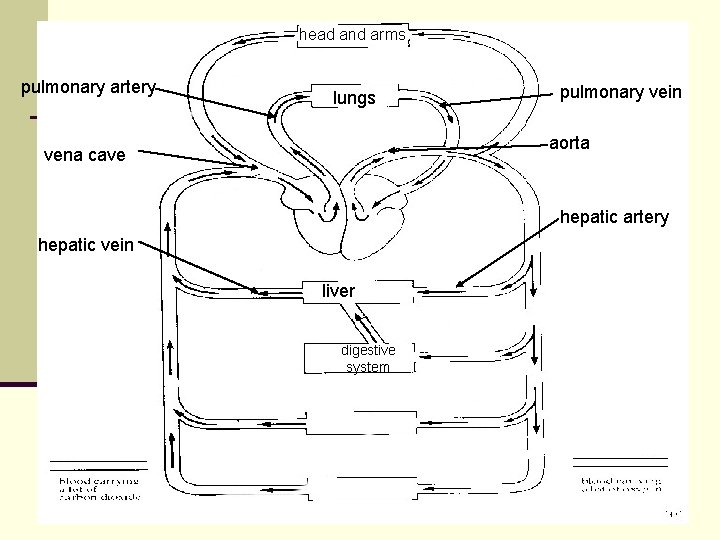
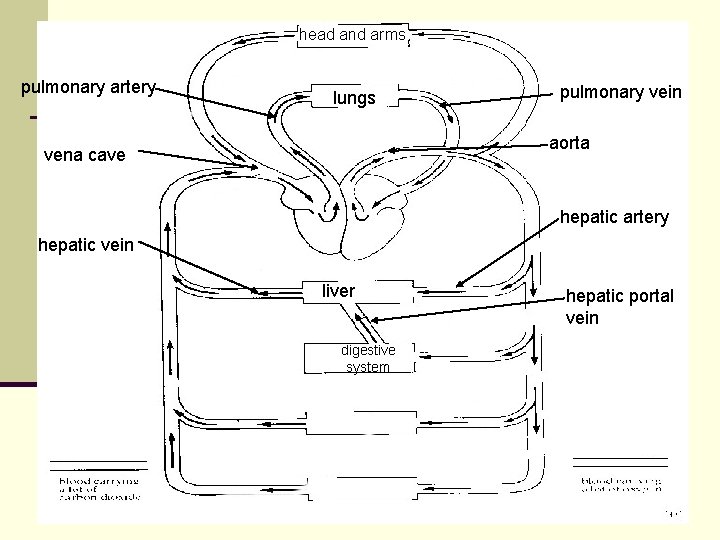
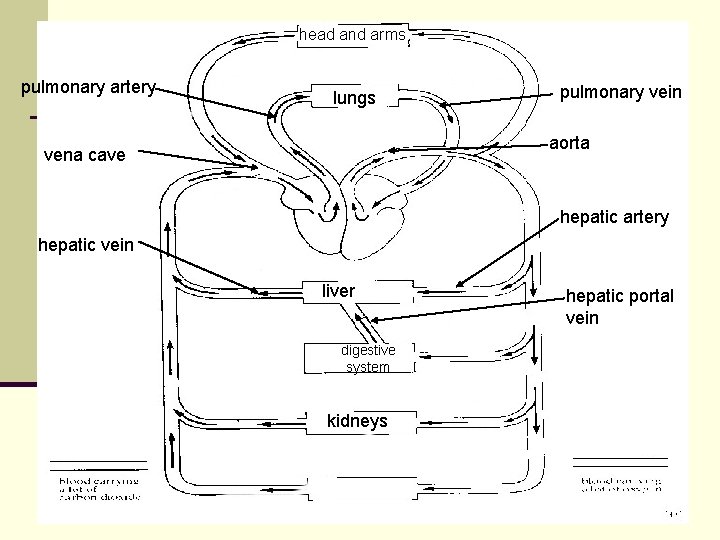
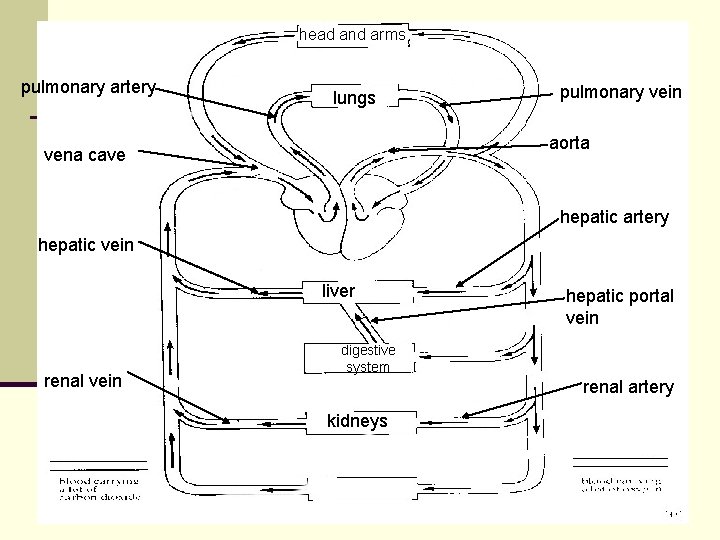
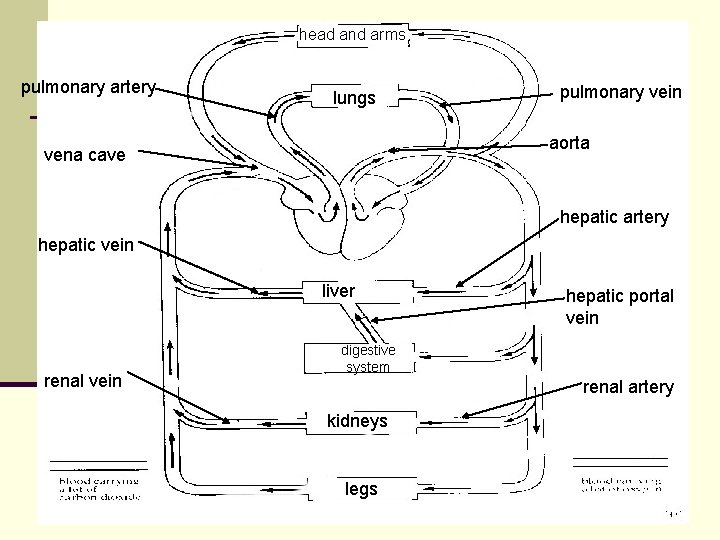
The Circulatory System n Blood circulates to every cell in the body. n The following diagram shows the main blood vessels and explains how blood circulates to all parts of the body.
head and arms
head and arms pulmonary artery
head and arms pulmonary artery pulmonary vein
head and arms pulmonary artery lungs pulmonary vein
head and arms pulmonary artery vena cave lungs pulmonary vein
head and arms pulmonary artery vena cave lungs pulmonary vein aorta
head and arms pulmonary artery lungs pulmonary vein aorta vena cave liver
head and arms pulmonary artery lungs pulmonary vein aorta vena cave hepatic artery hepatic vein liver
head and arms pulmonary artery lungs pulmonary vein aorta vena cave hepatic artery hepatic vein liver digestive system
head and arms pulmonary artery lungs pulmonary vein aorta vena cave hepatic artery hepatic vein liver digestive system hepatic portal vein
head and arms pulmonary artery lungs pulmonary vein aorta vena cave hepatic artery hepatic vein liver digestive system kidneys hepatic portal vein
head and arms pulmonary artery lungs pulmonary vein aorta vena cave hepatic artery hepatic vein liver renal vein hepatic portal vein digestive system renal artery kidneys
head and arms pulmonary artery lungs pulmonary vein aorta vena cave hepatic artery hepatic vein liver renal vein hepatic portal vein digestive system renal artery kidneys legs
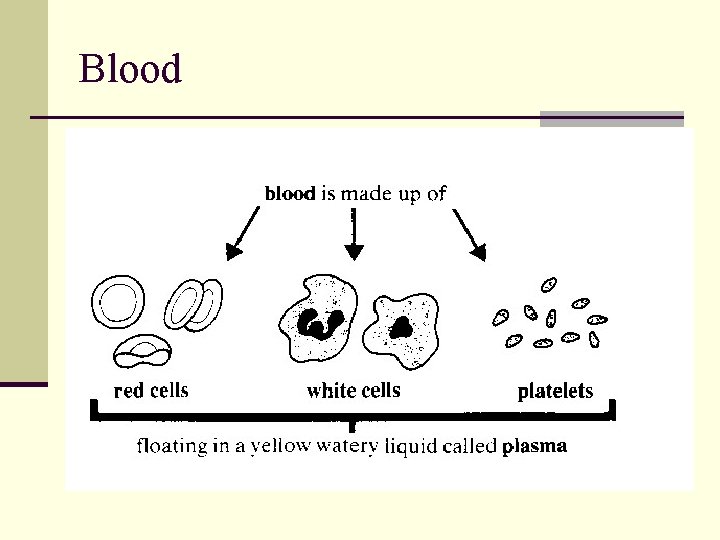
Blood
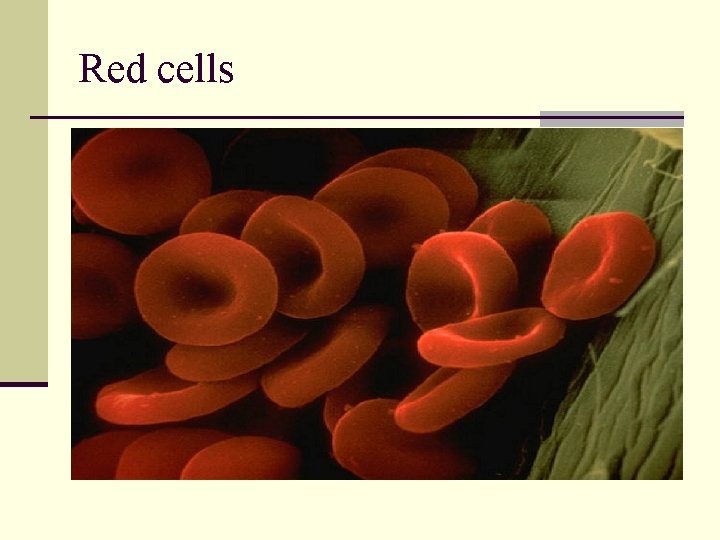
Red cells
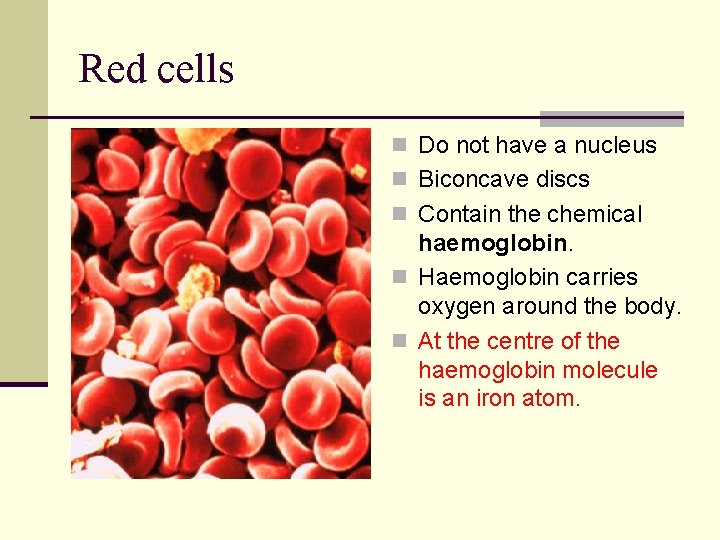
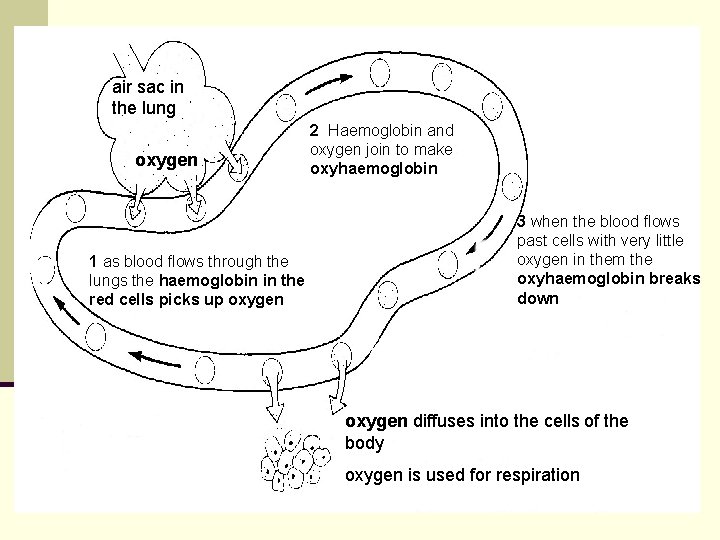
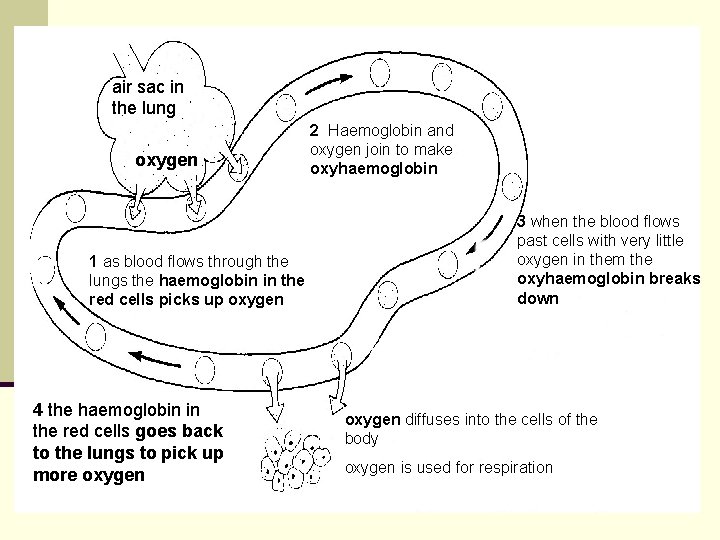
Red cells n Do not have a nucleus n Biconcave discs n Contain the chemical haemoglobin. n Haemoglobin carries oxygen around the body. n At the centre of the haemoglobin molecule is an iron atom.
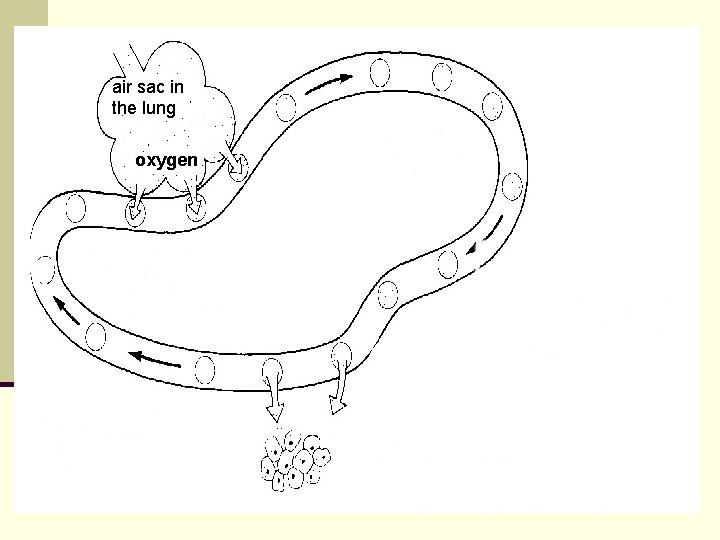
air sac in the lung
air sac in the lung oxygen
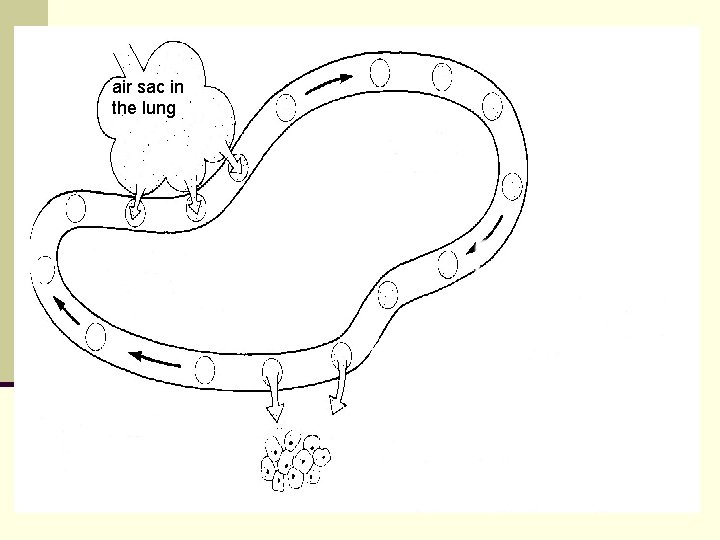
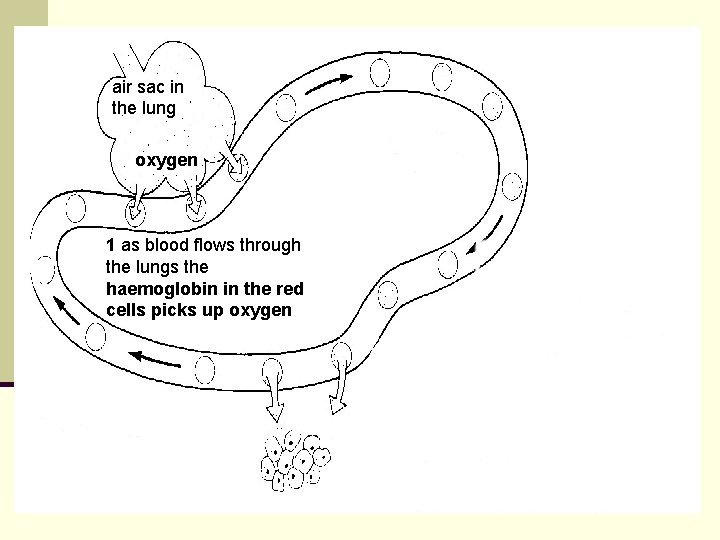
air sac in the lung oxygen 1 as blood flows through the lungs the haemoglobin in the red cells picks up oxygen
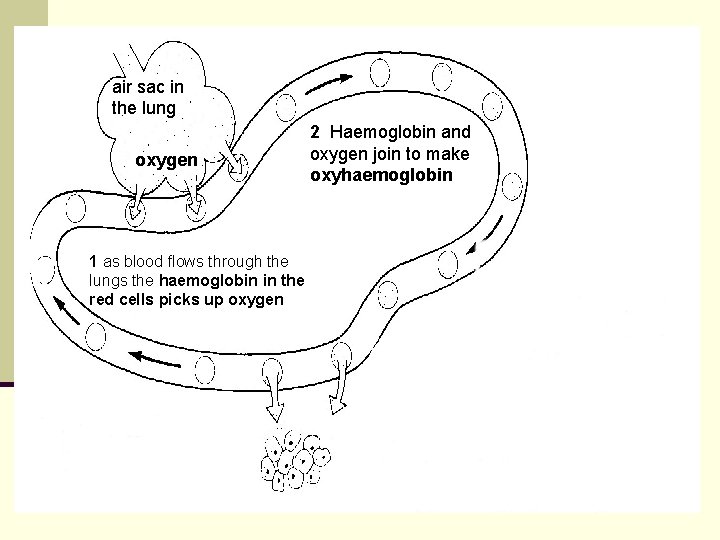
air sac in the lung oxygen 1 as blood flows through the lungs the haemoglobin in the red cells picks up oxygen 2 Haemoglobin and oxygen join to make oxyhaemoglobin
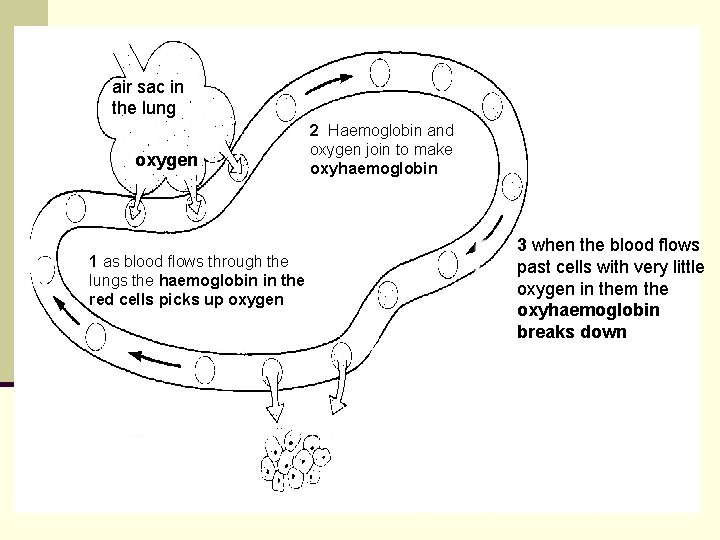
air sac in the lung oxygen 1 as blood flows through the lungs the haemoglobin in the red cells picks up oxygen 2 Haemoglobin and oxygen join to make oxyhaemoglobin 3 when the blood flows past cells with very little oxygen in them the oxyhaemoglobin breaks down
air sac in the lung oxygen 1 as blood flows through the lungs the haemoglobin in the red cells picks up oxygen 2 Haemoglobin and oxygen join to make oxyhaemoglobin 3 when the blood flows past cells with very little oxygen in them the oxyhaemoglobin breaks down oxygen diffuses into the cells of the body oxygen is used for respiration
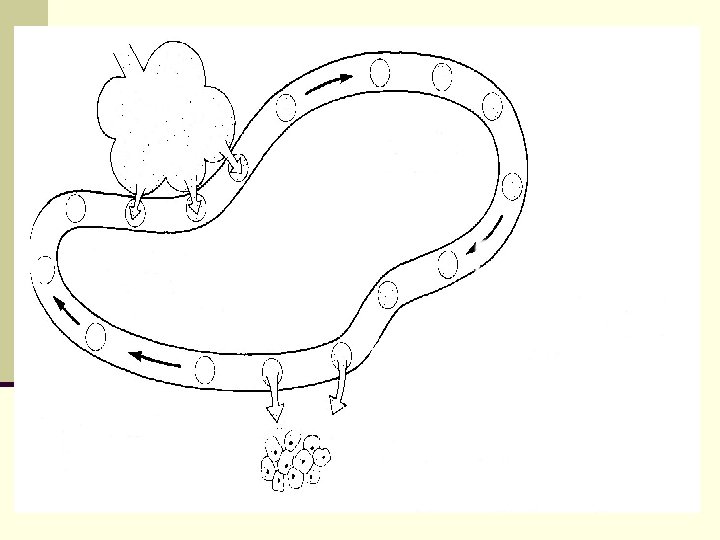
air sac in the lung oxygen 1 as blood flows through the lungs the haemoglobin in the red cells picks up oxygen 4 the haemoglobin in the red cells goes back to the lungs to pick up more oxygen 2 Haemoglobin and oxygen join to make oxyhaemoglobin 3 when the blood flows past cells with very little oxygen in them the oxyhaemoglobin breaks down oxygen diffuses into the cells of the body oxygen is used for respiration
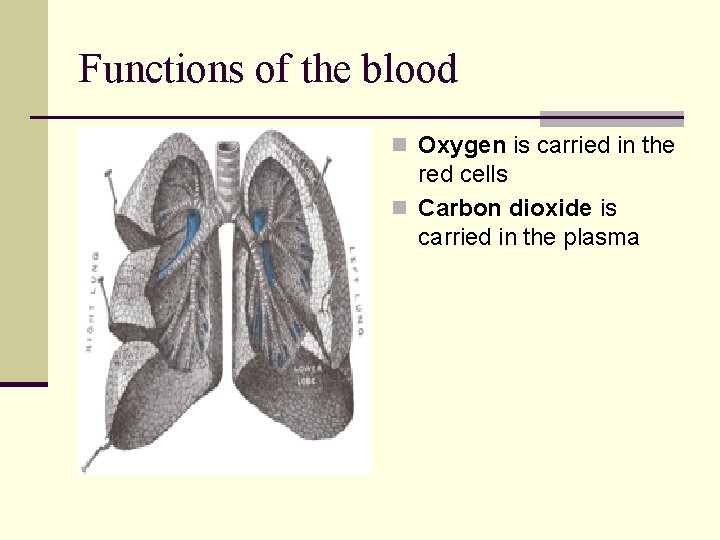
Functions of the blood n Oxygen is carried in the red cells n Carbon dioxide is carried in the plasma
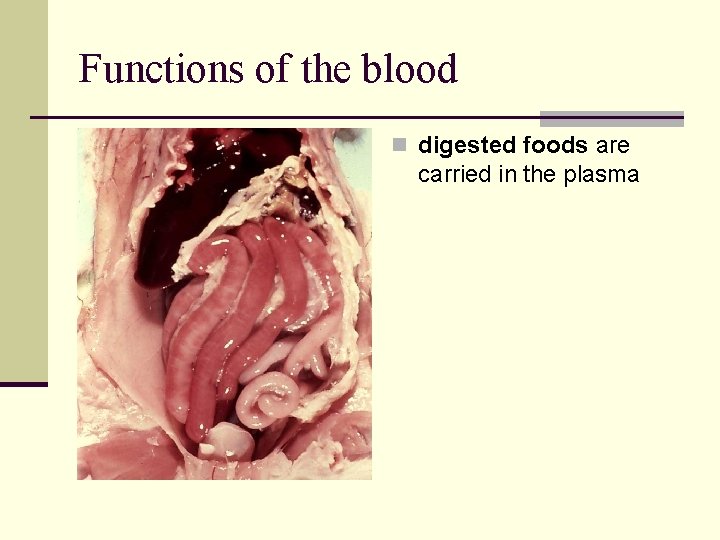
Functions of the blood n digested foods are carried in the plasma
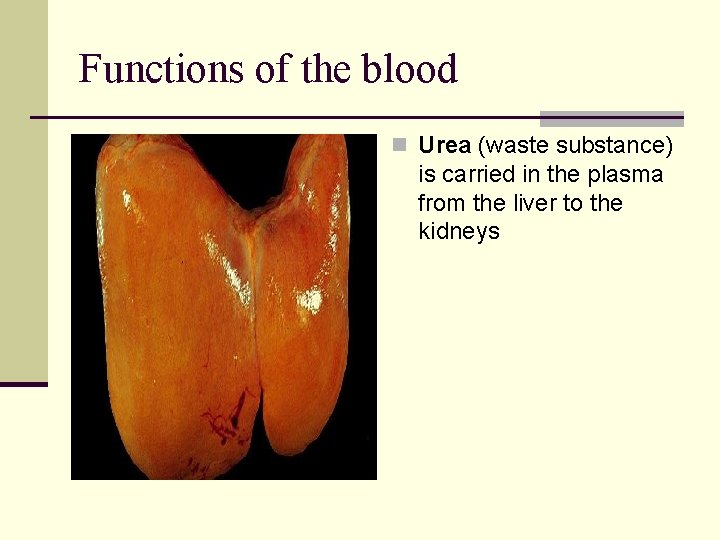
Functions of the blood n Urea (waste substance) is carried in the plasma from the liver to the kidneys
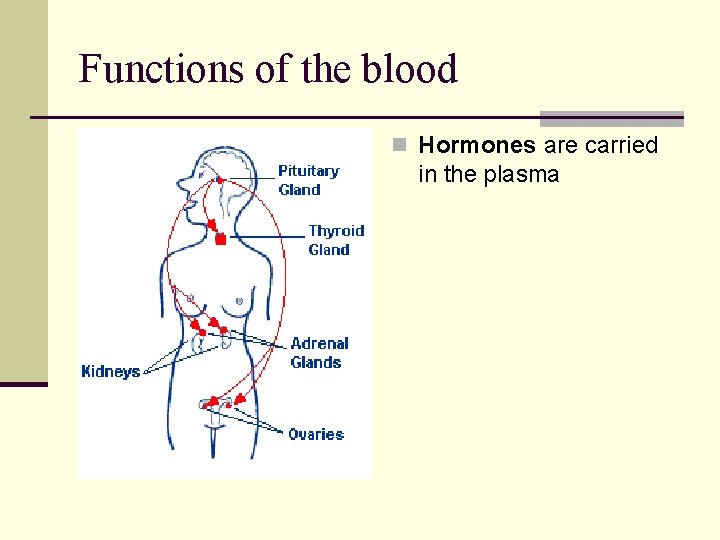
Functions of the blood n Hormones are carried in the plasma
Functions of the blood n Heat is carried in the blood
BIOLOGY TEXT n Read p 26 -27 and answer question 1 off p 27
This powerpoint was kindly donated to www. worldofteaching. com http: //www. worldofteaching. com is home to over a thousand powerpoints submitted by teachers. This is a completely free site and requires no registration. Please visit and I hope it will help in your teaching.