
Exercise 5 Attitudes Movements The Basics The Four
Exercise #5 Attitudes & Movements

The Basics The Four Forces
The Basics Lift can be increased in two ways: 1. Increase in speed 2. Increase in angle of attack. The angle at which airfoil meets the relative airflow.
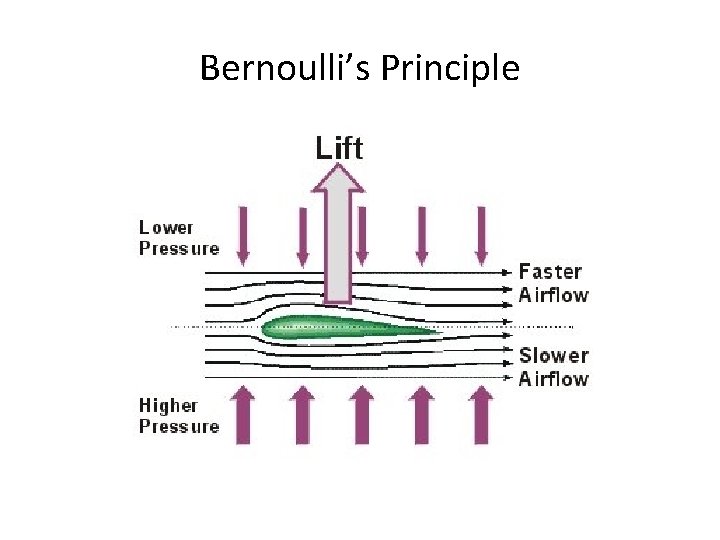
Bernoulli’s Principle
The Basics Drag Two Types of Drag: 1. Induced - Drag caused by creating lift 2. Parasite – Everything else (landing gear, antennae, wing struts)

Definitions Attitude Movement • The position of the nose of the aircraft relative to the horizon. • Motion of the aircraft relative to the pilot and the aircraft’s three axis. Why are they important? All manoeuvres (climbs, descents, turns) are based upon these attitudes and movements.
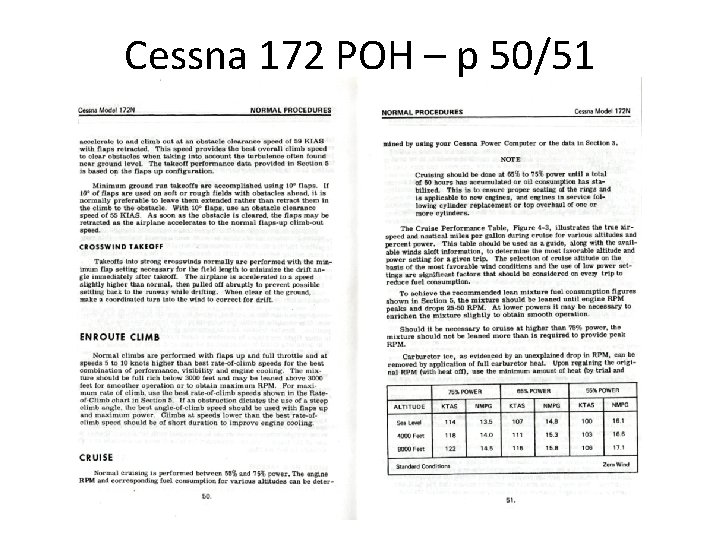
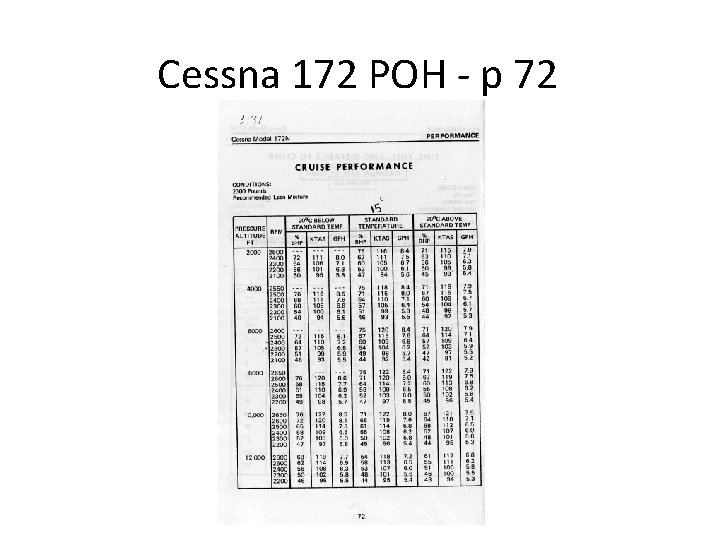
Cruise Attitude (Reference Attitude) • Based on a power setting recommended by the manufacturer. • Most flying takes place in the Cruise Attitude. • In the POH, the cruise power setting is in the 55%-75% range. Also, the Cruise Performance Chart in the POH lists cruise power settings (average of 2, 300 RPM). • Once power is set, establish the nose of the aircraft at a constant distance below the horizon. (Note: This perspective varies depending upon the height of the pilot). • Confirm by reference to airspeed and altitude – both should be constant. Nose and wings are level with the horizon.
Cessna 172 POH – p 50/51
Cessna 172 POH - p 72

Cruise Attitude
Movements
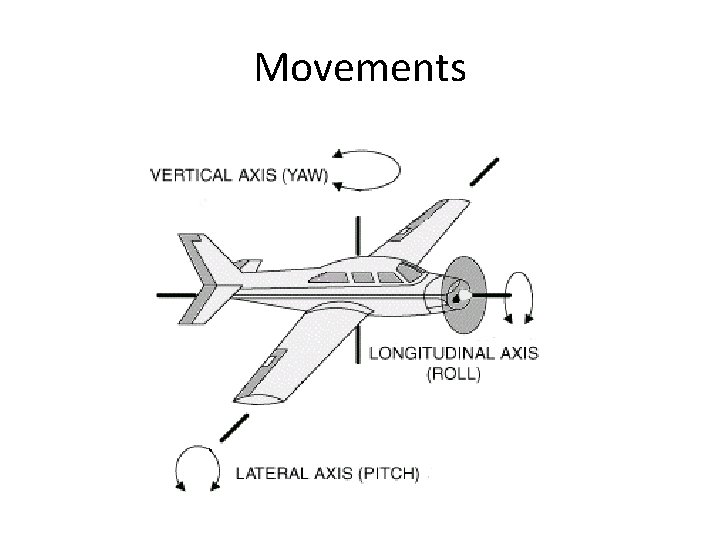
Pitch Movement • Produced and controlled by the elevators, and the movement takes place around the aircraft’s lateral axis. • To pitch up: apply back pressure on the control column, and hold that pressure. • To pitch down: apply forward pressure on the control column, and hold that pressure.
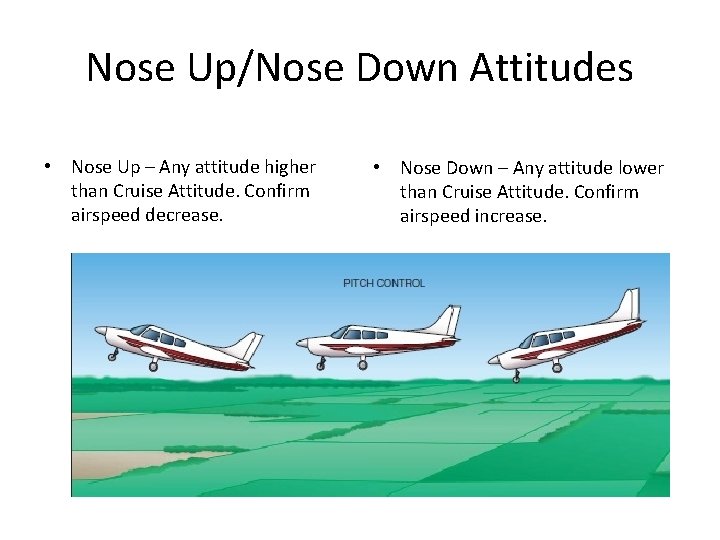
Nose Up/Nose Down Attitudes • Nose Up – Any attitude higher than Cruise Attitude. Confirm airspeed decrease. • Nose Down – Any attitude lower than Cruise Attitude. Confirm airspeed increase.
Roll Movement • Produced and controlled by the ailerons, and the rolling movement takes place around the aircraft’s longitudinal axis. • To place the aircraft in a bank attitude, turn the control column in the intended direction of travel (right for right bank, left for left bank). • The angle of bank will continue to increase as long as the ailerons remain deflected. Once the desired angle of bank is attained, centre the control column to stop the rolling movement.

Bank Attitudes • If the aircraft nose is not parallel to the horizon, the aircraft is in a bank attitude.
Yaw Movement • Associated with both pitch and bank attitudes • Controlled by (but not produced by) the rudder. The yawing movement takes place around the aircraft’s normal/vertical axis. • The aircraft resists moving sideways, and will realign itself with the flight path (due to the vertical stabilizer ‘weather-vaning’, and the exposed side of the fuselage). • Undesirable forms of yaw: engine design, and aileron drag.
Adverse Yaw Definition: Any yaw contrary to the intentions of the pilot. 1) Engine Design – Slipstream effect from a clockwise rotating propeller (when viewed from the cockpit) will induce yaw to the left. • Most pronounced at high power settings and low speed, such as take-off and climb. • Countered by application of right rudder.

Slipstream Effect
Adverse Yaw • 2) Aileron Drag - When rolling into a banked attitude, one aileron deflects downward, and the other upward. – The downward deflected aileron creates additional lift, but also creates more drag. – This drag will cause the aircraft to momentarily turn in the opposite direction, or hesitate turning. – The brief application of rudder in the direction of the roll, when entering and leaving a banked attitude, will counteract aileron drag (left rudder for a left roll, and right rudder for a right roll). – Aileron drag ceases once the lift from the aileron stops when the control column is centred.
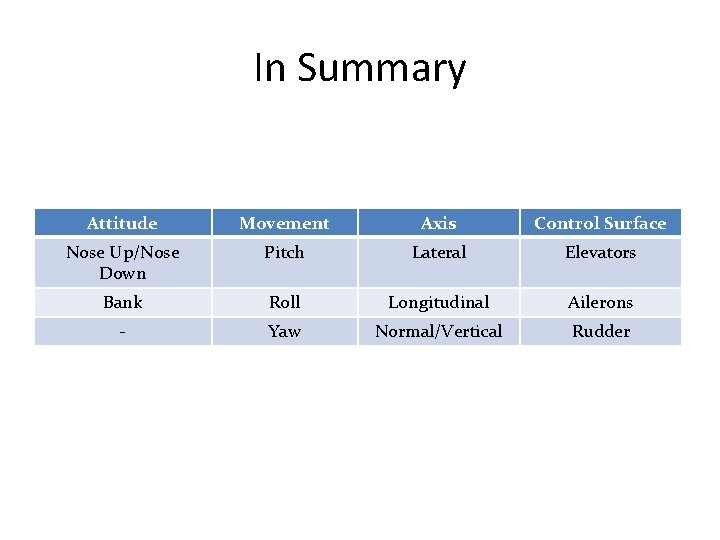
In Summary Attitude Movement Axis Control Surface Nose Up/Nose Down Pitch Lateral Elevators Bank Roll Longitudinal Ailerons - Yaw Normal/Vertical Rudder
Combined Attitudes • Nose up with bank. • Nose down with bank.
Attitudes and Movements Review • Define ‘Attitude’ • Define ‘Movement’ • Describe the various attitudes, their related movements, the aircraft axis involved, and the aircraft control surface used to effect the movement. • What is the Cruise Attitude? Describe the associated power setting and indicated airspeed. • What is adverse yaw? Provide two examples, and describe how each is controlled.
- Slides: 22