
Exams in respiratory system seminar November 2005 Functional
Exams in respiratory system seminar November 2005
Functional lung tests Ventilation Diffusion Perfusion Blood gases Endoscopic examination Graphic procedures (imaging) X ray procedures scintigraphy angiography ultrasonography MRI Laboratory test
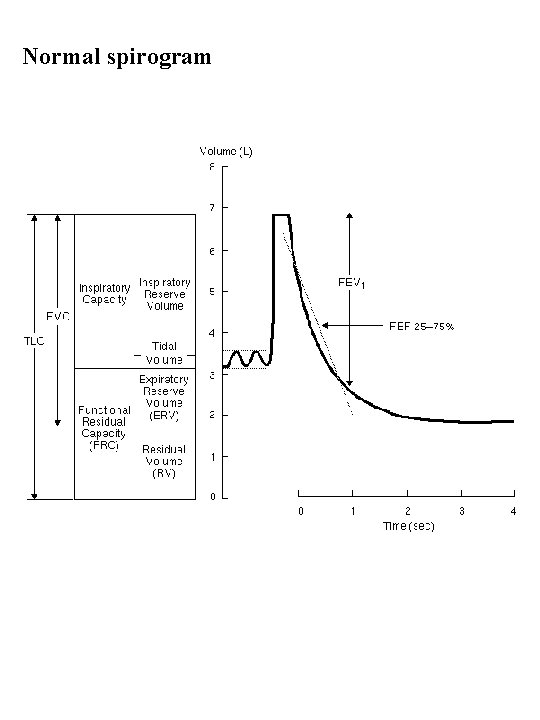
Ventilation Spirometric volumes and capacities - VT - tidal volume - VC - vital capacity - ERV, IRV - expiratory (inspiratory) reserve volume - TLC = Total lung capacity - FRC = Functional residual capacity - RV = Residual volume
Normal spirogram
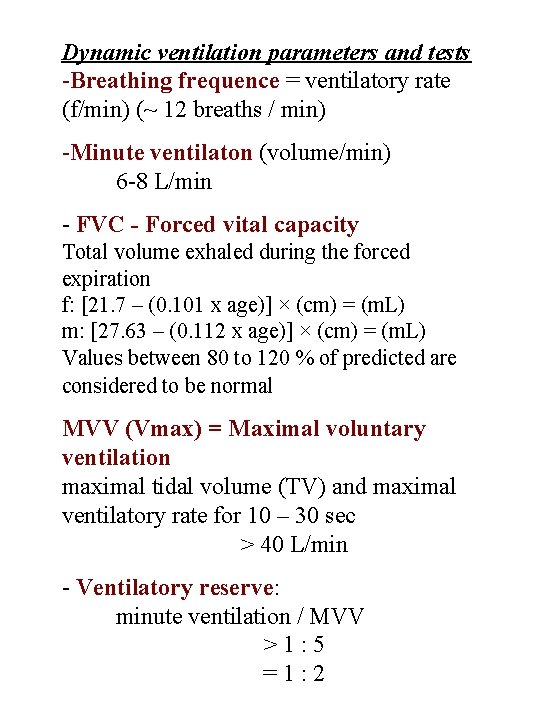
Dynamic ventilation parameters and tests -Breathing frequence = ventilatory rate (f/min) (~ 12 breaths / min) -Minute ventilaton (volume/min) 6 -8 L/min - FVC - Forced vital capacity Total volume exhaled during the forced expiration f: [21. 7 – (0. 101 x age)] × (cm) = (m. L) m: [27. 63 – (0. 112 x age)] × (cm) = (m. L) Values between 80 to 120 % of predicted are considered to be normal MVV (Vmax) = Maximal voluntary ventilation maximal tidal volume (TV) and maximal ventilatory rate for 10 – 30 sec > 40 L/min - Ventilatory reserve: minute ventilation / MVV >1: 5 =1: 2
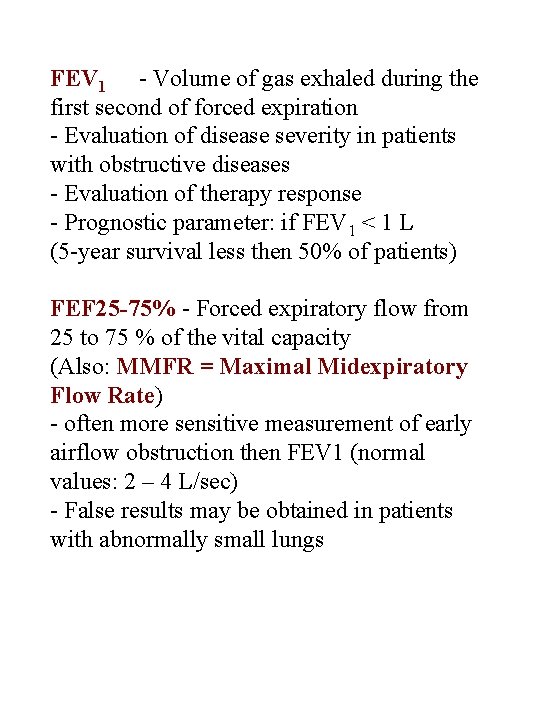
FEV 1 - Volume of gas exhaled during the first second of forced expiration - Evaluation of disease severity in patients with obstructive diseases - Evaluation of therapy response - Prognostic parameter: if FEV 1 < 1 L (5 -year survival less then 50% of patients) FEF 25 -75% - Forced expiratory flow from 25 to 75 % of the vital capacity (Also: MMFR = Maximal Midexpiratory Flow Rate) - often more sensitive measurement of early airflow obstruction then FEV 1 (normal values: 2 – 4 L/sec) - False results may be obtained in patients with abnormally small lungs
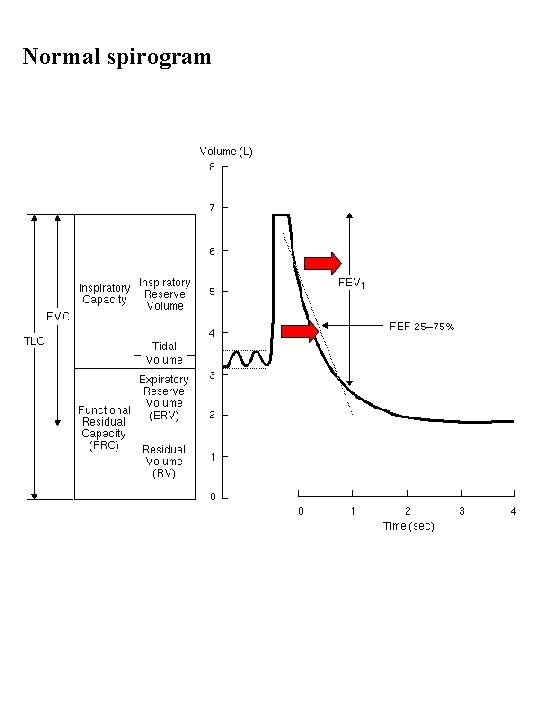
Normal spirogram
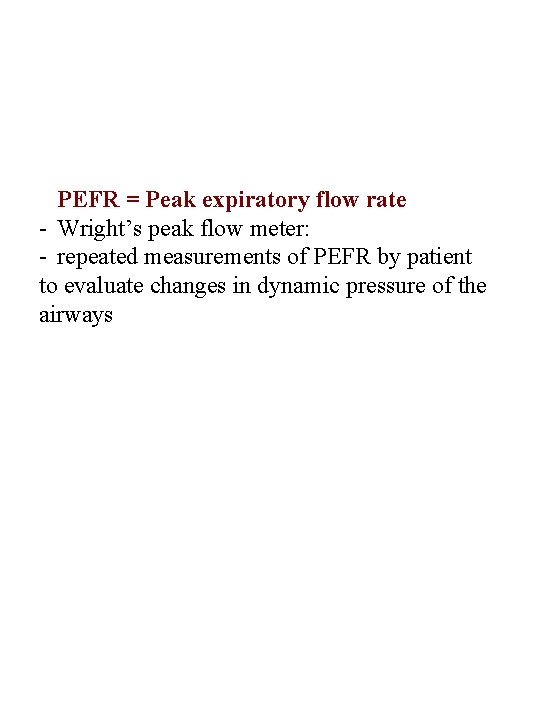
PEFR = Peak expiratory flow rate - Wright’s peak flow meter: - repeated measurements of PEFR by patient to evaluate changes in dynamic pressure of the airways
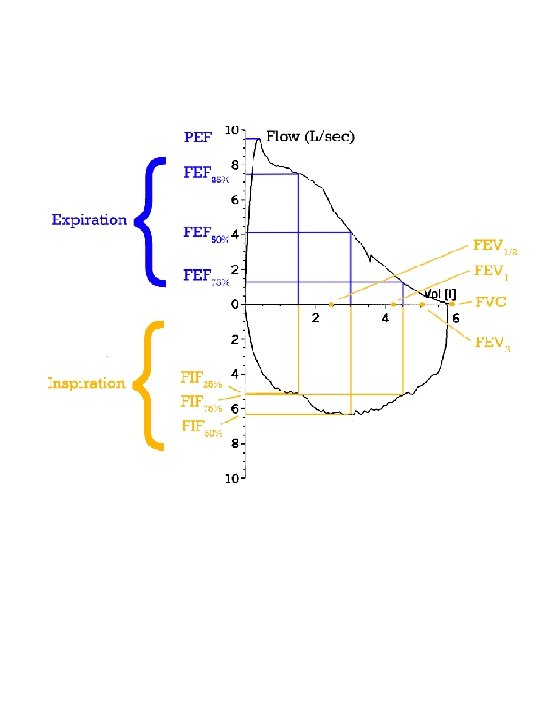
Flow volume loops measurement of flow dependend on volume inspiration exspiration
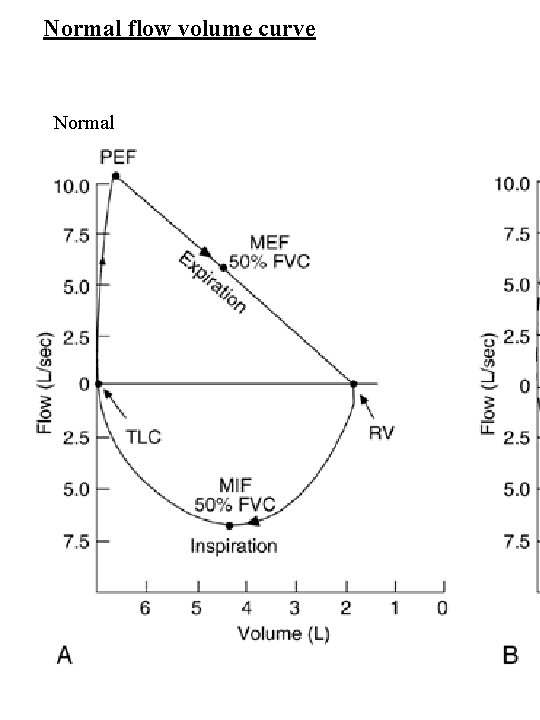
Normal flow volume curve Normal
Restrictive diseases anatomical and/or functional loss of surface for gas exchange resection atelectasis lung edema lung fibrosis thoracic deformities / breathing movements pneumonia pneumothorax
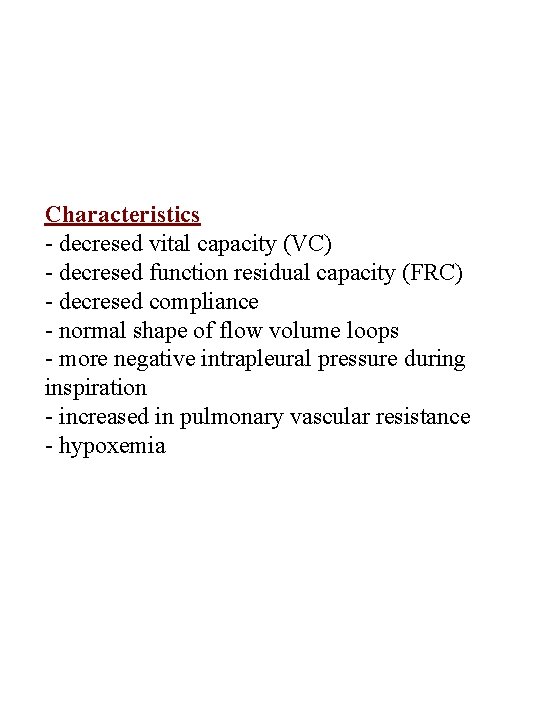
Characteristics - decresed vital capacity (VC) - decresed function residual capacity (FRC) - decresed compliance - normal shape of flow volume loops - more negative intrapleural pressure during inspiration - increased in pulmonary vascular resistance - hypoxemia
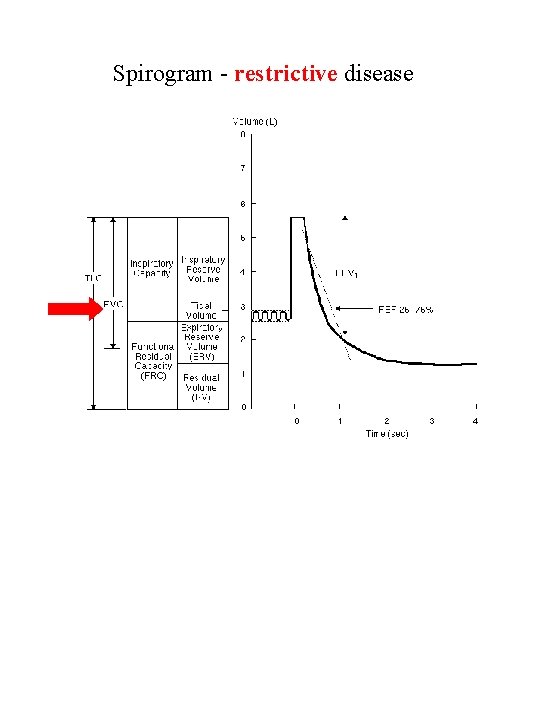
Spirogram - restrictive disease
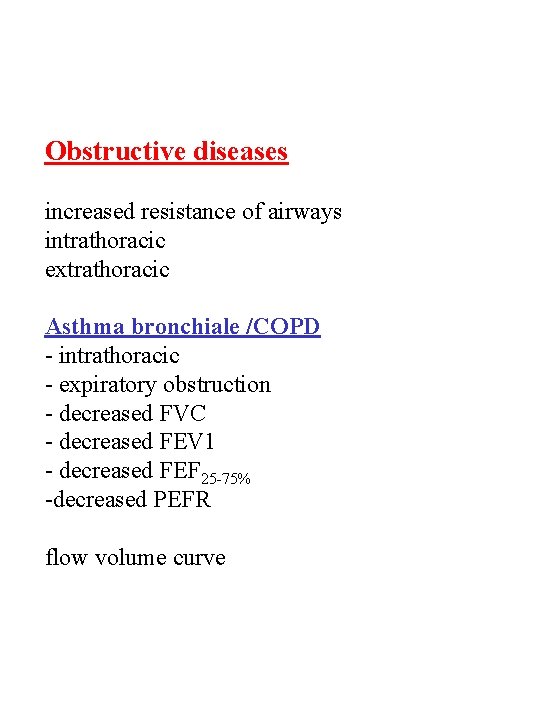
Obstructive diseases increased resistance of airways intrathoracic extrathoracic Asthma bronchiale /COPD - intrathoracic - expiratory obstruction - decreased FVC - decreased FEV 1 - decreased FEF 25 -75% -decreased PEFR flow volume curve
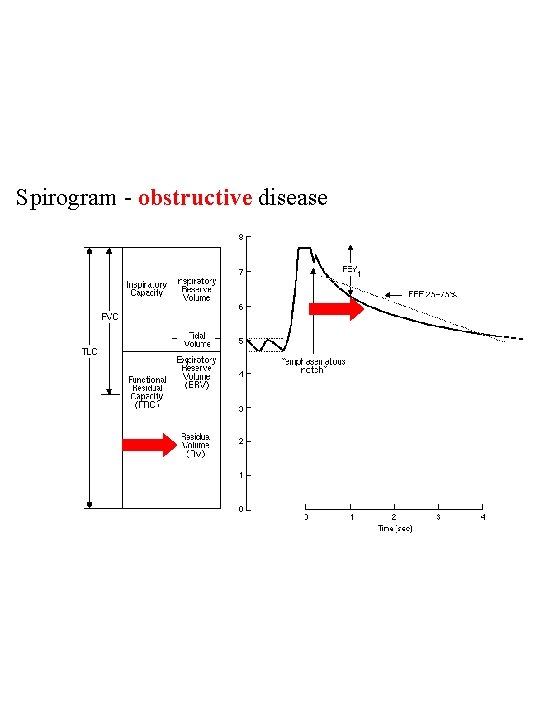
Spirogram - obstructive disease
Evaluation of FVC 1. peakflowmetry (PEF) 2. measurement of expired volume in different time intervals, mainly in 1 sec (FEV 1) 3. relation of expired flow to volume a) mean expiratory flow 25 -75 % FVC (FEF 25 -75, FMF) b) mean expiratory flow in any point of FVC (MEF 25, 50, 75) Values from initial phases of expiration depend on maximal effort of pacient changes of extrathoracic airways Values from later phases of expiration depend on mechanical lung properties
Evaluation of shape of expiration curve maximal flow is in approx. 80 % of FVC 100– 75 %: part dependent on expiratory effort (velocity and muscular effort) 75– 15 %: part independent on expiratory effort (relation between lung volume and maximal flow) – indicator of airway resistance and lung elasticity 15– 0 %: part dependent on expiratory effort
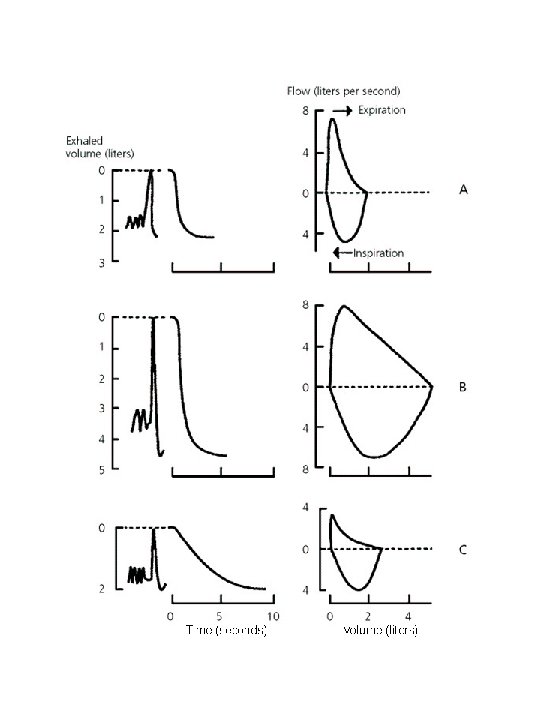
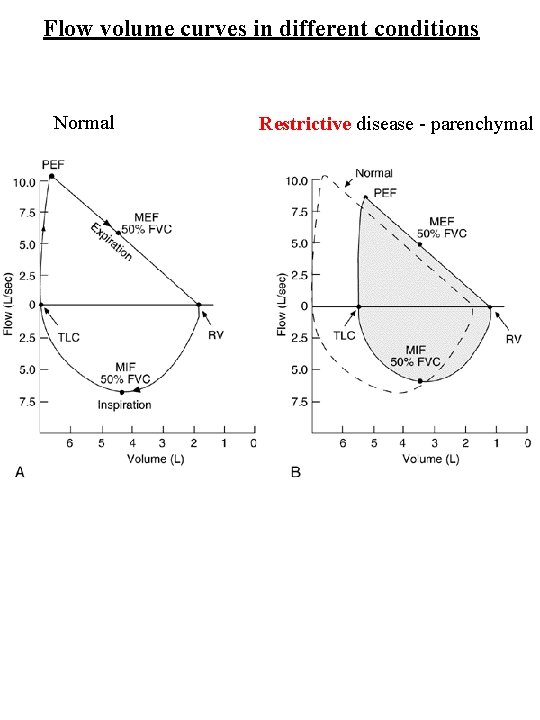
Flow volume curves in different conditions Normal Restrictive disease - parenchymal
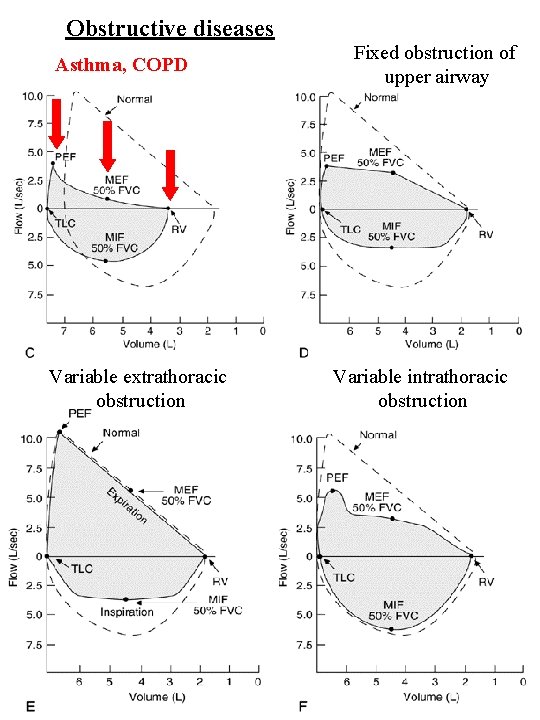
Obstructive diseases Asthma, COPD Variable extrathoracic obstruction Fixed obstruction of upper airway Variable intrathoracic obstruction
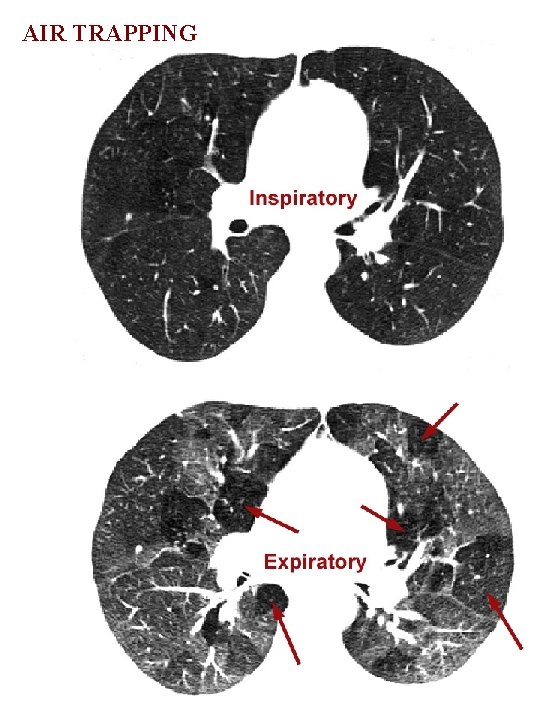
AIR TRAPPING
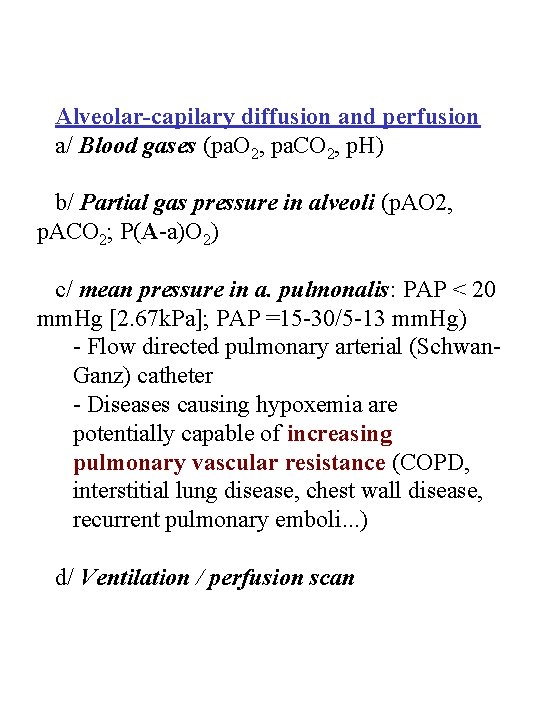
Alveolar-capilary diffusion and perfusion a/ Blood gases (pa. O 2, pa. CO 2, p. H) b/ Partial gas pressure in alveoli (p. AO 2, p. ACO 2; P(A-a)O 2) c/ mean pressure in a. pulmonalis: PAP < 20 mm. Hg [2. 67 k. Pa]; PAP =15 -30/5 -13 mm. Hg) - Flow directed pulmonary arterial (Schwan. Ganz) catheter - Diseases causing hypoxemia are potentially capable of increasing pulmonary vascular resistance (COPD, interstitial lung disease, chest wall disease, recurrent pulmonary emboli. . . ) d/ Ventilation / perfusion scan
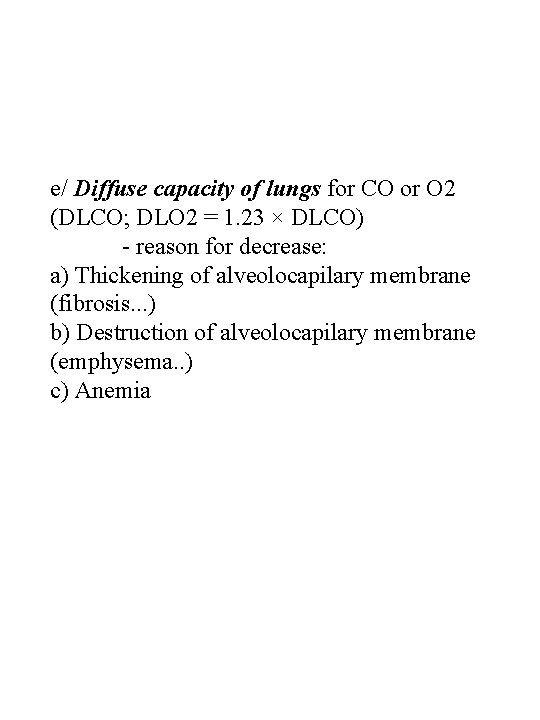
e/ Diffuse capacity of lungs for CO or O 2 (DLCO; DLO 2 = 1. 23 × DLCO) - reason for decrease: a) Thickening of alveolocapilary membrane (fibrosis. . . ) b) Destruction of alveolocapilary membrane (emphysema. . ) c) Anemia
Plethysmography = body test measuring: - spirometry - flow curves - other volumes: RV – residual volume ITV – introthoracic volume FRC – functional residual capacity resistance
OXYGEN - hypoxia Oxygen consumption = Hemoglobin × blood flow (CO) × (AV difference) AV difference activity of the tissue (oxygen extraction) pa. O 2, pv. O 2 Hypoxia * Transport (anemic) hypoxia * Ischemic hypoxia * Histototoxic hypoxia (decrease in AV difference) * Hypoxic hypoxia Factors influencing pa. O 2 - p. ATMO 2 - ventilation/perfusion - difusion - right-left shunt
CARBON DIOXIDE - hypocapnia - hypercapnia depends mainly on alveolar ventilation acid base balance !!
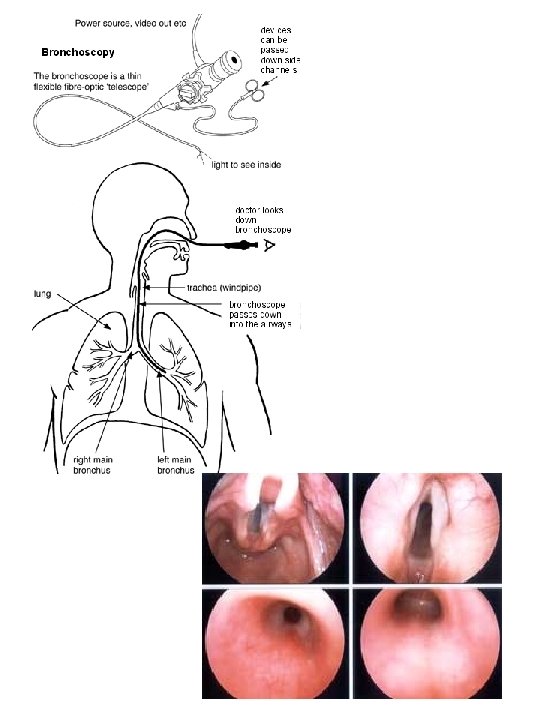
Endoscopic examination of the lungs 1. Bronchoscopic examination Fibroscopy (Flexible fiberoptic bronchoscope) - Visualization of tracheobroncial tree - Biopsy of suggestive or obvious lesions - Lavage, brushing or biopsy of lung regions for culture, cytological and microbiologic examination * bronchiolo-alveolar lavage (BAL): saline 150 -500 m. L * transbronchial lung biopsy 2. Mediastinoscopy – insertion of lighted mirror lens system through a insertion on the base of the neck anteriorly 3. Thoracoscopy
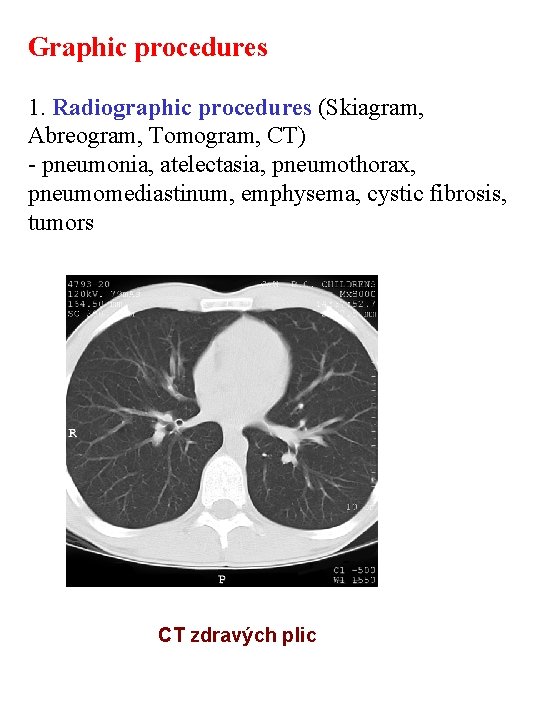
Graphic procedures 1. Radiographic procedures (Skiagram, Abreogram, Tomogram, CT) - pneumonia, atelectasia, pneumothorax, pneumomediastinum, emphysema, cystic fibrosis, tumors CT zdravých plic
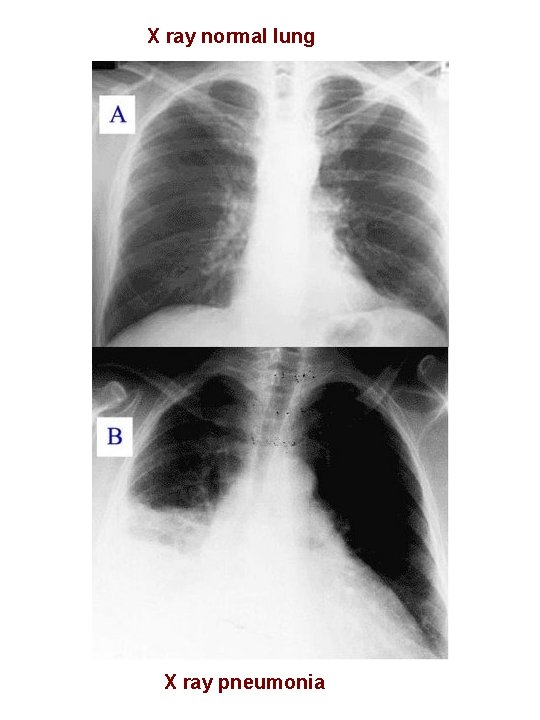
X ray normal lung X ray pneumonia
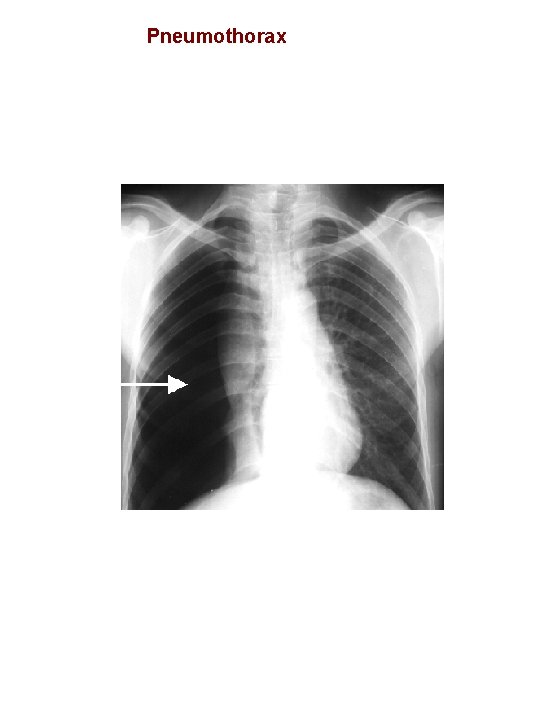
Pneumothorax
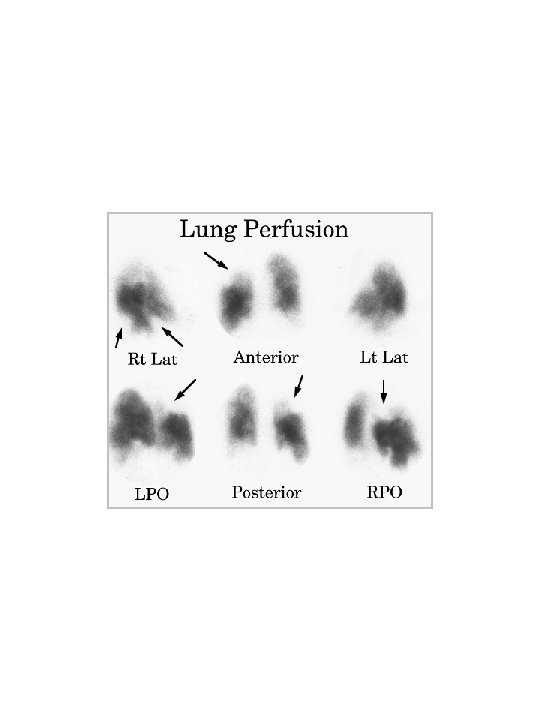
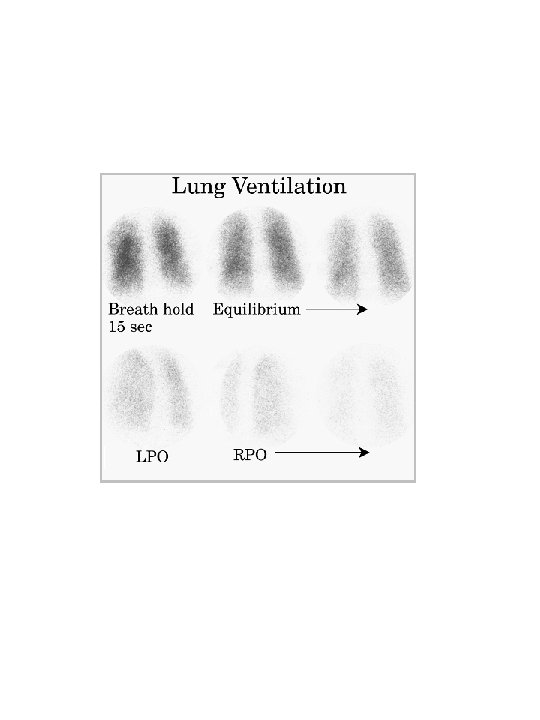
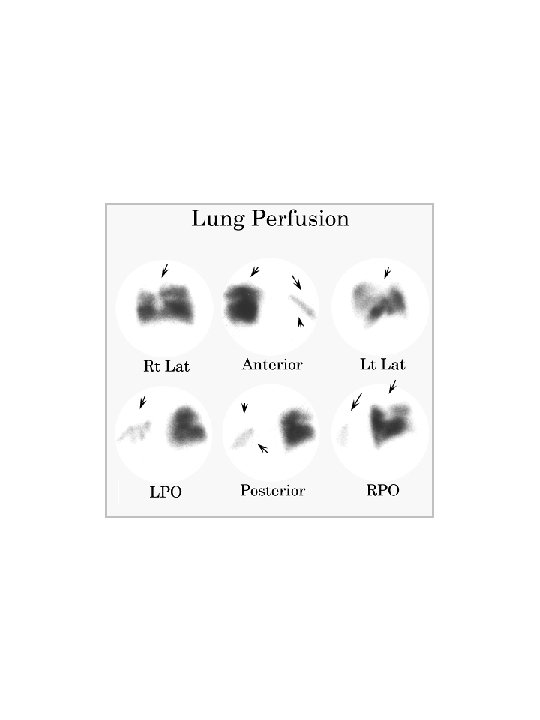
2. Pulmonary scintigraphy a) Ventilation - perfusion scan - diagnosis of pulmonary embolism and parenchymal lung disease should be performed in all clinically stable patients with the suspicion of pulmonary embolism - Ventilation scan - 133 Xe gas - Perfusion scan – microspheres of albumin (50 -100 mm labeled with gamma emitting isotope 99 m. Tc - “Mismatch” in ventilation and perfusion is characteristic for PTE
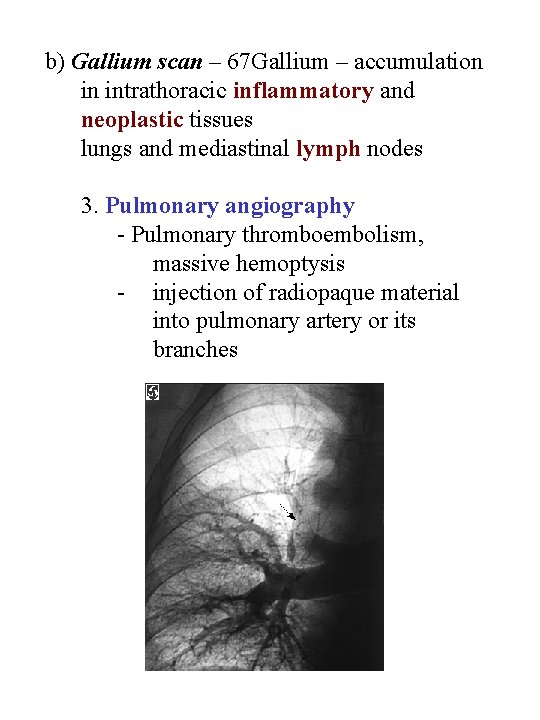
b) Gallium scan – 67 Gallium – accumulation in intrathoracic inflammatory and neoplastic tissues lungs and mediastinal lymph nodes 3. Pulmonary angiography - Pulmonary thromboembolism, massive hemoptysis - injection of radiopaque material into pulmonary artery or its branches
4. Ultrasonography - evaluation of pleural processes percutaneous lung biopsy 5. Nuclear Magnetic Resonance (MRI) - more sensitive then CT for distinguishing nonvascular tissues in the complex hilar region and central portions of lungs. - same effectiveness as CT in lung cancer staging
Laboratory tests - alpha-1 -antitrypsin (deficiency: young nonsmokers with emphysema) - Test of sweat for chlorides (Cystic fibrosis Cl- > 60 mmol/L) - Microbiolog: cultivation of sputum or BAL, molecular test (PCR…): Pseudomonas aeruginosa (CF), Staph. aureus, H. influenza, P. cepatia -Cytological examination of sputum or BAL -Biopsy
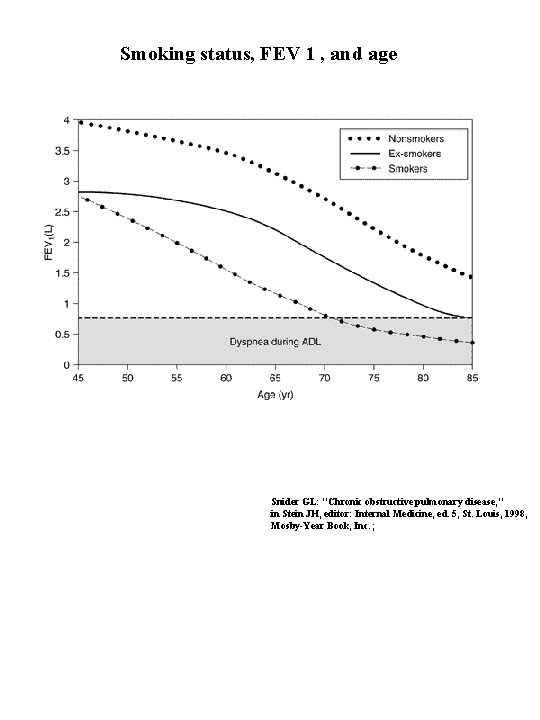
Smoking status, FEV 1 , and age Snider GL: "Chronic obstructive pulmonary disease, " in Stein JH, editor: Internal Medicine, ed. 5, St. Louis, 1998, Mosby-Year Book, Inc. ;
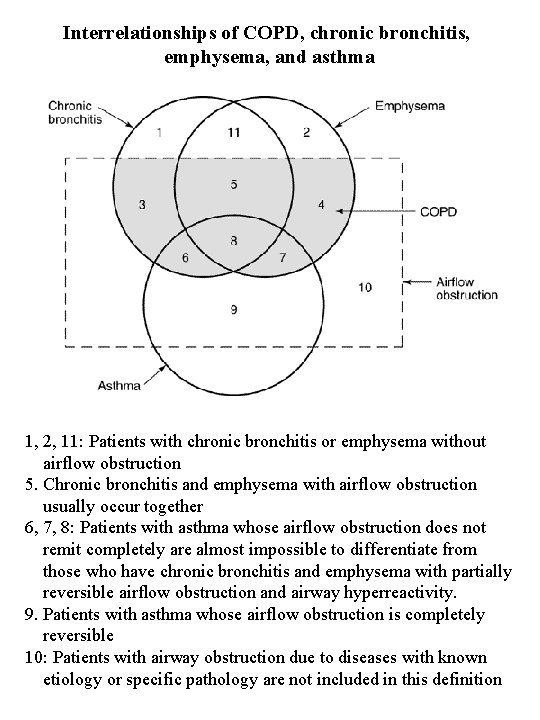
Interrelationships of COPD, chronic bronchitis, emphysema, and asthma 1, 2, 11: Patients with chronic bronchitis or emphysema without airflow obstruction 5. Chronic bronchitis and emphysema with airflow obstruction usually occur together 6, 7, 8: Patients with asthma whose airflow obstruction does not remit completely are almost impossible to differentiate from those who have chronic bronchitis and emphysema with partially reversible airflow obstruction and airway hyperreactivity. 9. Patients with asthma whose airflow obstruction is completely reversible 10: Patients with airway obstruction due to diseases with known etiology or specific pathology are not included in this definition
- Slides: 41