
Examination of the knee Historytaking HO Injury Yes



- Slides: 36
Examination of the knee
History-taking
H/O Injury • Yes • No
Presenting Complaints • • • Pain Locking Clicking Giving way Stiffness Loss of ROM
Understanding patient’s complaints Pain Only after activity At rest Gradual-onset Acute onset
Understanding patient’s complaints Locking v/s pseudo-locking
Understanding patient’s complaints Knee gives way
Understanding patient’s complaints Stiffness
Understanding patient’s complaints Clicking
Understanding patient’s complaints Loss of ROM
Examination
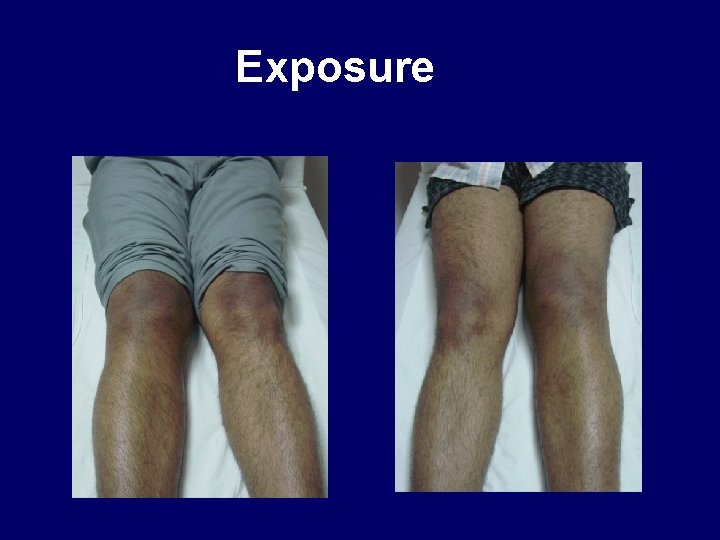
Exposure
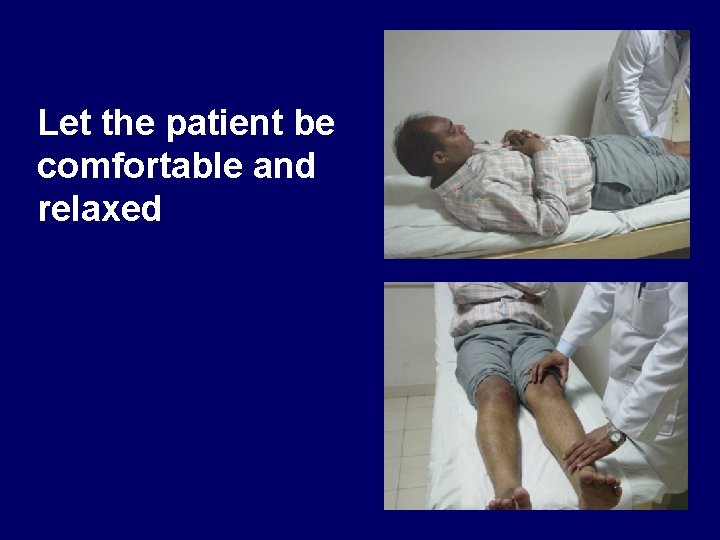
Let the patient be comfortable and relaxed
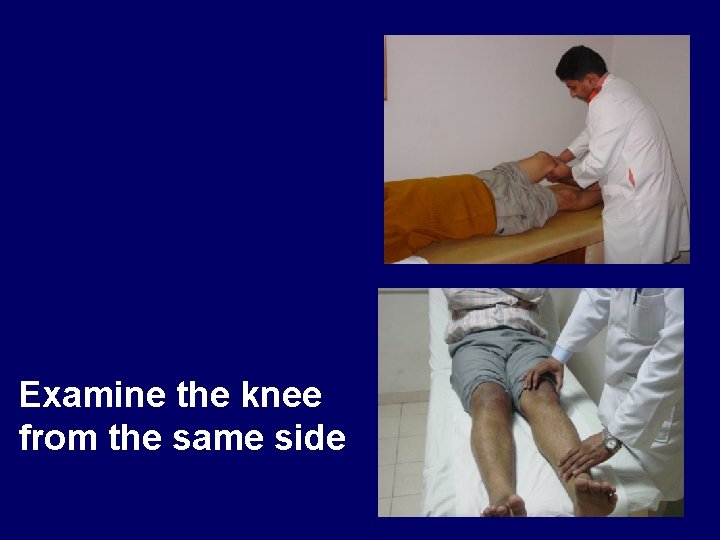
Examine the knee from the same side
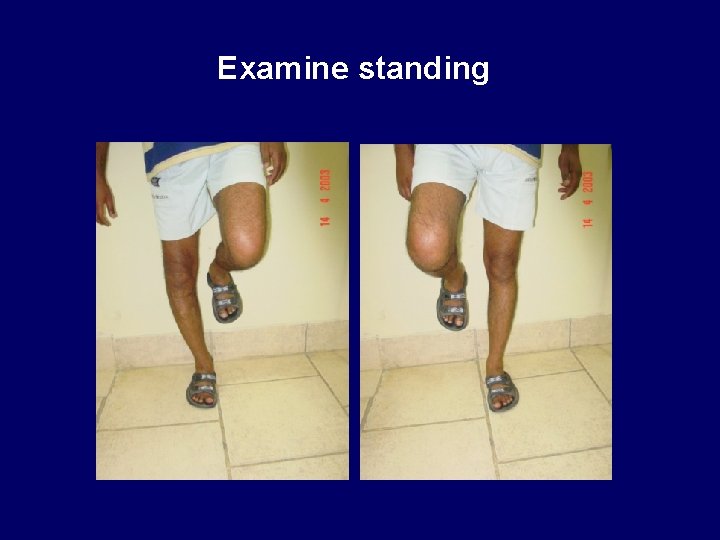
Examine standing
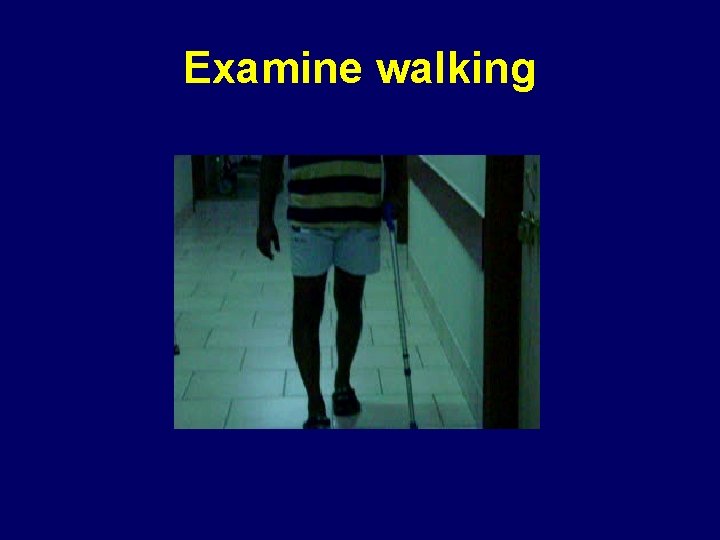
Examine walking
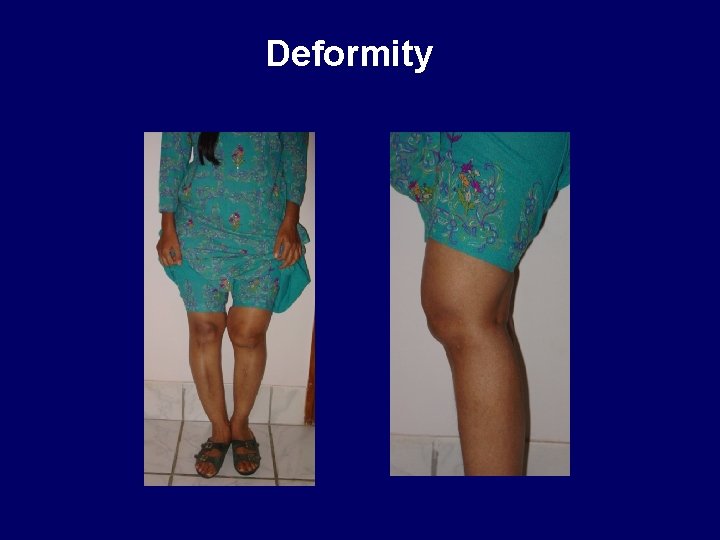
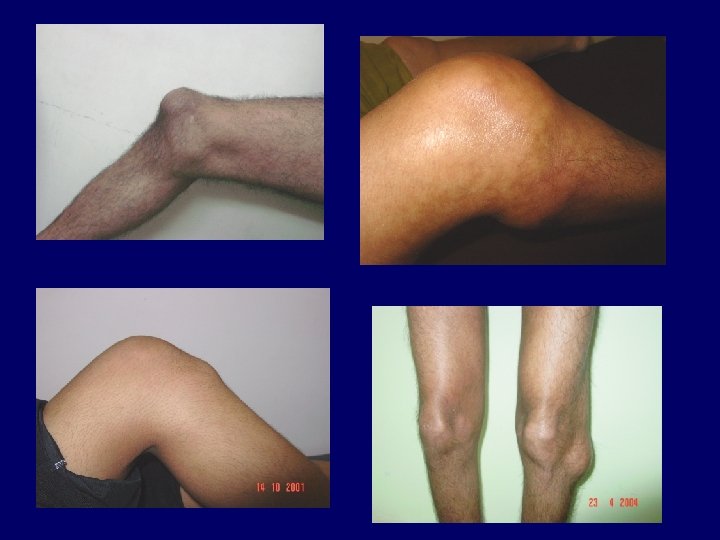
Deformity
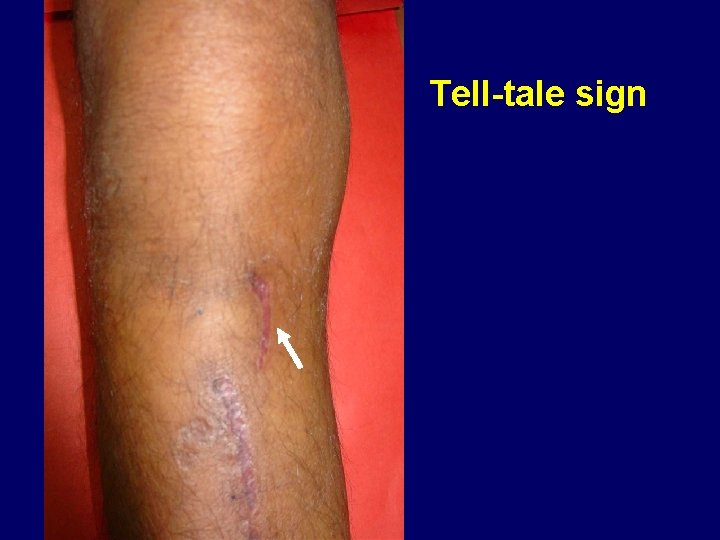
Tell-tale sign
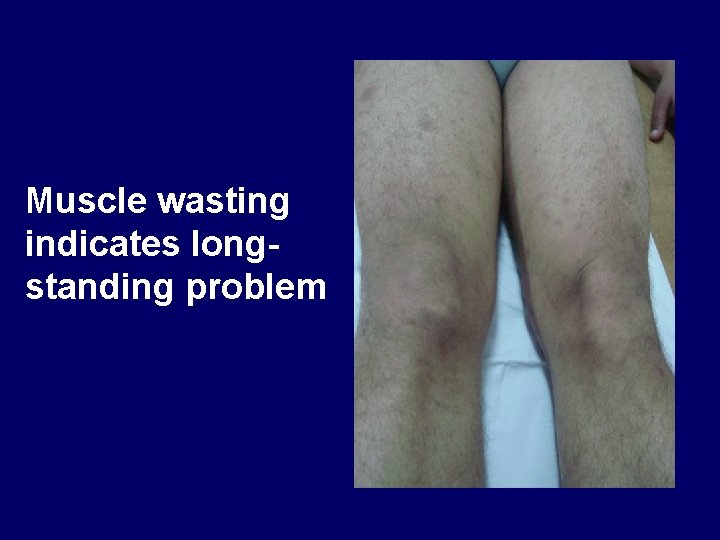
Muscle wasting indicates longstanding problem
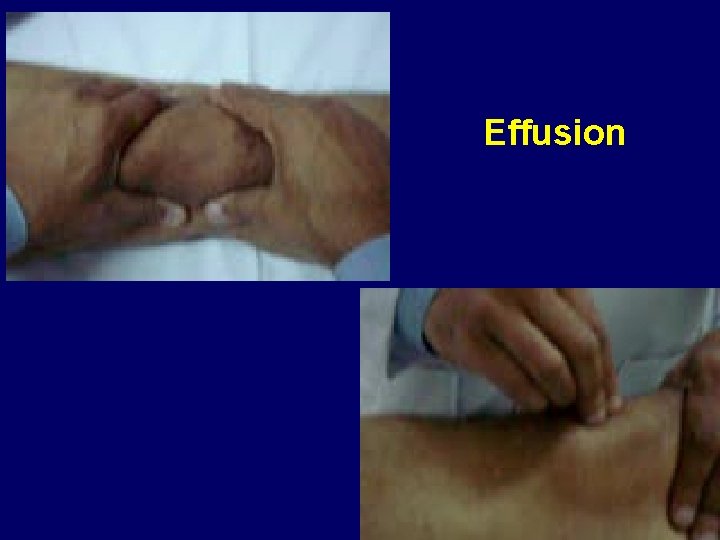
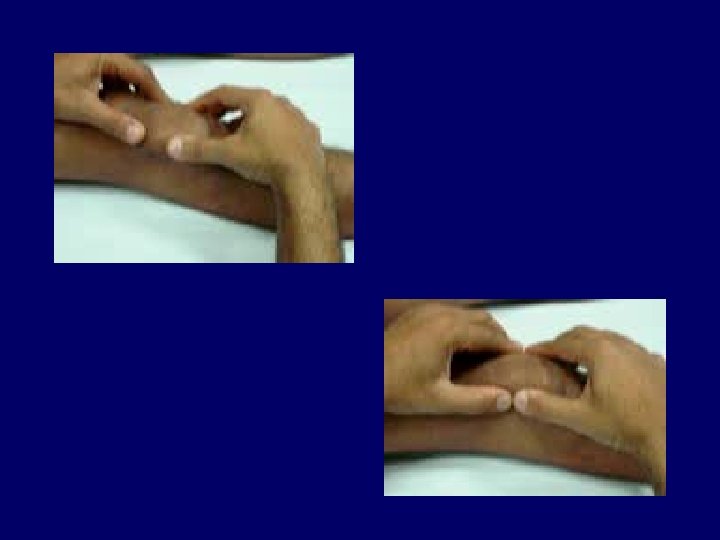
Effusion
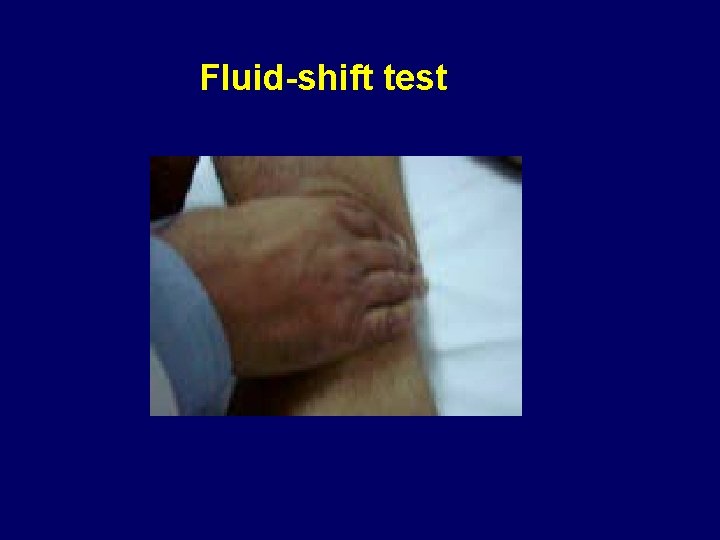
Fluid-shift test
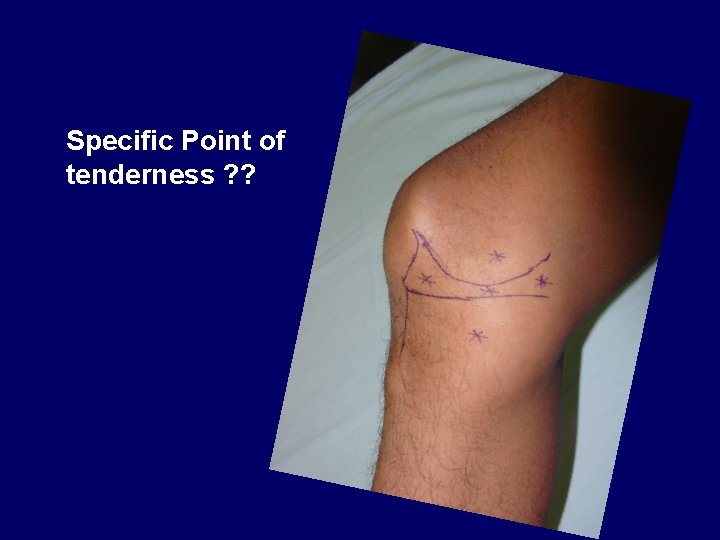
Specific Point of tenderness ? ?
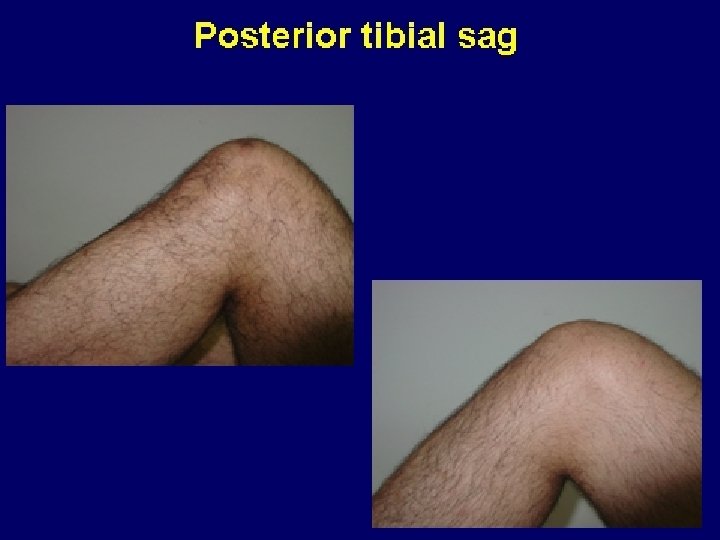
Examination for ligaments • Compare with opposite side • Look for ‘one more’ ligament injury • Look for PCL injury
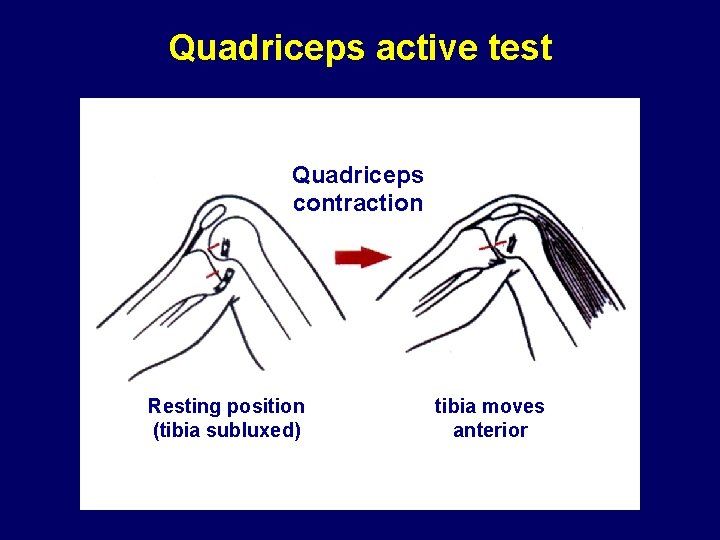
Quadriceps active test Quadriceps contraction Resting position (tibia subluxed) tibia moves anterior
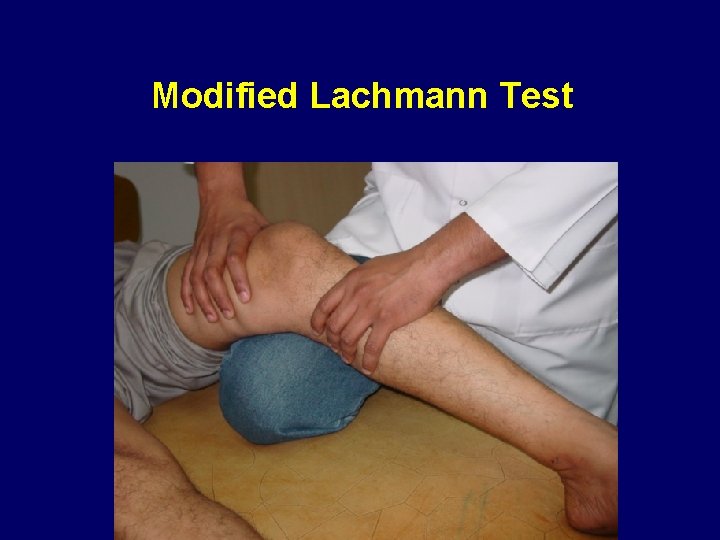
Modified Lachmann Test
Tests for meniscus tear • • • Mc Murray's Apley’s Squat test Xxx xxx
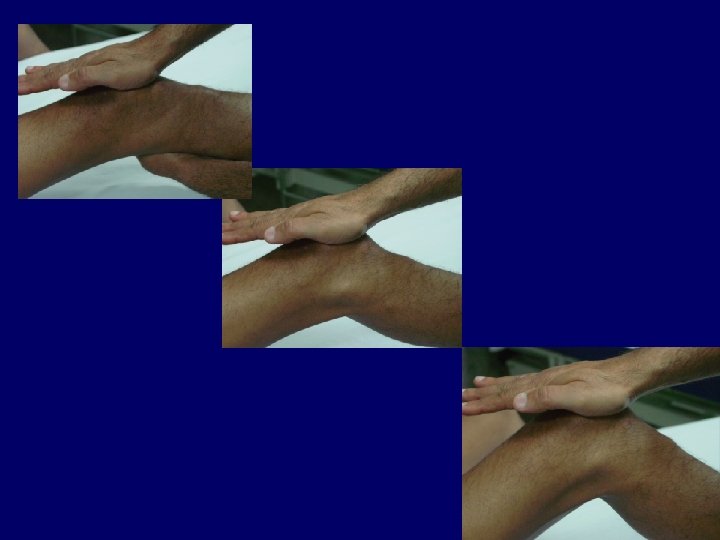
Patello-femoral joint • Alignment • Medio-lateral tissue balancing • Crepitus • Tenderness
To conclude… • IDK means “I Don’t Know” • Compare with the other side • Patello-femoral joint is also there
Thank you for your kind attention
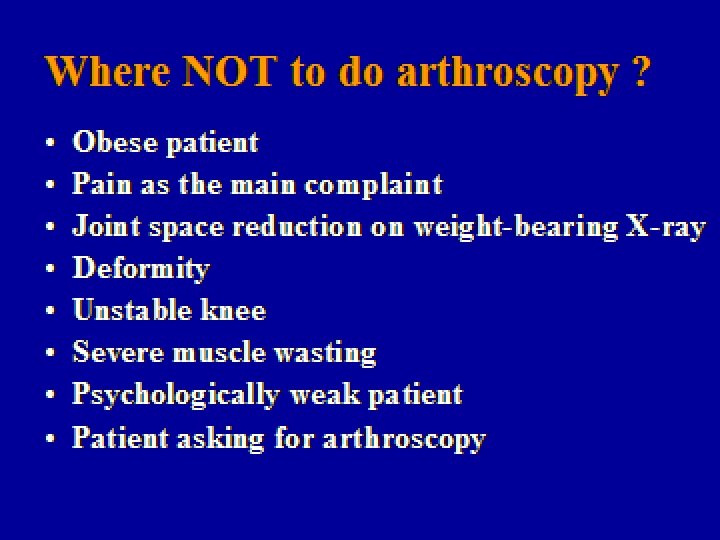
Be careful with. . . • Patients with severe disease wanting a minimal-invasive option for their fully invaded disease
Be careful with. . . • Patients asking for arthroscopy as MRI shows …