
Evolution What is evolution The central and unifying



- Slides: 82
Evolution
What is evolution? The central and unifying theme of biology The term “evolution” means gradual change over time Geologic evolution: the slow, continuous change of the earth itself Organic evolution: the change of a species itself in its time on the earth
Evolution is the process by which one species gives rise to another. Confusion sometimes arises as to whether Evolution is a theory or a fact. The theory of Evolution deals with how Evolution happens. Theories in science explain phenomena. Evolution is also a fact as there is a huge amount of indisputable evidence to support it.
Misconceptions about Evolution http: //molecularlifesciences. tumblr. com/post/75224638930/top-5 misconceptions-about-evolution-a-guide-to
Evidence for Evolution
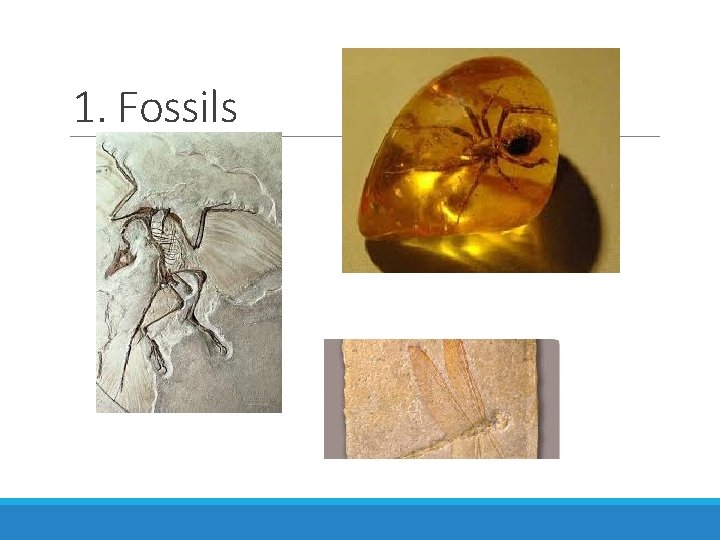
1. Fossils
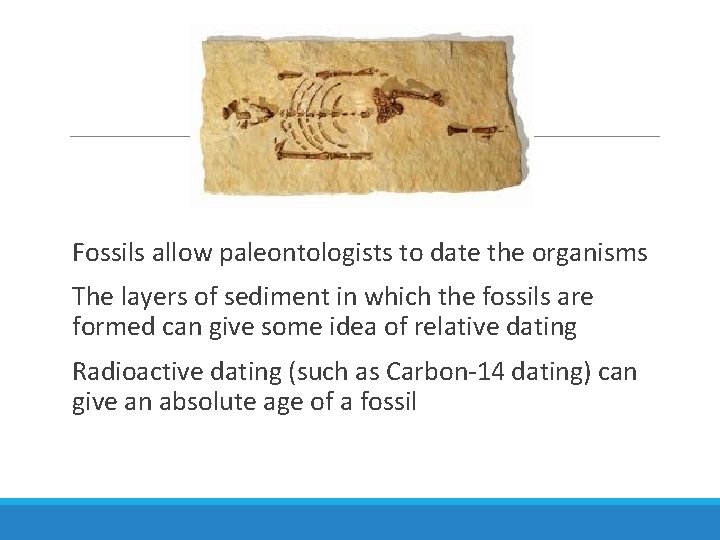
Fossil: a trace or remains of an organism that has been preserved by natural processes Mostly the hard parts (bones and shells) are preserved Evolutionists compare fossils to similar present-day forms to try to observe relationships between them
Fossils allow paleontologists to date the organisms The layers of sediment in which the fossils are formed can give some idea of relative dating Radioactive dating (such as Carbon-14 dating) can give an absolute age of a fossil
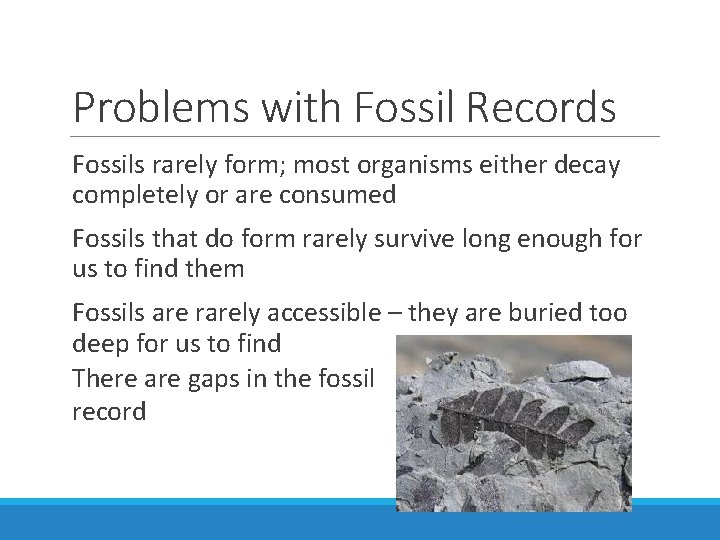
Problems with Fossil Records Fossils rarely form; most organisms either decay completely or are consumed Fossils that do form rarely survive long enough for us to find them Fossils are rarely accessible – they are buried too deep for us to find There are gaps in the fossil record
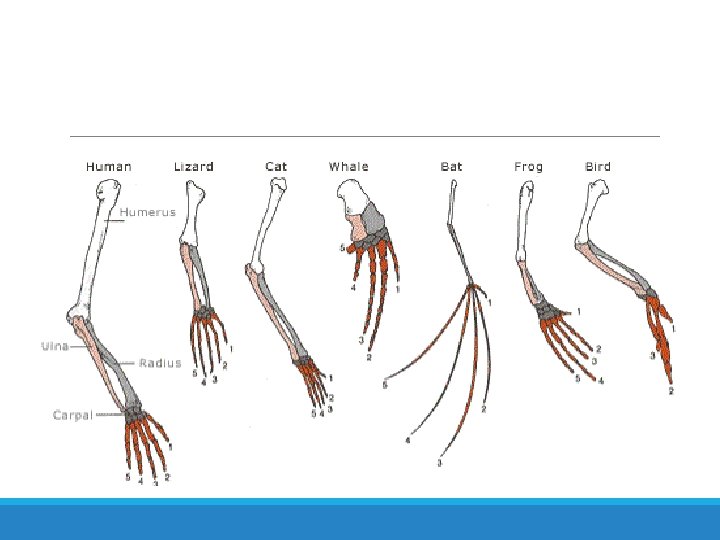
2. Comparative Anatomy refers to the structural similarities and differences between living things. Similar structures in different organisms points to similar ancestry. The more similarities there are, the more recent the common ancestor is.
Homologous Structures Parts of different organisms that have similar structures, but different forms or functions. These are regarded as evidence of common ancestry.
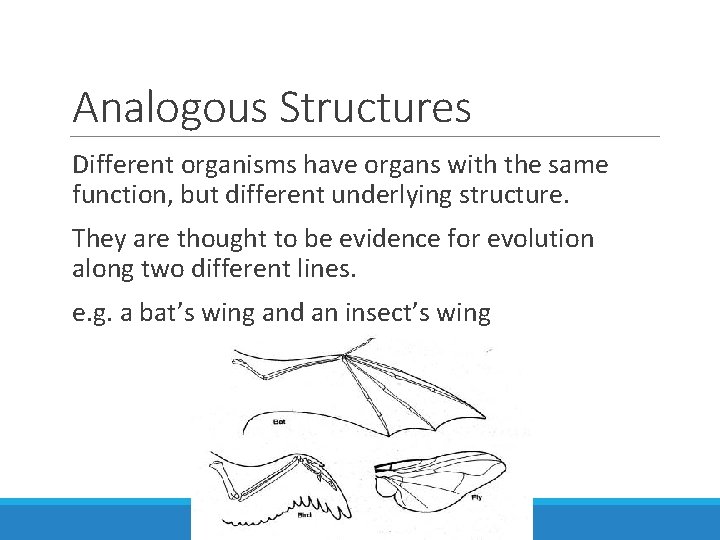
Analogous Structures Different organisms have organs with the same function, but different underlying structure. They are thought to be evidence for evolution along two different lines. e. g. a bat’s wing and an insect’s wing
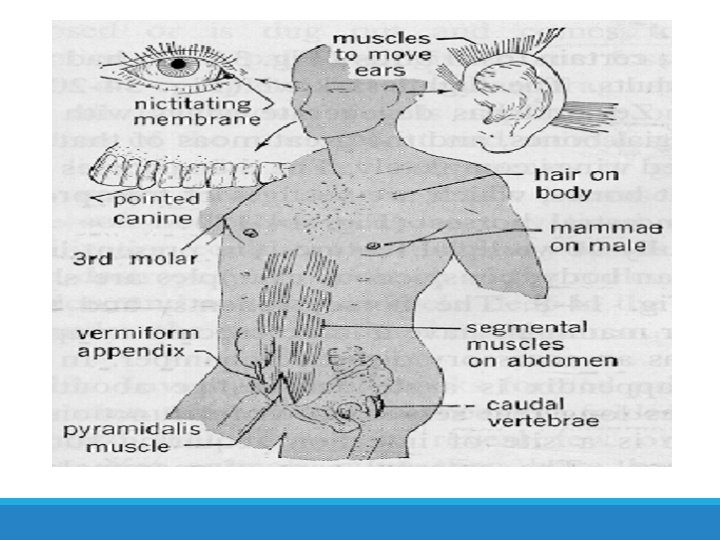
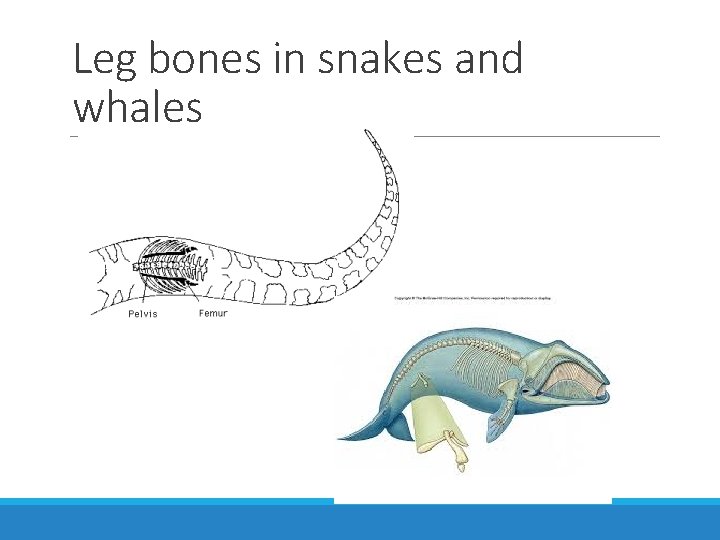
Vestigial Structures These are remnants of structures that were functional in an ancestral form (in modern organisms are often reduced in size and serve little to no function)
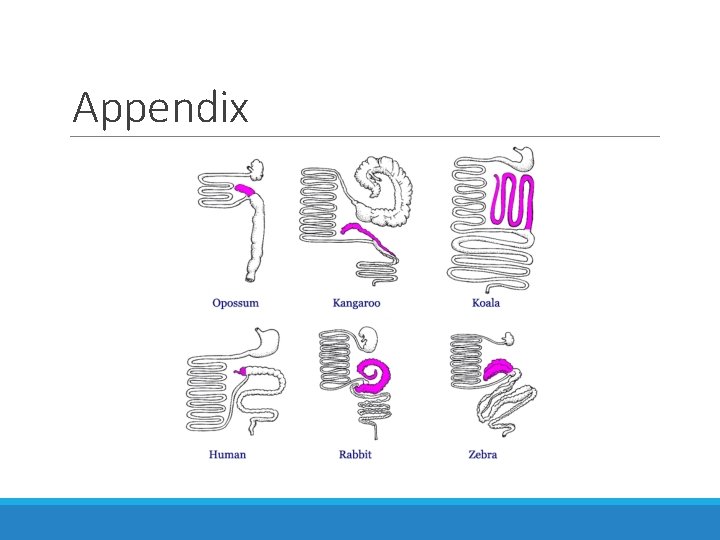
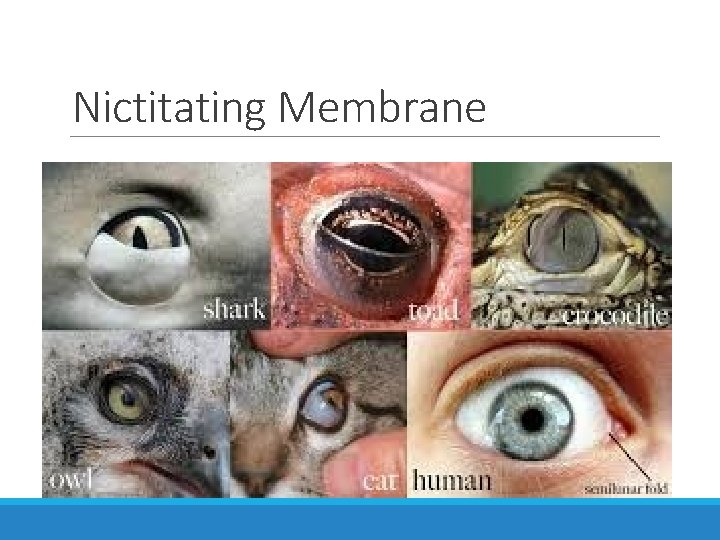
FYI… Humans have over 100 vestigial structures! ◦ Coccyx (tailbone) ◦ Appendix ◦ Wisdom Teeth ◦ Goosebumps ◦ Infant grip reflex ◦ Muscles to move nose and ears ◦ Nictitating membrane
Appendix
Nictitating Membrane
Leg bones in snakes and whales
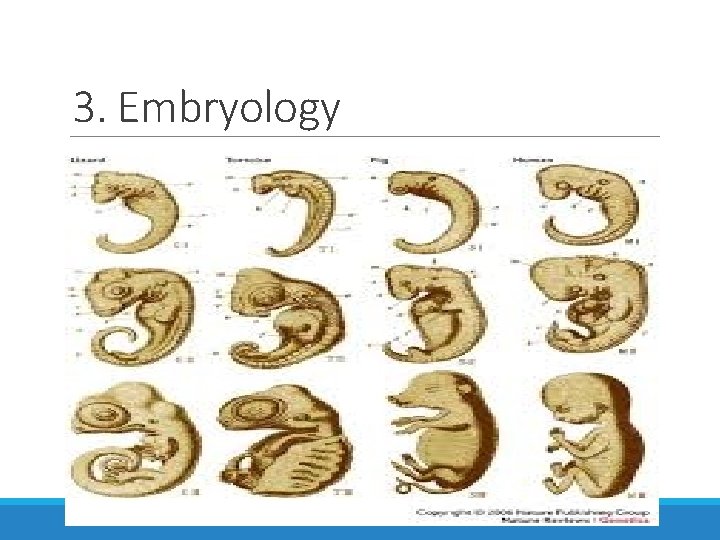
3. Embryology
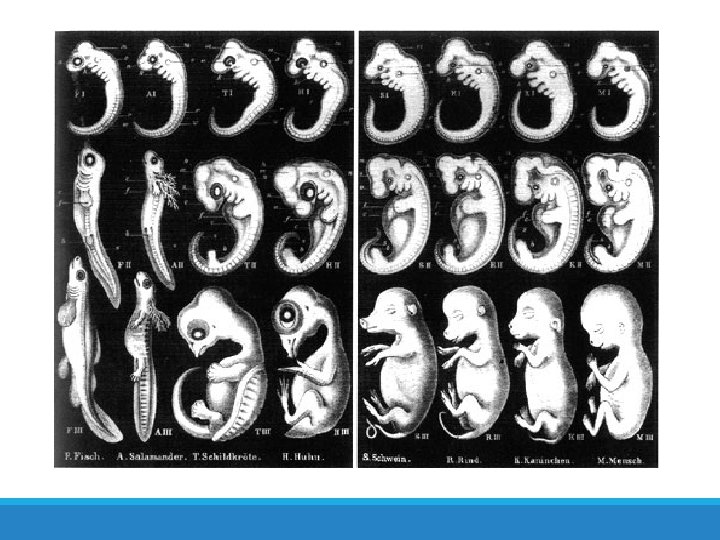
Embryological Similarities Closely-related species have similar patterns of development The more closely-related the organisms, the longer they will resemble each other as they develop.
In embryonic stages, homologous structures may appear that may not appear in the adult forms of two organisms For example, humans have a very early stage in utero with gill-slits. This points to a common ancestor with fish. Humans also have a tail for much of their embryological development. This points to a common ancestor with other primates.
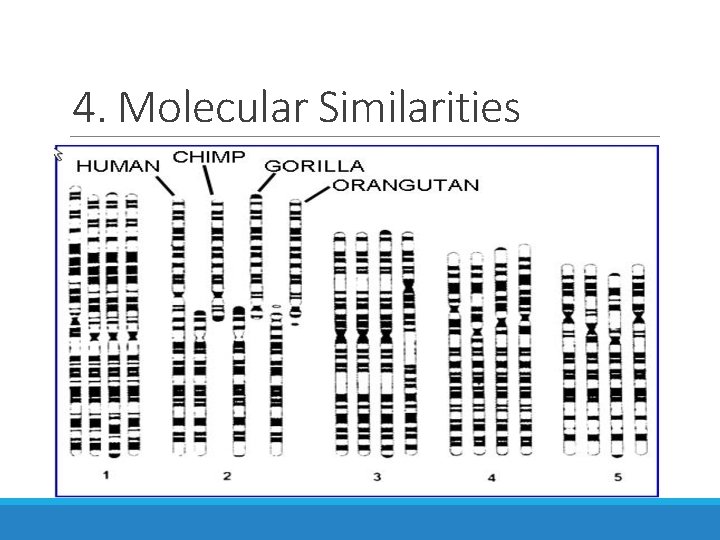
4. Molecular Similarities
Molecular Similarities Due to genome sequencing, we can now examine similarities in DNA The more closely-related species are, the more DNA sequence they share
Because every organism inherits DNA from their ancestors, the DNA of every living comes originally from the earliest forms of life Many genes in different organisms strongly resemble each other and therefore code for the same proteins
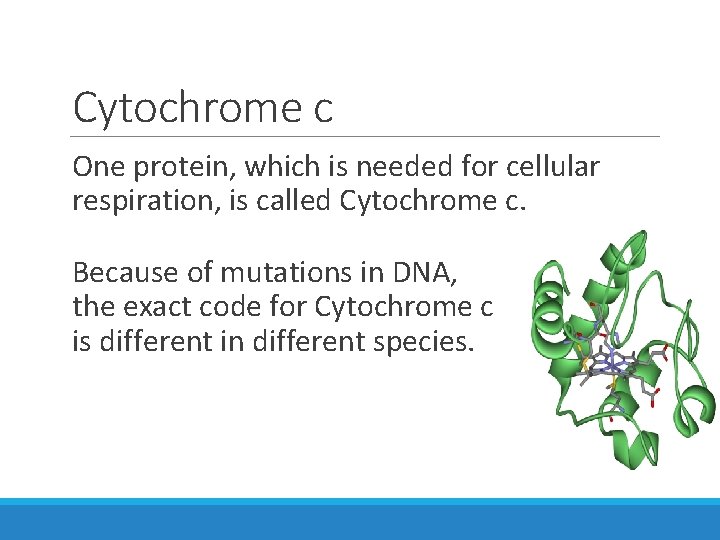
Cytochrome c One protein, which is needed for cellular respiration, is called Cytochrome c. Because of mutations in DNA, the exact code for Cytochrome c is different in different species.
Differences among cytochrome c are more pronounced the further back a common ancestor between two species is (the longer ago the species diverged) Therefore species who are closely-related will have very similar genes and proteins.
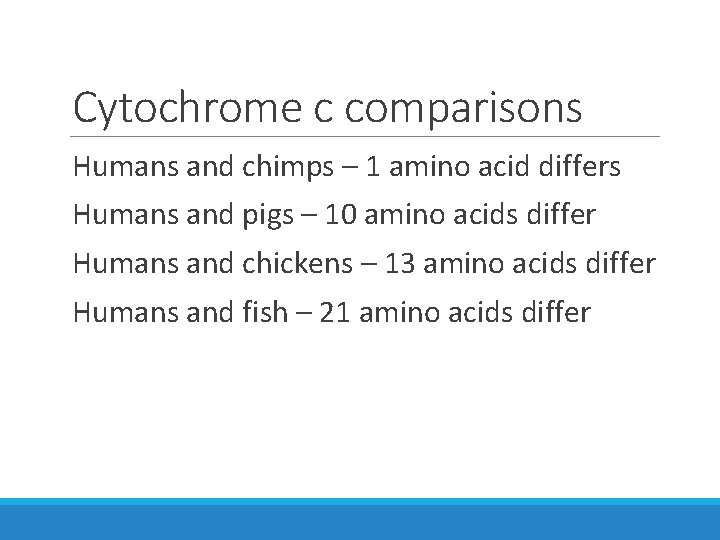
Cytochrome c comparisons Humans and chimps – 1 amino acid differs Humans and pigs – 10 amino acids differ Humans and chickens – 13 amino acids differ Humans and fish – 21 amino acids differ
Early Theories of Evolution
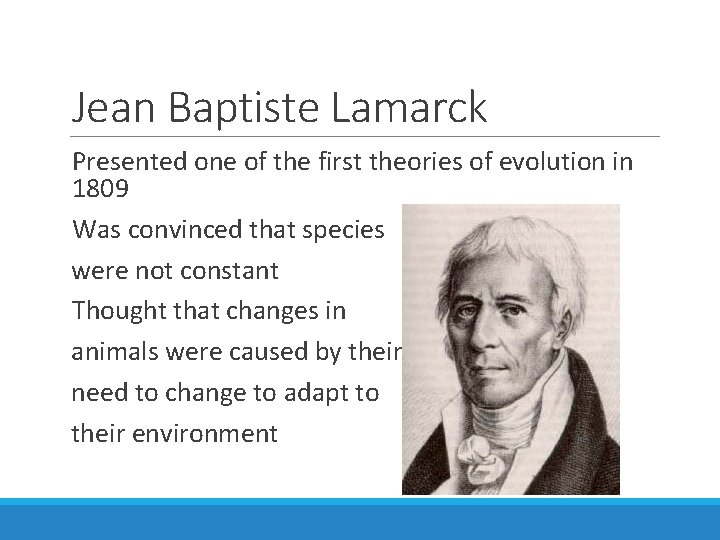
Jean Baptiste Lamarck Presented one of the first theories of evolution in 1809 Was convinced that species were not constant Thought that changes in animals were caused by their need to change to adapt to their environment
First Principle: Law of Use and Disuse ◦ The more an animal uses a specific part of their body, the stronger and betterdeveloped that part becomes. ◦ The less a part is used, the weaker and lessdeveloped that part becomes
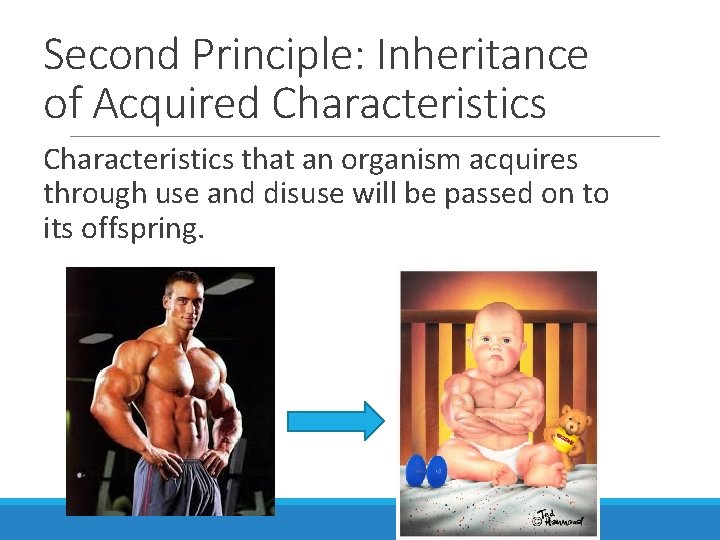
Second Principle: Inheritance of Acquired Characteristics that an organism acquires through use and disuse will be passed on to its offspring.
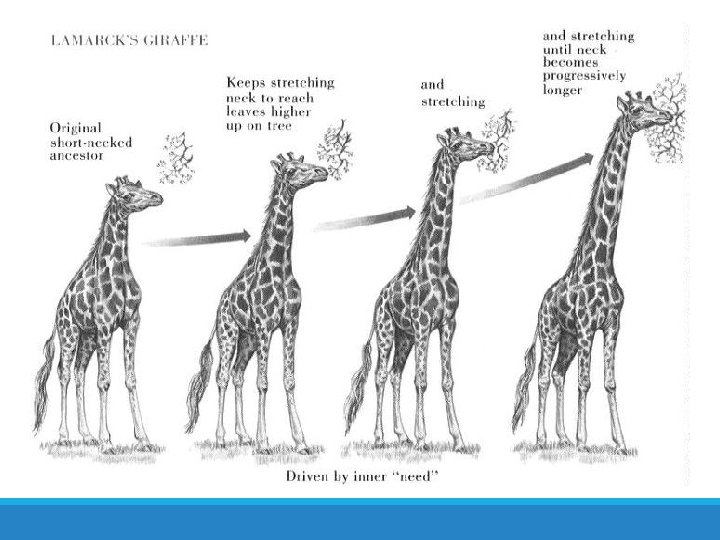
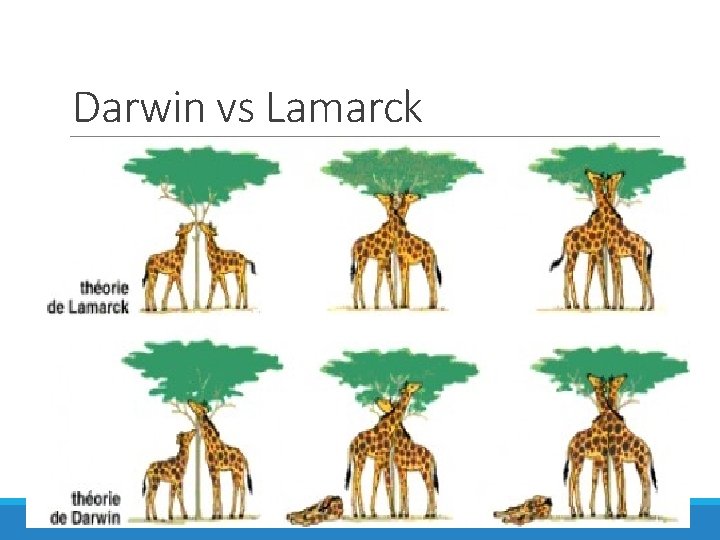
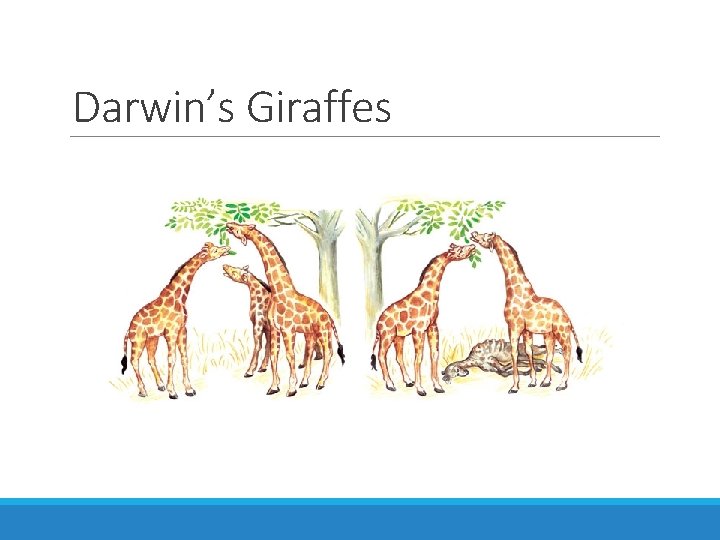
Classic Lamarck Example Giraffe’s long necks: ◦ Lamarck knew the ancestors of modern giraffes had short necks ◦ He thought they would have run out of grasses and low leaves to eat and had to stretch their necks to get food ◦ Over time, the stretching resulted in their necks getting longer ◦ The giraffes passed this trait on to their offspring
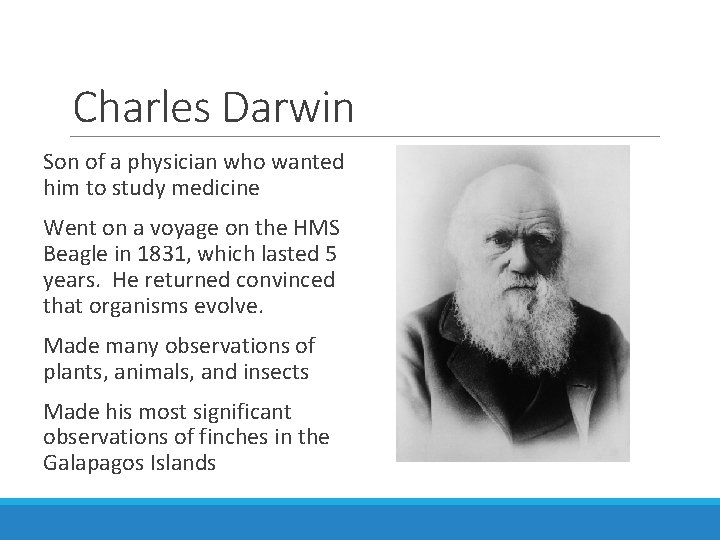
Charles Darwin Son of a physician who wanted him to study medicine Went on a voyage on the HMS Beagle in 1831, which lasted 5 years. He returned convinced that organisms evolve. Made many observations of plants, animals, and insects Made his most significant observations of finches in the Galapagos Islands
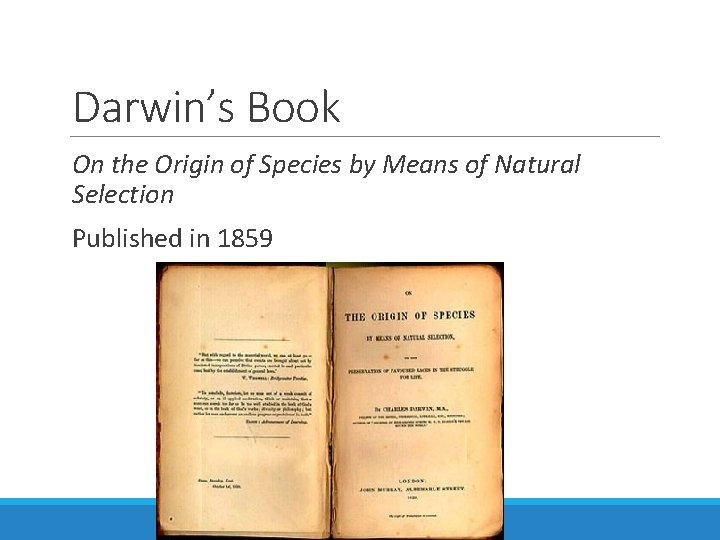
Darwin’s Book On the Origin of Species by Means of Natural Selection Published in 1859
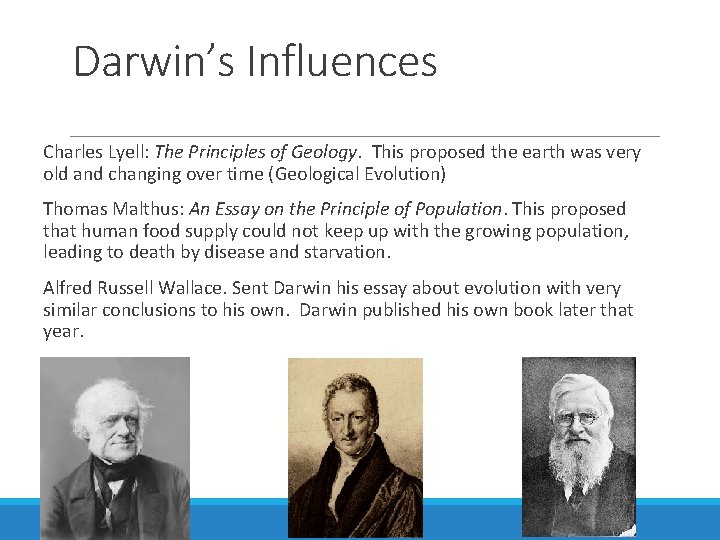
Darwin’s Influences Charles Lyell: The Principles of Geology. This proposed the earth was very old and changing over time (Geological Evolution) Thomas Malthus: An Essay on the Principle of Population. This proposed that human food supply could not keep up with the growing population, leading to death by disease and starvation. Alfred Russell Wallace. Sent Darwin his essay about evolution with very similar conclusions to his own. Darwin published his own book later that year.
Darwin vs Lamarck
Darwin’s Giraffes
Darwin’s Theory of Natural Selection Read the text pages 420 -421 Complete the worksheet For the examples use the giraffe. How would Darwin’s theory of evolution by natural selection apply to the giraffes?
Other contributions to Evolutionary theory
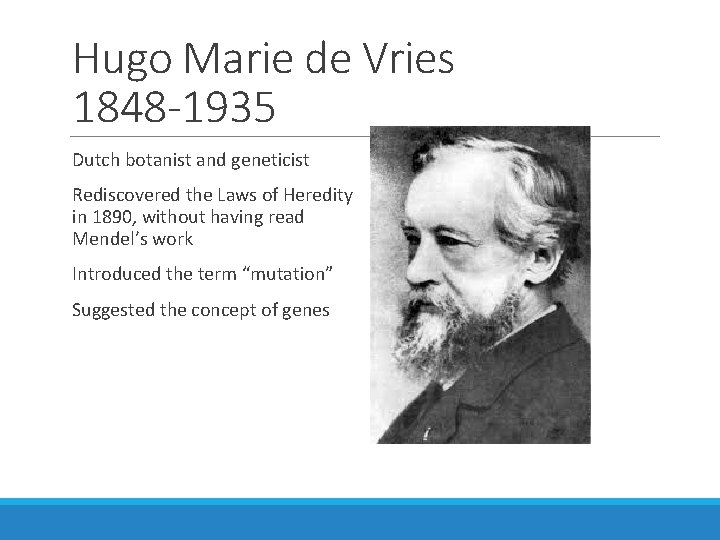
Hugo Marie de Vries 1848 -1935 Dutch botanist and geneticist Rediscovered the Laws of Heredity in 1890, without having read Mendel’s work Introduced the term “mutation” Suggested the concept of genes
Mutation Theory Introduced the term “mutation” to describe suddenly-appearing varieties of plants Argued that new species are not formed by continuous variations, but by sudden appearance of variations (mutations) These mutations are heritable and will persist into the next generation
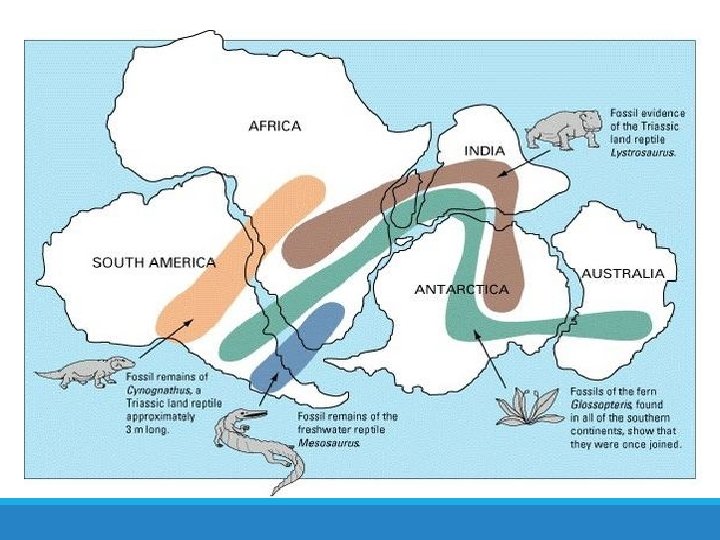
Alfred Wegener 1912 Alfred Wegener proposed theory of continental drift – the idea that Earth’s continents move. Despite publishing a large body of compelling fossil and rock evidence for his theory, it was rejected by most other scientists. It was only in the 1960 s that continental drift finally became part of mainstream science.
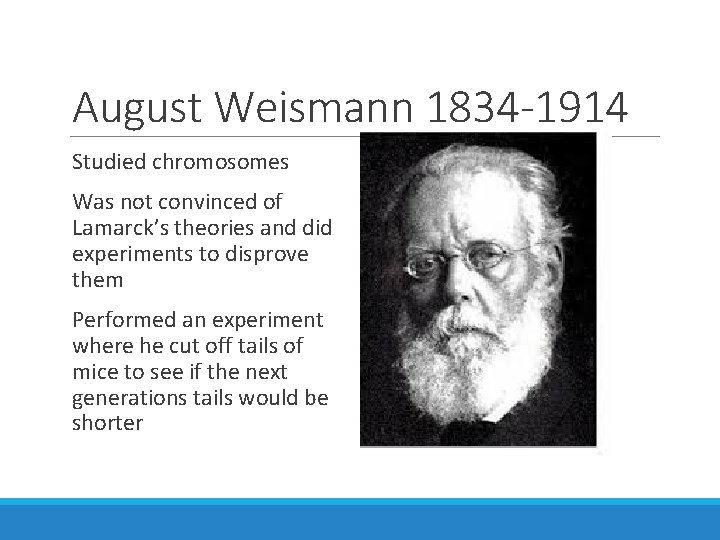
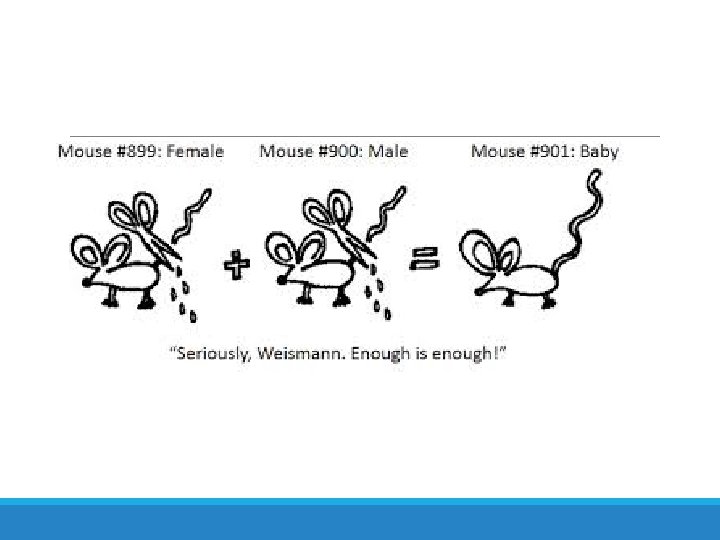
August Weismann 1834 -1914 Studied chromosomes Was not convinced of Lamarck’s theories and did experiments to disprove them Performed an experiment where he cut off tails of mice to see if the next generations tails would be shorter
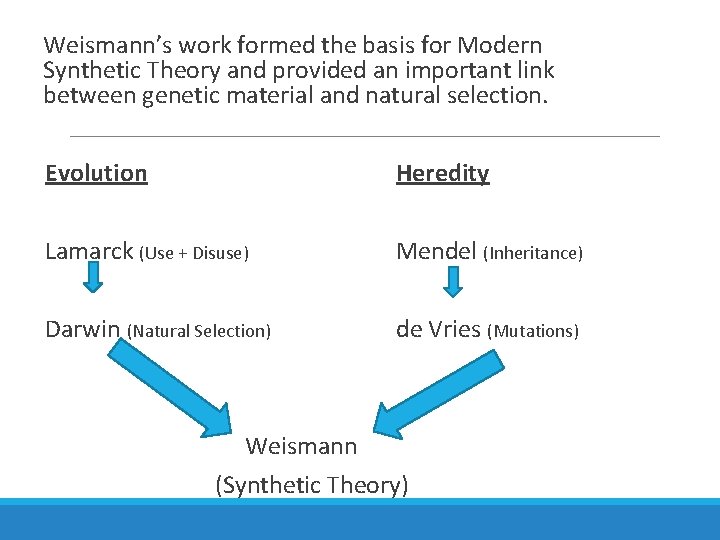
Weismann’s work formed the basis for Modern Synthetic Theory and provided an important link between genetic material and natural selection. Evolution Heredity Lamarck (Use + Disuse) Mendel (Inheritance) Darwin (Natural Selection) de Vries (Mutations) Weismann (Synthetic Theory)
Theodosius Dobzhansky 1937 Author of Genetics and the Origin of Species, a book that offers an explanation for how species actually came into existence. Mutations crop up naturally all the time. Some mutations are harmful in certain circumstances, but a surprising number have no effect one way or the other. These neutral changes appear in different populations and linger, creating variability that is far greater than anyone had previously imagined.
Modern Synthesis Dobzhansky's ability to combine genetics and natural history attracted many other biologists to join him in the effort to find a unified explanation of how evolution happens. Their combined work, known as "The Modern Synthesis, " brought together genetics, paleontology, systematics, and many other sciences into one powerful explanation of evolution, showing how mutations and natural selection could produce large-scale evolutionary change. The Modern Synthesis certainly did not bring the study of evolution to an end, but it became the foundation for future research.
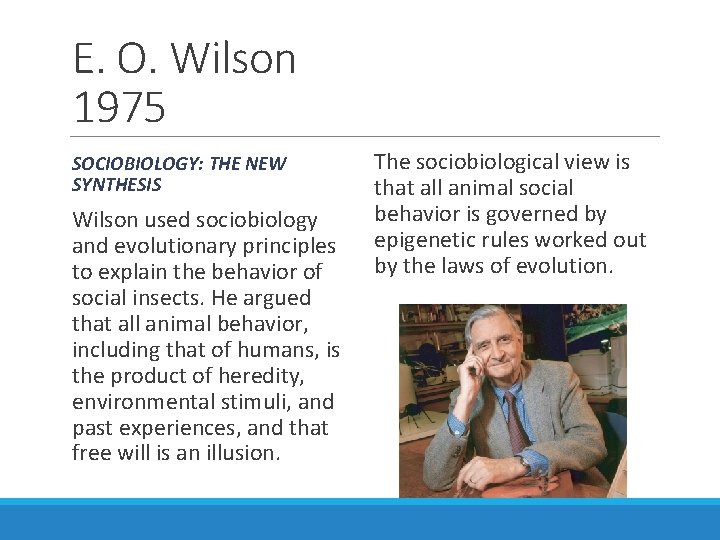
E. O. Wilson 1975 SOCIOBIOLOGY: THE NEW SYNTHESIS Wilson used sociobiology and evolutionary principles to explain the behavior of social insects. He argued that all animal behavior, including that of humans, is the product of heredity, environmental stimuli, and past experiences, and that free will is an illusion. The sociobiological view is that all animal social behavior is governed by epigenetic rules worked out by the laws of evolution.
Microevolution vs. Macroevolution Microevolution: the evolution of a species as the environment changes. Macroevolution: the formation of a new species.
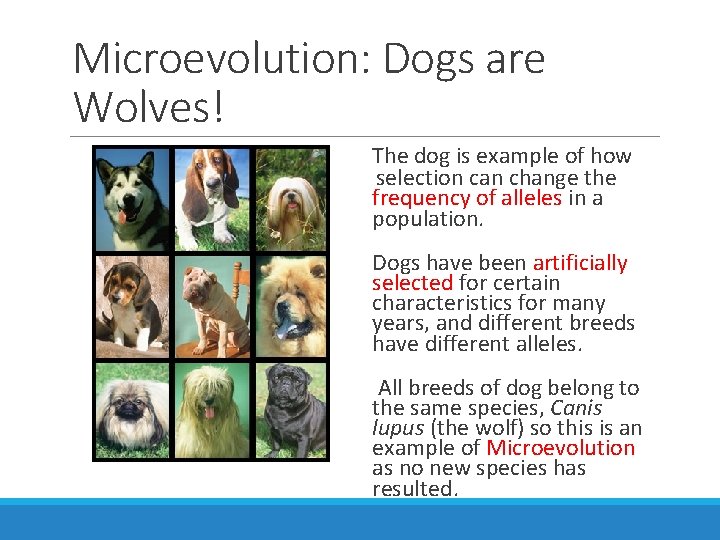
Microevolution: Dogs are Wolves! The dog is example of how selection can change the frequency of alleles in a population. Dogs have been artificially selected for certain characteristics for many years, and different breeds have different alleles. All breeds of dog belong to the same species, Canis lupus (the wolf) so this is an example of Microevolution as no new species has resulted.
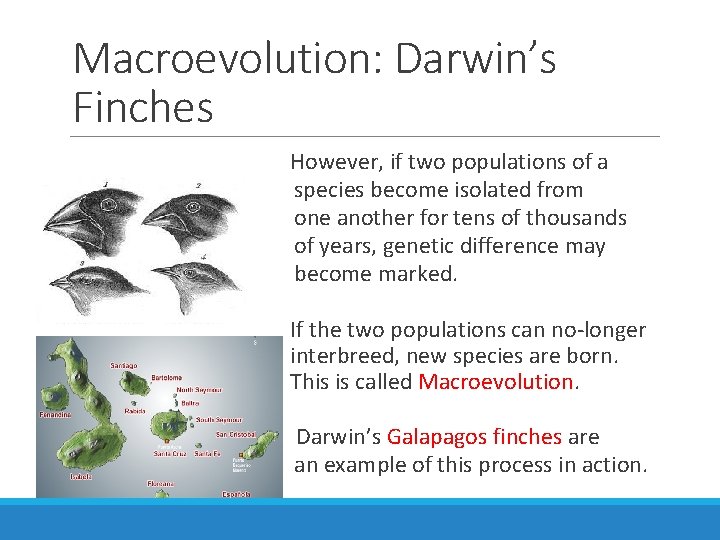
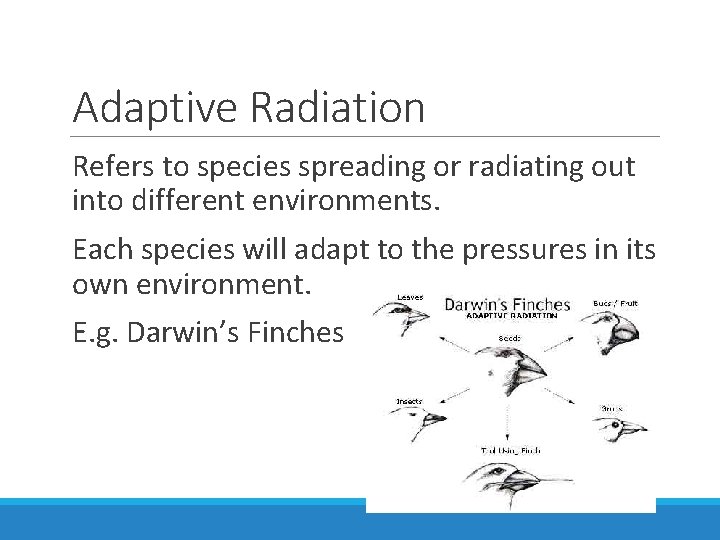
Macroevolution: Darwin’s Finches However, if two populations of a species become isolated from one another for tens of thousands of years, genetic difference may become marked. If the two populations can no-longer interbreed, new species are born. This is called Macroevolution. Darwin’s Galapagos finches are an example of this process in action.
Speciation EFFECTS OF ISOLATION AND ADAPTIVE RADIATION
Species: Group of organisms that are structurally similar and naturally interbreed to pass similarity on to offspring Speciation: Refers to the formation of a new species. This is thought to happen through isolation and adaptive radiation.
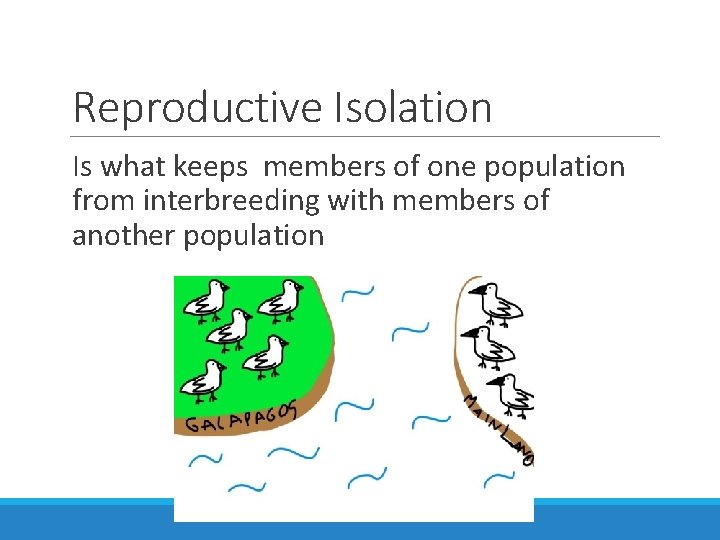
Reproductive Isolation Is what keeps members of one population from interbreeding with members of another population
Barriers to reproduction and recombination between species: Pre-mating Barriers: Prevent mating from occurring between two organisms of different species. Post-mating Barriers: Prevent formation of viable fertile offspring after mating.
Pre-mating Barriers
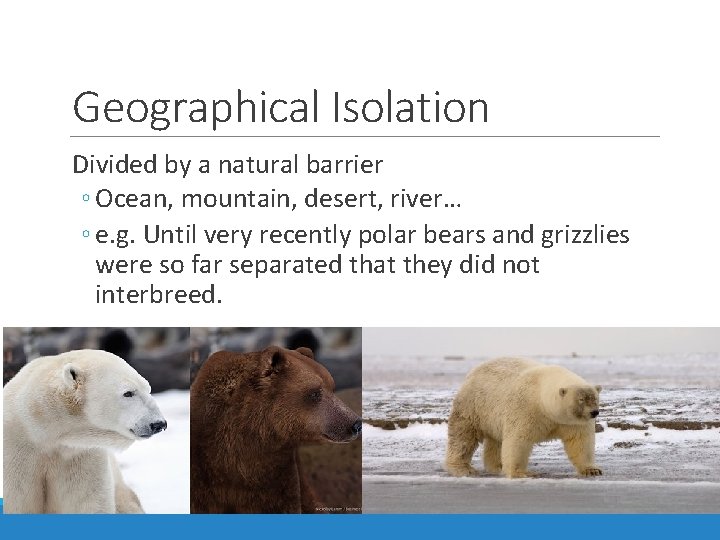
Geographical Isolation Divided by a natural barrier ◦ Ocean, mountain, desert, river… ◦ e. g. Until very recently polar bears and grizzlies were so far separated that they did not interbreed.
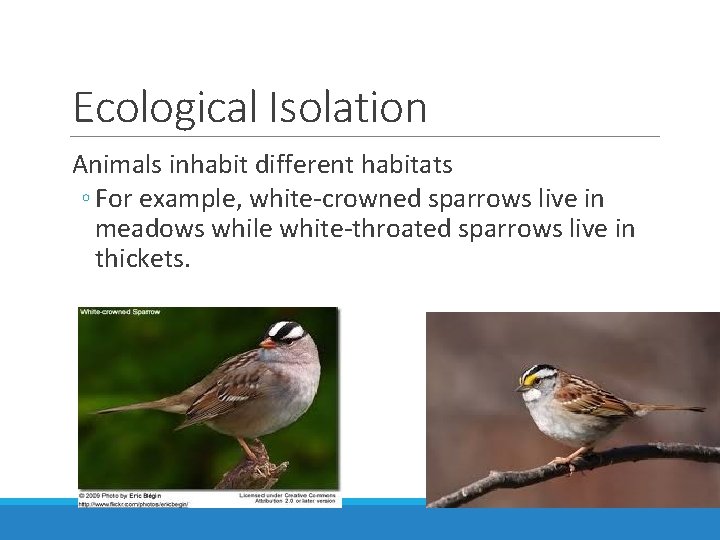
Ecological Isolation Animals inhabit different habitats ◦ For example, white-crowned sparrows live in meadows while white-throated sparrows live in thickets.
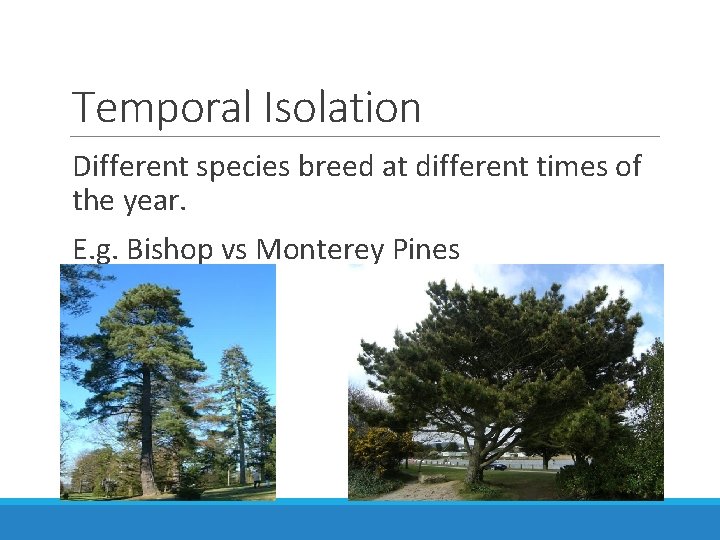
Temporal Isolation Different species breed at different times of the year. E. g. Bishop vs Monterey Pines
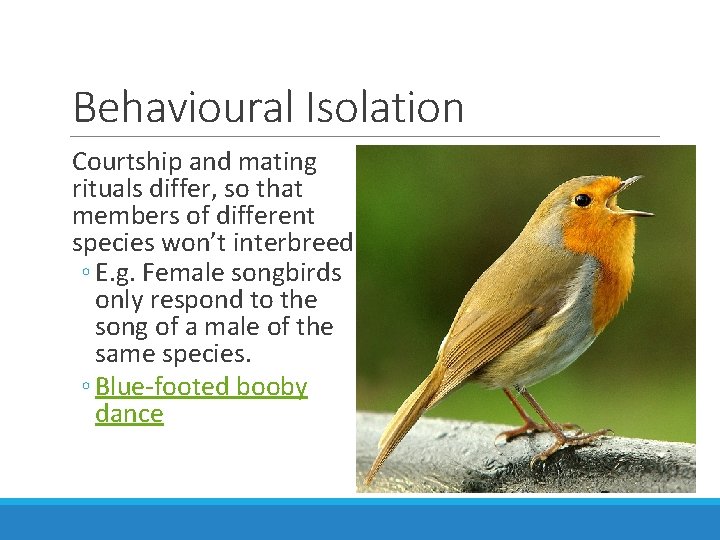
Behavioural Isolation Courtship and mating rituals differ, so that members of different species won’t interbreed. ◦ E. g. Female songbirds only respond to the song of a male of the same species. ◦ Blue-footed booby dance
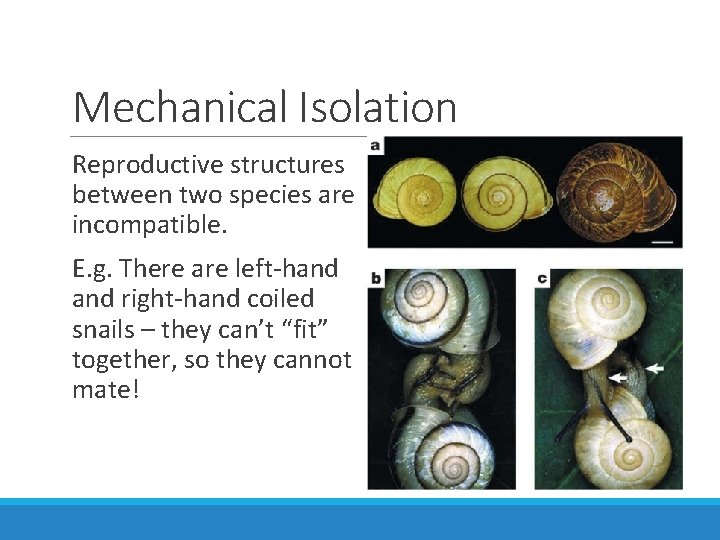
Mechanical Isolation Reproductive structures between two species are incompatible. E. g. There are left-hand right-hand coiled snails – they can’t “fit” together, so they cannot mate!
Post-Mating Barriers
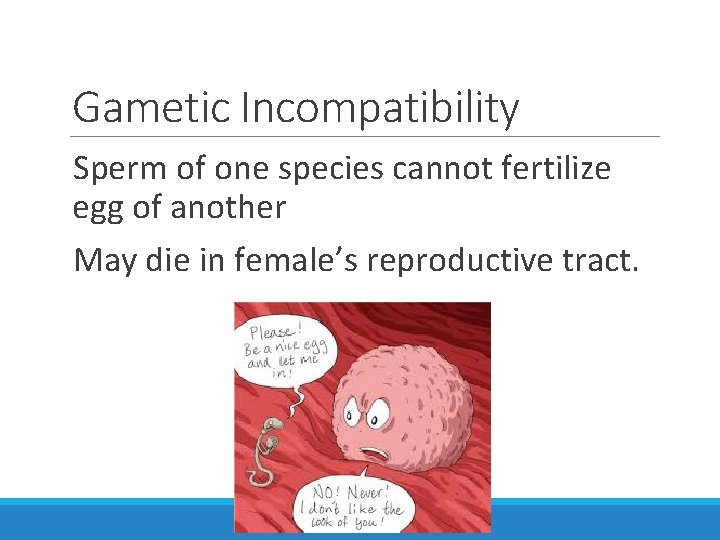
Gametic Incompatibility Sperm of one species cannot fertilize egg of another May die in female’s reproductive tract.
Hybrid Inviability The hybrid (result of mating between different species) does not survive to adulthood. E. g. It may show behavioural traits of both parents, which are incompatible with each other E. g. Embryo may not survive to birth
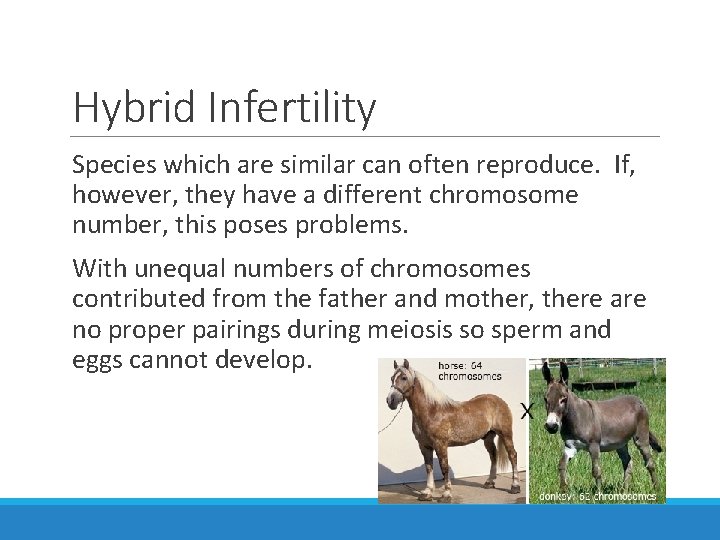
Hybrid Infertility Species which are similar can often reproduce. If, however, they have a different chromosome number, this poses problems. With unequal numbers of chromosomes contributed from the father and mother, there are no proper pairings during meiosis so sperm and eggs cannot develop.
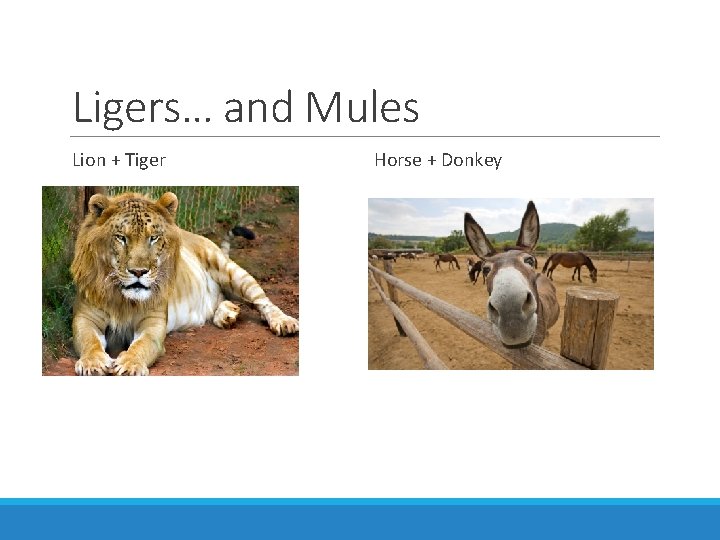
Ligers… and Mules Lion + Tiger Horse + Donkey
Following isolation… Isolating a group of organisms separates its gene pool from the rest of the species. Following that, mutation, genetic recombination, and natural selection cause a different gene pool to evolve. This leads to adaptive radiation.
Adaptive Radiation Refers to species spreading or radiating out into different environments. Each species will adapt to the pressures in its own environment. E. g. Darwin’s Finches
Other Patterns of Evolution Coevolution Convergent Evolution Divergent Evolution
The Rate of Speciation GRADUALISM VS PUNCTUATED EQUILIBRIUM
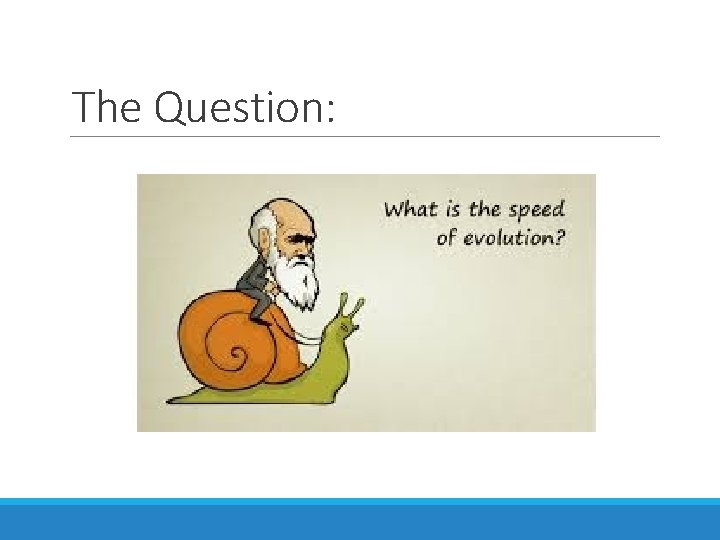
The Question:
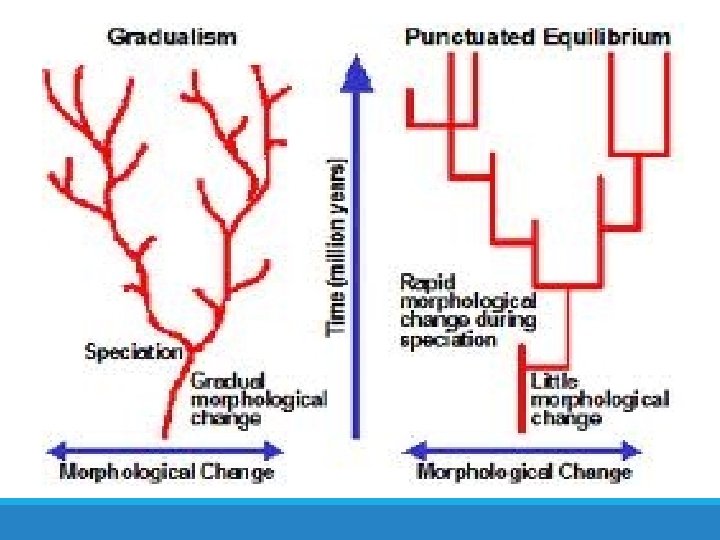
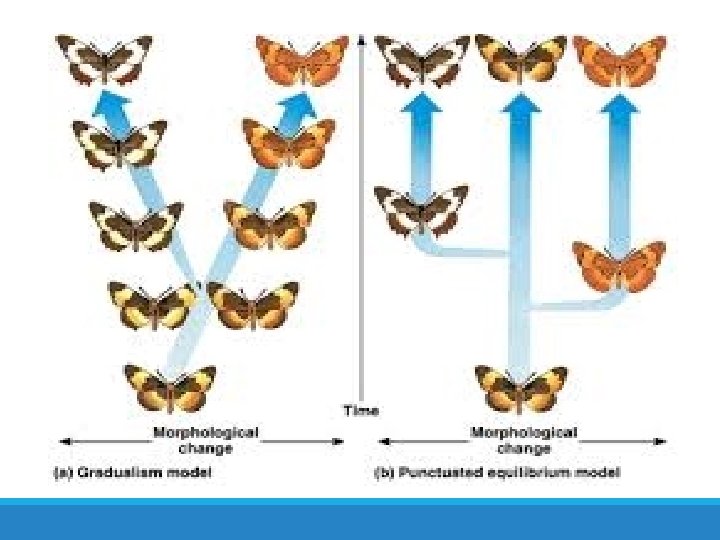
Gradualism According to Darwin’s theory, new species arise through gradual accumulations of small variations. Evolution proceeds slowly and smoothly over millions of years Supported by Weismann and Synthetic theory – Neo Darwinism
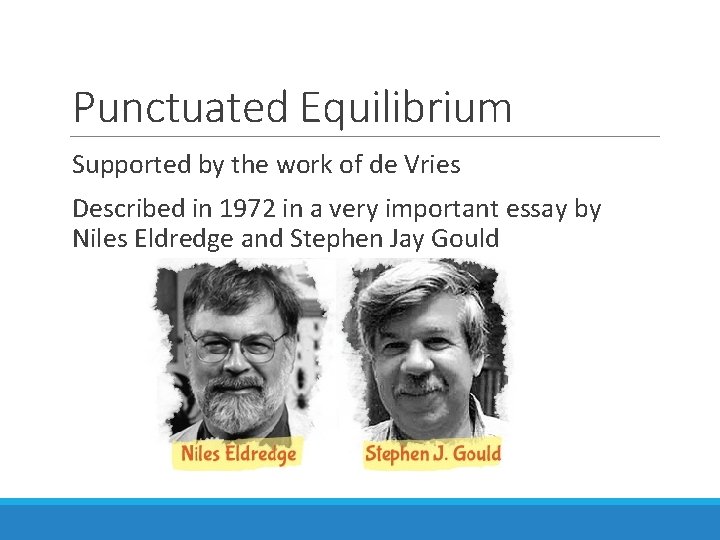
Punctuated Equilibrium Supported by the work of de Vries Described in 1972 in a very important essay by Niles Eldredge and Stephen Jay Gould
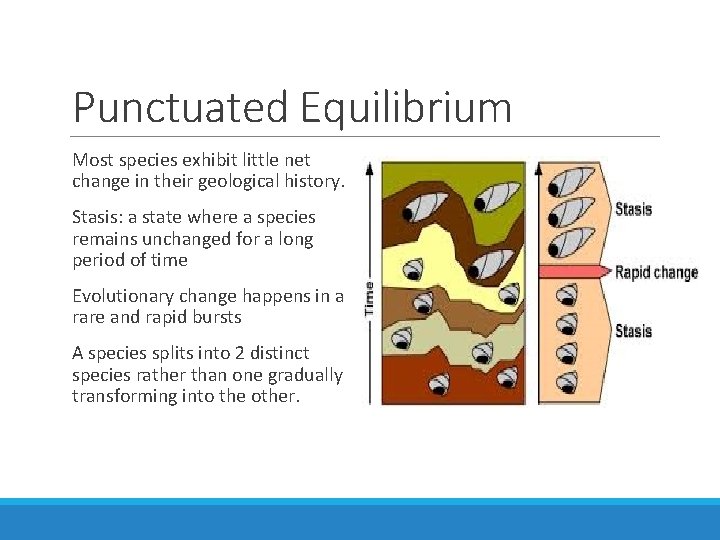
Punctuated Equilibrium Most species exhibit little net change in their geological history. Stasis: a state where a species remains unchanged for a long period of time Evolutionary change happens in a rare and rapid bursts A species splits into 2 distinct species rather than one gradually transforming into the other.
Fossil Record says… Gradualism Punctuated Equilibrium ◦ Transitional forms are not lost due to rarity of lost; they don’t exist formation of fossils ◦ The jumps observed in ◦ Leads to the observed fossil records indicates an gaps in phylogeny event which led to new species arising
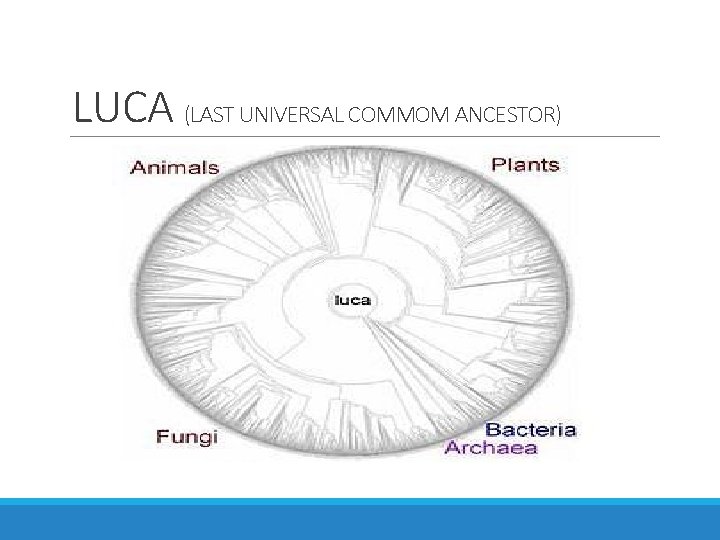
LUCA (LAST UNIVERSAL COMMOM ANCESTOR)