
Evolution Review Darwin and His Theory of Evolution

- Slides: 36
Evolution Review
Darwin and His Theory of Evolution by Natural Selection Evolution- changes in the characteristics of groups of organisms over time Charles Darwin was the first to propose a feasible mechanism for evolution. It is called natural selection.
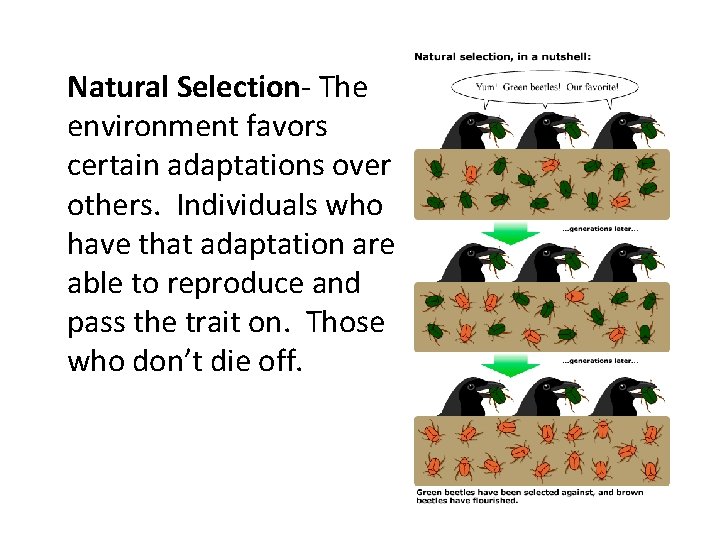
Natural Selection- The environment favors certain adaptations over others. Individuals who have that adaptation are able to reproduce and pass the trait on. Those who don’t die off.
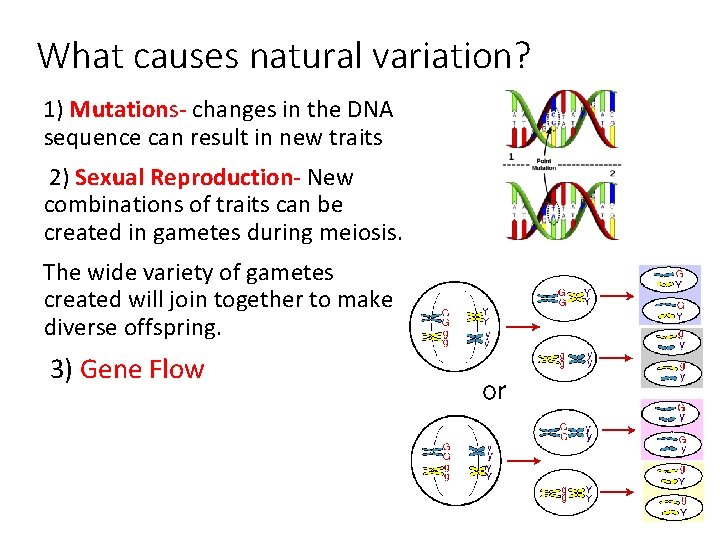
What causes natural variation? 1) Mutations- changes in the DNA sequence can result in new traits 2) Sexual Reproduction- New combinations of traits can be created in gametes during meiosis. The wide variety of gametes created will join together to make diverse offspring. 3) Gene Flow
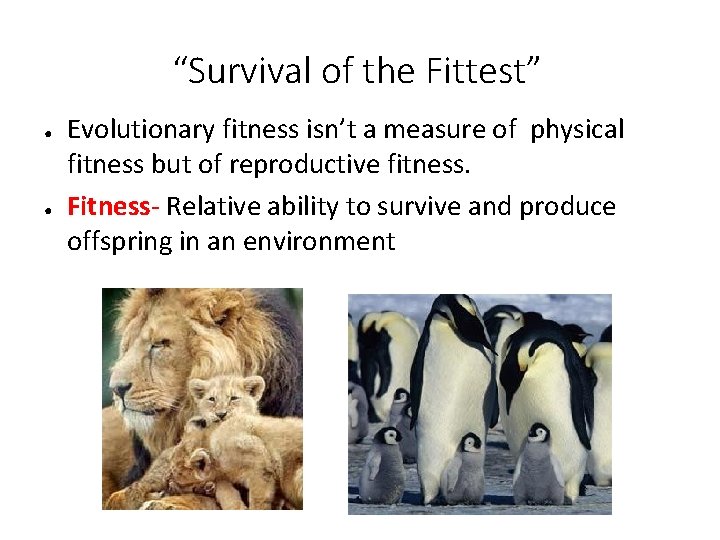
“Survival of the Fittest” ● ● Evolutionary fitness isn’t a measure of physical fitness but of reproductive fitness. Fitness- Relative ability to survive and produce offspring in an environment
Evidence of evolution • 1. Fossil Record • 2. Homologous structures • 3. Vestigial structures • 4. Biochemistry (DNA & Amino acids) • 5. Embryology
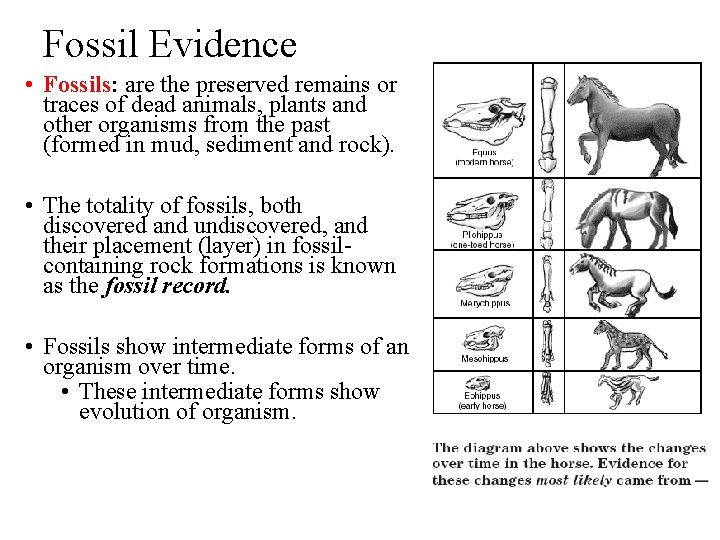
Fossil Evidence • Fossils: are the preserved remains or traces of dead animals, plants and other organisms from the past (formed in mud, sediment and rock). • The totality of fossils, both discovered and undiscovered, and their placement (layer) in fossilcontaining rock formations is known as the fossil record. • Fossils show intermediate forms of an organism over time. • These intermediate forms show evolution of organism.
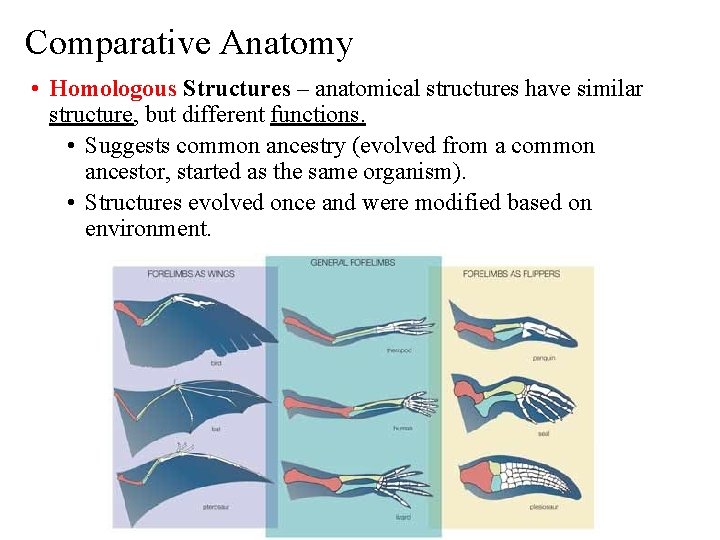
Comparative Anatomy • Homologous Structures – anatomical structures have similar structure, but different functions. • Suggests common ancestry (evolved from a common ancestor, started as the same organism). • Structures evolved once and were modified based on environment.
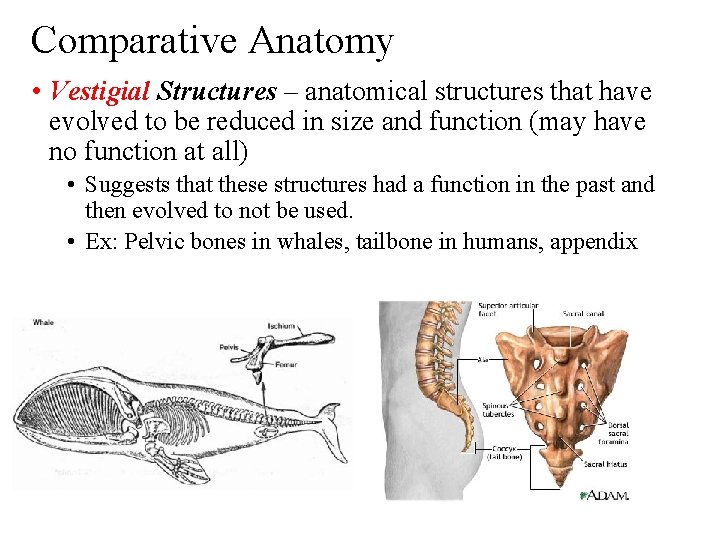
Comparative Anatomy • Vestigial Structures – anatomical structures that have evolved to be reduced in size and function (may have no function at all) • Suggests that these structures had a function in the past and then evolved to not be used. • Ex: Pelvic bones in whales, tailbone in humans, appendix
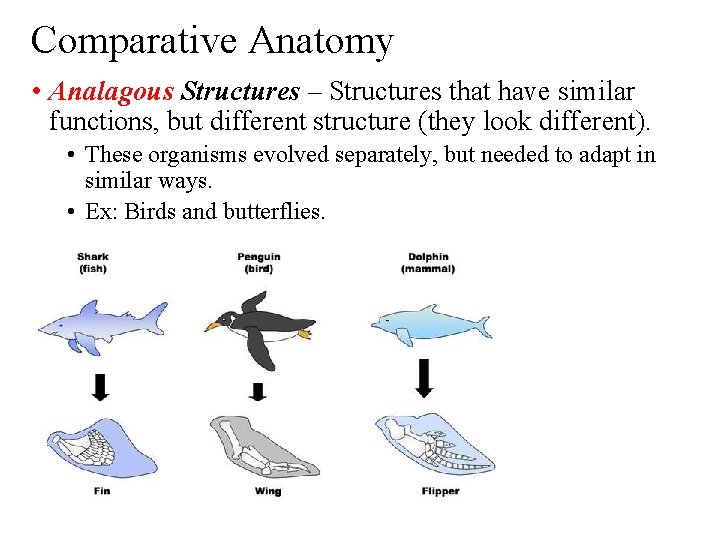
Comparative Anatomy • Analagous Structures – Structures that have similar functions, but different structure (they look different). • These organisms evolved separately, but needed to adapt in similar ways. • Ex: Birds and butterflies.
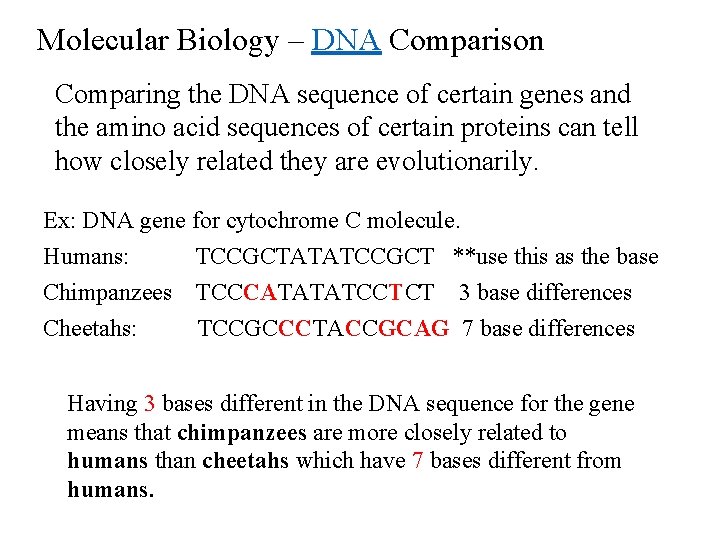
Molecular Biology – DNA Comparison Comparing the DNA sequence of certain genes and the amino acid sequences of certain proteins can tell how closely related they are evolutionarily. Ex: DNA gene for cytochrome C molecule. Humans: TCCGCTATATCCGCT **use this as the base Chimpanzees TCCCATATATCCTCT 3 base differences Cheetahs: TCCGCCCTACCGCAG 7 base differences Having 3 bases different in the DNA sequence for the gene means that chimpanzees are more closely related to humans than cheetahs which have 7 bases different from humans.
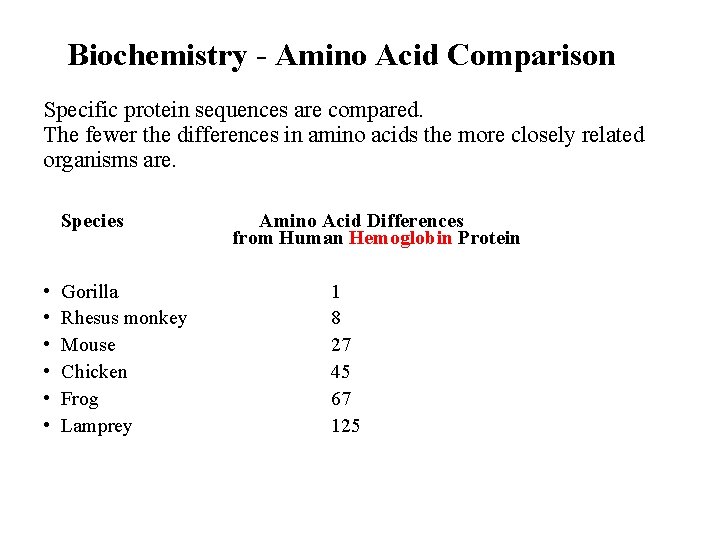
Biochemistry - Amino Acid Comparison Specific protein sequences are compared. The fewer the differences in amino acids the more closely related organisms are. Species • • • Gorilla Rhesus monkey Mouse Chicken Frog Lamprey Amino Acid Differences from Human Hemoglobin Protein 1 8 27 45 67 125
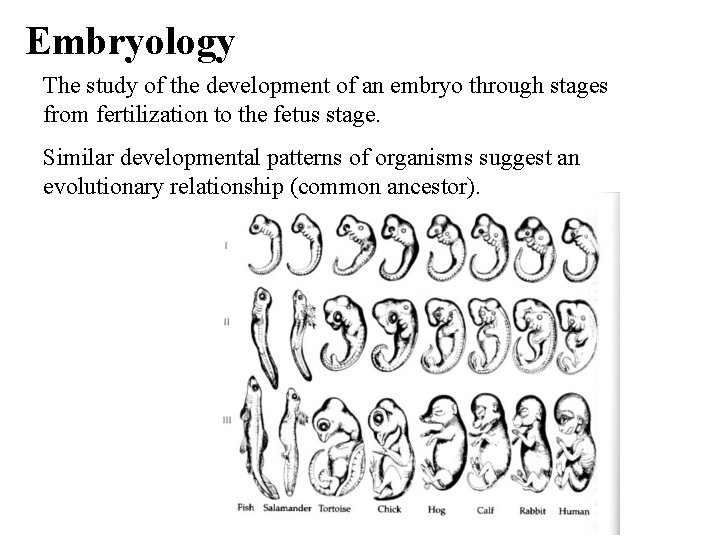
Embryology The study of the development of an embryo through stages from fertilization to the fetus stage. Similar developmental patterns of organisms suggest an evolutionary relationship (common ancestor).
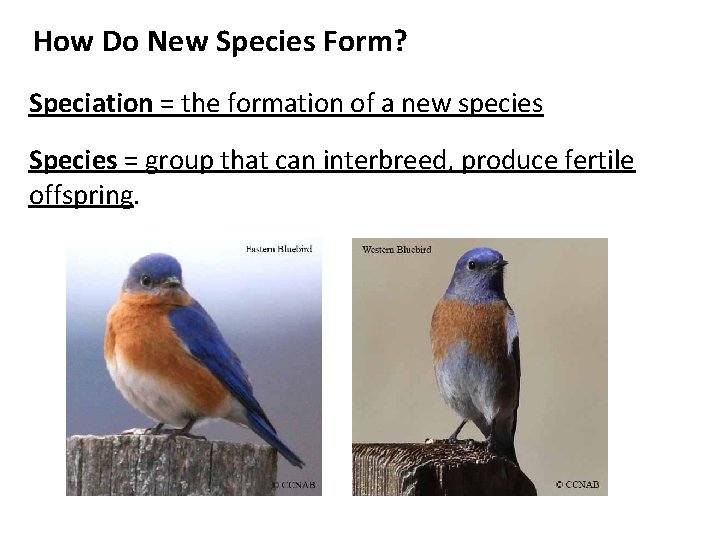
How Do New Species Form? Speciation = the formation of a new species Species = group that can interbreed, produce fertile offspring.
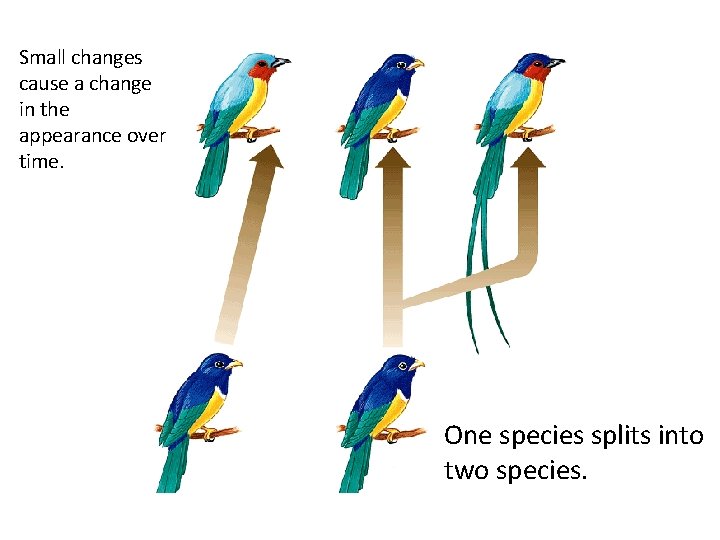
Small changes cause a change in the appearance over time. One species splits into two species.
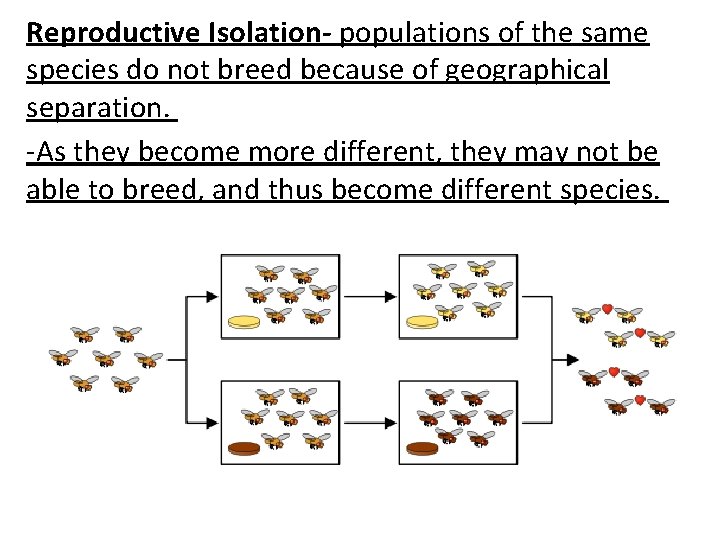
Reproductive Isolation- populations of the same species do not breed because of geographical separation. -As they become more different, they may not be able to breed, and thus become different species.
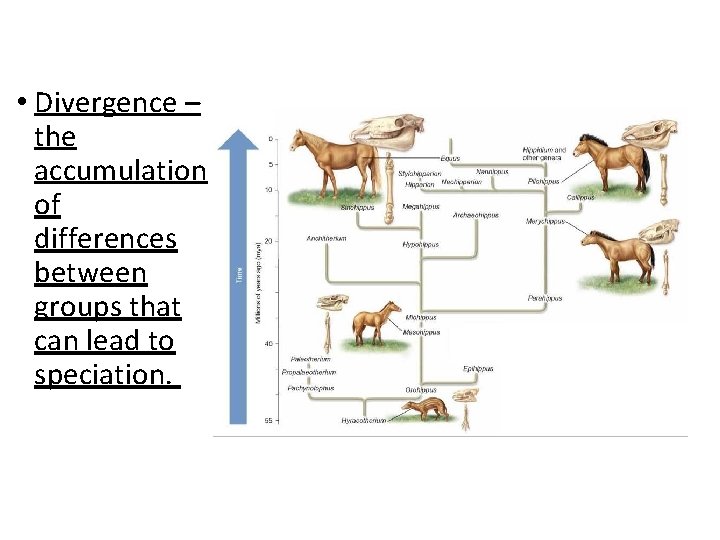
• Divergence – the accumulation of differences between groups that can lead to speciation.
Causes of Reproductive Isolation • Behavioral-Different mating rituals/ preferences • Geographic-When populations are separated by barriers such as mountains, rivers, or bodies of water. • Temporal-When species reproduce at different times.
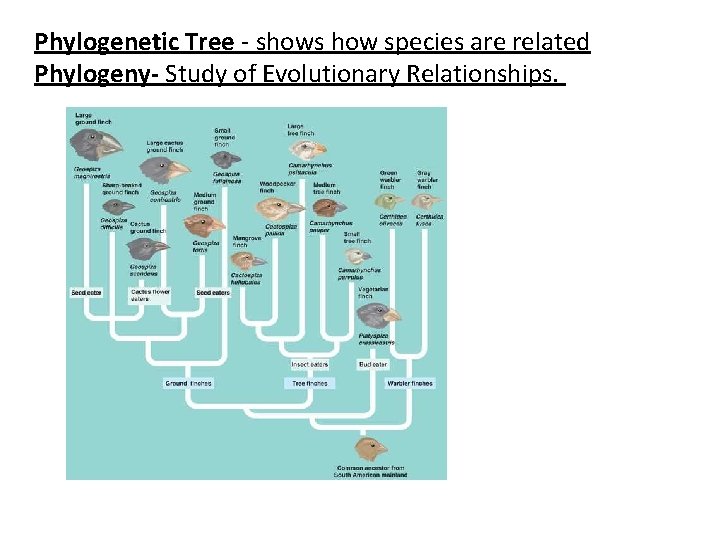
Phylogenetic Tree - shows how species are related Phylogeny- Study of Evolutionary Relationships.
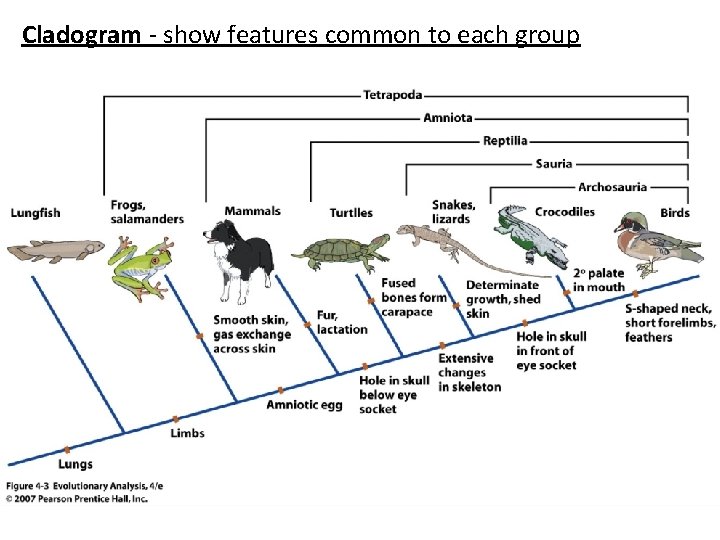
Cladogram - show features common to each group
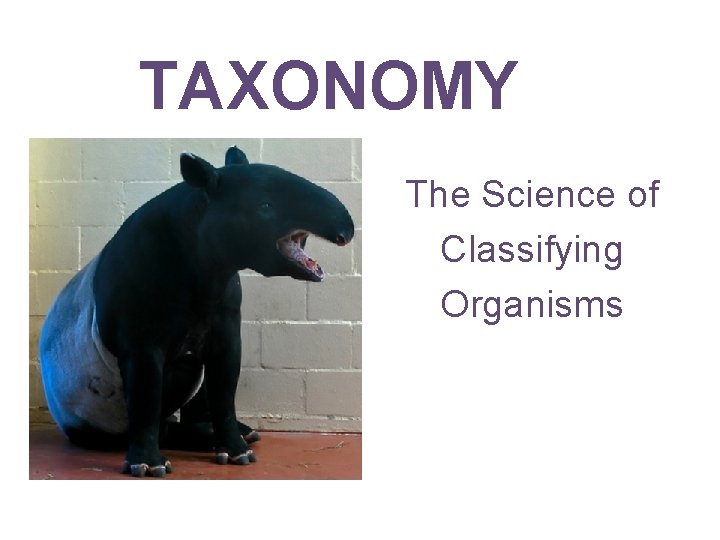
TAXONOMY The Science of Classifying Organisms
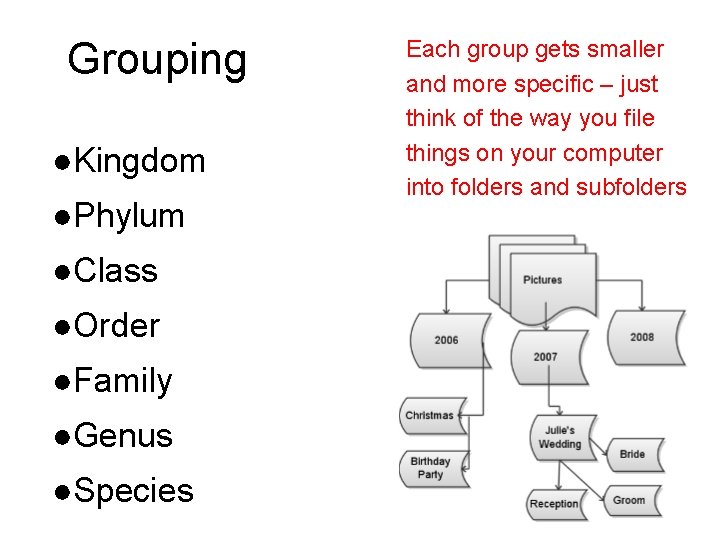
Grouping ●Kingdom ●Phylum ●Class ●Order ●Family ●Genus ●Species Each group gets smaller and more specific – just think of the way you file things on your computer into folders and subfolders
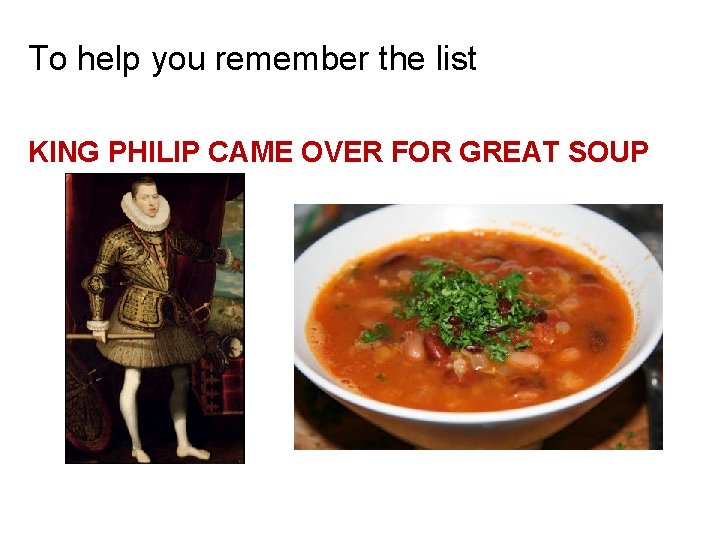
To help you remember the list KING PHILIP CAME OVER FOR GREAT SOUP
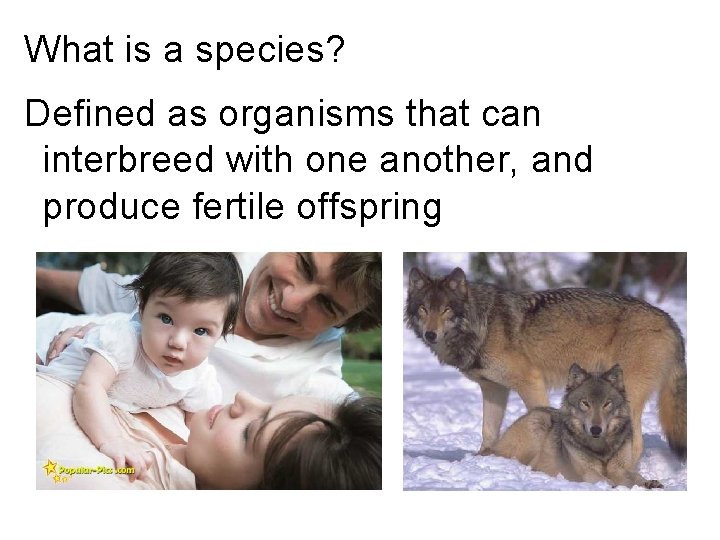
What is a species? Defined as organisms that can interbreed with one another, and produce fertile offspring
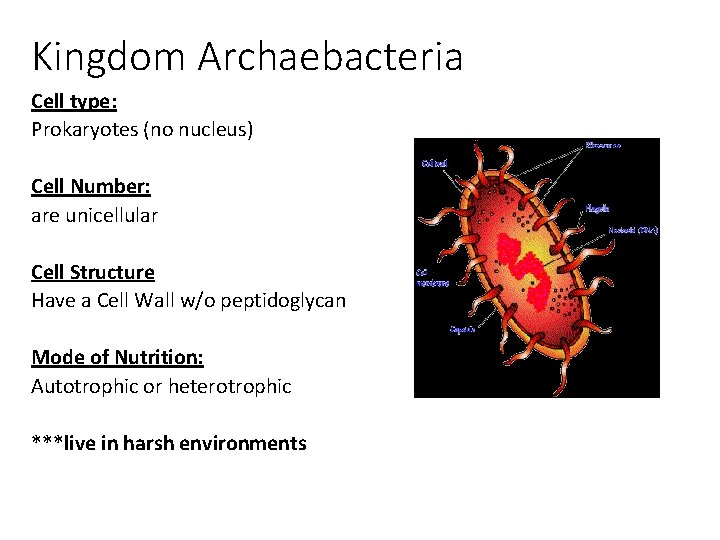
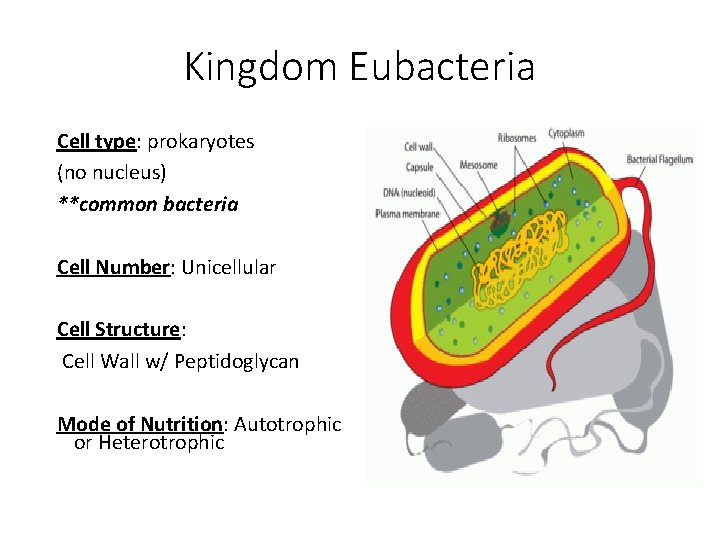
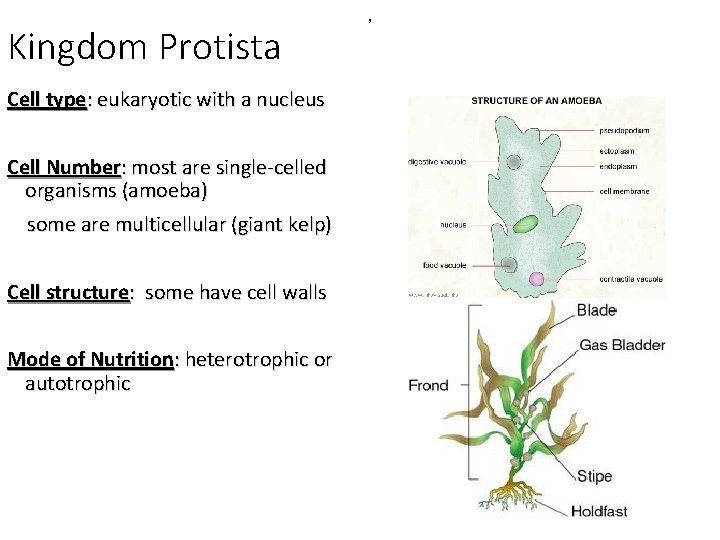
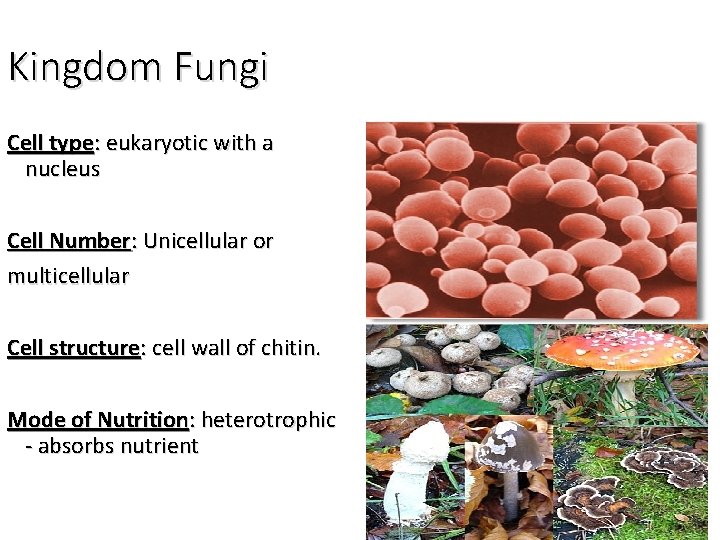
Domain and Kingdom Classification System Three Domains – Six Kingdoms within the domains • Domain Archaea- Kingdom Archaebacteria. • Domain Eubacteria- Kingdom Eubacteria • Domain Eukarya- consist of the protists, the fungi, the Plantae and Animalia.
Kingdom Archaebacteria Cell type: Prokaryotes (no nucleus) Cell Number: are unicellular Cell Structure Have a Cell Wall w/o peptidoglycan Mode of Nutrition: Autotrophic or heterotrophic ***live in harsh environments
Kingdom Eubacteria Cell type: prokaryotes (no nucleus) **common bacteria Cell Number: Unicellular Cell Structure: Cell Wall w/ Peptidoglycan Mode of Nutrition: Autotrophic or Heterotrophic
Kingdom Protista Cell type: eukaryotic with a nucleus Cell Number: most are single-celled organisms (amoeba) some are multicellular (giant kelp) Cell structure: some have cell walls Mode of Nutrition: heterotrophic or autotrophic ,
Kingdom Fungi Cell type: eukaryotic with a nucleus Cell Number: Unicellular or multicellular Cell structure: cell wall of chitin. Mode of Nutrition: heterotrophic - absorbs nutrient
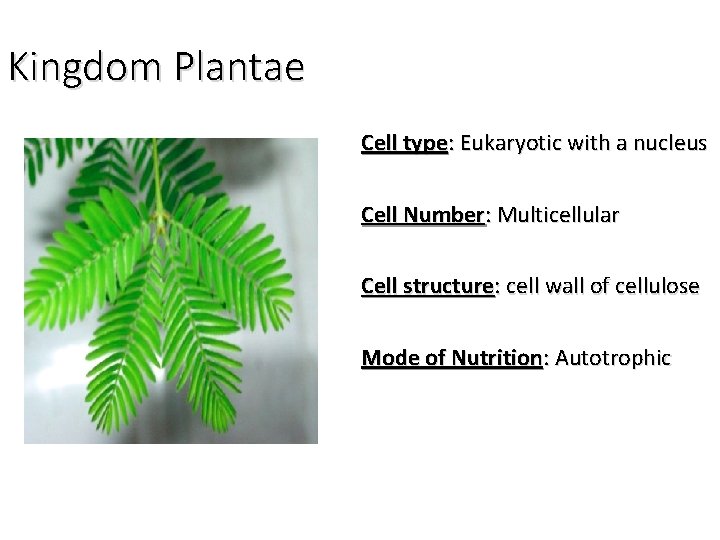
Kingdom Plantae Cell type: Eukaryotic with a nucleus Cell Number: Multicellular Cell structure: cell wall of cellulose Mode of Nutrition: Autotrophic
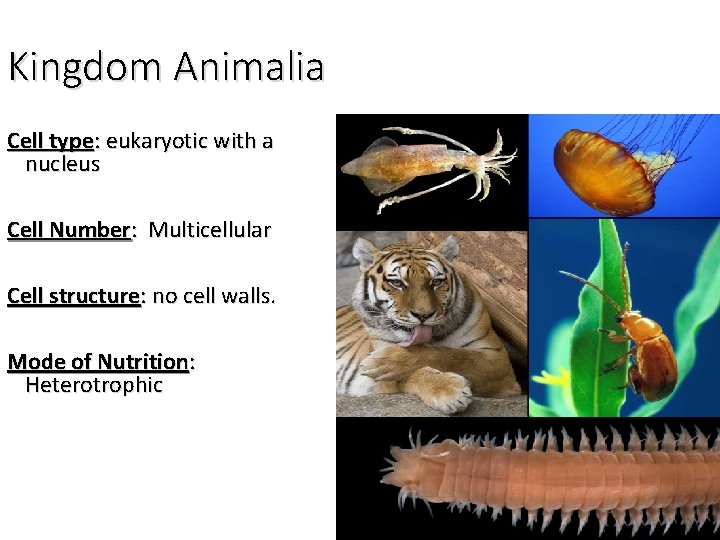
Kingdom Animalia Cell type: eukaryotic with a nucleus Cell Number: Multicellular Cell structure: no cell walls. Mode of Nutrition: Heterotrophic
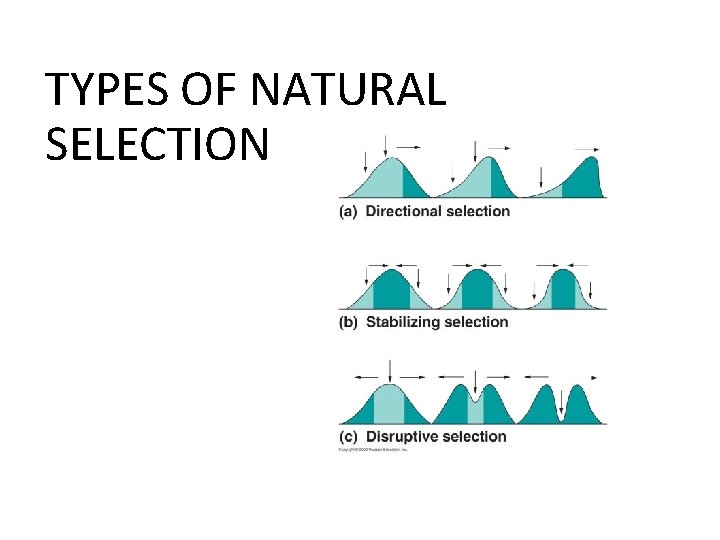
TYPES OF NATURAL SELECTION
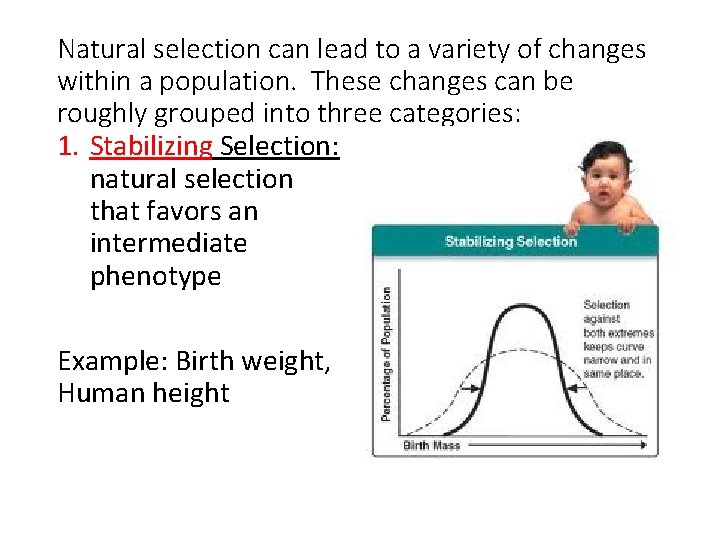
Natural selection can lead to a variety of changes within a population. These changes can be roughly grouped into three categories: 1. Stabilizing Selection: natural selection that favors an intermediate phenotype Example: Birth weight, Human height
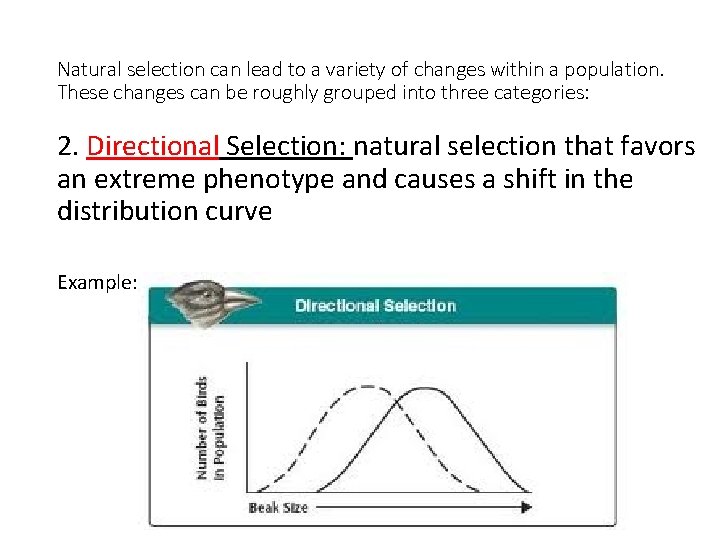
Natural selection can lead to a variety of changes within a population. These changes can be roughly grouped into three categories: 2. Directional Selection: natural selection that favors an extreme phenotype and causes a shift in the distribution curve Example: SPEED
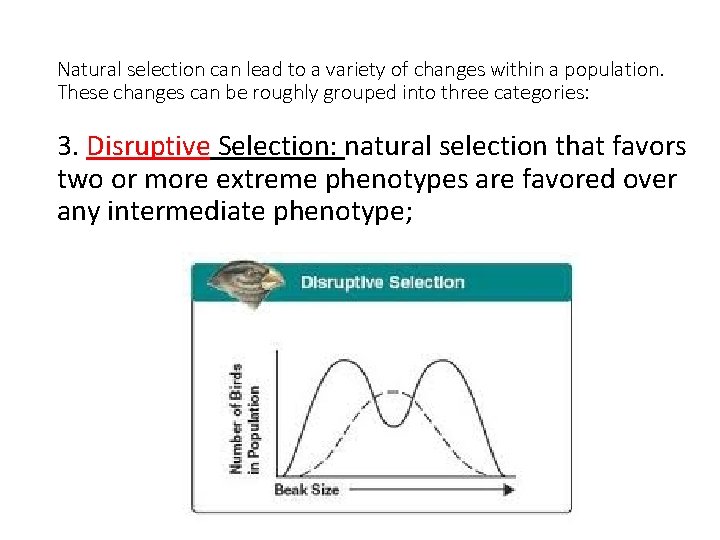
Natural selection can lead to a variety of changes within a population. These changes can be roughly grouped into three categories: 3. Disruptive Selection: natural selection that favors two or more extreme phenotypes are favored over any intermediate phenotype;
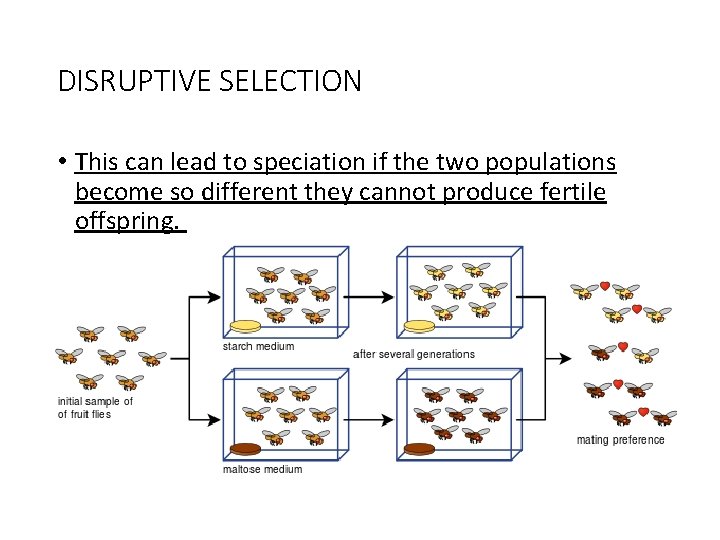
DISRUPTIVE SELECTION • This can lead to speciation if the two populations become so different they cannot produce fertile offspring.