
Evolution Part 1 BIOL 1407 Evolution Heritable genetic
Evolution Part 1 BIOL 1407

Evolution • Heritable genetic change in populations or groups of populations over time • Changes in gene pool
Evolution • Also includes populations diverging from one another over time may lead to new species
Mechanisms of Evolution • Genetic Drift – Population Bottlenecks – Founder Effect • Gene Flow – Immigration – Emigration • Mutations • Natural Selection

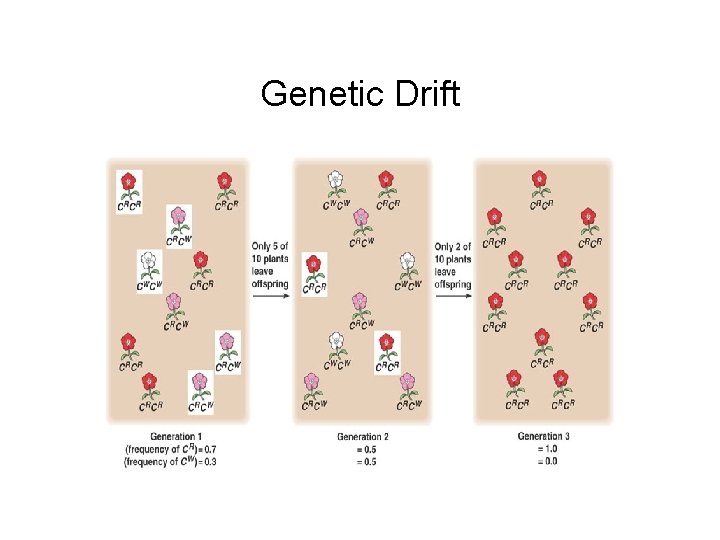
Genetic Drift • Changes in gene pool of populations due to random chance
Genetic Drift
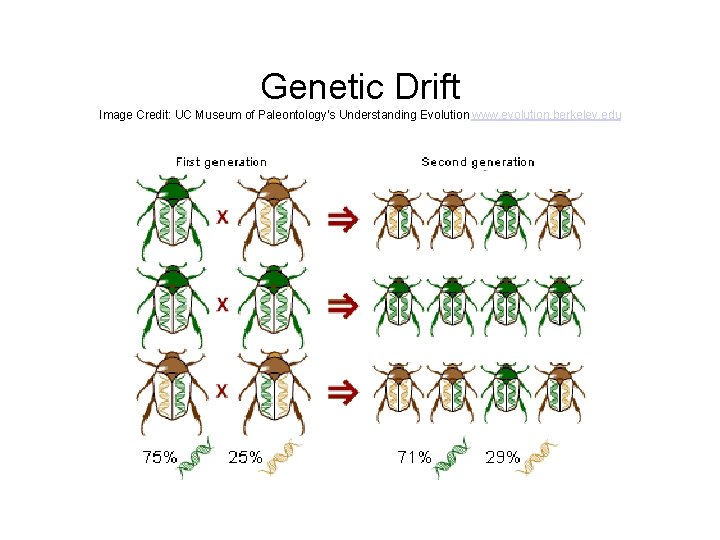
Genetic Drift Image Credit: UC Museum of Paleontology's Understanding Evolution www. evolution. berkeley. edu
Genetic Drift • Genetic drift has a bigger effect on small populations.
Bottleneck Effect • Changes in gene pool of populations due to some event drastically reduces population
Bottleneck Effect • Survival is random • Whether an organism survives does not depend on any characteristic (allele)
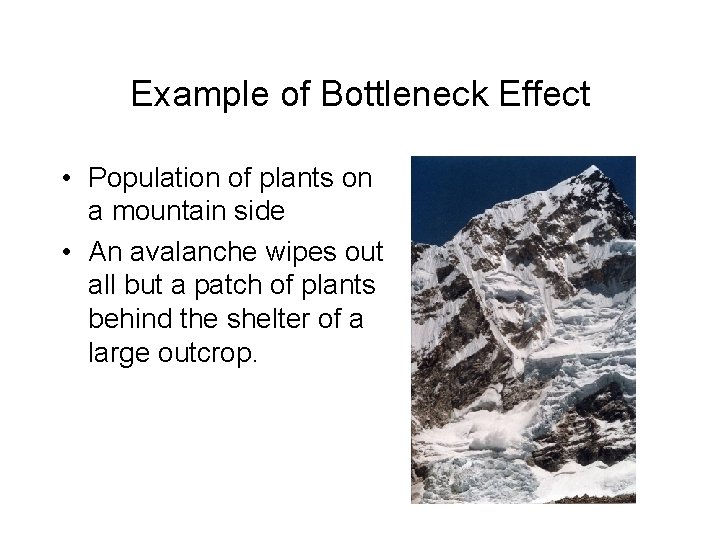
Example of Bottleneck Effect • Population of plants on a mountain side • An avalanche wipes out all but a patch of plants behind the shelter of a large outcrop.
Example of Bottleneck Effect • Plants behind the outcrop survived only because they were out of the path of the avalanche. • There was nothing about the plants’ genes that influenced survival.
Example of Bottleneck Effect • Surviving population has an allele frequency different from the original population.
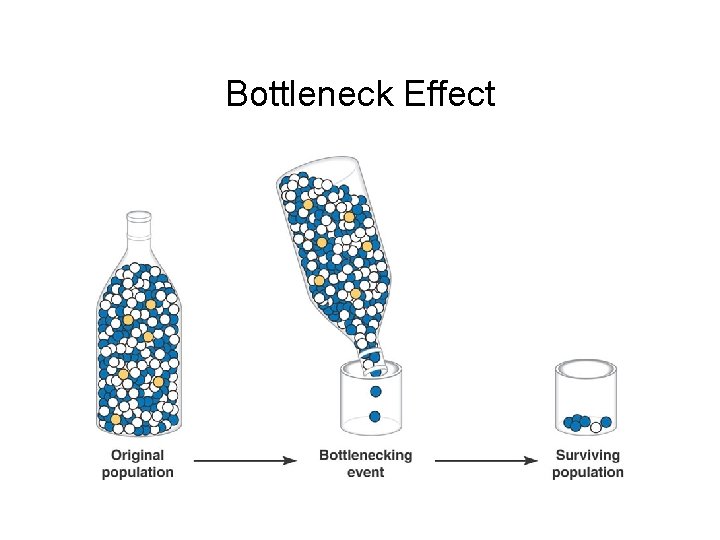
Bottleneck Effect
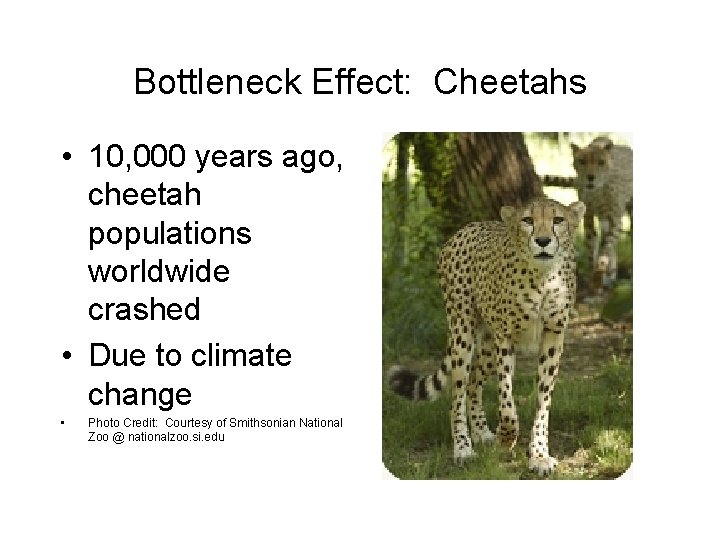
Bottleneck Effect: Cheetahs • 10, 000 years ago, cheetah populations worldwide crashed • Due to climate change • Photo Credit: Courtesy of Smithsonian National Zoo @ nationalzoo. si. edu

Cheetahs • Only cheetahs in Africa & Eurasia survived • Location, not genes Survival • Photo Credit: Kevin Walsh, 2006, Wikimedia Commons
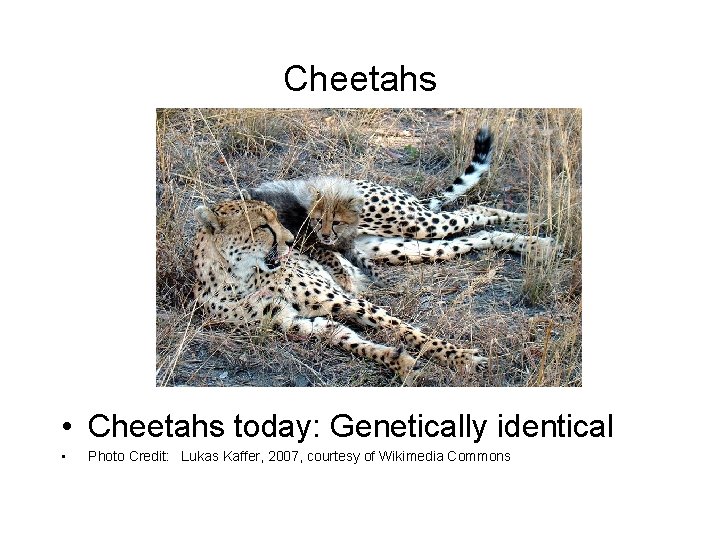
Cheetahs • Cheetahs today: Genetically identical • Photo Credit: Lukas Kaffer, 2007, courtesy of Wikimedia Commons
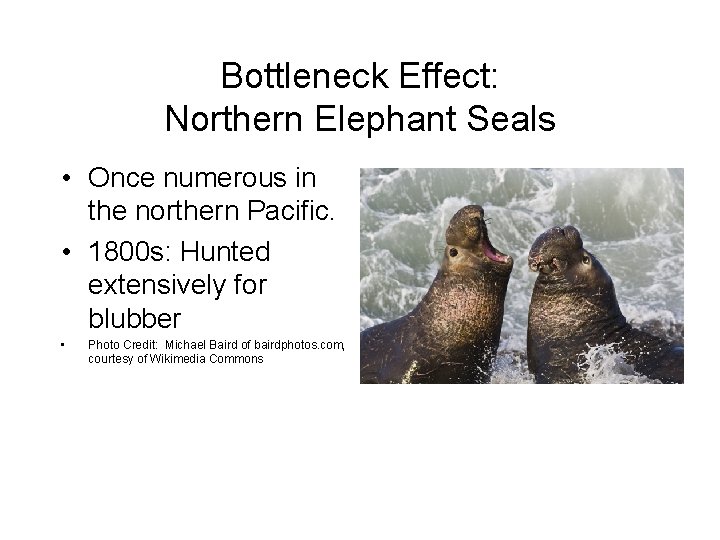
Bottleneck Effect: Northern Elephant Seals • Once numerous in the northern Pacific. • 1800 s: Hunted extensively for blubber • Photo Credit: Michael Baird of bairdphotos. com, courtesy of Wikimedia Commons
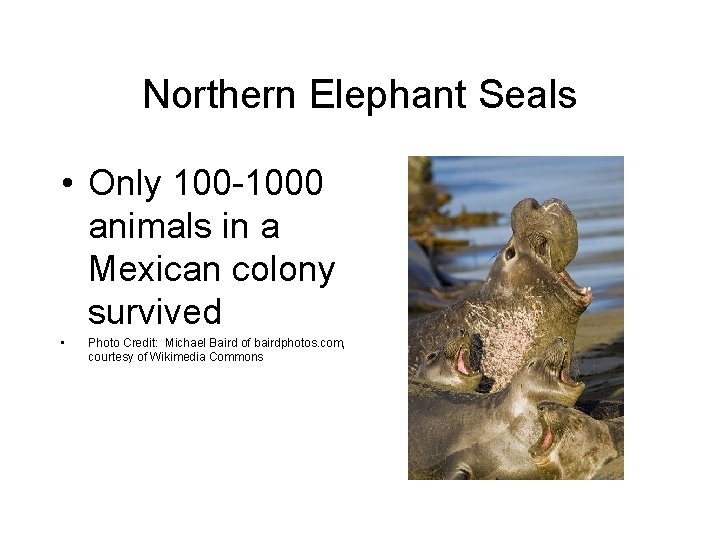
Northern Elephant Seals • Only 100 -1000 animals in a Mexican colony survived • Photo Credit: Michael Baird of bairdphotos. com, courtesy of Wikimedia Commons
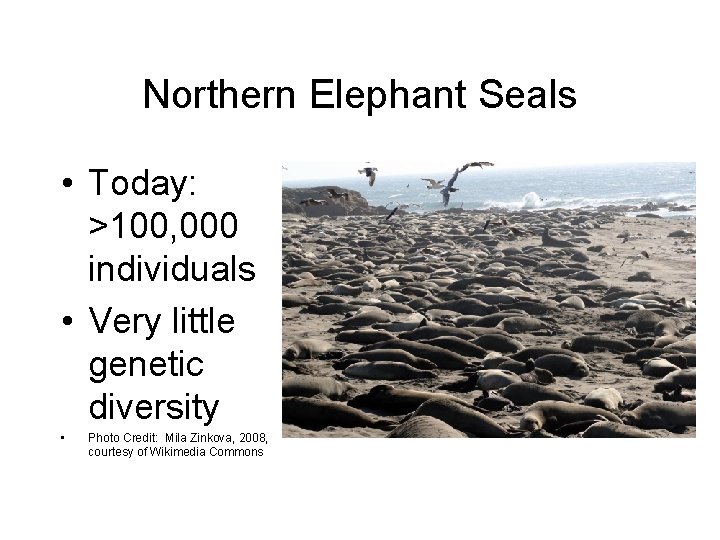
Northern Elephant Seals • Today: >100, 000 individuals • Very little genetic diversity • Photo Credit: Mila Zinkova, 2008, courtesy of Wikimedia Commons
Founder Effect • New population established by very small number of individuals (“founders”) • By chance, founder group has a different allele mix than original population
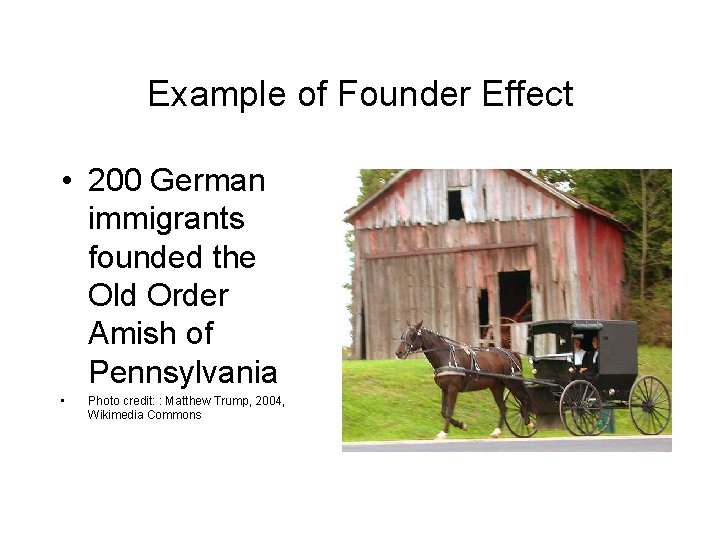
Example of Founder Effect • 200 German immigrants founded the Old Order Amish of Pennsylvania • Photo credit: : Matthew Trump, 2004, Wikimedia Commons
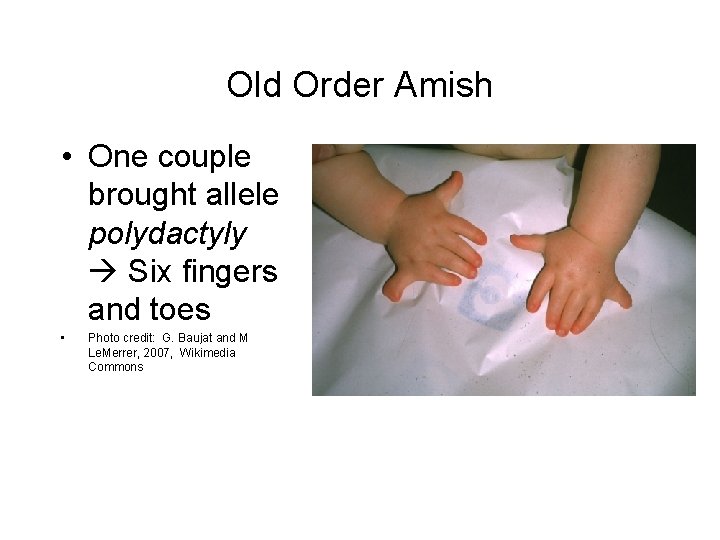
Old Order Amish • One couple brought allele polydactyly Six fingers and toes • Photo credit: G. Baujat and M Le. Merrer, 2007, Wikimedia Commons
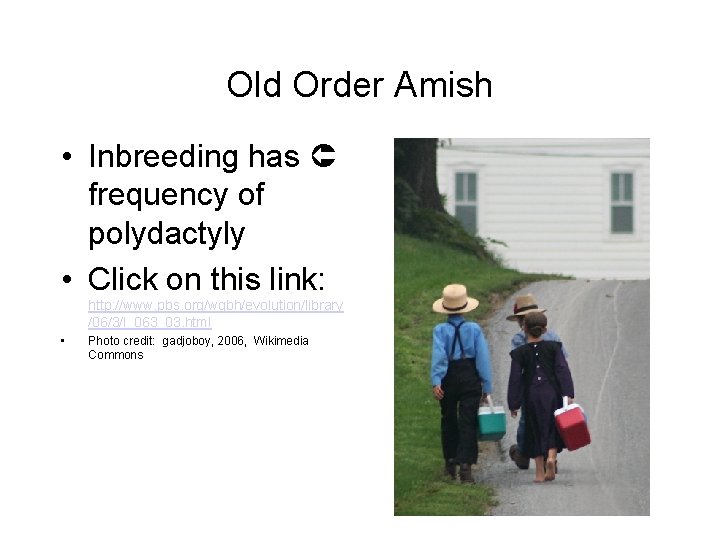
Old Order Amish • Inbreeding has frequency of polydactyly • Click on this link: http: //www. pbs. org/wgbh/evolution/library /06/3/l_063_03. html • Photo credit: gadjoboy, 2006, Wikimedia Commons
Gene Flow • Movement of alleles between populations • Immigration: movement of alleles into a population • Emigration: movement of alleles out of population
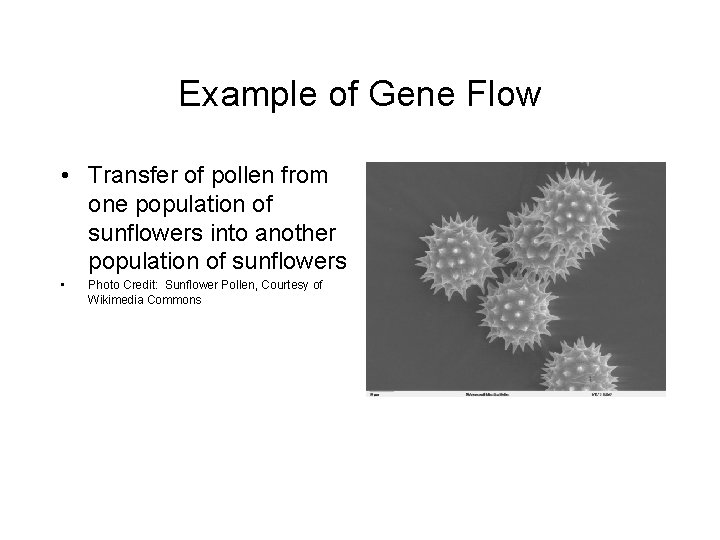
Example of Gene Flow • Transfer of pollen from one population of sunflowers into another population of sunflowers • Photo Credit: Sunflower Pollen, Courtesy of Wikimedia Commons
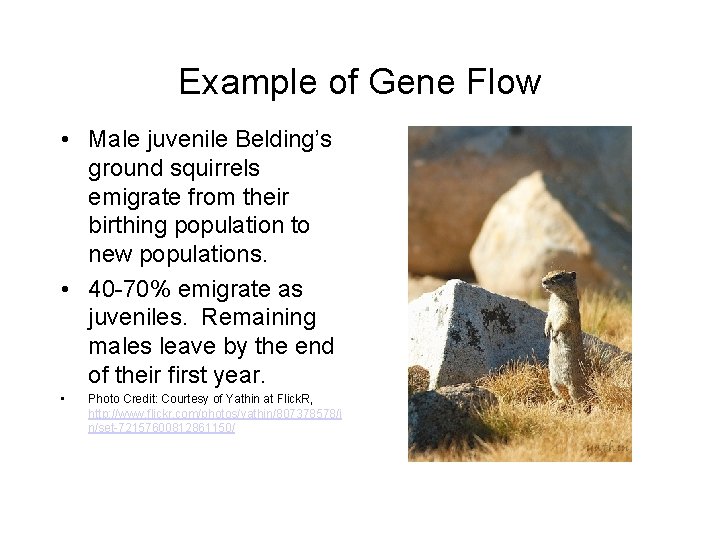
Example of Gene Flow • Male juvenile Belding’s ground squirrels emigrate from their birthing population to new populations. • 40 -70% emigrate as juveniles. Remaining males leave by the end of their first year. • Photo Credit: Courtesy of Yathin at Flick. R, http: //www. flickr. com/photos/yathin/807378578/i n/set-72157600812861150/
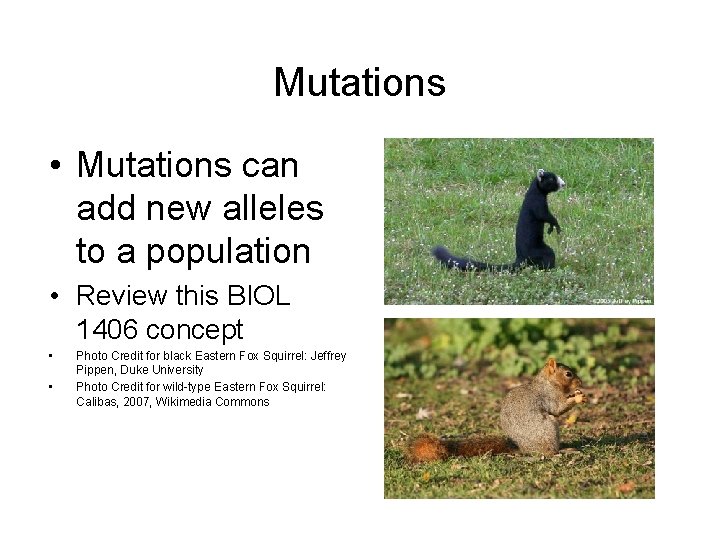
Mutations • Mutations can add new alleles to a population • Review this BIOL 1406 concept • • Photo Credit for black Eastern Fox Squirrel: Jeffrey Pippen, Duke University Photo Credit for wild-type Eastern Fox Squirrel: Calibas, 2007, Wikimedia Commons
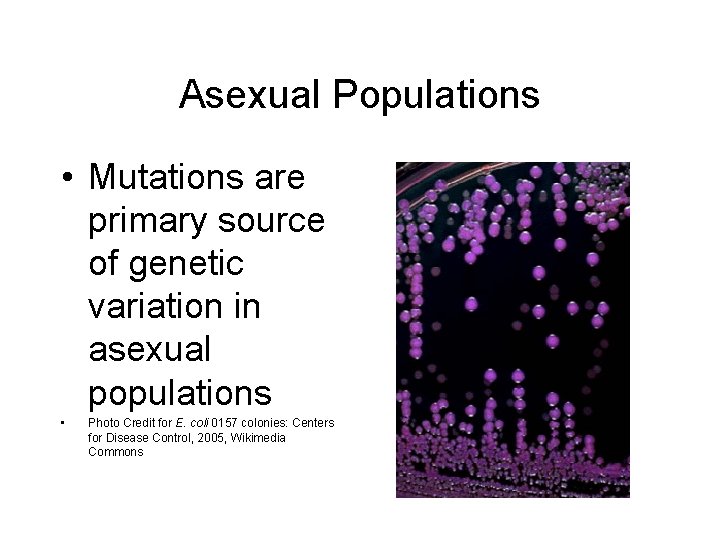
Asexual Populations • Mutations are primary source of genetic variation in asexual populations • Photo Credit for E. coli 0157 colonies: Centers for Disease Control, 2005, Wikimedia Commons
Natural Selection • Environment determines which genes are passed onto the next generation • Based on which individuals successfully survive and reproduce
Natural Selection • Requires: – Genetic Variation – Overproduction of Offspring – Struggle for Existence – Differential Survival and Reproduction
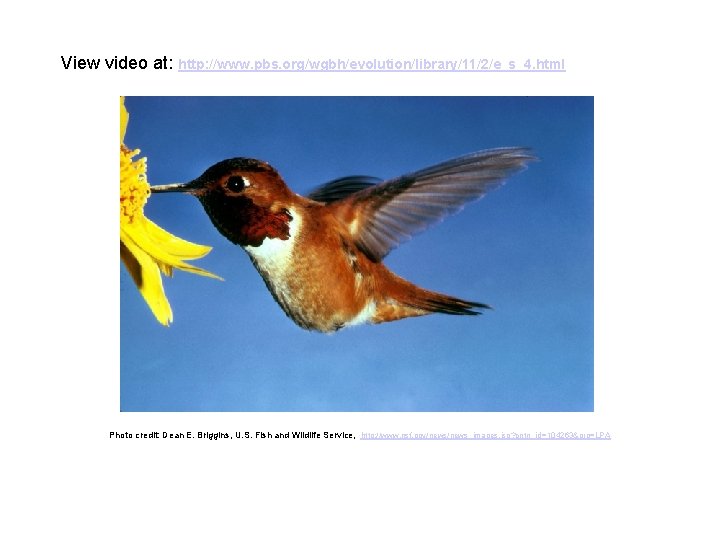
View video at: http: //www. pbs. org/wgbh/evolution/library/11/2/e_s_4. html Photo credit: Dean E. Briggins, U. S. Fish and Wildlife Service, http: //www. nsf. gov/news_images. jsp? cntn_id =104263&org=LPA
Genetic Variation • Organisms in the population vary in their characteristics • Variations are heritable Passed from parents to offspring
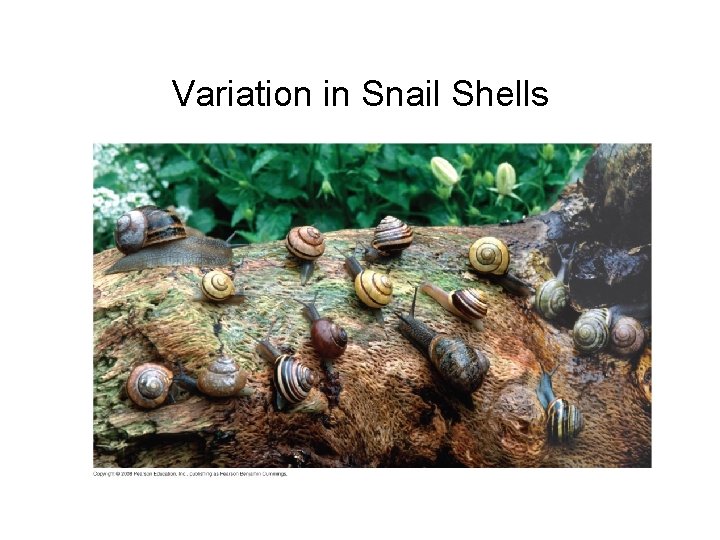
Variation in Snail Shells
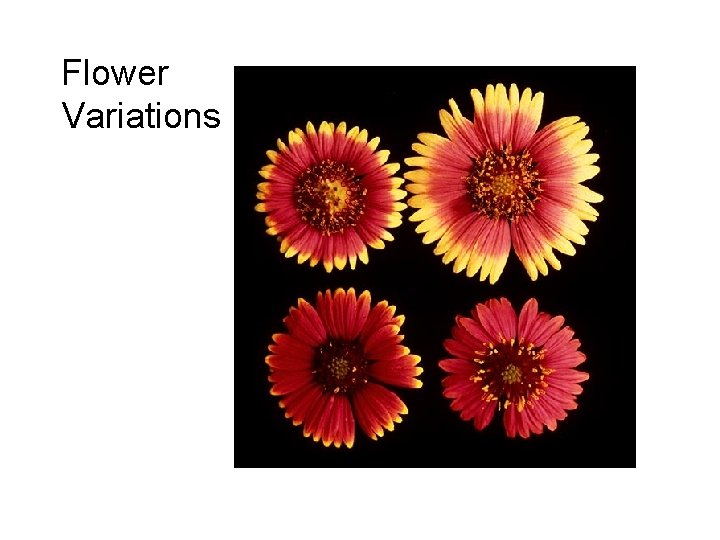
Flower Variations
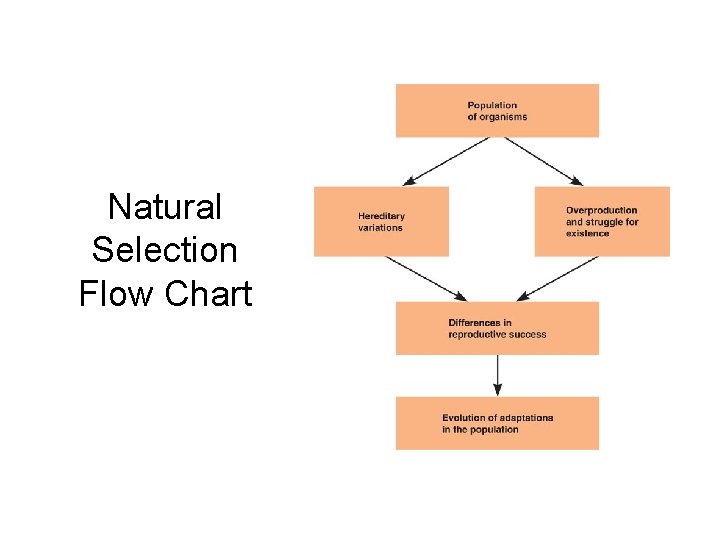
Natural Selection Flow Chart
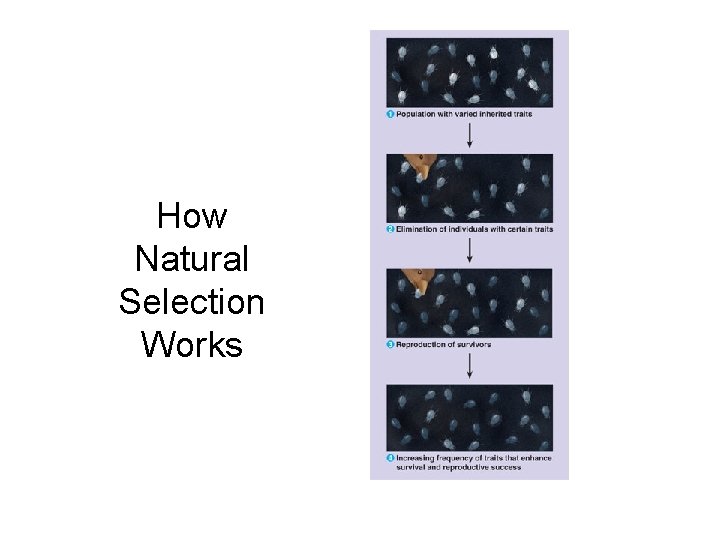
How Natural Selection Works
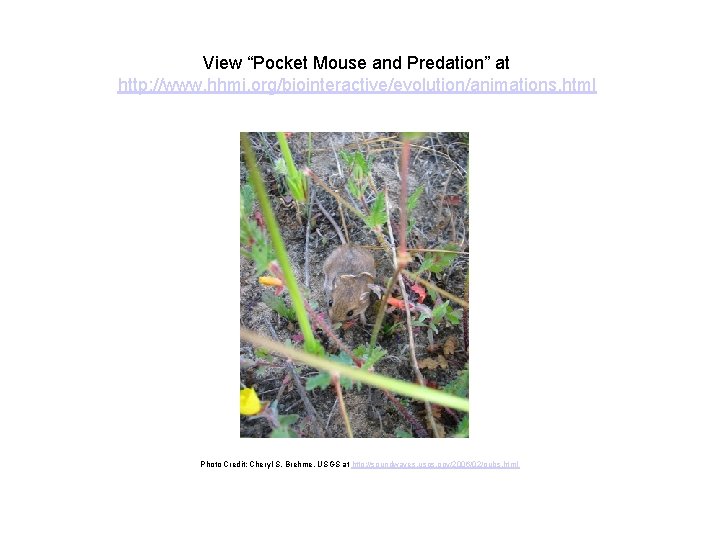
View “Pocket Mouse and Predation” at http: //www. hhmi. org/biointeractive/evolution/animations. html Photo Credit: Cheryl S. Brehme, USGS at http: //soundwaves. usgs. gov/2006/02/pubs. html
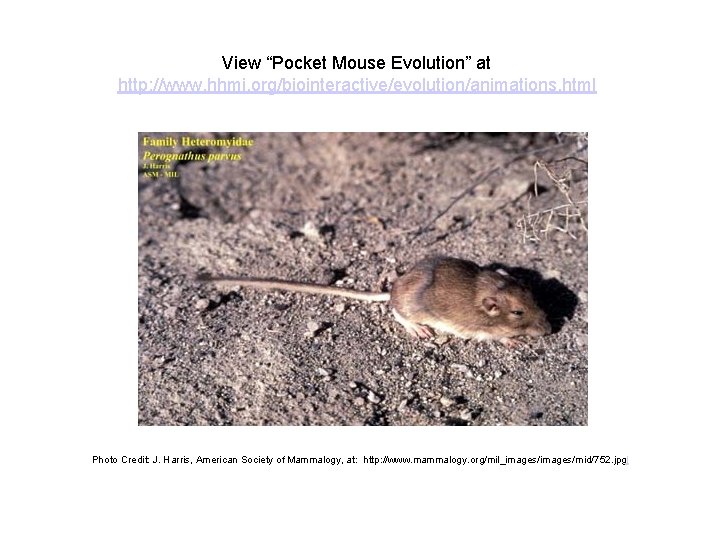
View “Pocket Mouse Evolution” at http: //www. hhmi. org/biointeractive/evolution/animations. html Photo Credit: J. Harris, American Society of Mammalogy, at: http: //www. mammalogy. org/mil_images/mid/752. jpgl
Artificial Selection • Humans select which genes are passed onto the next generation • Based on characteristics that humans find valuable or desirable
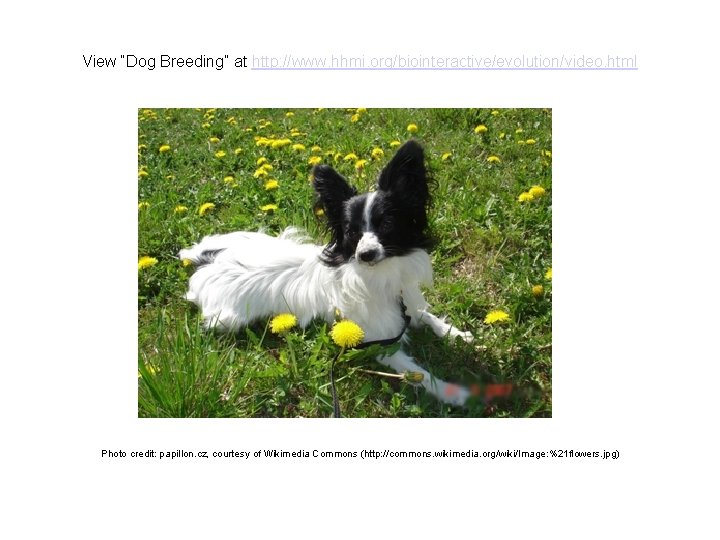
View “Dog Breeding” at http: //www. hhmi. org/biointeractive/evolution/video. html Photo credit: papillon. cz, courtesy of Wikimedia Commons (http: //commons. wikimedia. org/wiki/Image: %21 flowers. jpg)
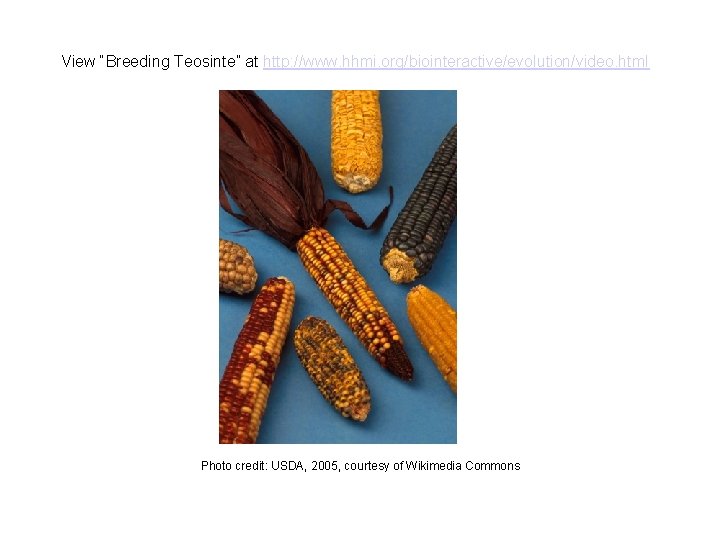
View “Breeding Teosinte” at http: //www. hhmi. org/biointeractive/evolution/video. html Photo credit: USDA, 2005, courtesy of Wikimedia Commons
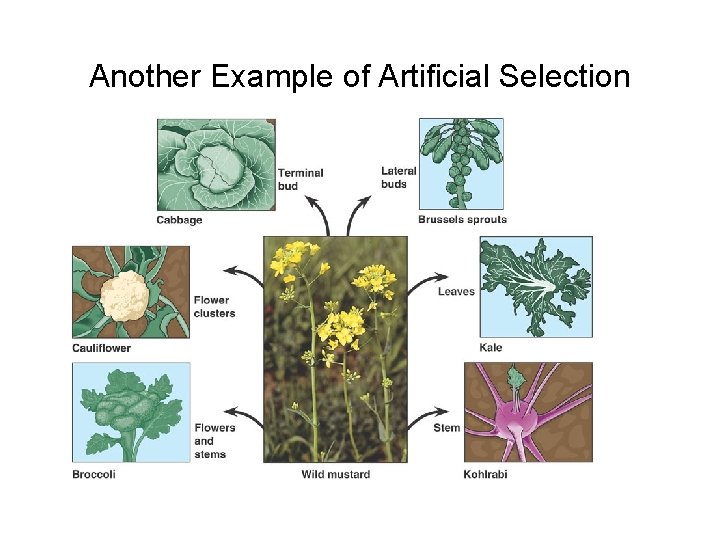
Another Example of Artificial Selection
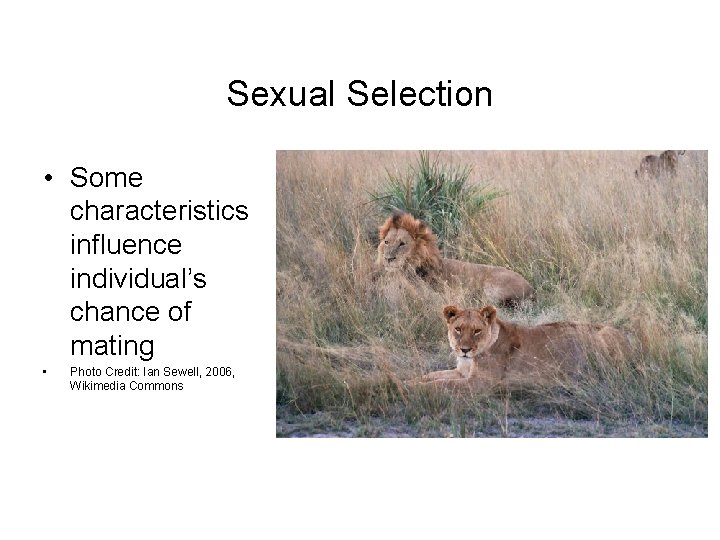
Sexual Selection • Some characteristics influence individual’s chance of mating • Photo Credit: Ian Sewell, 2006, Wikimedia Commons
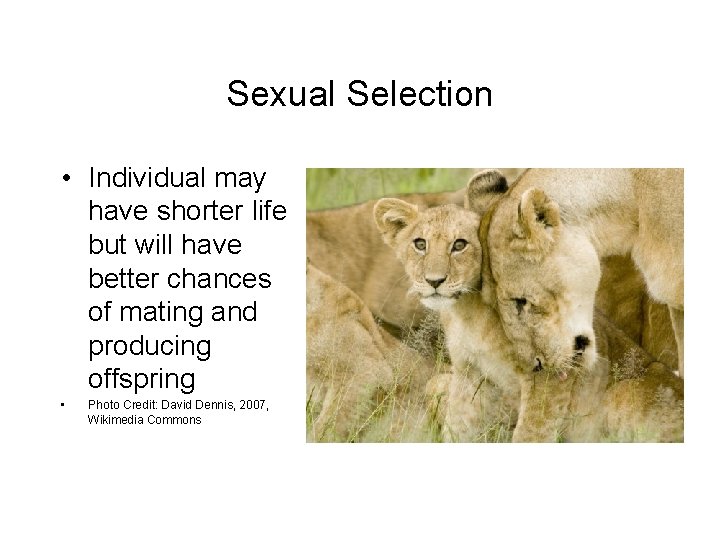
Sexual Selection • Individual may have shorter life but will have better chances of mating and producing offspring • Photo Credit: David Dennis, 2007, Wikimedia Commons
Types of Sexual Selection • Mate Competition – One sex competes for access to the other sex – Other sex always “chooses” winner • Mate Choice – One sex chooses mate based on characteristics of other sex
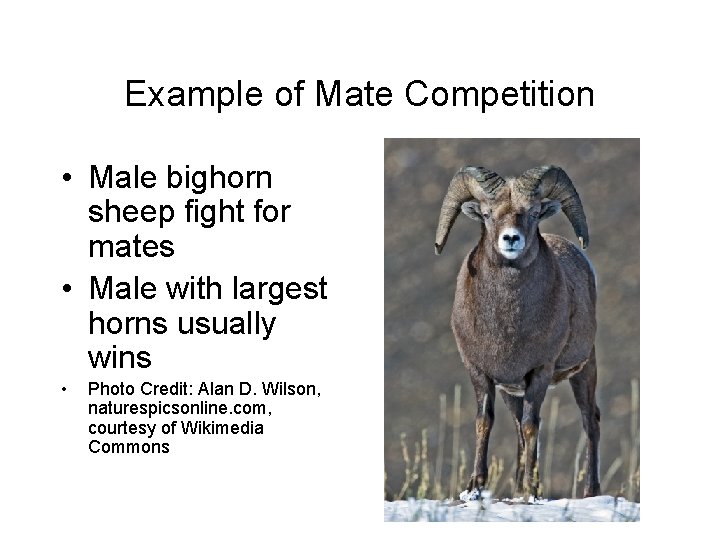
Example of Mate Competition • Male bighorn sheep fight for mates • Male with largest horns usually wins • Photo Credit: Alan D. Wilson, naturespicsonline. com, courtesy of Wikimedia Commons
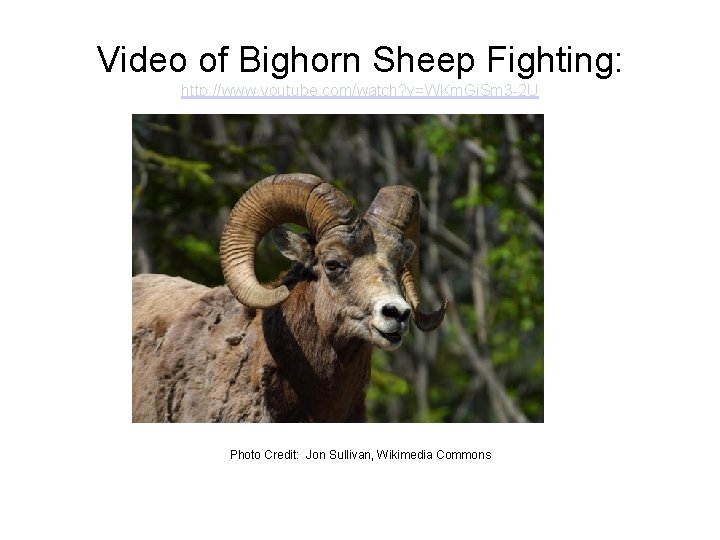
Video of Bighorn Sheep Fighting: http: //www. youtube. com/watch? v=WKm. Gi. Sm 3 -2 U Photo Credit: Jon Sullivan, Wikimedia Commons
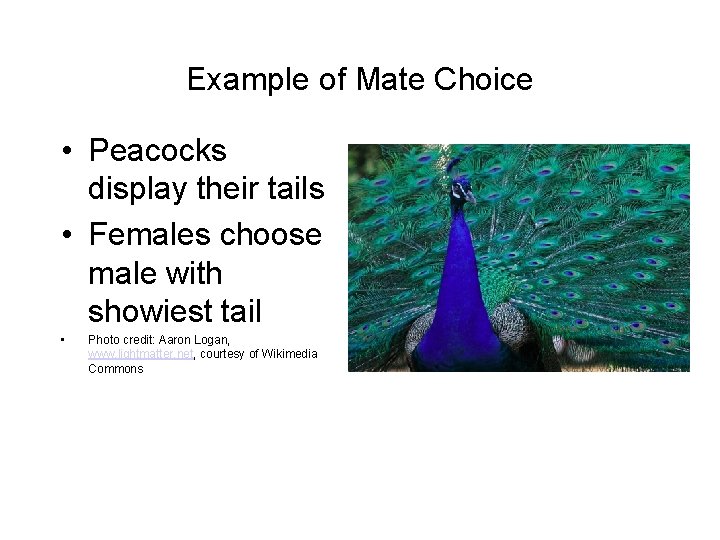
Example of Mate Choice • Peacocks display their tails • Females choose male with showiest tail • Photo credit: Aaron Logan, www. lightmatter. net, courtesy of Wikimedia Commons
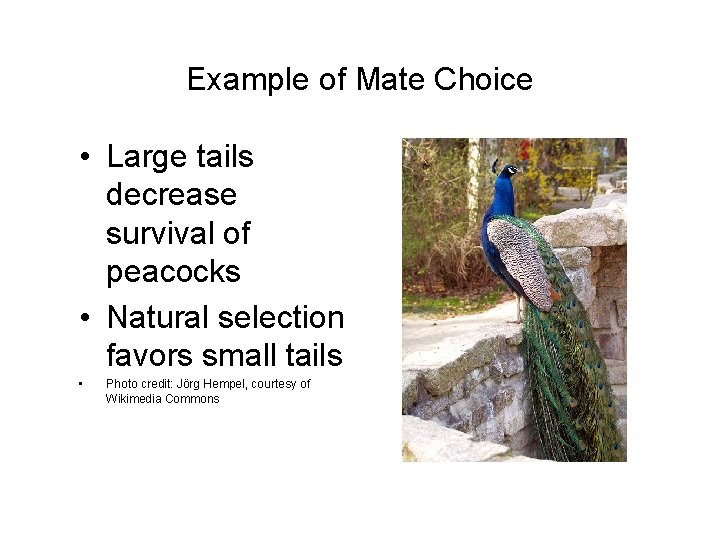
Example of Mate Choice • Large tails decrease survival of peacocks • Natural selection favors small tails • Photo credit: Jörg Hempel, courtesy of Wikimedia Commons
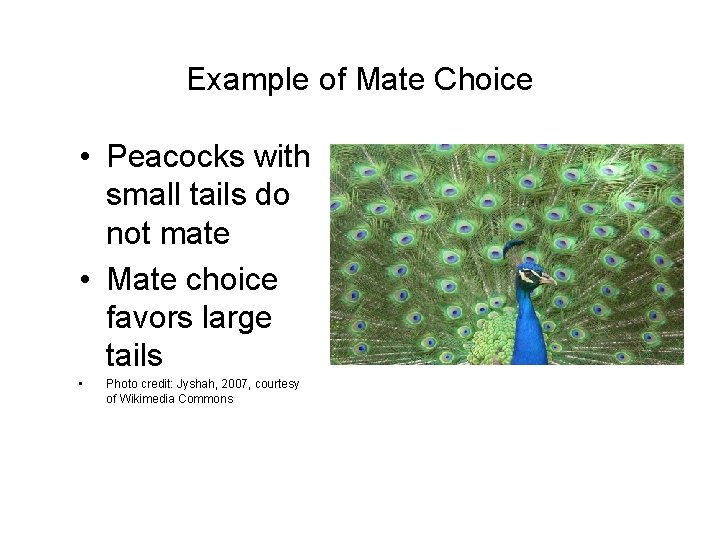
Example of Mate Choice • Peacocks with small tails do not mate • Mate choice favors large tails • Photo credit: Jyshah, 2007, courtesy of Wikimedia Commons
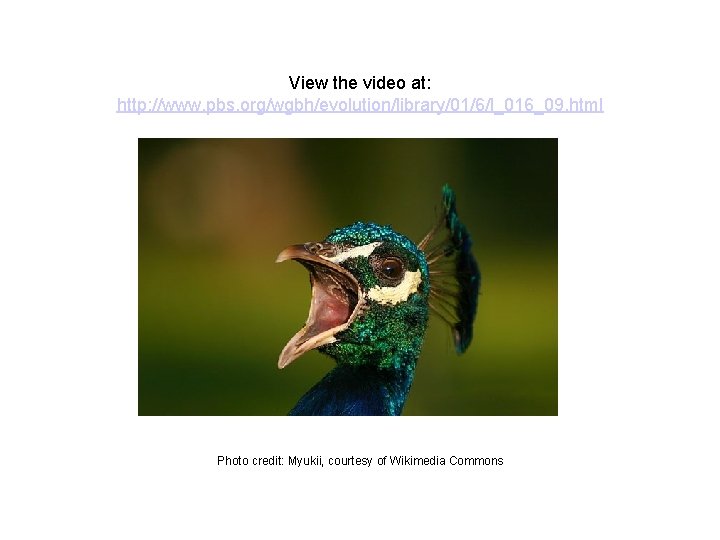
View the video at: http: //www. pbs. org/wgbh/evolution/library/01/6/l_016_09. html Photo credit: Myukii, courtesy of Wikimedia Commons
The End Unless otherwise specified, all images in this presentation came from: Campbell, et al. 2008. Biology, 8 th ed. Pearson Benjamin Cummings.
- Slides: 53