
Evolution of the human genome by natural selection
Evolution of the human genome by natural selection What you will learn in this lecture (1) What are the human genome and positive selection? (2) How do we analyze positive selection? (3) How is positive selection relevant to human evolution, and the evolution of human health and disease? (4) Applications and case studies: brains and language, diet, reproduction and disease
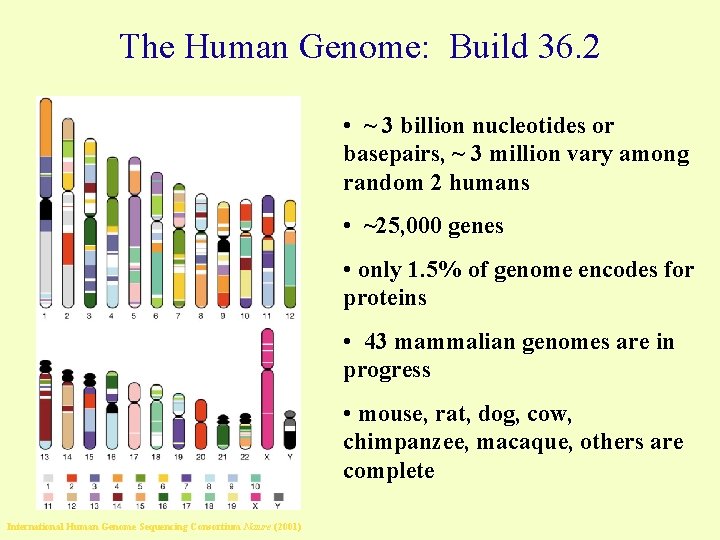
The Human Genome: Build 36. 2 • ~ 3 billion nucleotides or basepairs, ~ 3 million vary among random 2 humans • ~25, 000 genes • only 1. 5% of genome encodes for proteins • 43 mammalian genomes are in progress • mouse, rat, dog, cow, chimpanzee, macaque, others are complete International Human Genome Sequencing Consortium Nature (2001)
The Chimpanzee Genome • human and chimps diverged 5 -6 mya • ~99% identical overall to human genome • ~30, 000 nucleotide differences • 29% of genes identical to human homologue (6, 250 genes) • Average divergence per gene: 2 amino acid difference; one per lineage since human/chimp divergence
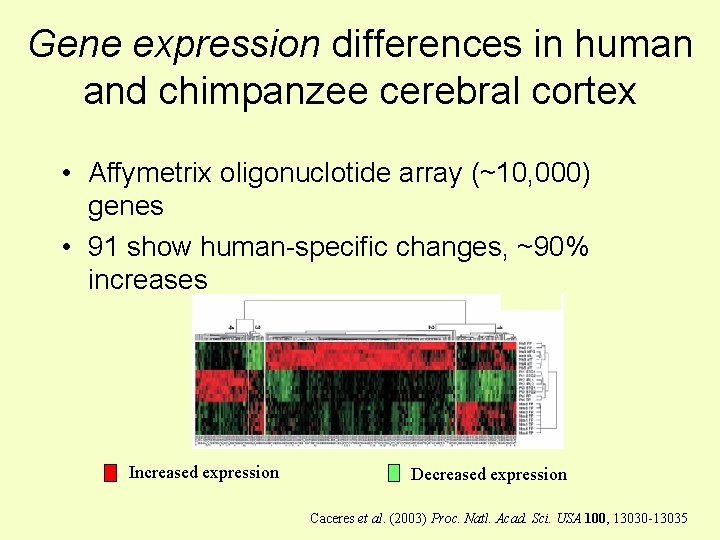
Gene expression differences in human and chimpanzee cerebral cortex • Affymetrix oligonuclotide array (~10, 000) genes • 91 show human-specific changes, ~90% increases Increased expression Decreased expression Caceres et al. (2003) Proc. Natl. Acad. Sci. USA 100, 13030 -13035
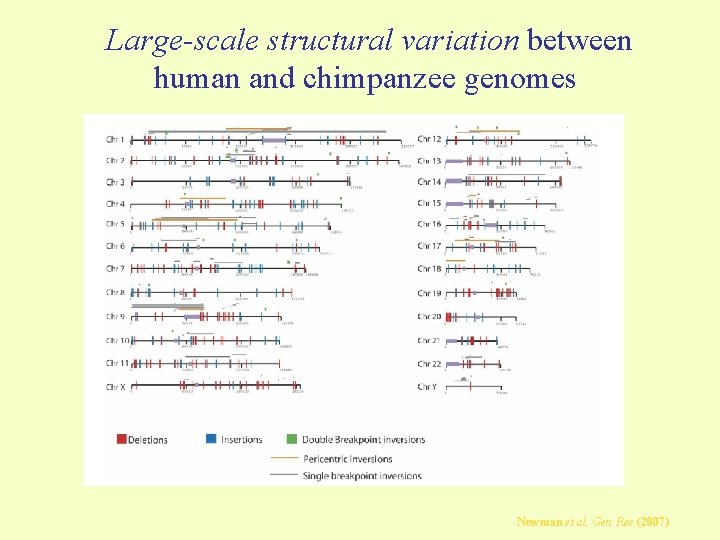
Large-scale structural variation between human and chimpanzee genomes Newman et al. Gen Res (2007)
Using genetic variation among and within humans and other primates to understand the presence and form of natural selection on genes (1) Infer ancestral states, for genes (2) Infer selection on amino acids in proteins with important functions; relate selection on genes to selection on phenotypes (3) Infer recent ‘selective sweeps’, or balancing selection, in human genome WHAT ARE THE GENETIC AND GENOMIC CHANGES THAT HAVE ‘MADE US HUMAN’? Seeking the ‘signatures of selection’ in human and primate genomes
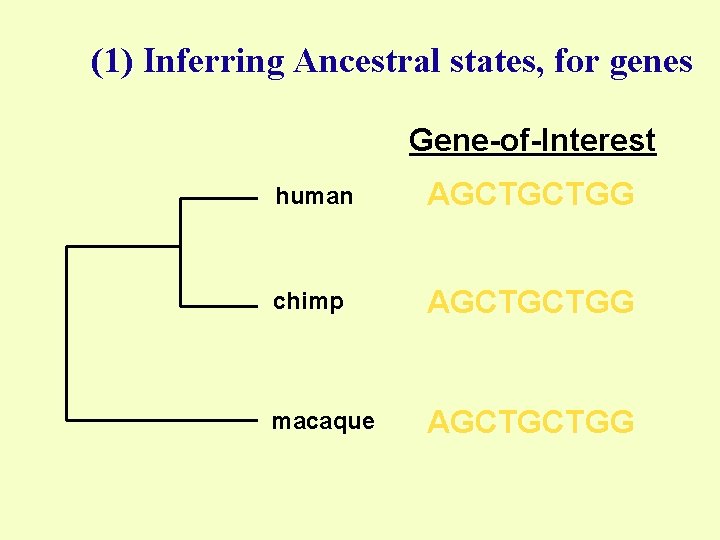
(1) Inferring Ancestral states, for genes Gene-of-Interest human AGCTGCTGG chimp AGCTGCTGG macaque AGCTGCTGG
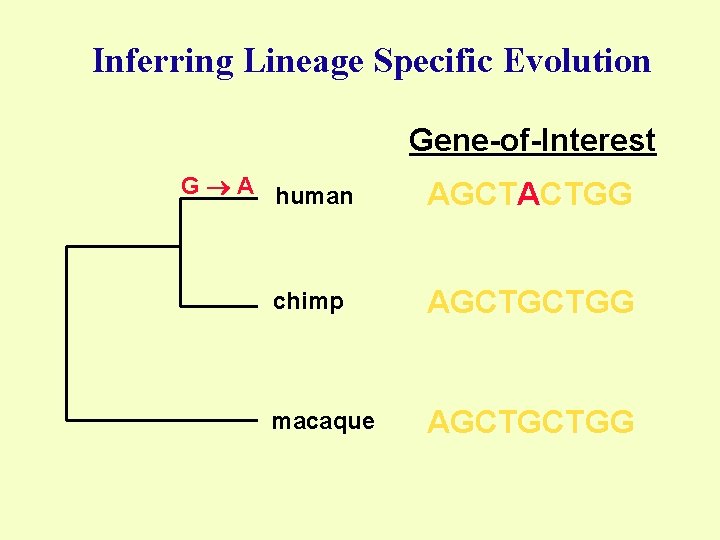
Inferring Lineage Specific Evolution Gene-of-Interest G A human AGCTACTGG chimp AGCTGCTGG macaque AGCTGCTGG
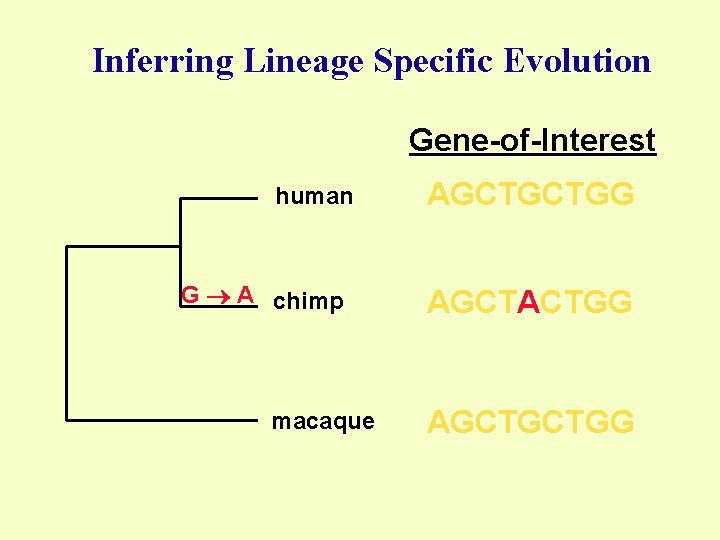
Inferring Lineage Specific Evolution Gene-of-Interest human G A chimp macaque AGCTGCTGG AGCTACTGG AGCTGCTGG
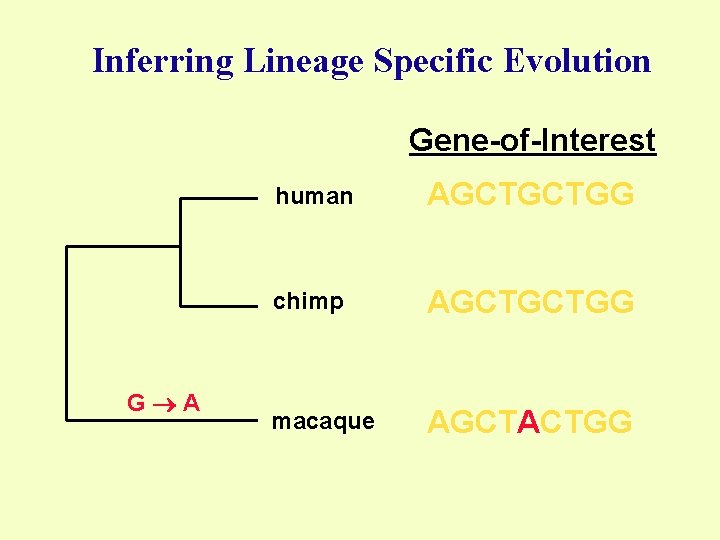
Inferring Lineage Specific Evolution Gene-of-Interest G A human AGCTGCTGG chimp AGCTGCTGG macaque AGCTACTGG
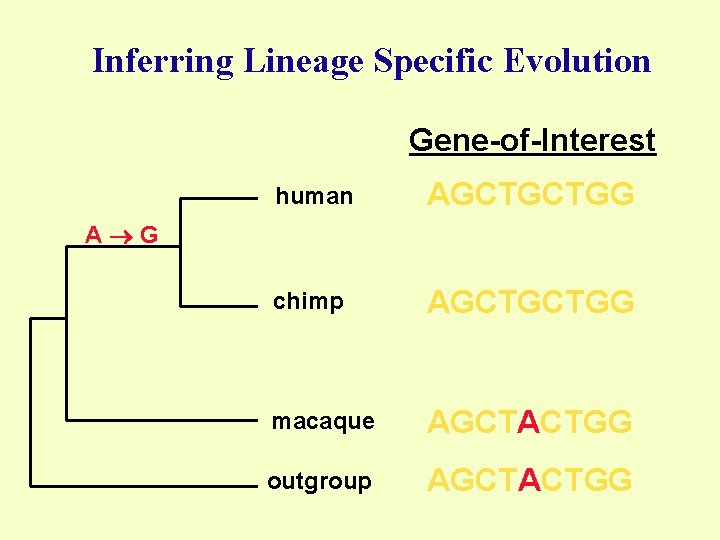
Inferring Lineage Specific Evolution Gene-of-Interest human AGCTGCTGG chimp AGCTGCTGG macaque AGCTACTGG outgroup AGCTACTGG A G
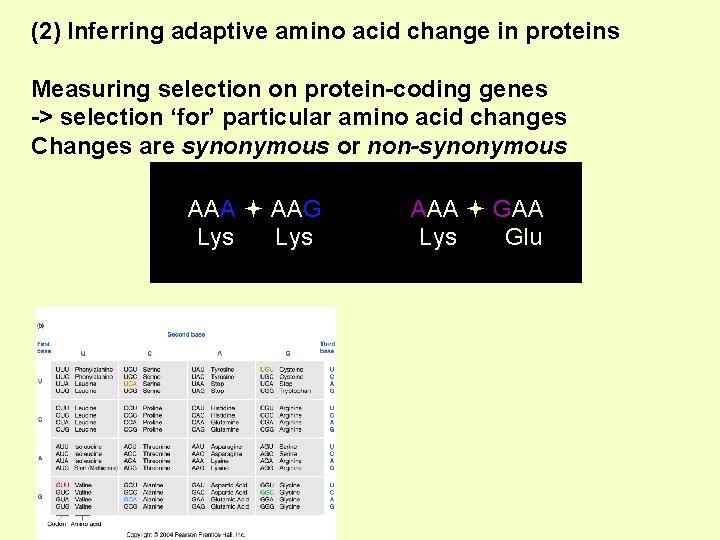
(2) Inferring adaptive amino acid change in proteins Measuring selection on protein-coding genes -> selection ‘for’ particular amino acid changes Changes are synonymous or non-synonymous AAA AAG Lys AAA GAA Lys Glu
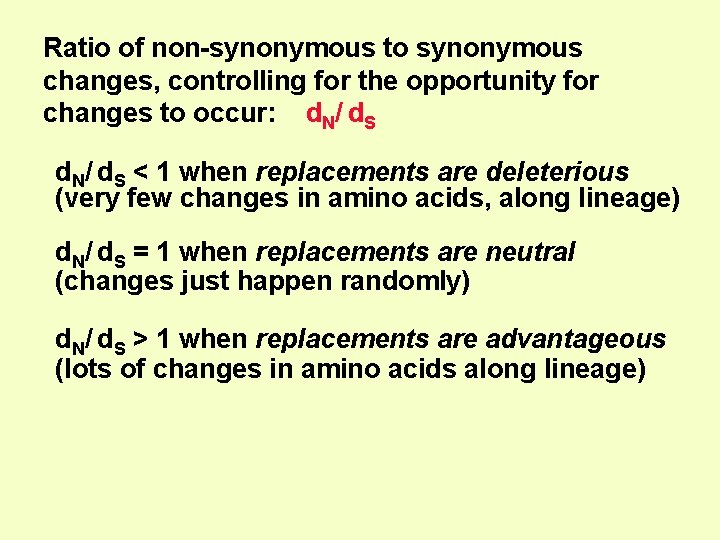
Ratio of non-synonymous to synonymous changes, controlling for the opportunity for changes to occur: d. N/ d. S < 1 when replacements are deleterious (very few changes in amino acids, along lineage) d. N/ d. S = 1 when replacements are neutral (changes just happen randomly) d. N/ d. S > 1 when replacements are advantageous (lots of changes in amino acids along lineage)
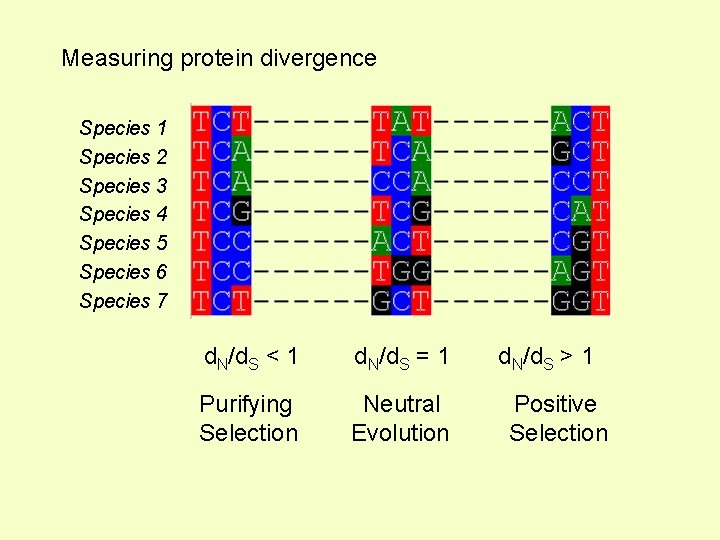
Measuring protein divergence Species 1 Species 2 Species 3 Species 4 Species 5 Species 6 Species 7 d. N/d. S < 1 d. N/d. S = 1 Purifying Selection Neutral Evolution d. N/d. S > 1 Positive Selection
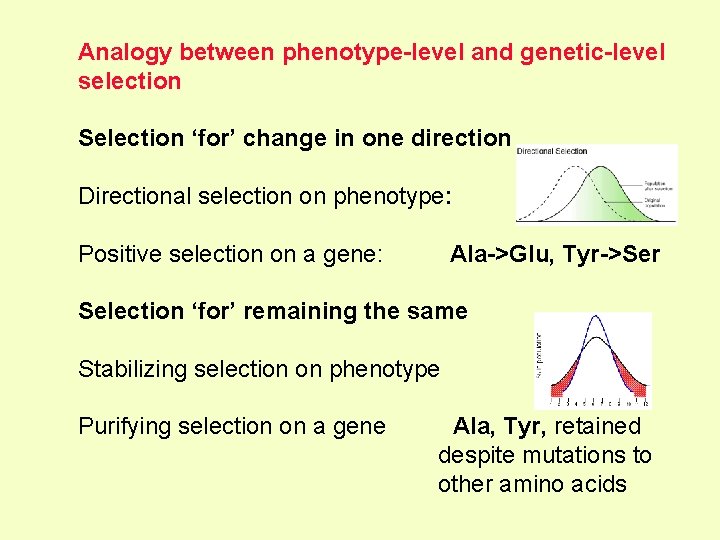
Analogy between phenotype-level and genetic-level selection Selection ‘for’ change in one direction Directional selection on phenotype: Positive selection on a gene: Ala->Glu, Tyr->Ser Selection ‘for’ remaining the same Stabilizing selection on phenotype Purifying selection on a gene Ala, Tyr, retained despite mutations to other amino acids
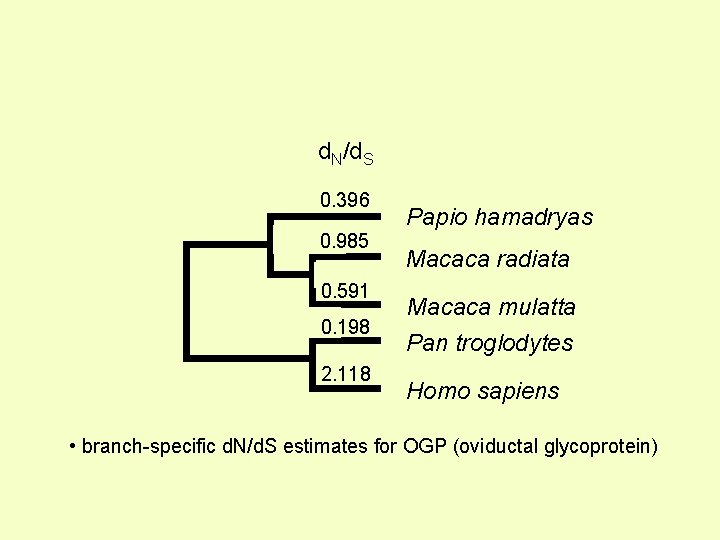
d. N/d. S 0. 396 0. 985 0. 591 0. 198 2. 118 Papio hamadryas Macaca radiata Macaca mulatta Pan troglodytes Homo sapiens • branch-specific d. N/d. S estimates for OGP (oviductal glycoprotein)
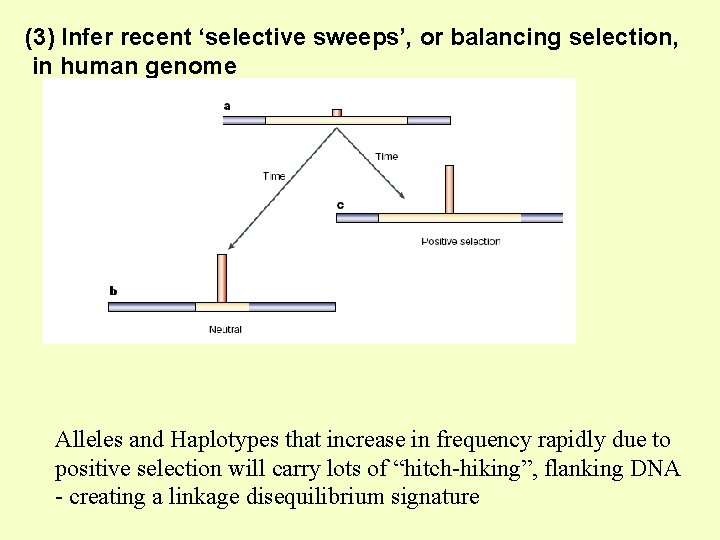
(3) Infer recent ‘selective sweeps’, or balancing selection, in human genome Alleles and Haplotypes that increase in frequency rapidly due to positive selection will carry lots of “hitch-hiking”, flanking DNA - creating a linkage disequilibrium signature
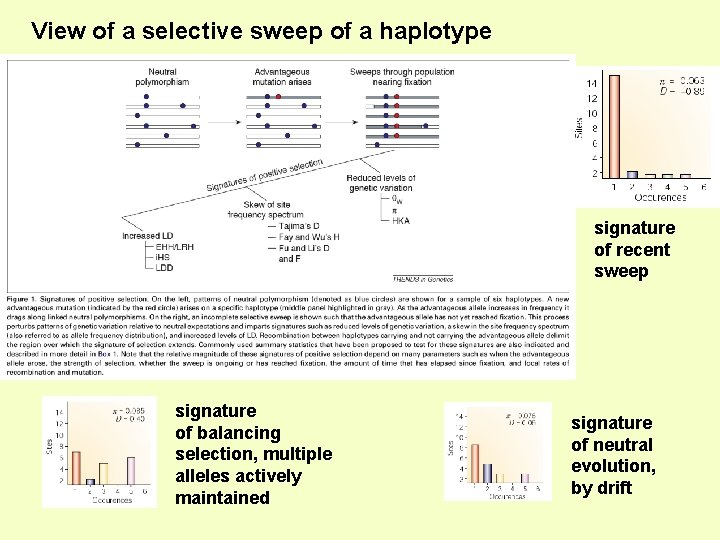
View of a selective sweep of a haplotype signature of recent sweep signature of balancing selection, multiple alleles actively maintained signature of neutral evolution, by drift
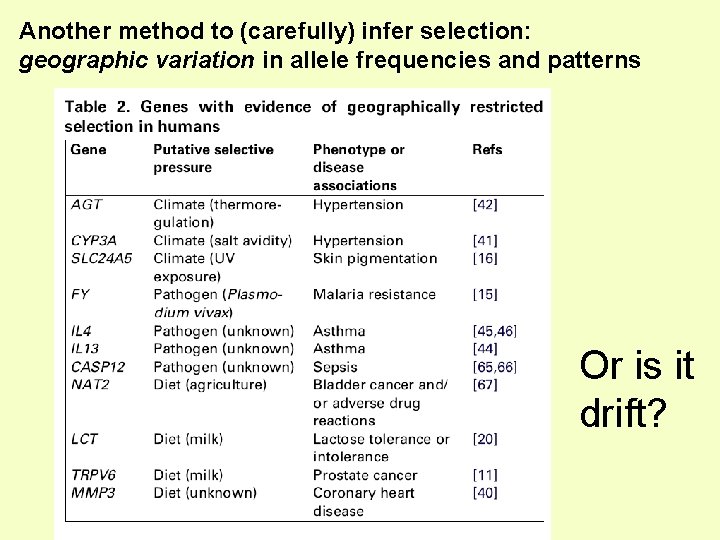
Another method to (carefully) infer selection: geographic variation in allele frequencies and patterns Or is it drift?
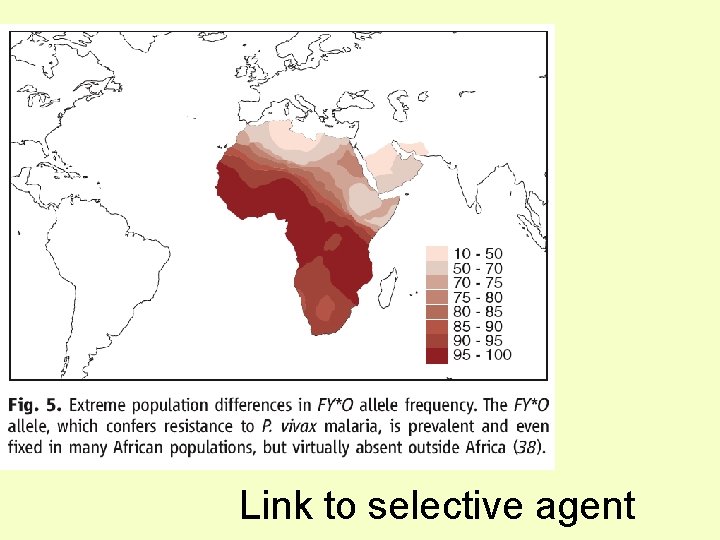
Link to selective agent
Results of studies on the signatures of selection in the human genome: brains, food, reproduction and parasites (1) Genome-wide studies (2) Studies of brain and language genes (3) Studies of food genes (lactase, amylase) (4) Studies of reproduction genes (5) Studies of disease-related genes
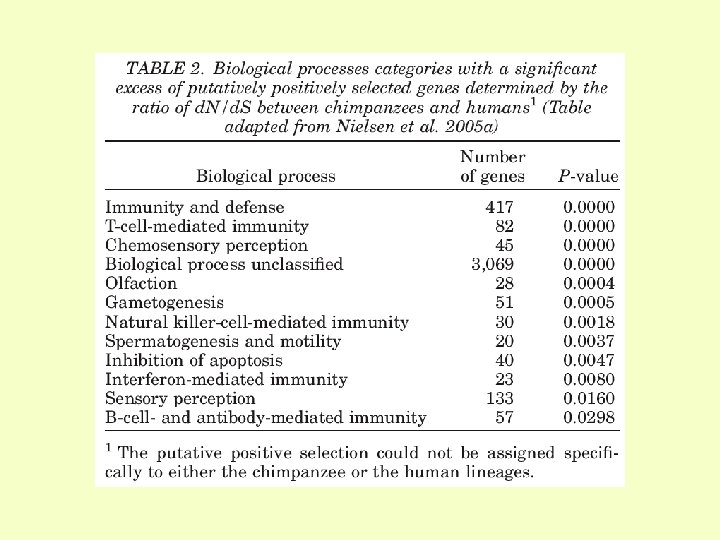
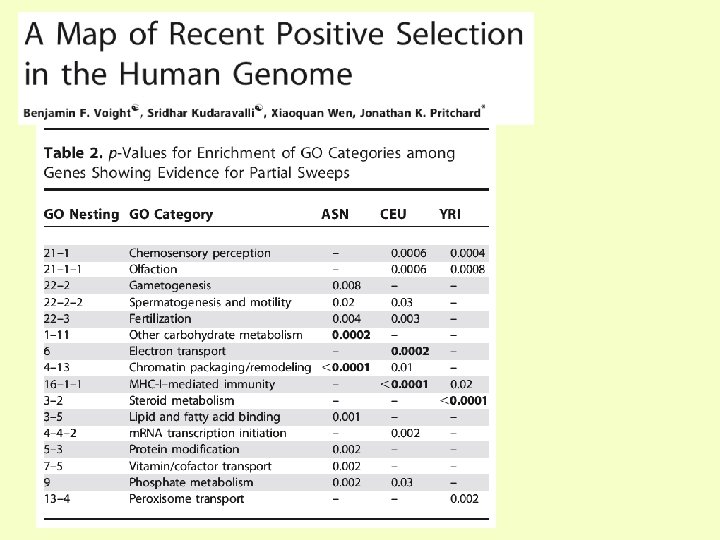
Genome-wide analyses of protein sequence evolution • Most-significant categories showing positive selection in human lineage include: *Immune system: parasites and pathogens *Reproduction: genes expressed in reproductive tissues *Nervous system genes: expressed in brain *Amino-acid metabolism: diet Olfaction: sense of smell Development: such as skeletal Hearing: for speech perception
Results of studies on the signatures of selection in the human genome: brains, food, reproduction and parasites (1) Genome-wide studies (2) Studies of brain and language genes (3) Studies of food genes (lactase, amylase) (4) Studies of reproduction genes (5) Studies of disease-related genes
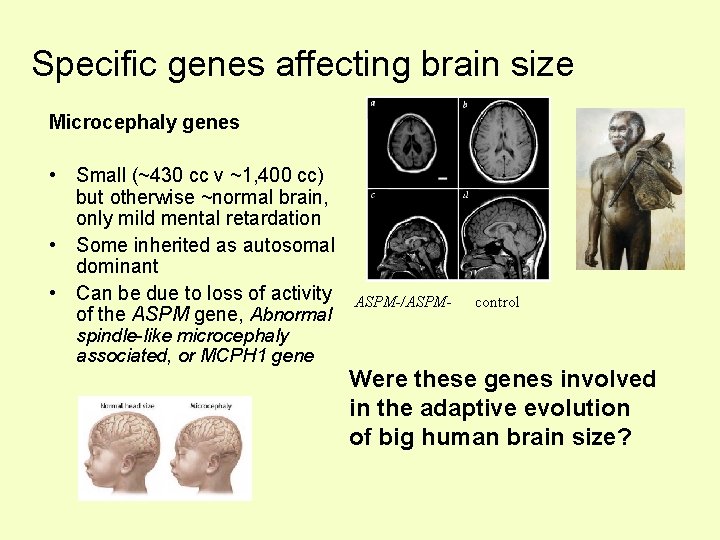
Specific genes affecting brain size Microcephaly genes • Small (~430 cc v ~1, 400 cc) but otherwise ~normal brain, only mild mental retardation • Some inherited as autosomal dominant • Can be due to loss of activity of the ASPM gene, Abnormal spindle-like microcephaly associated, or MCPH 1 gene ASPM-/ASPM- control Were these genes involved in the adaptive evolution of big human brain size?
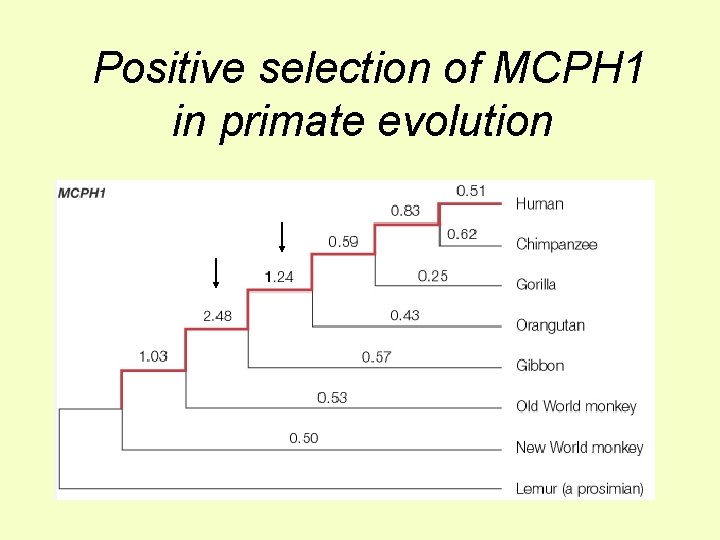
Positive selection of MCPH 1 in primate evolution
Positive selection of ASPM in primate evolution
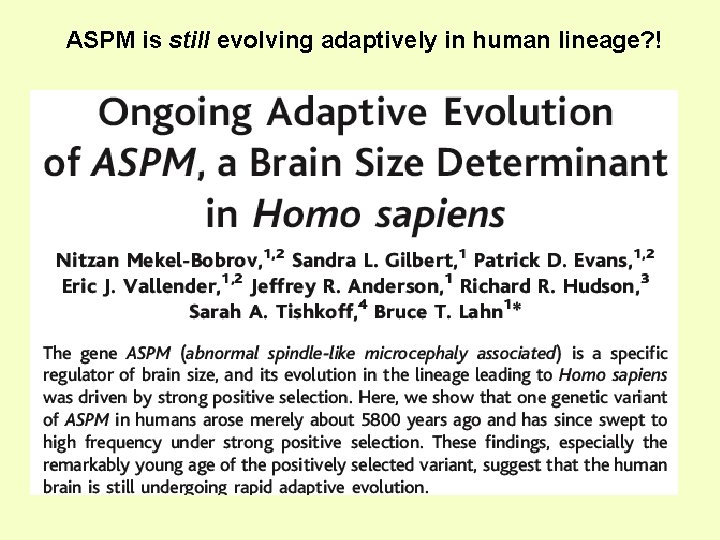
ASPM is still evolving adaptively in human lineage? !
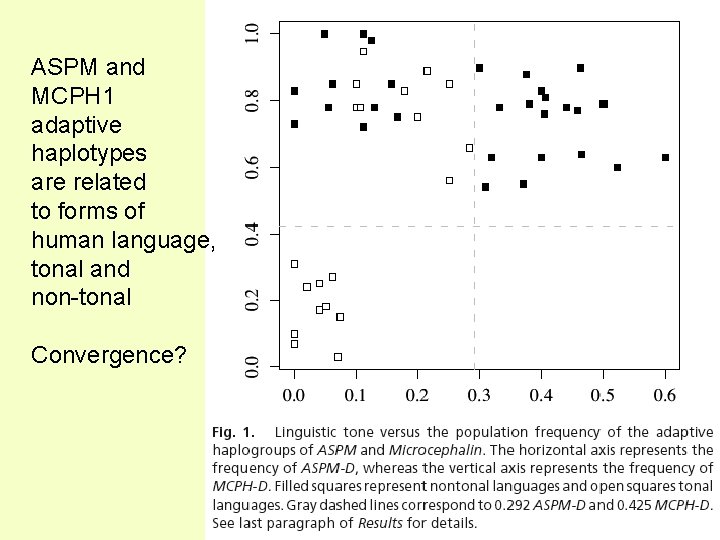
ASPM and MCPH 1 adaptive haplotypes are related to forms of human language, tonal and non-tonal Convergence?
Results of studies on the signatures of selection in the human genome: brains, food, reproduction and parasites (1) Genome-wide studies (2) Studies of brain and language genes (3) Studies of food genes (lactase, amylase) (4) Studies of reproduction genes (5) Studies of disease-related genes
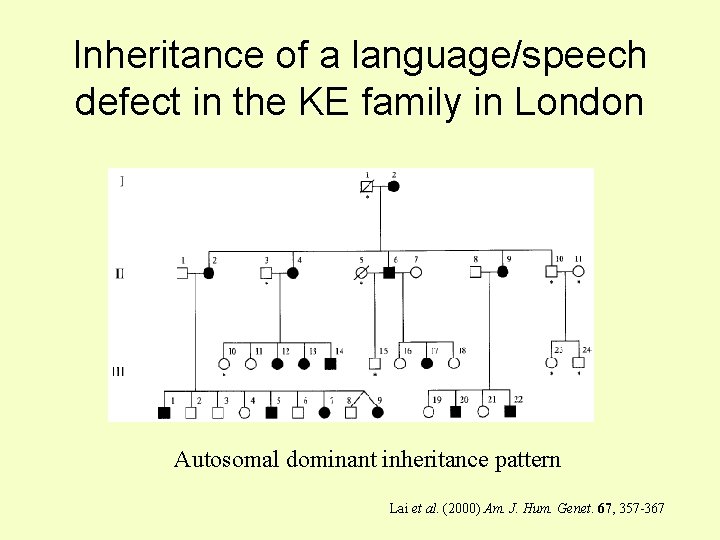
Inheritance of a language/speech defect in the KE family in London Autosomal dominant inheritance pattern Lai et al. (2000) Am. J. Hum. Genet. 67, 357 -367
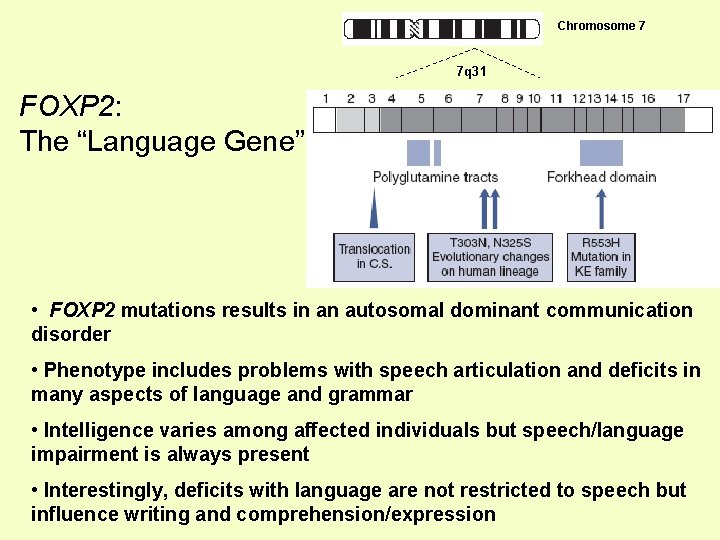
Chromosome 7 7 q 31 FOXP 2: The “Language Gene” • FOXP 2 mutations results in an autosomal dominant communication disorder • Phenotype includes problems with speech articulation and deficits in many aspects of language and grammar • Intelligence varies among affected individuals but speech/language impairment is always present • Interestingly, deficits with language are not restricted to speech but influence writing and comprehension/expression
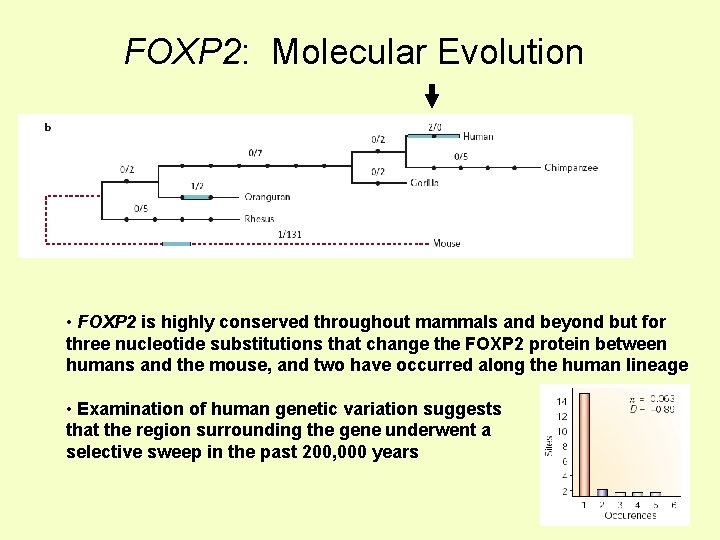
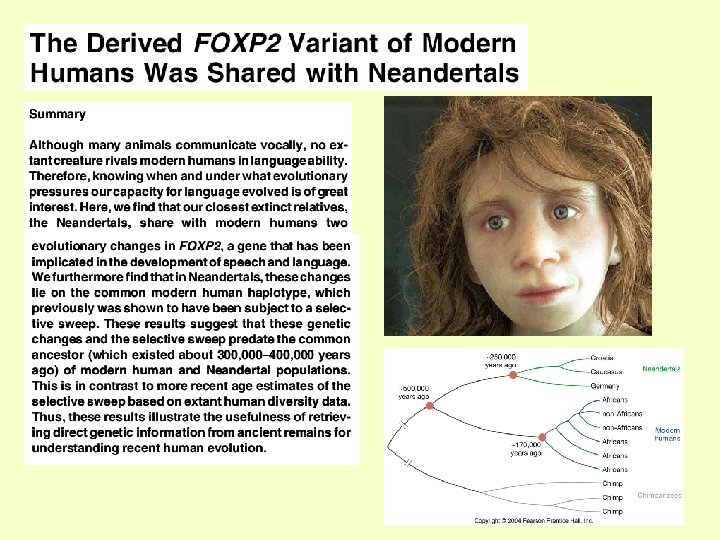
FOXP 2: Molecular Evolution • FOXP 2 is highly conserved throughout mammals and beyond but for three nucleotide substitutions that change the FOXP 2 protein between humans and the mouse, and two have occurred along the human lineage • Examination of human genetic variation suggests that the region surrounding the gene underwent a selective sweep in the past 200, 000 years
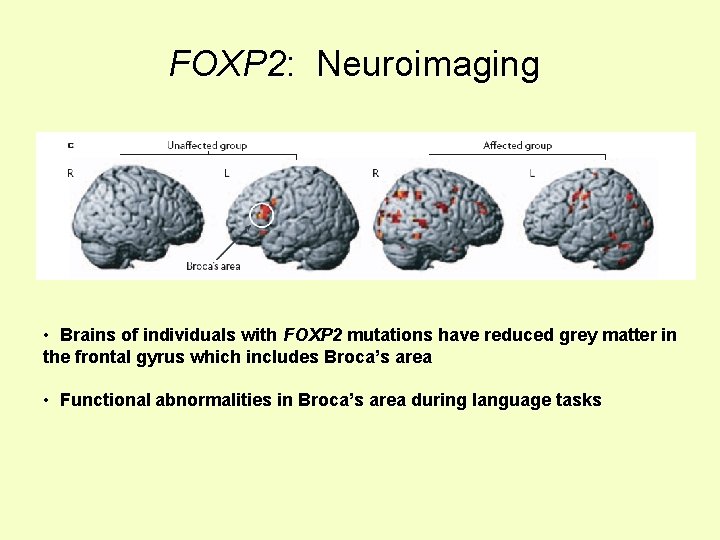
FOXP 2: Neuroimaging • Brains of individuals with FOXP 2 mutations have reduced grey matter in the frontal gyrus which includes Broca’s area • Functional abnormalities in Broca’s area during language tasks
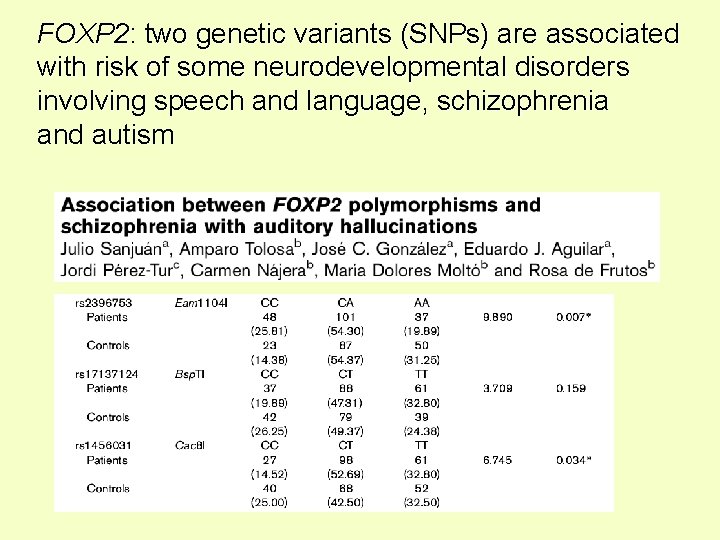
FOXP 2: two genetic variants (SNPs) are associated with risk of some neurodevelopmental disorders involving speech and language, schizophrenia and autism
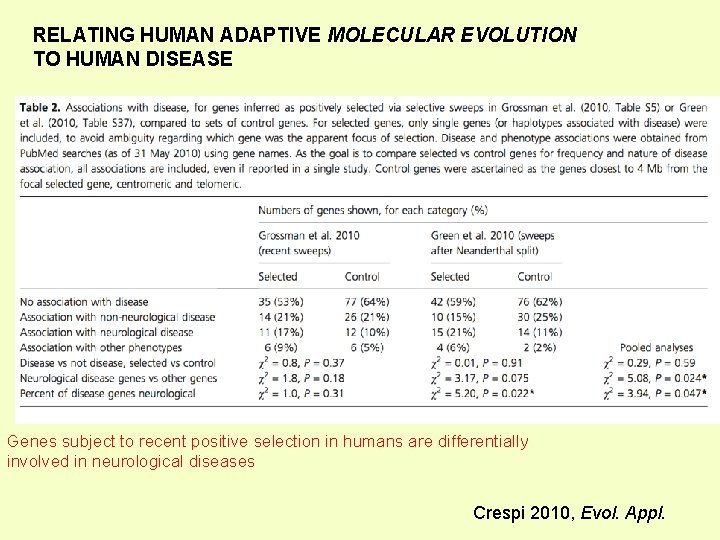
RELATING HUMAN ADAPTIVE MOLECULAR EVOLUTION TO HUMAN DISEASE Genes subject to recent positive selection in humans are differentially involved in neurological diseases Crespi 2010, Evol. Appl.
Conclusions: Positive selection related to human brain and language: Many genes related to primate brain development have been subject to positive selection We have identified several positively-selected genes related to brain size and language in humans, but we do not know how they work These same genes are also involved in human disorders related to the brain and language
Results of studies on the signatures of selection in the human genome: brains, food, reproduction and disease (1) Genome-wide studies (2) Studies of brain and language genes (3) Studies of food genes (lactase, amylase); changes in human diet during recent evolution (4) Studies of reproduction genes (5) Studies of disease-related genes
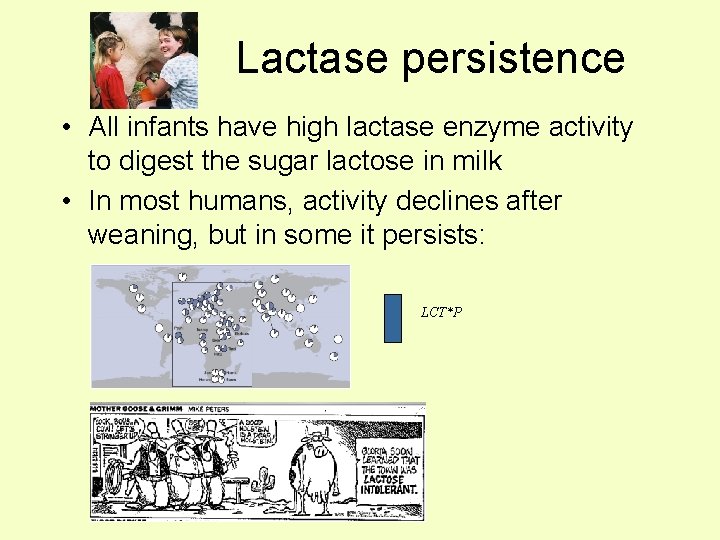
Lactase persistence • All infants have high lactase enzyme activity to digest the sugar lactose in milk • In most humans, activity declines after weaning, but in some it persists: LCT*P
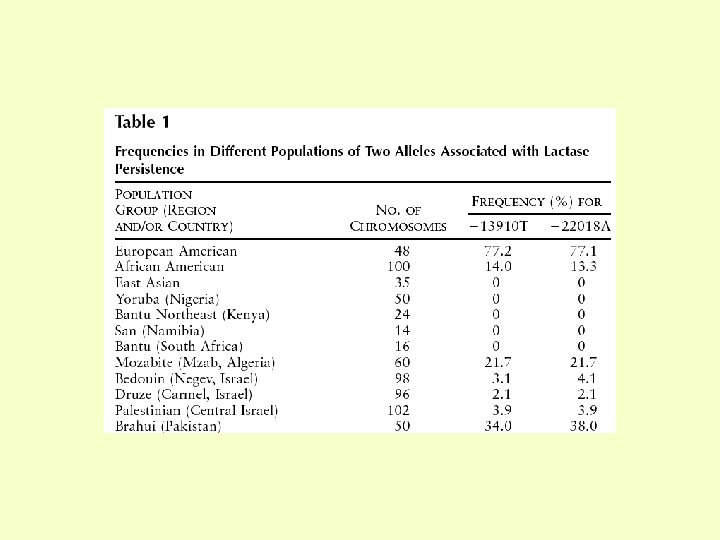
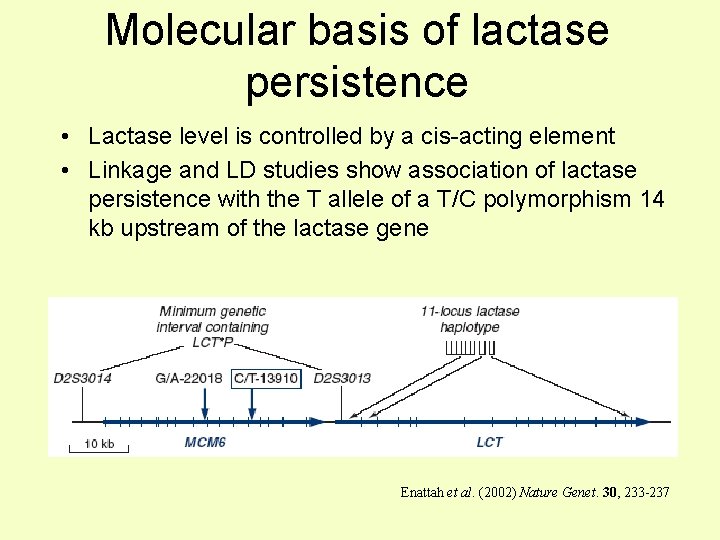
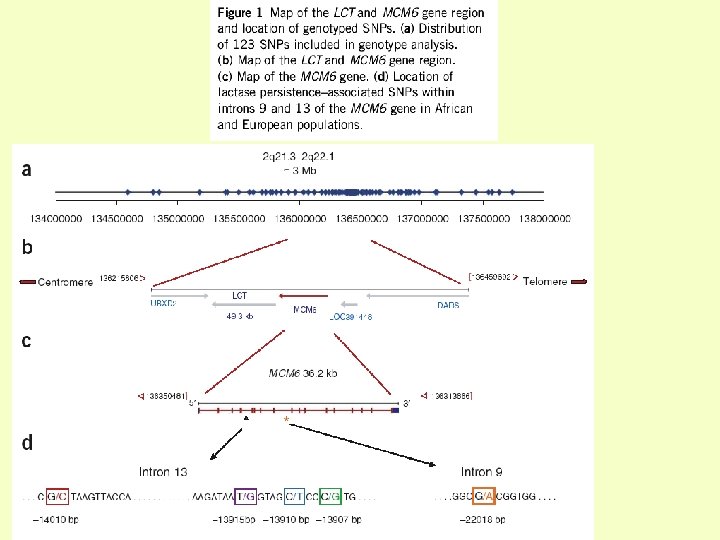
Molecular basis of lactase persistence • Lactase level is controlled by a cis-acting element • Linkage and LD studies show association of lactase persistence with the T allele of a T/C polymorphism 14 kb upstream of the lactase gene Enattah et al. (2002) Nature Genet. 30, 233 -237
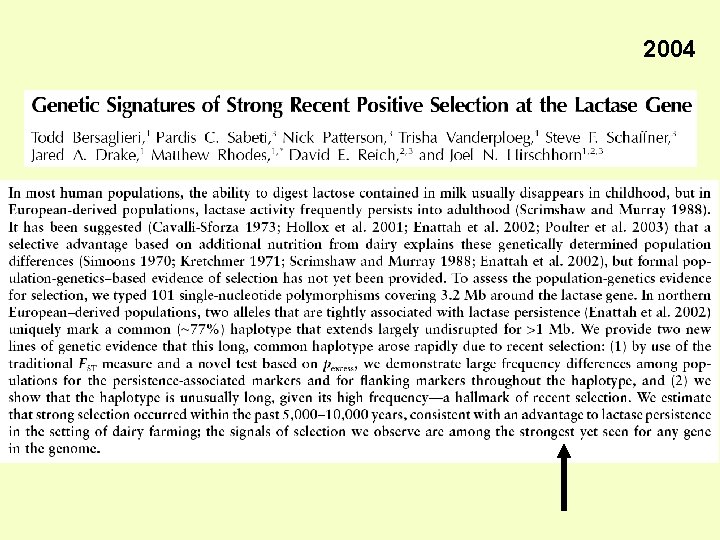
2004
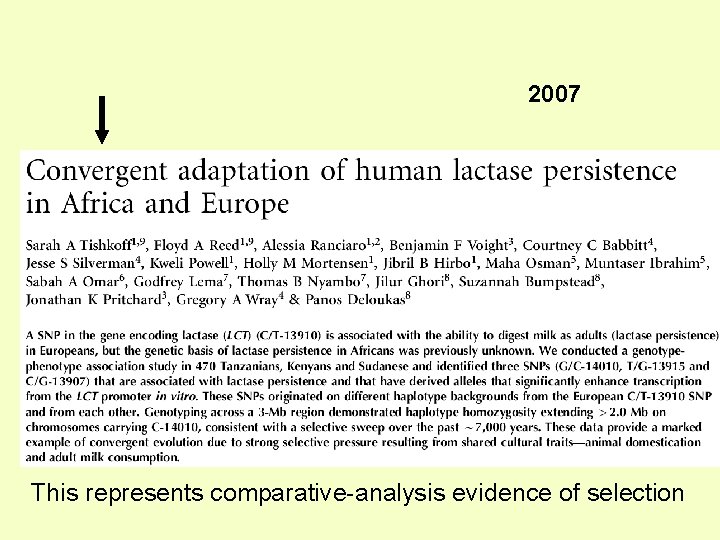
2007 This represents comparative-analysis evidence of selection
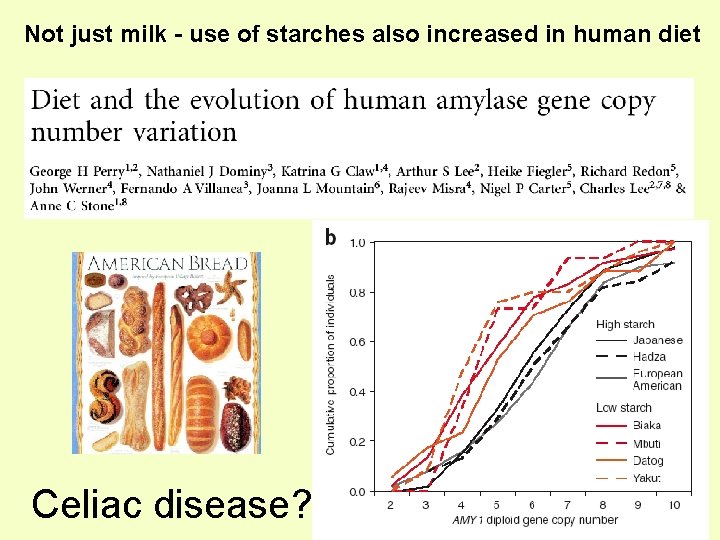
Not just milk - use of starches also increased in human diet Celiac disease?
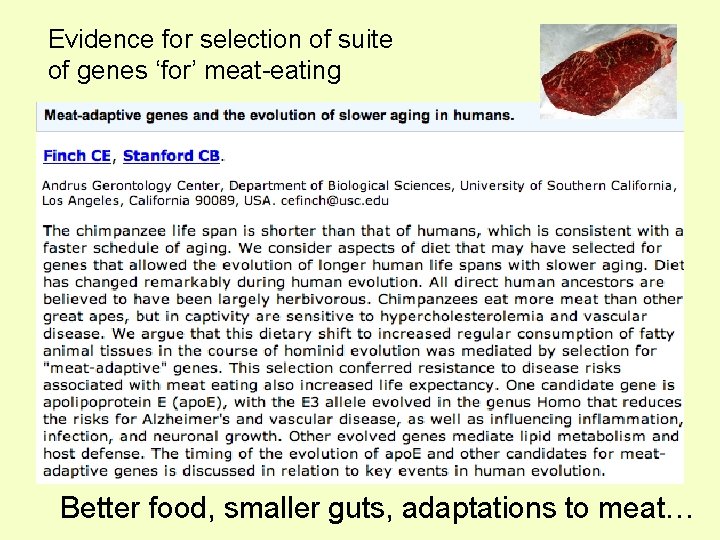
Evidence for selection of suite of genes ‘for’ meat-eating Better food, smaller guts, adaptations to meat…
Conclusions: positive selection related to human diet: Humans have been adapting genetically to a novel diet that includes dairy products, grains, and more meat. The selection involved has been strong. The molecular adaptations involved in dietary adaptations tend to be local geographically, and still exhibit genetic polymorphisms
Results of studies on the signatures of selection in the human genome: brains, food, reproduction and parasites (1) Genome-wide studies (2) Studies of brain and language genes (3) Studies of food genes (lactase, amylase) (4) Studies of reproduction genes (5) Studies of disease-related genes
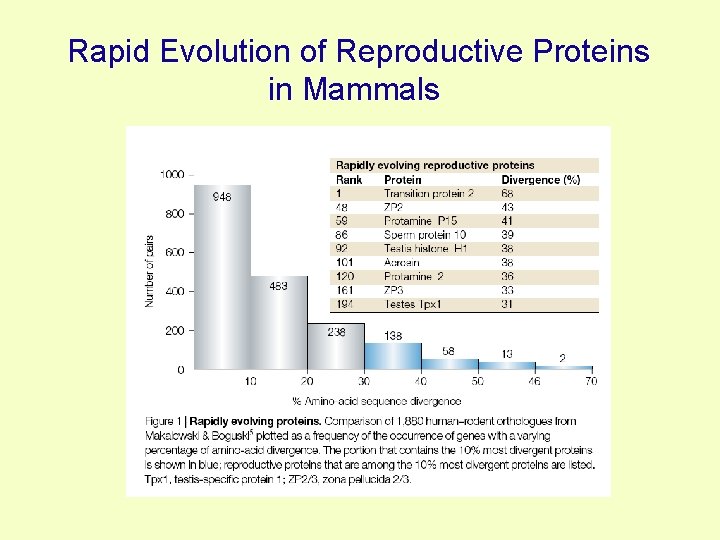
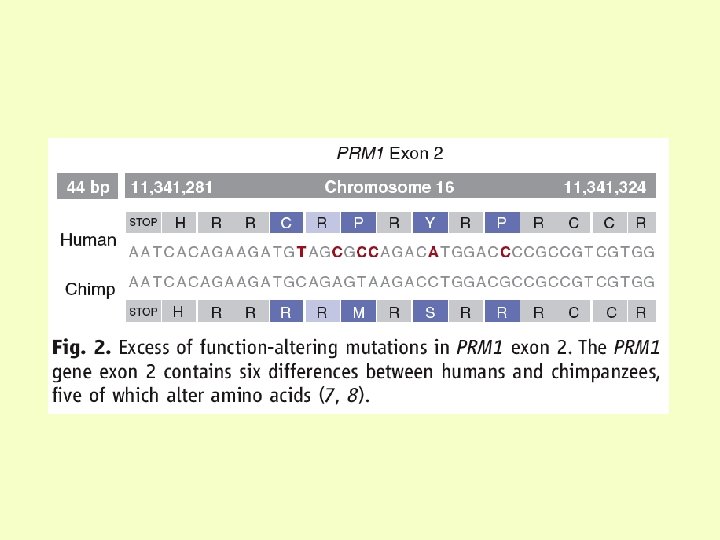
Rapid Evolution of Reproductive Proteins in Mammals
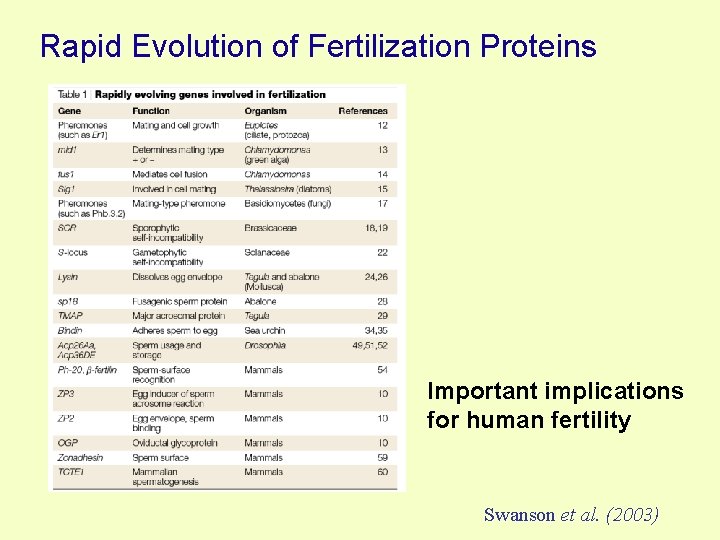
Rapid Evolution of Fertilization Proteins Important implications for human fertility Swanson et al. (2003)
Accessory gland gene functions: “Male-female conflicts” • • Egg laying (increased) Receptivity to mating (decreased for up to 5 days) Formation of copulatory plug (mating plug) Sperm storage (infertility/no storage in the absence of accessory gland proteins) • Sperm displacement (accessory gland protein promote displacement of previously stored sperm
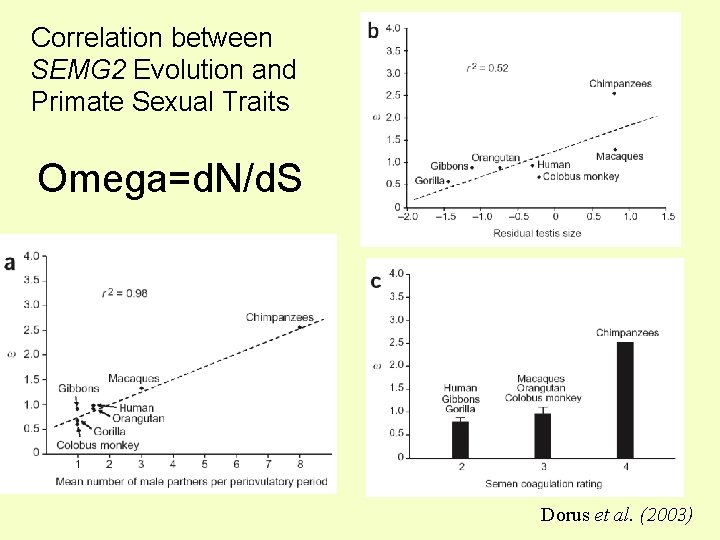
Correlation between SEMG 2 Evolution and Primate Sexual Traits Omega=d. N/d. S Dorus et al. (2003)
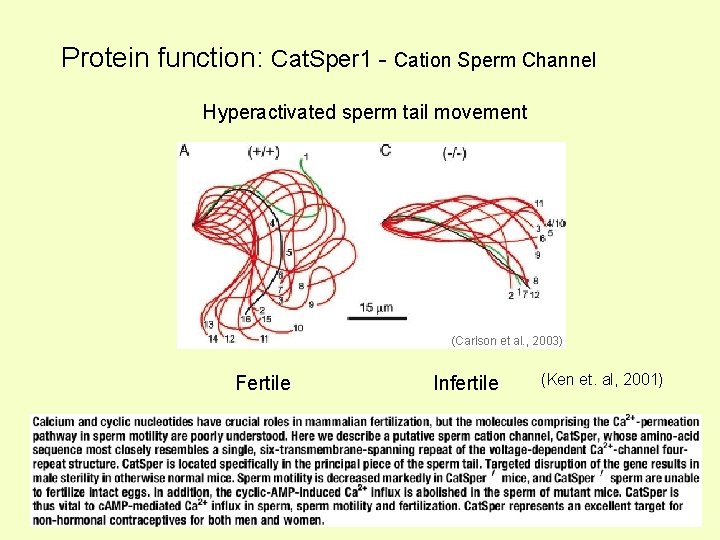
Protein function: Cat. Sper 1 - Cation Sperm Channel Hyperactivated sperm tail movement (Carlson et al. , 2003) Fertile Infertile (Ken et. al, 2001)
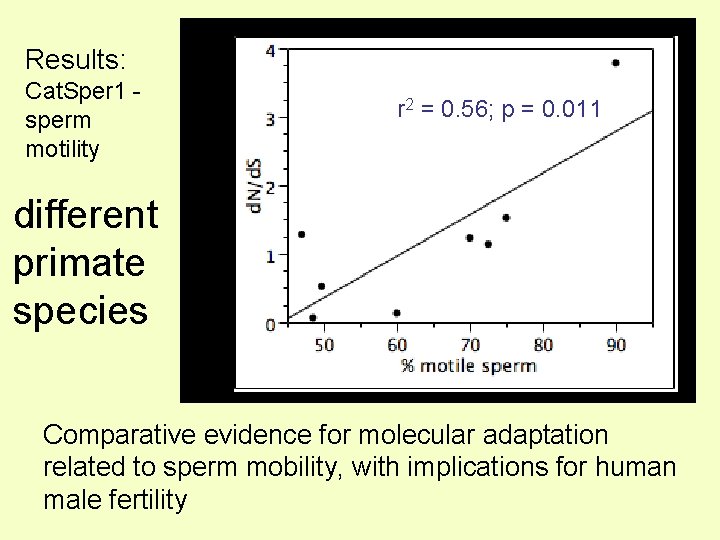
Results: r 2 = 0. 56; p = 0. 011 Protein divergence Cat. Sper 1 sperm motility different primate species Comparative evidence for molecular adaptation related to sperm mobility, with implications for human male fertility
Conclusions: Positive selection related to reproduction: Genes involved in primate reproduction (sperm and egg production) and properties exhibit among the strongest signals of positive selection of any category of gene, probably because phenotypic selection is so strong Several recent studies of primate reproduction genes have linked the presence and strength of positive selection on such genes with aspects of the mating system Such studies have important implications for human fertility and contraception
Results of studies on the signatures of selection in the human genome: brains, food, reproduction and parasites (1) Genome-wide studies (2) Studies of brain and language genes (3) Studies of food genes (lactase, amylase) (4) Studies of reproduction genes (5) Studies of disease-related genes
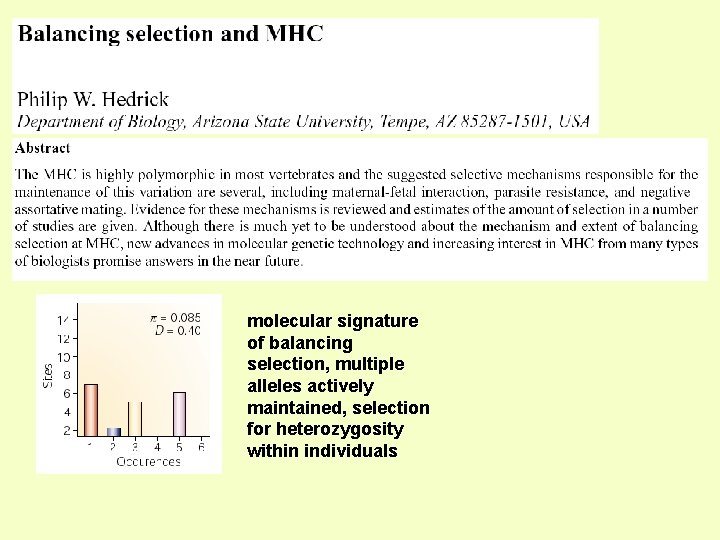
molecular signature of balancing selection, multiple alleles actively maintained, selection for heterozygosity within individuals
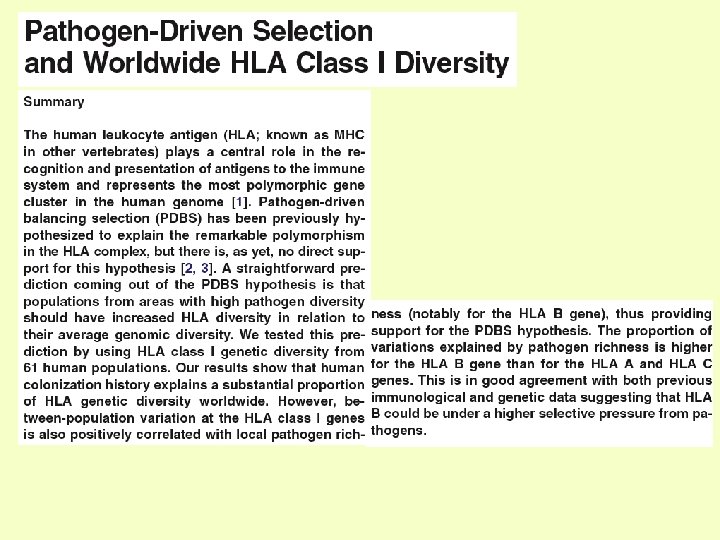
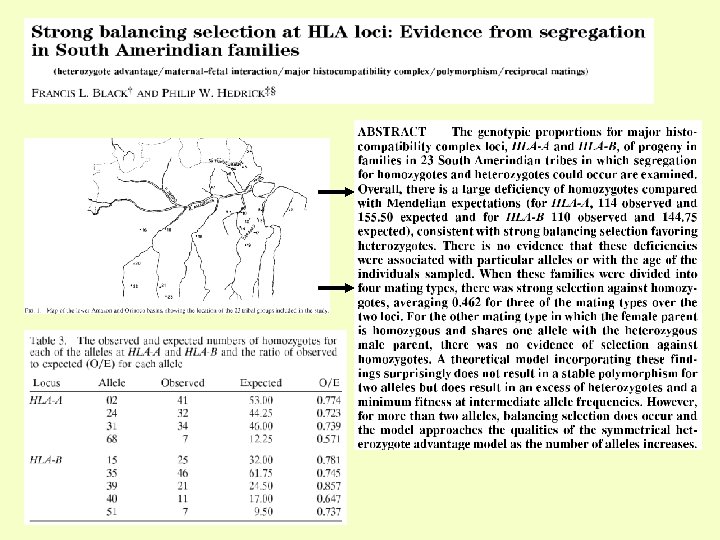
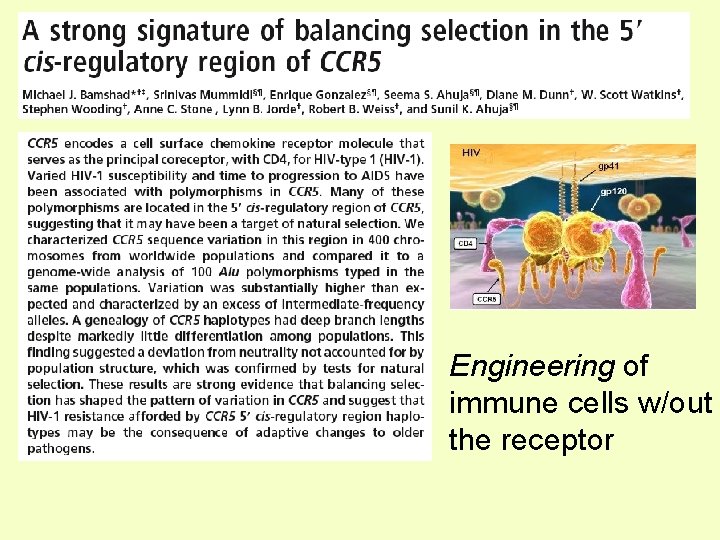
Engineering of immune cells w/out the receptor
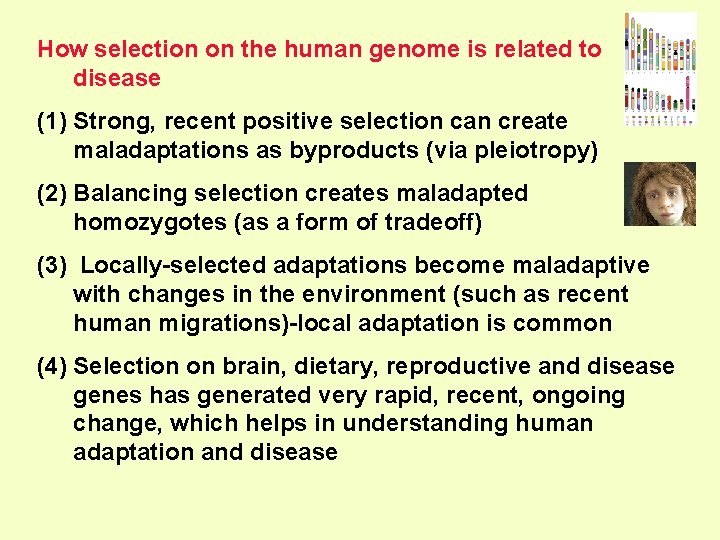
How selection on the human genome is related to disease (1) Strong, recent positive selection can create maladaptations as byproducts (via pleiotropy) (2) Balancing selection creates maladapted homozygotes (as a form of tradeoff) (3) Locally-selected adaptations become maladaptive with changes in the environment (such as recent human migrations)-local adaptation is common (4) Selection on brain, dietary, reproductive and disease genes has generated very rapid, recent, ongoing change, which helps in understanding human adaptation and disease
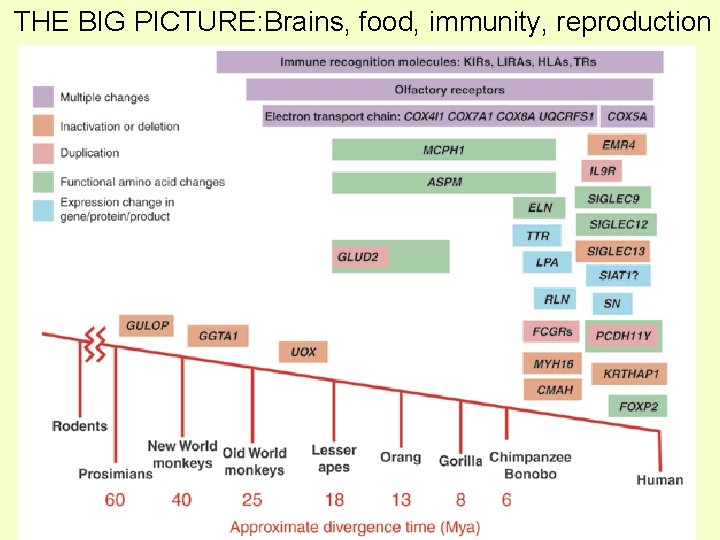
THE BIG PICTURE: Brains, food, immunity, reproduction
- Slides: 65