
Evolution of Proteins Proteins 7350 PollockProtein Evol 5





- Slides: 74
Evolution of Proteins: Proteins 7350 Pollock_Protein. Evol 5. ppt Biochemistry and Molecular Genetics Computational Bioscience Program Consortium for Comparative Genomics University of Colorado School of Medicine David. Pollock@uchsc. edu www. Evolutionary. Genomics. com
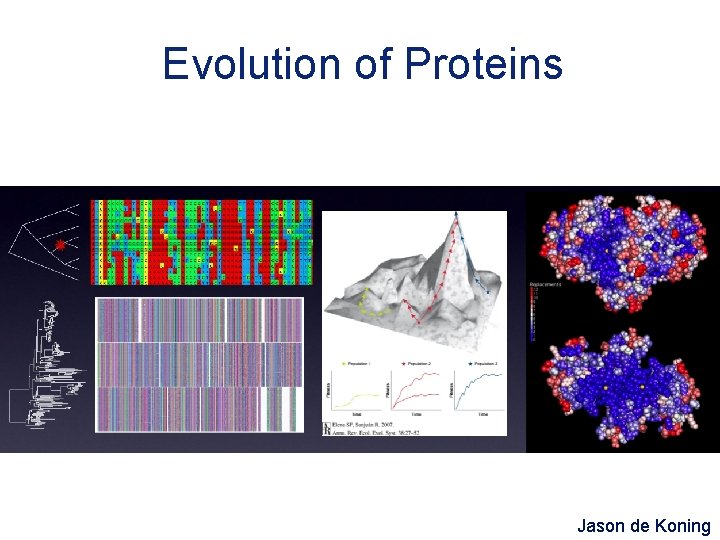
Evolution of Proteins Jason de Koning
Description Focus on protein structure, sequence, and functional evolution Subjects covered will include structural comparison and prediction, biochemical adaptation, evolution of protein complexes…
Topics (continued) …Probabilistic methods for detecting patterns of sequence evolution, effects of population structure on protein evolution, lattice and other computational models of protein evolution, protein folding and energetics, mutagenesis experiments, directed evolution, coevolutionary interactions within and between proteins, and detection of adaptation, diversifying selection and functional divergence.
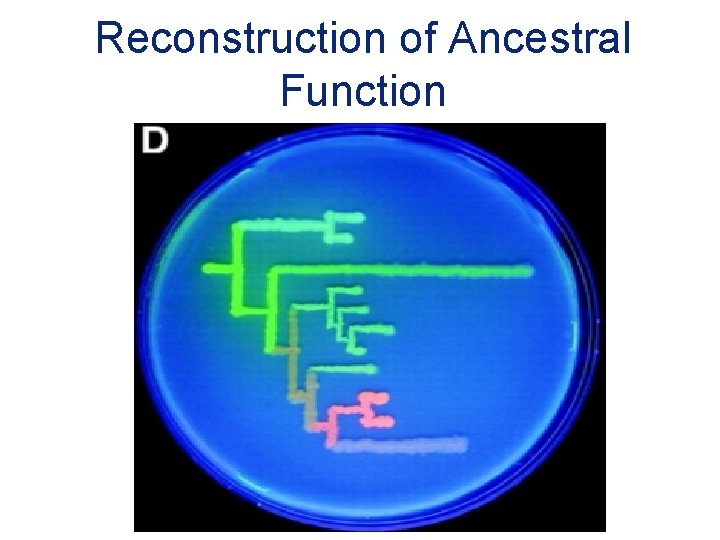
Reconstruction of Ancestral Function
How do You Understand a New Protein?
Structural and Functional Studies Experimental (NMR, X-tallography…) Computational (structure prediction…)
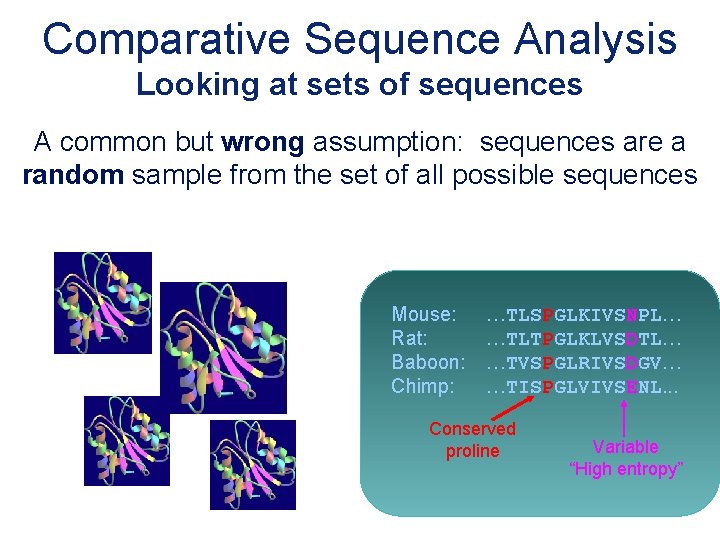
Comparative Sequence Analysis Looking at sets of sequences A common but wrong assumption: sequences are a random sample from the set of all possible sequences Mouse: Rat: Baboon: Chimp: …TLSPGLKIVSNPL… …TLTPGLKLVSDTL… …TVSPGLRIVSDGV… …TISPGLVIVSENL. . . Conserved proline Variable “High entropy”
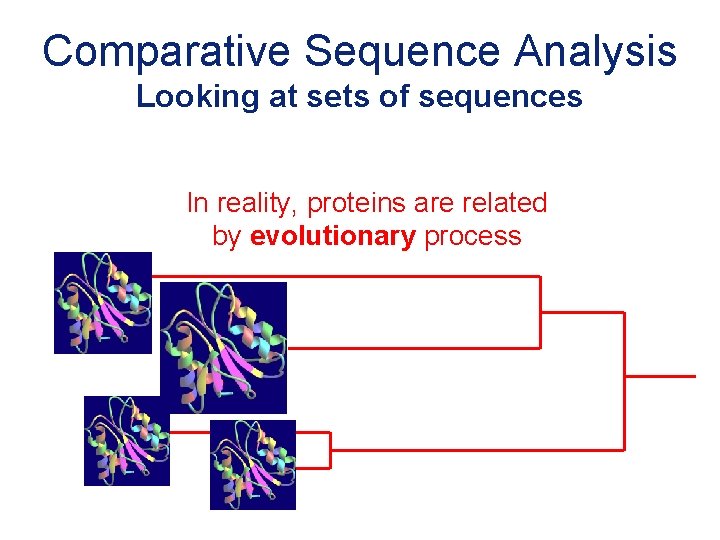
Comparative Sequence Analysis Looking at sets of sequences In reality, proteins are related by evolutionary process
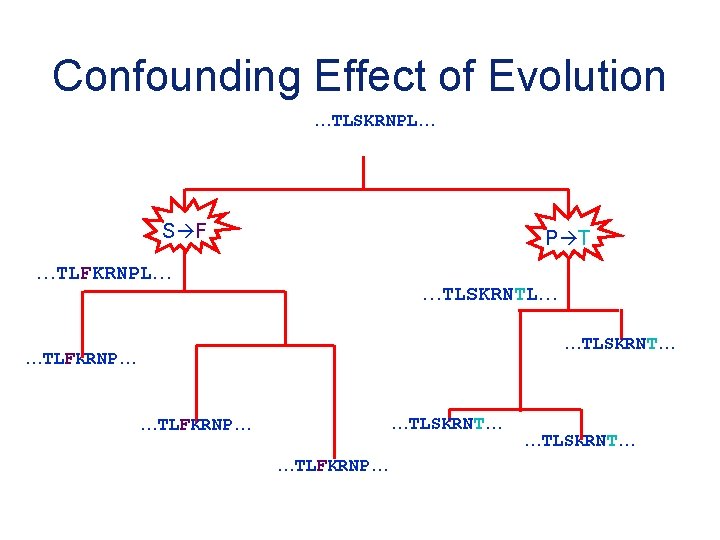
Confounding Effect of Evolution …TLSKRNPL… S F P T …TLFKRNPL… …TLSKRNT… …TLFKRNP… …TLSKRNT…
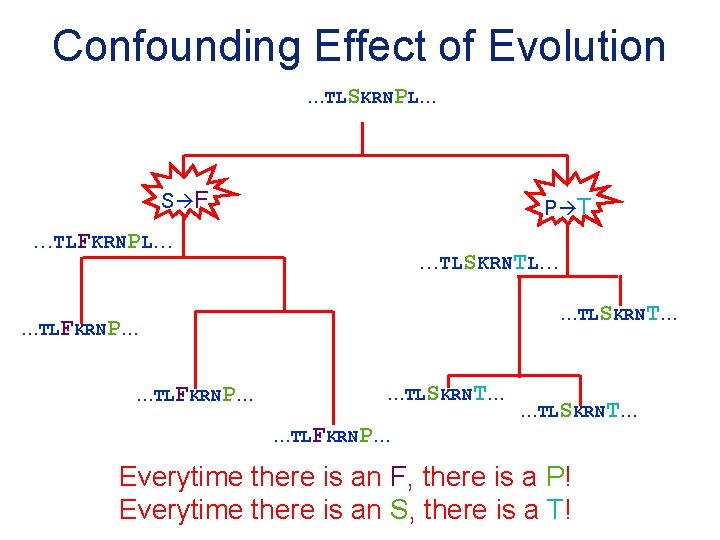
Confounding Effect of Evolution …TLSKRNPL… S F P T …TLFKRNPL… …TLSKRNT… …TLFKRNP… …TLSKRNT… Everytime there is an F, there is a P! Everytime there is an S, there is a T!
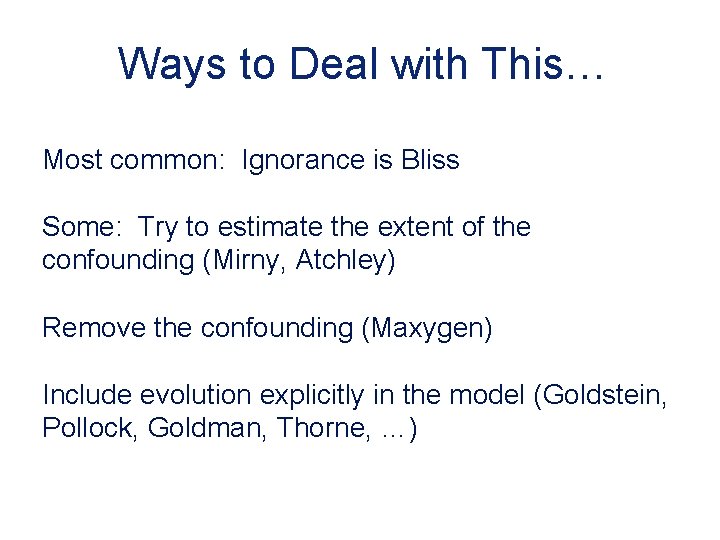
Ways to Deal with This… Most common: Ignorance is Bliss Some: Try to estimate the extent of the confounding (Mirny, Atchley) Remove the confounding (Maxygen) Include evolution explicitly in the model (Goldstein, Pollock, Goldman, Thorne, …)
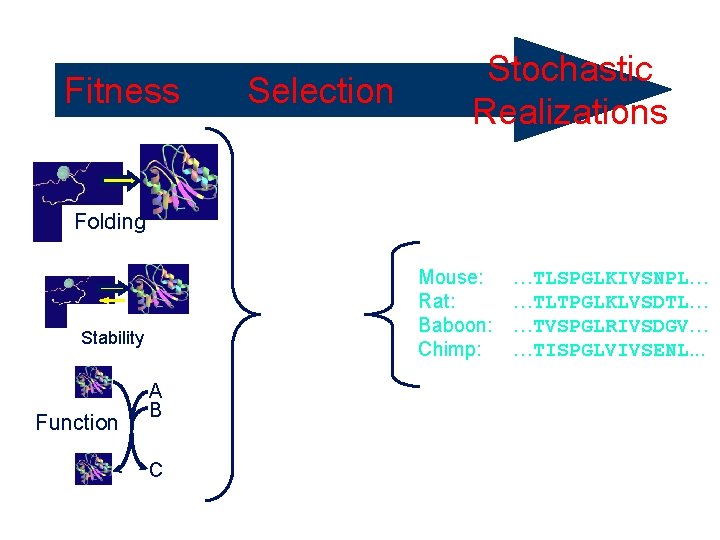
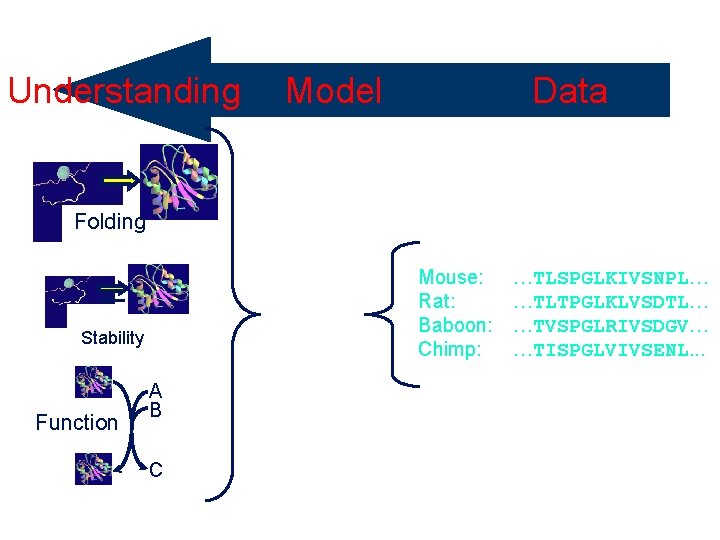
Fitness Selective Pressure Folding Mouse: Rat: Baboon: Chimp: Stability Function Selection Stochastic Realizations A B C …TLSPGLKIVSNPL… …TLTPGLKLVSDTL… …TVSPGLRIVSDGV… …TISPGLVIVSENL. . .
Understanding Selective Pressure Folding Mouse: Rat: Baboon: Chimp: Stability Function Data Model A B C …TLSPGLKIVSNPL… …TLTPGLKLVSDTL… …TVSPGLRIVSDGV… …TISPGLVIVSENL. . .
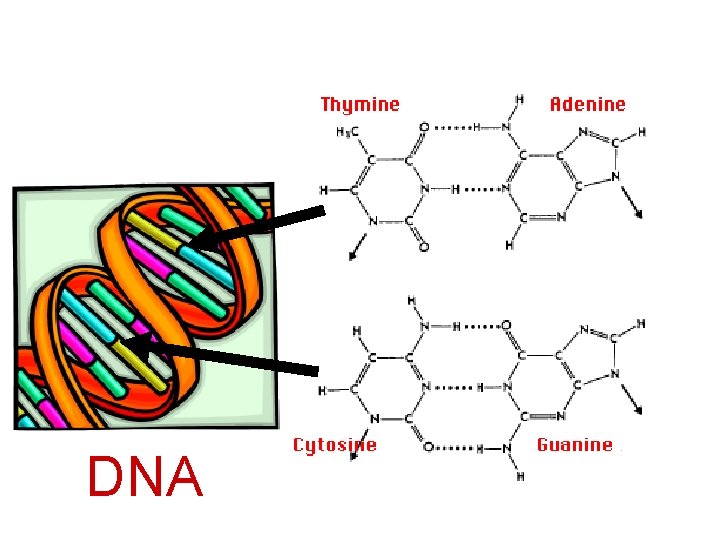
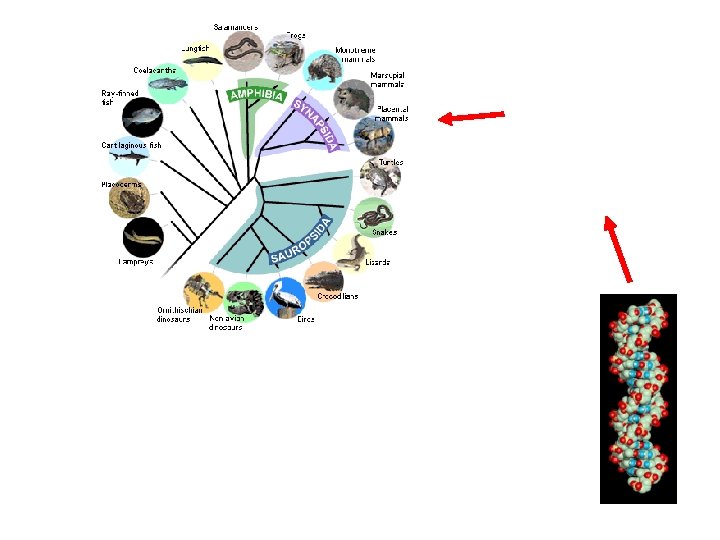
Purines Pyrimidines DNA
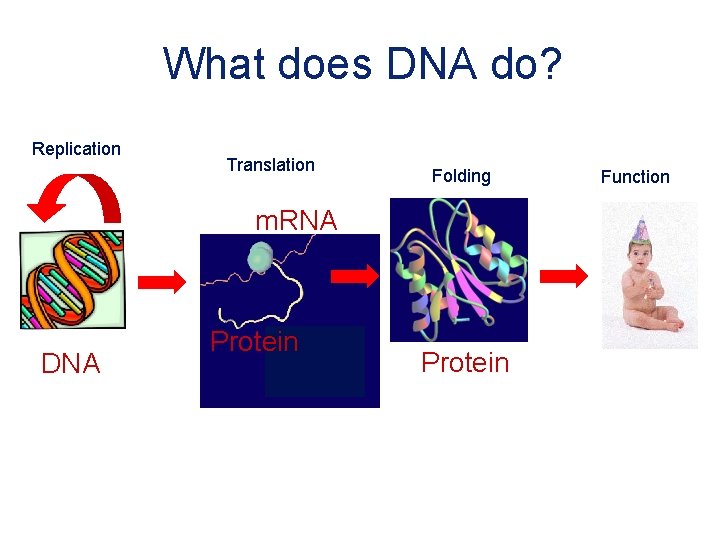
What does DNA do? Replication Translation Folding m. RNA DNA Protein Function
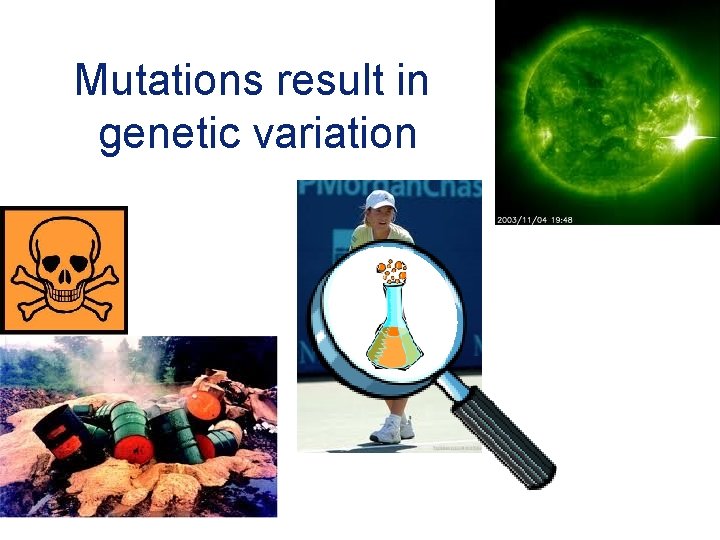
Mutations result in genetic variation
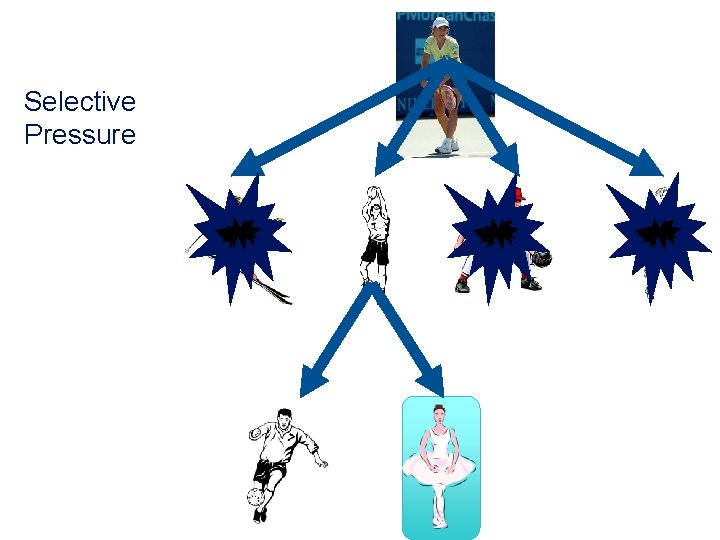
Selective Pressure
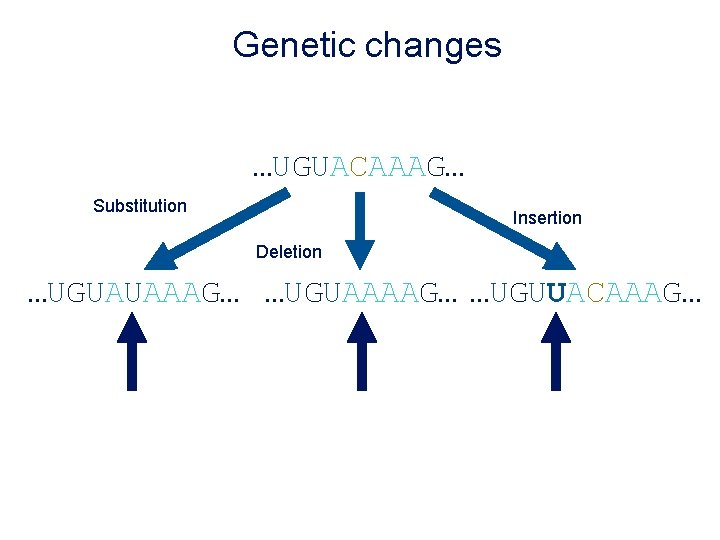
Genetic changes …UGUACAAAG… Substitution Insertion Deletion …UGUAUAAAG… …UGUAAAAG… …UGUUACAAAG…
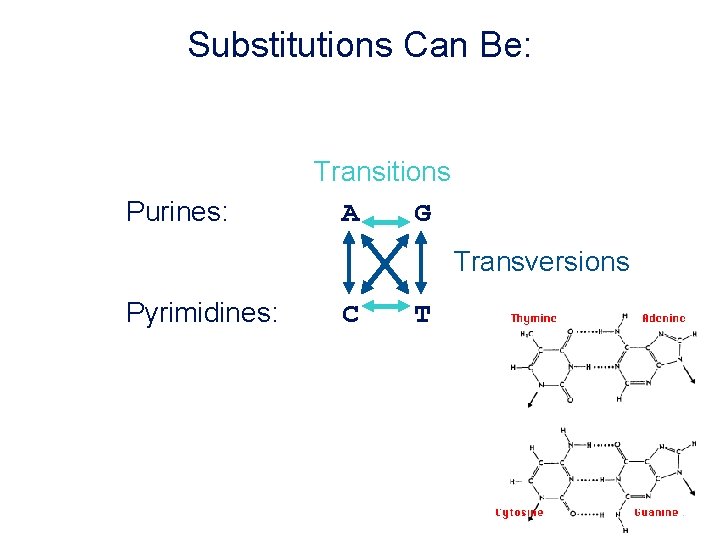
Substitutions Can Be: Purines: Transitions A G Transversions Pyrimidines: C T
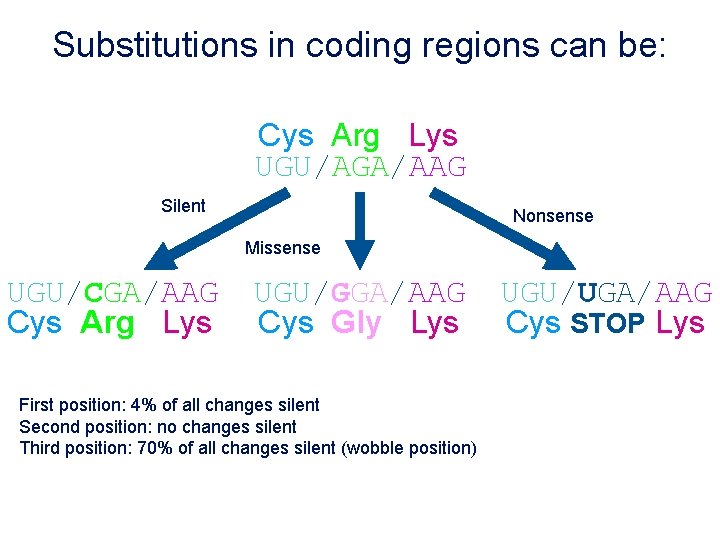
Substitutions in coding regions can be: Cys Arg Lys UGU/AGA/AAG Silent Nonsense Missense UGU/CGA/AAG Cys Arg Lys UGU/GGA/AAG Cys Gly Lys First position: 4% of all changes silent Second position: no changes silent Third position: 70% of all changes silent (wobble position) UGU/UGA/AAG Cys STOP Lys
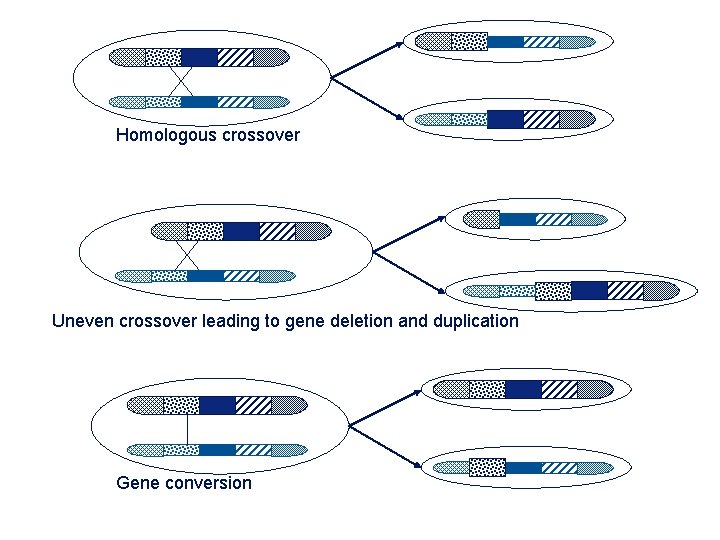
Homologous crossover Uneven crossover leading to gene deletion and duplication Gene conversion
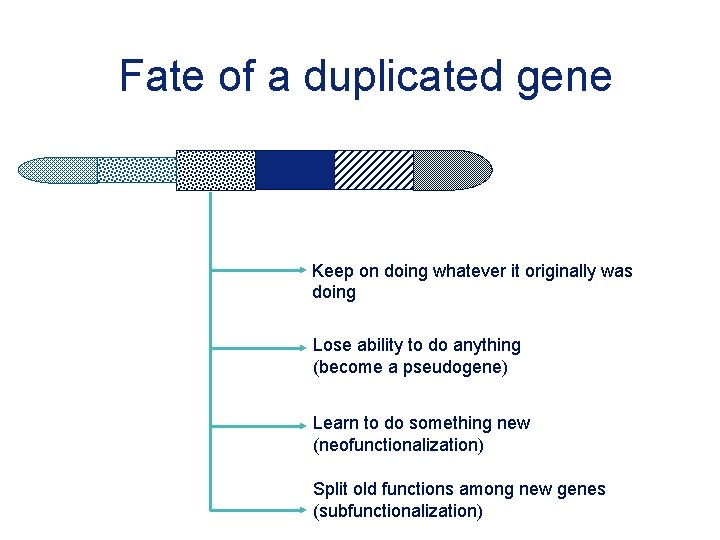
Fate of a duplicated gene Keep on doing whatever it originally was doing Lose ability to do anything (become a pseudogene) Learn to do something new (neofunctionalization) Split old functions among new genes (subfunctionalization)
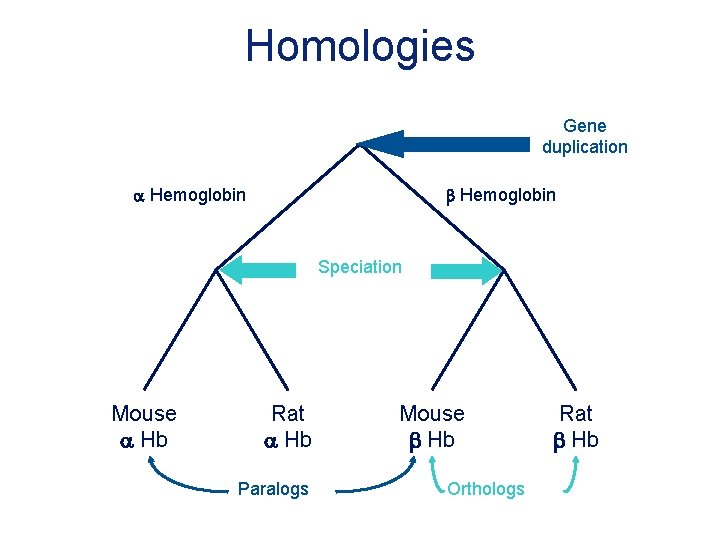
Homologies Gene duplication a Hemoglobin b Hemoglobin Speciation Mouse a Hb Rat a Hb Paralogs Mouse b Hb Orthologs Rat b Hb
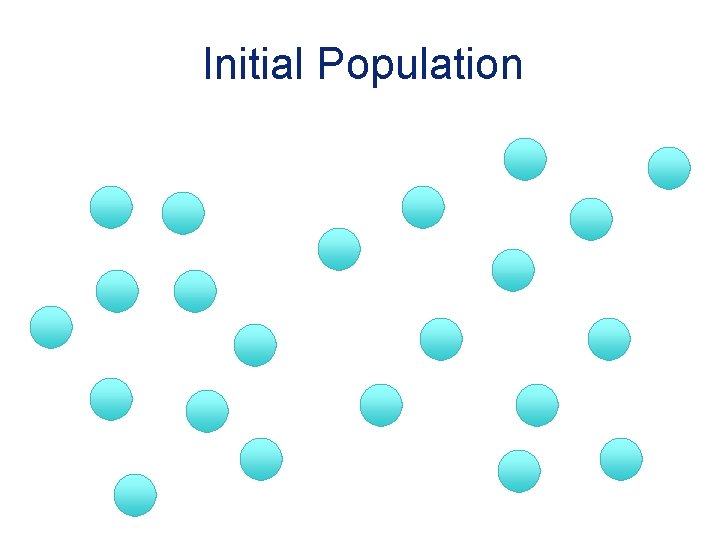
Initial Population
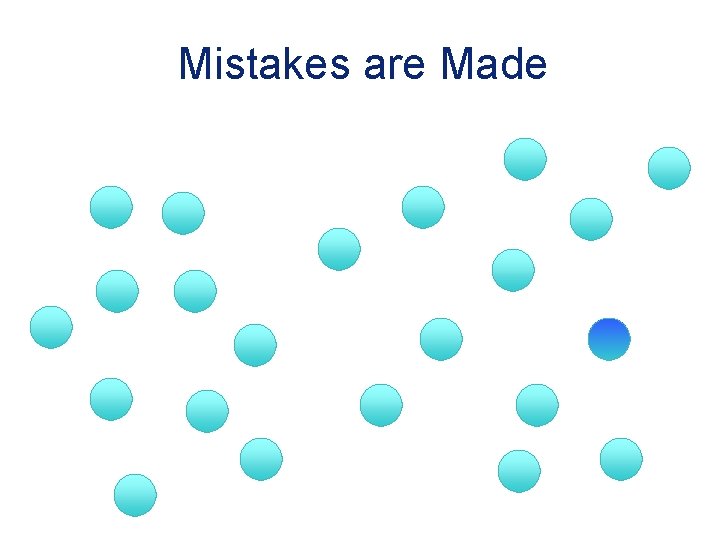
Mistakes are Made
Elimination
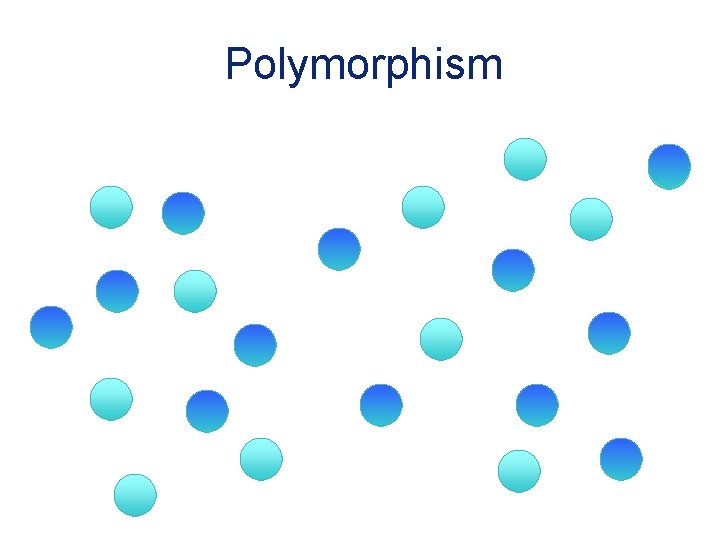
Polymorphism
Fixation
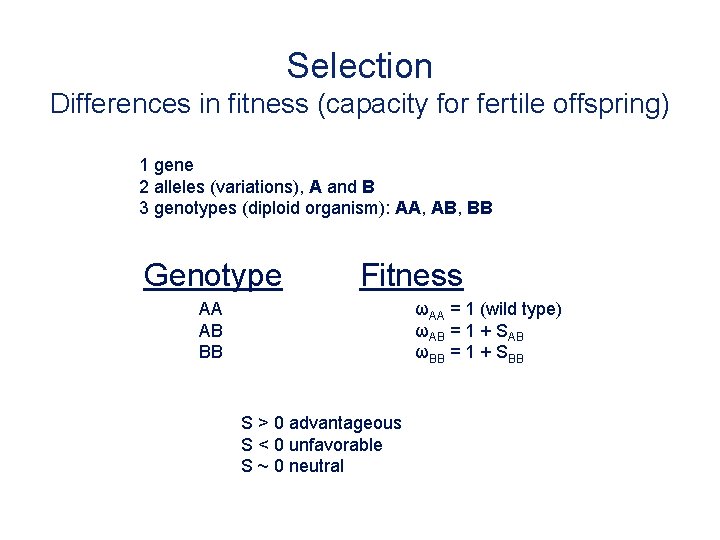
Selection Differences in fitness (capacity for fertile offspring) 1 gene 2 alleles (variations), A and B 3 genotypes (diploid organism): AA, AB, BB Genotype Fitness AA AB BB ωAA = 1 (wild type) ωAB = 1 + SAB ωBB = 1 + SBB S > 0 advantageous S < 0 unfavorable S ~ 0 neutral
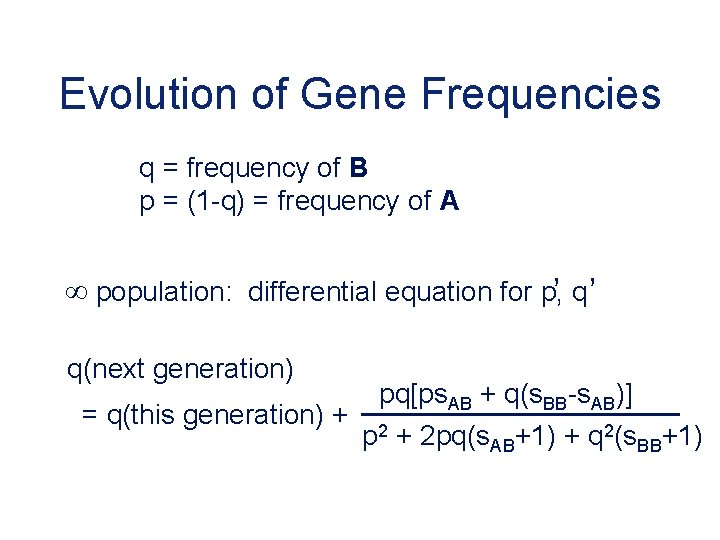
Evolution of Gene Frequencies q = frequency of B p = (1 -q) = frequency of A , , population: differential equation for p, q q(next generation) = q(this generation) + pq[ps. AB + q(s. BB-s. AB)] p 2 + 2 pq(s. AB+1) + q 2(s. BB+1)
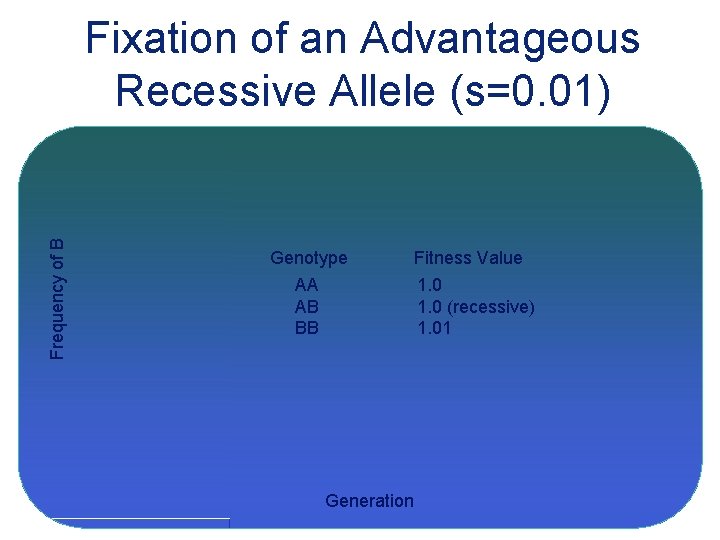
Frequency of B Fixation of an Advantageous Recessive Allele (s=0. 01) Genotype AA AB BB Fitness Value 1. 0 (recessive) 1. 01 Generation
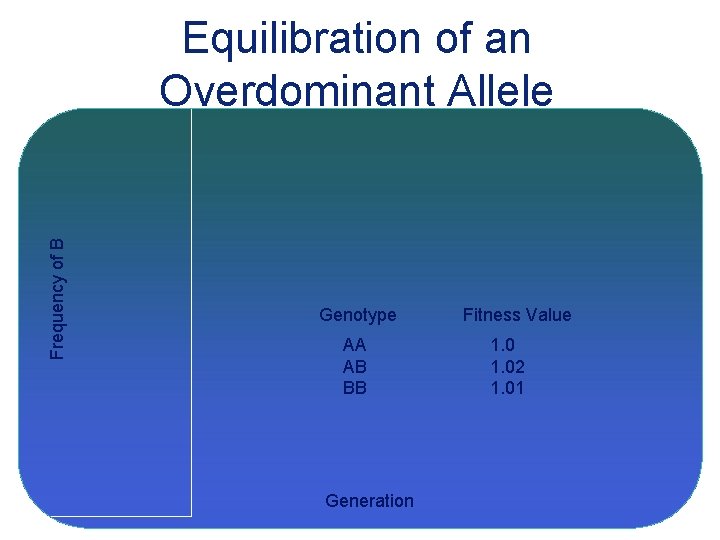
Frequency of B Equilibration of an Overdominant Allele Genotype AA AB BB Generation Fitness Value 1. 02 1. 01
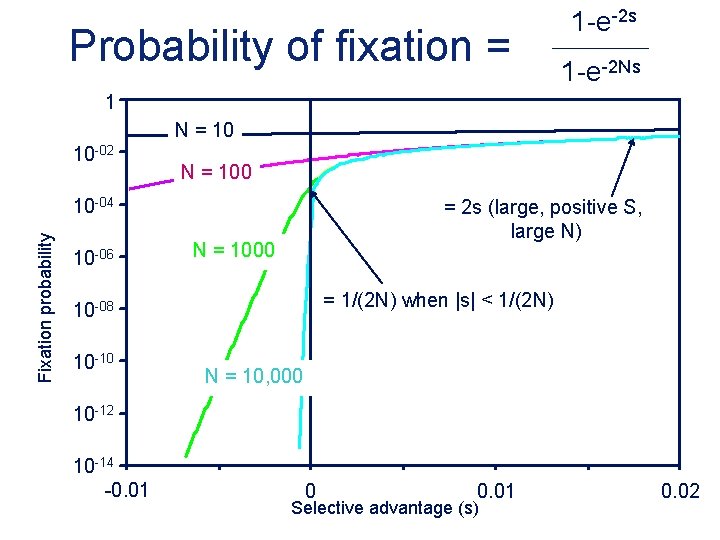
Probability of fixation = 1 -e-2 s 1 -e-2 Ns 1 N = 10 10 -02 N = 100 Fixation probability 10 -04 10 -06 = 2 s (large, positive S, large N) N = 1000 = 1/(2 N) when |s| < 1/(2 N) 10 -08 10 -10 N = 10, 000 10 -12 10 -14 -0. 01 0 0. 01 Selective advantage (s) 0. 02
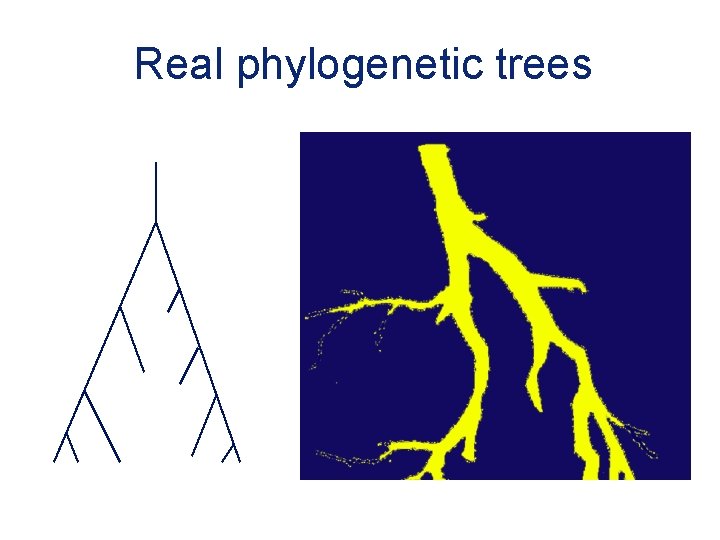
Real phylogenetic trees
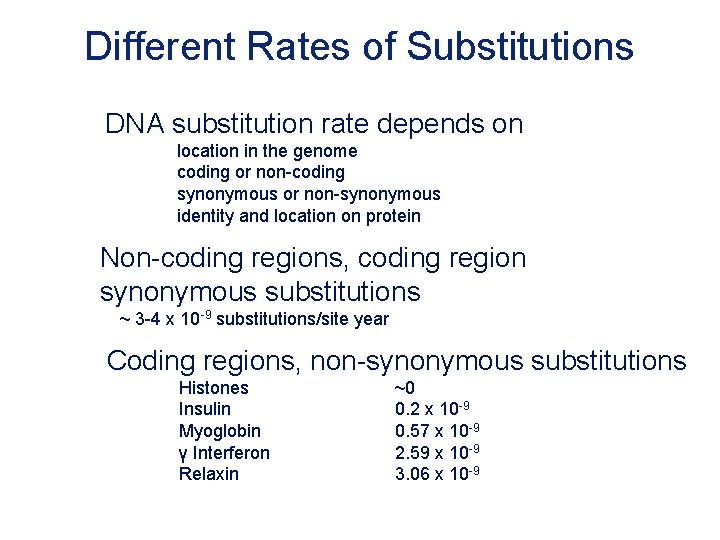
Different Rates of Substitutions DNA substitution rate depends on location in the genome coding or non-coding synonymous or non-synonymous identity and location on protein Non-coding regions, coding region synonymous substitutions ~ 3 -4 x 10 -9 substitutions/site year Coding regions, non-synonymous substitutions Histones Insulin Myoglobin γ Interferon Relaxin ~0 0. 2 x 10 -9 0. 57 x 10 -9 2. 59 x 10 -9 3. 06 x 10 -9
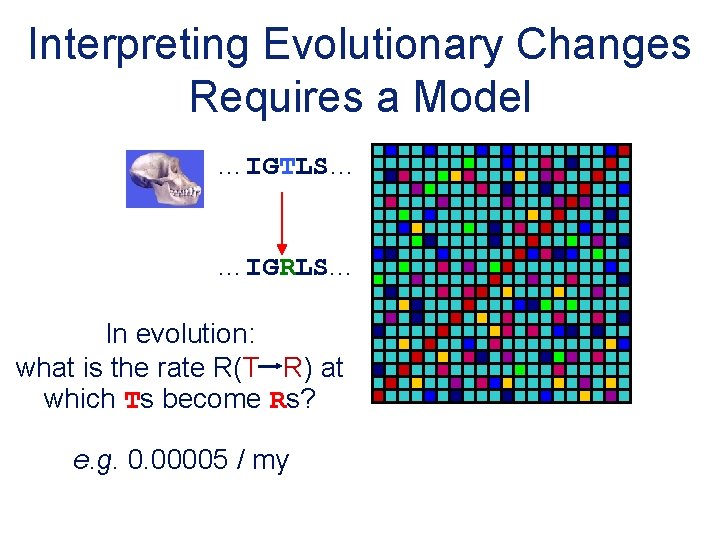
Interpreting Evolutionary Changes Requires a Model …IGTLS… …IGRLS. . . In evolution: what is the rate R(T R) at which Ts become Rs? e. g. 0. 00005 / my 20 x 20 Substitution Matrix
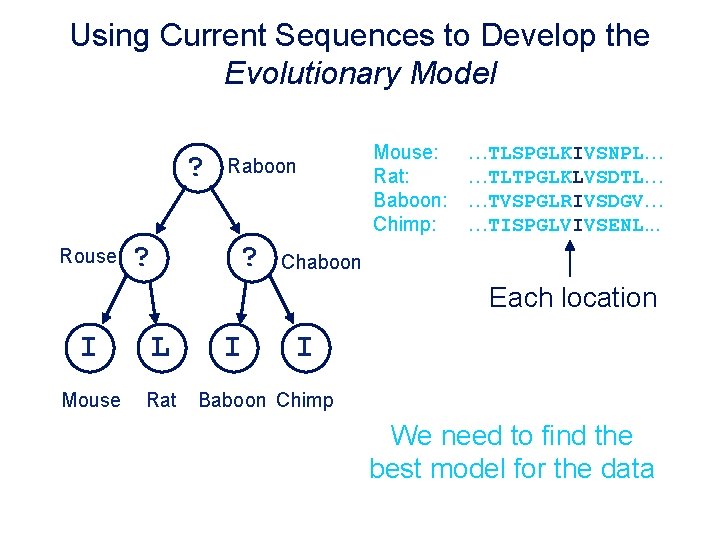
Using Current Sequences to Develop the Evolutionary Model ? I Rouse L ? Raboon I ? Mouse: Rat: Baboon: Chimp: …TLSPGLKIVSNPL… …TLTPGLKLVSDTL… …TVSPGLRIVSDGV… …TISPGLVIVSENL. . . Chaboon Each location I L Mouse Rat I I Baboon Chimp Oneneed I to L transition We find the One L I transition best model for the data
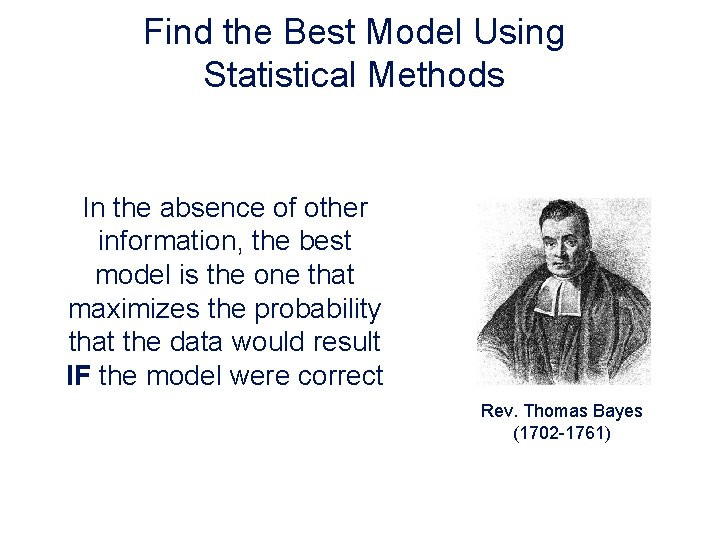
Find the Best Model Using Statistical Methods In the absence of other information, the best model is the one that maximizes the probability that the data would result IF the model were correct Rev. Thomas Bayes (1702 -1761)
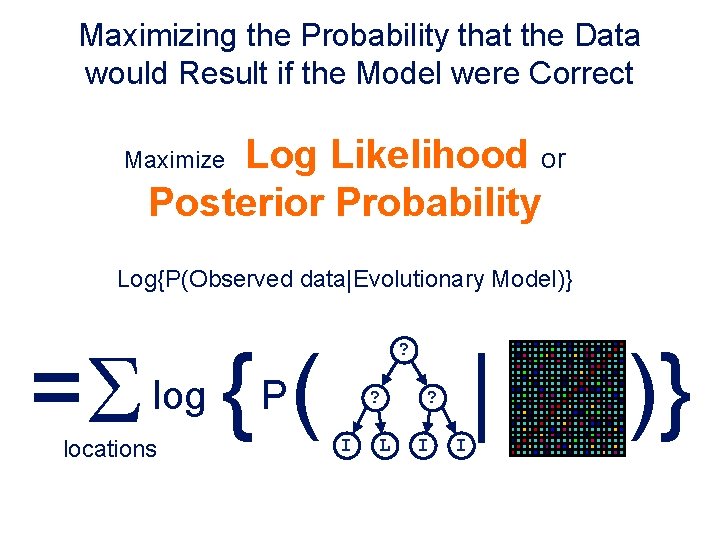
Maximizing the Probability that the Data would Result if the Model were Correct Log Likelihood or Posterior Probability Maximize Log{P(Observed data|Evolutionary Model)} =S { ( log locations ? P ? I L ? I I | )}
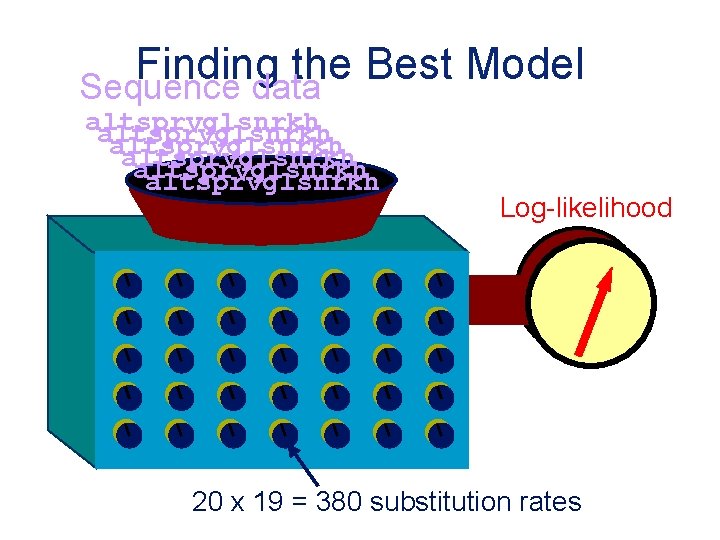
Finding the Best Model Sequence data altsprvglsnrkh altsprvglsnrkh Log-likelihood 20 x 19 = 380 substitution rates
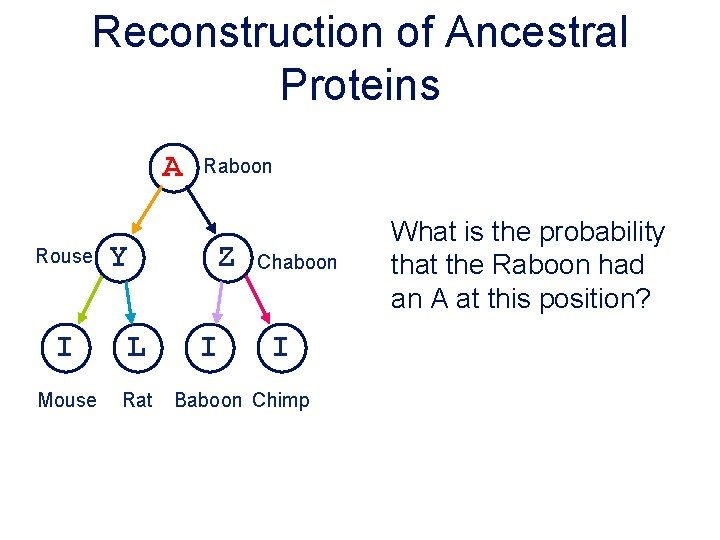
Reconstruction of Ancestral Proteins A Rouse Y I L Mouse Rat Raboon Z I Chaboon I Baboon Chimp What is the probability that the Raboon had an A at this position?
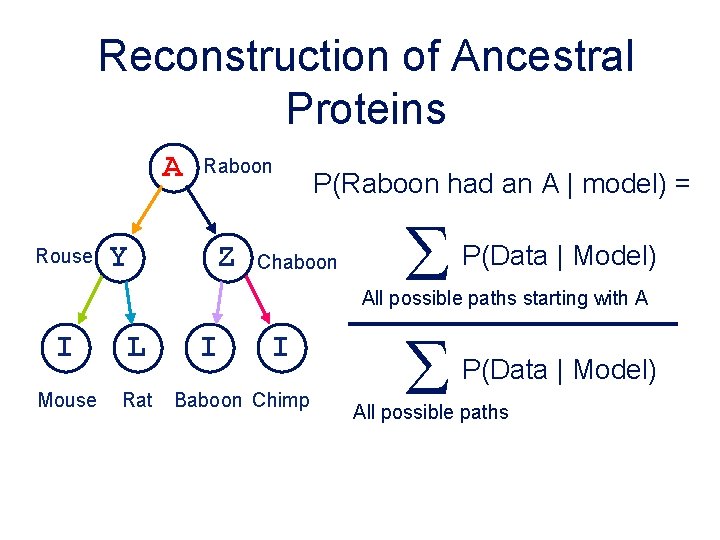
Reconstruction of Ancestral Proteins A Rouse Y Raboon Z P(Raboon had an A | model) = Chaboon S S P(Data | Model) All possible paths starting with A I L Mouse Rat I I Baboon Chimp P(Data | Model) All possible paths
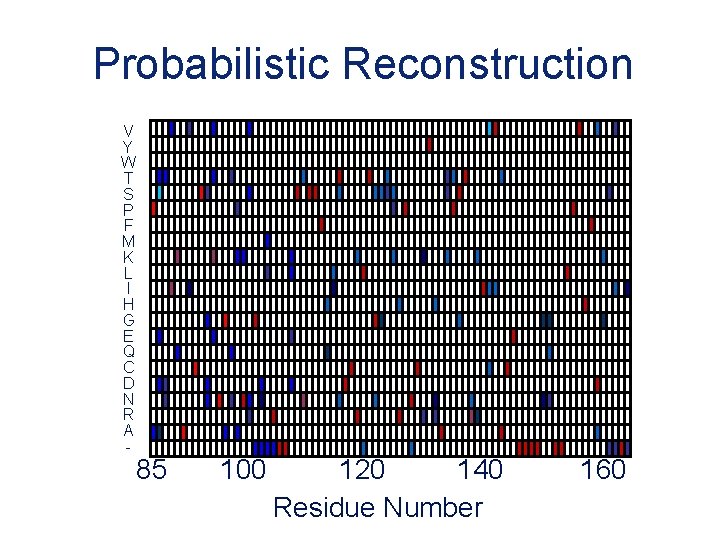
Probabilistic Reconstruction V Y W T S P F M K L I H G E Q C D N R A - 85 100 120 140 Residue Number 160
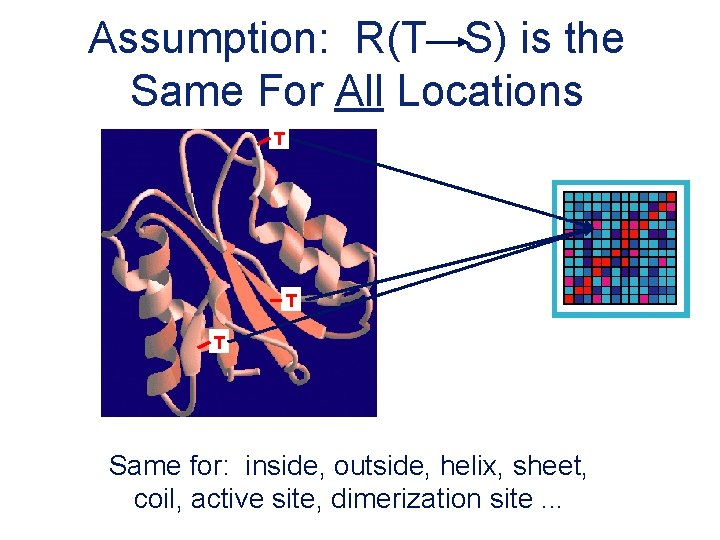
Assumption: R(T S) is the Same For All Locations T T T Same for: inside, outside, helix, sheet, coil, active site, dimerization site. . .
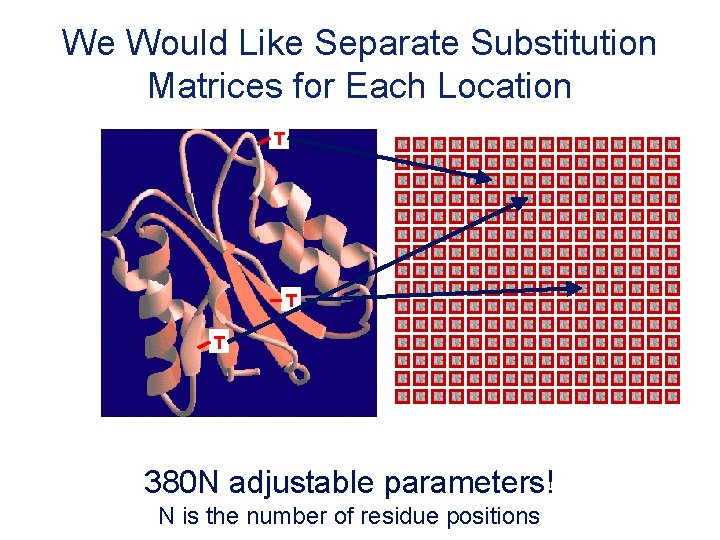
We Would Like Separate Substitution Matrices for Each Location T T T 380 N adjustable parameters! N is the number of residue positions
Proteins have Structure Different Matrices for Different Local Structures T T T
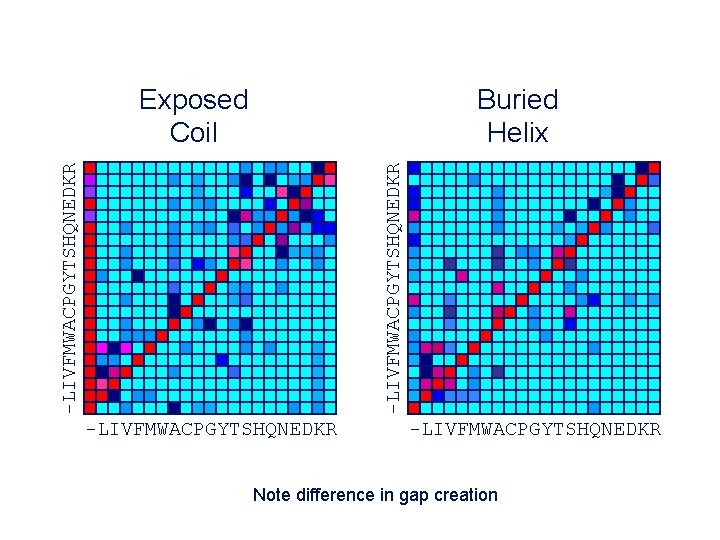
Buried Helix -LIVFMWACPGYTSHQNEDKR Exposed Coil -LIVFMWACPGYTSHQNEDKR Note difference in gap creation
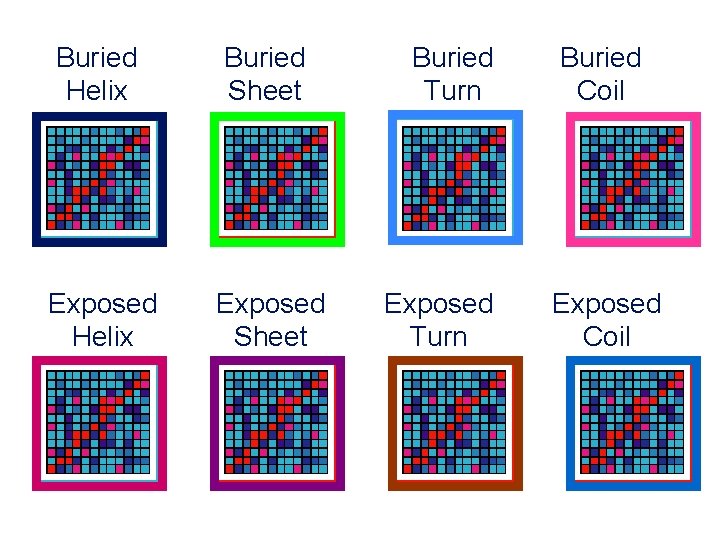
Buried Helix Buried Sheet Exposed Helix Exposed Sheet Buried Turn Exposed Turn Buried Coil Exposed Coil
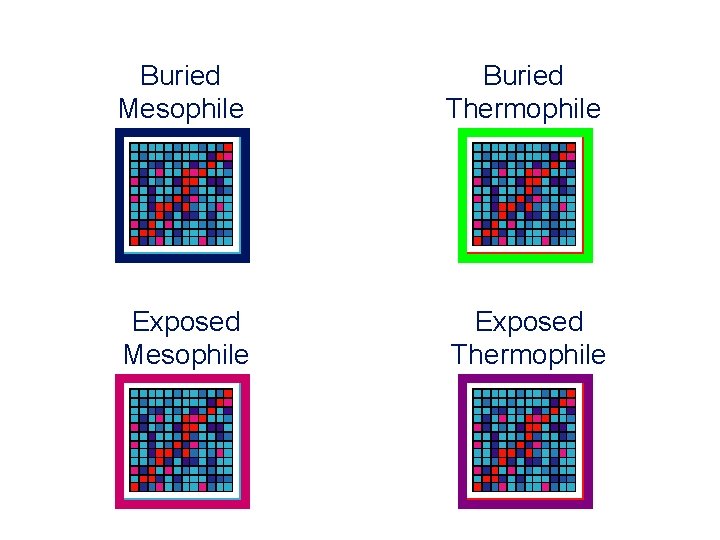
Buried Mesophile Buried Thermophile Exposed Mesophile Exposed Thermophile
Is This Enough? Assumes all locations in a given local structure evolve identically • Ignores complex nature of structural constraints • Ignores functional constraints • active sites • dimerization sites • Ignores any other type of selective pressure • Designation between local structure categories somewhat arbitrary • What about proteins of unknown structure?
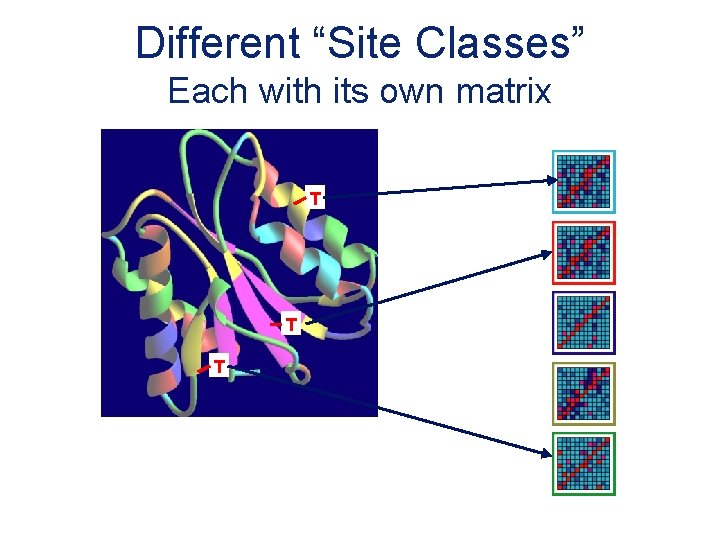
Different “Site Classes” Each with its own matrix T T T
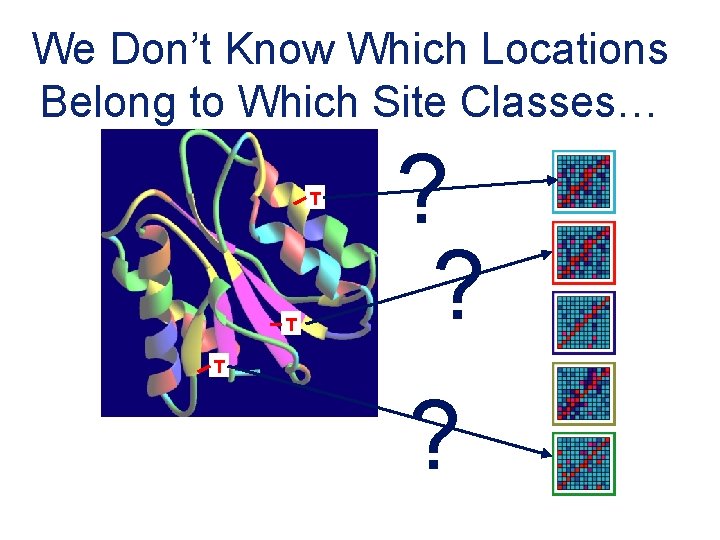
We Don’t Know Which Locations Belong to Which Site Classes… T T ? ? T ?
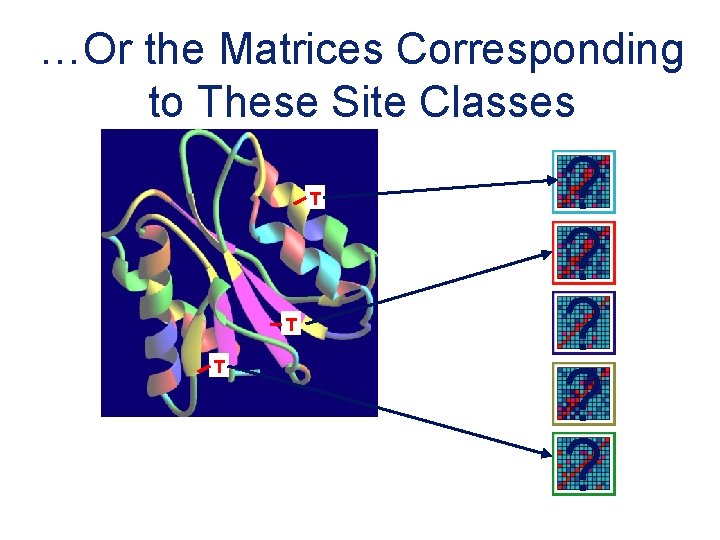
…Or the Matrices Corresponding to These Site Classes T T T ? ? ?
If we knew which locations in the protein belonged to which site classes, our troubles would be over What is the best model (max Log Likelihood) for the locations in this site class. If we knew what the set of models were, our troubles would be over Which model fits each location best (max Log (Likelihood x P(that model))?
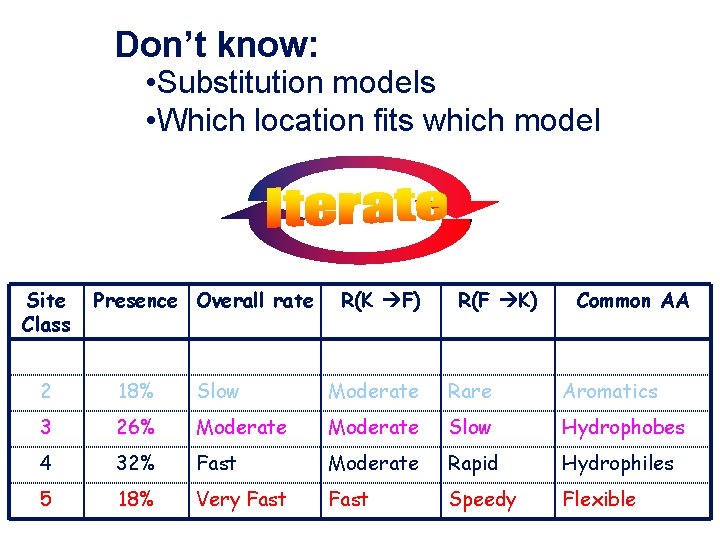
Solution: Iterate Assign all locations to most appropriate site class Find the best model for the (at first at random) locations assigned to each site class
Don’t know: • Substitution models • Which location fits which model Site Class Presence Overall rate R(K F) R(F K) Common AA 1 6% Conserved Zero His, etc. 2 18% Slow Moderate Rare Aromatics 3 26% Moderate Slow Hydrophobes 4 32% Fast Moderate Rapid Hydrophiles 5 18% Very Fast Speedy Flexible
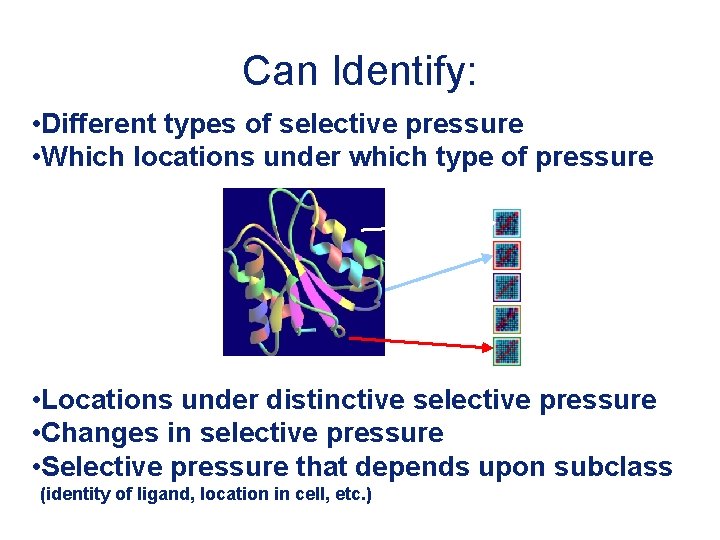
Can Identify: • Different types of selective pressure • Which locations under which type of pressure • Locations under distinctive selective pressure • Changes in selective pressure • Selective pressure that depends upon subclass (identity of ligand, location in cell, etc. )
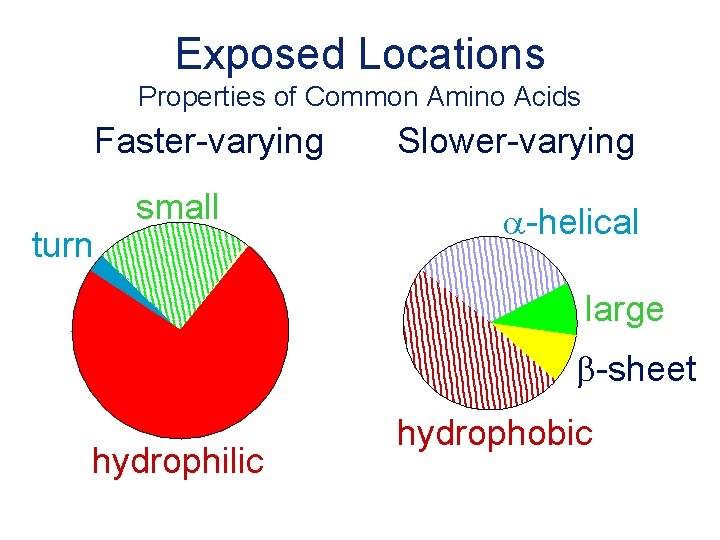
Exposed Locations Properties of Common Amino Acids Faster-varying turn small Slower-varying a-helical large b-sheet hydrophilic hydrophobic
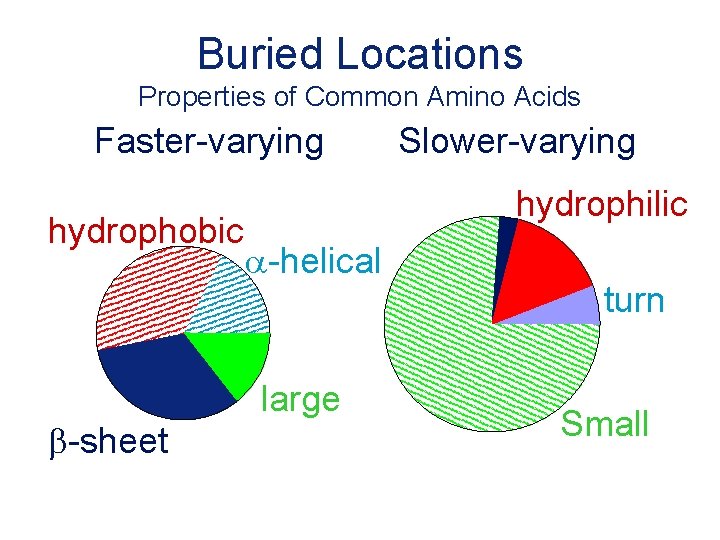
Buried Locations Properties of Common Amino Acids Faster-varying hydrophobic b-sheet Slower-varying hydrophilic a-helical large turn Small
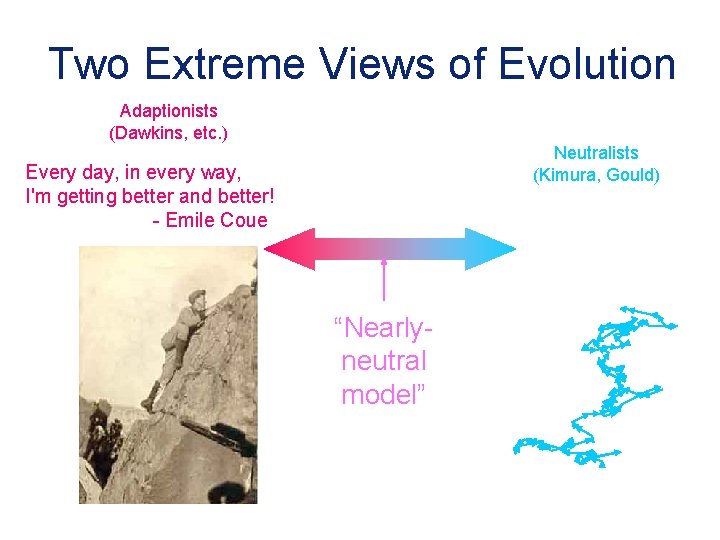
Two Extreme Views of Evolution Adaptionists (Dawkins, etc. ) Neutralists (Kimura, Gould) Every day, in every way, I'm getting better and better! - Emile Coue “Nearlyneutral model”
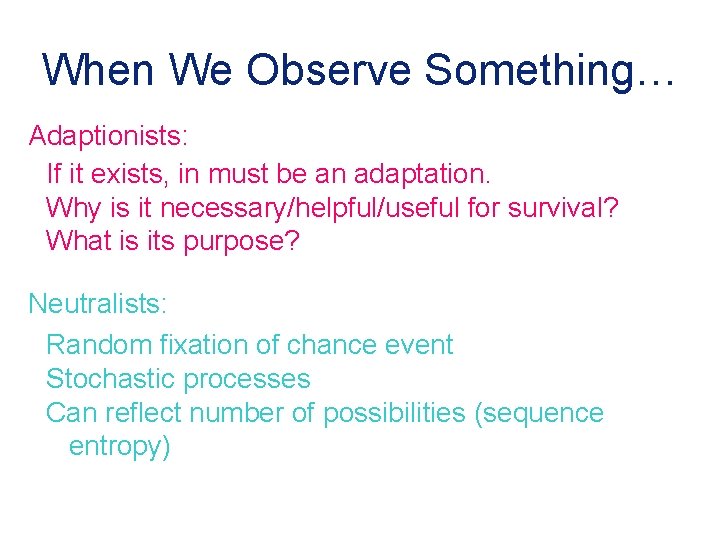
When We Observe Something… Adaptionists: If it exists, in must be an adaptation. Why is it necessary/helpful/useful for survival? What is its purpose? Neutralists: Random fixation of chance event Stochastic processes Can reflect number of possibilities (sequence entropy)
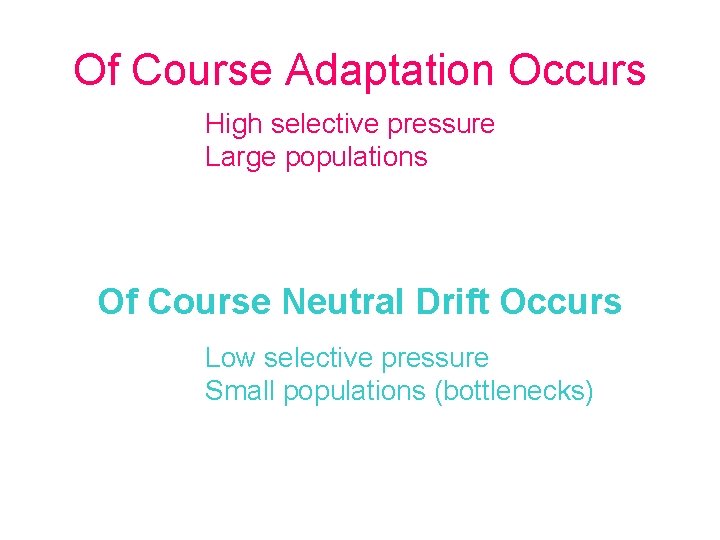
Of Course Adaptation Occurs High selective pressure Large populations Of Course Neutral Drift Occurs Low selective pressure Small populations (bottlenecks)
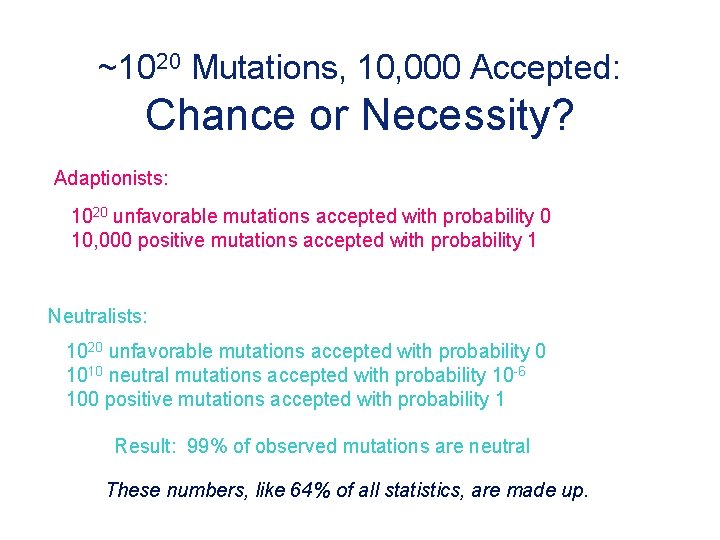
~1020 Mutations, 10, 000 Accepted: Chance or Necessity? Adaptionists: 1020 unfavorable mutations accepted with probability 0 10, 000 positive mutations accepted with probability 1 Neutralists: 1020 unfavorable mutations accepted with probability 0 1010 neutral mutations accepted with probability 10 -6 100 positive mutations accepted with probability 1 Result: 99% of observed mutations are neutral These numbers, like 64% of all statistics, are made up.
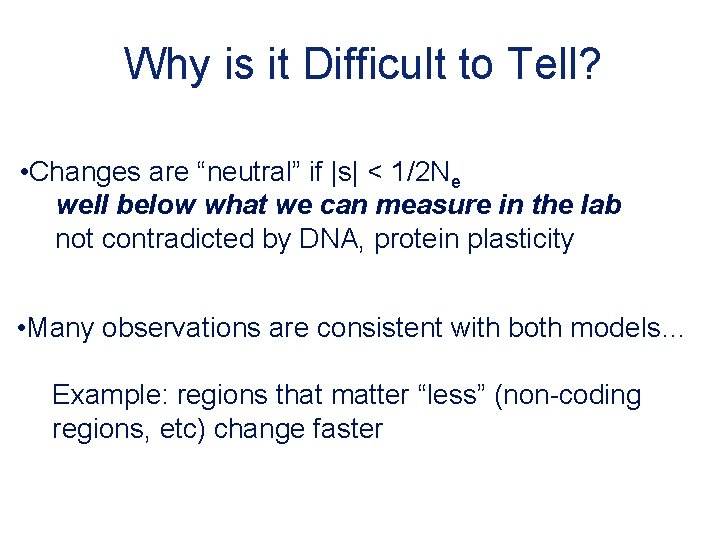
Why is it Difficult to Tell? • Changes are “neutral” if |s| < 1/2 Ne well below what we can measure in the lab not contradicted by DNA, protein plasticity • Many observations are consistent with both models… Example: regions that matter “less” (non-coding regions, etc) change faster
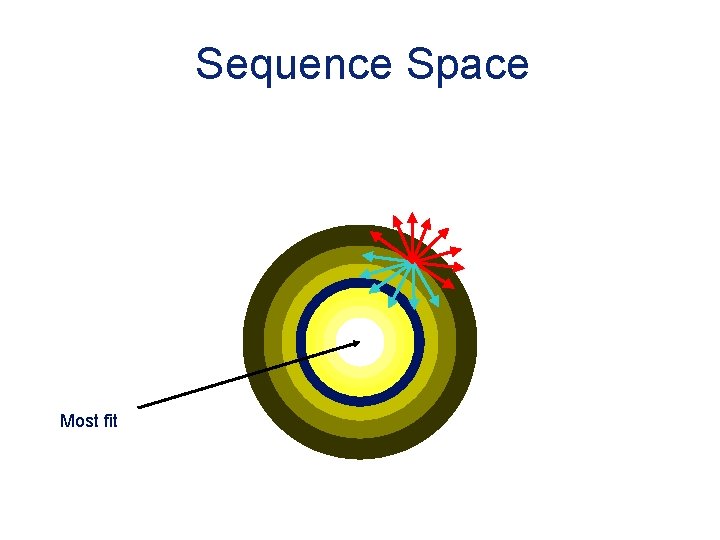
Sequence Space Most fit
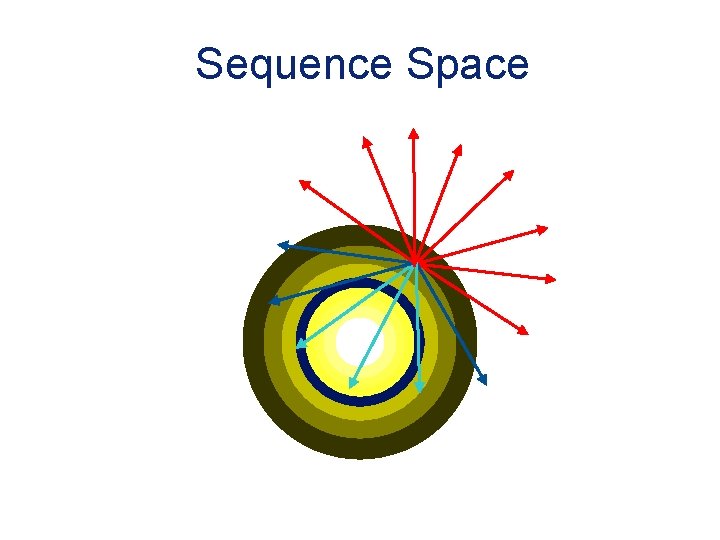
Sequence Space
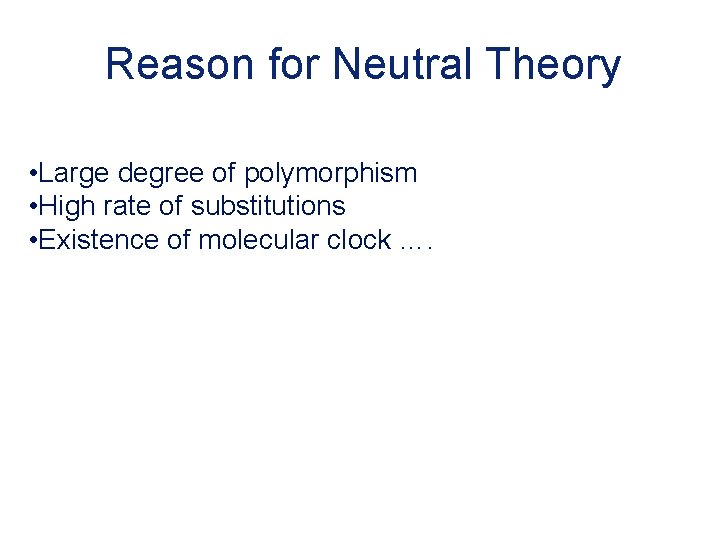
Reason for Neutral Theory • Large degree of polymorphism • High rate of substitutions • Existence of molecular clock ….
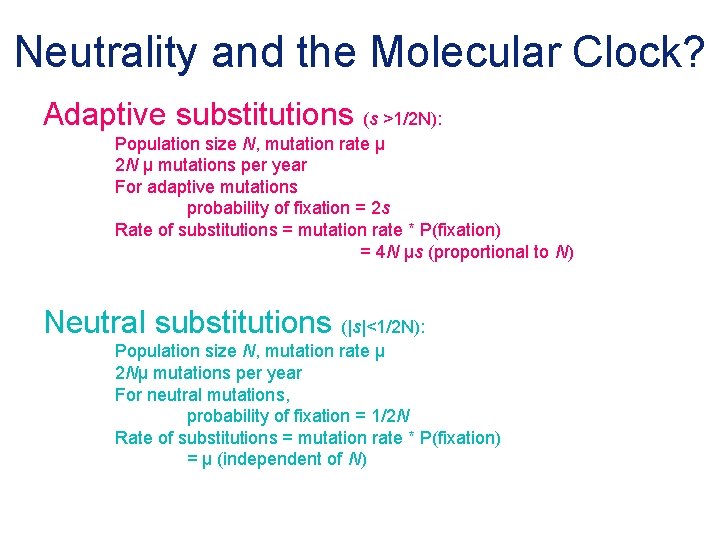
Neutrality and the Molecular Clock? Adaptive substitutions (s >1/2 N): Population size N, mutation rate μ 2 N μ mutations per year For adaptive mutations probability of fixation = 2 s Rate of substitutions = mutation rate * P(fixation) = 4 N μs (proportional to N) Neutral substitutions (|s|<1/2 N): Population size N, mutation rate μ 2 Nμ mutations per year For neutral mutations, probability of fixation = 1/2 N Rate of substitutions = mutation rate * P(fixation) = μ (independent of N)
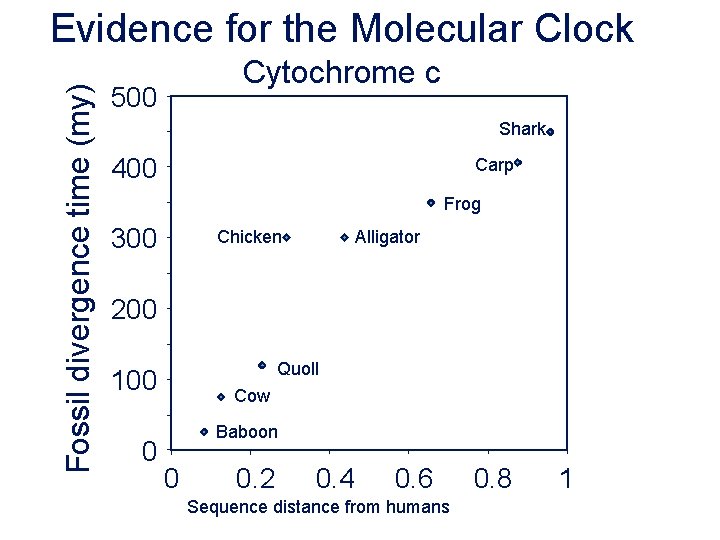
Fossil divergence time (my) Evidence for the Molecular Clock Cytochrome c 500 Shark 400 Carp Frog 300 Chicken Alligator 200 Quoll 100 0 Cow Baboon 0 0. 2 0. 4 0. 6 Sequence distance from humans 0. 8 1
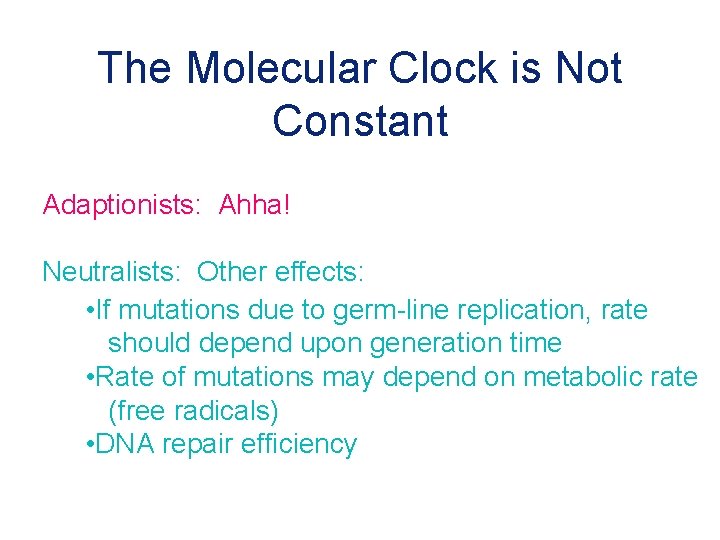
The Molecular Clock is Not Constant Adaptionists: Ahha! Neutralists: Other effects: • If mutations due to germ-line replication, rate should depend upon generation time • Rate of mutations may depend on metabolic rate (free radicals) • DNA repair efficiency
Panglossian Paradigm: “It is demonstrable, ” said he, “that things cannot be otherwise than as they are; for as all things have been created for some end, they must necessarily be created for the best end. Observe, for instance, the nose is formed for spectacles, therefore we wear spectacles. The legs are visibly designed for stockings, accordingly we wear stockings…” Voltaire’s Candide