
Evolution of Human Behavior Chapter 14 Human Behavior
Evolution of Human Behavior Chapter 14
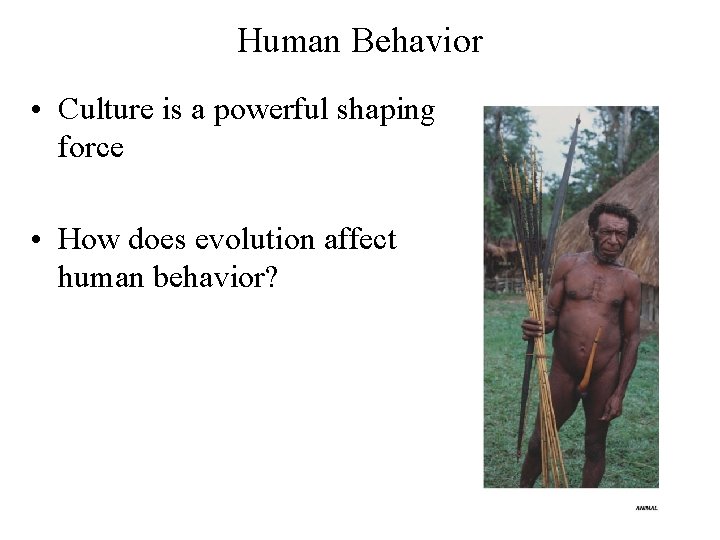
Human Behavior • Culture is a powerful shaping force • How does evolution affect human behavior?
Human Behavior • Blood donation: • Altruistic? • Recipients not related to donor
Human Behavior • Blood donation: – Indirect reciprocity – Impress others with self-sacrifice – Unpaid? Should tell others of sacrifice – Refuse? Don’t advertise – Given a choice, help others who are generous (it pays to have a good reputation)
Human Behavior • Humans remember faces better if they are associated with generosity • Memory bias against social cheaters (see capuchin monkeys; cotton-top tamarins)
Human Behavior • Does generous behavior result in increased reproductive success? • Field of sociobiology examines evolutionary underpinnings of human social behavior
Human Behavior: Sociobiology • Critiques of an evolutionary approach to human behavior:
Human Behavior: Sociobiology • Critiques of an evolutionary approach to human behavior: • Critique: Humans behave in ways outside of evolution: not everything is done to increase inclusive fitness
Human Behavior: Sociobiology • Critiques of an evolutionary approach to human behavior: • Critique: Humans behave in ways outside of evolution: not everything is done to increase inclusive fitness • Response: Brain is shaped by evolution; not every decision is
Human Behavior: Sociobiology • Critique: not all human behavior is adaptive

Human Behavior: Sociobiology • Critique: not all human behavior is adaptive • Response: not every behavior needs to be adaptive • Adaptationist approach creates testable hypotheses
Human Behavior: Sociobiology • Critique: evolutionary approach to human behavior is based on inequality and is dangerous

Human Behavior: Sociobiology • Critique: evolutionary approach to human behavior is based on inequality and is dangerous • Response: sociobiology explains why certain behaviors have evolved; does not attempt to justify immoral behavior • Behaviors may be flexible and subject to change
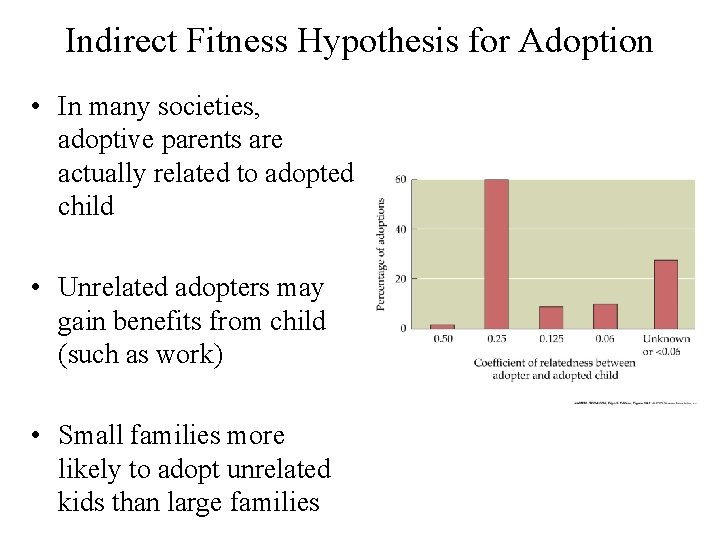
Indirect Fitness Hypothesis for Adoption • In many societies, adoptive parents are actually related to adopted child • Unrelated adopters may gain benefits from child (such as work) • Small families more likely to adopt unrelated kids than large families
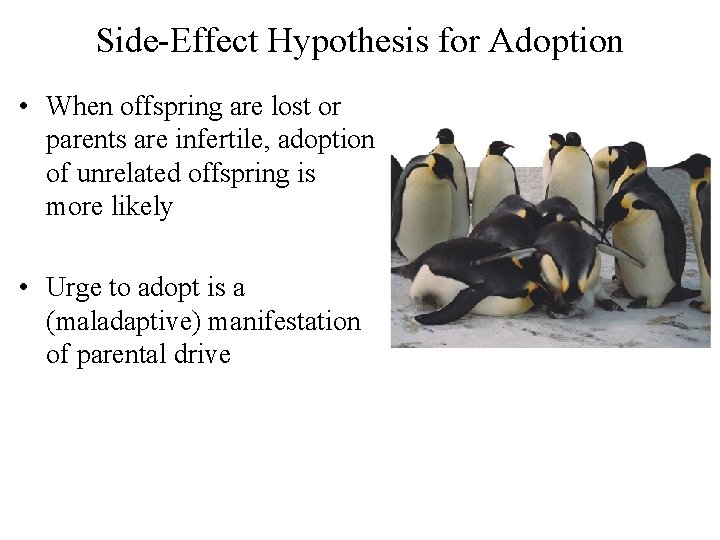
Side-Effect Hypothesis for Adoption • When offspring are lost or parents are infertile, adoption of unrelated offspring is more likely • Urge to adopt is a (maladaptive) manifestation of parental drive
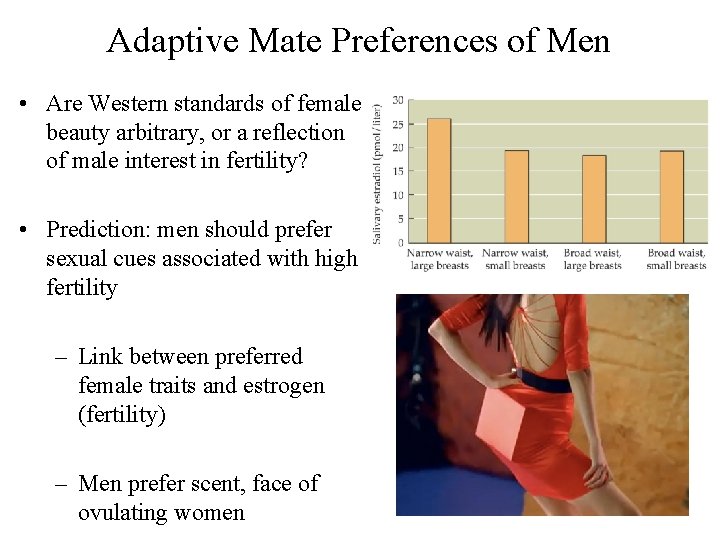
Adaptive Mate Preferences of Men • Are Western standards of female beauty arbitrary, or a reflection of male interest in fertility? • Prediction: men should prefer sexual cues associated with high fertility – Link between preferred female traits and estrogen (fertility) – Men prefer scent, face of ovulating women
Adaptive Mate Preferences of Men • Discussion: • What objections could be raised about this research? • What about non-Western men? If different cultures have different standards of beauty, how would an adaptationist account for the result?
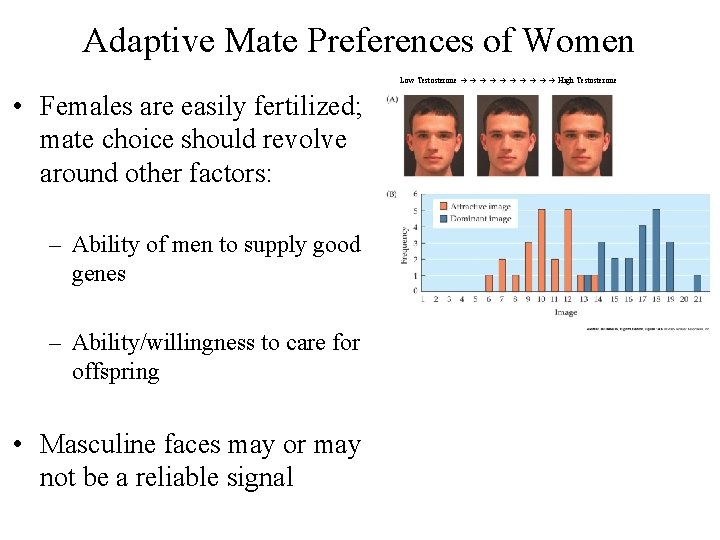
Adaptive Mate Preferences of Women Low Testosterone High Testosterone • Females are easily fertilized; mate choice should revolve around other factors: – Ability of men to supply good genes – Ability/willingness to care for offspring • Masculine faces may or may not be a reliable signal
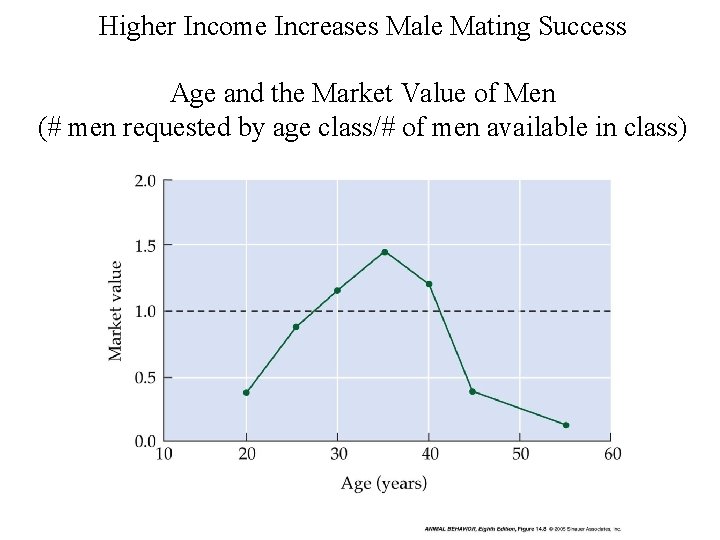
Higher Income Increases Male Mating Success Age and the Market Value of Men (# men requested by age class/# of men available in class)

Men and Women Show Similar Preferences in Different Cultures Men prefer younger women Women prefer older men
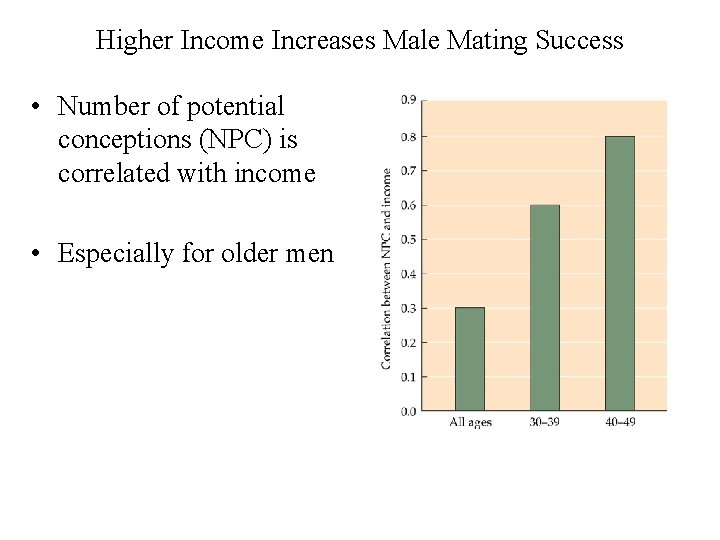
Higher Income Increases Male Mating Success • Number of potential conceptions (NPC) is correlated with income • Especially for older men
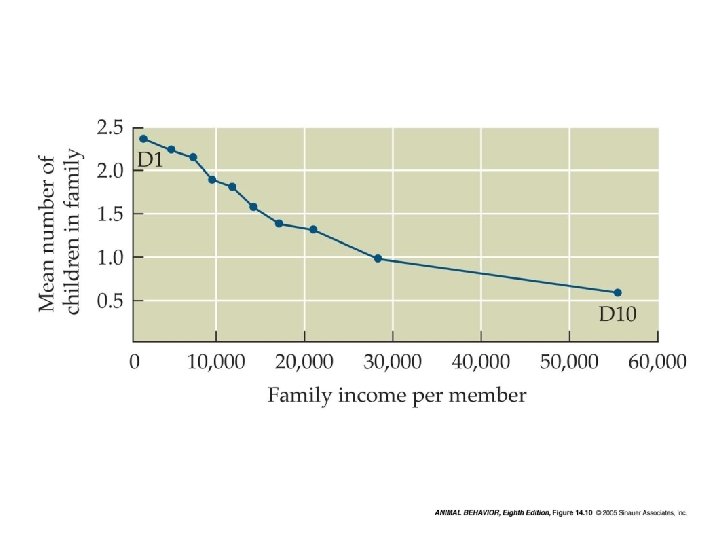
Discussion • All other things being equal, women prefer men with wealth • In most modern cultures, though, high family income does not seem to be positively correlated with the number of children produced • Poor people often have more surviving children than rich people • Discuss adaptationist perspective. Consider historical past environment and whether restricting children in higher classes could actually be adaptive.

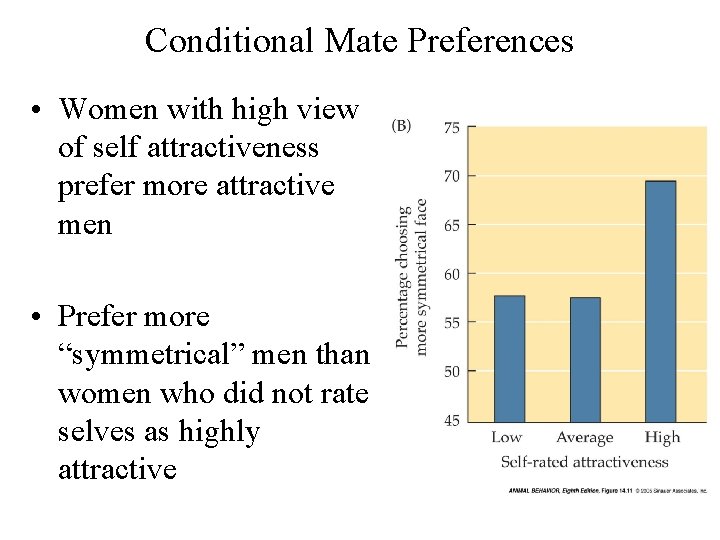
Conditional Mate Preferences • Women with high view of self attractiveness prefer more attractive men • Prefer more “symmetrical” men than women who did not rate selves as highly attractive

Conditional Mate Preferences • Male and female selfperception of attractiveness affects mate preferences • Less attractive people settle for less attractive mates
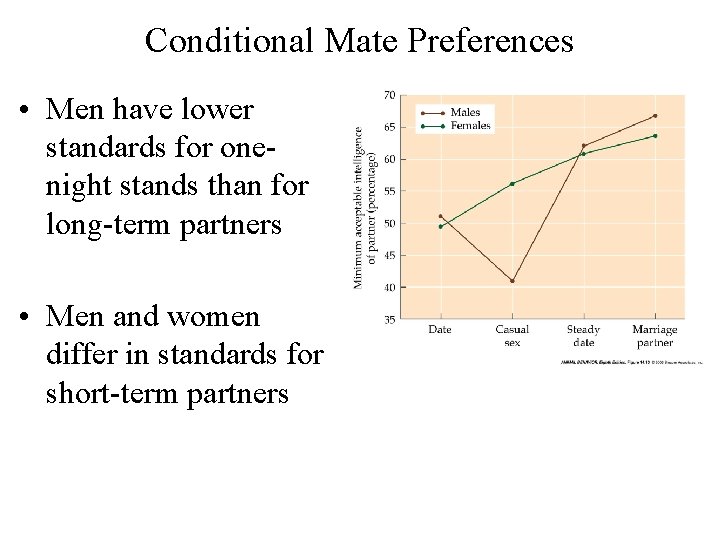
Conditional Mate Preferences • Men have lower standards for onenight stands than for long-term partners • Men and women differ in standards for short-term partners
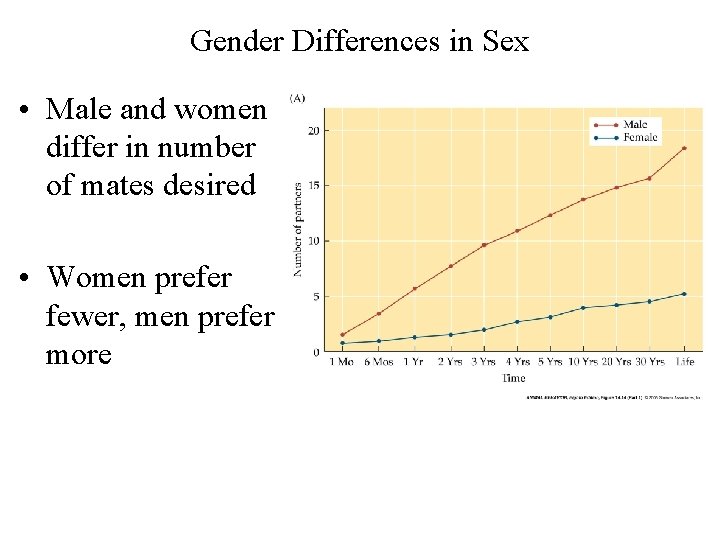
Gender Differences in Sex • Male and women differ in number of mates desired • Women prefer fewer, men prefer more
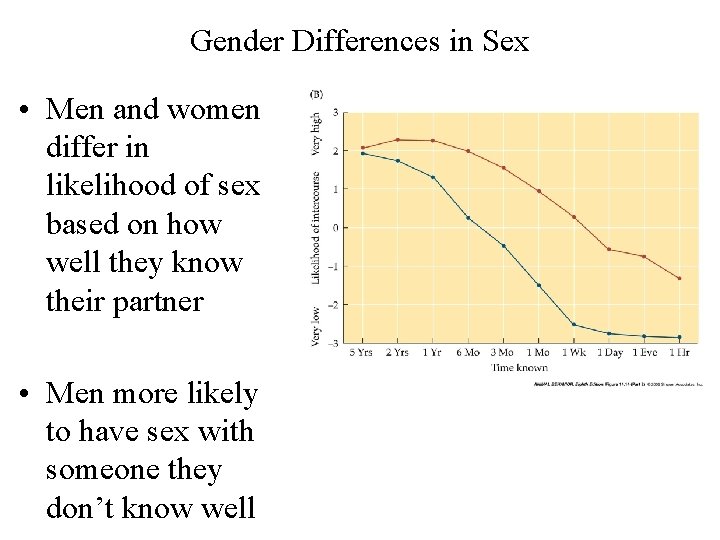
Gender Differences in Sex • Men and women differ in likelihood of sex based on how well they know their partner • Men more likely to have sex with someone they don’t know well
Mate Guarding and Sexual Assault in Humans • In love-triangle murders, younger women are more likely to be killed than older women • What are fitness costs/benefits to the husband (killer)?

Mate Guarding and Sexual Assault in Humans • In love-triangle murders, younger women are more likely to be killed than older women • What are fitness costs/benefits to the husband (killer)? • Is wife homicide for infidelity adaptive? Discuss.

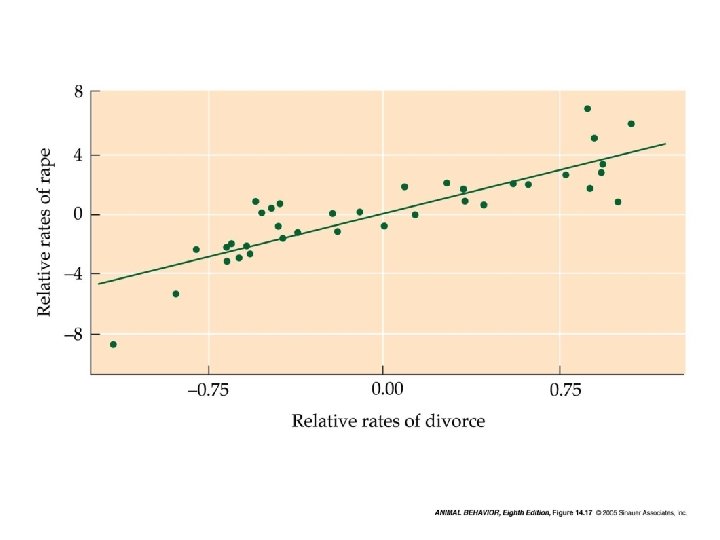
Mate Guarding and Sexual Assault in Humans • Rape victims are more likely to be young (fertile) • Is rape adaptive for men? • Rape as an alternative male strategy
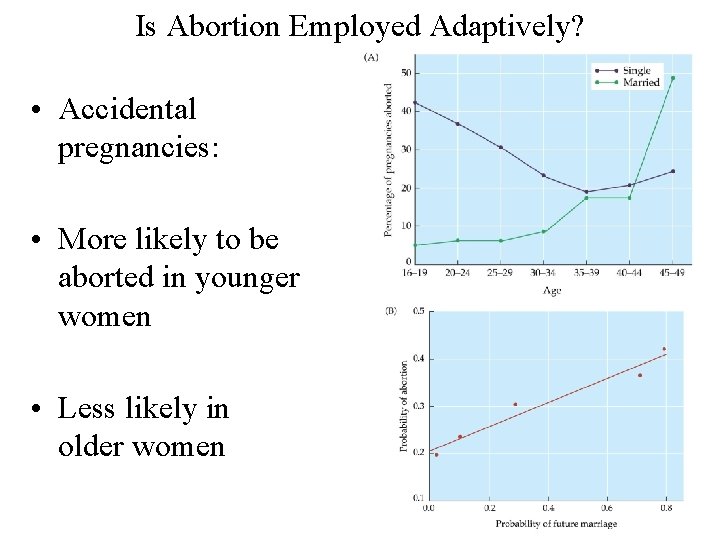
Is Abortion Employed Adaptively? • Accidental pregnancies: • More likely to be aborted in younger women • Less likely in older women
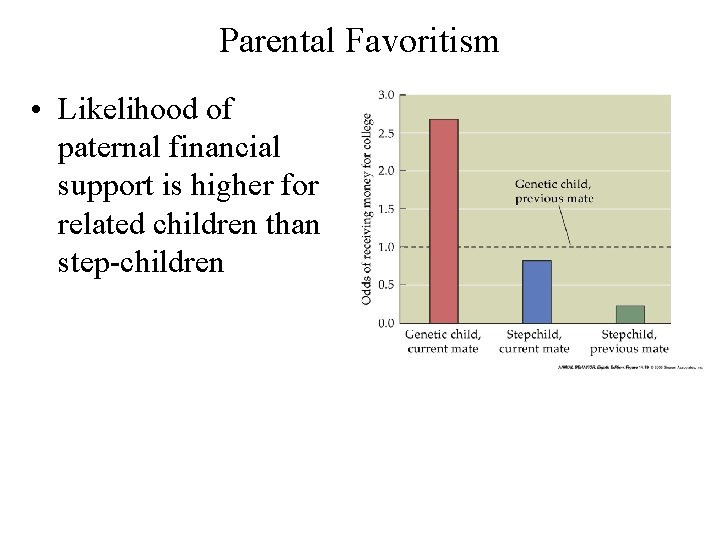
Parental Favoritism • Likelihood of paternal financial support is higher for related children than step-children
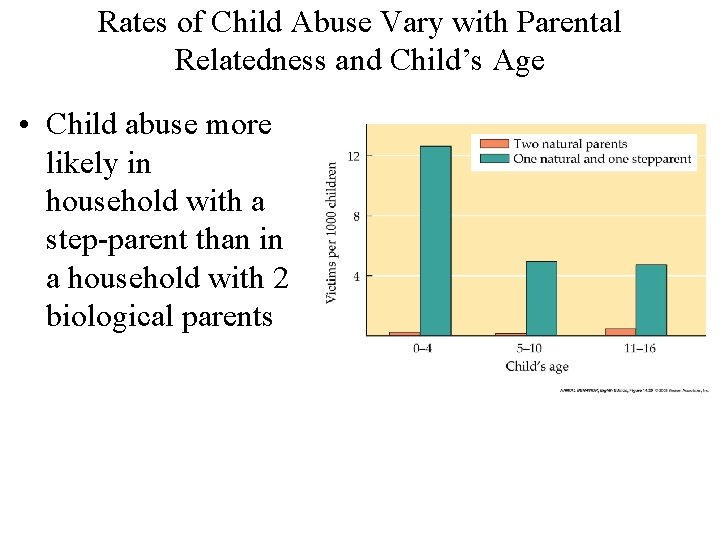
Rates of Child Abuse Vary with Parental Relatedness and Child’s Age • Child abuse more likely in household with a step-parent than in a household with 2 biological parents
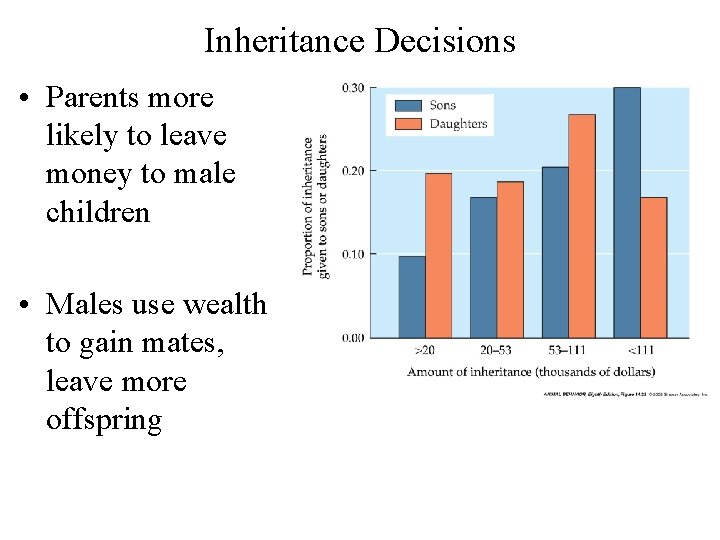
Inheritance Decisions • Parents more likely to leave money to male children • Males use wealth to gain mates, leave more offspring
- Slides: 40