
Evolution Micro Evolution Change in allele frequency Hardy
- Slides: 24
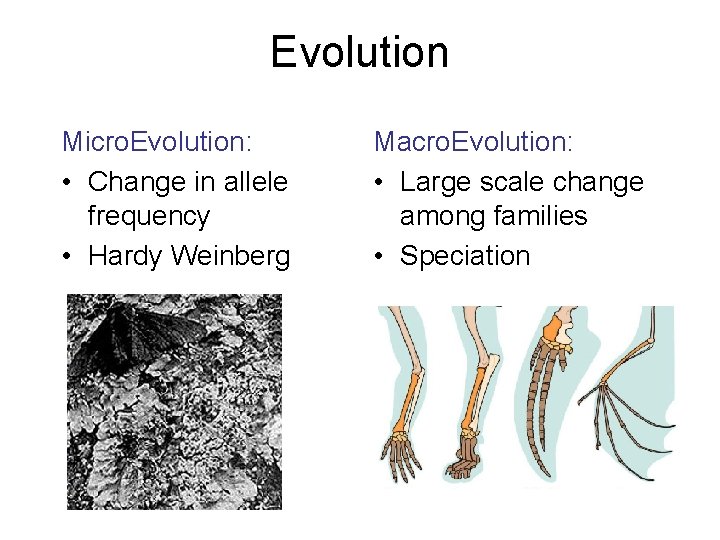
Evolution Micro. Evolution: • Change in allele frequency • Hardy Weinberg Macro. Evolution: • Large scale change among families • Speciation
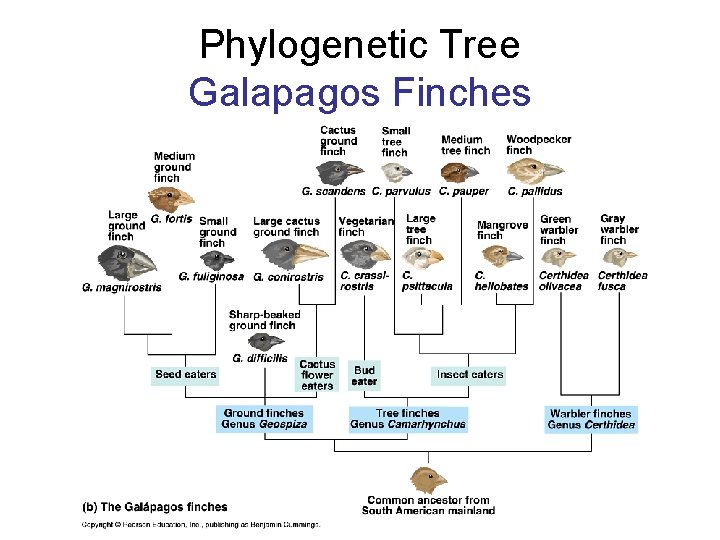
Phylogenetic Tree Galapagos Finches
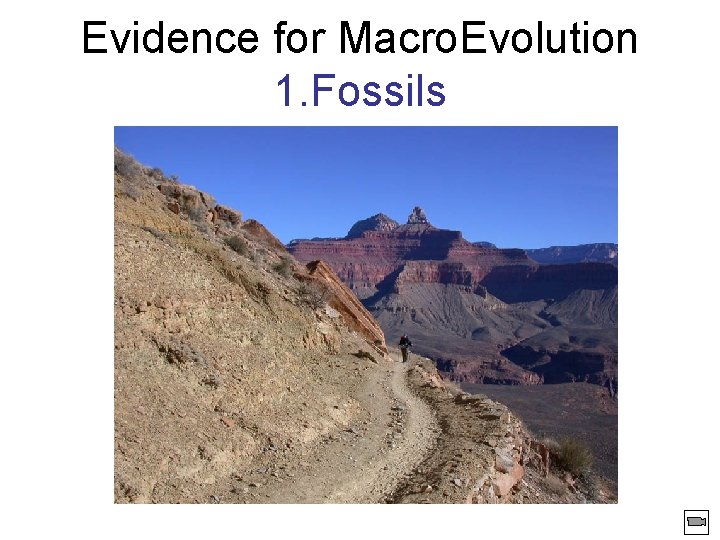
Evidence for Macro. Evolution 1. Fossils
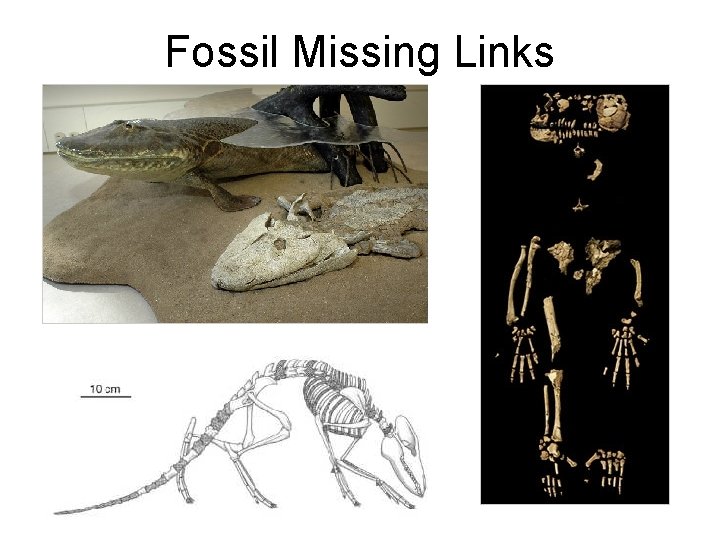
Fossil Missing Links
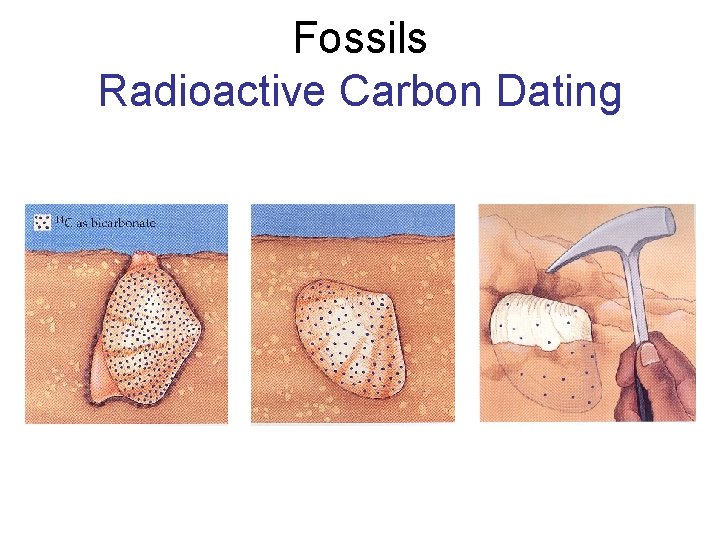
Fossils Radioactive Carbon Dating
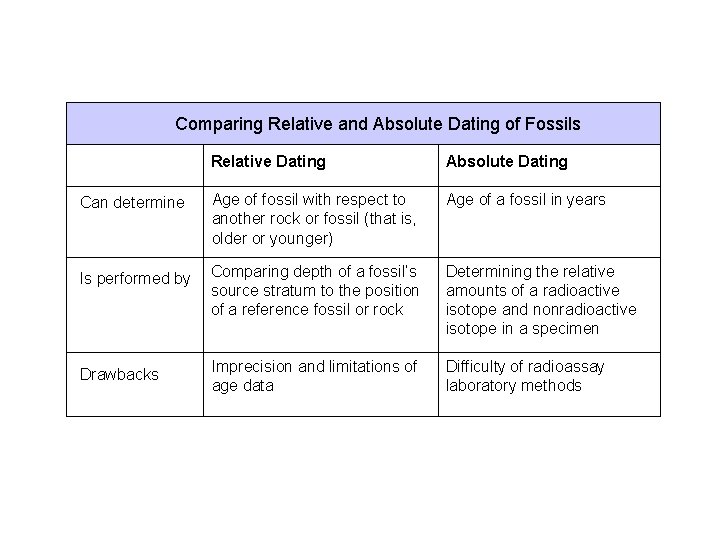
Comparing Relative and Absolute Dating of Fossils Relative Dating Absolute Dating Can determine Age of fossil with respect to another rock or fossil (that is, older or younger) Age of a fossil in years Is performed by Comparing depth of a fossil’s source stratum to the position of a reference fossil or rock Determining the relative amounts of a radioactive isotope and nonradioactive isotope in a specimen Imprecision and limitations of age data Difficulty of radioassay laboratory methods Drawbacks
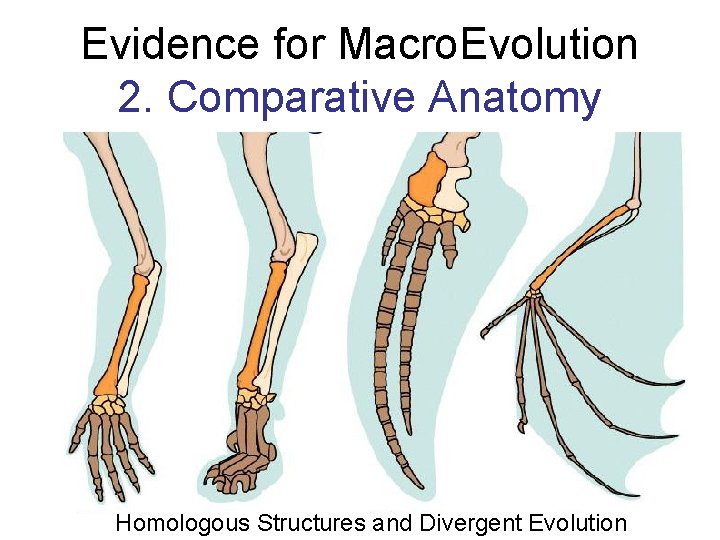
Evidence for Macro. Evolution 2. Comparative Anatomy Homologous Structures and Divergent Evolution
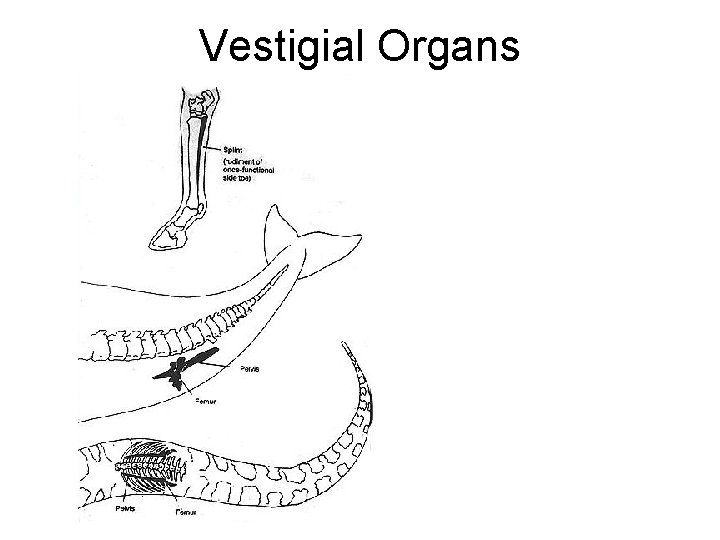
Vestigial Organs
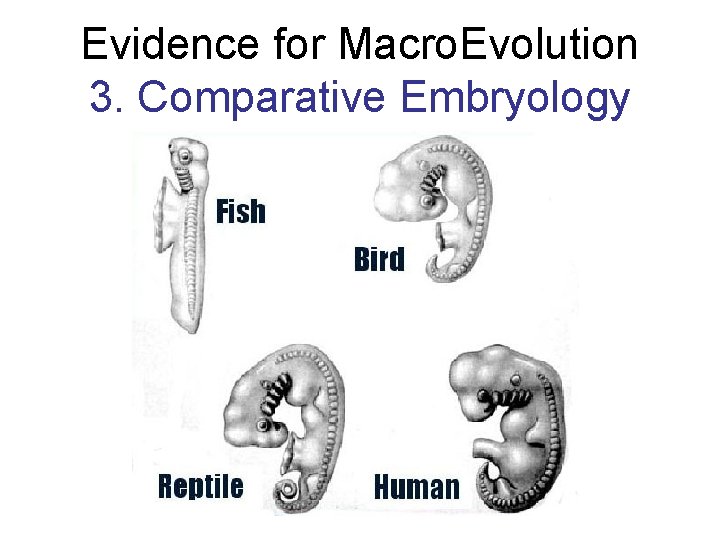
Evidence for Macro. Evolution 3. Comparative Embryology
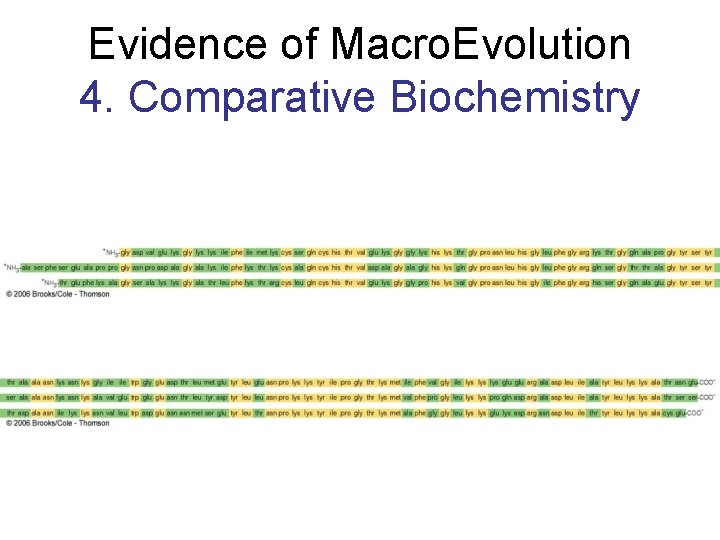
Evidence of Macro. Evolution 4. Comparative Biochemistry
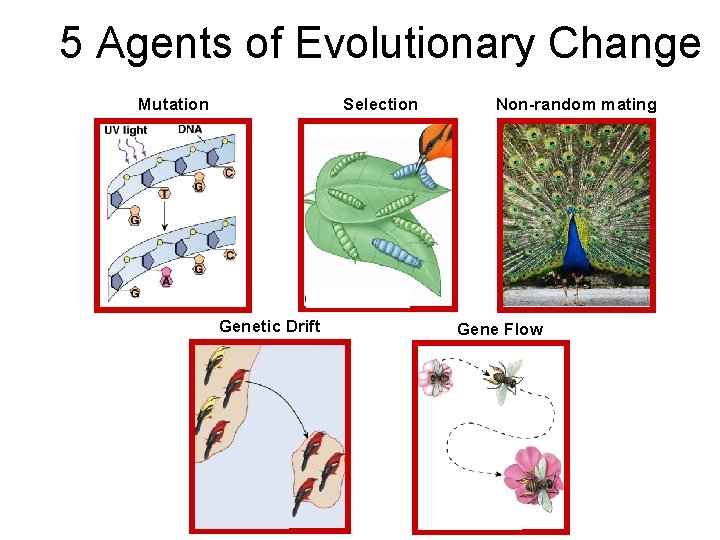
5 Agents of Evolutionary Change Mutation Selection Genetic Drift Non-random mating Gene Flow
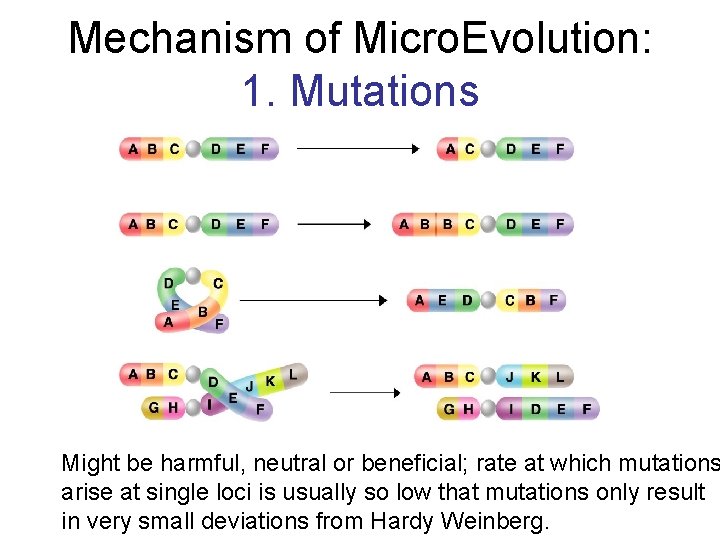
Mechanism of Micro. Evolution: 1. Mutations Might be harmful, neutral or beneficial; rate at which mutations arise at single loci is usually so low that mutations only result in very small deviations from Hardy Weinberg.
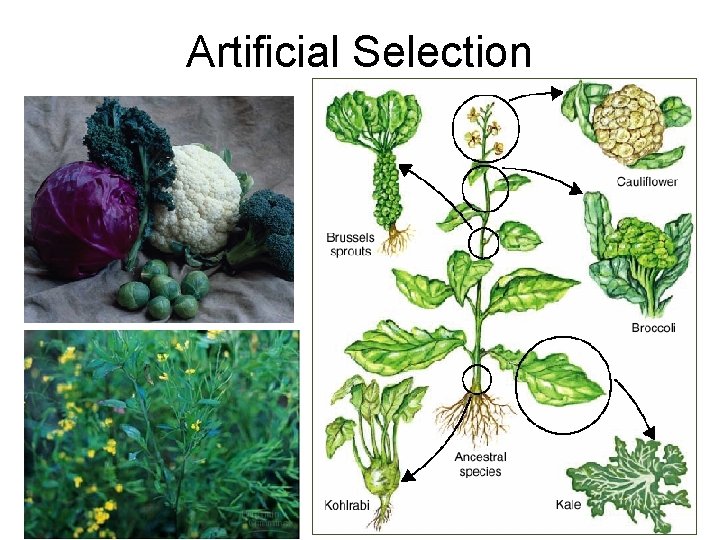
Artificial Selection 2005 -2006
Darwin’s Theory on Evolution: 2. Natural Selection 1. 2. 3. 4. 5. 6.
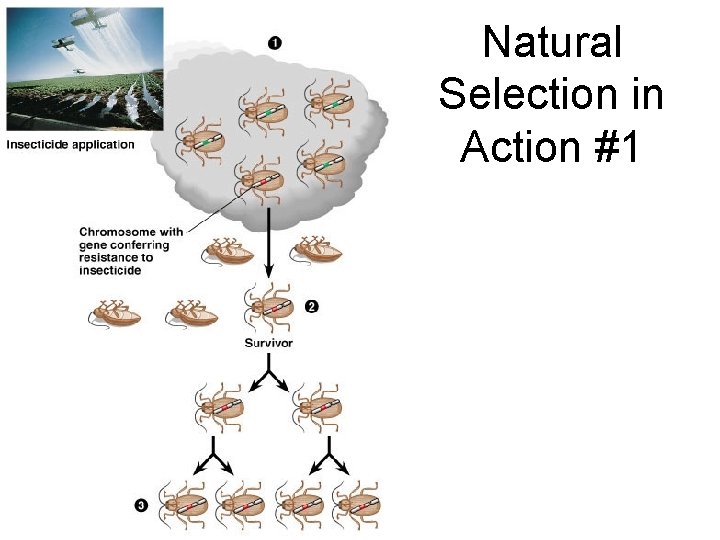
Natural Selection in Action #1
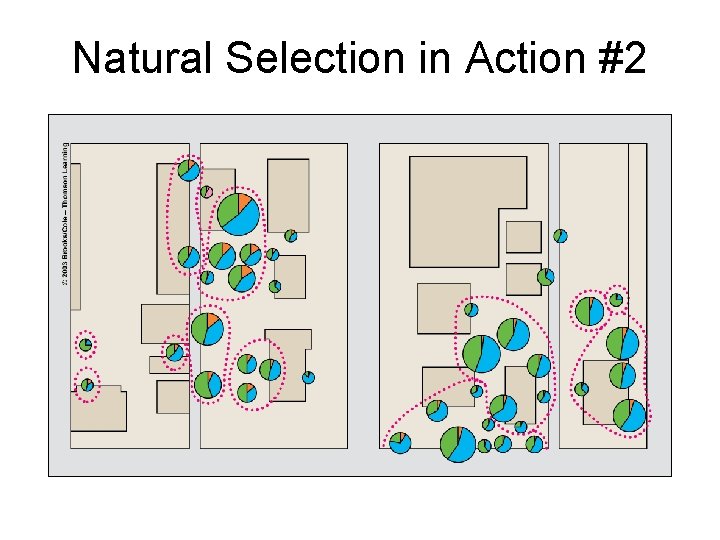
Natural Selection in Action #2
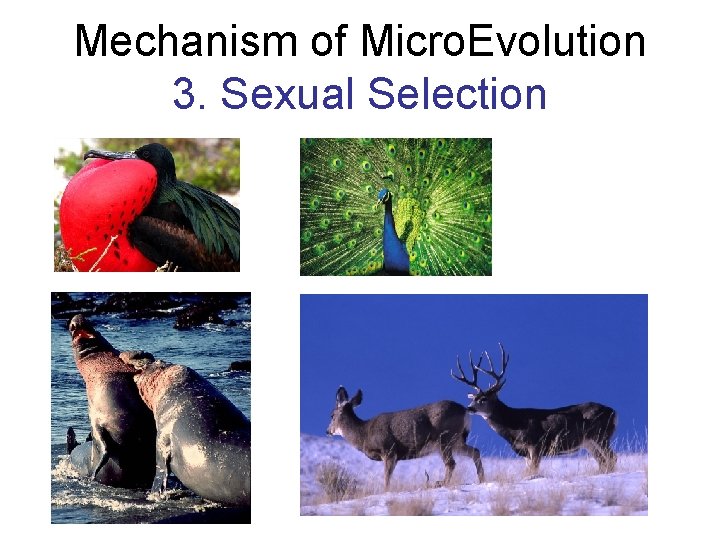
Mechanism of Micro. Evolution 3. Sexual Selection
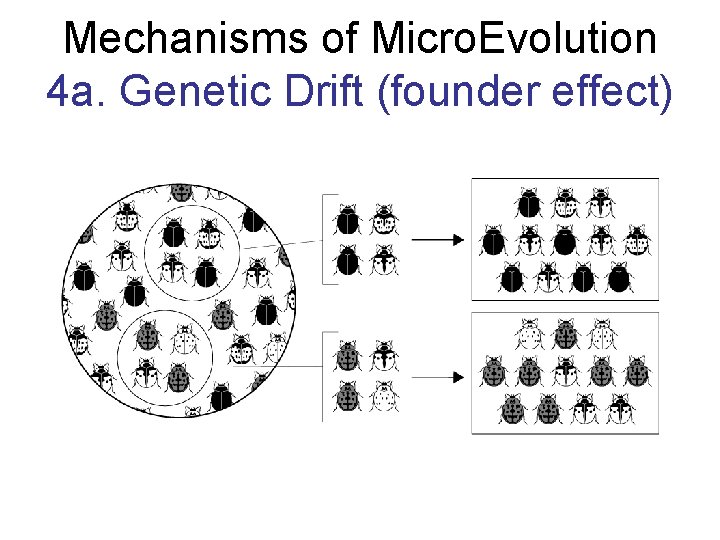
Mechanisms of Micro. Evolution 4 a. Genetic Drift (founder effect)
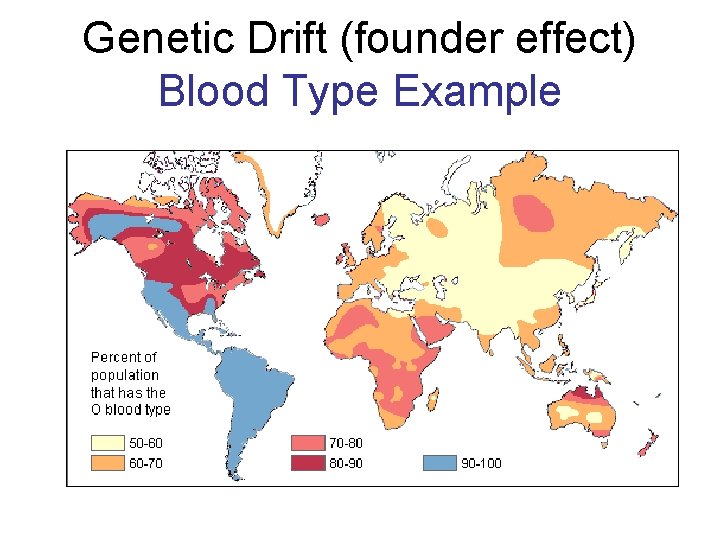
Genetic Drift (founder effect) Blood Type Example
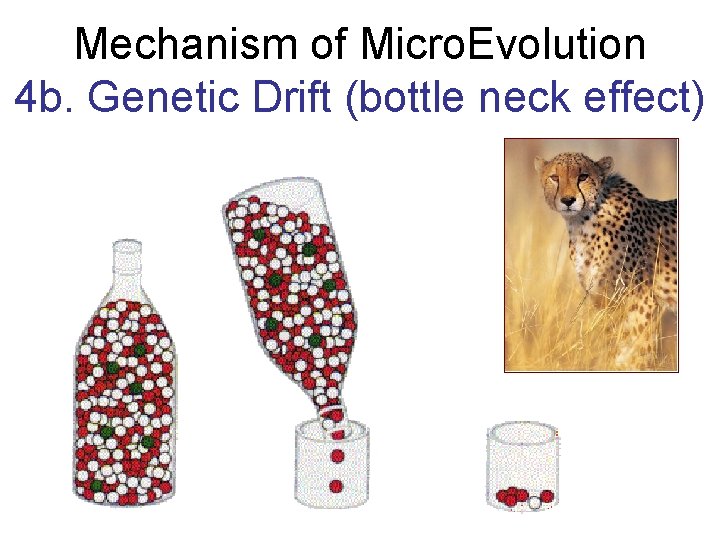
Mechanism of Micro. Evolution 4 b. Genetic Drift (bottle neck effect)
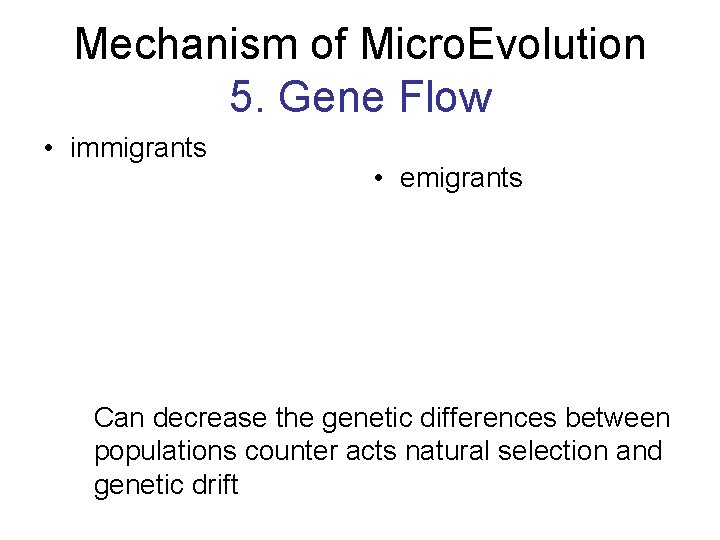
Mechanism of Micro. Evolution 5. Gene Flow • immigrants • emigrants Can decrease the genetic differences between populations counter acts natural selection and genetic drift
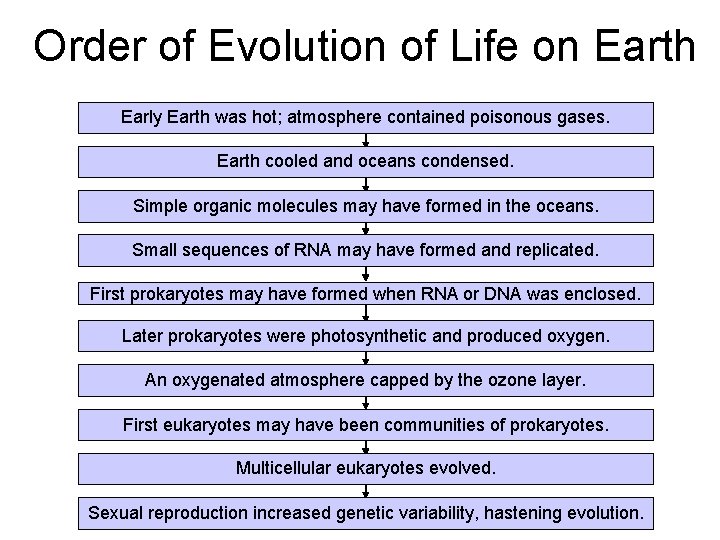
Order of Evolution of Life on Earth Early Earth was hot; atmosphere contained poisonous gases. Earth cooled and oceans condensed. Simple organic molecules may have formed in the oceans. Small sequences of RNA may have formed and replicated. First prokaryotes may have formed when RNA or DNA was enclosed. Later prokaryotes were photosynthetic and produced oxygen. An oxygenated atmosphere capped by the ozone layer. First eukaryotes may have been communities of prokaryotes. Multicellular eukaryotes evolved. Sexual reproduction increased genetic variability, hastening evolution.
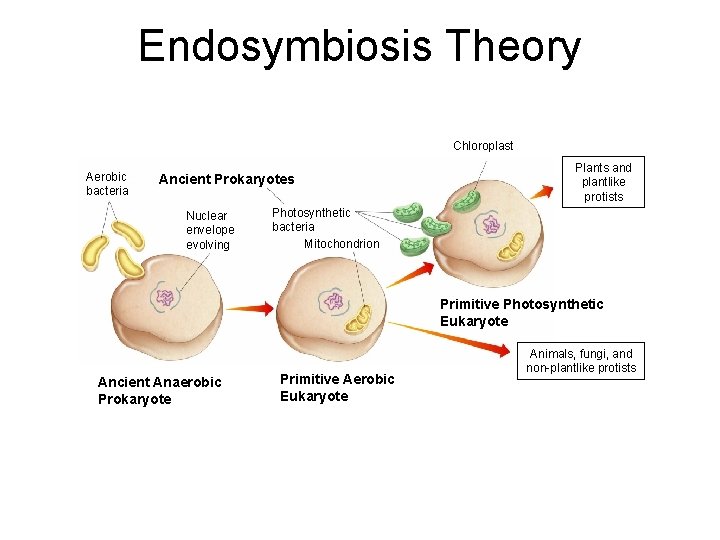
Endosymbiosis Theory Chloroplast Aerobic bacteria Ancient Prokaryotes Nuclear envelope evolving Plants and plantlike protists Photosynthetic bacteria Mitochondrion Primitive Photosynthetic Eukaryote Ancient Anaerobic Prokaryote Primitive Aerobic Eukaryote Animals, fungi, and non-plantlike protists
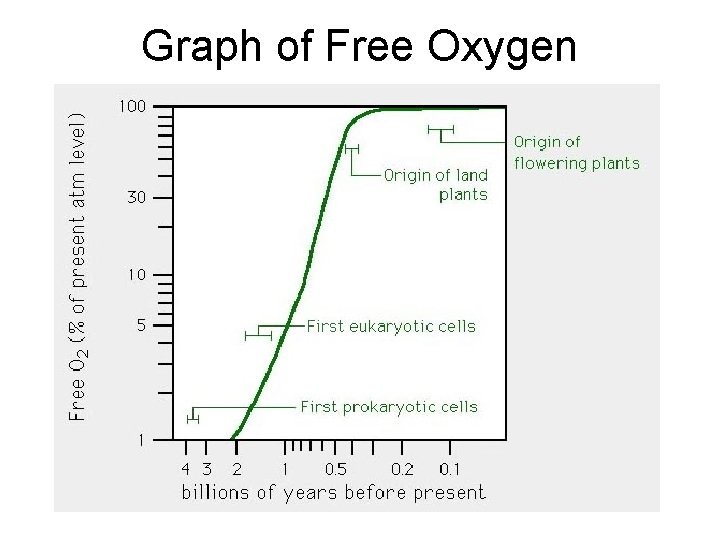
Graph of Free Oxygen