
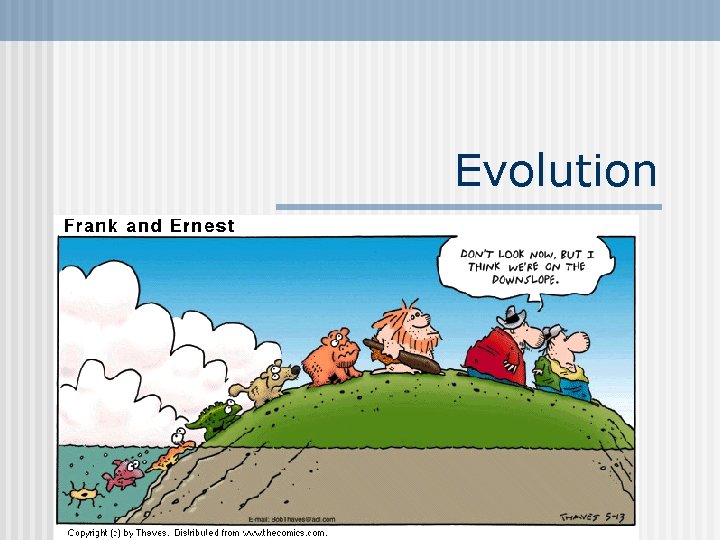
Evolution Evolution change in population over time Evolution
- Slides: 49
Evolution
Evolution- change in population over time
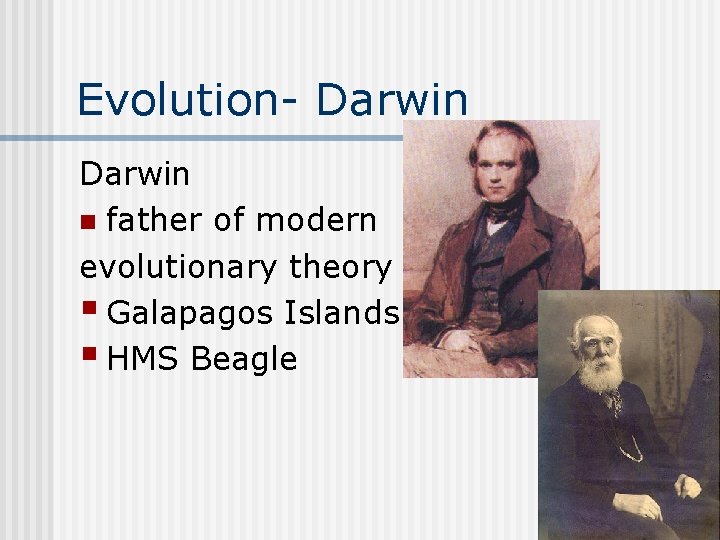
Evolution- Darwin n father of modern evolutionary theory § Galapagos Islands § HMS Beagle
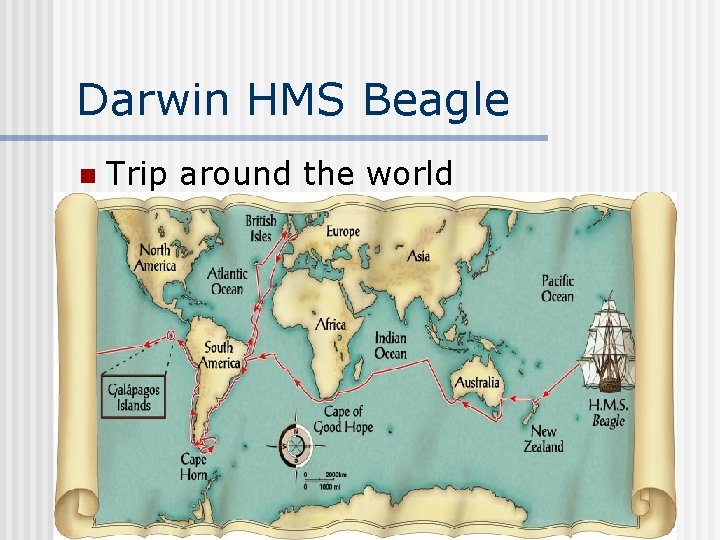
Darwin HMS Beagle n Trip around the world
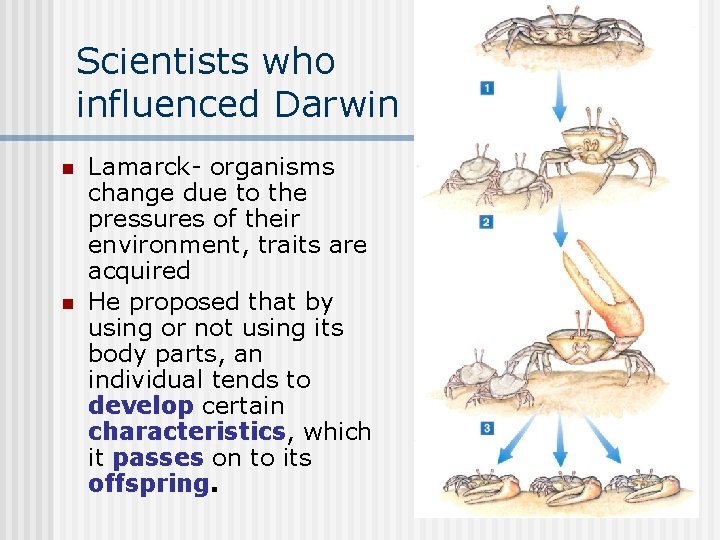
Scientists who influenced Darwin n n Lamarck- organisms change due to the pressures of their environment, traits are acquired He proposed that by using or not using its body parts, an individual tends to develop certain characteristics, characteristics which it passes on to its offspring
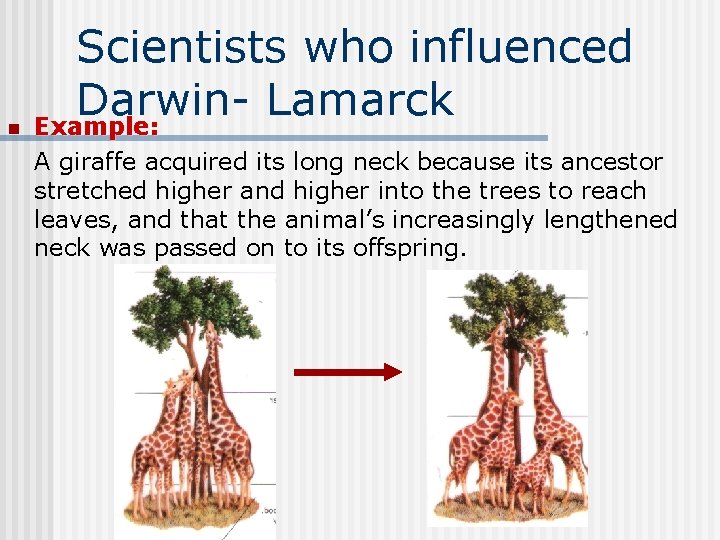
Scientists who influenced Darwin. Lamarck n Example: A giraffe acquired its long neck because its ancestor stretched higher and higher into the trees to reach leaves, and that the animal’s increasingly lengthened neck was passed on to its offspring.
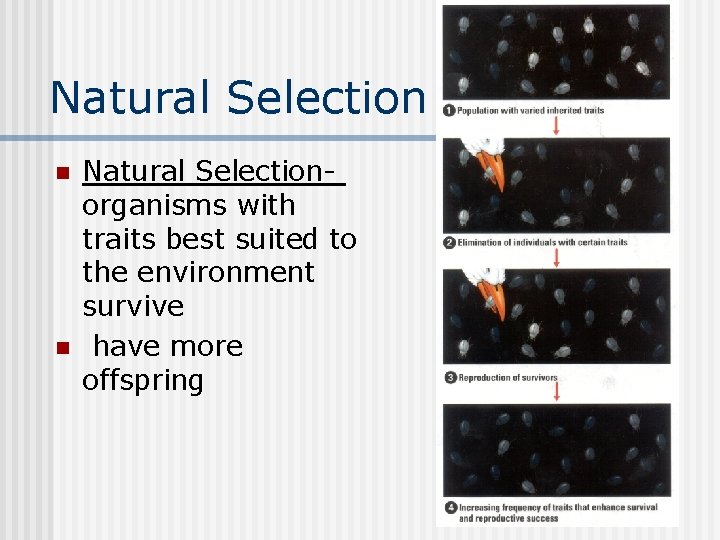
Natural Selection n n Natural Selectionorganisms with traits best suited to the environment survive have more offspring
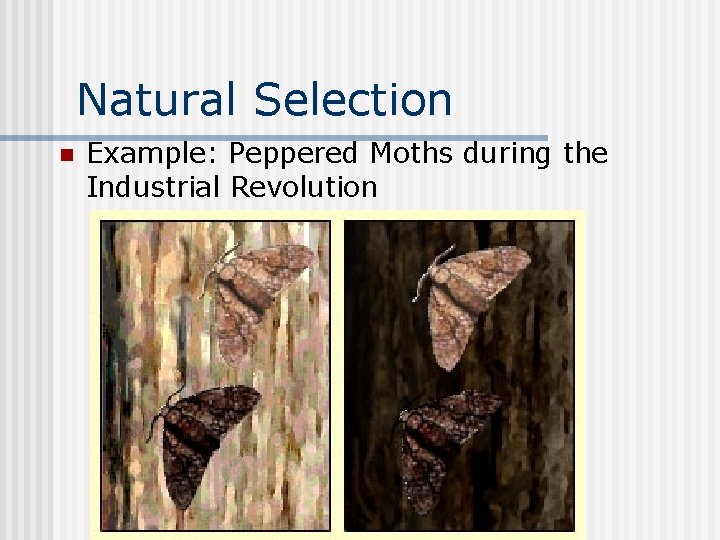
Natural Selection n Example: Peppered Moths during the Industrial Revolution
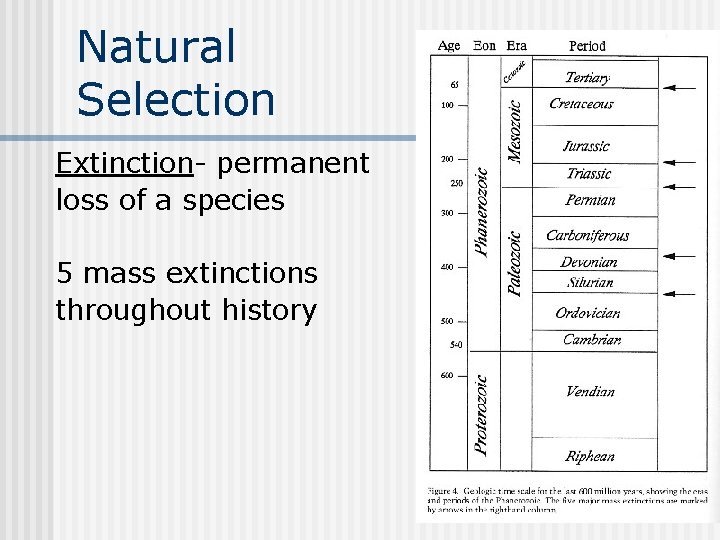
Natural Selection Extinction- permanent loss of a species 5 mass extinctions throughout history
Evidence for Evolution 1. n 2. n 3. n 4. n 5. n 6. n Fossils Comparative anatomy Comparative embryology Biochemistry Genetic evidence Direct evidence
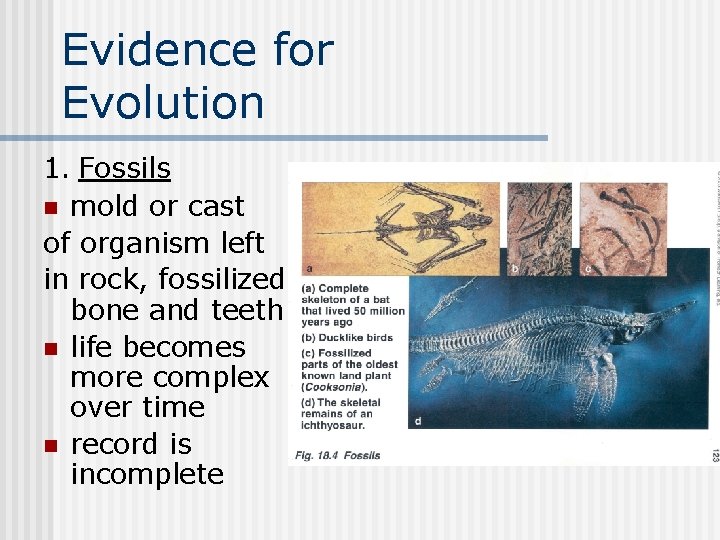
Evidence for Evolution 1. Fossils n mold or cast of organism left in rock, fossilized bone and teeth n life becomes more complex over time n record is incomplete
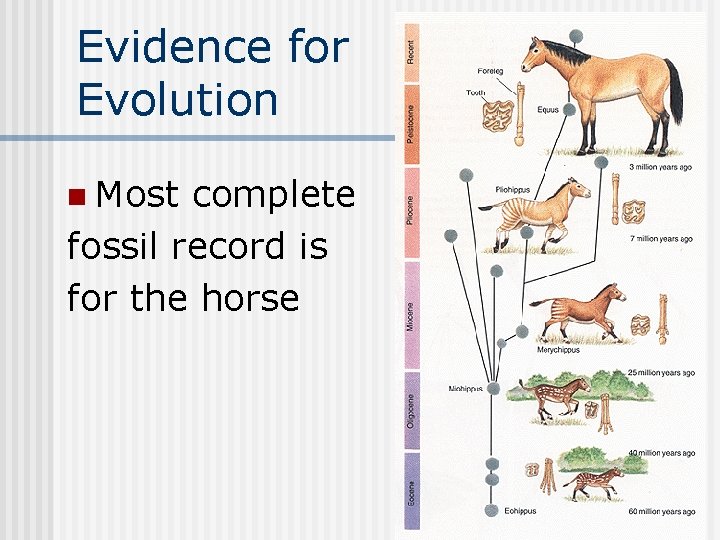
Evidence for Evolution n Most complete fossil record is for the horse
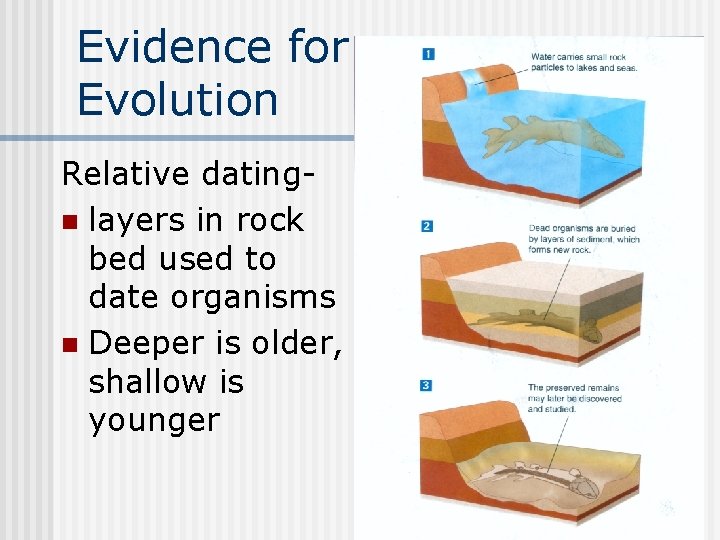
Evidence for Evolution Relative datingn layers in rock bed used to date organisms n Deeper is older, shallow is younger
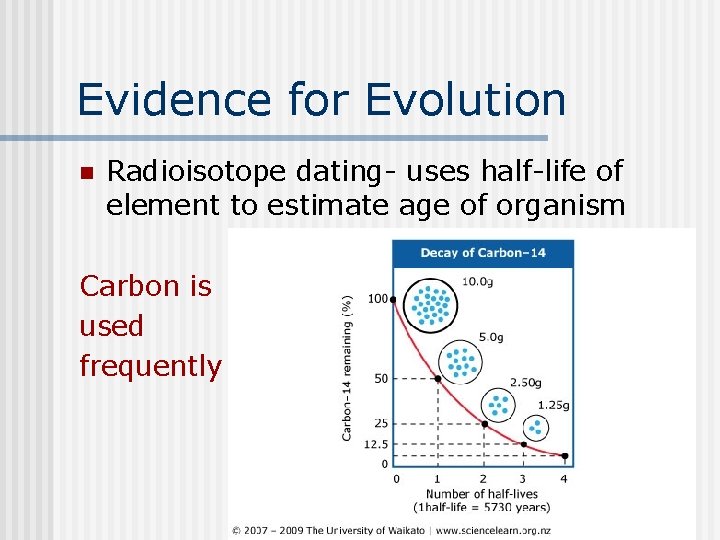
Evidence for Evolution n Radioisotope dating- uses half-life of element to estimate age of organism Carbon is used frequently
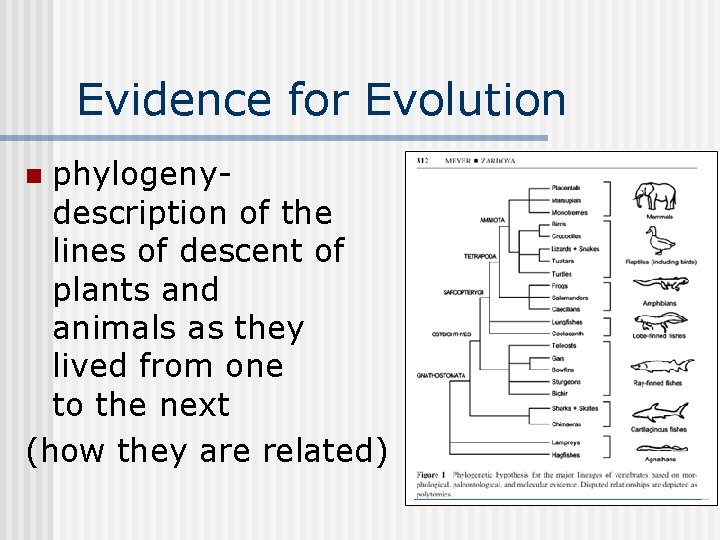
Evidence for Evolution phylogenydescription of the lines of descent of plants and animals as they lived from one to the next (how they are related) n
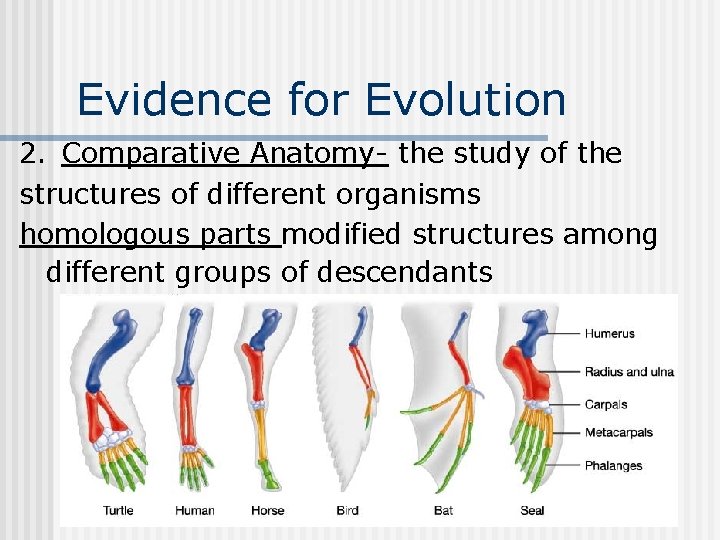
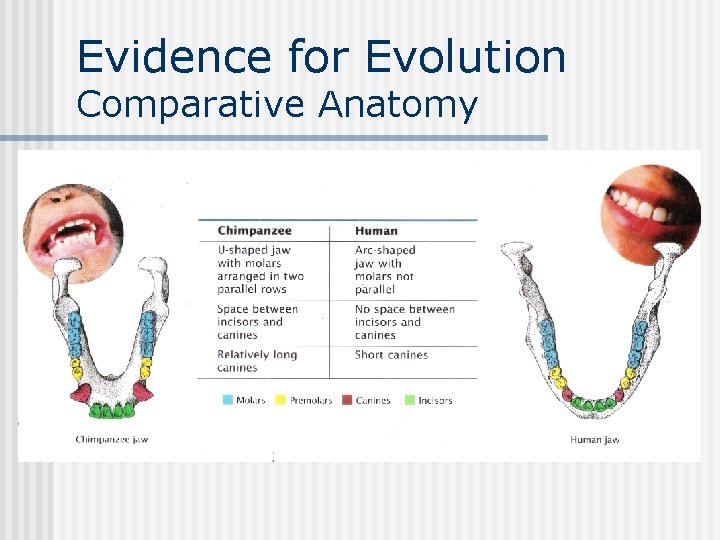
Evidence for Evolution 2. Comparative Anatomy- the study of the structures of different organisms homologous parts modified structures among different groups of descendants
Evidence for Evolution Comparative Anatomy
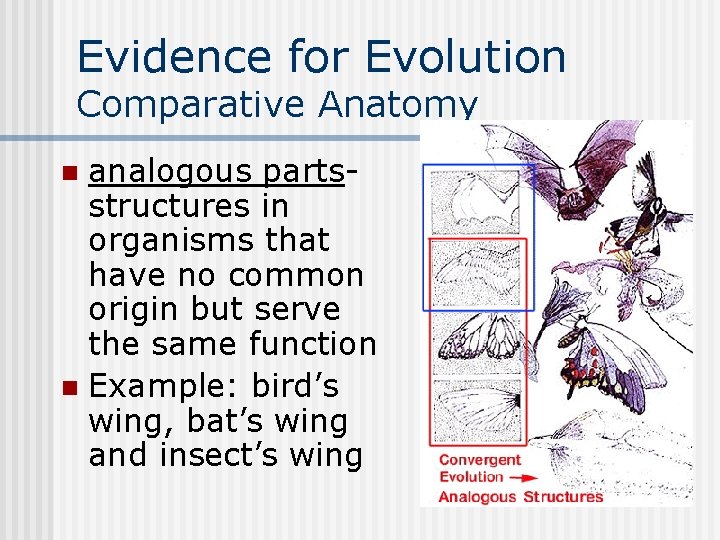
Evidence for Evolution Comparative Anatomy analogous partsstructures in organisms that have no common origin but serve the same function n Example: bird’s wing, bat’s wing and insect’s wing n
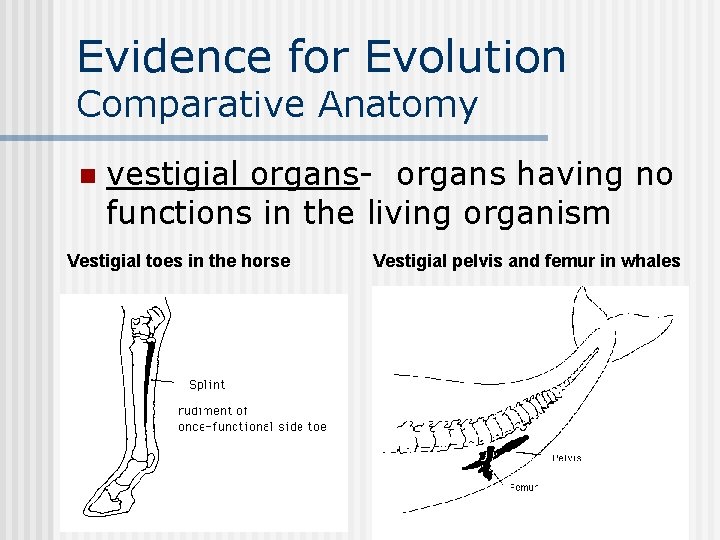
Evidence for Evolution Comparative Anatomy n vestigial organs- organs having no functions in the living organism Vestigial toes in the horse Vestigial pelvis and femur in whales
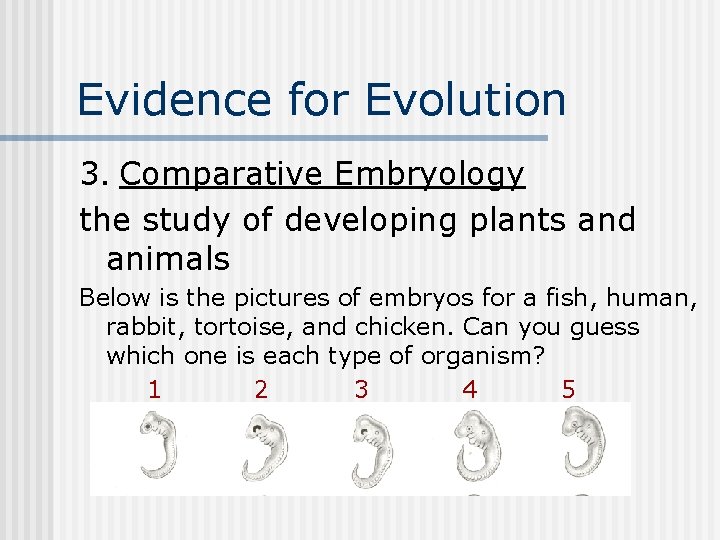
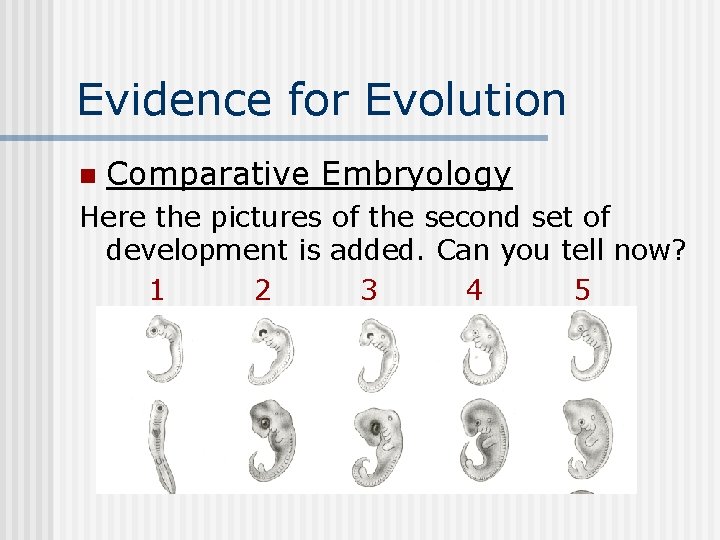
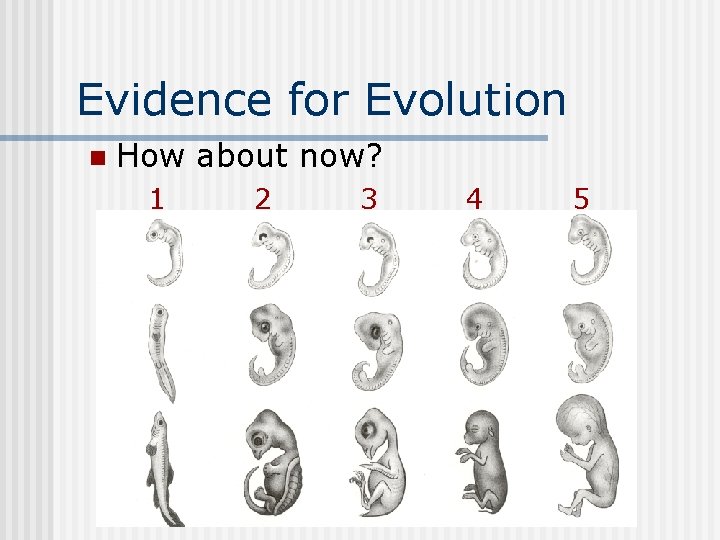
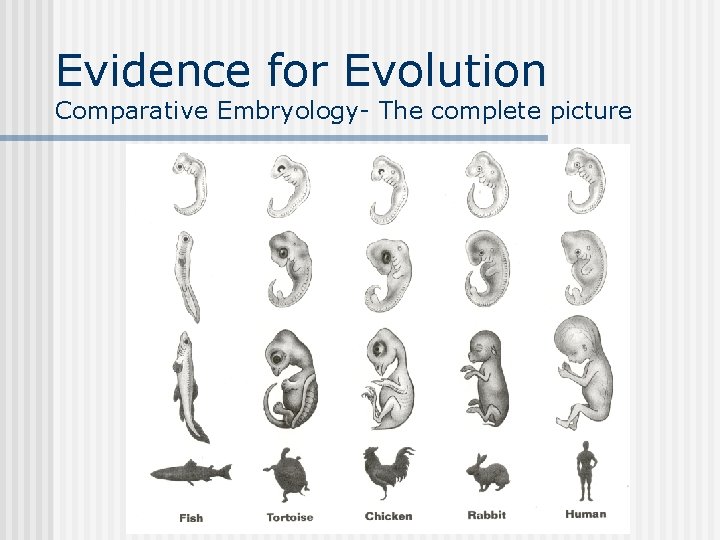
Evidence for Evolution 3. Comparative Embryology the study of developing plants and animals Below is the pictures of embryos for a fish, human, rabbit, tortoise, and chicken. Can you guess which one is each type of organism? 1 2 3 4 5
Evidence for Evolution n Comparative Embryology Here the pictures of the second set of development is added. Can you tell now? 1 2 3 4 5
Evidence for Evolution n How about now? 1 2 3 4 5
Evidence for Evolution Comparative Embryology- The complete picture
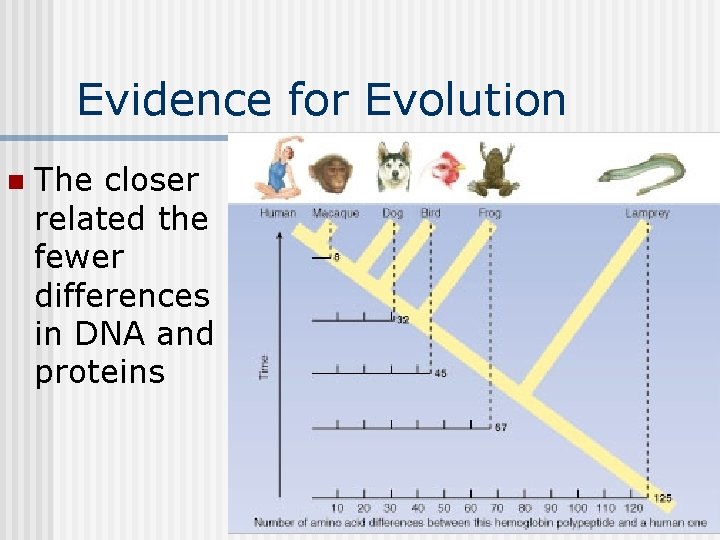
Evidence for Evolution 4. Biochemistry n comparison of DNA and proteins in the body n Example: comparison of hemoglobin (blood protein) in human, chimp, and dog. Human and chimp hemoglobin more alike than dog n
Evidence for Evolution n The closer related the fewer differences in DNA and proteins
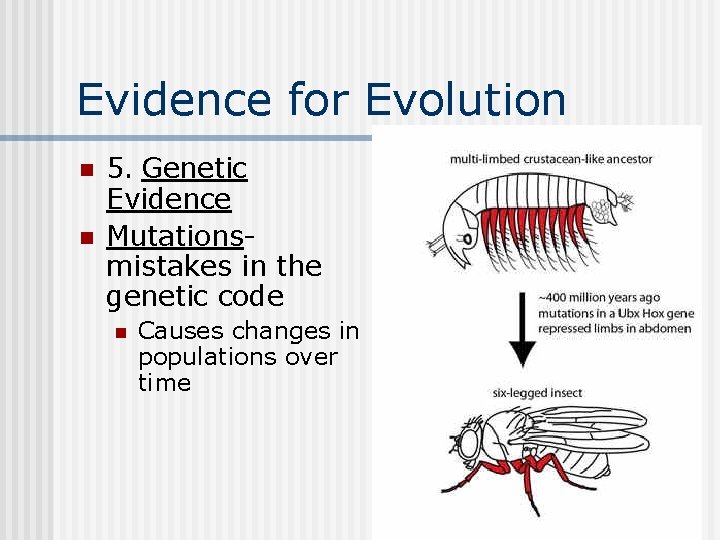
Evidence for Evolution n n 5. Genetic Evidence Mutationsmistakes in the genetic code n Causes changes in populations over time
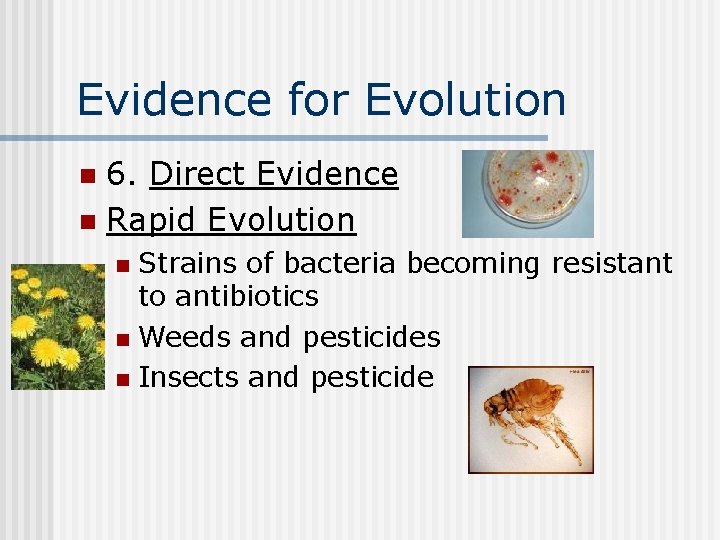
Evidence for Evolution 6. Direct Evidence n Rapid Evolution n Strains of bacteria becoming resistant to antibiotics n Weeds and pesticides n Insects and pesticide n
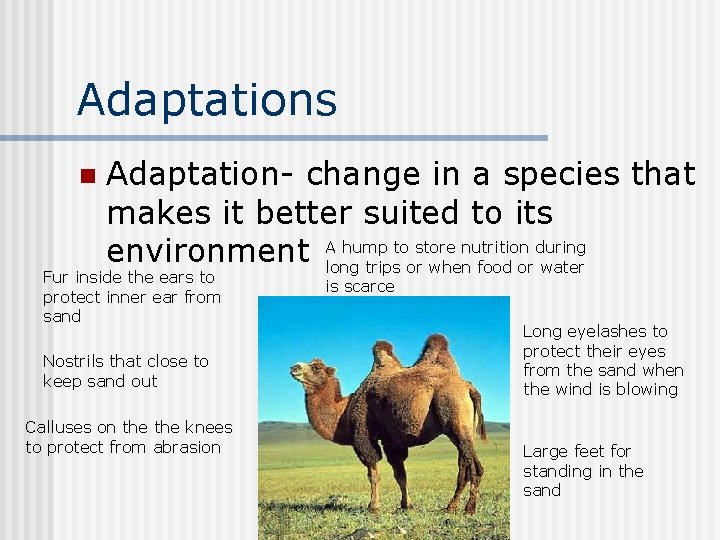
Adaptations n Adaptation- change in a species that makes it better suited to its hump to store nutrition during environment Along trips or when food or water Fur inside the ears to protect inner ear from sand Nostrils that close to keep sand out Calluses on the knees to protect from abrasion is scarce Long eyelashes to protect their eyes from the sand when the wind is blowing Large feet for standing in the sand
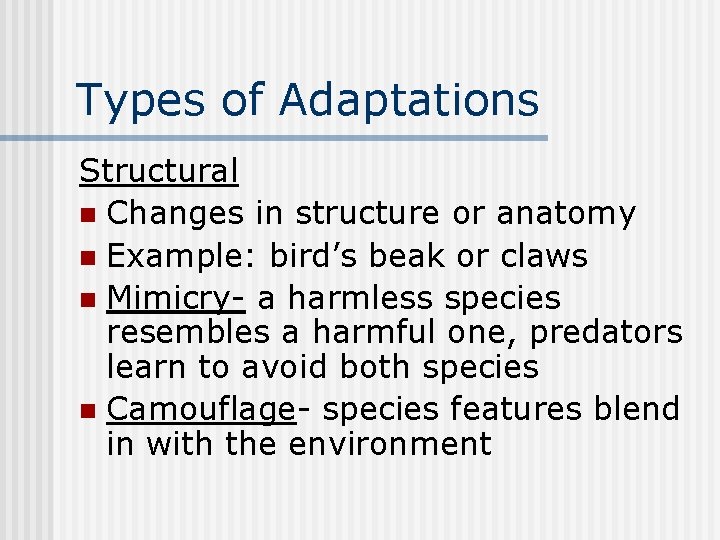
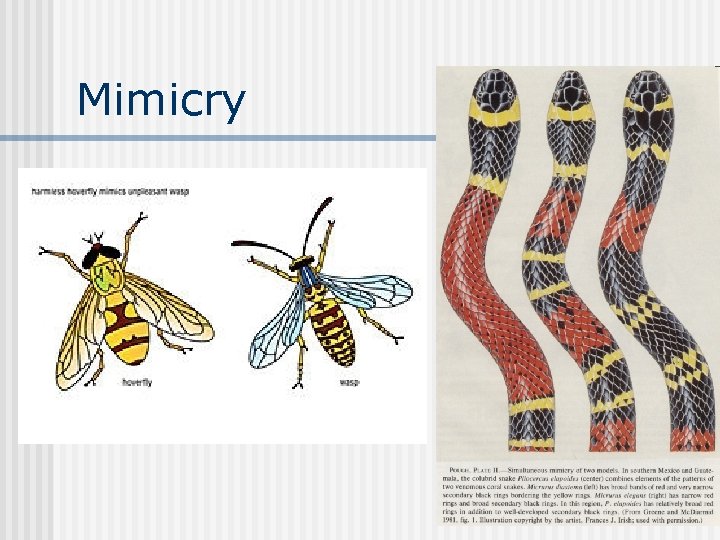
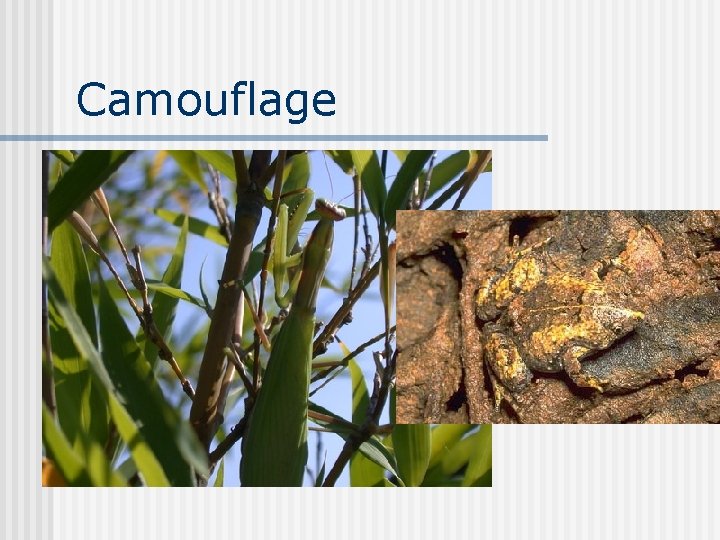
Types of Adaptations Structural n Changes in structure or anatomy n Example: bird’s beak or claws n Mimicry- a harmless species resembles a harmful one, predators learn to avoid both species n Camouflage- species features blend in with the environment
Mimicry
Camouflage
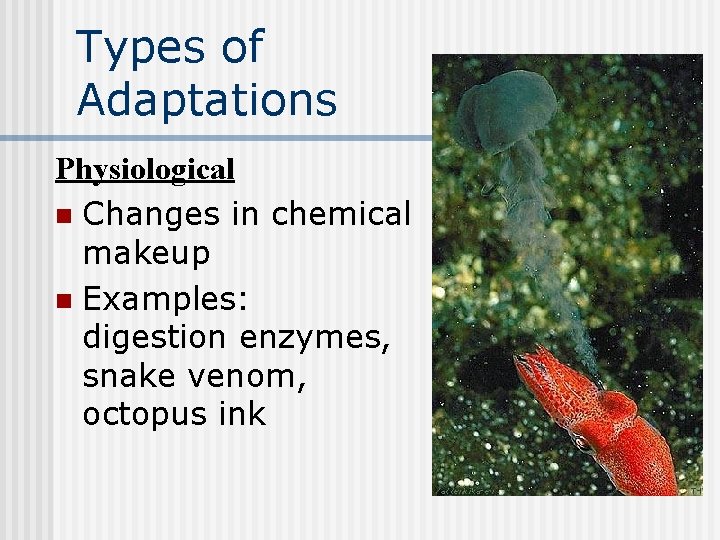
Types of Adaptations Physiological n Changes in chemical makeup n Examples: digestion enzymes, snake venom, octopus ink
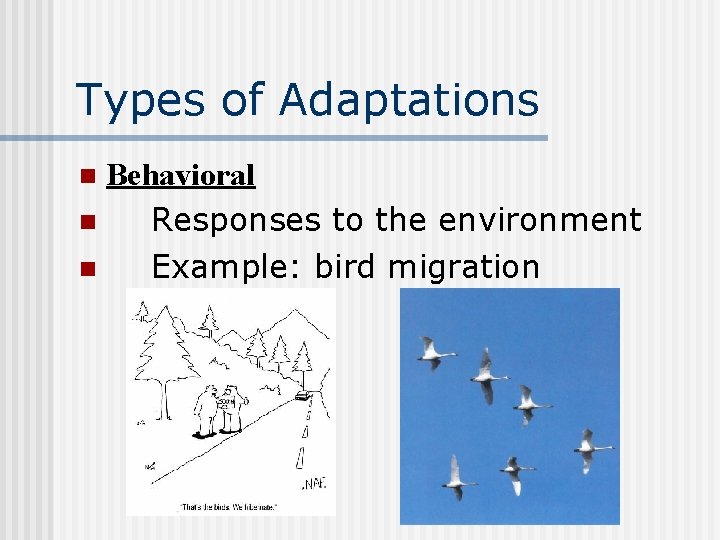
Types of Adaptations Behavioral n Responses to the environment n Example: bird migration n
Mechanisms for Evolution n Species- group of organisms that can interbreed AND produce viable offspring n Populations evolve NOT individuals
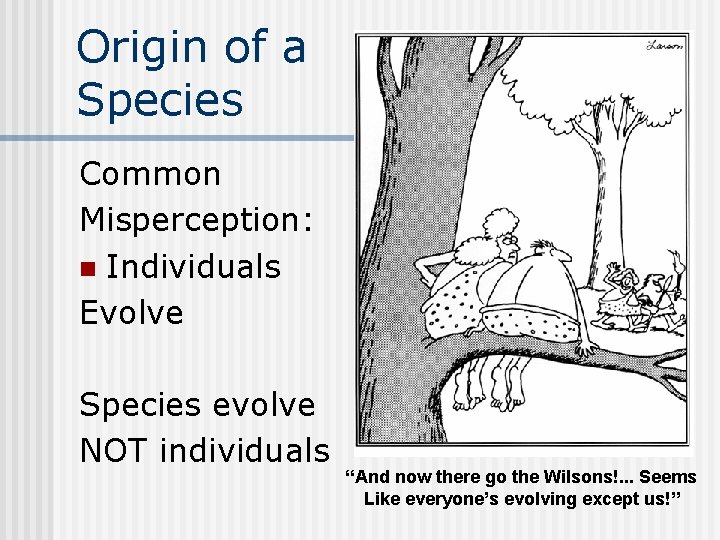
Origin of a Species Common Misperception: n Individuals Evolve Species evolve NOT individuals “And now there go the Wilsons!. . . Seems Like everyone’s evolving except us!”
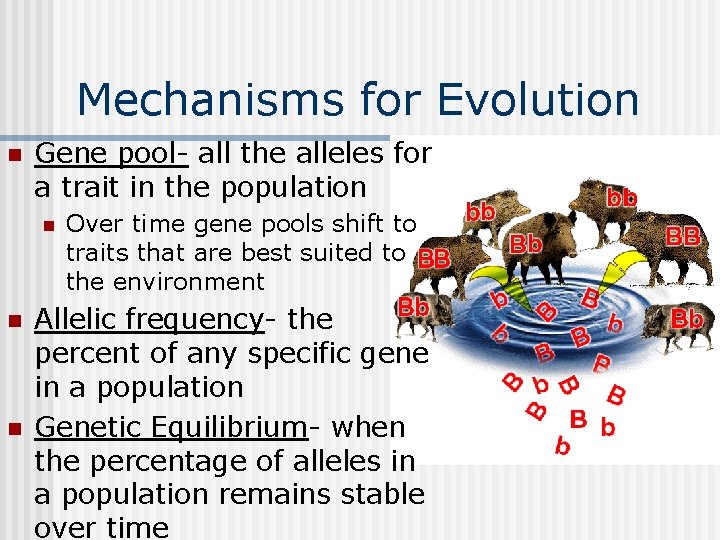
Mechanisms for Evolution n Gene pool- all the alleles for a trait in the population n Over time gene pools shift to traits that are best suited to the environment Allelic frequency- the percent of any specific gene in a population Genetic Equilibrium- when the percentage of alleles in a population remains stable over time
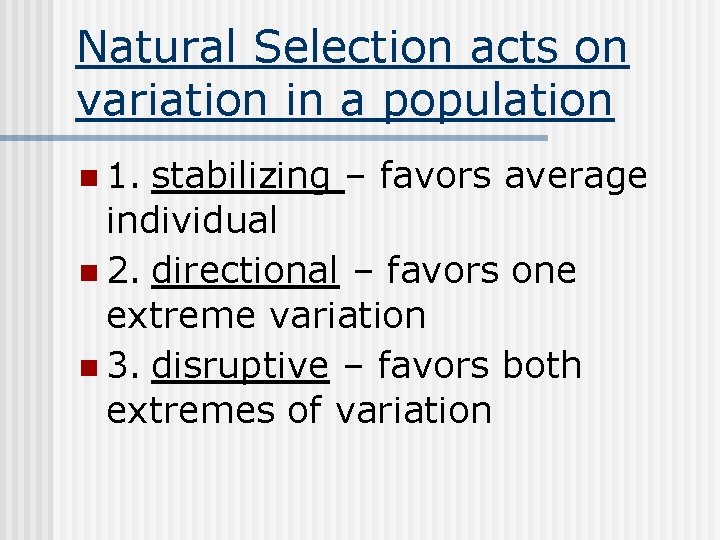
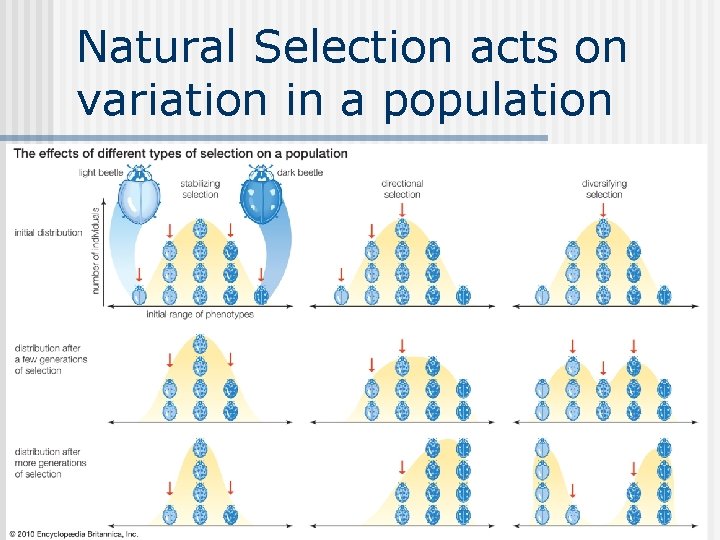
Natural Selection acts on variation in a population n 1. stabilizing – favors average individual n 2. directional – favors one extreme variation n 3. disruptive – favors both extremes of variation
Natural Selection acts on variation in a population
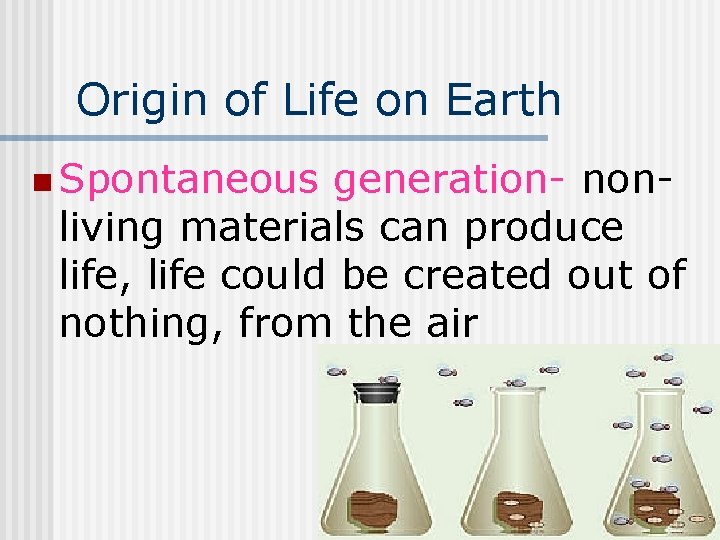
Origin of Life on Earth n Spontaneous generation- nonliving materials can produce life, life could be created out of nothing, from the air
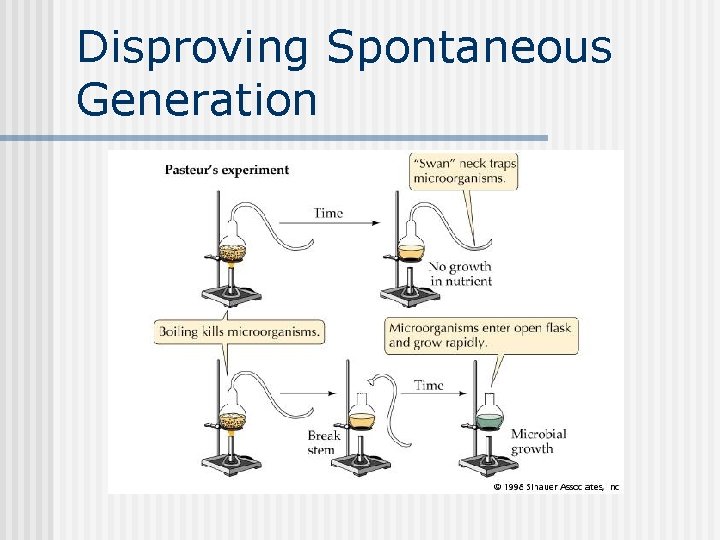
Disproving Spontaneous Generation
Origin of Life n Biogenesis- living organisms only come from other living organisms
Origin of Cells Earth approximately 4. 6 billion years old n Beginning- earth’s atmosphere Hot, gases like CO 2 and nitrogen, little O 2 n Gases helped to create the atmosphere n
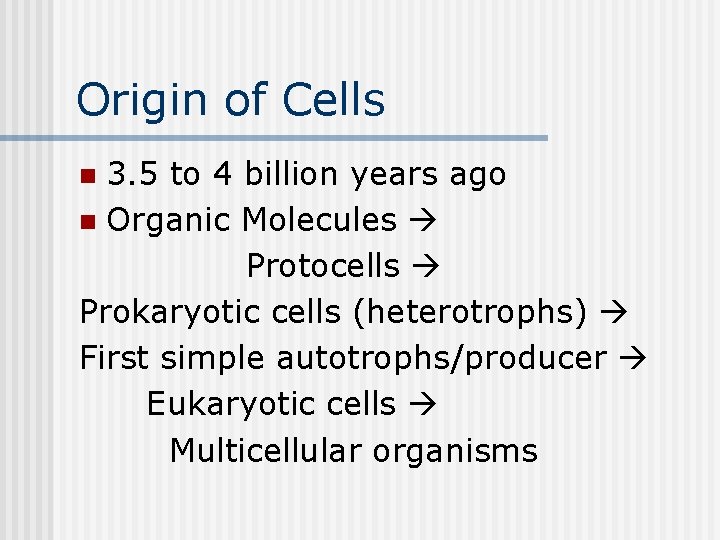
Origin of Cells 3. 5 to 4 billion years ago n Organic Molecules Protocells Prokaryotic cells (heterotrophs) First simple autotrophs/producer Eukaryotic cells Multicellular organisms n
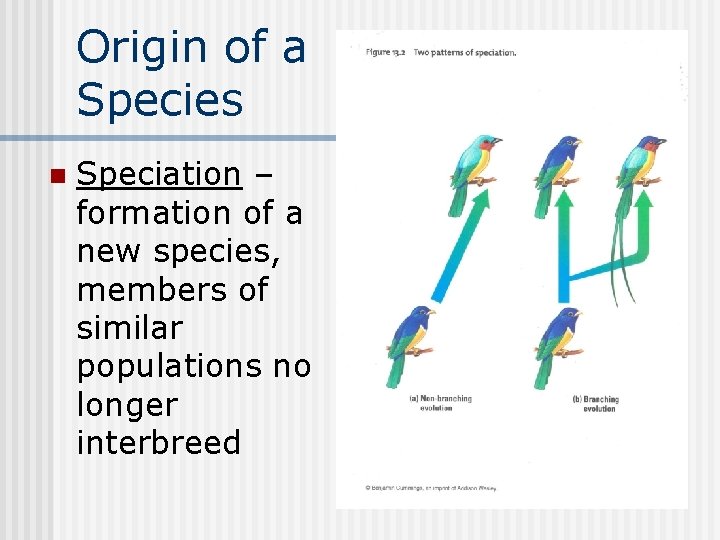
Origin of a Species n Speciation – formation of a new species, members of similar populations no longer interbreed
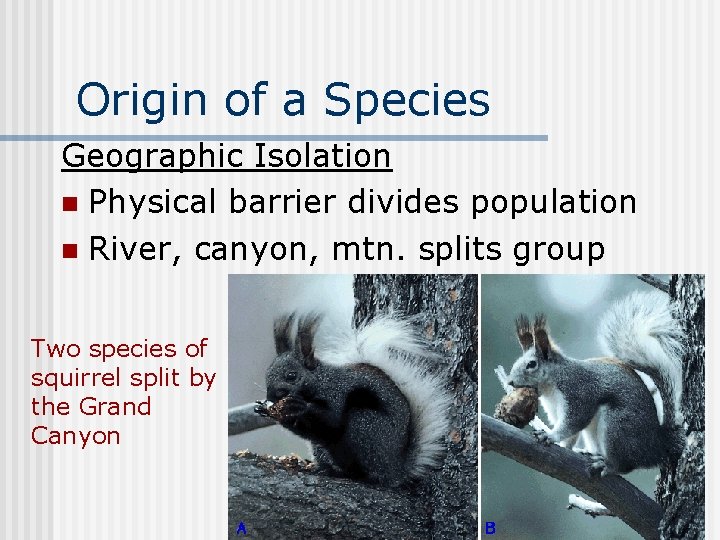
Origin of a Species Geographic Isolation n Physical barrier divides population n River, canyon, mtn. splits group Two species of squirrel split by the Grand Canyon
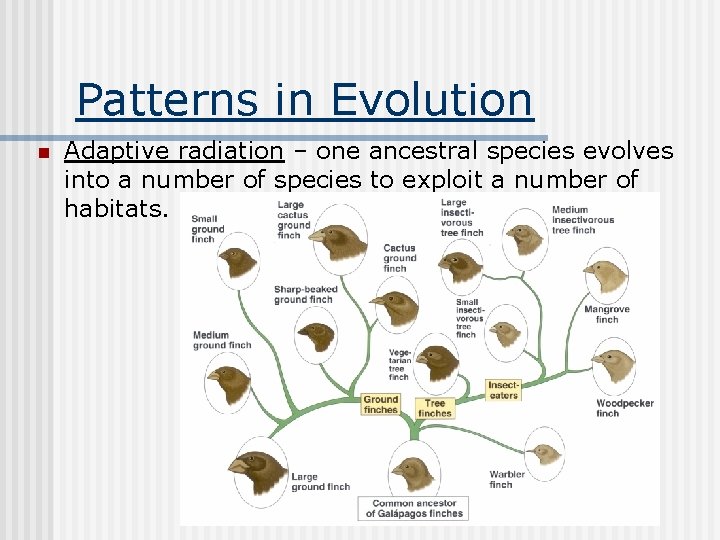
Patterns in Evolution n Adaptive radiation – one ancestral species evolves into a number of species to exploit a number of habitats.
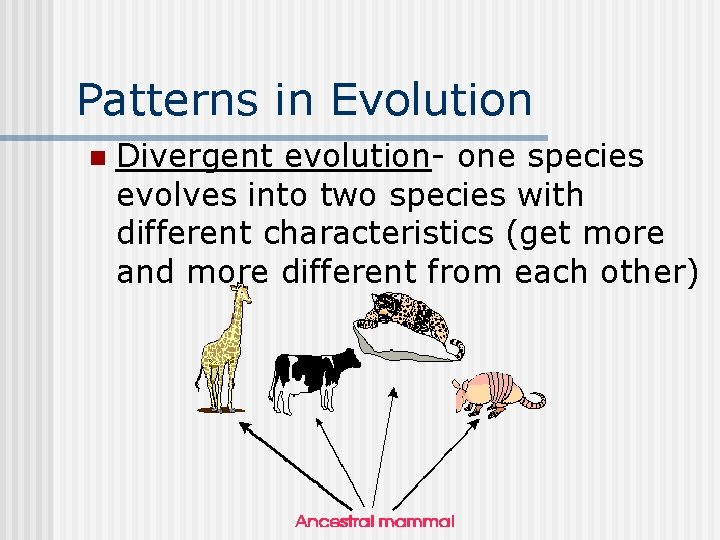
Patterns in Evolution n Divergent evolution- one species evolves into two species with different characteristics (get more and more different from each other)
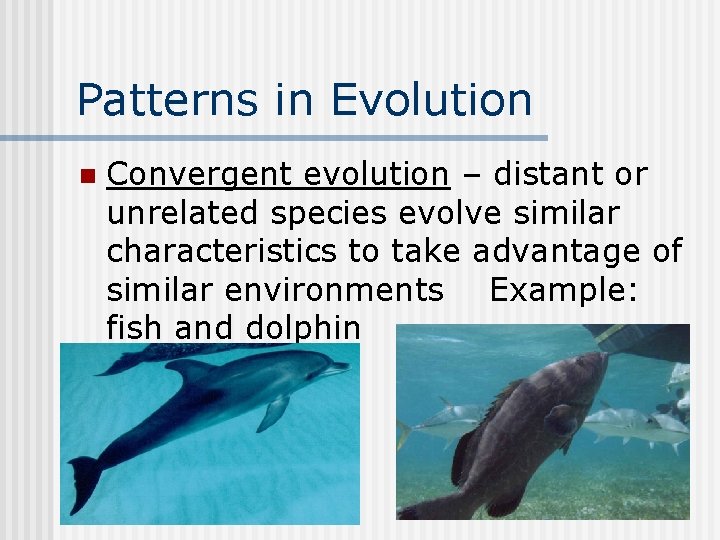
Patterns in Evolution n Convergent evolution – distant or unrelated species evolve similar characteristics to take advantage of similar environments Example: fish and dolphin