
Evolution and Human Health I Motivation Evolutionary principles
- Slides: 29
Evolution and Human Health
I. Motivation Evolutionary principles can contribute to understanding of origin and treatment of human disease Evolutionary perspective can supply the WHY of disease to complement the HOW of disease
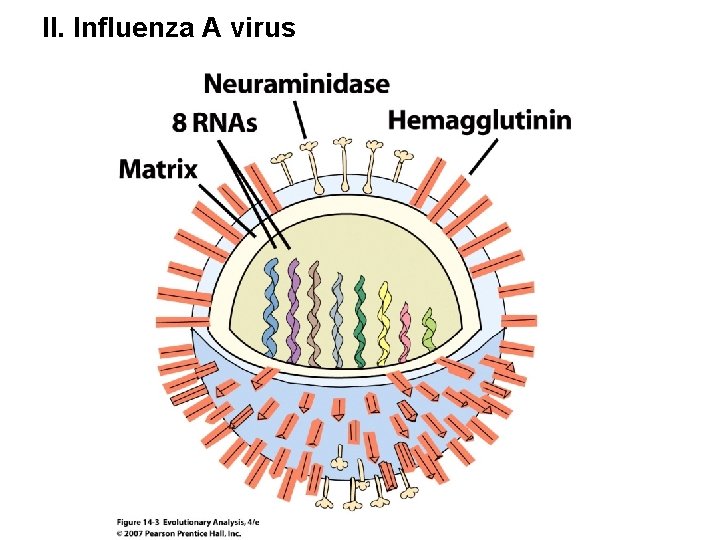
II. Influenza A virus
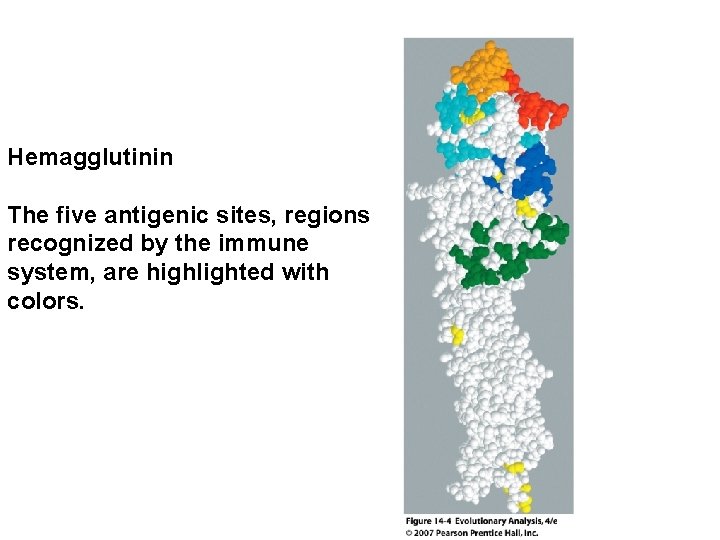
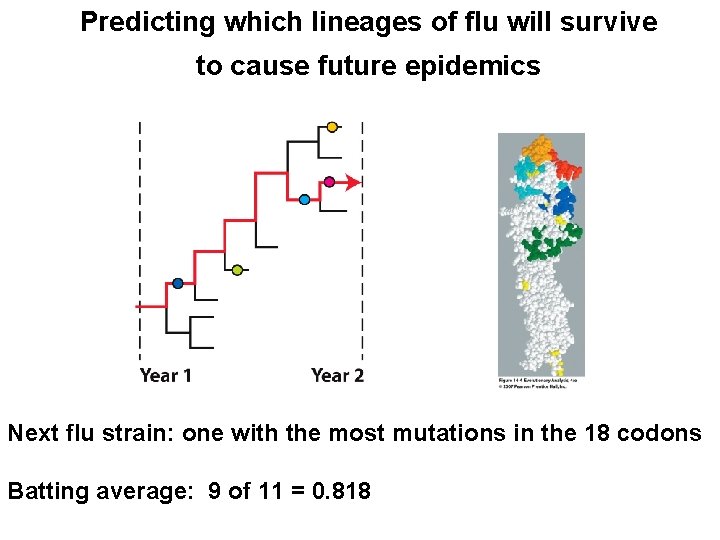
Hemagglutinin The five antigenic sites, regions recognized by the immune system, are highlighted with colors.
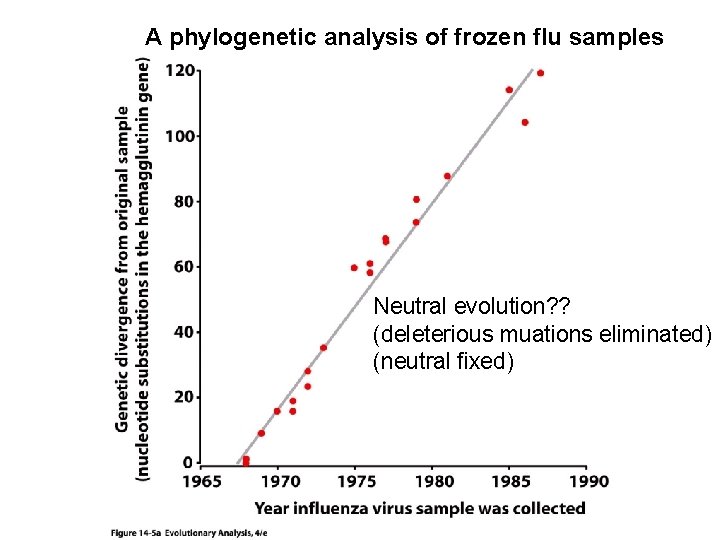
A phylogenetic analysis of frozen flu samples Neutral evolution? ? (deleterious muations eliminated) (neutral fixed)
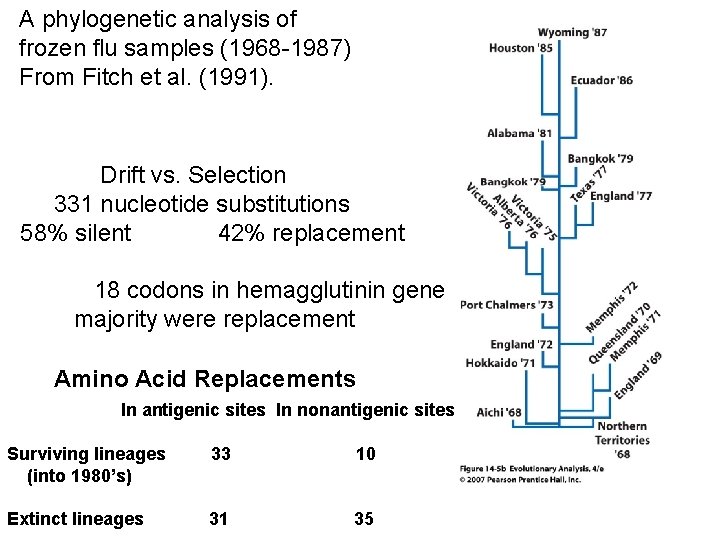
A phylogenetic analysis of frozen flu samples (1968 -1987) From Fitch et al. (1991). Drift vs. Selection 331 nucleotide substitutions 58% silent 42% replacement 18 codons in hemagglutinin gene majority were replacement Amino Acid Replacements In antigenic sites In nonantigenic sites Surviving lineages (into 1980’s) 33 10 Extinct lineages 31 35
Predicting which lineages of flu will survive to cause future epidemics Next flu strain: one with the most mutations in the 18 codons Batting average: 9 of 11 = 0. 818
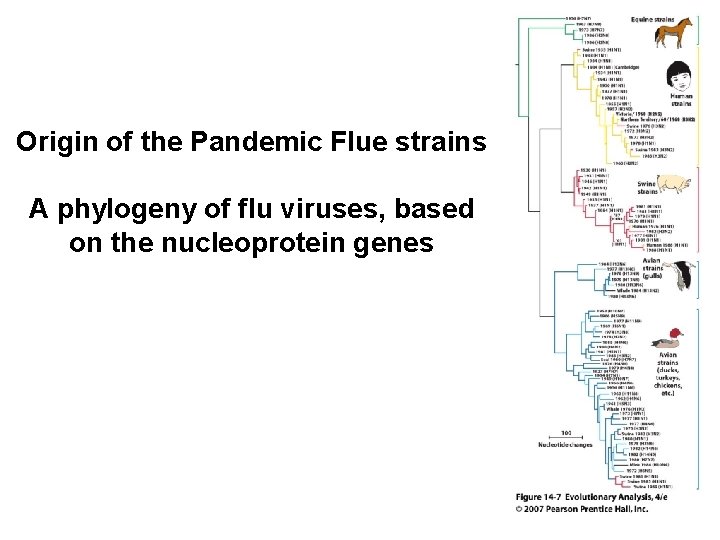
Origin of the Pandemic Flue strains A phylogeny of flu viruses, based on the nucleoprotein genes
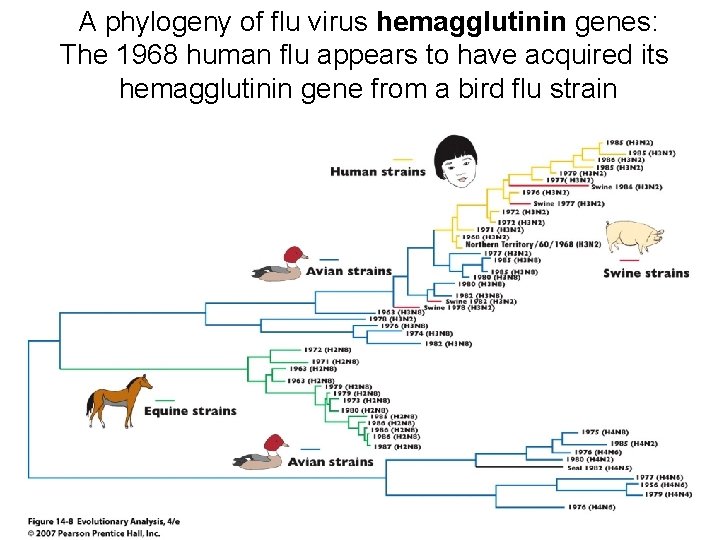
A phylogeny of flu virus hemagglutinin genes: The 1968 human flu appears to have acquired its hemagglutinin gene from a bird flu strain
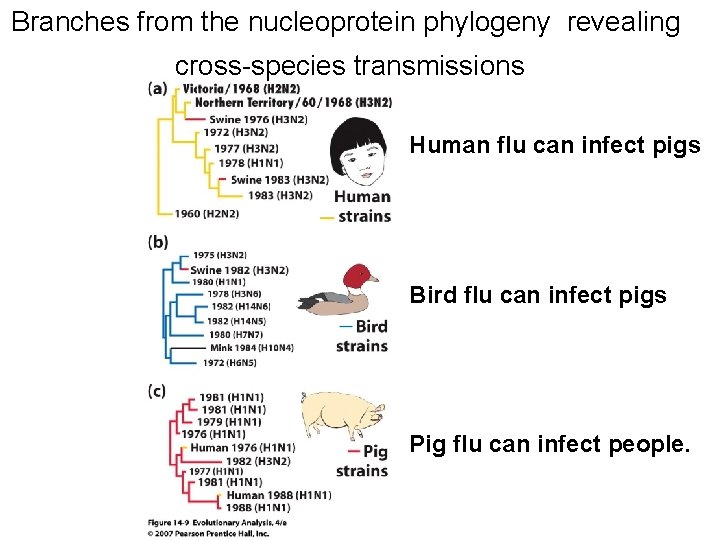
Branches from the nucleoprotein phylogeny revealing cross-species transmissions Human flu can infect pigs Bird flu can infect pigs Pig flu can infect people.
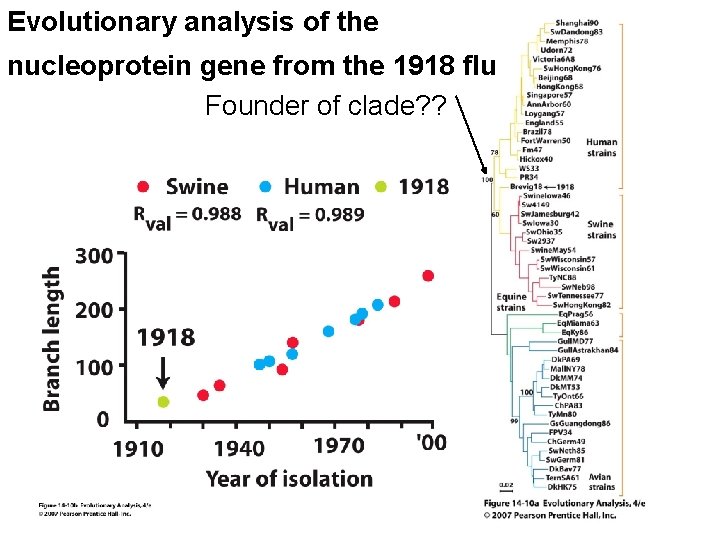
Evolutionary analysis of the nucleoprotein gene from the 1918 flu Founder of clade? ?
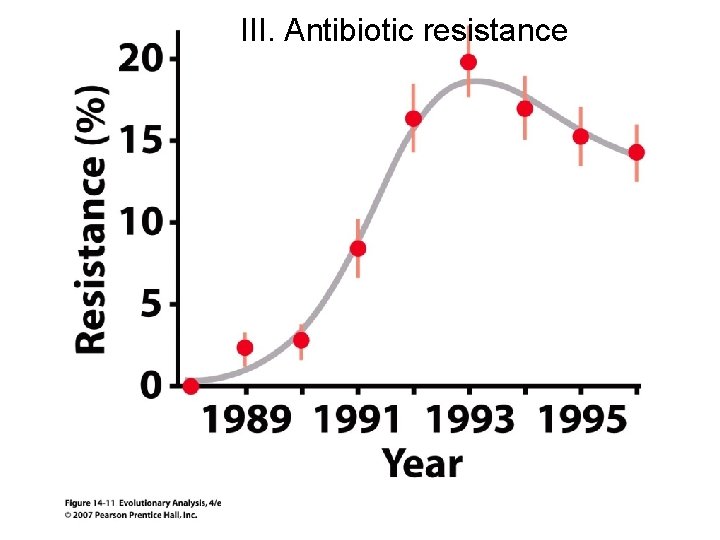
III. Antibiotic resistance
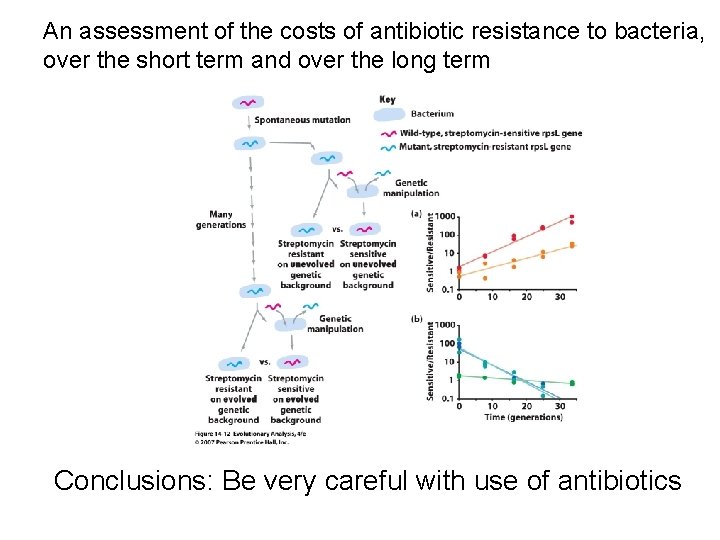
An assessment of the costs of antibiotic resistance to bacteria, over the short term and over the long term Conclusions: Be very careful with use of antibiotics
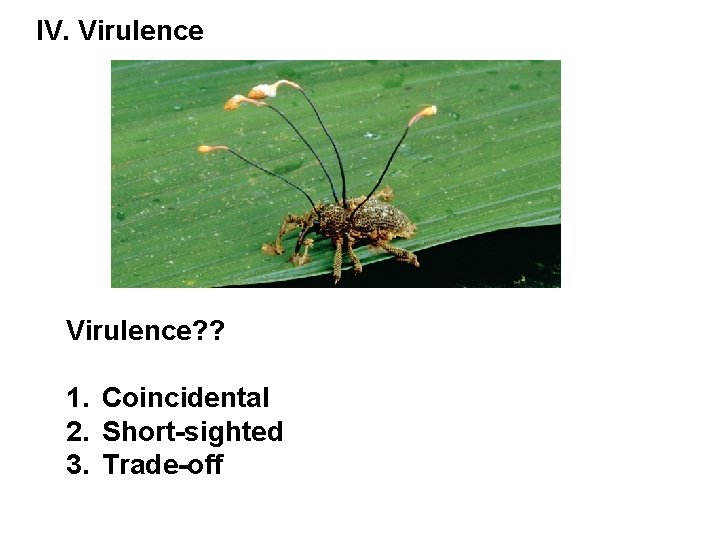
IV. Virulence? ? 1. Coincidental 2. Short-sighted 3. Trade-off
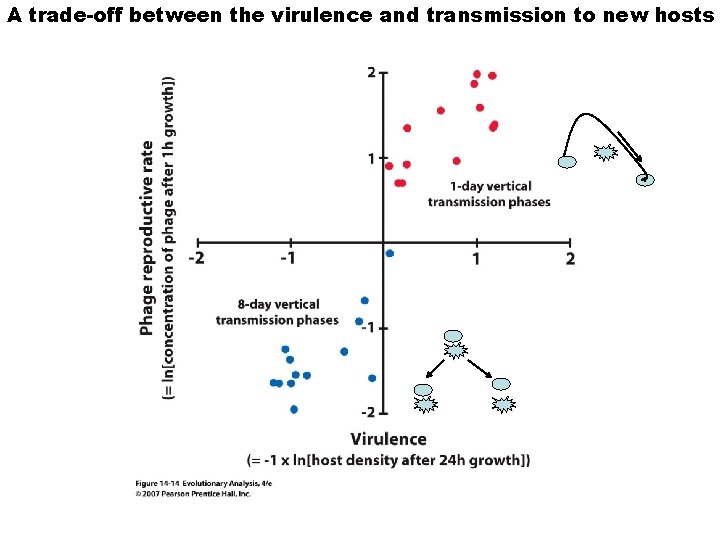
A trade-off between the virulence and transmission to new hosts
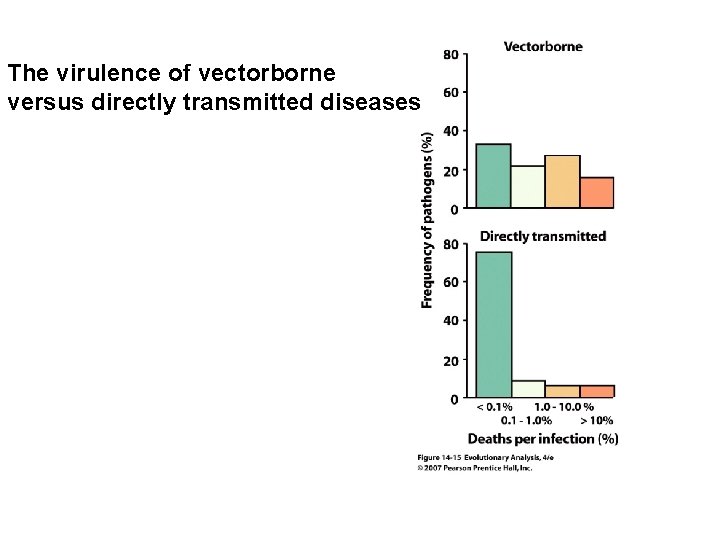
The virulence of vectorborne versus directly transmitted diseases
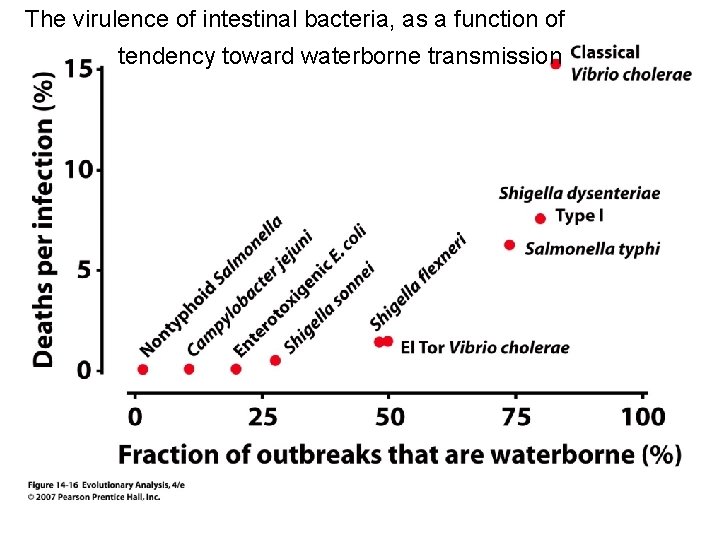
The virulence of intestinal bacteria, as a function of tendency toward waterborne transmission
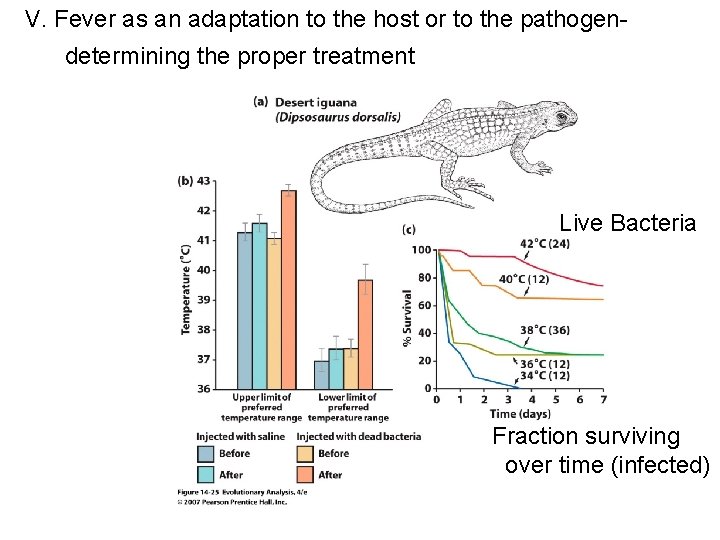
V. Fever as an adaptation to the host or to the pathogendetermining the proper treatment Live Bacteria Fraction surviving over time (infected)
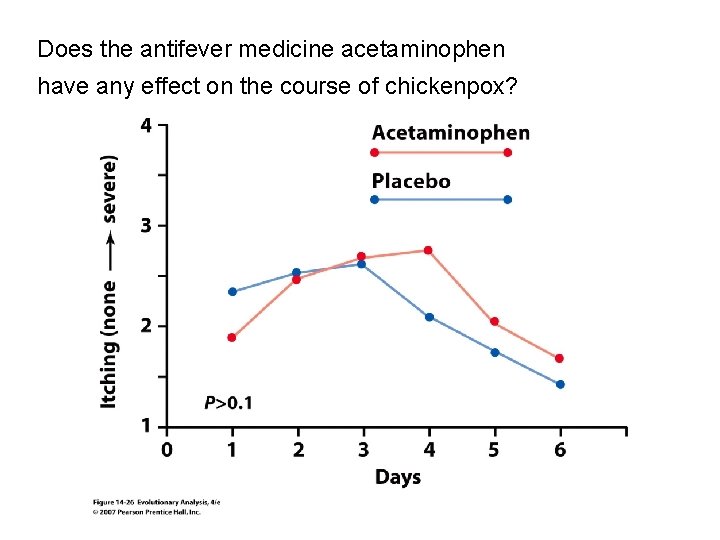
Does the antifever medicine acetaminophen have any effect on the course of chickenpox?
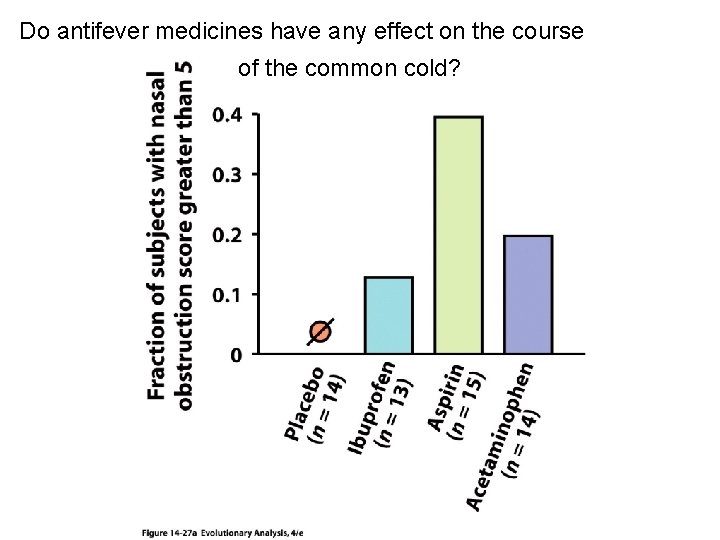
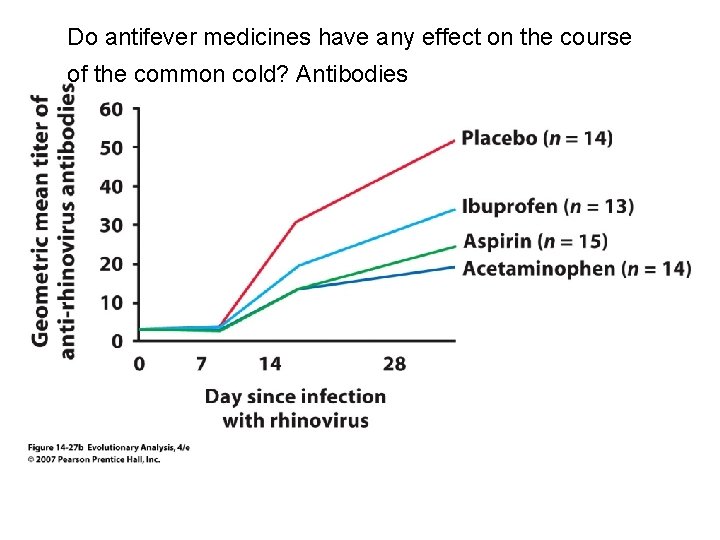
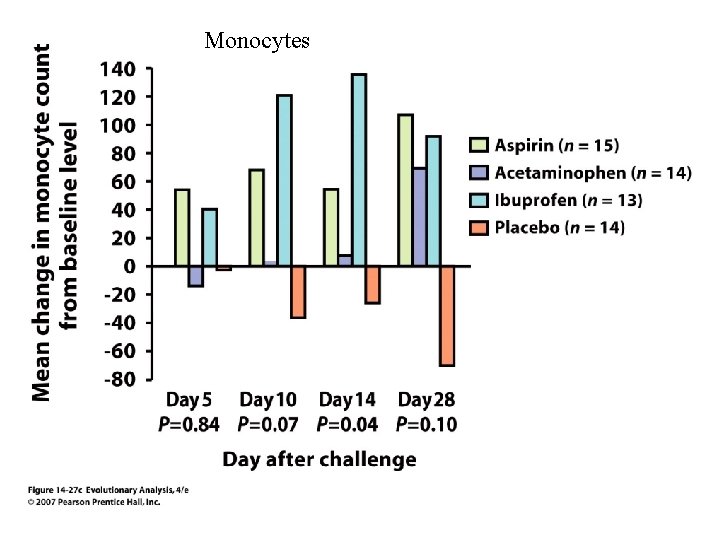
Do antifever medicines have any effect on the course of the common cold?
Do antifever medicines have any effect on the course of the common cold? Antibodies
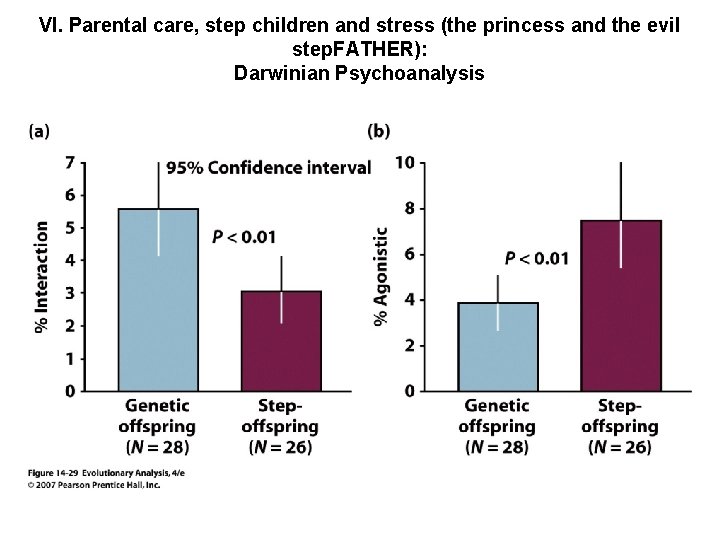
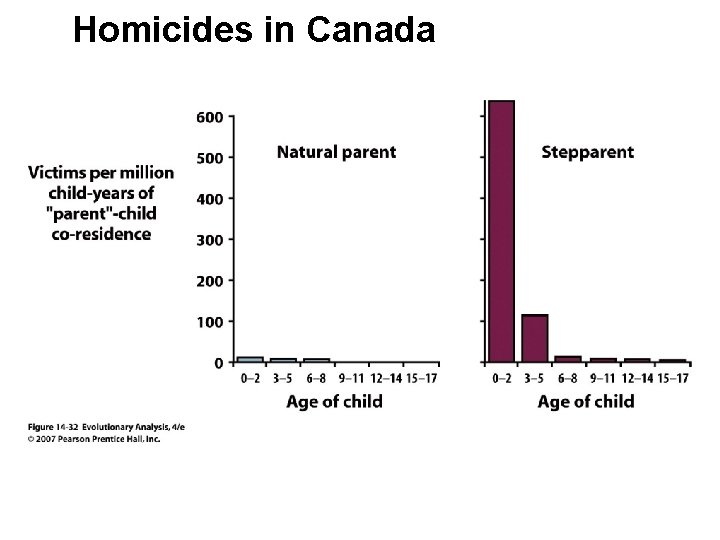
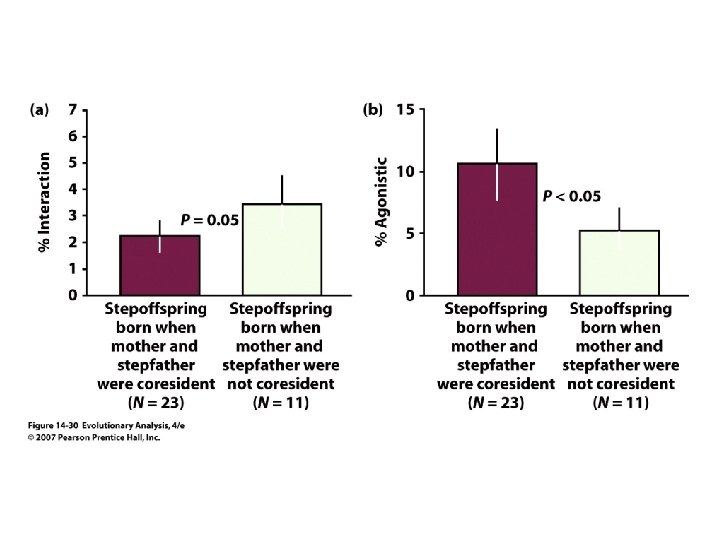
VI. Parental care, step children and stress (the princess and the evil step. FATHER): Darwinian Psychoanalysis
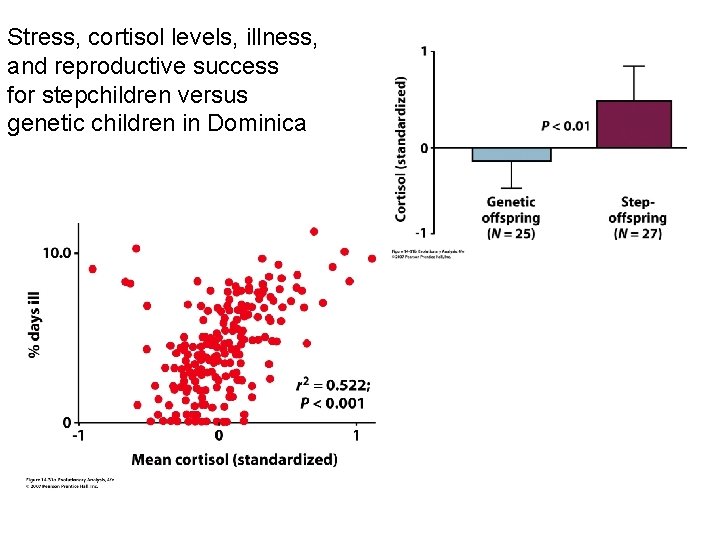
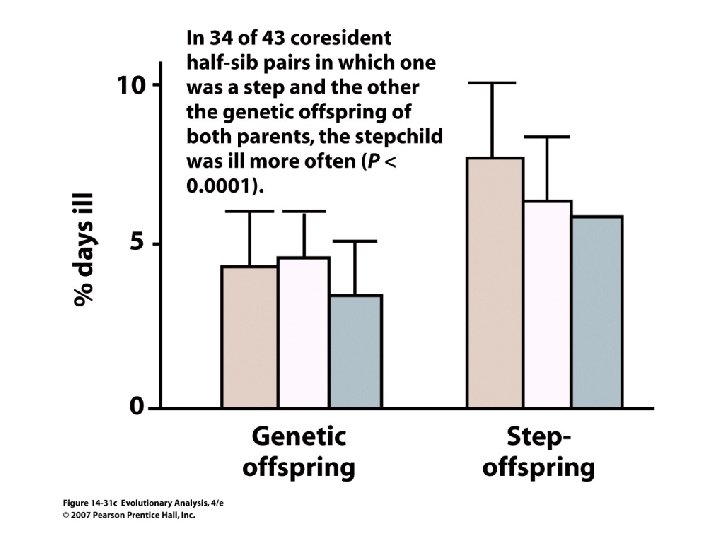
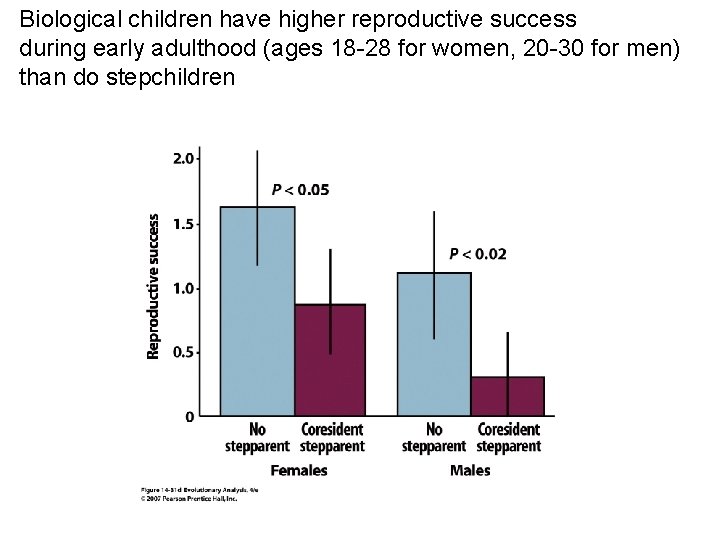
Stress, cortisol levels, illness, and reproductive success for stepchildren versus genetic children in Dominica
Biological children have higher reproductive success during early adulthood (ages 18 -28 for women, 20 -30 for men) than do stepchildren
Homicides in Canada
Summary • • • Flu Antibiotic resistance Virulence Fever Parental care, stress and illness, & reproductive success
Monocytes