
Evolution and Biodiversity Chapter 4 Key Concepts n
Evolution and Biodiversity Chapter 4
Key Concepts n Origins of life n Evolution and evolutionary processes n Ecological niches n Species formation n Species extinction
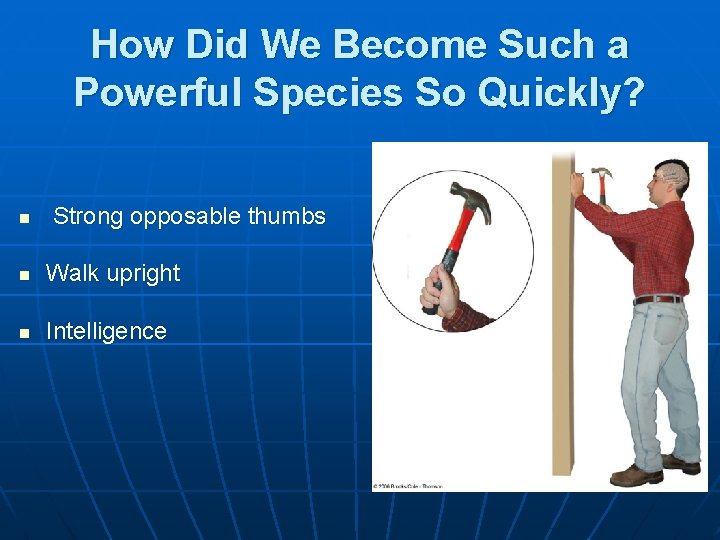
How Did We Become Such a Powerful Species So Quickly? n Strong opposable thumbs n Walk upright n Intelligence
Origin & Evolution of Life n Chemical evolution - 1 st billion yrs organic molecules, biopolymers & chemical rxns needed formation of first cells (Age of Earth = 4. 6 billion years) n Biological evolution first life 3. 7 bya (prokaryotes) “Populations - not individuals - evolve by becoming genetically different. ”
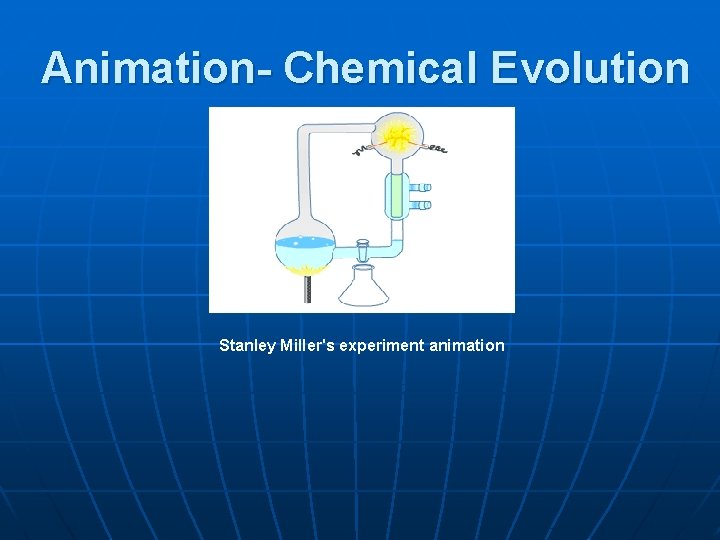
Animation- Chemical Evolution Stanley Miller's experiment animation
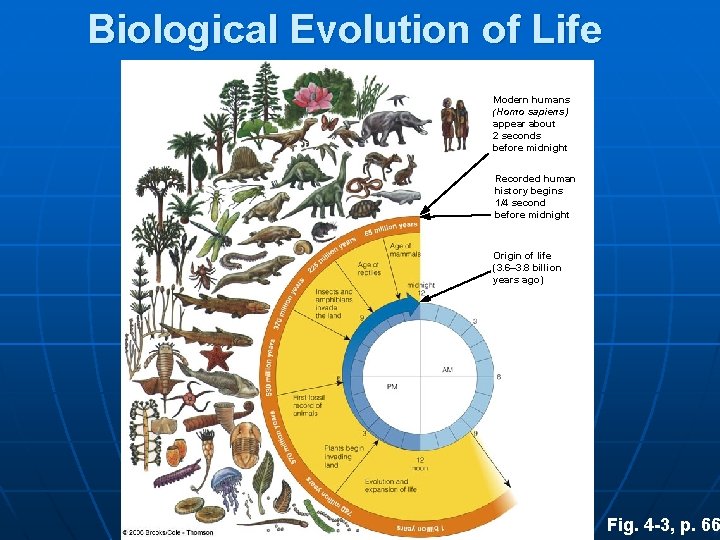
Biological Evolution of Life Modern humans (Homo sapiens) appear about 2 seconds before midnight Recorded human history begins 1/4 second before midnight Origin of life (3. 6– 3. 8 billion years ago) Fig. 4 -3, p. 66
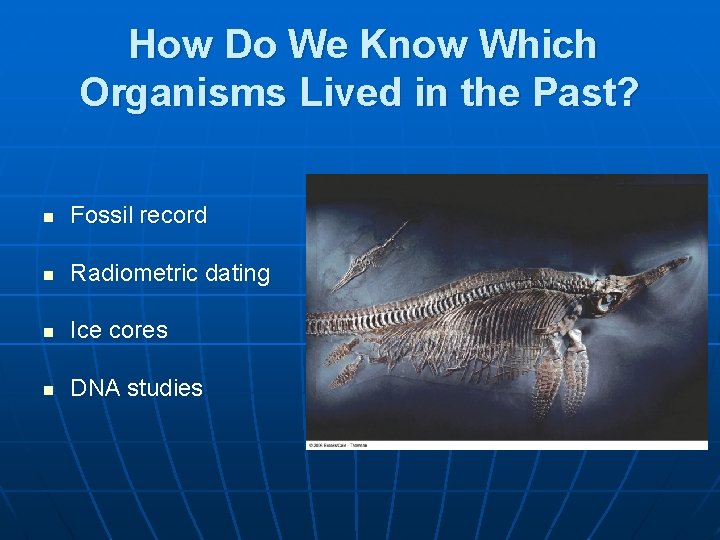
How Do We Know Which Organisms Lived in the Past? n Fossil record n Radiometric dating n Ice cores n DNA studies
Biological Evolution n Evolution= change in populations genetic makeup over n “Theory” of evolution= All species descended from earlier, n Microevolution= small genetic changes in a population n Macroevolution= long-term, large scale time (“Populations - not individuals - evolve by becoming genetically different. ”) ancestral species evolutionary changes (speciation, extinction)
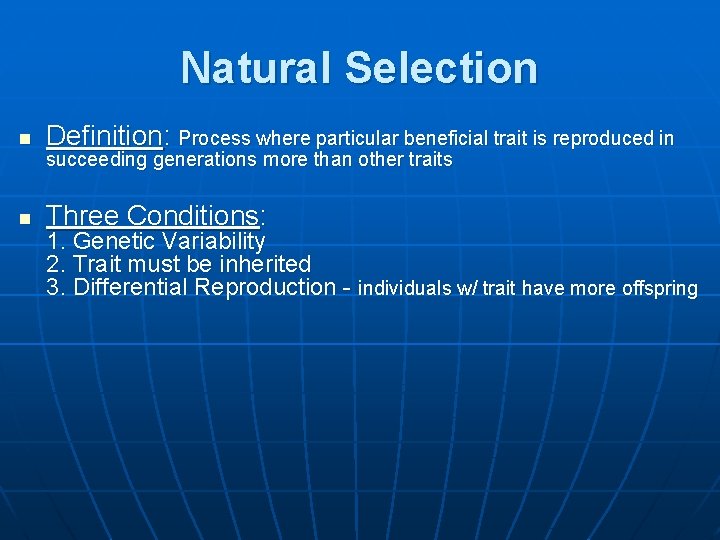
Natural Selection n Definition: Process where particular beneficial trait is reproduced in n Three Conditions: succeeding generations more than other traits 1. Genetic Variability 2. Trait must be inherited 3. Differential Reproduction - individuals w/ trait have more offspring
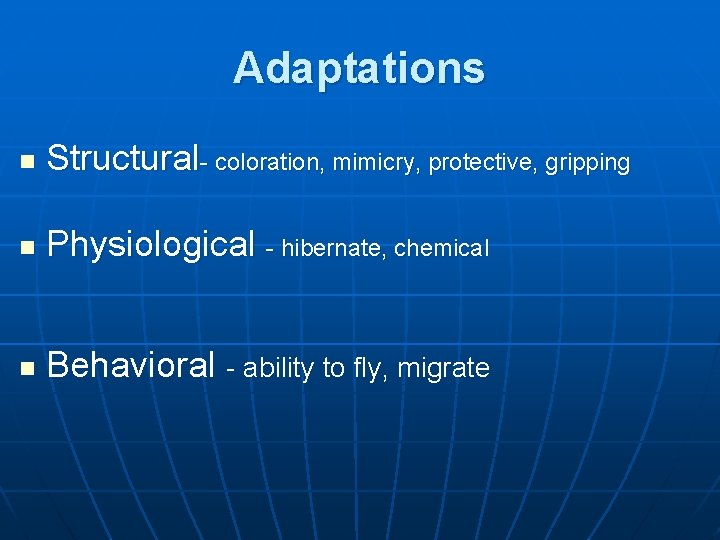
Adaptations n Structural- coloration, mimicry, protective, gripping n Physiological - hibernate, chemical n Behavioral - ability to fly, migrate
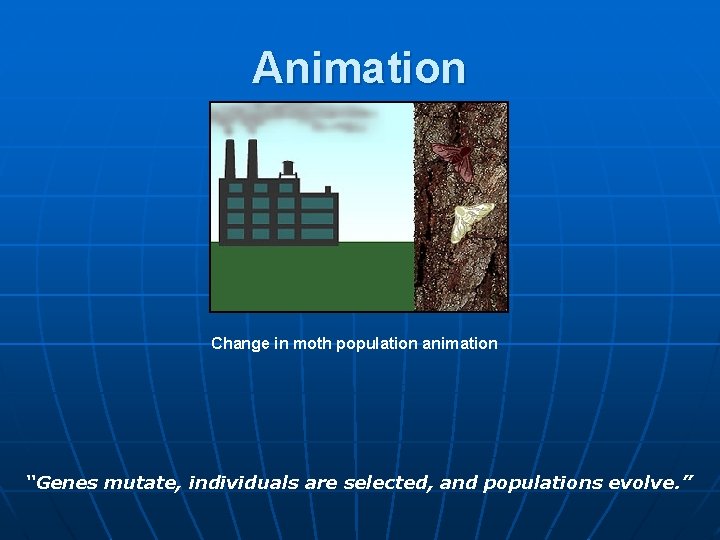
Animation Change in moth population animation “Genes mutate, individuals are selected, and populations evolve. ”
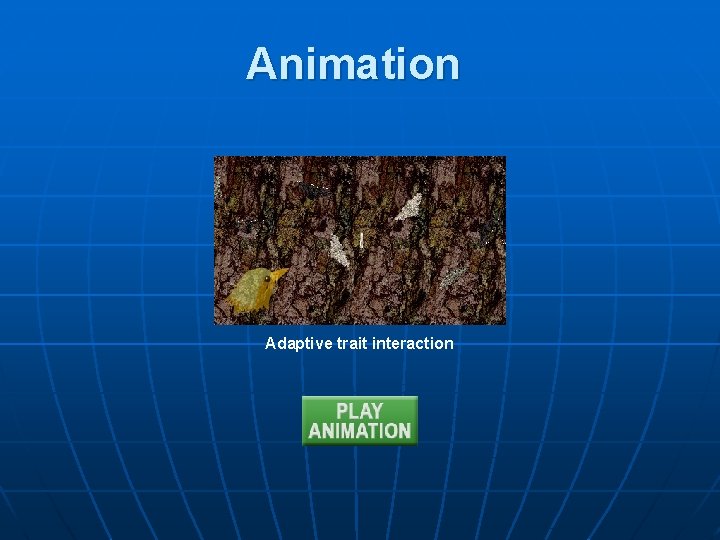
Animation Adaptive trait interaction
Ecological Niches and Adaptation n Ecological niche = occupation (role) n Habitats = address n Fundamental niche = no competition n Realized niche = with competition
Broad and Narrow Niches and Limits of Adaptation n Generalist species - broad niche n Specialist species - narrow niche, more extinctionprone under changing environmental conditions. Which is better? n Limits of adaptation- gene pool & reproductive capacity Refer to Spotlight, p. 72 - cockroaches
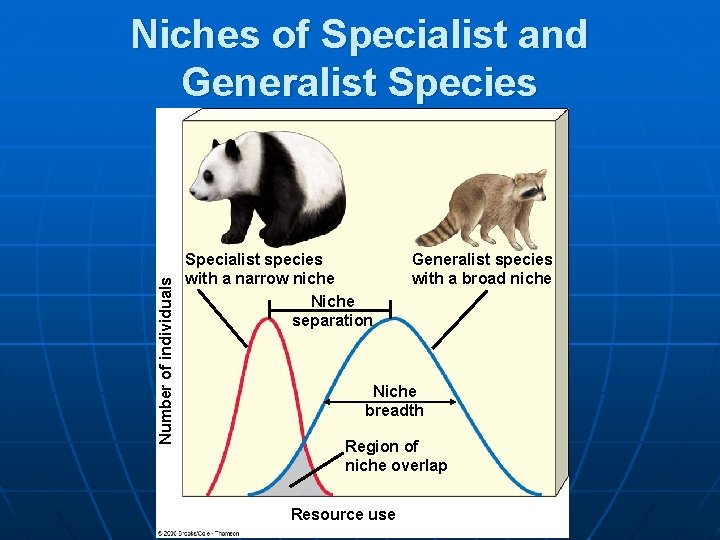
Number of individuals Niches of Specialist and Generalist Species Specialist species with a narrow niche Niche separation Generalist species with a broad niche Niche breadth Region of niche overlap Resource use
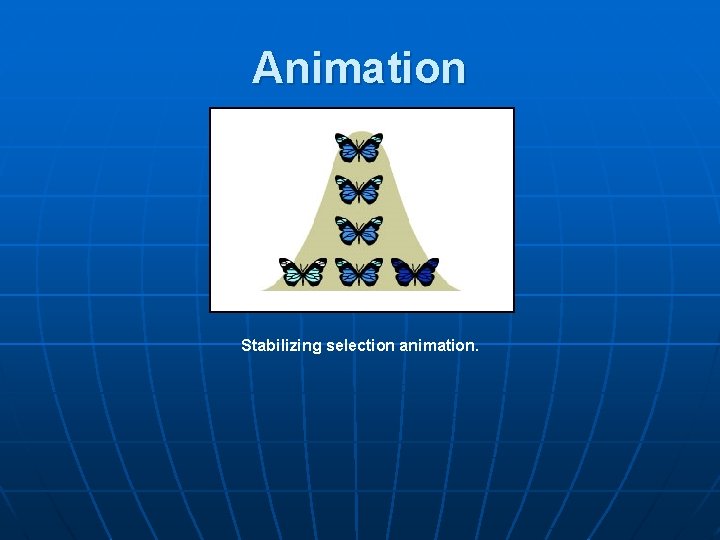
Animation Stabilizing selection animation.
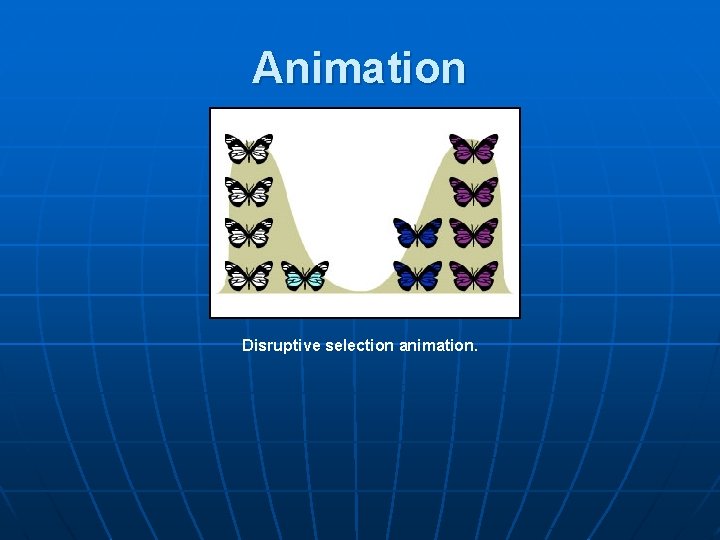
Animation Disruptive selection animation.
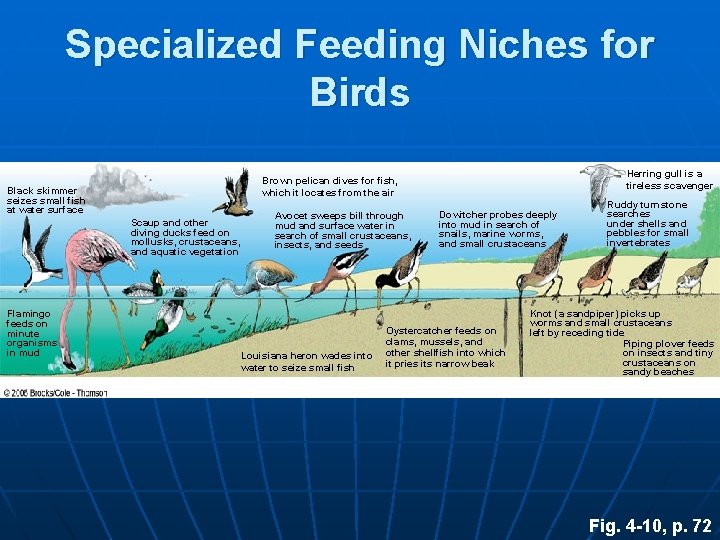
Specialized Feeding Niches for Birds Black skimmer seizes small fish at water surface Scaup and other diving ducks feed on mollusks, crustaceans, and aquatic vegetation Flamingo feeds on minute organisms in mud Herring gull is a tireless scavenger Brown pelican dives for fish, which it locates from the air Avocet sweeps bill through mud and surface water in search of small crustaceans, insects, and seeds Louisiana heron wades into water to seize small fish Dowitcher probes deeply into mud in search of snails, marine worms, and small crustaceans Oystercatcher feeds on clams, mussels, and other shellfish into which it pries its narrow beak Ruddy turnstone searches under shells and pebbles for small invertebrates Knot (a sandpiper) picks up worms and small crustaceans left by receding tide Piping plover feeds on insects and tiny crustaceans on sandy beaches Fig. 4 -10, p. 72
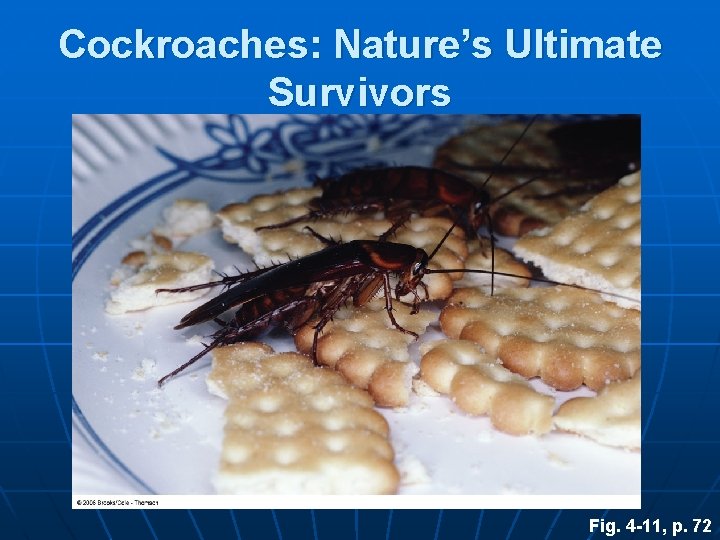
Cockroaches: Nature’s Ultimate Survivors Fig. 4 -11, p. 72
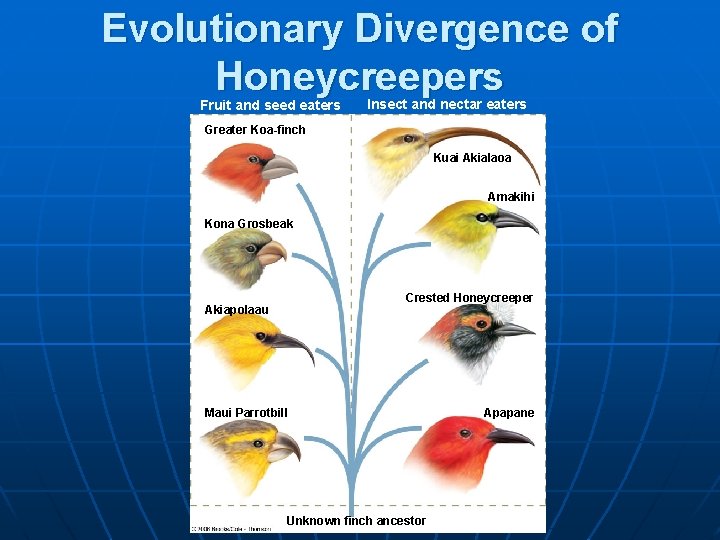
Evolutionary Divergence of Honeycreepers Fruit and seed eaters Insect and nectar eaters Greater Koa-finch Kuai Akialaoa Amakihi Kona Grosbeak Crested Honeycreeper Akiapolaau Maui Parrotbill Unknown finch ancestor Apapane
Misconceptions of Evolution n “Survival of the fittest” n “Progress to perfection” Fitness = reproductive success ≠ strongest
Speciation n What is speciation? n Geographic isolation n Reproduction isolation mutation & natural selection operate independently in gene pools of geographically isolated populations original populations become genetically distinctunable to produce live, fertile offspring
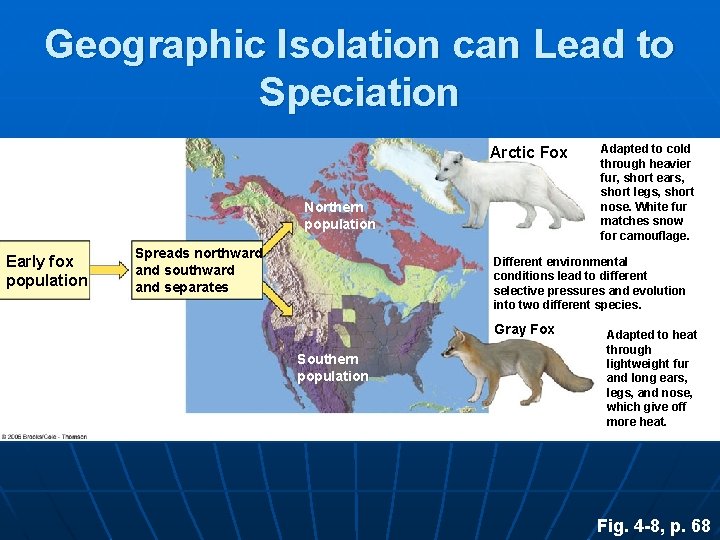
Geographic Isolation can Lead to Speciation Arctic Fox Northern population Early fox population Spreads northward and southward and separates Adapted to cold through heavier fur, short ears, short legs, short nose. White fur matches snow for camouflage. Different environmental conditions lead to different selective pressures and evolution into two different species. Gray Fox Southern population Adapted to heat through lightweight fur and long ears, legs, and nose, which give off more heat. Fig. 4 -8, p. 68
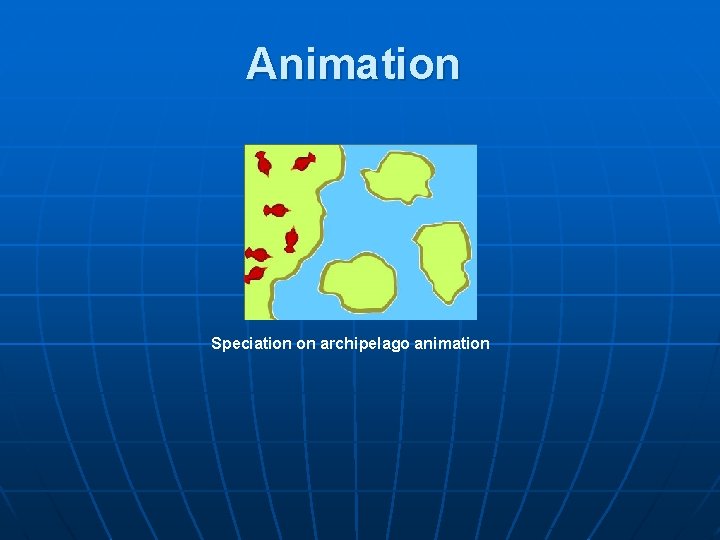
Animation Speciation on archipelago animation
Factors Leading to Extinction n Plate tectonics n Climatic changes over time n Natural catastrophes n Human impacts
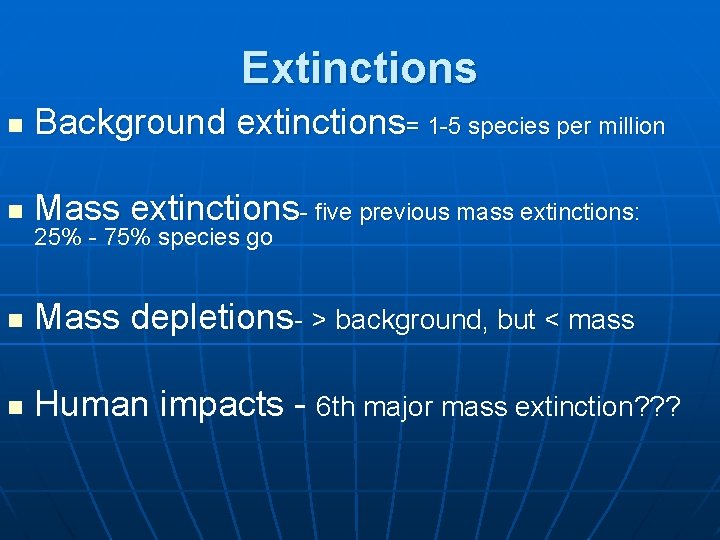
Extinctions n Background extinctions= 1 -5 species per million n Mass extinctions- five previous mass extinctions: n Mass depletions- > background, but < mass n Human impacts - 6 th major mass extinction? ? ? 25% - 75% species go
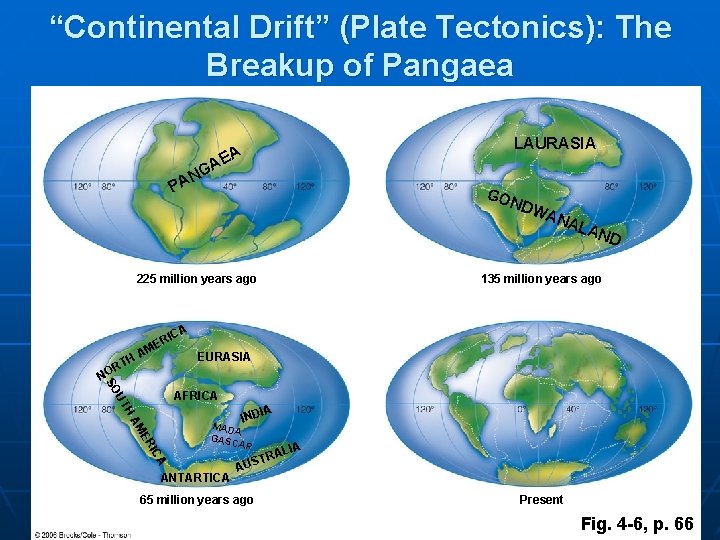
“Continental Drift” (Plate Tectonics): The Breakup of Pangaea LAURASIA EA GA N A P GO NDW ANA L AND 225 million years ago 135 million years ago A IC ER H RT AM EURASIA U SO NO AFRICA TH IA AM IND A IC ER MAD A GASC A ANTARTICA R A ALI R T AUS 65 million years ago Present Fig. 4 -6, p. 66
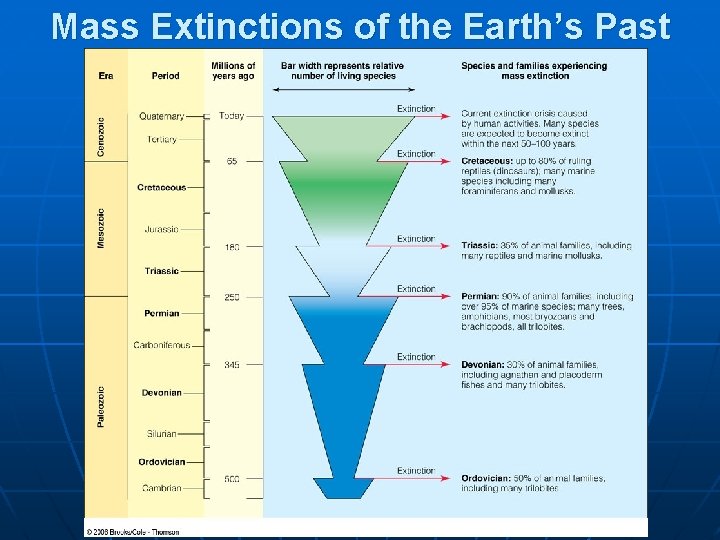
Mass Extinctions of the Earth’s Past
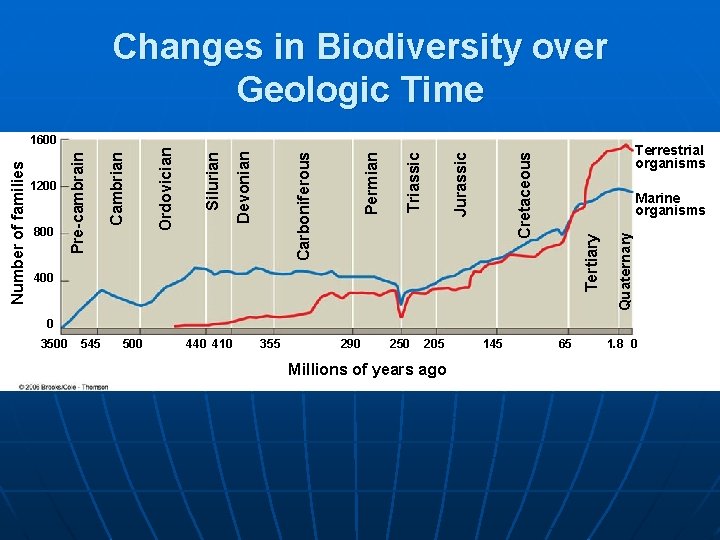
Changes in Biodiversity over Geologic Time Terrestrial organisms Cretaceous 400 Quaternary Marine organisms Tertiary Jurassic Triassic Permian Carboniferous Devonian Silurian Ordovician 800 Cambrian 1200 Pre-cambrain Number of families 1600 0 3500 545 500 440 410 355 290 250 205 Millions of years ago 145 65 1. 8 0
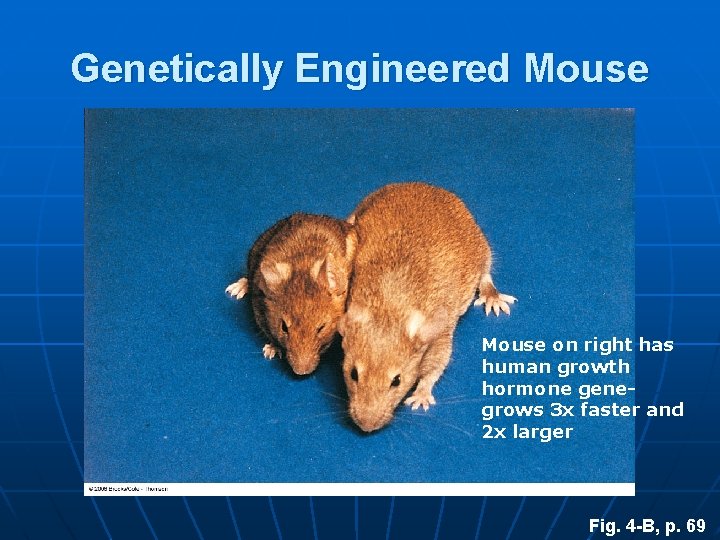
Genetically Engineered Mouse on right has human growth hormone genegrows 3 x faster and 2 x larger Fig. 4 -B, p. 69
- Slides: 30