
Evolution and Adaptations Evolution Simple Definition change over
- Slides: 77
Evolution and Adaptations
Evolution Simple Definition – change over time Complicated Definition – process by which modern organisms have descended from ancient organisms
History of Evolution • Charles Darwin – Flunked out of medical school – Sailed around the world on a boat called the HMS Beagle – Made many observations about animals around the world and collected evidence that led him to propose his hypothesis. • Birds, Tortoises – Concluded that Evolution happened because of Natural Selection
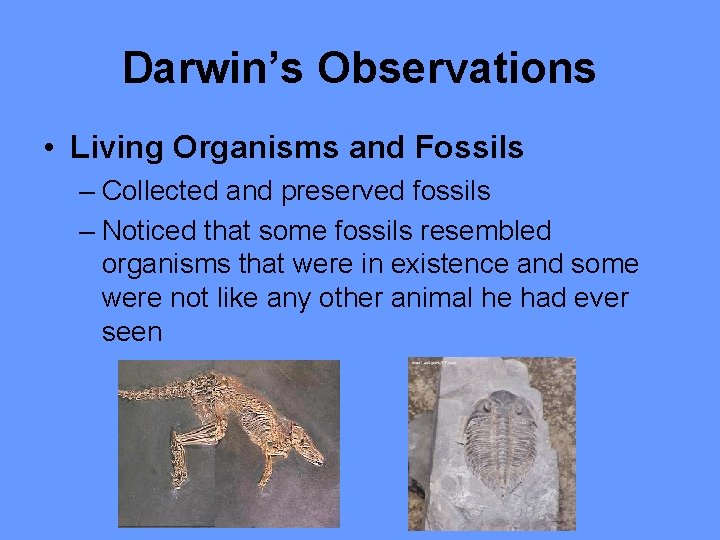
Darwin’s Observations • Living Organisms and Fossils – Collected and preserved fossils – Noticed that some fossils resembled organisms that were in existence and some were not like any other animal he had ever seen
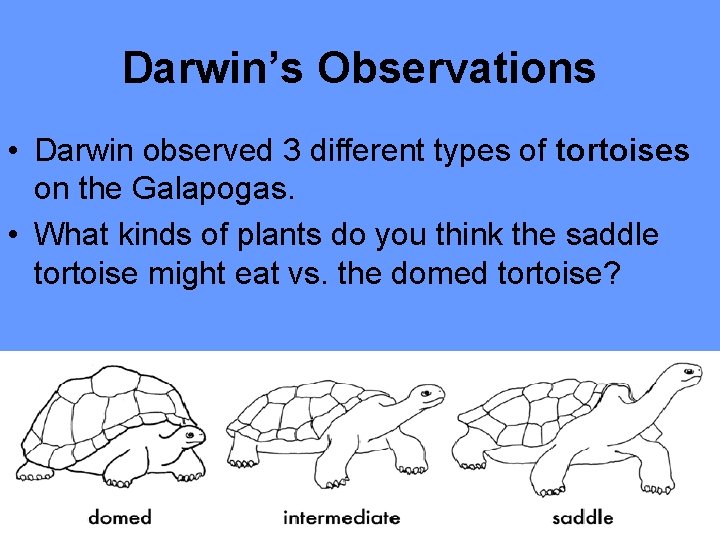
Darwin’s Observations • Darwin observed 3 different types of tortoises on the Galapogas. • What kinds of plants do you think the saddle tortoise might eat vs. the domed tortoise?
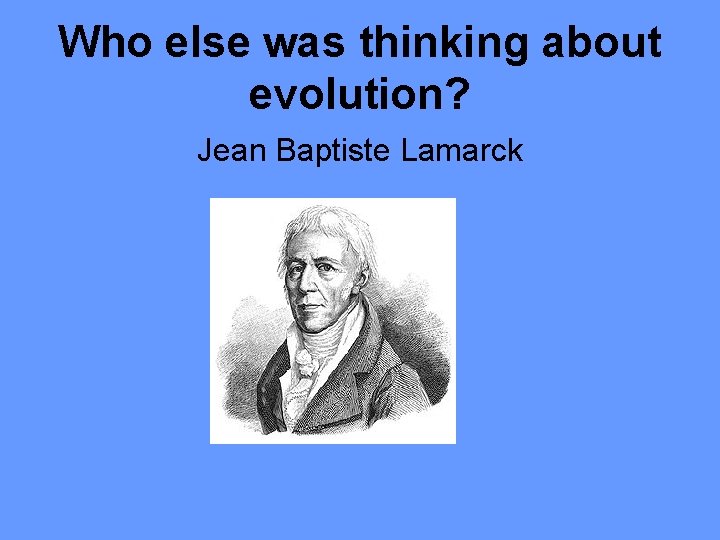
Who else was thinking about evolution? Jean Baptiste Lamarck
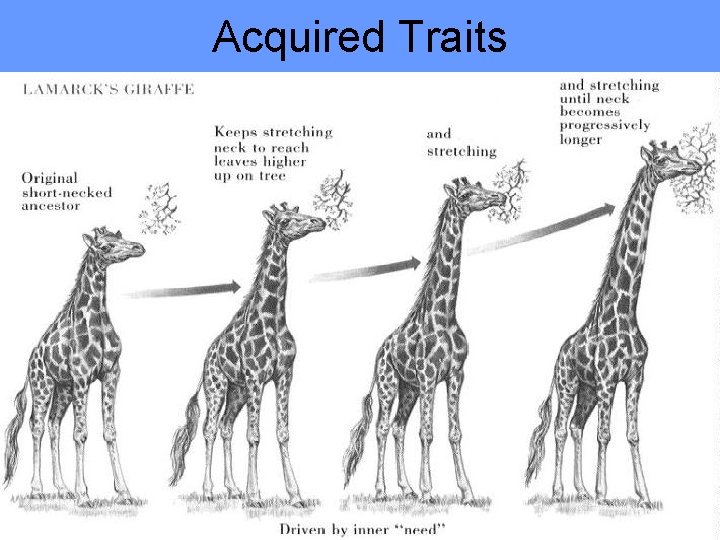
Jean Baptiste Lamarck • Disagreed with Darwin • Said that Evolution happened because of TRAITS that organisms ACQUIRED during their lifetime • Theory of Use/ Disuse – proposed that by selective USE or DISUSE of structures/ organs, organisms acquired or lost traits during their lifetime – These Acquired or Lost traits could then be passed on to the offspring
Why Lamarck was wrong • Vestigial Structures – Humans have an appendix – used to be used for digestion, but now it has no real purpose in the body, but we are still born with an appendix – Snakes have a pelvic bone and leg attachments in their skeletons, but they do not walk and they do not have legs – it is believed that snakes developed from crawling reptiles
Acquired Traits
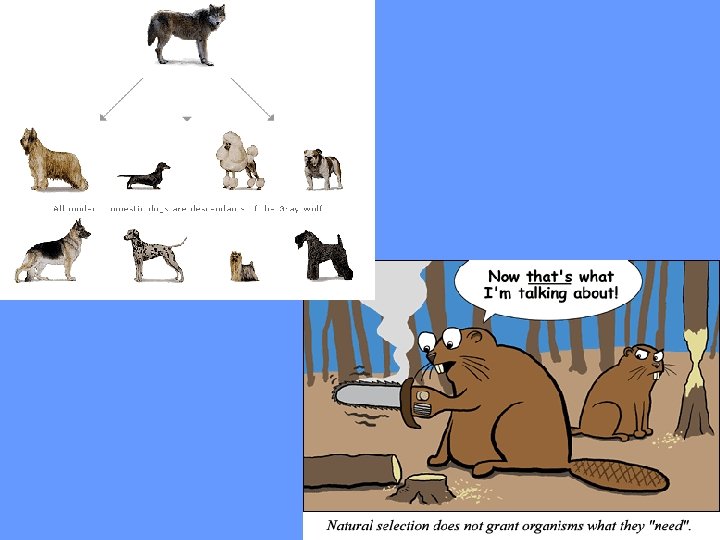
Artificial Selection vs. Natural Selection • Artificial Selection – purposefully breeding organisms that have the best traits – Farmers will breed the best cows in order to get the best meat or milk • Natural Selection – organisms that are most adapted to their environment will mate with each other to pass on their genes to the next generation – Have the greatest fitness
Natural Selection • Definition – process by which traits become MORE or LESS common in a population – 4 principles of Natural Selection • Variation – individuals in a population are different from one another • Heritability – variations are inherited from parents • Overproduction – populations produce more offspring than can survive • Reproductive Advantage – some variations allow organisms to have more babies than others
Survival of the Fittest • Fitness – an organisms ability to survive on its own and to produce viable offspring • More fitness an organism has, the better chances it has to pass on its genes to the next generation • Adaptation – any inherited characteristic that increases an organism’s chance of survival – increases its fitness
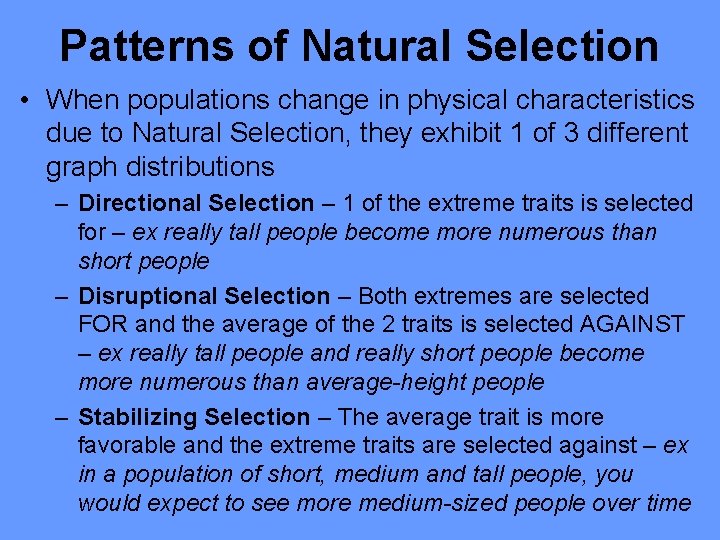
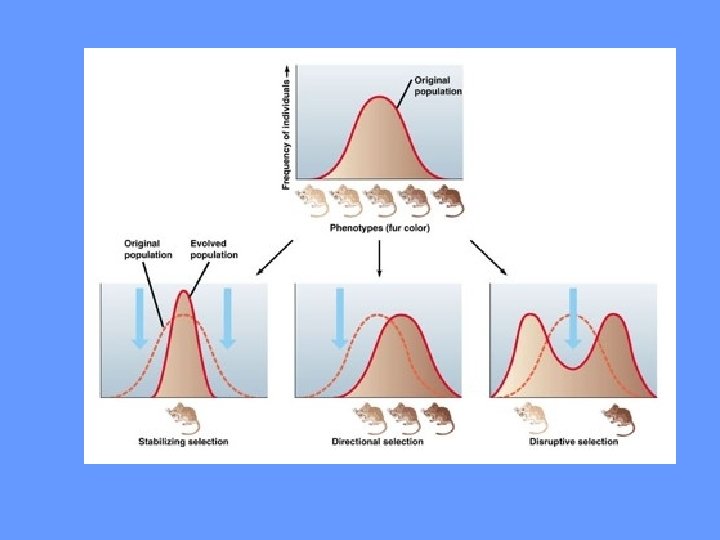
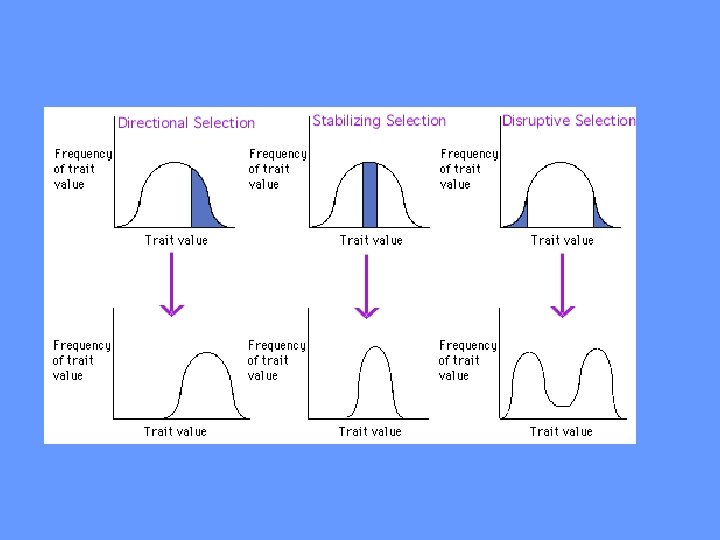
Patterns of Natural Selection • When populations change in physical characteristics due to Natural Selection, they exhibit 1 of 3 different graph distributions – Directional Selection – 1 of the extreme traits is selected for – ex really tall people become more numerous than short people – Disruptional Selection – Both extremes are selected FOR and the average of the 2 traits is selected AGAINST – ex really tall people and really short people become more numerous than average-height people – Stabilizing Selection – The average trait is more favorable and the extreme traits are selected against – ex in a population of short, medium and tall people, you would expect to see more medium-sized people over time
Evidences of Evolution
5 pieces of Evidence to support Evolution
Evidence 1: Homology
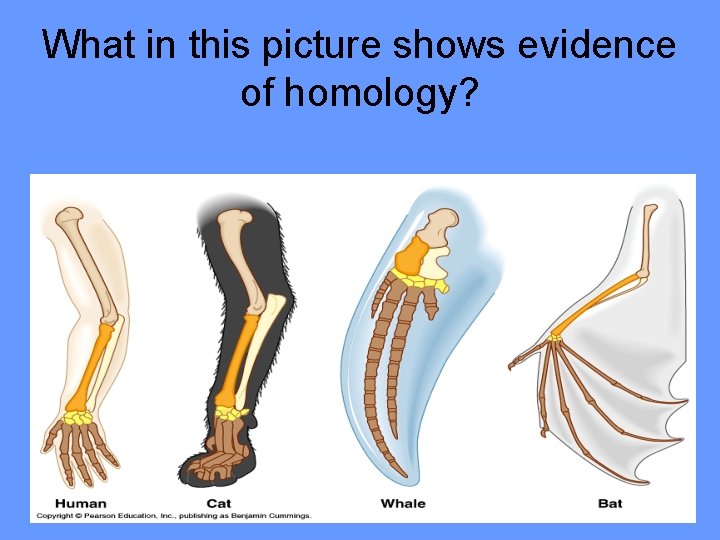
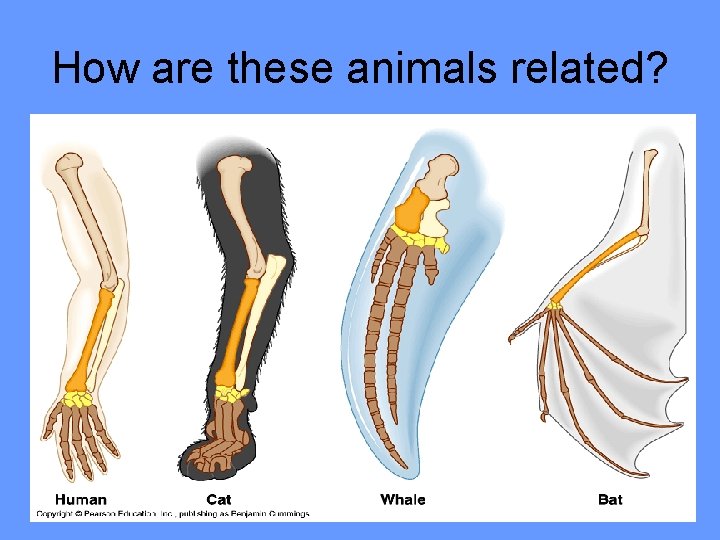
Homology • Structures in different species that have a common evolutionary ancestry or a common developmental ancestry. – They may or may not have the same function in both species. • Can you think of some homologous structures? Remember the animals must be related.
What in this picture shows evidence of homology?
How are these animals related?
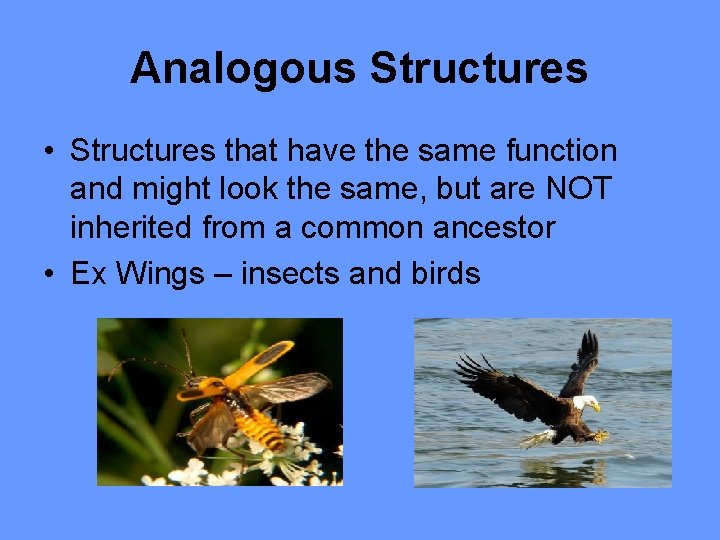
Analogous Structures • Structures that have the same function and might look the same, but are NOT inherited from a common ancestor • Ex Wings – insects and birds
Homology or Analogy • Whales are mammals and sharks are not, yet they both have fins for swimming – are these structures Analogous or Homologous? • A duckbill platypus has fur, so does a polar bear – are these structures analogous or homologous?
Evidence 2: Comparative Embryology
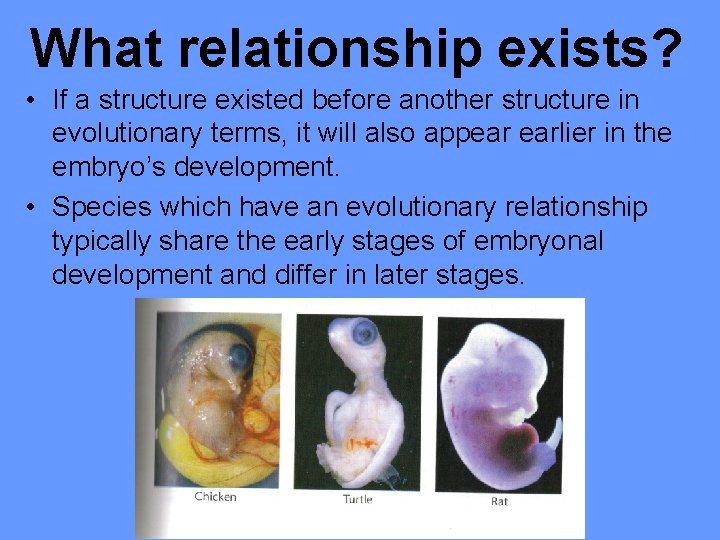
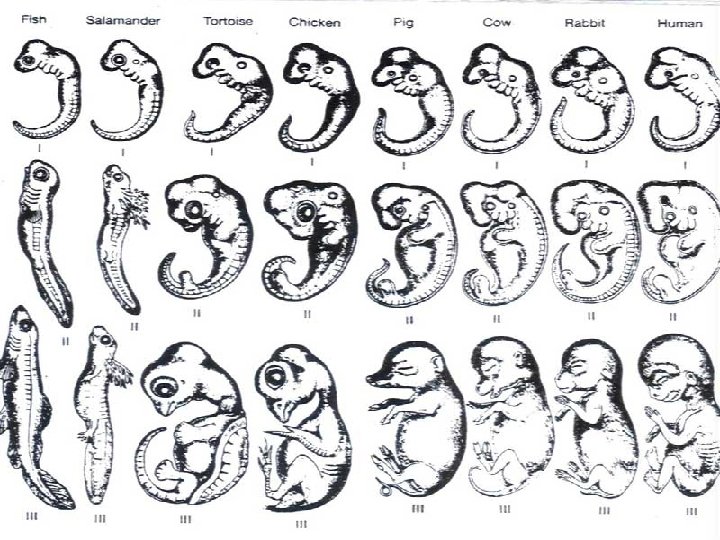
What relationship exists? • If a structure existed before another structure in evolutionary terms, it will also appear earlier in the embryo’s development. • Species which have an evolutionary relationship typically share the early stages of embryonal development and differ in later stages.
Evidence 3: Genetics and DNA Similarities (Molecular Evidence)
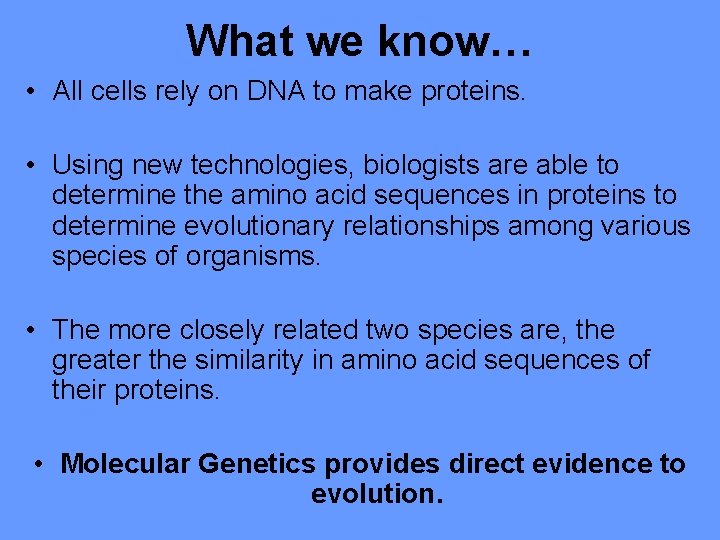
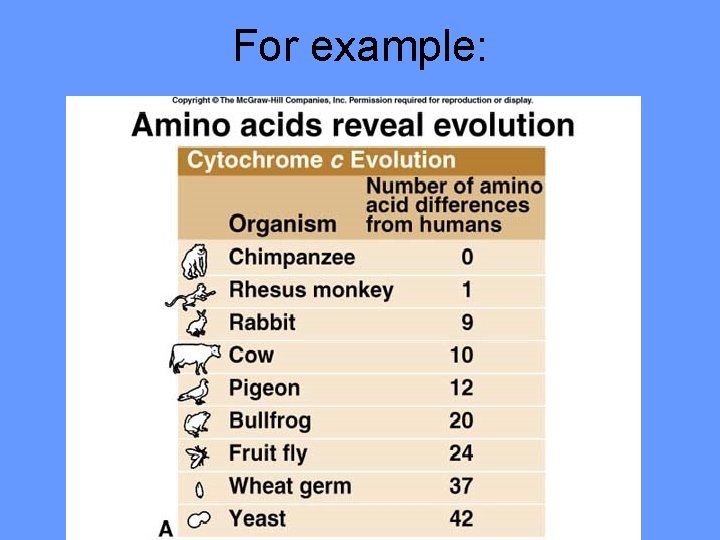
What we know… • All cells rely on DNA to make proteins. • Using new technologies, biologists are able to determine the amino acid sequences in proteins to determine evolutionary relationships among various species of organisms. • The more closely related two species are, the greater the similarity in amino acid sequences of their proteins. • Molecular Genetics provides direct evidence to evolution.
For example:
Evidence 4: Fossil Record
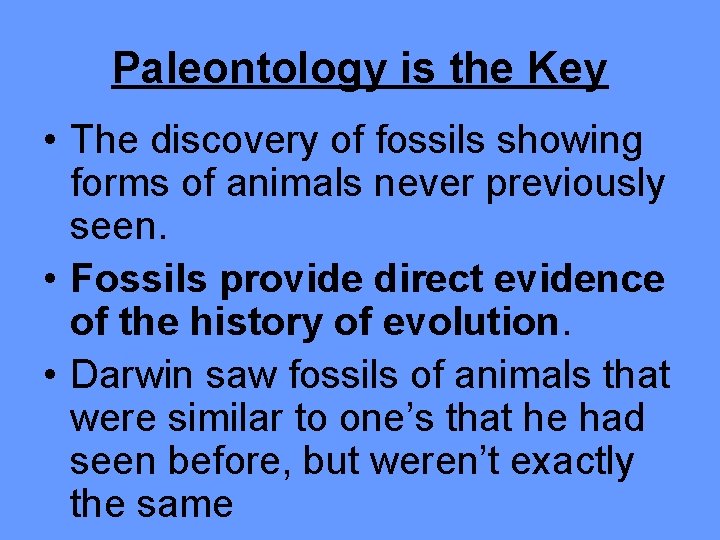
Paleontology is the Key • The discovery of fossils showing forms of animals never previously seen. • Fossils provide direct evidence of the history of evolution. • Darwin saw fossils of animals that were similar to one’s that he had seen before, but weren’t exactly the same
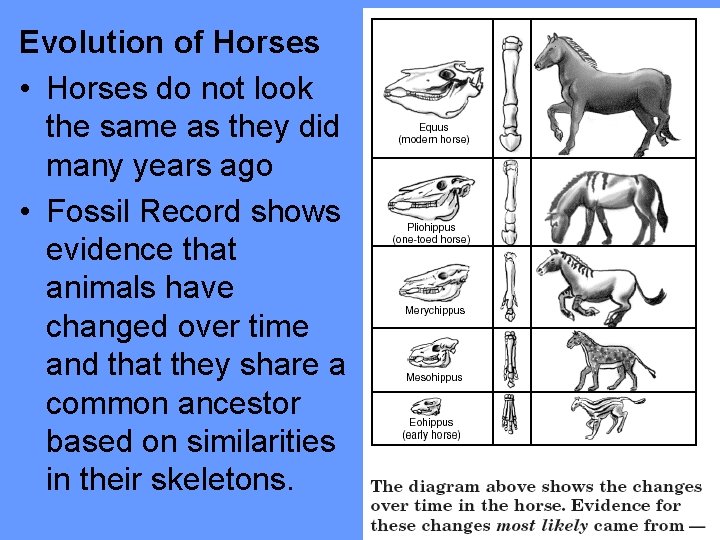
Evolution of Horses • Horses do not look the same as they did many years ago • Fossil Record shows evidence that animals have changed over time and that they share a common ancestor based on similarities in their skeletons.
Evidence 5: Biogeography
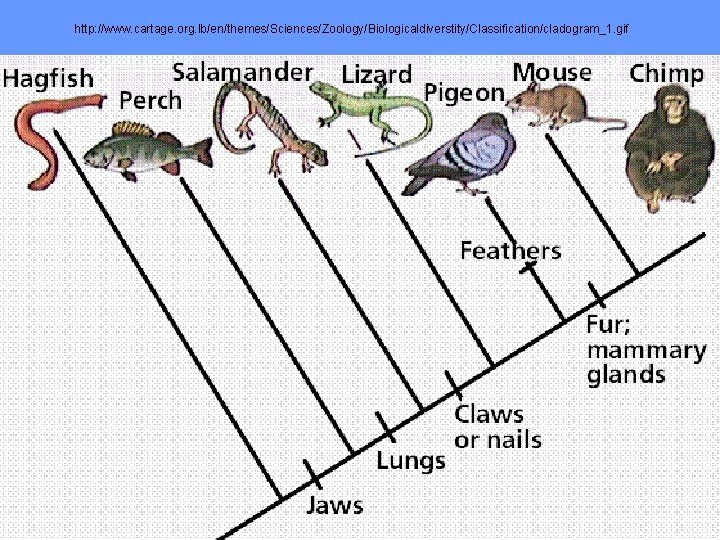
Historical Biogeography Concerned with the origins and histories of species • Fossil records • Cladograms
http: //www. cartage. org. lb/en/themes/Sciences/Zoology/Biologicaldiverstity/Classification/cladogram_1. gif
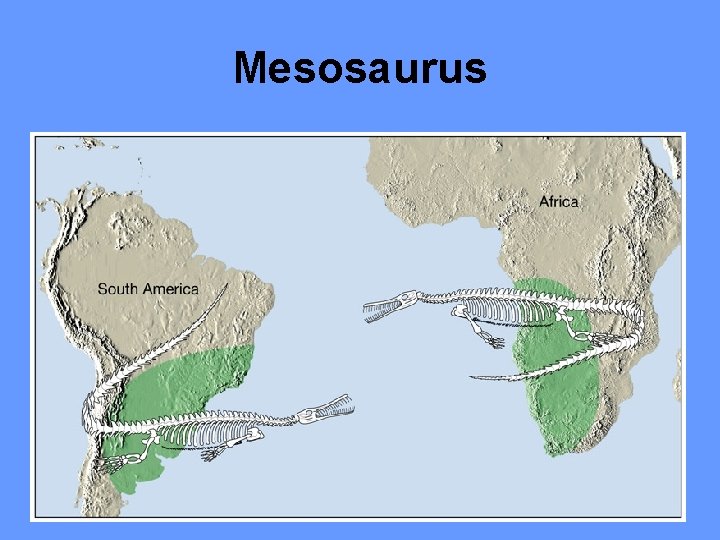
Continental Drift • Alfred Wegener • Plate Tectonics • The case of the mesosaurus
Mesosaurus
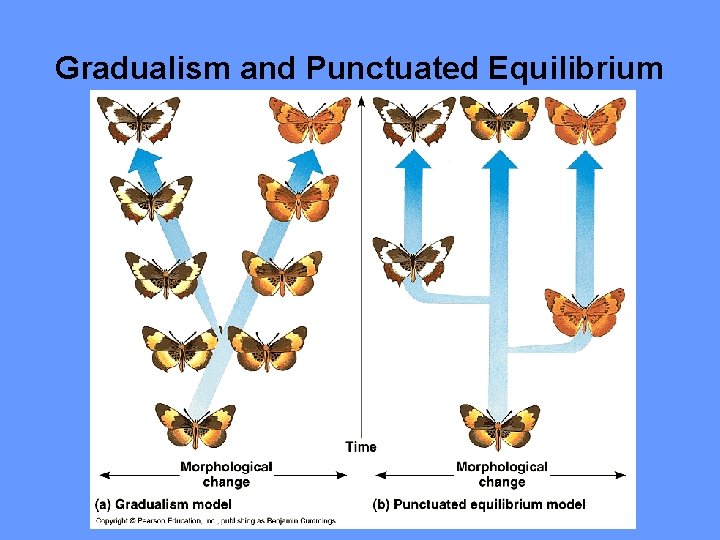
How fast can evolution happen? • Gradualism - very small changes over long periods of time • Punctuated Equilibrium - catastrophic events cause rapid evolution in very short amounts of time
Gradualism and Punctuated Equilibrium
Adaptations • Definition – trait shaped by natural selection that increases and organism’s reproductive success – More simply – a body part, body covering, or behavior that helps an organism survive its environment • Type of Adaptations – Animals • Camouflage, Mimicry – Plants – Antimicrobial Resistance
Animal Adaptations
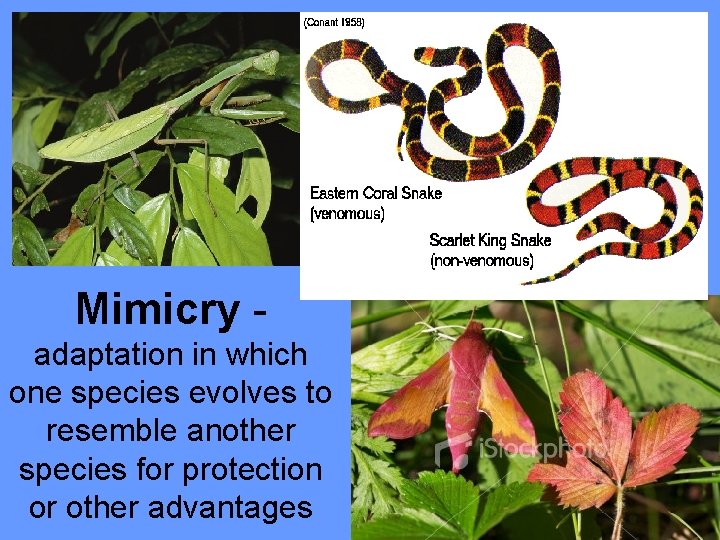
Mimicry adaptation in which one species evolves to resemble another species for protection or other advantages
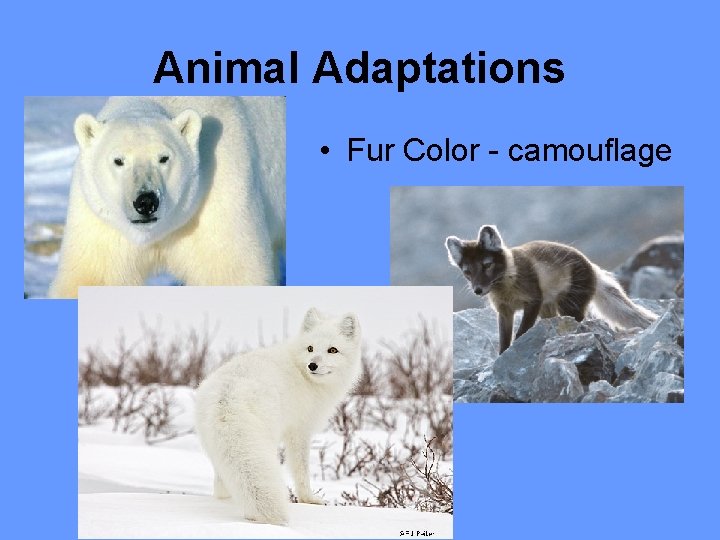
Animal Adaptations • Fur Color - camouflage
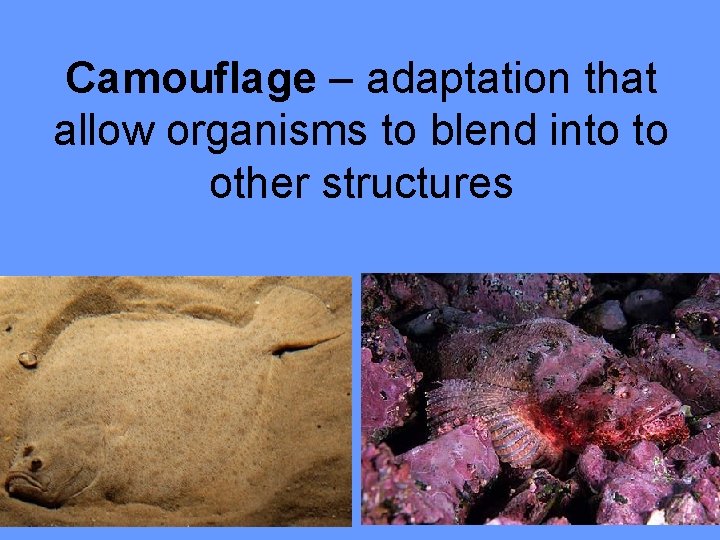
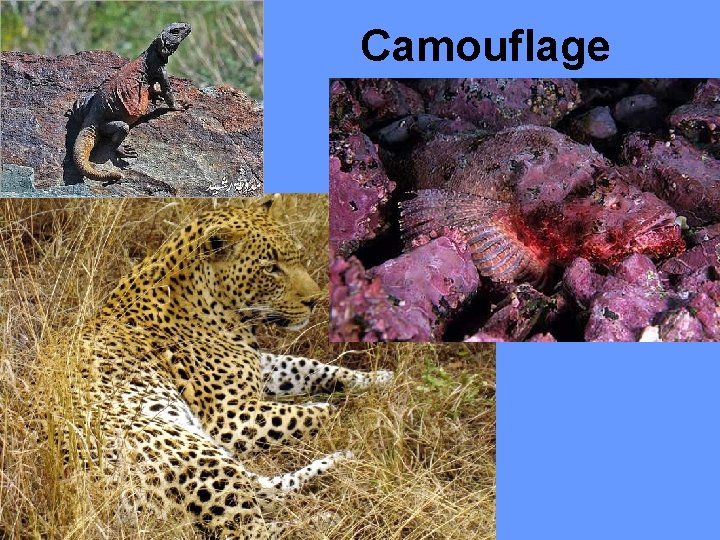
Camouflage – adaptation that allow organisms to blend into to other structures
Camouflage
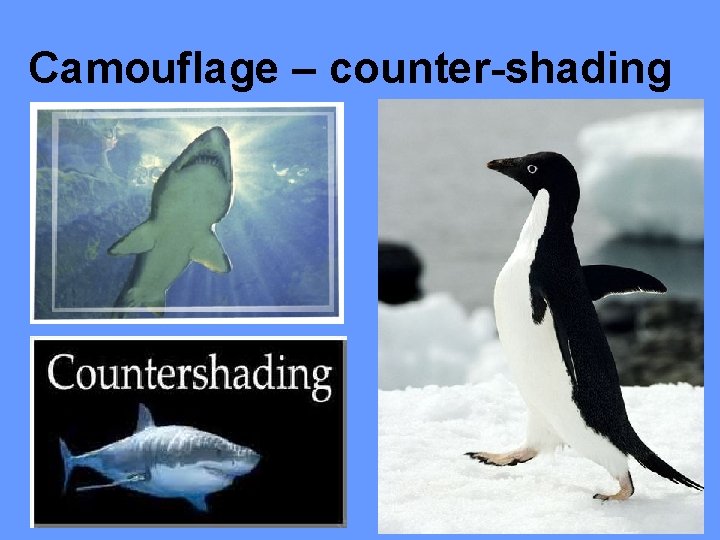
Camouflage – counter-shading
Plant Adaptations
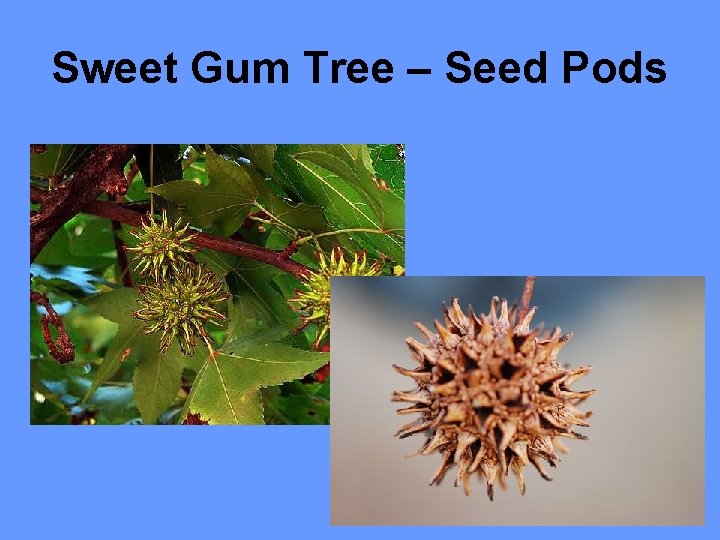
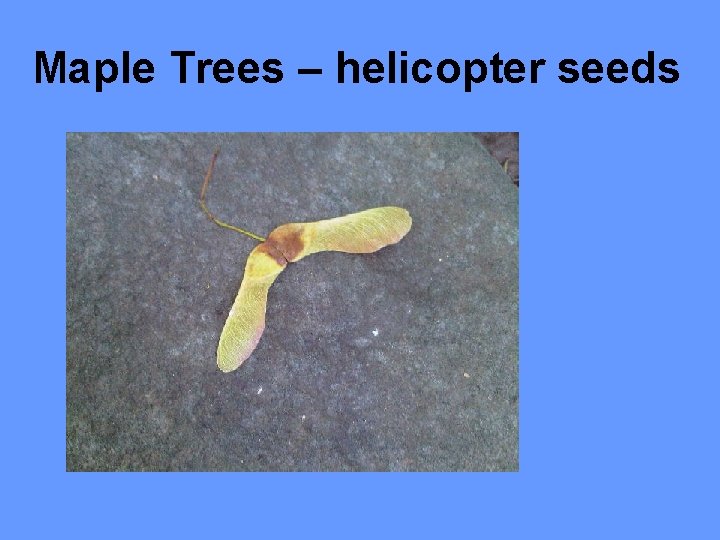
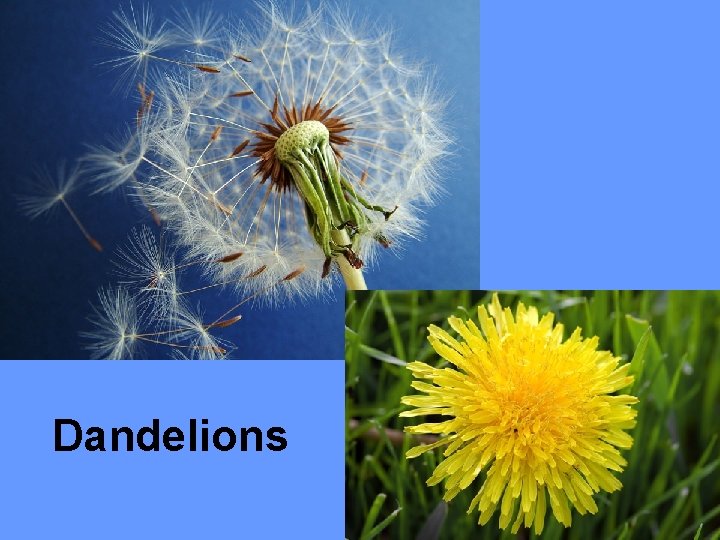
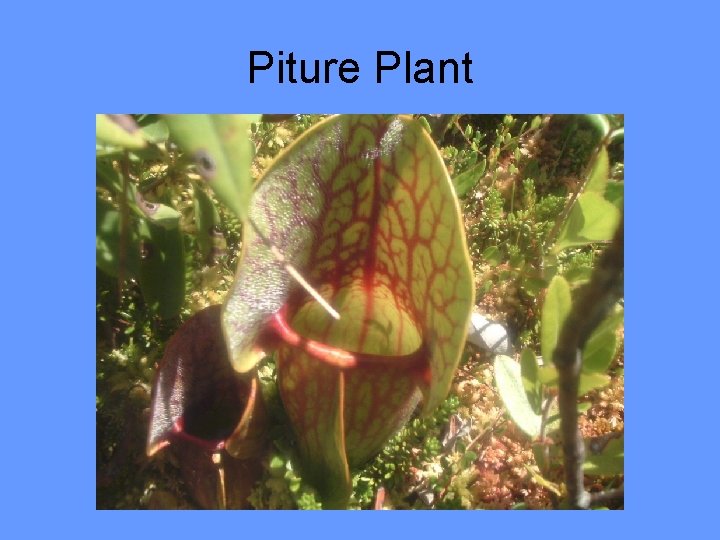
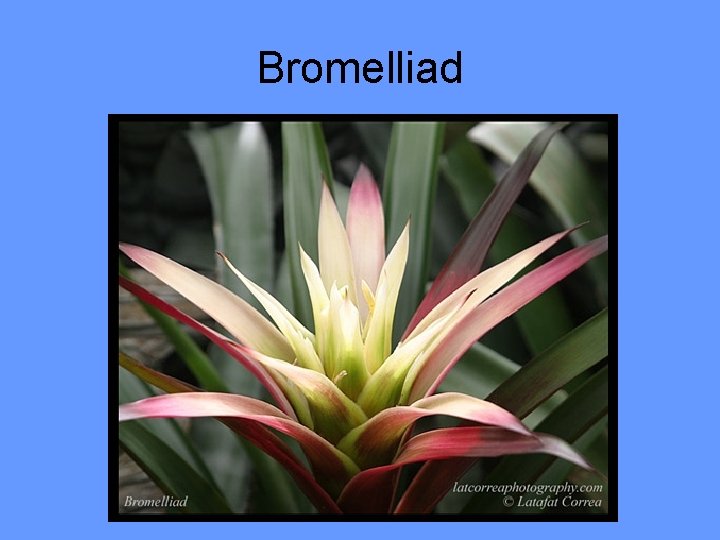
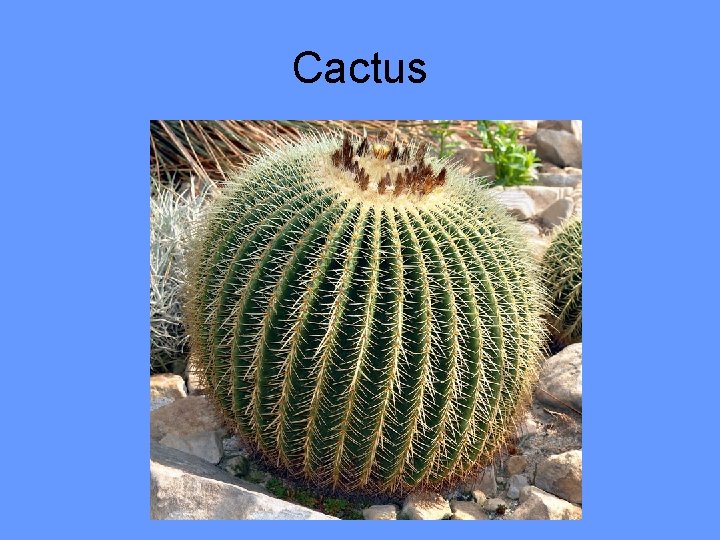
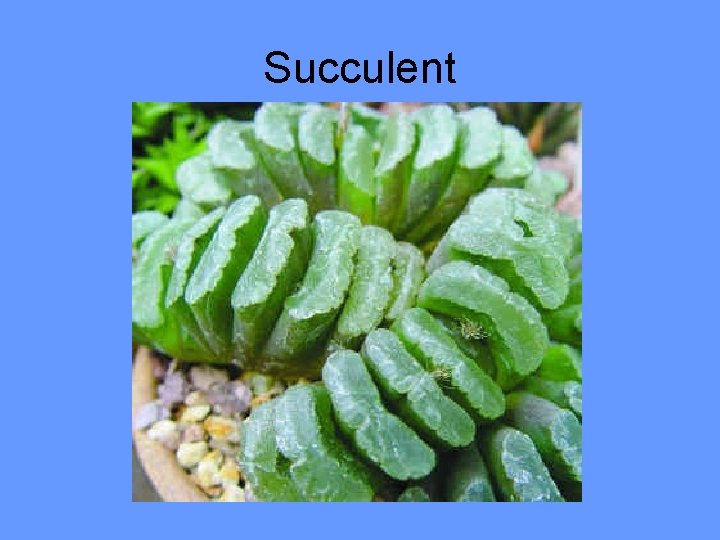
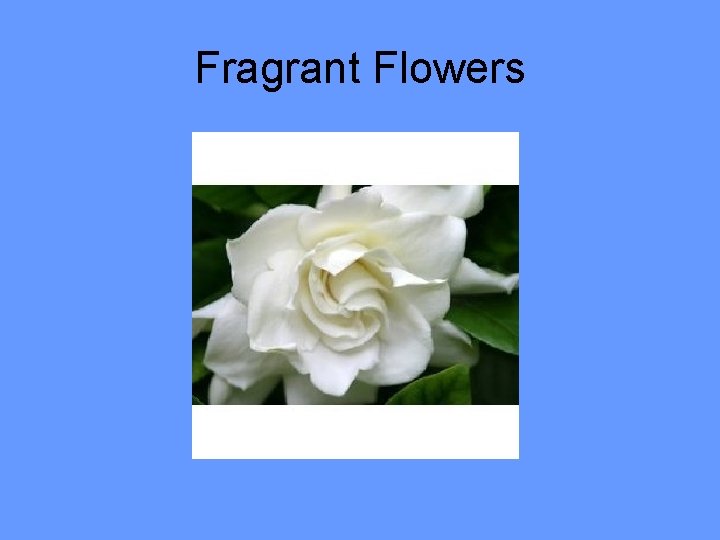
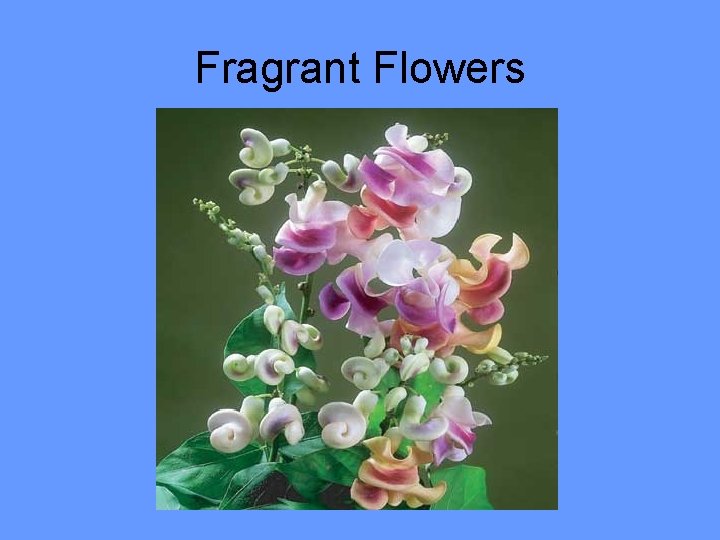
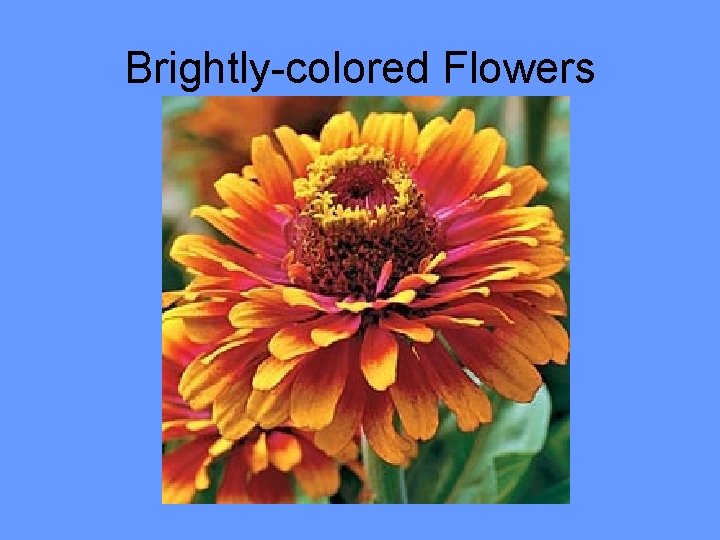
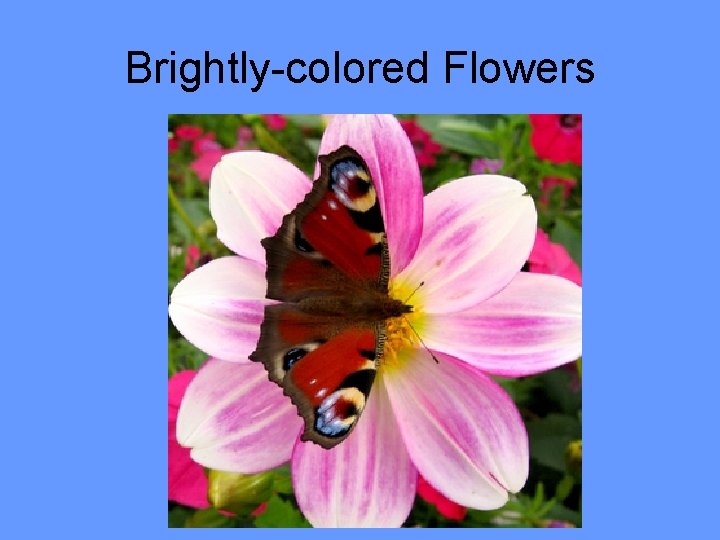
Plants adapt to their environment • Thorns – To stop animals from eating them • Thick stems and leaves – To hold water • Shape – Hold water, attract insects • Smell – Attract and Deter • Bright Colors – Attract and Deter • Creative Seeds – To be carried by animals, water or wind
Sweet Gum Tree – Seed Pods
Maple Trees – helicopter seeds
Dandelions
Piture Plant
Bromelliad
Cactus
Succulent
Fragrant Flowers
Fragrant Flowers
Brightly-colored Flowers
Brightly-colored Flowers
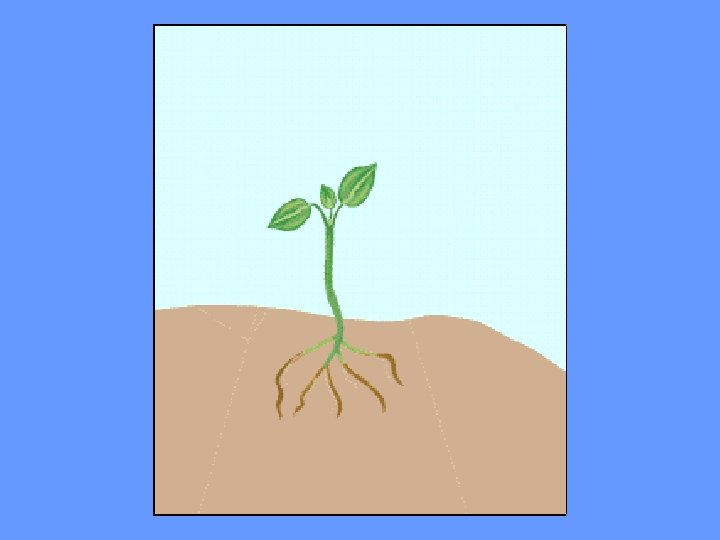
Tropisms Adaptations that help plants grow
4 Tropisms • • Thigmotropism Phototropism Gravitropism Hydrotropism
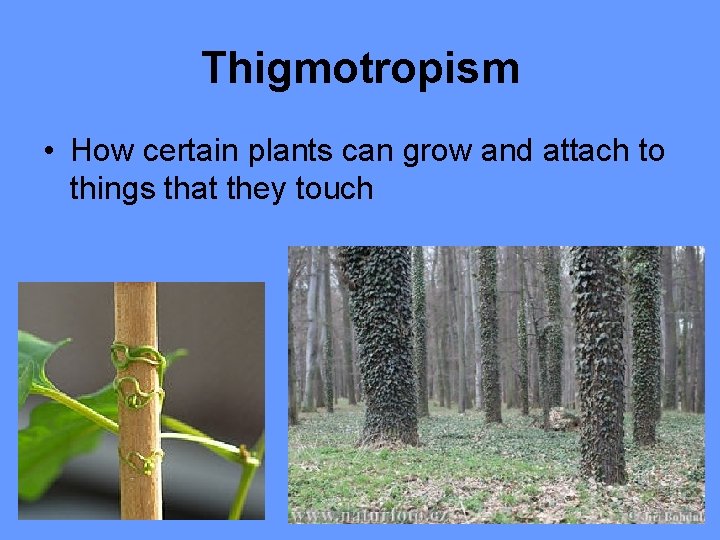
Thigmotropism • How certain plants can grow and attach to things that they touch
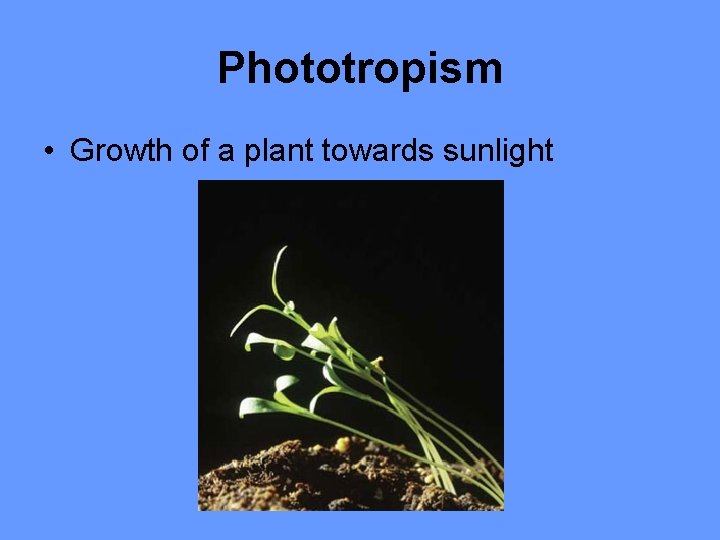
Phototropism • Growth of a plant towards sunlight
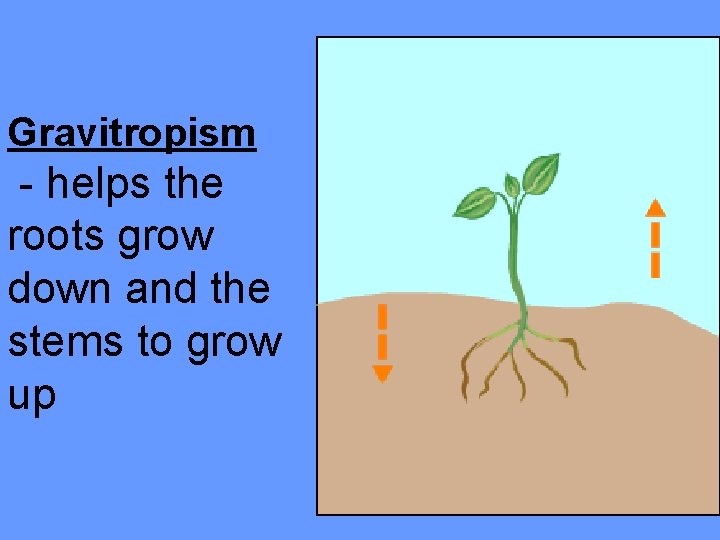
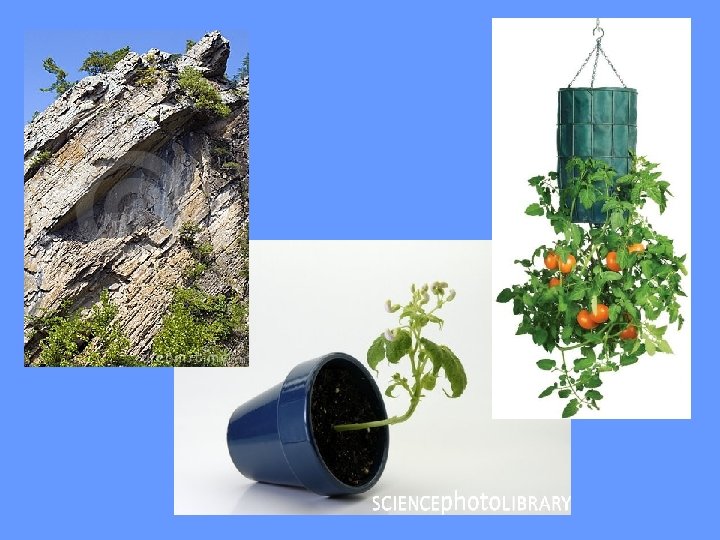
Gravitropism - helps the roots grow down and the stems to grow up
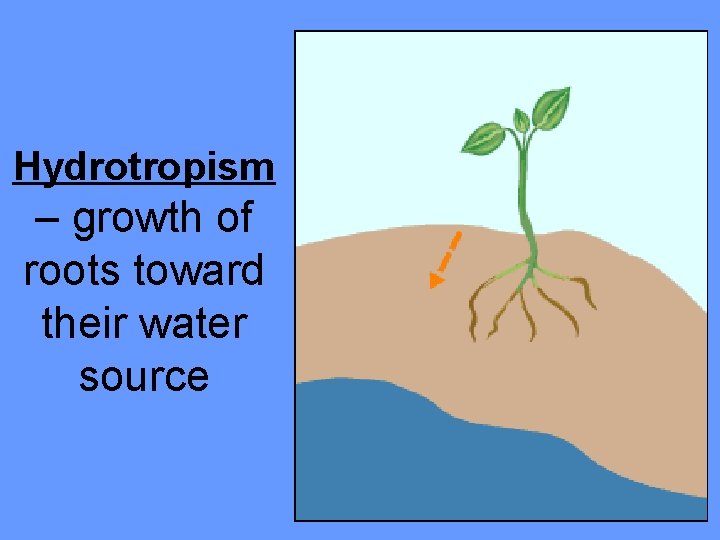
Hydrotropism – growth of roots toward their water source
Biological Resistance • Antibiotics and Pesticides have been used to kill unwanted insects, bateria and fungi • Some of these organisms do not die when exposed to the pesticides or antibiotics – This makes them RESISTANT. The RESISTANT organism then can pass on its genes and RESISTANCE to future generations, causing the current “POISON” to be ineffective
Antibiotic Use • Antibiotics used to be very effective • However, people would stop taking the antibiotic when they started feeling better – …. . but, not all of the bacteria were killed…. so those bacteria that lived had been exposed to the antibiotic and developed a resistance to it – The resistance was passed on to the next generations…. making the antibiotic ineffective – Always finish a prescription that is an ANTIBIOTIC
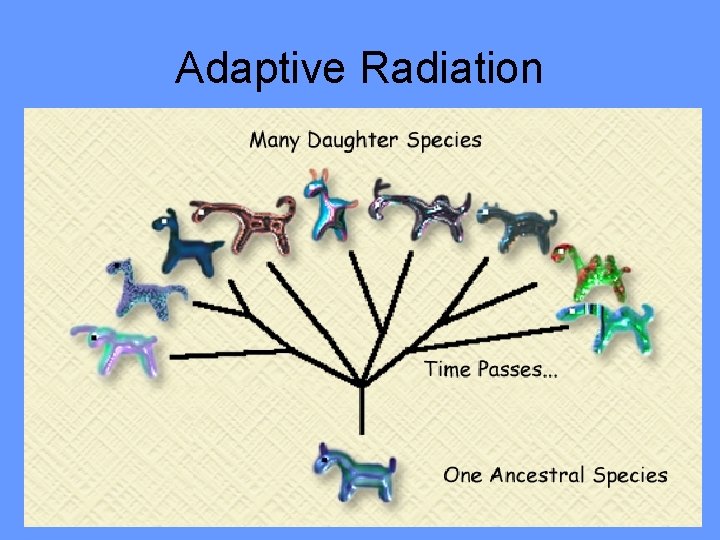
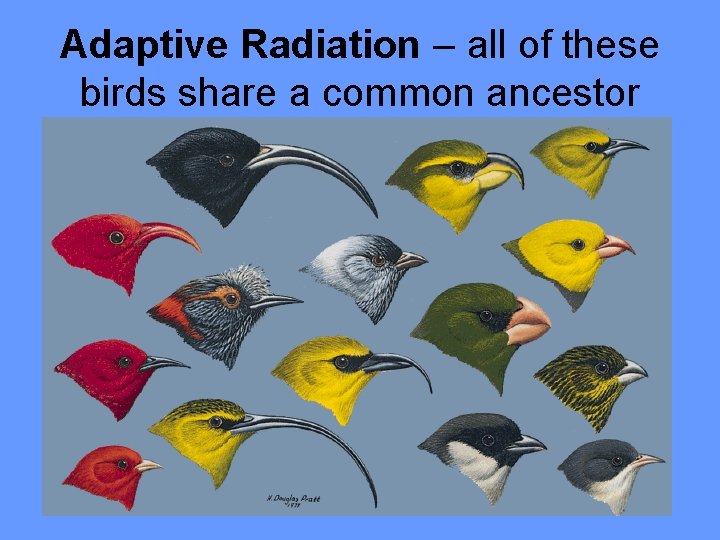
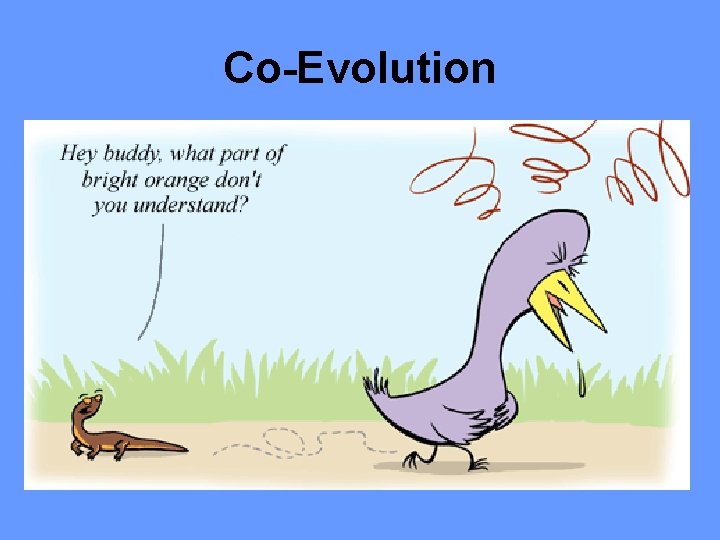
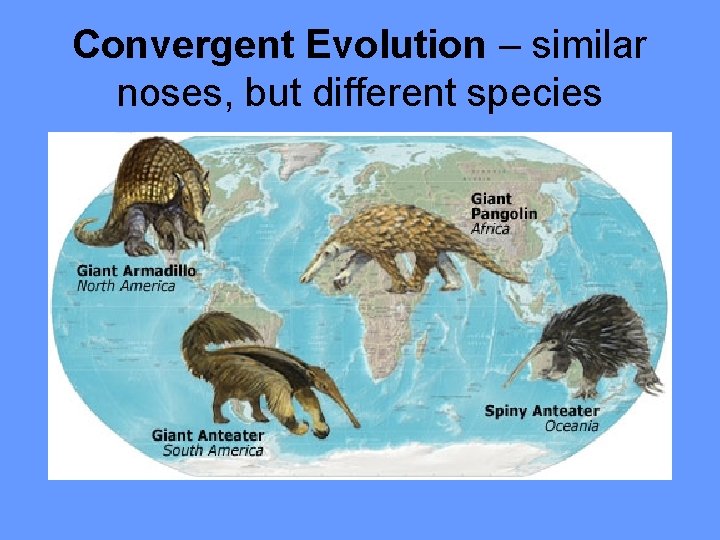
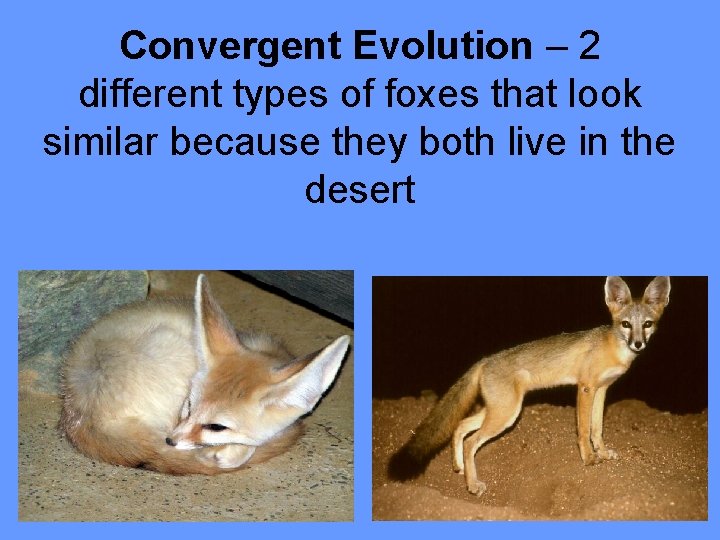
Patterns of Evolution • Adaptive Radiation (Divergent Evolution) – Very short time – one species gives rise to many species in response to the creation of a new habitat or ecological opportunity • Coevolution – Different species evolve in response to one another • Convergent Evolution – Unrelated species evolve similar traits even though they are in different parts of the world
Adaptive Radiation
Adaptive Radiation – all of these birds share a common ancestor
Co-Evolution
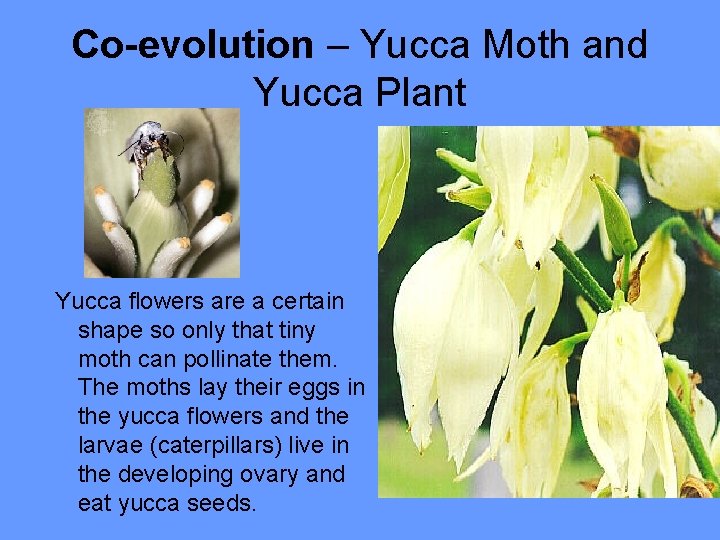
Co-evolution – Yucca Moth and Yucca Plant Yucca flowers are a certain shape so only that tiny moth can pollinate them. The moths lay their eggs in the yucca flowers and the larvae (caterpillars) live in the developing ovary and eat yucca seeds.
Convergent Evolution – similar noses, but different species
Convergent Evolution – 2 different types of foxes that look similar because they both live in the desert