
EvidenceBased Substance Use Disorder Treatment Use of Medication
Evidence-Based Substance Use Disorder Treatment & Use of Medication Assisted Treatment Michele Staton, Ph. D. , M. S. W. University of Kentucky Department of Behavioral Science Center on Drug & Alcohol Research Kevin Pangburn, L. M. F. T. , L. C. A. D. C. Director, Division of Substance Abuse Kentucky Department of Corrections

Some things we are proud of…
Some things we are not so proud of…. • Nationally known for some of the highest rates in the nation for… - Poverty - Obesity - Smoking - Diabetes - Cancer related deaths - Cardiovascular deaths - Preventable hospitalizations - Premature death Source: United Health Foundation (2016). America’s Health Rankings. http: //www. americashealthrankings. org/explore/2016 -annualreport/state/KY.
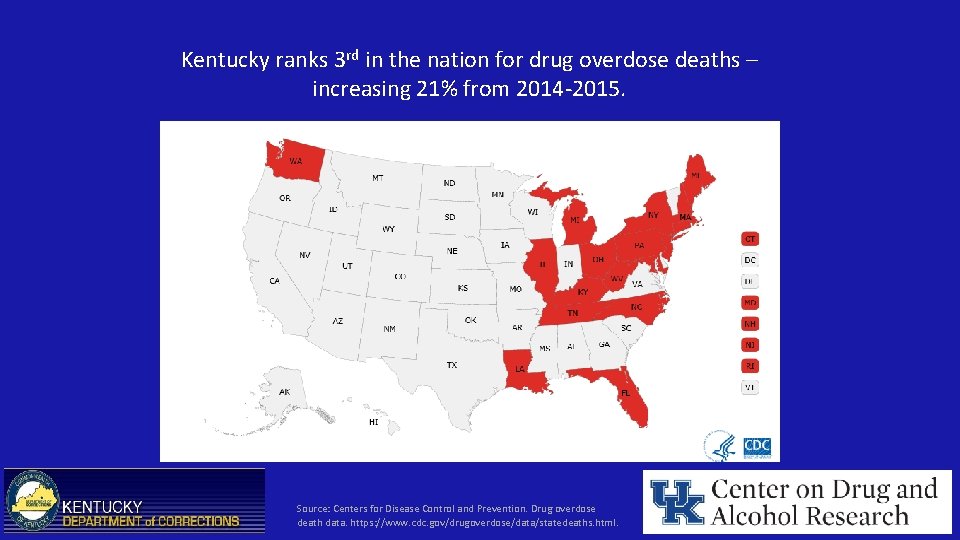
Kentucky ranks 3 rd in the nation for drug overdose deaths – increasing 21% from 2014 -2015. Source: Centers for Disease Control and Prevention. Drug overdose death data. https: //www. cdc. gov/drugoverdose/data/statedeaths. html.
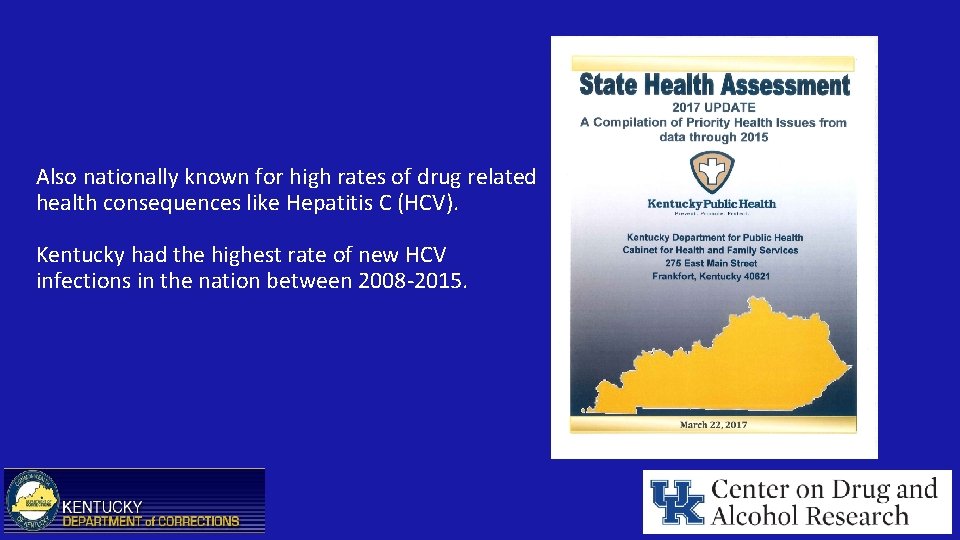
Also nationally known for high rates of drug related health consequences like Hepatitis C (HCV). Kentucky had the highest rate of new HCV infections in the nation between 2008 -2015.
While a number of state systems have been impacted by the drug epidemic in our state in recent years, the criminal justice system has disproportionately experienced a rise in the inmate population – largely attributed to drug-related crimes. We have become the single largest provider for substance abuse services in the state of Kentucky. Kevin Pangburn Director, Division of Substance Abuse Kentucky Department of Corrections
Prevalence of drug use among offenders • Five times higher than the general population 1. • More than 80% report lifetime drug use, and more than half (53%) meet diagnostic criteria for substance use disorder 2. • Substance users typically become involved in the criminal justice system due to (1) possession of an illicit substance, (2) sale or illegal distribution of a substance, or (3) engaging in illegal activity to support on-going drug use 4 Sources: 1 SAMHSA - Substance Abuse and Mental Health Services Administration. (2009). Results from the 2008 National Survey on Drug Use and Health: National Findings (Office of Applied Studies, NSDUH Series H-36, HHS Publication No. SMA 09 -4434). Rockville, MD. ; 2 Mumola, C. J. & Karberg, J. C. Drug use and dependence, state and federal prisoners, 2004. Washington, DC: US Dept. of Justice, January, 2007. 3 Staton-Tindall, M. , et al. , (2011) Substance use prevalence in criminal justice settings. In Gulotta, T, Leukefeld, C. , & Gregrich, J. (Eds) Handbook on evidence-based substance abuse treatment practice in criminal justice settings. New York: Springer. 4 NIDA [National Institute on Drug Abuse] (2006) Principles of Drug Abuse Treatment for Criminal Justice Populations: A Research-Based Guide. US Department of Health and Human Services, Washington, DC. Publication #06 -5316.
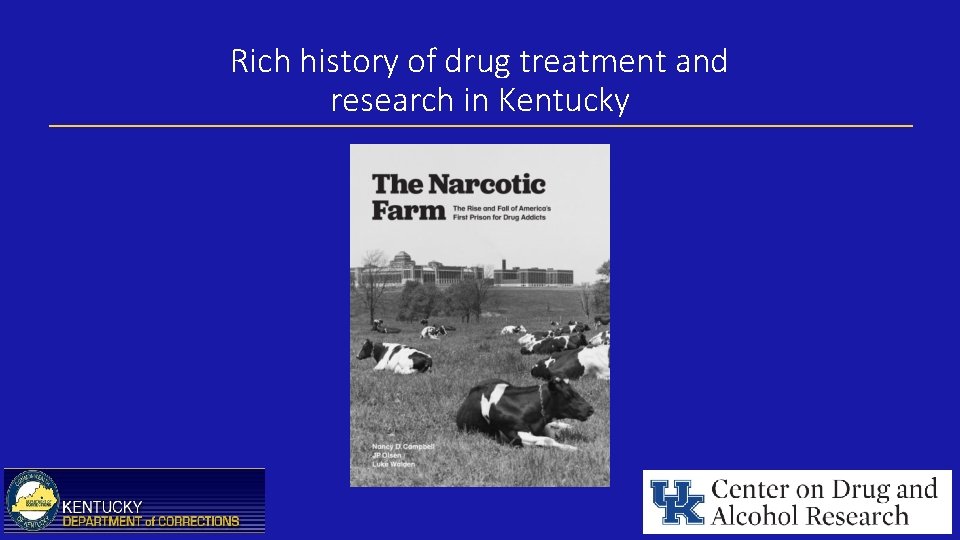
Rich history of drug treatment and research in Kentucky
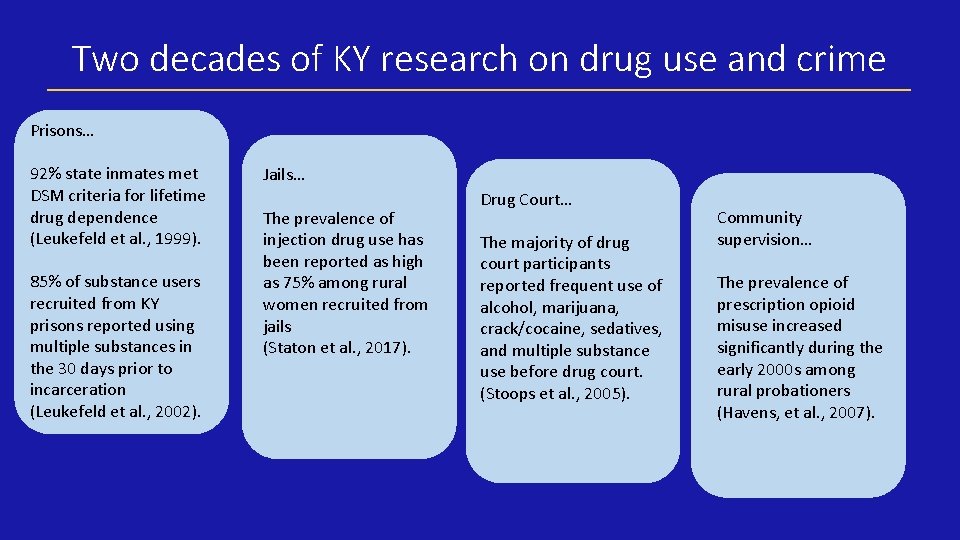
Two decades of KY research on drug use and crime Prisons… 92% state inmates met DSM criteria for lifetime drug dependence (Leukefeld et al. , 1999). 85% of substance users recruited from KY prisons reported using multiple substances in the 30 days prior to incarceration (Leukefeld et al. , 2002). Jails… The prevalence of injection drug use has been reported as high as 75% among rural women recruited from jails (Staton et al. , 2017). Drug Court… The majority of drug court participants reported frequent use of alcohol, marijuana, crack/cocaine, sedatives, and multiple substance use before drug court. (Stoops et al. , 2005). Community supervision… The prevalence of prescription opioid misuse increased significantly during the early 2000 s among rural probationers (Havens, et al. , 2007).
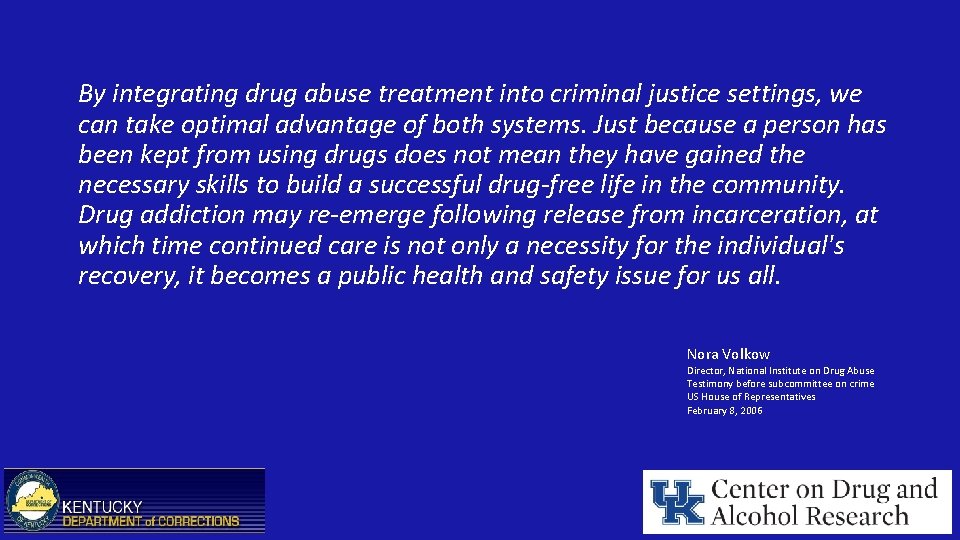
By integrating drug abuse treatment into criminal justice settings, we can take optimal advantage of both systems. Just because a person has been kept from using drugs does not mean they have gained the necessary skills to build a successful drug-free life in the community. Drug addiction may re-emerge following release from incarceration, at which time continued care is not only a necessity for the individual's recovery, it becomes a public health and safety issue for us all. Nora Volkow Director, National Institute on Drug Abuse Testimony before subcommittee on crime US House of Representatives February 8, 2006
Thank you… • • • RSAT Secretary John Tilley – Secretary of the Justice and Public Safety Cabinet Key KY Legislators like Representative Jason Nemes Jim Erwin – Commissioner of the Department of Corrections DOC program supervisors administrators
Guidelines and Principles for Offender Substance Abuse Treatment
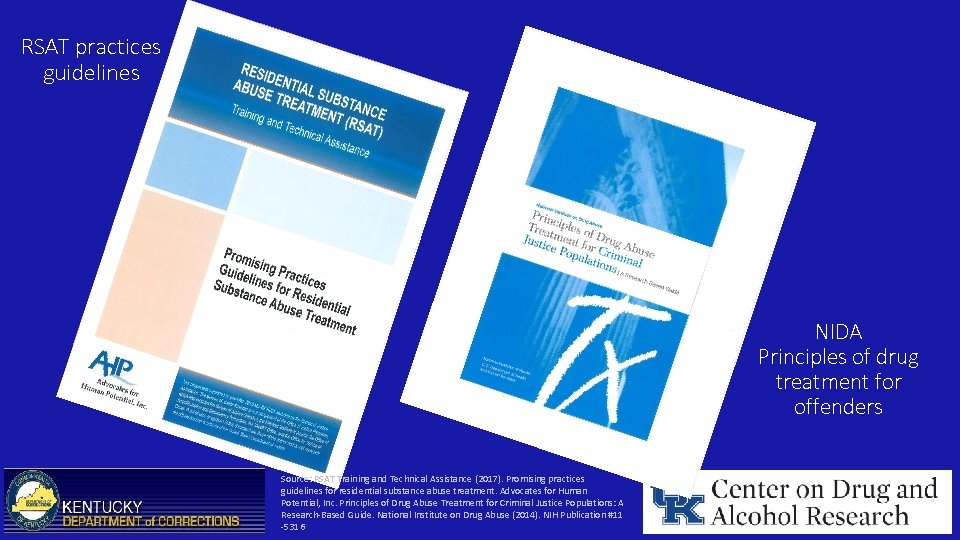
RSAT practices guidelines NIDA Principles of drug treatment for offenders Source: RSAT Training and Technical Assistance (2017). Promising practices guidelines for residential substance abuse treatment. Advocates for Human Potential, Inc. Principles of Drug Abuse Treatment for Criminal Justice Populations: A Research-Based Guide. National Institute on Drug Abuse (2014). NIH Publication #11 -5316
Drug addiction is a brain disease that affects behavior. Source: Principles of Drug Abuse Treatment for Criminal Justice Populations: A Research-Based Guide. National Institute on Drug Abuse (2014). NIH Publication #11 -5316
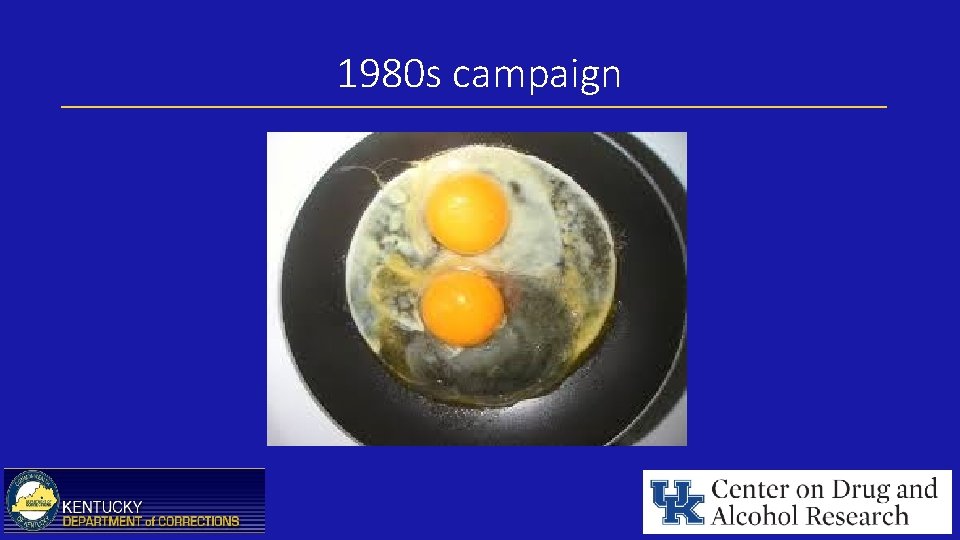
1980 s campaign
Addiction is a brain disease • Different parts of the brain communicate to regulate everything that we think, feel, and do. • Communication is possible through: • • Neurons Neurotransmitters Chemical receptors Transporters • Drugs affect the brain through this communication networks – affecting the ways that neurons send, receive, and process information.
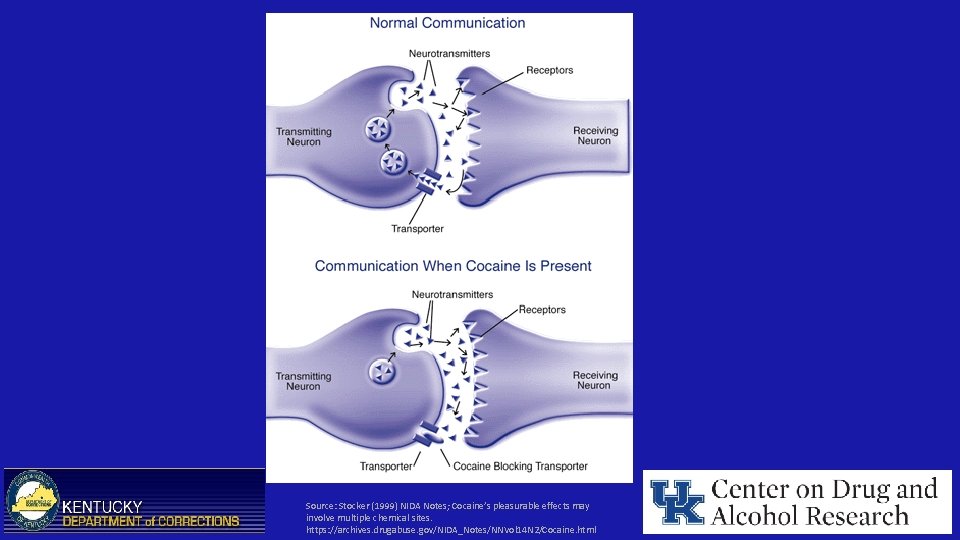
Source: Stocker (1999) NIDA Notes; Cocaine’s pleasurable effects may involve multiple chemical sites. https: //archives. drugabuse. gov/NIDA_Notes/NNVol 14 N 2/Cocaine. html
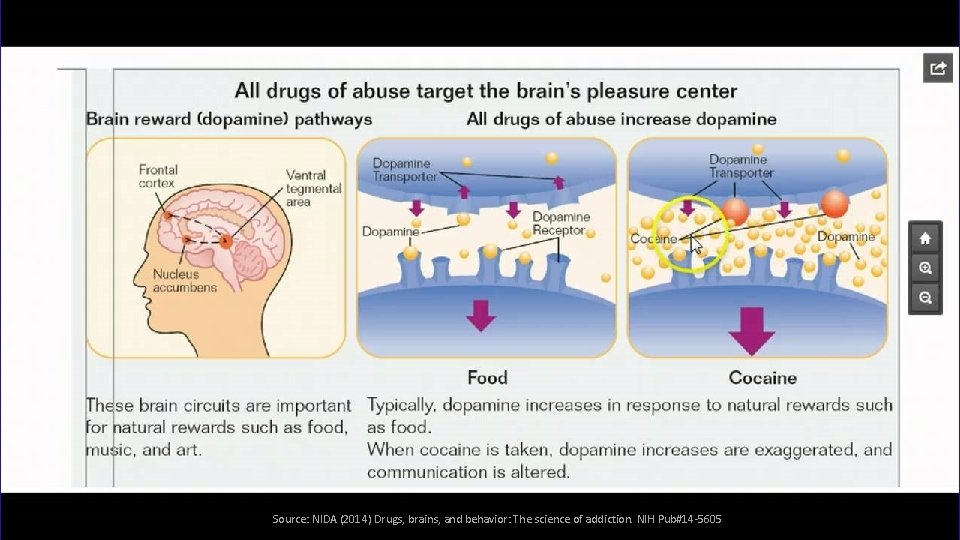
Source: NIDA (2014) Drugs, brains, and behavior: The science of addiction. NIH Pub#14 -5605
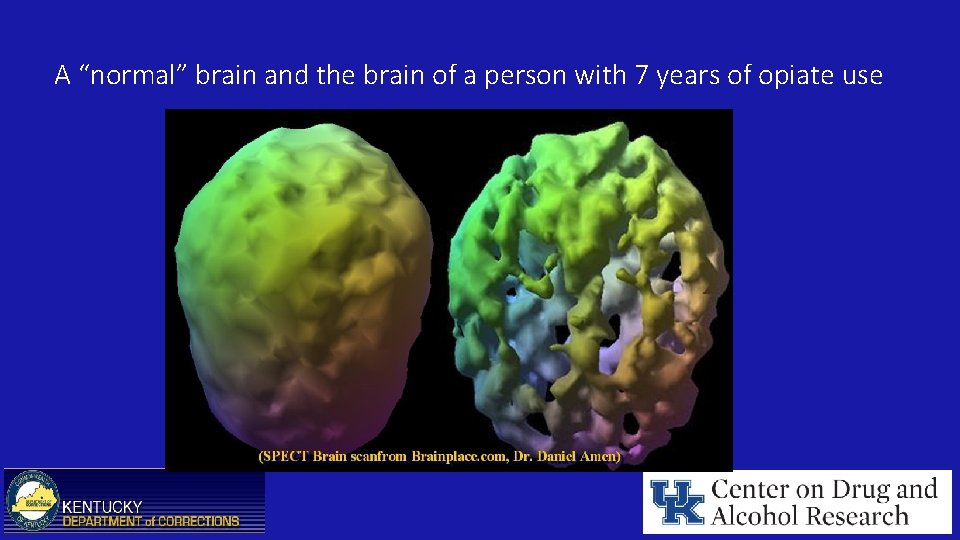
A “normal” brain and the brain of a person with 7 years of opiate use
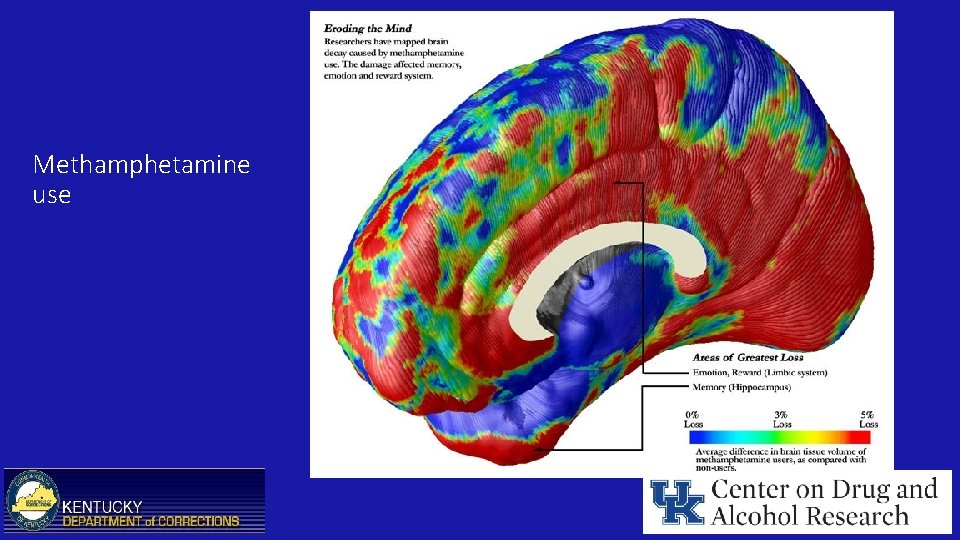
Methamphetamine use
Long-term effects on the brain • • • Decreased ability to feel pleasure – tolerance and dependence Impaired cognitive function Impaired memory Impaired self-control and decision making Compromised processing of punishment and rewards Sources: NIDA (2014) Drugs, brains, and behavior: The science of addiction. NIH Pub#14 -5605; Volkow (2006) An examination of drug treatment programs needed to ensure successful re-entry.
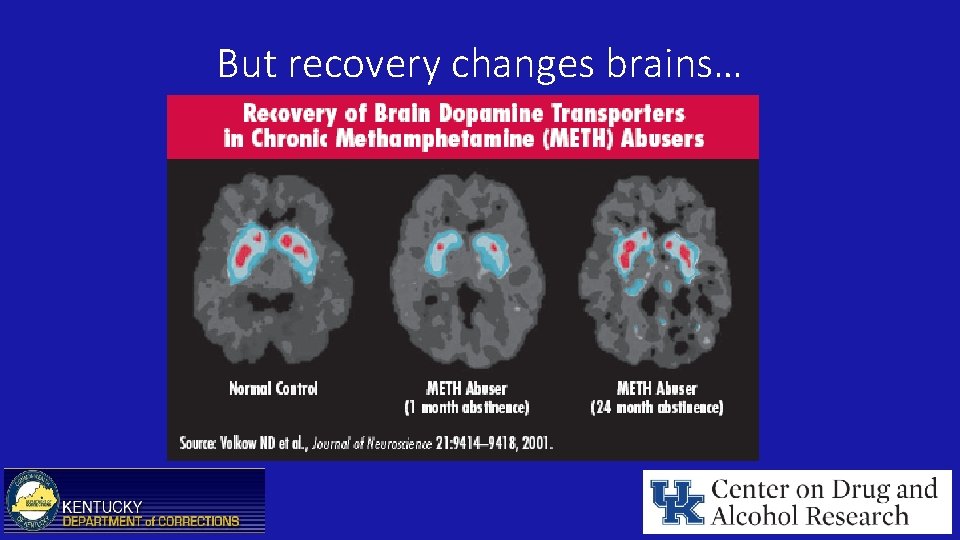
But recovery changes brains…
The treatment process begins with assessment.
Assessment • System level assessment for SAP eligibility • Offender level assessment at SAP intake
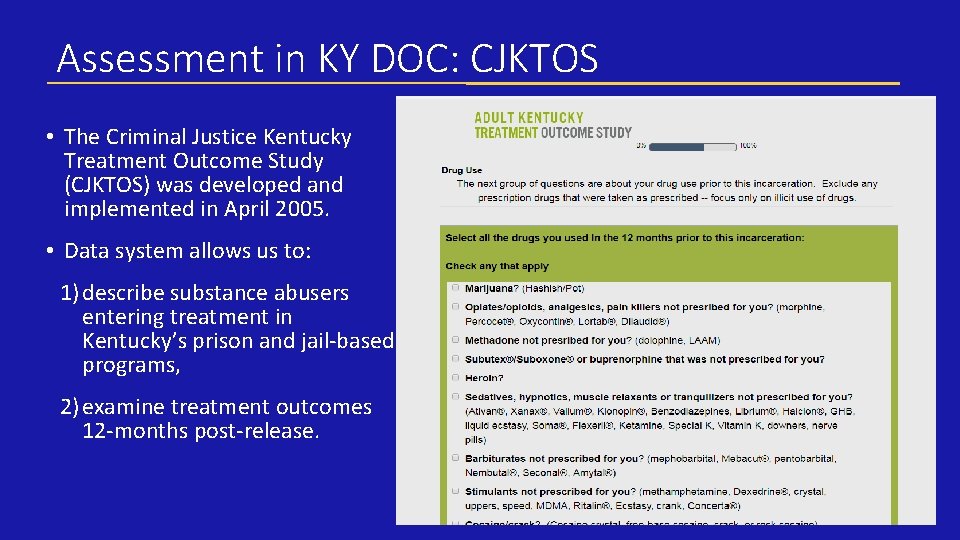
Assessment in KY DOC: CJKTOS • The Criminal Justice Kentucky Treatment Outcome Study (CJKTOS) was developed and implemented in April 2005. • Data system allows us to: 1) describe substance abusers entering treatment in Kentucky’s prison and jail-based programs, 2) examine treatment outcomes 12 -months post-release.
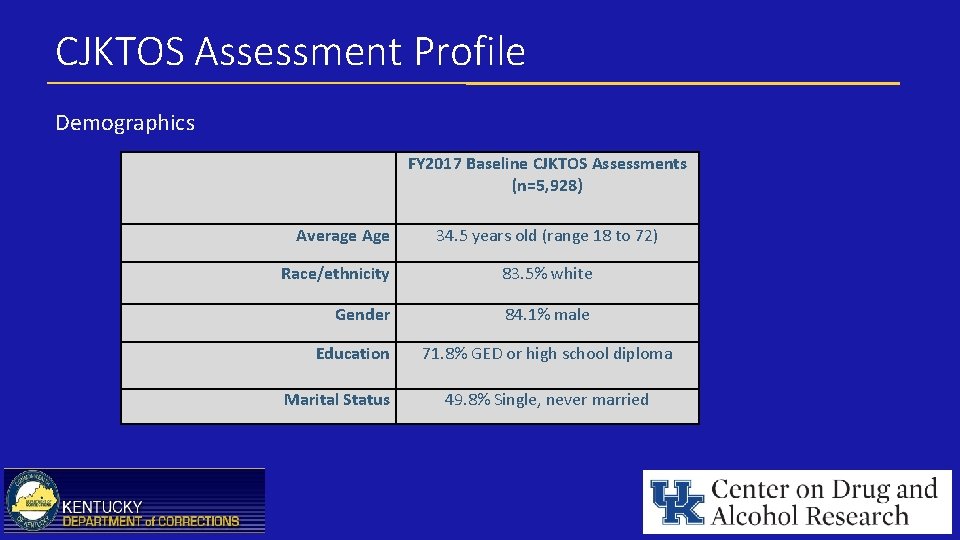
CJKTOS Assessment Profile Demographics FY 2017 Baseline CJKTOS Assessments (n=5, 928) Average Age 34. 5 years old (range 18 to 72) Race/ethnicity 83. 5% white Gender 84. 1% male Education Marital Status 71. 8% GED or high school diploma 49. 8% Single, never married
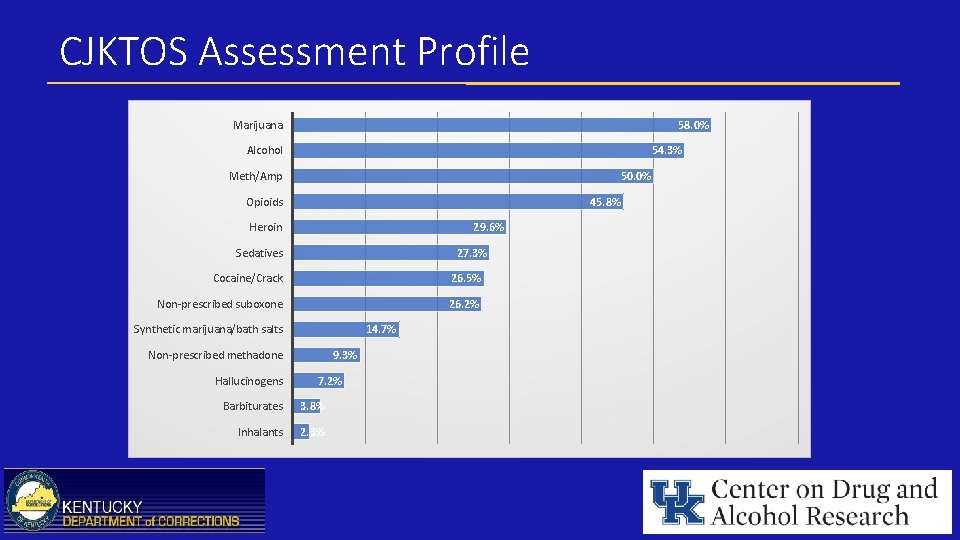
CJKTOS Assessment Profile 58. 0% Marijuana Alcohol 54. 3% Meth/Amp 50. 0% Opioids 45. 8% Heroin 29. 6% Sedatives 27. 3% Cocaine/Crack 26. 5% Non-prescribed suboxone 26. 2% Synthetic marijuana/bath salts 14. 7% Non-prescribed methadone Hallucinogens 9. 3% 7. 2% Barbiturates 3. 8% Inhalants 2. 3%
Treatment should be evidence-based and be tailored to fit the needs of the individual.
Evidence-based treatment • What does this really mean? • Disclaimer: We have to use caution when we make decisions about evidencebased treatments. Sources: 1 Sackett et al. (2000); 2 APA (2002)
Something to think about… • Typical client in a research-based, federally funded, clinical trial • Typical client in a prison with a substance abuse disorder • Example of how EBPs might be implemented differently with these clients
Remember…. • Evidence based practices were tested among selected participants (no polydrug users), no co-occurring mental health, and among carefully managed clinical settings. • Prisons include people with poly-drug use and many mental health problems, multiple ethnicities, ages, and genders. • And prison-based treatment is not a neat orderly laboratory! • In the real world, things are messy.
Why is a therapeutic community evidencebased for substance abuse in prisons?
Therapeutic communities in prison • TCs are widely used and evidence-based for correctional populations. • Solid evidence-base for reduction of drug use and recidivism. • TCs are the primary modality of institutional treatment in KY. Source: 1 De. Leon et al (2000)
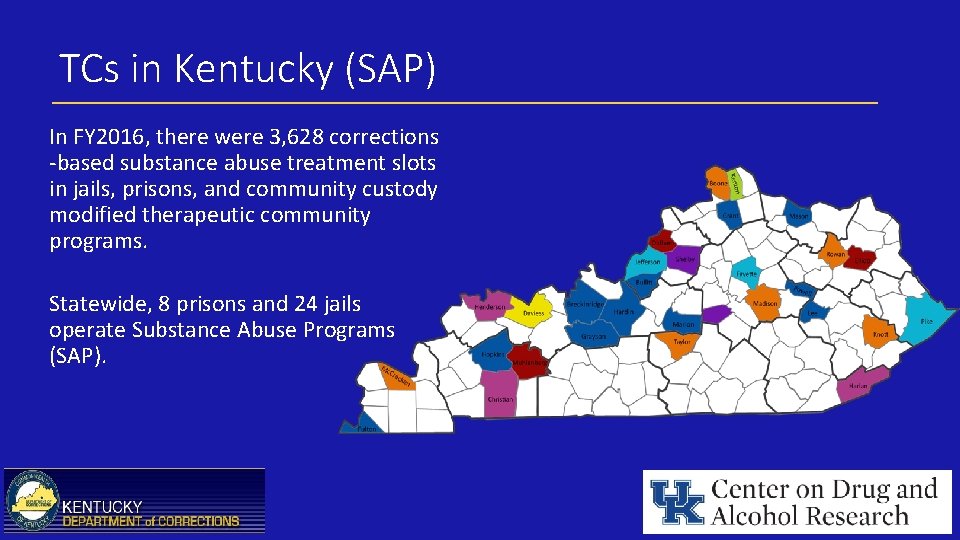
TCs in Kentucky (SAP) In FY 2016, there were 3, 628 corrections -based substance abuse treatment slots in jails, prisons, and community custody modified therapeutic community programs. Statewide, 8 prisons and 24 jails operate Substance Abuse Programs (SAP).
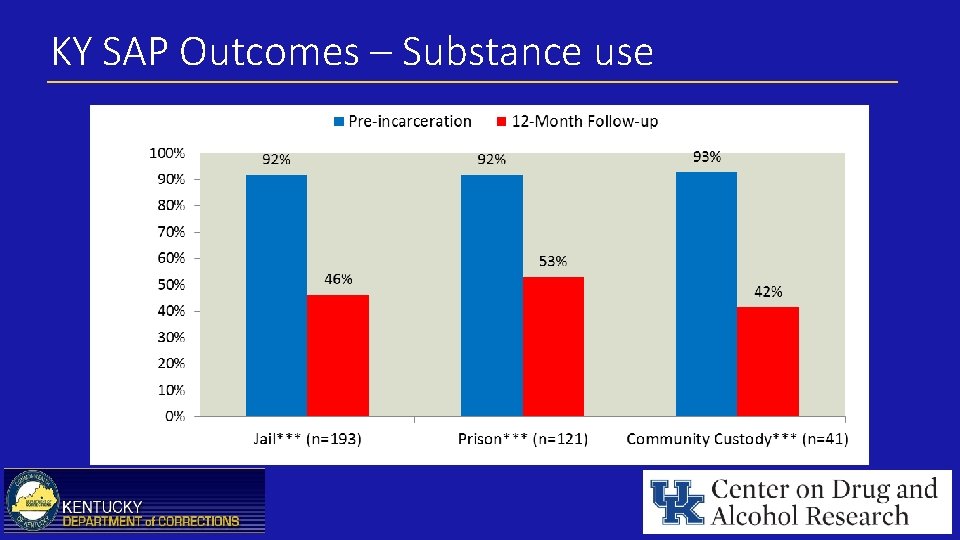
KY SAP Outcomes – Substance use
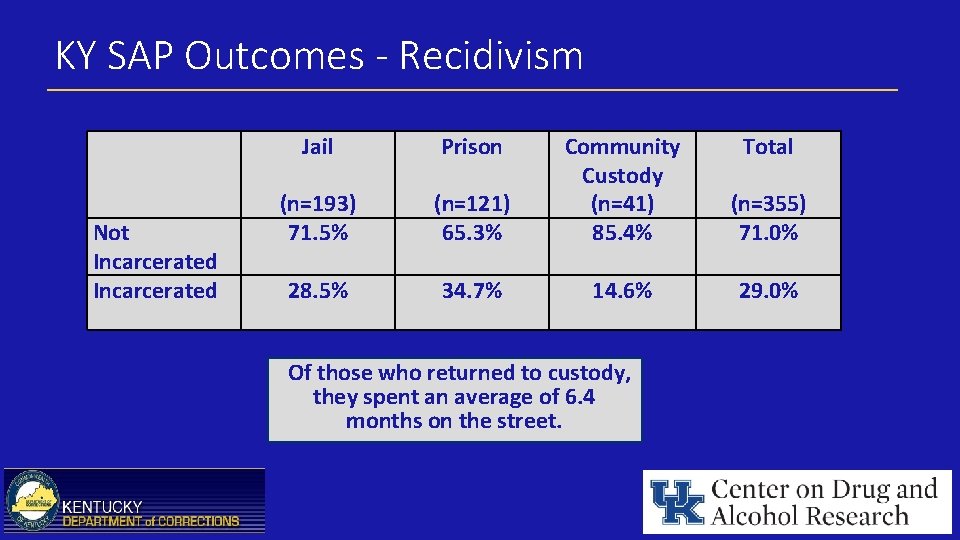
KY SAP Outcomes - Recidivism Not Incarcerated Jail Prison (n=121) 65. 3% Community Custody (n=41) 85. 4% (n=193) 71. 5% 28. 5% (n=355) 71. 0% 34. 7% 14. 6% 29. 0% Of those who returned to custody, they spent an average of 6. 4 months on the street. Total
Establishing a continuum of care during community re-entry is critical to sustaining treatment successes.
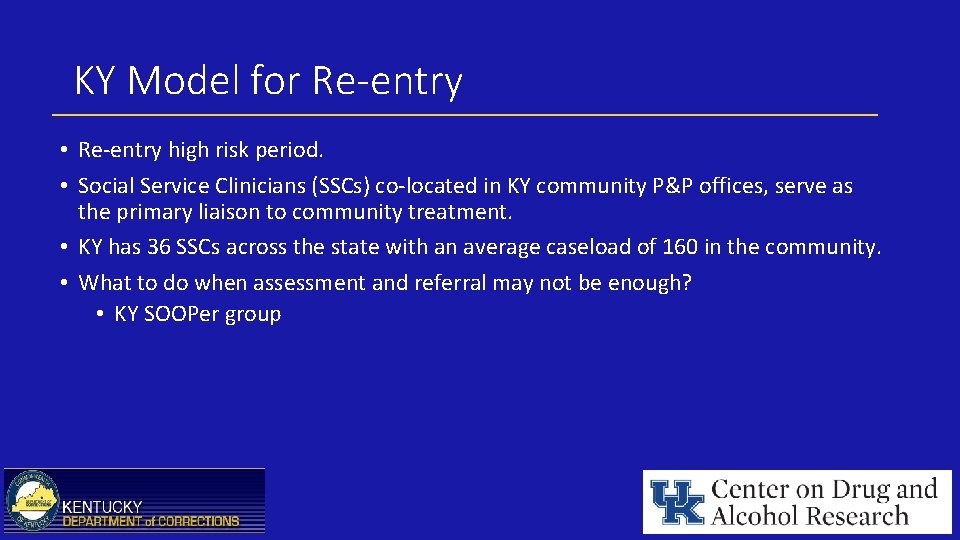
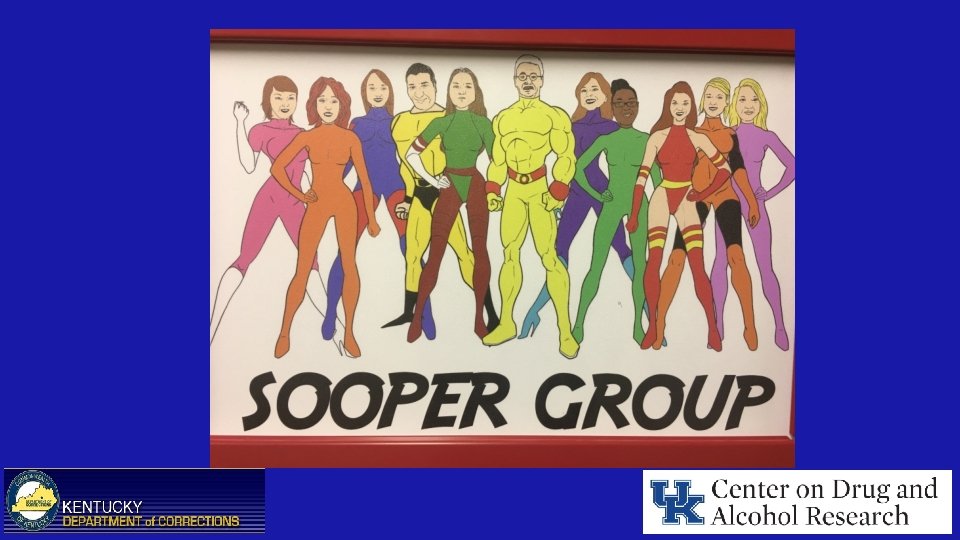
KY Model for Re-entry • Re-entry high risk period. • Social Service Clinicians (SSCs) co-located in KY community P&P offices, serve as the primary liaison to community treatment. • KY has 36 SSCs across the state with an average caseload of 160 in the community. • What to do when assessment and referral may not be enough? • KY SOOPer group
What about the use of medication?
Why medications work • All medically assisted treatments interfere with the chemistry of drugs of abuse. • But they all work somewhat differently. • And not all medications are equally effective – even though all are evidence-based.
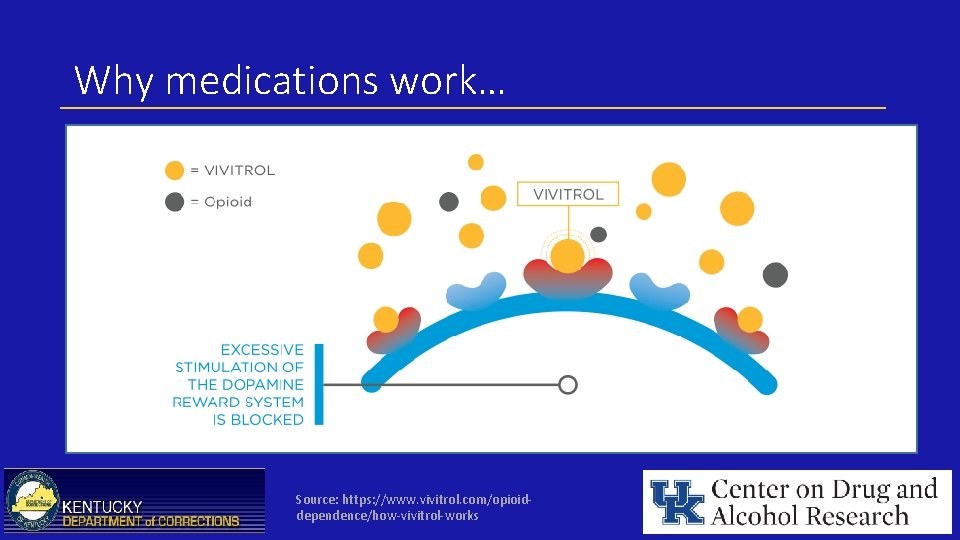
Why medications work… Source: https: //www. vivitrol. com/opioiddependence/how-vivitrol-works
What are the MATs? - Antabuse • Antabuse (disulfiram) works on alcohol by preventing it from breaking down completely in metabolism. • It arrests ethanol at the stage of acetaldehyde and formaldehyde – both of which are toxic. • If you are on Antabuse and drink, you have violent vomiting and a host of other symptoms. • It is cheap, but only works on alcohol.
What are the MATs? – Acomprosate • Used for treating alcoholism. • Works on the glutamate neurotransmitter system and has weak effects elsewhere. • It can make the GABA system less dependent on alcohol for relaxation effects, does not produce a noticeable euphoriant effect.
What are MATs? - Methadone • Methadone was invented by Nazi Germany when their supplies of Middle eastern opium was cutoff. • It is a synthetic opioid that gives the user pain relief (it’s used with cancer patients today) and moderate euphoria (not as much as heroin). • Methadone has some blockade action against other opioids by occupying the opioid receptor sites on neurons – meaning they cannot absorb other opioid molecules. • Methadone last about 24 hours in the human body. It’s very inexpensive.
What are MATs? Buprenorphine and Bup + Naloxone (Subutex and Suboxone) • Buprenorphine is a synthetic opioid with mild pain-killing effects, euphoriant effects and blocking action against other opioid molecules. • Combined with naloxone, it also has preventive effects against opioid overdose when used with other opioids for greater euphoria. • Buprenorphine lasts a full day and has a slow half-life. • It is expensive.
What are MATs? Naloxone (Narcan) • Rapidly block opioid sites and can reverse opiate or opioid intoxication within minutes. • May cause opioid withdrawal symptoms. • It has a half-life of only one hour. • It does not have euphoriant effects.
What are MATs? - Naltrexone • Naltrexone (Vivitrol) is an opioid antagonist that mostly blocks the effects of an opioid. So getting high with it in the system is very difficult. • It has only minimal effects on craving but it curbs the desire for alcohol. • It has some noticeable side effects largely resembling opioid withdrawal. • Injectable forms are very costly (over $1, 000/month) but they avoid compliance problems.
Medication Assisted Treatment (MAT) • MAT is well established as an effective approach to treat opioid use disorder. 1, 2 • MAT is, however, under-utilized – particularly in the criminal justice system. • About half of state jails and prisons nationally use some form of MAT. 4, 5 • Individuals on community supervision are the least likely to have access to MAT. 5 • Re-entry presents challenges for maintaining MAT. 1 Source: 1 Sharma et al. (2016); 2 Syed & Keating (2013); 3 Saloner & Karthikeyan 2015); 4 Oser et al. (2009); 5 Friedmann et al. (2012).
KY MAT programs • KY Senate Bill 192 – The Heroin Bill • KY MAT approach • MAT is currently being implemented in 8 prisons and 24 jails in the Kentucky DOC.
XR-NTX (Vivitrol®) • XR-NTX injections have shown significant reductions in opioid relapse among reentering offenders. 1, 2, 3 • XR-NTX is a sustained release depot formulation. 3 • In a pilot trial 4, XR-NTX acceptance was high among males with OUD from NYC jails. • Re-entering individuals who received monthly injections in Baltimore remained opioid abstinent. 5 • Lee et al. (2016) enrolled 308 offenders on community supervision in five cities. Significant differences for XR-NTX with fewer opioid relapses and time to opioid relapse. Sources: 1 Friedmann et al. (2017); 2 Gordon et al (2017); 3 Lee et al. (2016); 4 Lee et al. (2015); 5 Gordon et al. (2015).
What affects the effectiveness of MATs? • While evidence-based, MAT is not a magic wand. • Compliance is key. • MATs are not stand-alone treatments. • All MATs require supportive services to achieve solid clinical outcomes. • Other successes – like employment – matter.
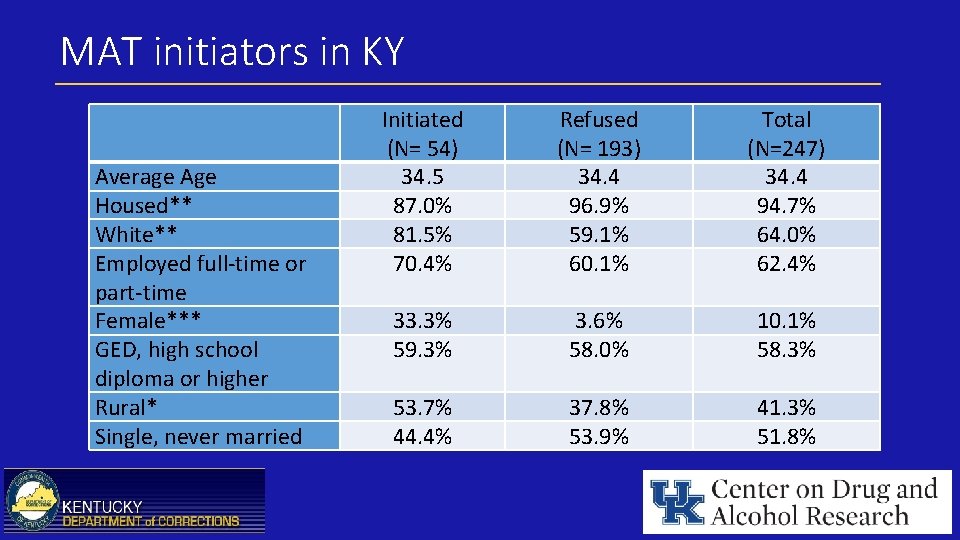
MAT initiators in KY Average Age Housed** White** Employed full-time or part-time Female*** GED, high school diploma or higher Rural* Single, never married Initiated (N= 54) 34. 5 87. 0% 81. 5% 70. 4% Refused (N= 193) 34. 4 96. 9% 59. 1% 60. 1% Total (N=247) 34. 4 94. 7% 64. 0% 62. 4% 33. 3% 59. 3% 3. 6% 58. 0% 10. 1% 58. 3% 53. 7% 44. 4% 37. 8% 53. 9% 41. 3% 51. 8%
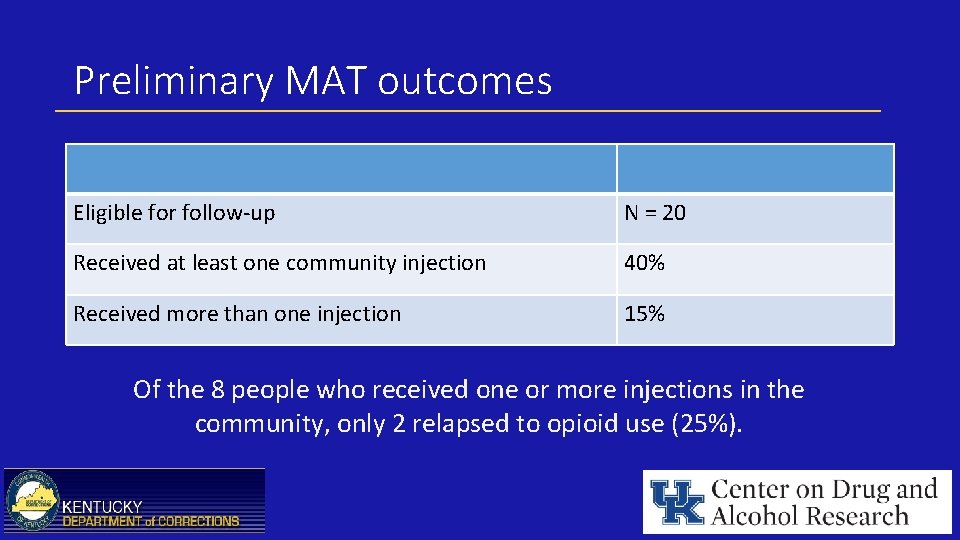
Preliminary MAT outcomes Eligible for follow-up N = 20 Received at least one community injection 40% Received more than one injection 15% Of the 8 people who received one or more injections in the community, only 2 relapsed to opioid use (25%).
Special considerations • Evidence-base practices should be considered and used, but special consideration should be given for: - Co-morbidities (2 modified TC programs in KY prisons) - Women - Ethnic minorities
Lessons learned • • • Addiction is a chronic relapsing disorder. Programs should be evidence-based, but tailored to the clients. Evaluation is critical. Employment is a key factor in success. Drug-related health conditions must be considered. Treatment successes should be measured more broadly than relapse and recidivism.
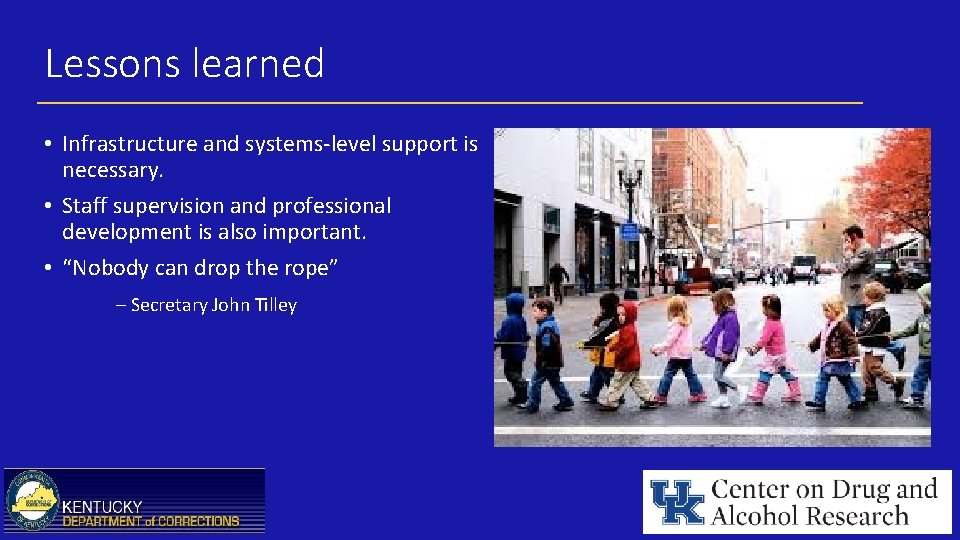
Lessons learned • Infrastructure and systems-level support is necessary. • Staff supervision and professional development is also important. • “Nobody can drop the rope” – Secretary John Tilley
Questions?
For additional information: Michele Staton, Ph. D. , M. S. W. University of Kentucky Department of Behavioral Science Center on Drug & Alcohol Research 859 -312 -8245 mstaton@uky. edu Kevin Pangburn, L. M. F. T. , L. C. A. D. C. Director, Division of Substance Abuse Kentucky Department of Corrections 502 -564 -6490 kevin. pangburn@ky. gov
- Slides: 61