
Evidence Preservation Evidence Preservation The most important part
- Slides: 26
Evidence Preservation
Evidence Preservation The most important part of evidence collection is protecting the crime scene
Evidence n Anything that can be used to connect: – A victim to a suspect – A suspect to a victim – A suspect to a crime scene
The Fundamental Principle n It is impossible to be on a crime scene without: – Leaving evidence of yourself on the scene! – Taking evidence of the scene with you!
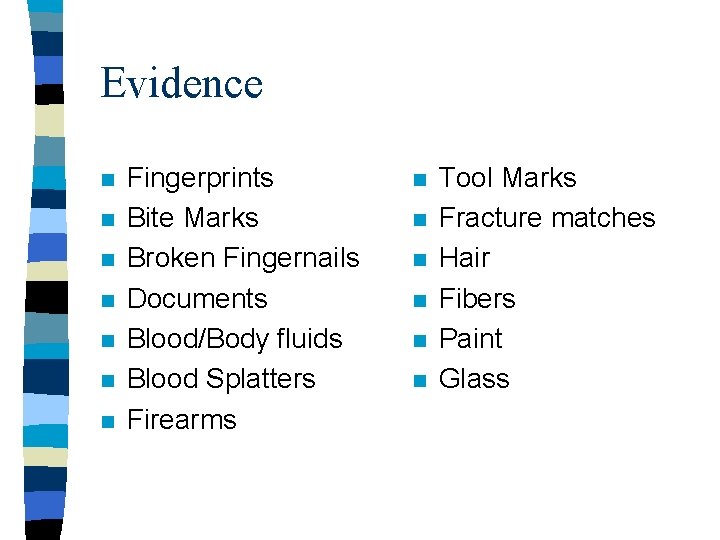
Evidence n n n n Fingerprints Bite Marks Broken Fingernails Documents Blood/Body fluids Blood Splatters Firearms n n n Tool Marks Fracture matches Hair Fibers Paint Glass
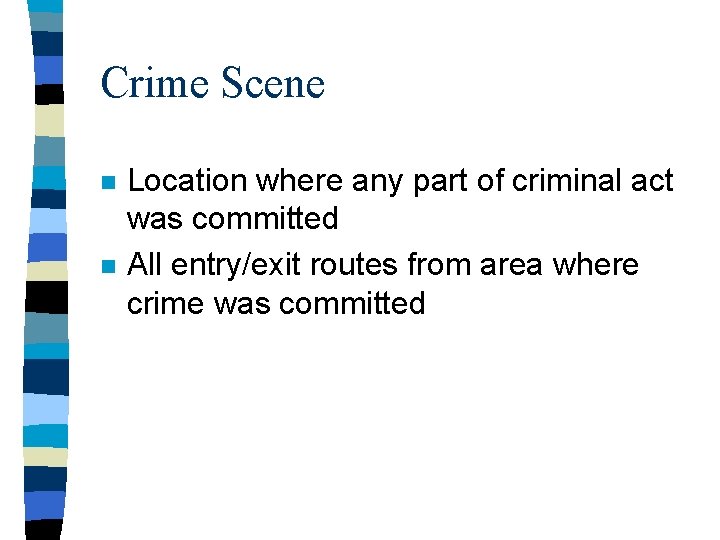
Crime Scene n n Location where any part of criminal act was committed All entry/exit routes from area where crime was committed
Evidence Preservation Patient care is FIRST priority of ALL responding agencies
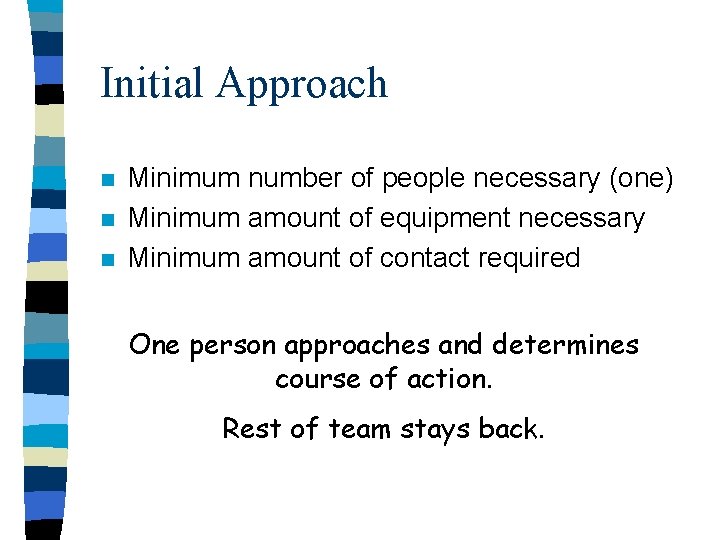
Initial Approach n n n Minimum number of people necessary (one) Minimum amount of equipment necessary Minimum amount of contact required One person approaches and determines course of action. Rest of team stays back.
Evidence Preservation A crime scene is no place for a crowd!
Evidence Preservation n n Don’t disturb scene any more than necessary during assessment Watch where you step Pay attention to floor Avoid kicking anything lying on floor
Evidence Preservation n Note transient details of scene as you approach patient – Lighting (on/off) – Drapes (open/closed) – TVs, radios (on/off) – Furniture position – Evidence of forced entry
Evidence Preservation n n Wear gloves If you must move something to get to patient or do your assessment – Tell police – Note it in your report n If you move a DOA, note it in your report and tell police
Evidence Preservation n If you are there before the police: – Safeguard scene – Seal off entire area – Record names of all people who came into contact with scene
Evidence Preservation n If you are there before the police: – Try to hold all witnesses at scene – Limit conversation between them
Evidence Preservation n If you are there before the police: – Record “first” statements by victim – Note who victim made statement to – Note statements by witnesses – Report to police, record in report in quotes
Evidence Preservation n Do NOT: – Smoke – Eat – Drink – Leave wrappers – Use the bathroom
Evidence Preservation n n Never cut through bullet hole, stab wound Do NOT shake or turn clothing inside out Bag or otherwise secure clothing so the police can recover it at the hospital If you try an IV and miss, mark the site and note it in your report Be conscious of debris you leave on the scene--needles, bandage packages, etc.
Evidence Preservation n Avoid handling bullets, bullet fragments Place in plastic container Turn over to police
Evidence Preservation n n Leave firearms in exact position found Assume ALL weapons loaded If firearm must be moved, only one person should handle it Outline weapon before moving it if possible
Evidence Preservation n Do NOT handle weapon any way except by grips Do NOT attempt to clear or unload weapon NEVER place anything in gun’s barrel or inside trigger guard
Evidence Preservation n If victim reports scratching assailant, cover victim’s hands with paper bags, tape loosely at wrists
Evidence Preservation n n Wet clothing should be placed in paper (not plastic) bag and turned over to police. Wet clothing should not be allowed to stay in ANY kind of bag for >two hours.
Evidence Preservation n n Avoid tracking blood on shoes Keep bloody clothing from various patients separated Do NOT clean or smudge blood splatters on scene Advise police of blood spilled during venipuncure
Evidence Preservation n Victims of alleged sexual assault should not wash or use the restroom until examined at hospital
Evidence Preservation n Do NOT let evidence leave your custody until it passes directly to a peace officer Note in your report that you handled evidence and to whom you passed it Provide your name and unit number to the officer to include in his/her report
Evidence Preservation If chain of custody on piece of evidence is broken, it becomes inadmissible in court!