
EVIDENCE OF EVOLUTION GALAPAGOS ISLANDS GALAPAGOS FINCHES BIOGEOGRAPHY
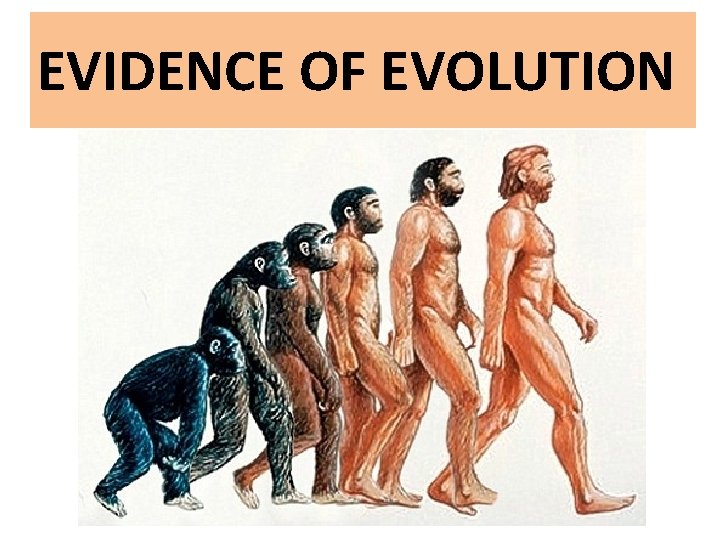
EVIDENCE OF EVOLUTION
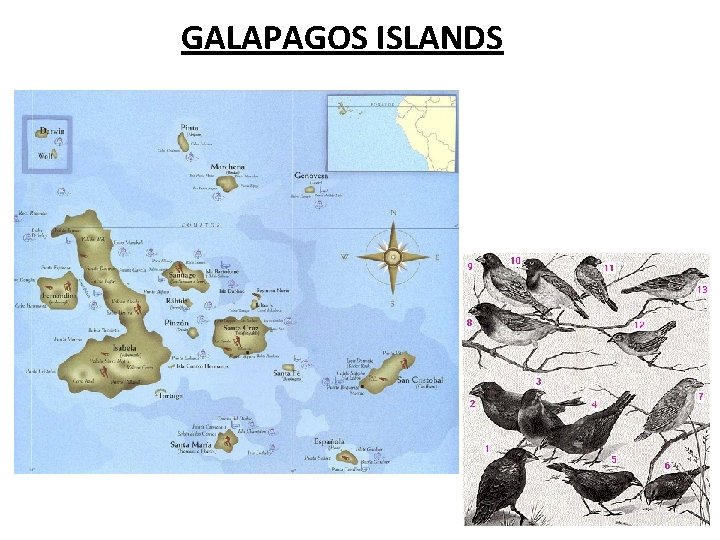
GALAPAGOS ISLANDS
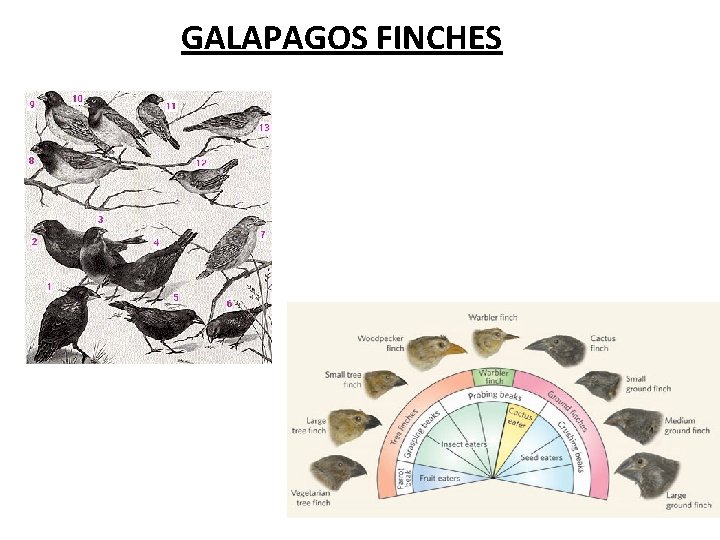
GALAPAGOS FINCHES
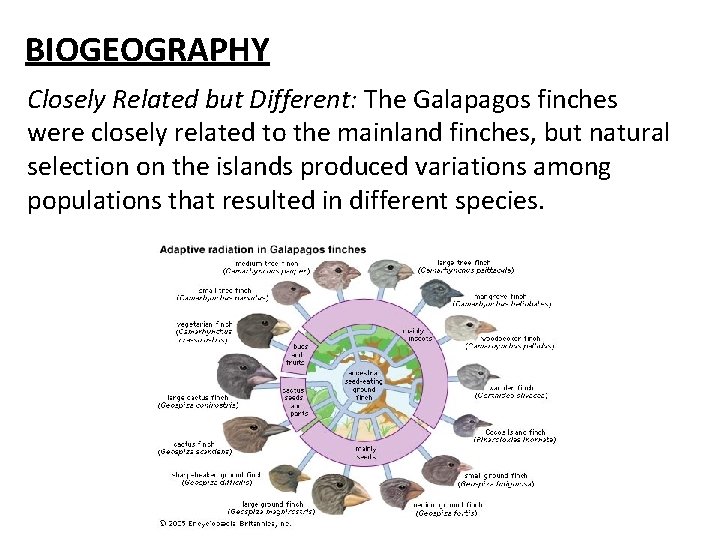
BIOGEOGRAPHY Closely Related but Different: The Galapagos finches were closely related to the mainland finches, but natural selection on the islands produced variations among populations that resulted in different species.
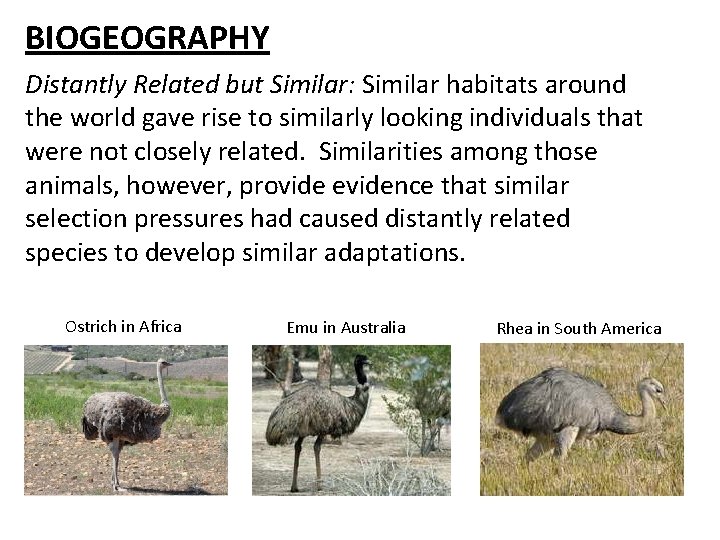
BIOGEOGRAPHY Distantly Related but Similar: Similar habitats around the world gave rise to similarly looking individuals that were not closely related. Similarities among those animals, however, provide evidence that similar selection pressures had caused distantly related species to develop similar adaptations. Ostrich in Africa Emu in Australia Rhea in South America
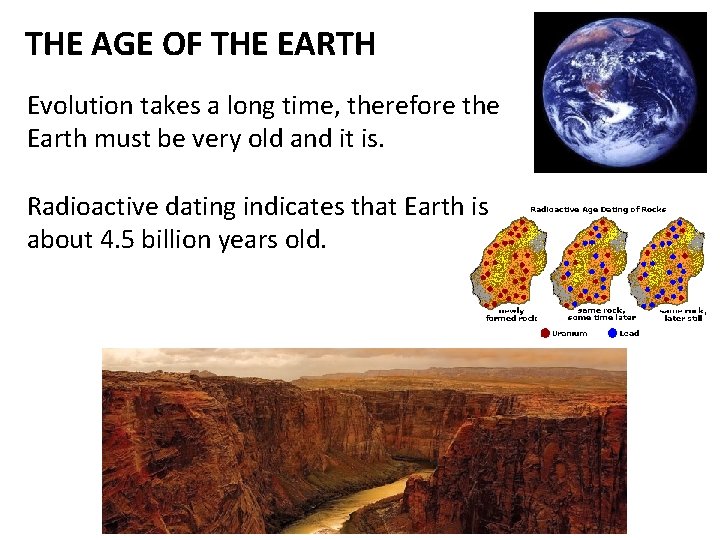
THE AGE OF THE EARTH Evolution takes a long time, therefore the Earth must be very old and it is. Radioactive dating indicates that Earth is about 4. 5 billion years old.
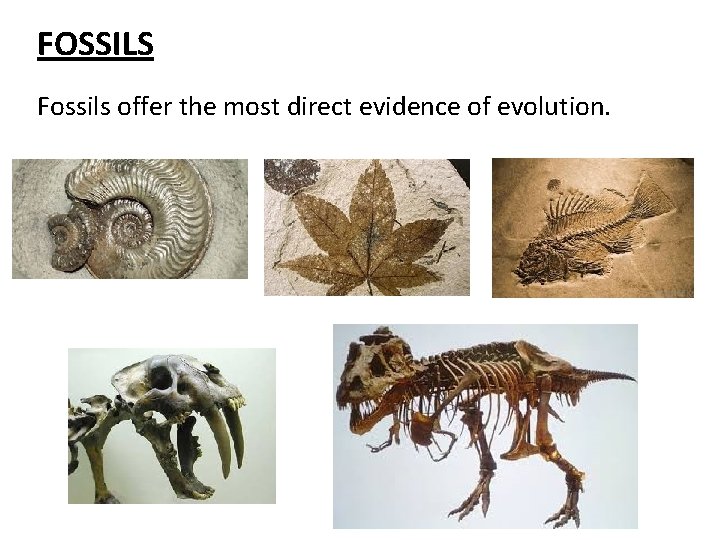
FOSSILS Fossils offer the most direct evidence of evolution.
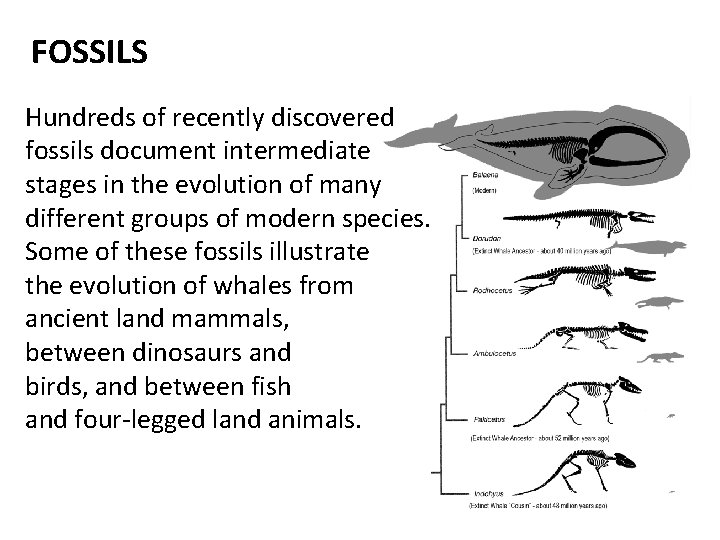
FOSSILS Hundreds of recently discovered fossils document intermediate stages in the evolution of many different groups of modern species. Some of these fossils illustrate the evolution of whales from ancient land mammals, between dinosaurs and birds, and between fish and four-legged land animals.
ANATOMY Sometimes very different animals have very similar arrangement of bones. Limbs that perform very different functions are built from the same kinds of bones. Homologous structures are similar structures (that perform different functions) that appear in different organisms as a result of sharing a common ancestor.
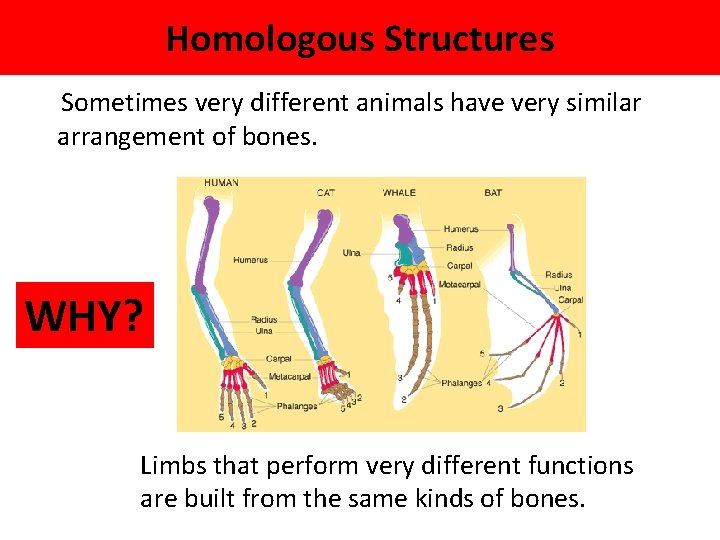
Homologous Structures Sometimes very different animals have very similar arrangement of bones. WHY? Limbs that perform very different functions are built from the same kinds of bones.
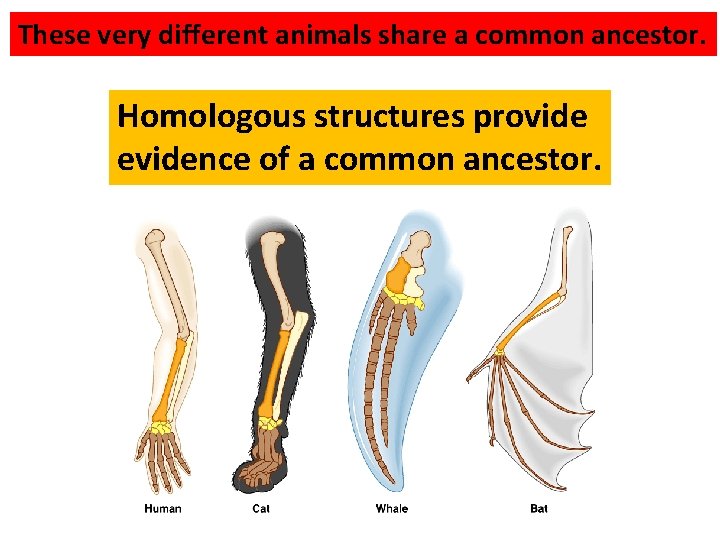
These very different animals share a common ancestor. Homologous structures provide evidence of a common ancestor.
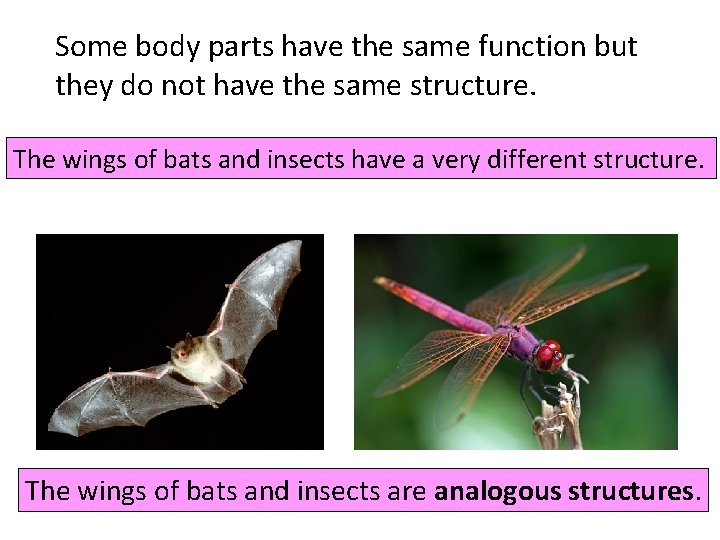
Some body parts have the same function but they do not have the same structure. The wings of bats and insects have a very different structure. The wings of bats and insects are analogous structures.
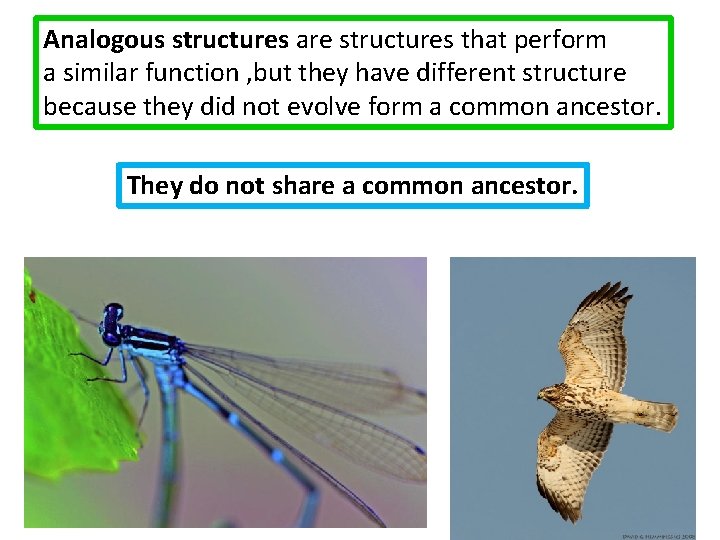
Analogous structures are structures that perform a similar function , but they have different structure because they did not evolve form a common ancestor. They do not share a common ancestor.
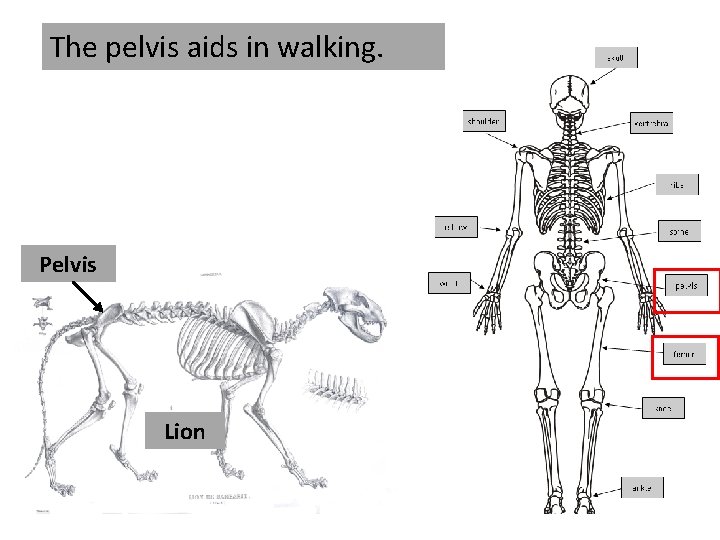
The pelvis aids in walking. Pelvis Lion
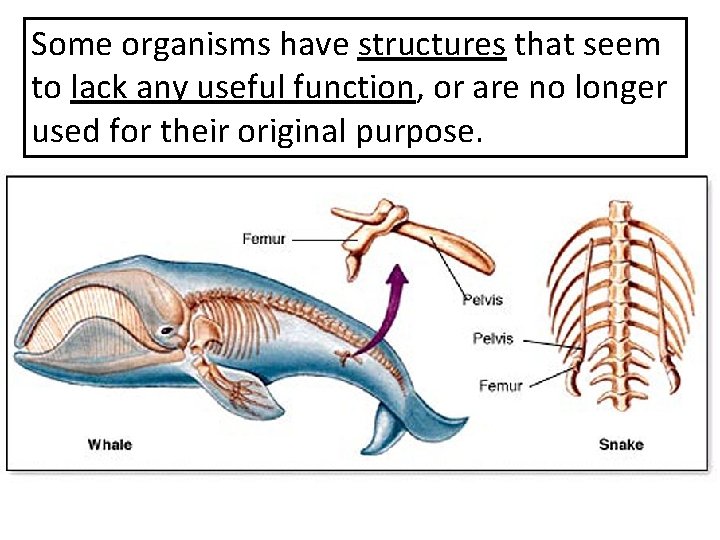
Some organisms have structures that seem to lack any useful function, or are no longer used for their original purpose.
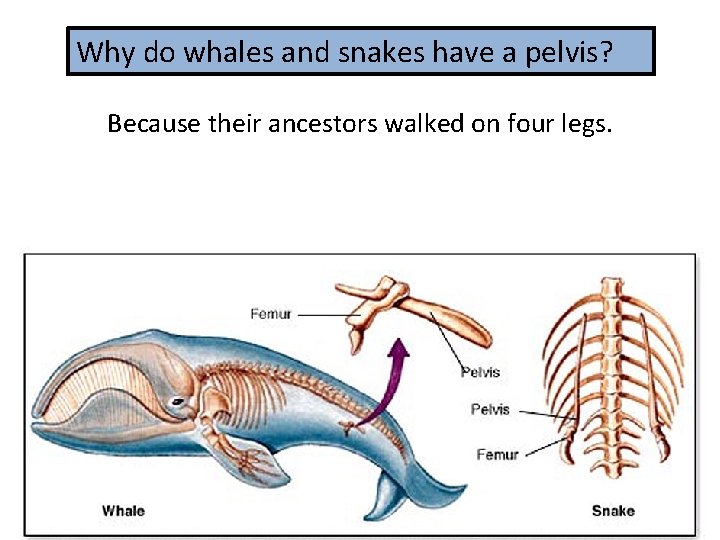
Why do whales and snakes have a pelvis? Because their ancestors walked on four legs.
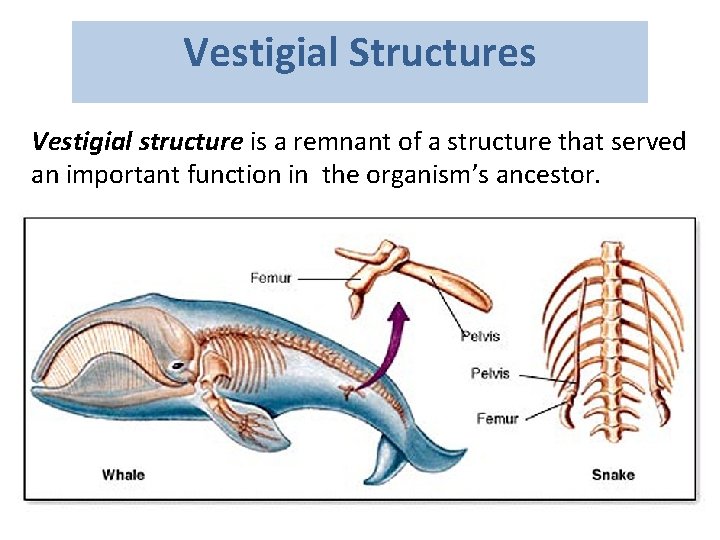
Vestigial Structures Vestigial structure is a remnant of a structure that served an important function in the organism’s ancestor.
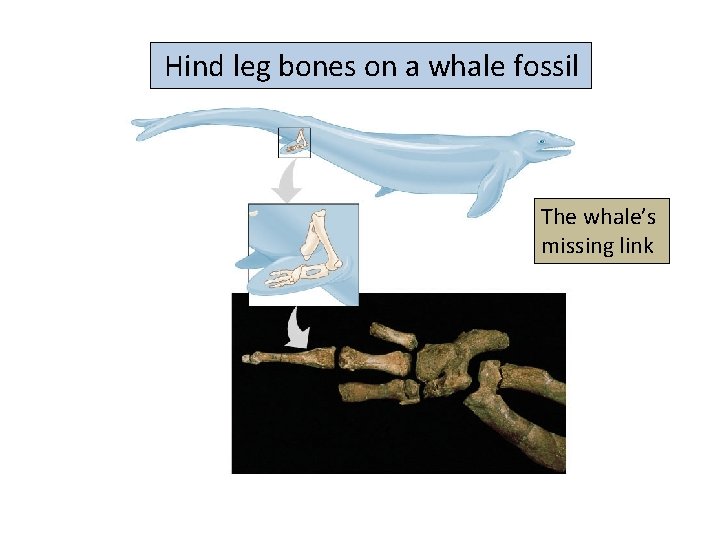
Hind leg bones on a whale fossil The whale’s missing link
EMBRYOLOGY The development of embryos tell an evolutionary history. Very different animals have similar structures during development. At an early stage of development, all vertebrate embryos have gill slits, and a tail. The similar features of embryos in very different organisms suggest evolution from a common ancestor.
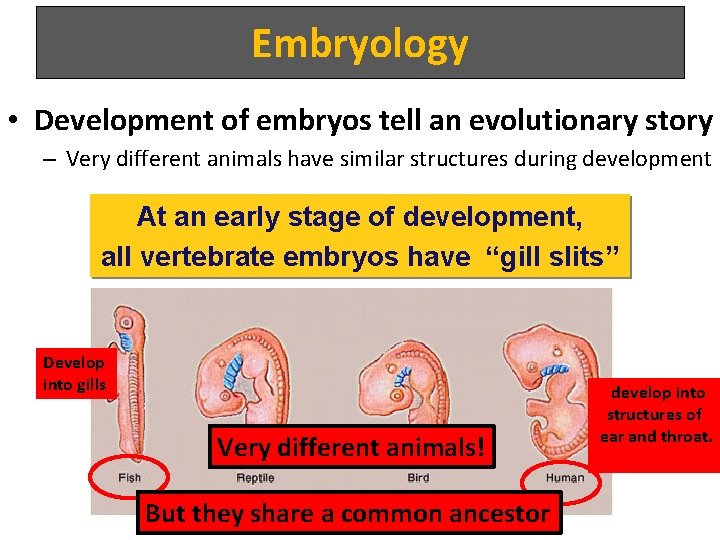
Embryology • Development of embryos tell an evolutionary story – Very different animals have similar structures during development At an early stage of development, all vertebrate embryos have “gill slits” Develop into gills Very different animals! But they share a common ancestor develop into structures of ear and throat.
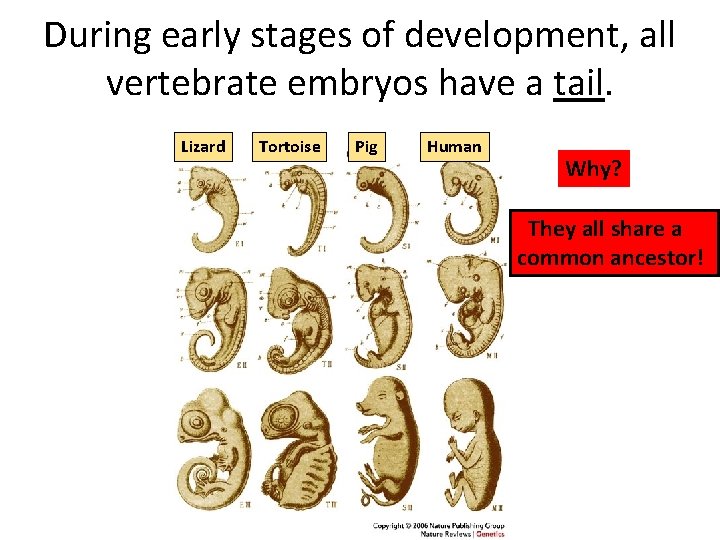
During early stages of development, all vertebrate embryos have a tail. Lizard Tortoise Pig Human Why? They all share a common ancestor!
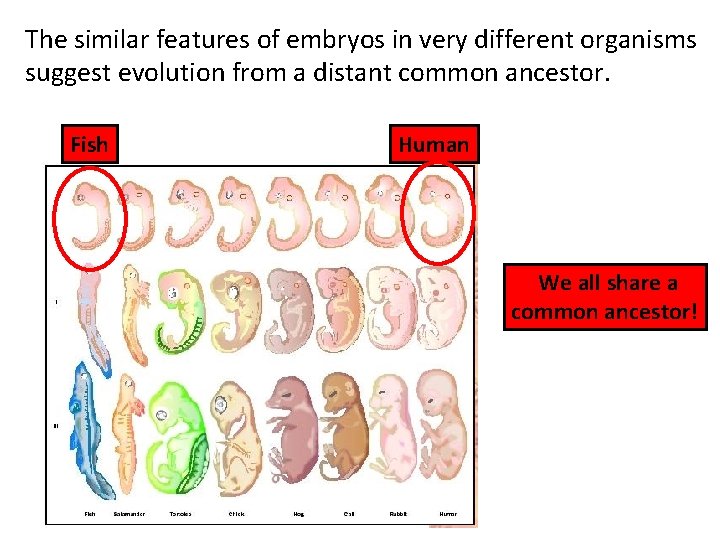
The similar features of embryos in very different organisms suggest evolution from a distant common ancestor. Fish Human We all share a common ancestor!
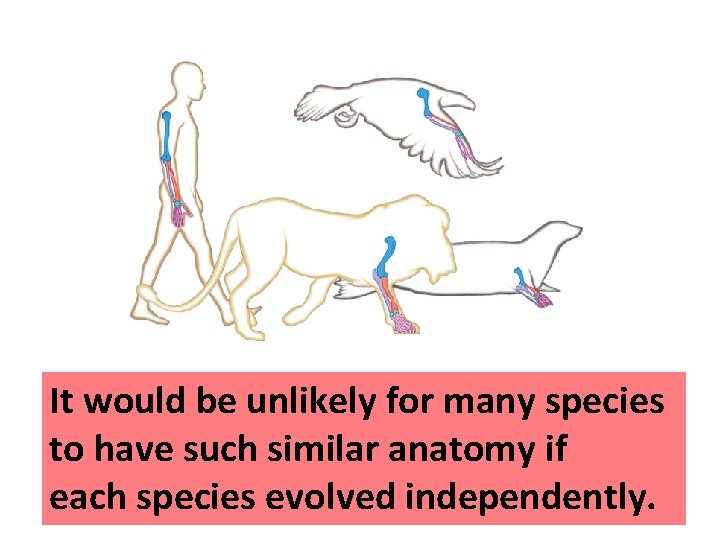
It would be unlikely for many species to have such similar anatomy if each species evolved independently.
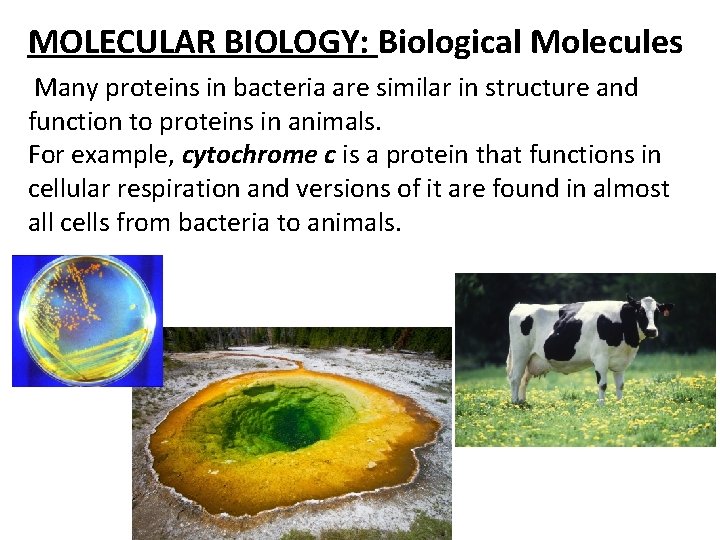
MOLECULAR BIOLOGY: Biological Molecules Many proteins in bacteria are similar in structure and function to proteins in animals. For example, cytochrome c is a protein that functions in cellular respiration and versions of it are found in almost all cells from bacteria to animals.
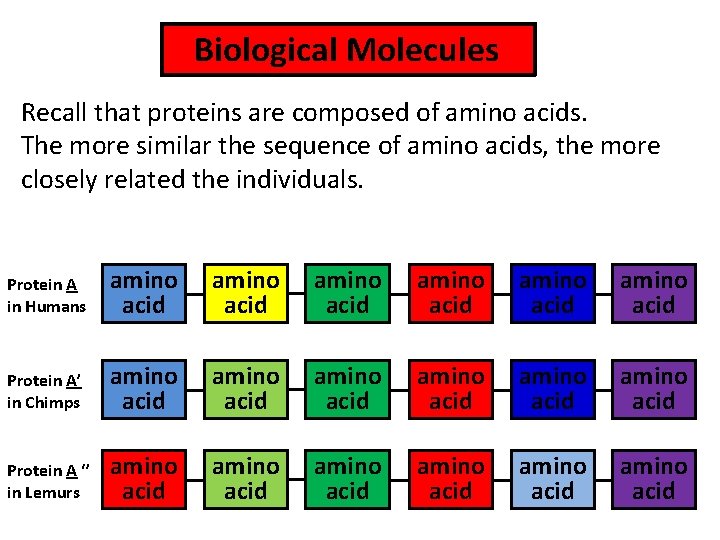
Biological Molecules Recall that proteins are composed of amino acids. The more similar the sequence of amino acids, the more closely related the individuals. Protein A in Humans amino acid amino acid Protein A’ in Chimps amino acid amino acid amino acid Protein A ‘’ in Lemurs
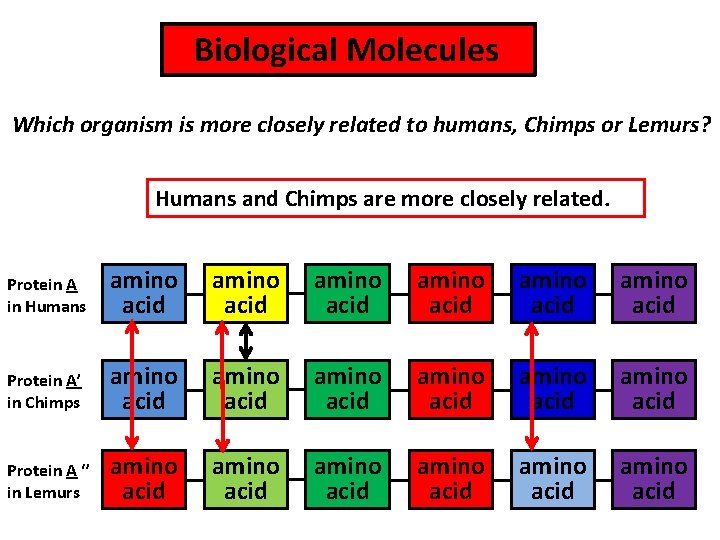
Biological Molecules Which organism is more closely related to humans, Chimps or Lemurs? Humans and Chimps are more closely related. Protein A in Humans amino acid amino acid Protein A’ in Chimps amino acid amino acid amino acid Protein A ‘’ in Lemurs
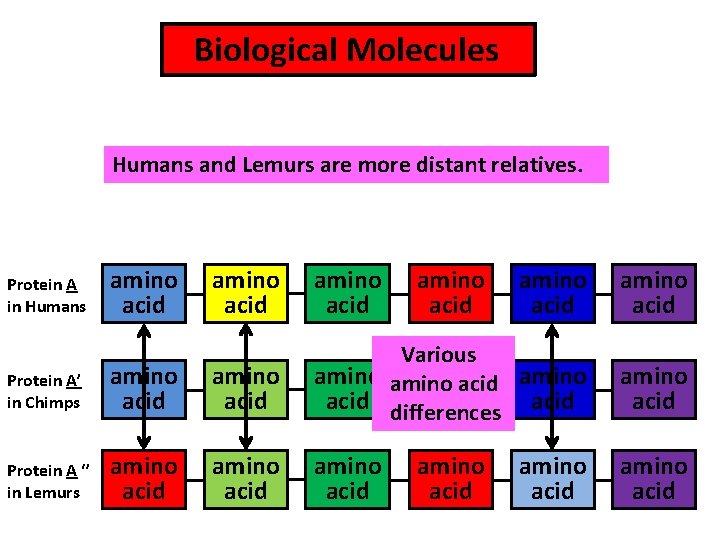
Biological Molecules Humans and Lemurs are more distant relatives. Protein A in Humans Protein A’ in Chimps Protein A ‘’ in Lemurs amino acid amino acid Various amino acid differences acid amino acid amino acid amino acid
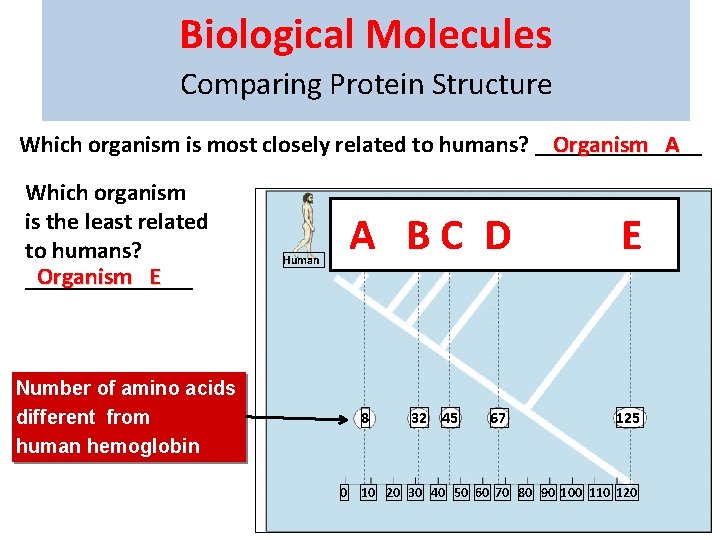
Biological Molecules Comparing Protein Structure Which organism is most closely related to humans? _______ Organism A Which organism is the least related to humans? Organism E _______ Number of amino acids different from human hemoglobin Human A B C D E Macaque 8 Dog Bird Frog 32 45 67 Lamprey 125 0 10 20 30 40 50 60 70 80 90 100 110 120
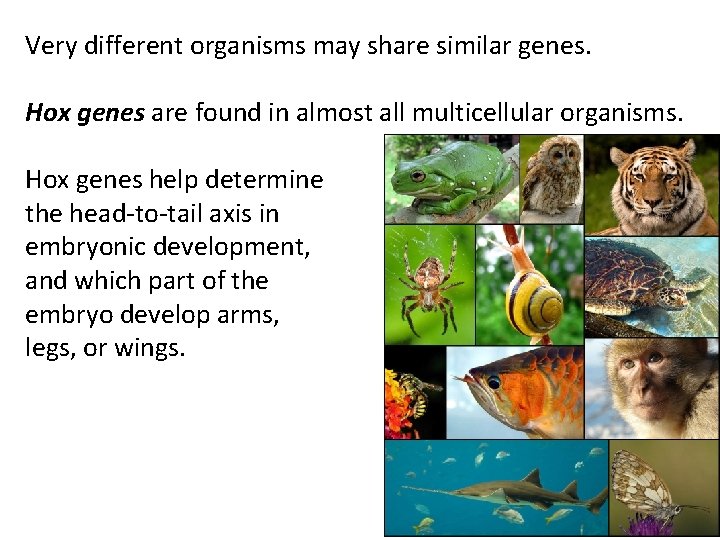
Very different organisms may share similar genes. Hox genes are found in almost all multicellular organisms. Hox genes help determine the head-to-tail axis in embryonic development, and which part of the embryo develop arms, legs, or wings.
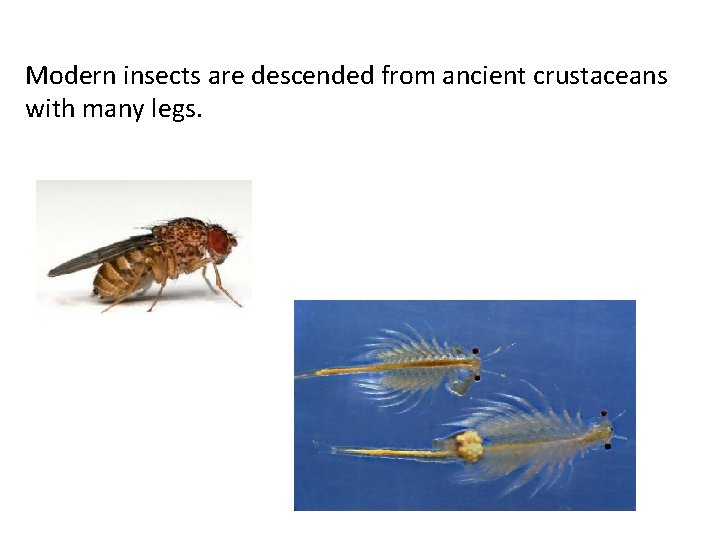
Modern insects are descended from ancient crustaceans with many legs.
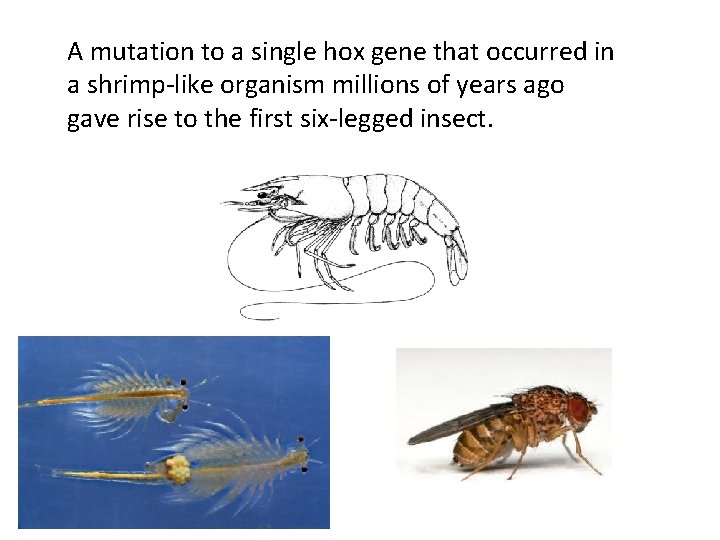
A mutation to a single hox gene that occurred in a shrimp-like organism millions of years ago gave rise to the first six-legged insect.
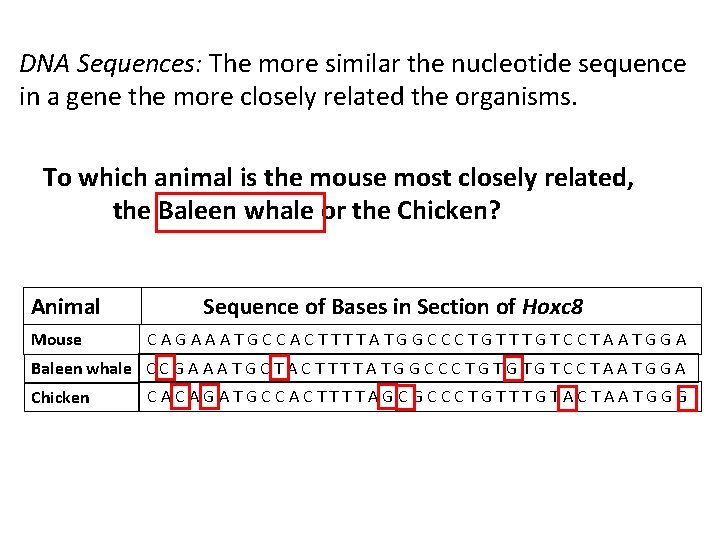
DNA Sequences: The more similar the nucleotide sequence in a gene the more closely related the organisms. To which animal is the mouse most closely related, the Baleen whale or the Chicken? Animal Sequence of Bases in Section of Hoxc 8 Mouse C A G A A A T G C C A C T T A T G G C C C T G T T T G T C C T A A T G G A Baleen whale C C G A A A T G C T A C T T A T G G C C C T G T G T C C T A A T G G A Chicken C A G A T G C C A C T T A G C C C T G T T T G T A C T A A T G G G
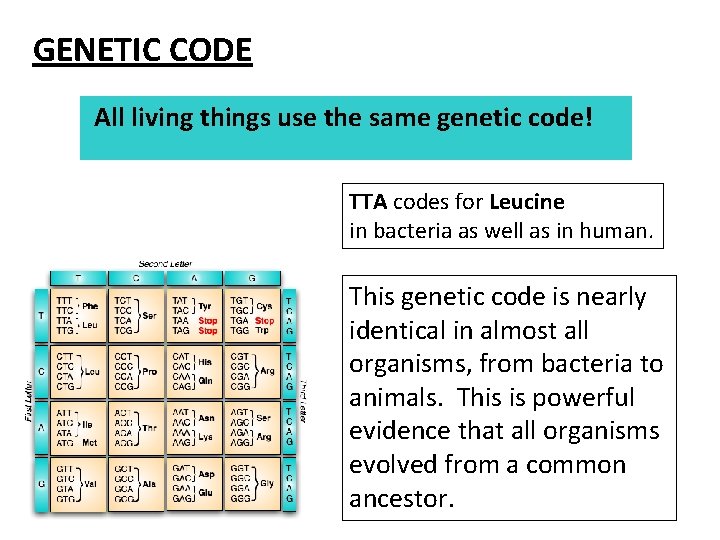
GENETIC CODE All living things use the same genetic code! TTA codes for Leucine in bacteria as well as in human. This genetic code is nearly identical in almost all organisms, from bacteria to animals. This is powerful evidence that all organisms evolved from a common ancestor.

REVIEW
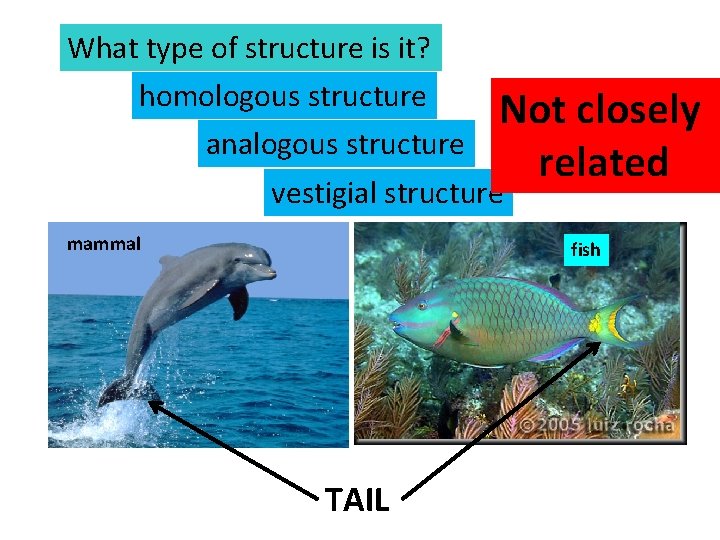
What type of structure is it? homologous structure analogous structure Not closely related vestigial structure mammal fish TAIL
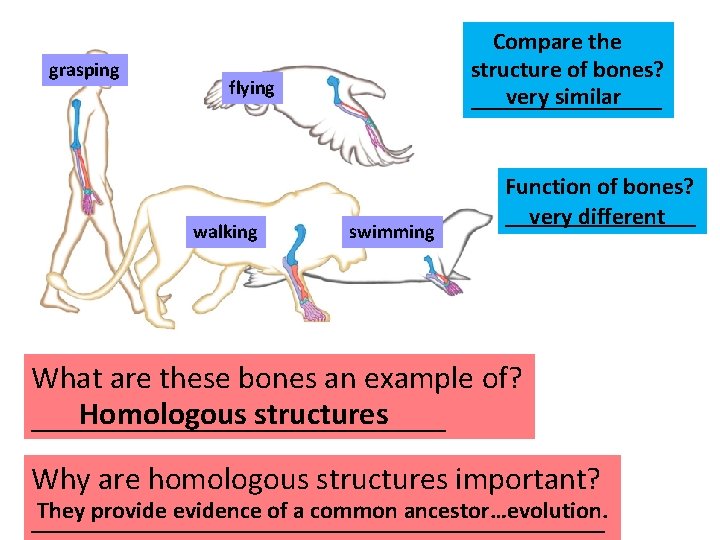
grasping Compare the structure of bones? very similar ________ flying walking swimming Function of bones? ________ very different What are these bones an example of? Homologous structures _____________ Why are homologous structures important? They provide evidence of a common ancestor…evolution. __________________
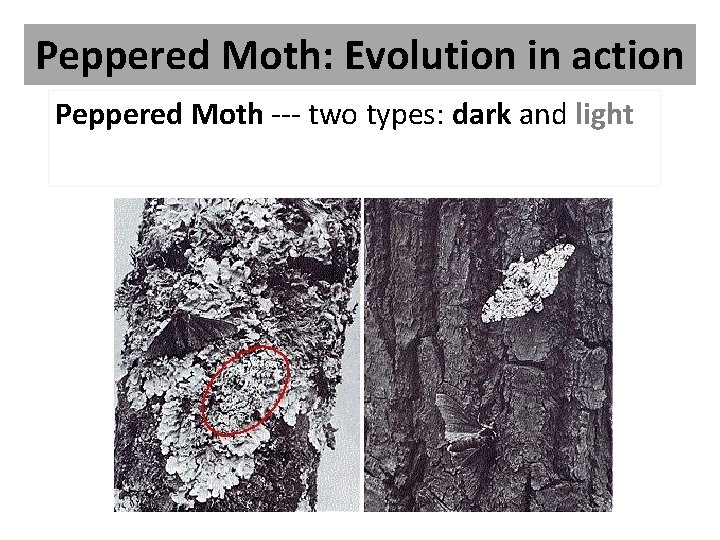
Peppered Moth: Evolution in action Peppered Moth --- two types: dark and light
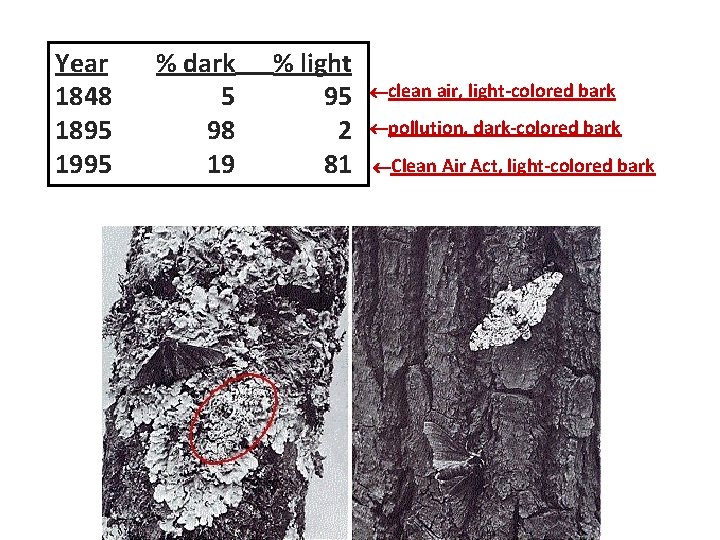
Year 1848 1895 1995 % dark 5 98 19 % light 95 2 81 clean air, light-colored bark pollution, dark-colored bark Clean Air Act, light-colored bark
- Slides: 38