
Evidence of Evolution Fossil Evidence Fossil Record provides

- Slides: 12
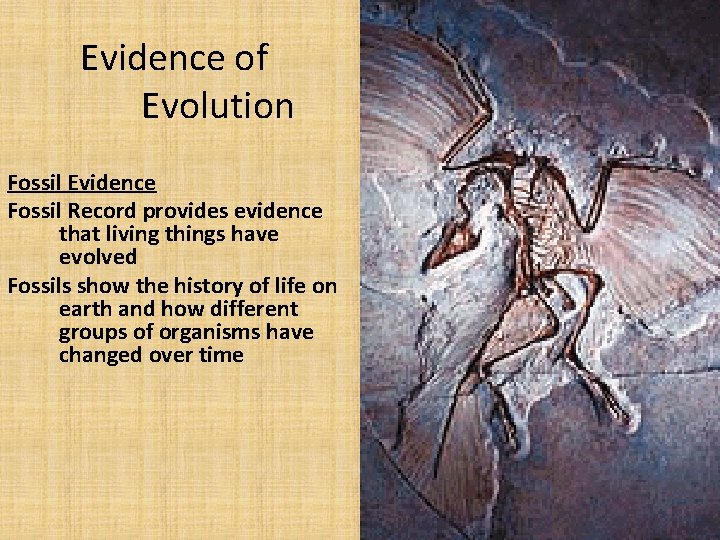
Evidence of Evolution Fossil Evidence Fossil Record provides evidence that living things have evolved Fossils show the history of life on earth and how different groups of organisms have changed over time
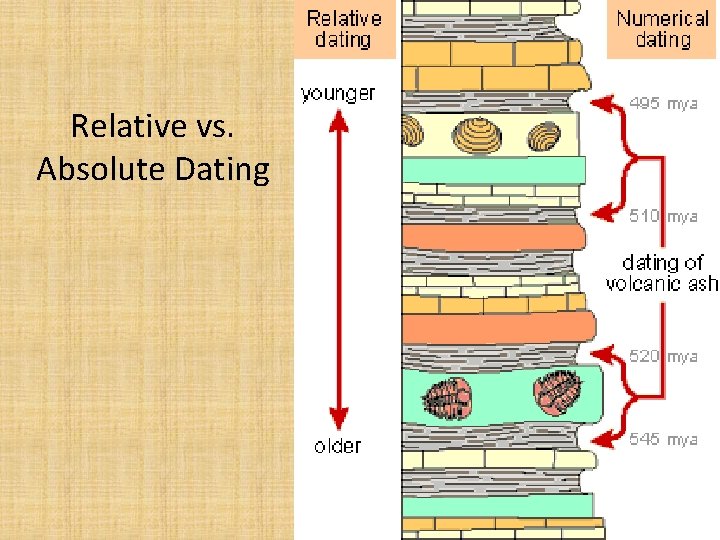
Relative vs. Absolute Dating
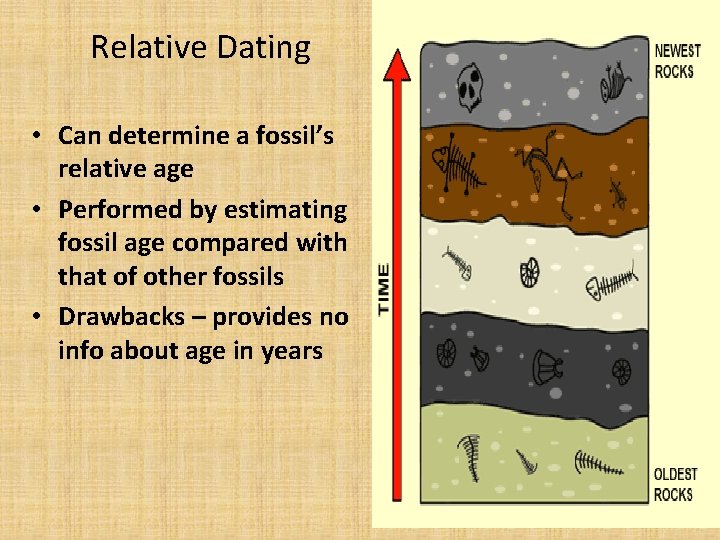
Relative Dating • Can determine a fossil’s relative age • Performed by estimating fossil age compared with that of other fossils • Drawbacks – provides no info about age in years
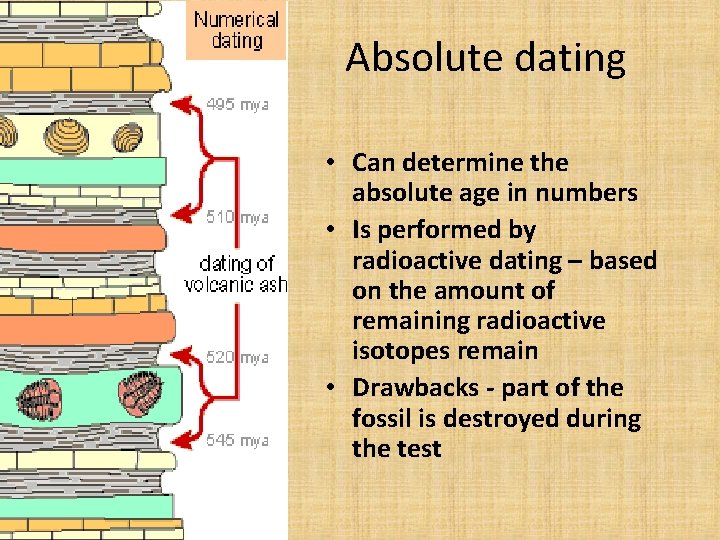
Absolute dating • Can determine the absolute age in numbers • Is performed by radioactive dating – based on the amount of remaining radioactive isotopes remain • Drawbacks - part of the fossil is destroyed during the test
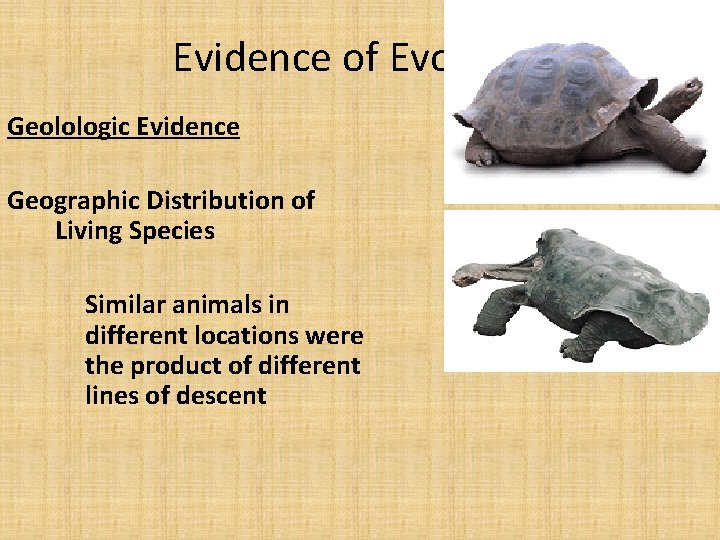
Evidence of Evolution Geolologic Evidence Geographic Distribution of Living Species Similar animals in different locations were the product of different lines of descent
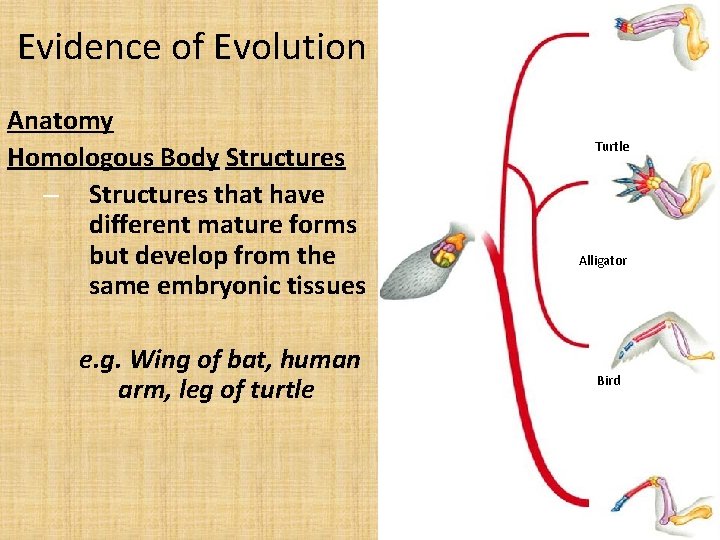
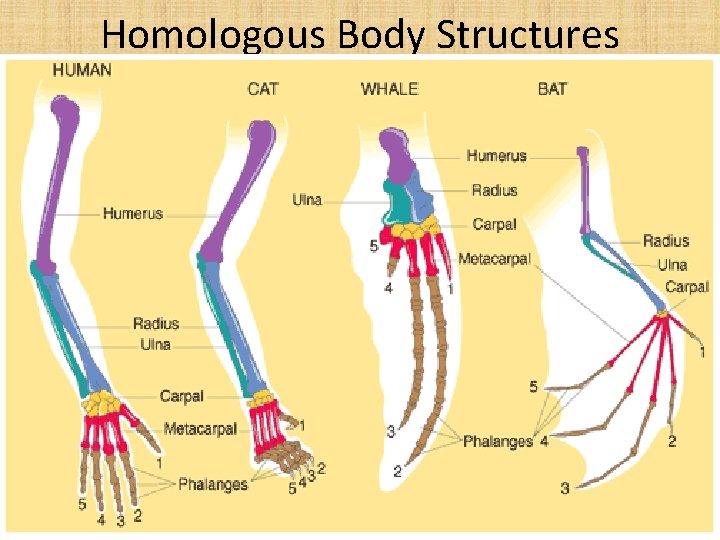
Evidence of Evolution Anatomy Homologous Body Structures – Structures that have different mature forms but develop from the same embryonic tissues e. g. Wing of bat, human arm, leg of turtle Turtle Alligator Bird
Homologous Body Structures
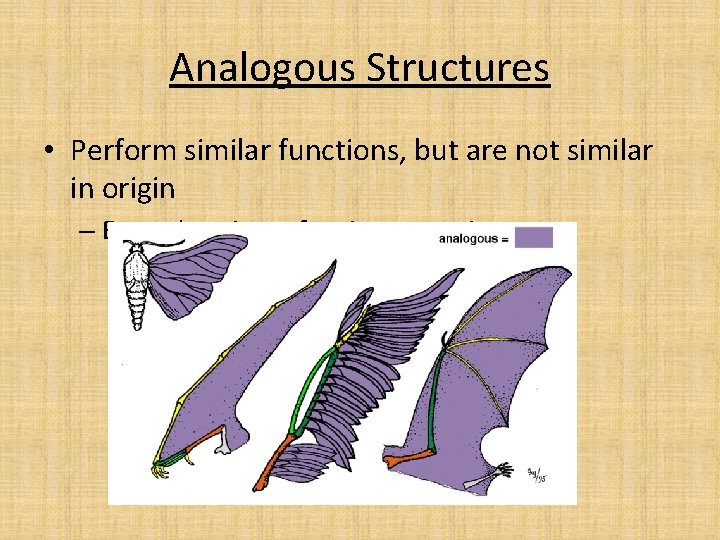
Analogous Structures • Perform similar functions, but are not similar in origin – Example: wings of various organisms
Vestigial Organs – traces of homologous organs in other species – Organ that serves no useful function e. g. Appendix
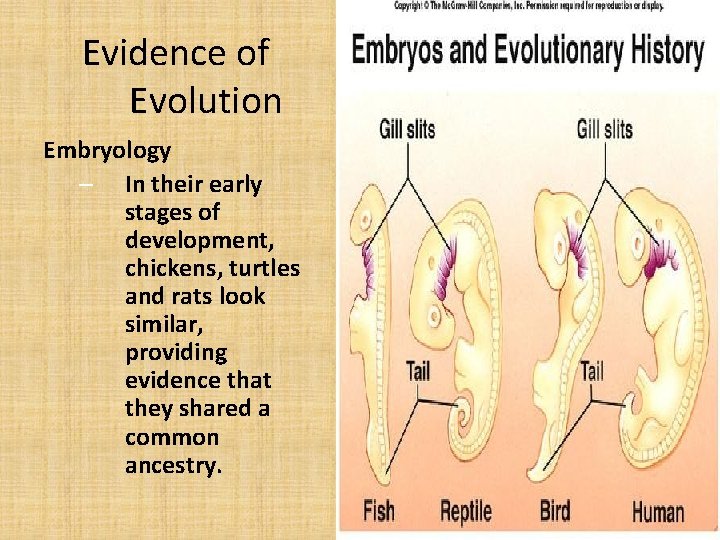
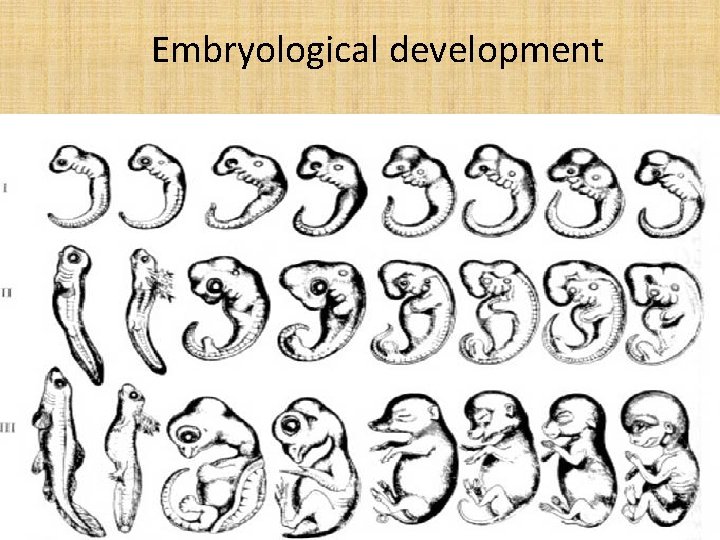
Evidence of Evolution Embryology – In their early stages of development, chickens, turtles and rats look similar, providing evidence that they shared a common ancestry.
Embryological development