
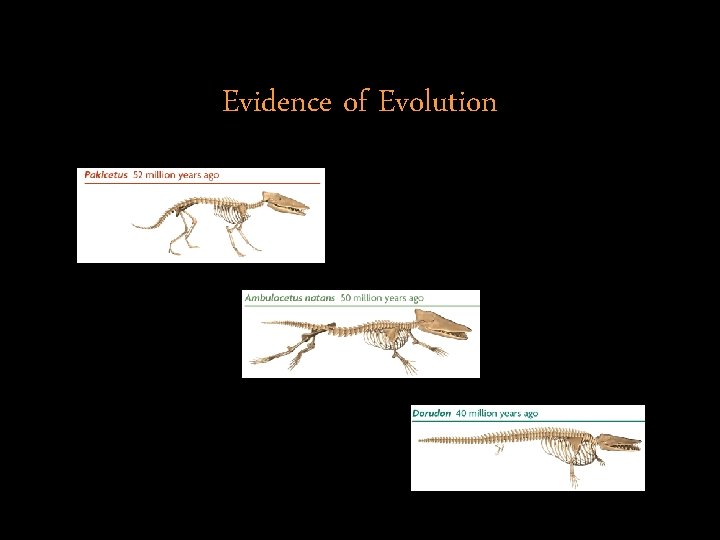
Evidence of Evolution Evidence 1 Fossil Record Shows
- Slides: 13
Evidence of Evolution
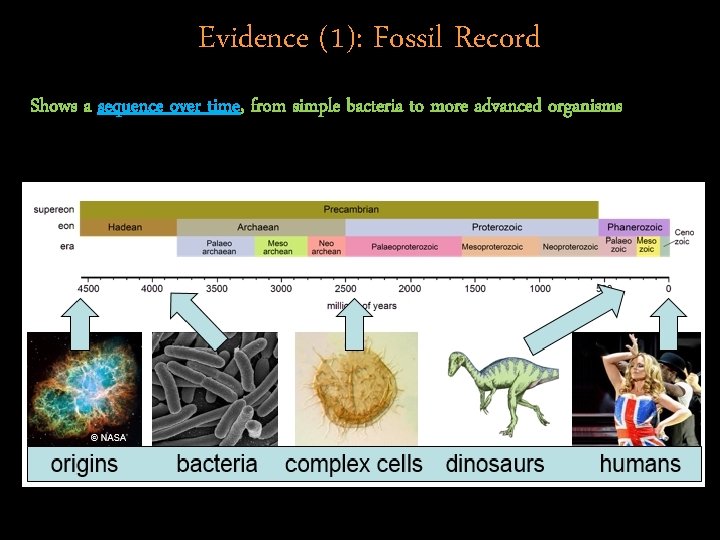
Evidence (1): Fossil Record Shows a sequence over time, from simple bacteria to more advanced organisms
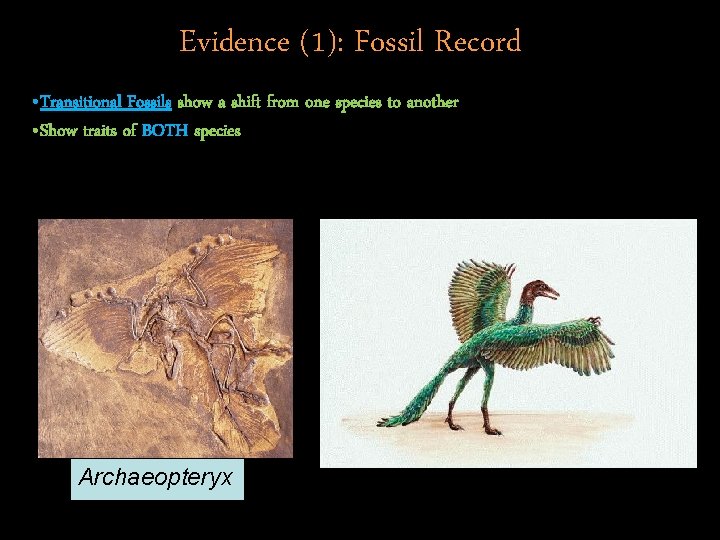
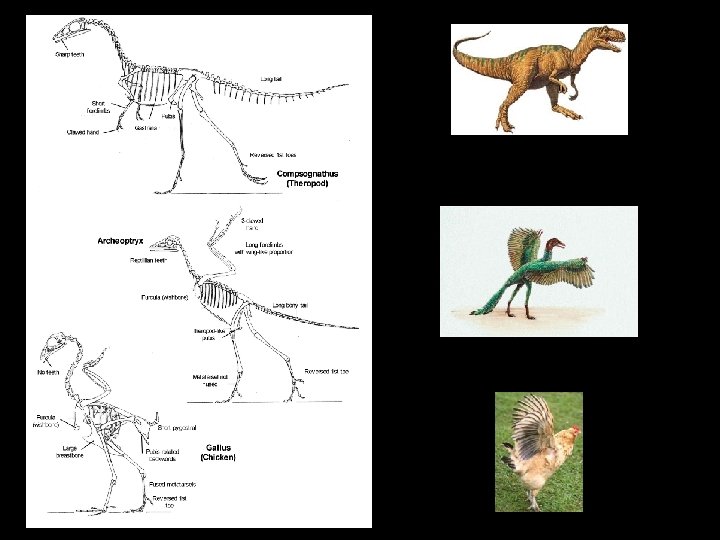
Evidence (1): Fossil Record • Transitional Fossils show a shift from one species to another • Show traits of BOTH species Archaeopteryx
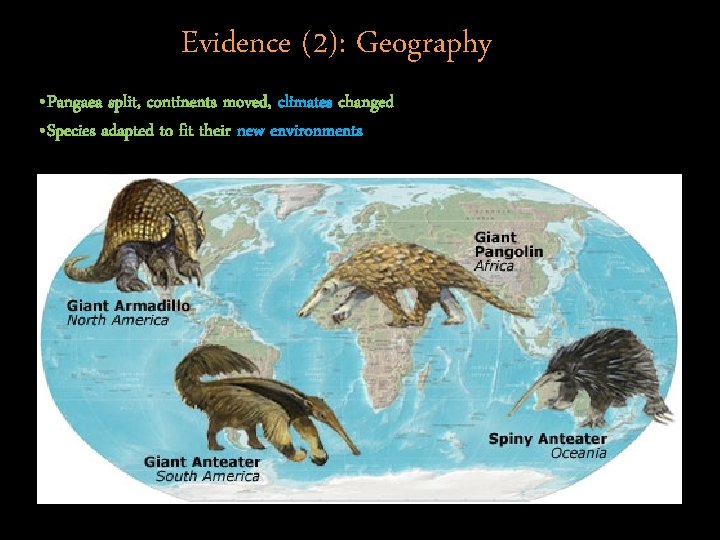
Evidence (2): Geography • Pangaea split, continents moved, climates changed • Species adapted to fit their new environments
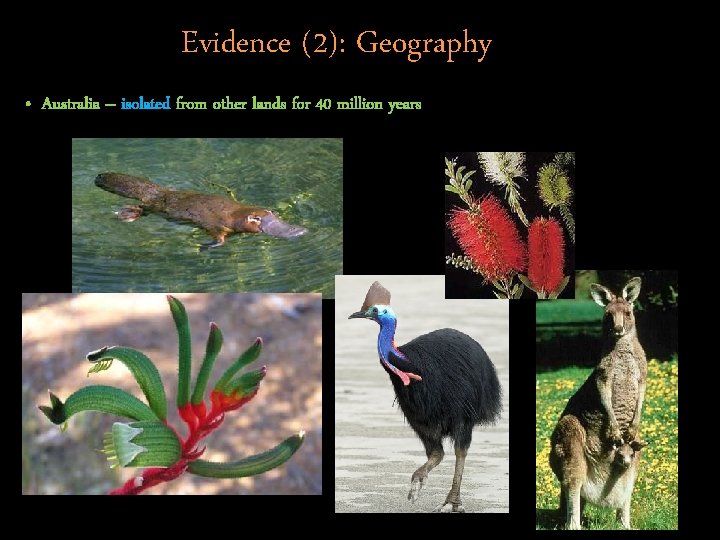
Evidence (2): Geography • Australia – isolated from other lands for 40 million years
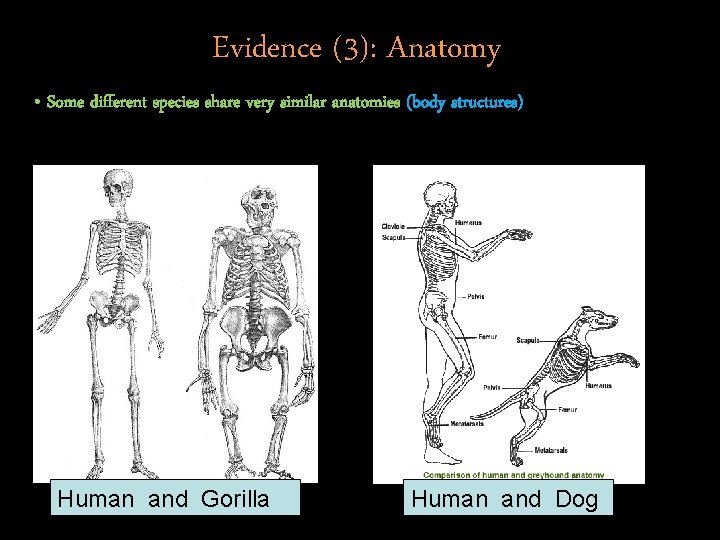
Evidence (3): Anatomy • Some different species share very similar anatomies (body structures) Human and Gorilla Human and Dog
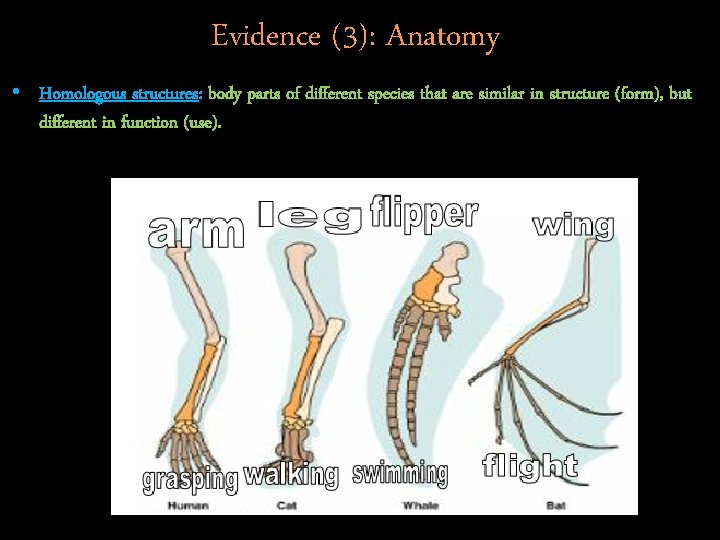
Evidence (3): Anatomy • Homologous structures: body parts of different species that are similar in structure (form), but different in function (use).
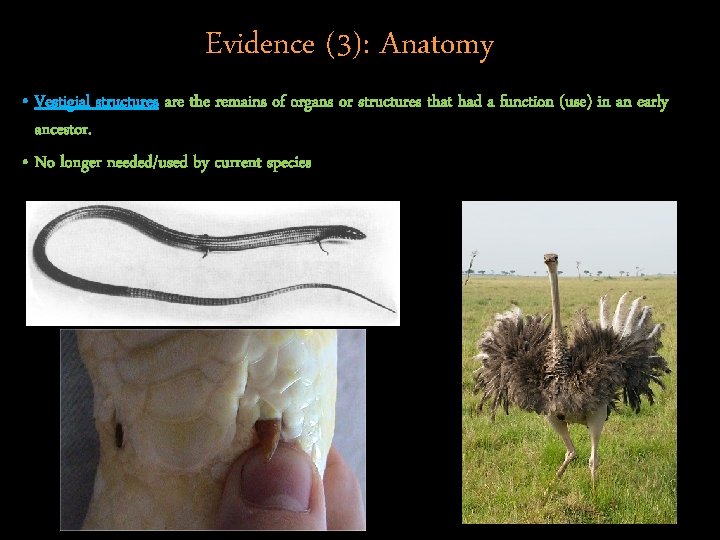
Evidence (3): Anatomy • Vestigial structures are the remains of organs or structures that had a function (use) in an early ancestor. • No longer needed/used by current species
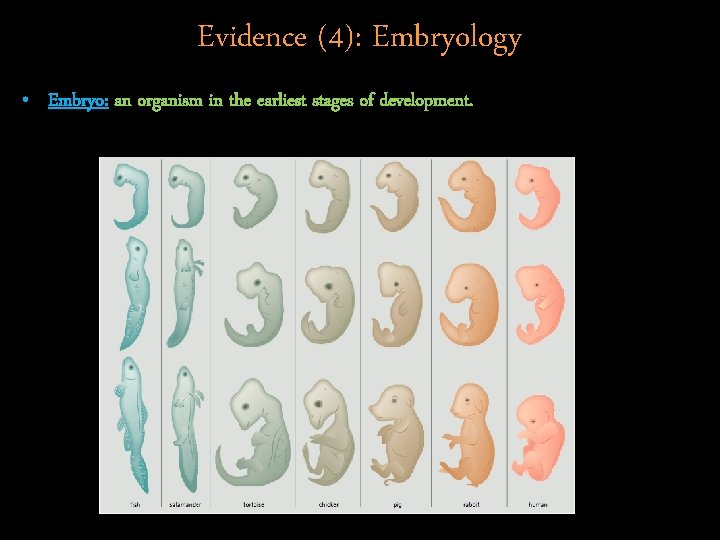
Evidence (4): Embryology • Embryo: an organism in the earliest stages of development.
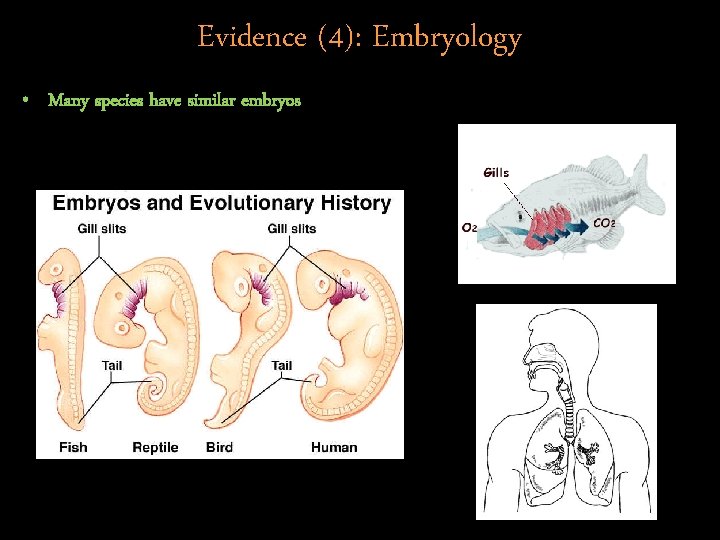
Evidence (4): Embryology • Many species have similar embryos
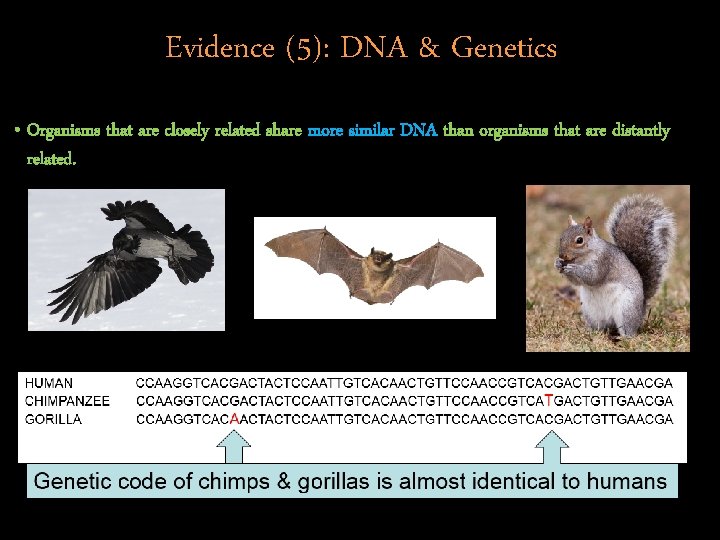
Evidence (5): DNA & Genetics • Organisms that are closely related share more similar DNA than organisms that are distantly related.
Make sure you understand… • How the fossil record shows sequence over time and transitional fossils • How geography shows the development of isolated species • How anatomy shows similarities among species; homologous structures; and vestigial structures • How embryo comparisons show similarities among species • How DNA evidence can show closely organisms are related