
Evidence for evolution Darwins key ideas n n

- Slides: 18
Evidence for evolution
Darwin’s key ideas: n n A. REPRODUCTION: Organisms produce more offspring than can survive B. VARIATION: Variety in traits exist C. SURVIVAL OF THE FIT: Some traits allow survival & are passed on D. Over time certain variations make up most of a population & they may be different from their ancestors
Evidence for Evolution 1. Fossil record 2. Comparative anatomy 3. Comparative embryology 4. Comparative biochemistry 5. Plate tectonics
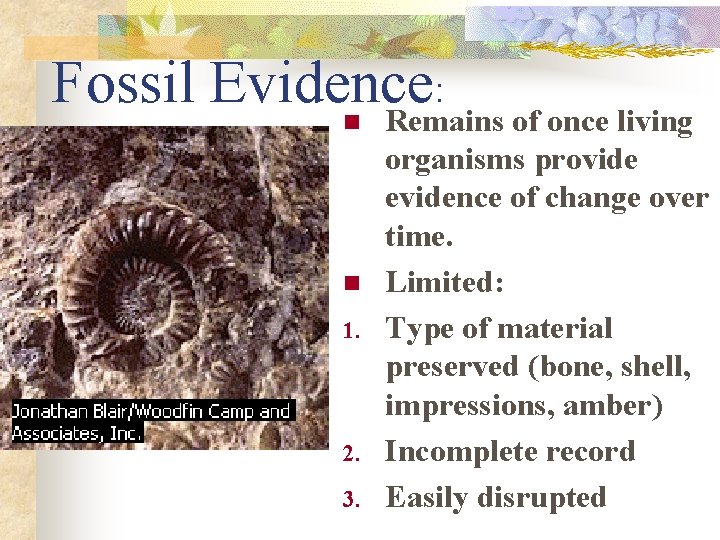
Fossil Evidence : n Remains of once living n 1. 2. 3. organisms provide evidence of change over time. Limited: Type of material preserved (bone, shell, impressions, amber) Incomplete record Easily disrupted
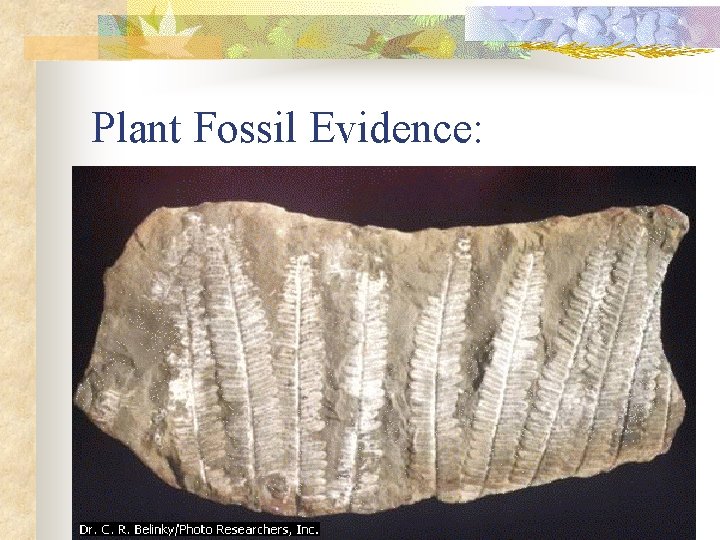
Plant Fossil Evidence:
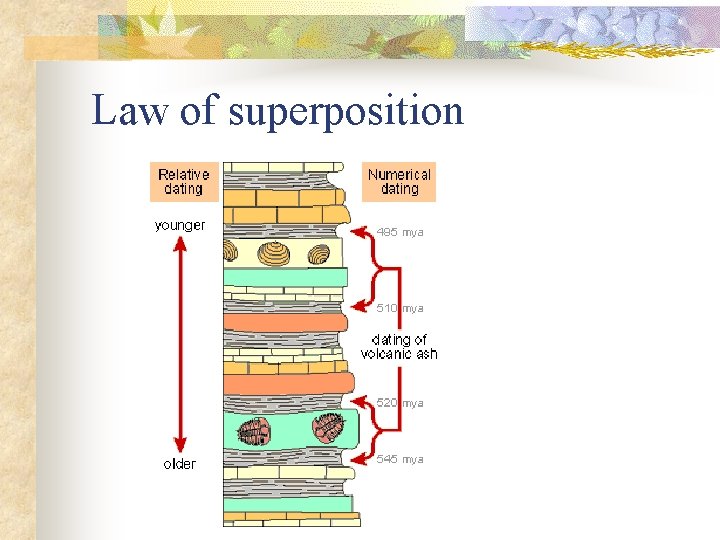
Law of superposition
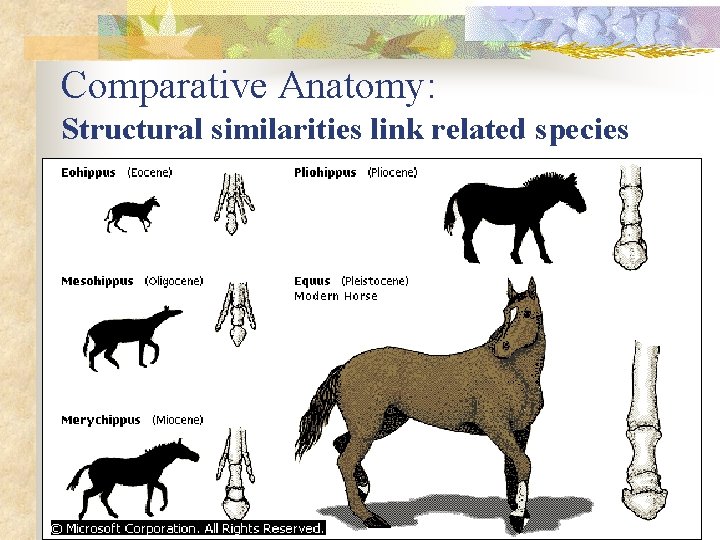
Comparative Anatomy: Structural similarities link related species
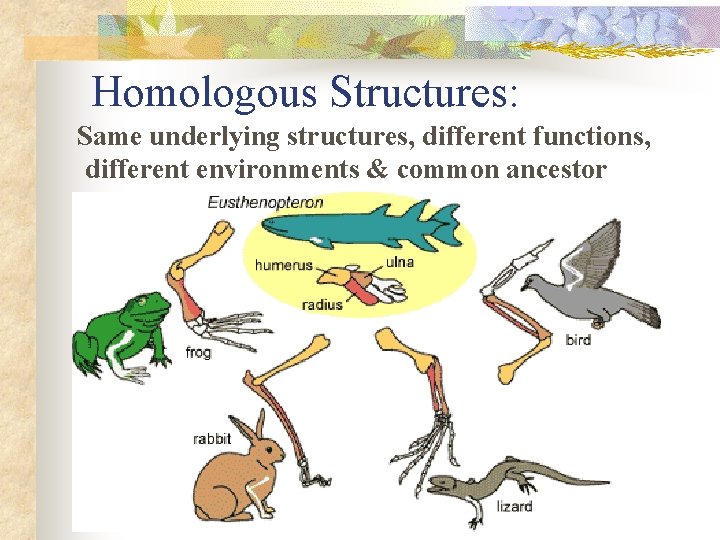
Homologous Structures: Same underlying structures, different functions, different environments & common ancestor
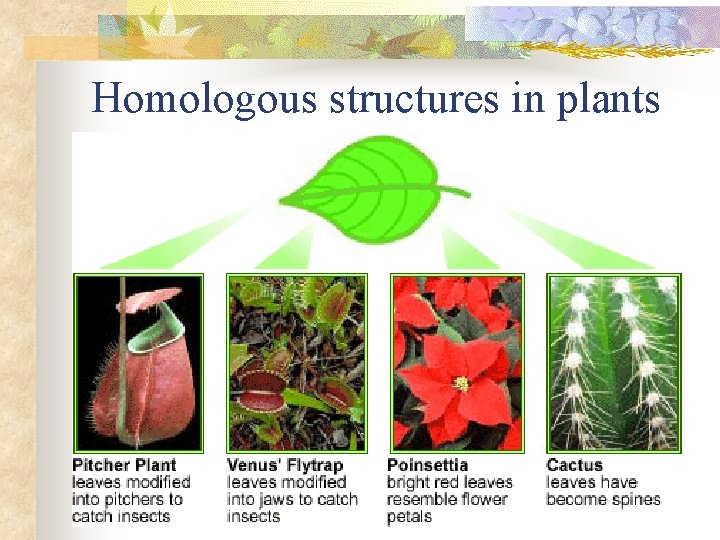
Homologous structures in plants
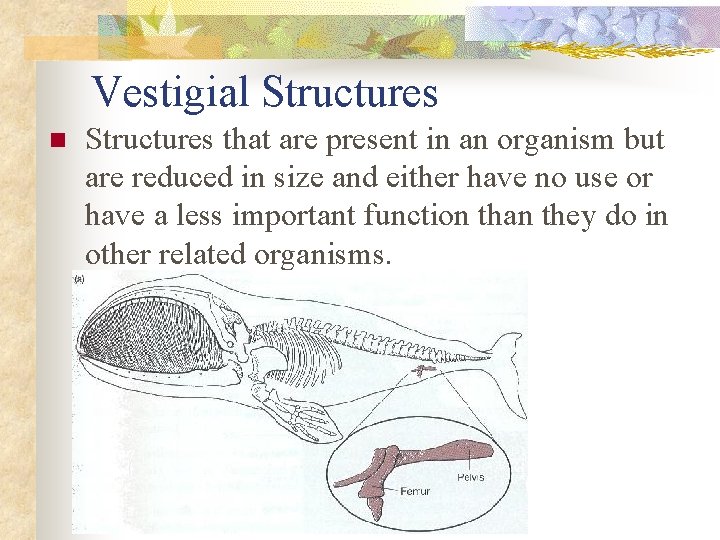
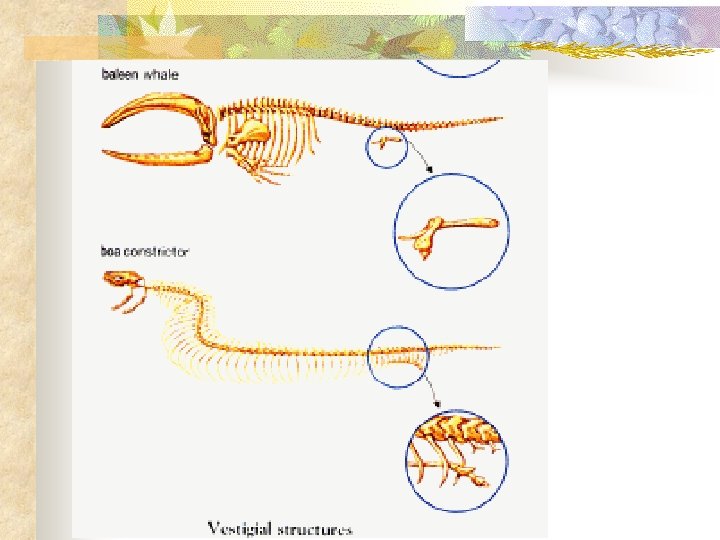
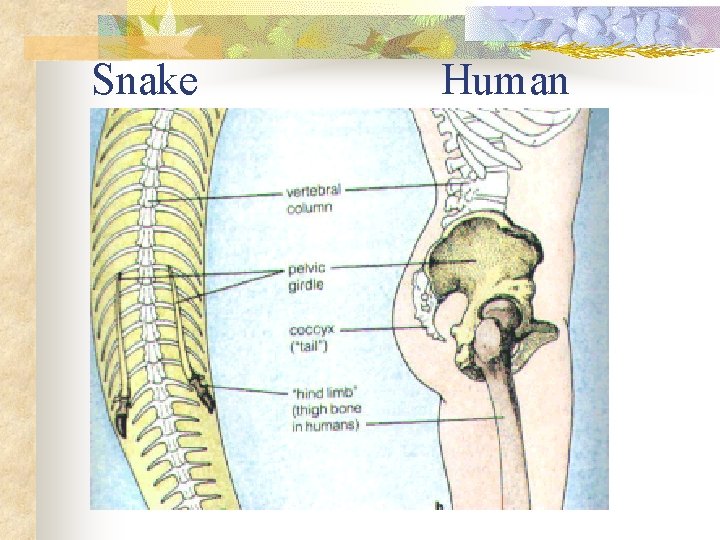
Vestigial Structures n Structures that are present in an organism but are reduced in size and either have no use or have a less important function than they do in other related organisms.
Snake Human
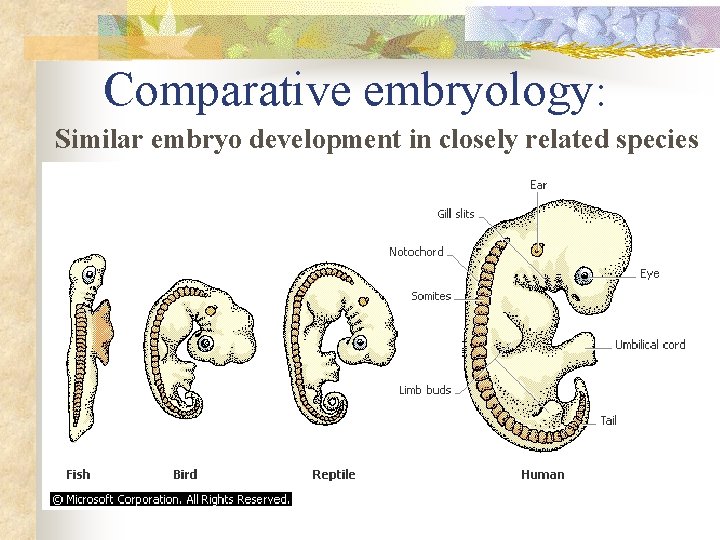
Comparative embryology: Similar embryo development in closely related species
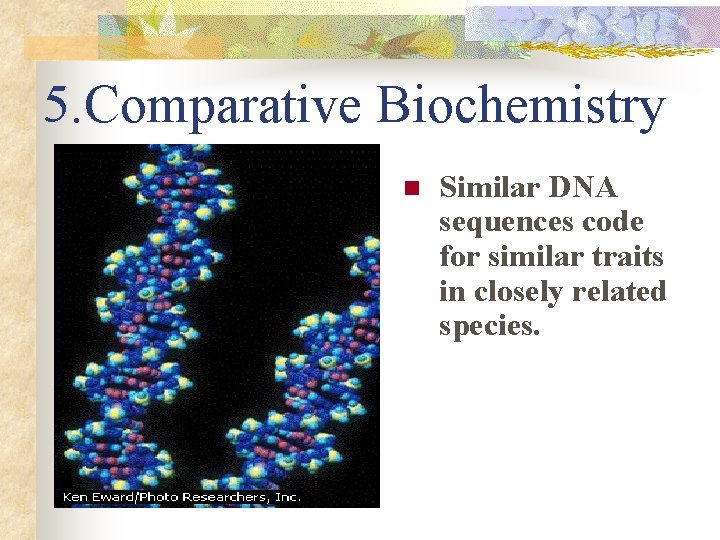
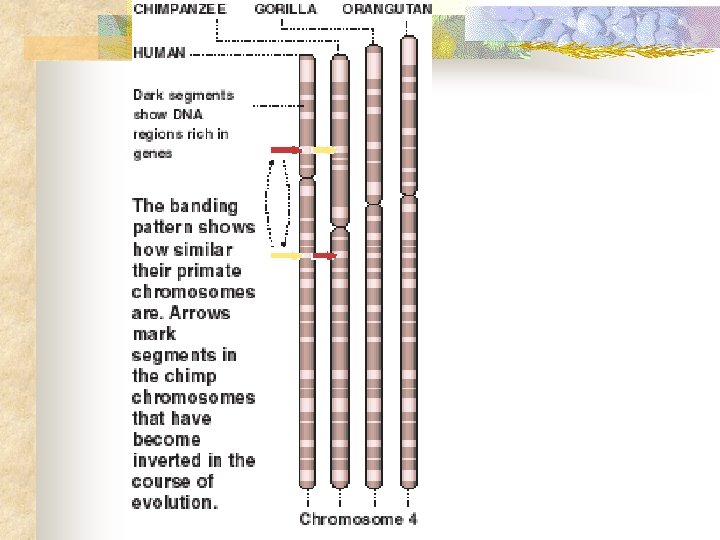
5. Comparative Biochemistry n Similar DNA sequences code for similar traits in closely related species.
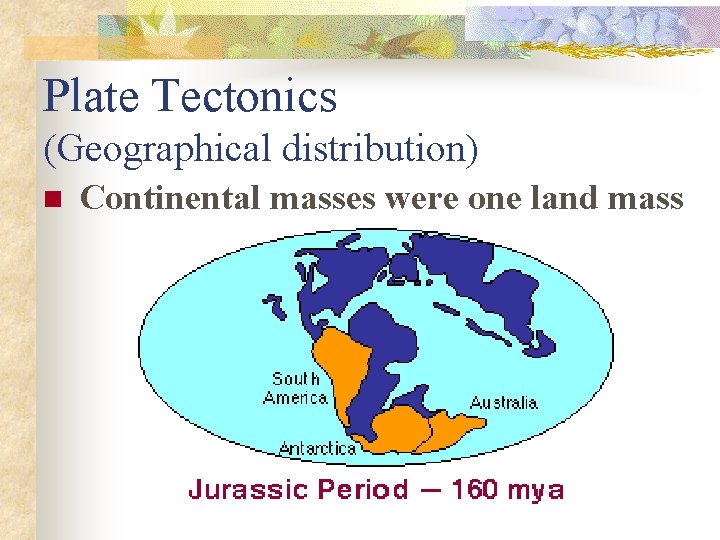
Plate Tectonics (Geographical distribution) n Continental masses were one land mass
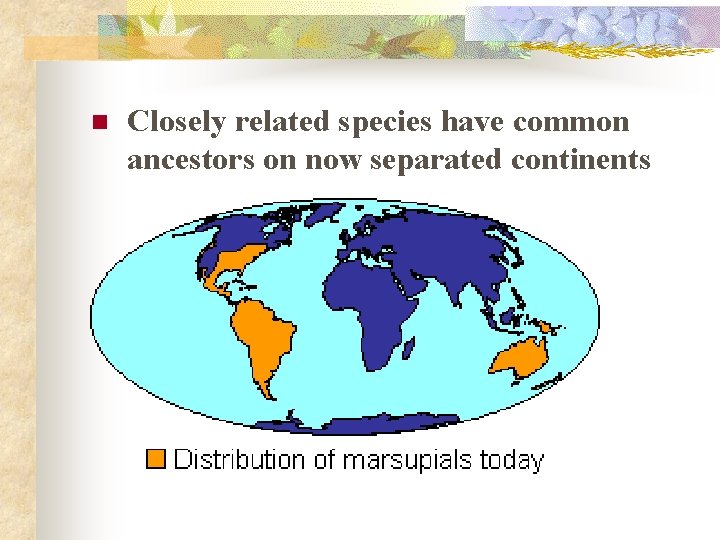
n Closely related species have common ancestors on now separated continents