
Every student deserves a great teacher not by

Every student deserves a great teacher, not by chance, but by design.
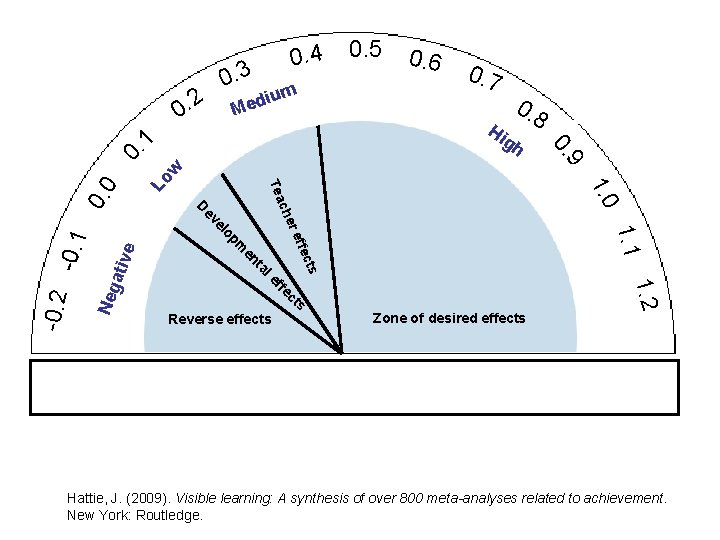
0. 4 0. 3 0. 2 m iu d e M 0. 5 0. 6 0. 7 Lo ct ffe s Reverse effects Zone of desired effects e ativ 1. 2 le Neg -0. 1 ta ts fec 1. 1 r ef en m op -0. 2 1. 0 che Tea el ev D 0. 0 w 9 0. 1 h 0. Hi g 0. 8 Hattie, J. (2009). Visible learning: A synthesis of over 800 meta-analyses related to achievement. New York: Routledge.
0. 4 0. 3 0. 2 m iu d e M 0. 5 0. 6 0. 7 Lo ct ffe s Reverse effects Zone of desired effects e ativ 1. 2 le Neg -0. 1 ta ts fec 1. 1 r ef en m op -0. 2 1. 0 che Tea el ev D 0. 0 w 9 0. 1 h 0. Hi g 0. 8 Hattie, J. (2009). Visible learning: A synthesis of over 800 meta-analyses related to achievement. New York: Routledge.
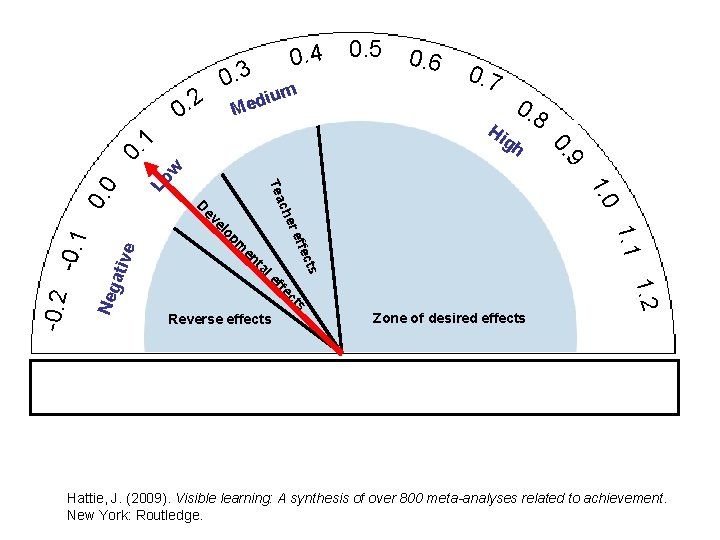
0. 4 0. 3 0. 2 m iu d e M 0. 5 0. 6 0. 7 Lo ct ffe s Reverse effects Zone of desired effects e ativ 1. 2 le Neg -0. 1 ta ts fec 1. 1 r ef en m op -0. 2 1. 0 che Tea el ev D 0. 0 w 9 0. 1 h 0. Hi g 0. 8 Hattie, J. (2009). Visible learning: A synthesis of over 800 meta-analyses related to achievement. New York: Routledge.
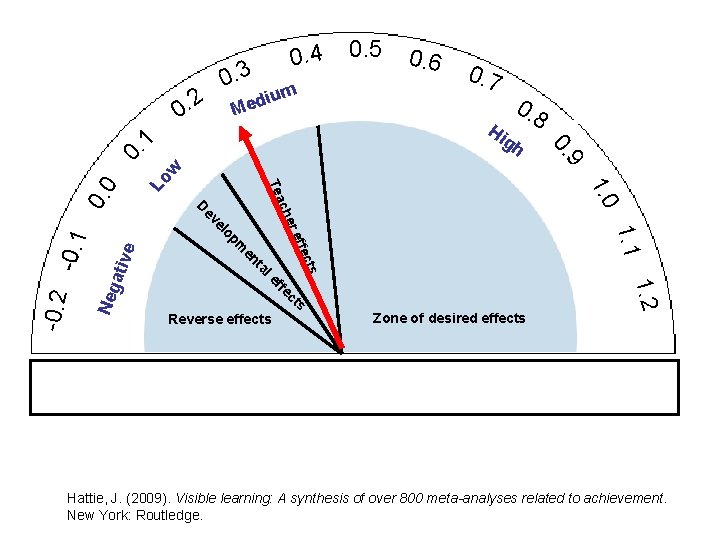
0. 4 0. 3 0. 2 m iu d e M 0. 5 0. 6 0. 7 Lo ct ffe s Reverse effects Zone of desired effects e ativ 1. 2 le Neg -0. 1 ta ts fec 1. 1 r ef en m op -0. 2 1. 0 che Tea el ev D 0. 0 w 9 0. 1 h 0. Hi g 0. 8 Hattie, J. (2009). Visible learning: A synthesis of over 800 meta-analyses related to achievement. New York: Routledge.
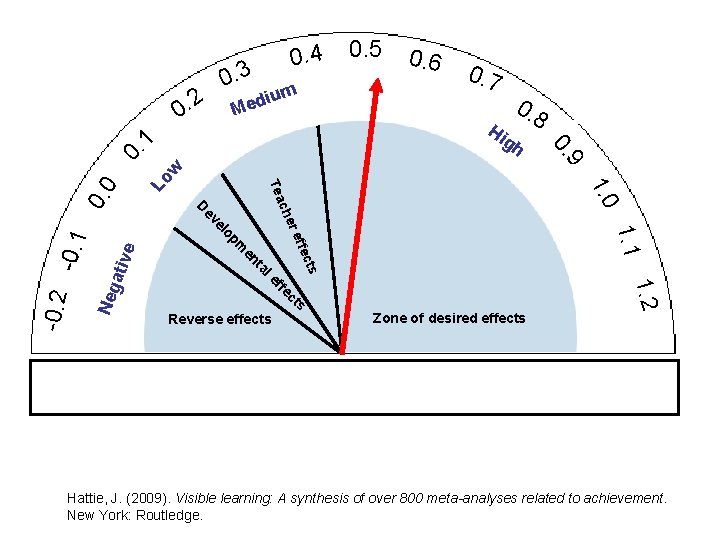
0. 4 0. 3 0. 2 m iu d e M 0. 5 0. 6 0. 7 Lo ct ffe s Reverse effects Zone of desired effects e ativ 1. 2 le Neg -0. 1 ta ts fec 1. 1 r ef en m op -0. 2 1. 0 che Tea el ev D 0. 0 w 9 0. 1 h 0. Hi g 0. 8 Hattie, J. (2009). Visible learning: A synthesis of over 800 meta-analyses related to achievement. New York: Routledge.

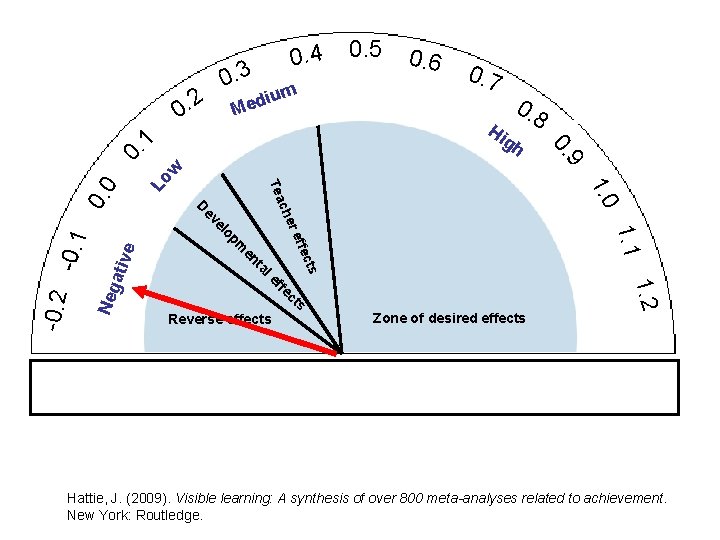
This is the hinge point – a year’s worth of growth for a year in school.
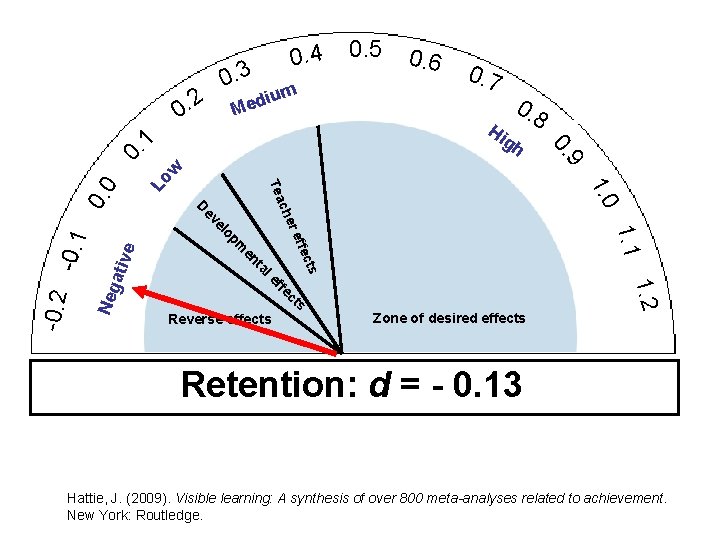
0. 4 0. 3 0. 2 m iu d e M 0. 5 0. 6 0. 7 Lo ct ffe s Reverse effects Zone of desired effects e ativ 1. 2 le Neg -0. 1 ta ts fec 1. 1 r ef en m op -0. 2 1. 0 che Tea el ev D 0. 0 w 9 0. 1 h 0. Hi g 0. 8 Retention: d = - 0. 13 Hattie, J. (2009). Visible learning: A synthesis of over 800 meta-analyses related to achievement. New York: Routledge.
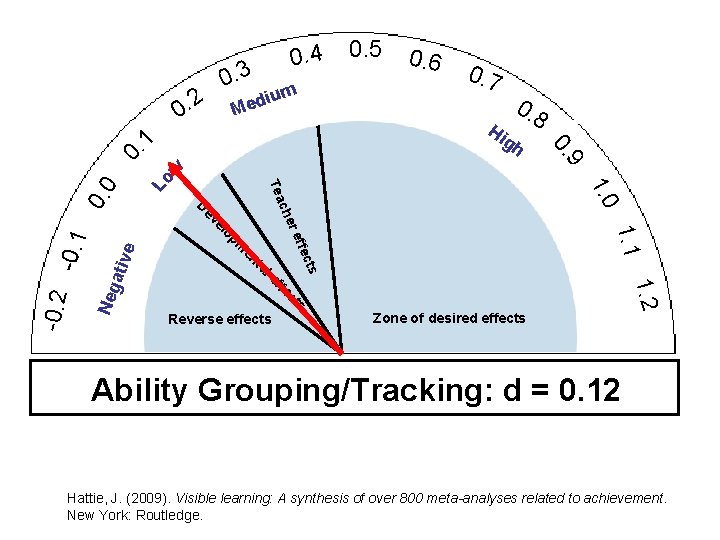
0. 4 0. 3 0. 2 m iu d e M 0. 5 0. 6 0. 7 Lo ct ffe s Reverse effects Zone of desired effects e ativ 1. 2 le Neg -0. 1 ta ts fec 1. 1 r ef en m op -0. 2 1. 0 che Tea el ev D 0. 0 w 9 0. 1 h 0. Hi g 0. 8 Ability Grouping/Tracking: d = 0. 12 Hattie, J. (2009). Visible learning: A synthesis of over 800 meta-analyses related to achievement. New York: Routledge.
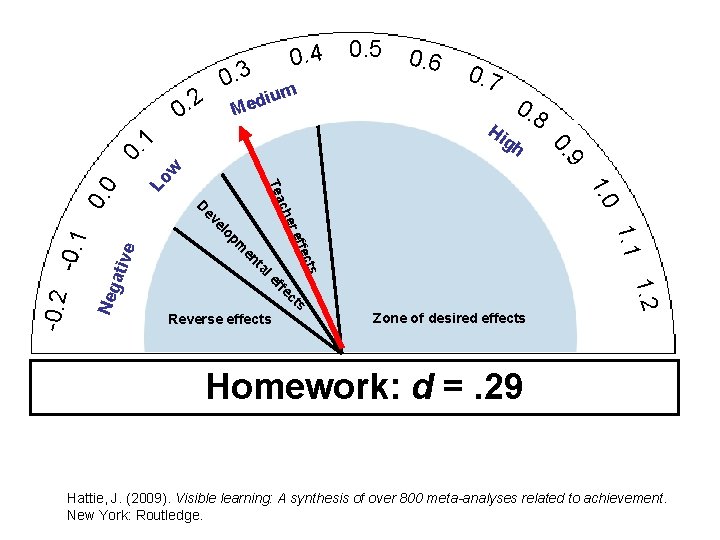
0. 4 0. 3 0. 2 m iu d e M 0. 5 0. 6 0. 7 Lo ct ffe s Reverse effects Zone of desired effects e ativ 1. 2 le Neg -0. 1 ta ts fec 1. 1 r ef en m op -0. 2 1. 0 che Tea el ev D 0. 0 w 9 0. 1 h 0. Hi g 0. 8 Homework: d =. 29 Hattie, J. (2009). Visible learning: A synthesis of over 800 meta-analyses related to achievement. New York: Routledge.
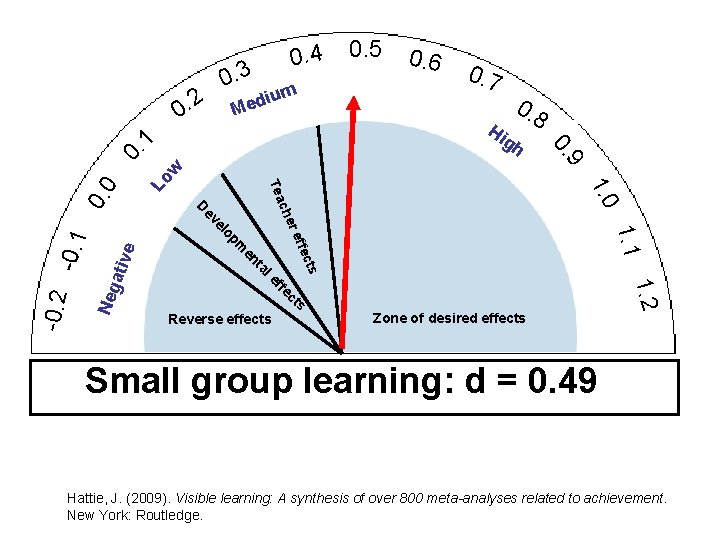
0. 4 0. 3 0. 2 m iu d e M 0. 5 0. 6 0. 7 Lo ct ffe s Reverse effects Zone of desired effects e ativ 1. 2 le Neg -0. 1 ta ts fec 1. 1 r ef en m op -0. 2 1. 0 che Tea el ev D 0. 0 w 9 0. 1 h 0. Hi g 0. 8 Small group learning: d = 0. 49 Hattie, J. (2009). Visible learning: A synthesis of over 800 meta-analyses related to achievement. New York: Routledge.
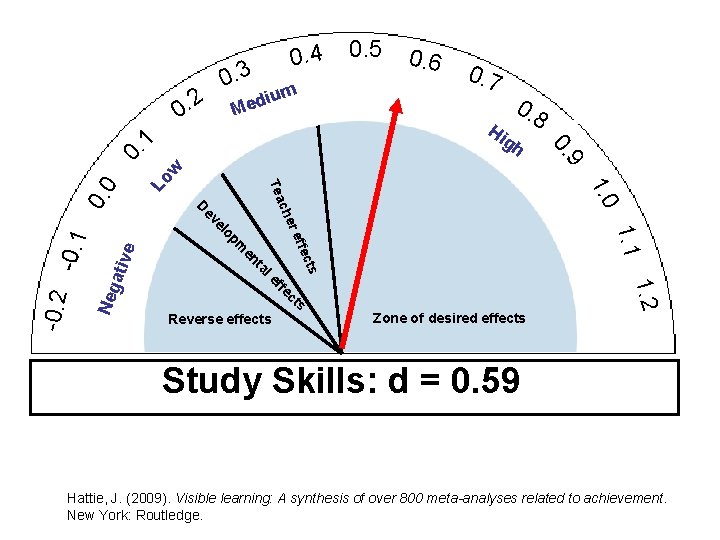
0. 4 0. 3 0. 2 m iu d e M 0. 5 0. 6 0. 7 Lo ct ffe s Reverse effects Zone of desired effects e ativ 1. 2 le Neg -0. 1 ta ts fec 1. 1 r ef en m op -0. 2 1. 0 che Tea el ev D 0. 0 w 9 0. 1 h 0. Hi g 0. 8 Study Skills: d = 0. 59 Hattie, J. (2009). Visible learning: A synthesis of over 800 meta-analyses related to achievement. New York: Routledge.
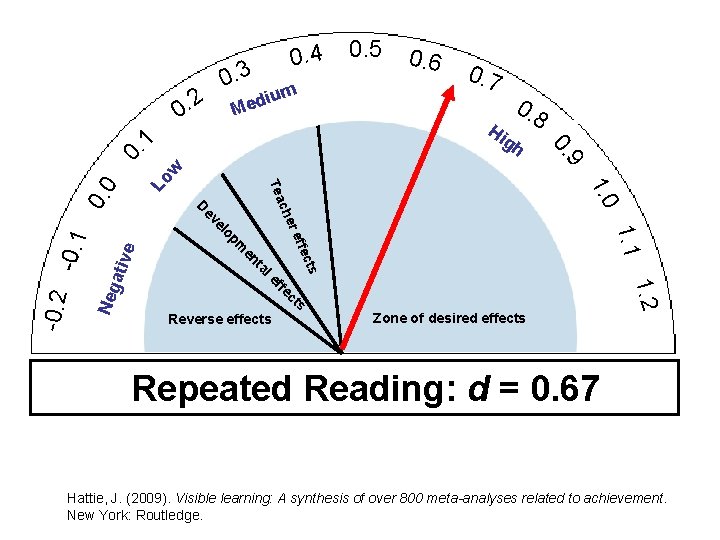
0. 4 0. 3 0. 2 m iu d e M 0. 5 0. 6 0. 7 s 0. 0 e ativ Reverse effects Zone of desired effects 1. 2 ct ffe Neg -0. 1 1. 1 le -0. 2 1. 0 ta ts fec en m op r ef el ev D che Tea Lo w 9 0. 1 h 0. Hi g 0. 8 Repeated Reading: d = 0. 67 Hattie, J. (2009). Visible learning: A synthesis of over 800 meta-analyses related to achievement. New York: Routledge.
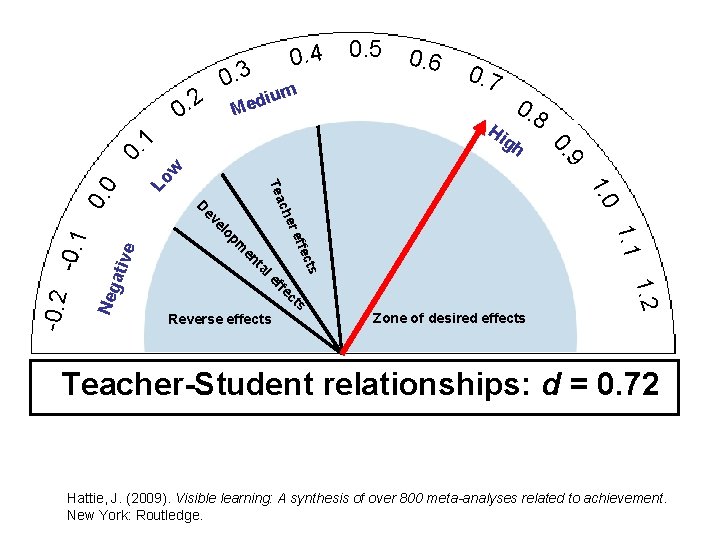
0. 4 0. 3 0. 2 m iu d e M 0. 5 0. 6 0. 7 Lo ct ffe s Reverse effects Zone of desired effects e ativ 1. 2 le Neg -0. 1 ta ts fec 1. 1 r ef en m op -0. 2 1. 0 che Tea el ev D 0. 0 w 9 0. 1 h 0. Hi g 0. 8 Teacher-Student relationships: d = 0. 72 Hattie, J. (2009). Visible learning: A synthesis of over 800 meta-analyses related to achievement. New York: Routledge.
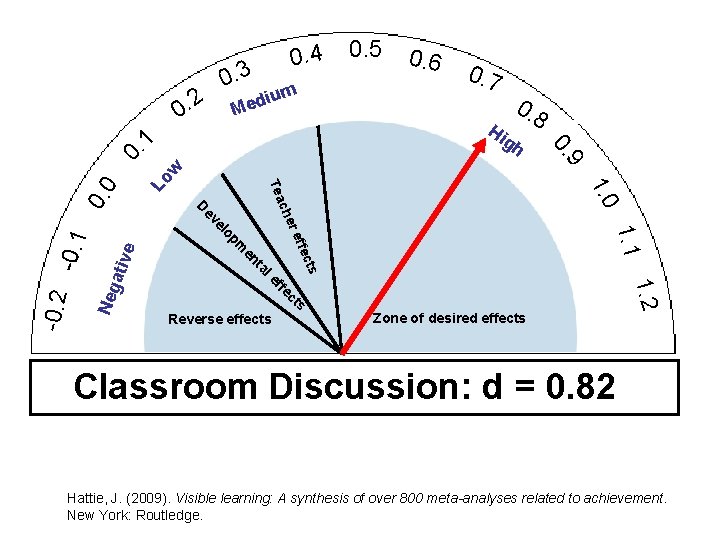
0. 4 0. 3 0. 2 m iu d e M 0. 5 0. 6 0. 7 Lo ct ffe s Reverse effects Zone of desired effects e ativ 1. 2 le Neg -0. 1 ta ts fec 1. 1 r ef en m op -0. 2 1. 0 che Tea el ev D 0. 0 w 9 0. 1 h 0. Hi g 0. 8 Classroom Discussion: d = 0. 82 Hattie, J. (2009). Visible learning: A synthesis of over 800 meta-analyses related to achievement. New York: Routledge.
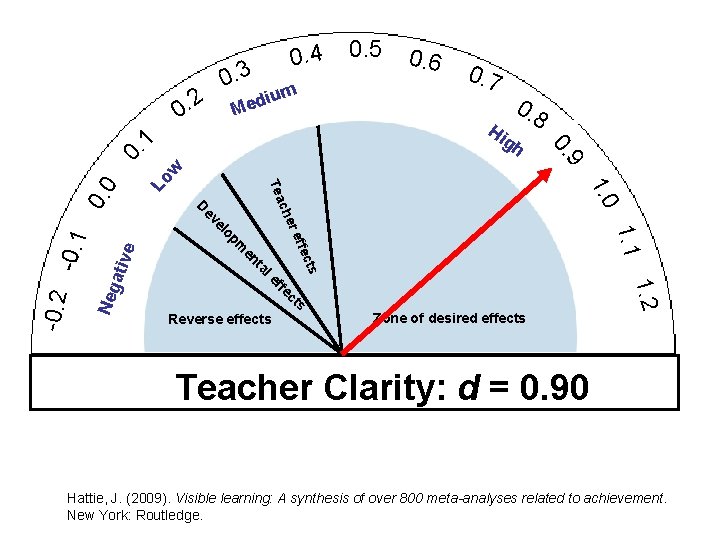
0. 4 0. 3 0. 2 m iu d e M 0. 5 0. 6 0. 7 Lo ct ffe s Reverse effects Zone of desired effects e ativ 1. 2 le Neg -0. 1 ta ts fec 1. 1 r ef en m op -0. 2 1. 0 che Tea el ev D 0. 0 w 9 0. 1 h 0. Hi g 0. 8 Teacher Clarity: d = 0. 90 Hattie, J. (2009). Visible learning: A synthesis of over 800 meta-analyses related to achievement. New York: Routledge.


Difficulty v. Complexity Difficulty Complexity • A measure of effort • A measure of the thinking, action, or required to complete knowledge that is a task. needed to complete • In assessment, a the task. function of how • In assessment, how many people can many different ways complete the task can the task be correctly. accomplished.
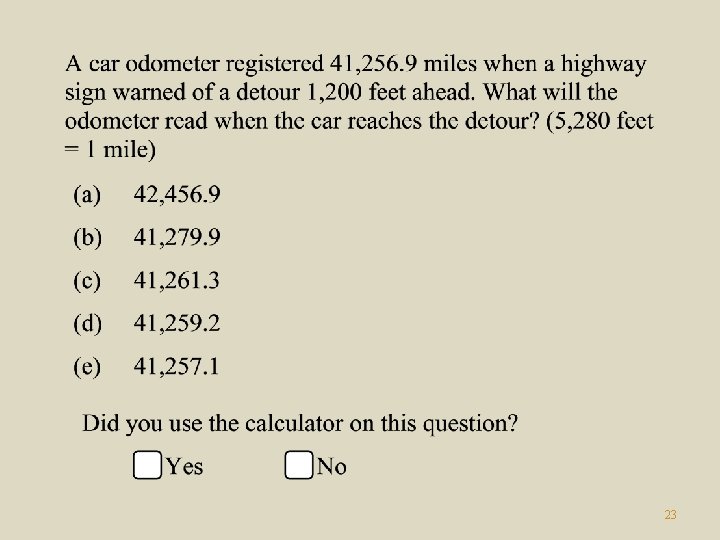
23

Enamored with Hard Tasks? Marc Umile is among a group of people fascinated with pi, a number that has been computed to more than a trillion decimal places. He has recited pi to 15, 314 digits.
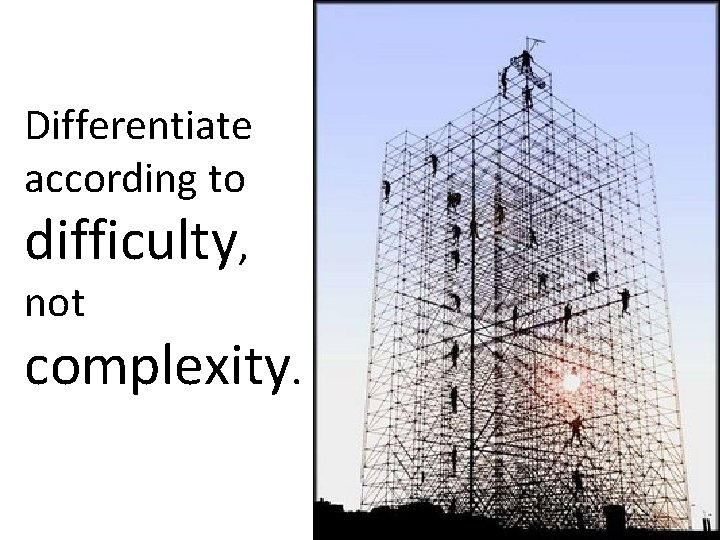
Differentiate according to difficulty, not complexity.
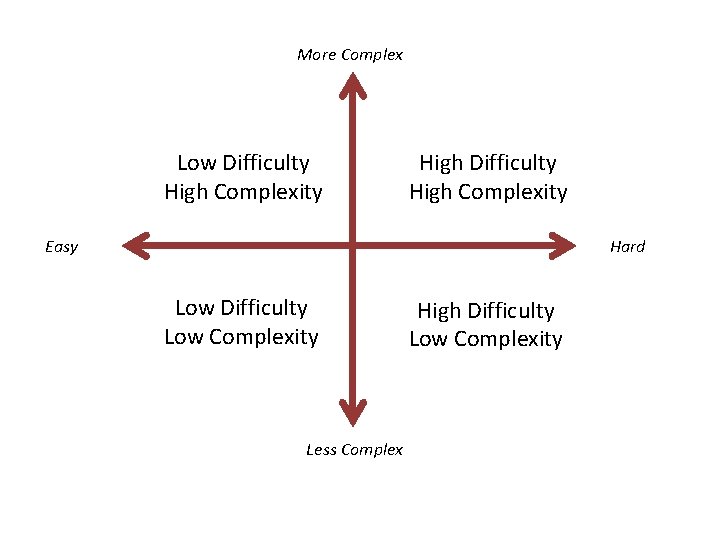
More Complex Low Difficulty High Complexity High Difficulty High Complexity Easy Hard Low Difficulty Low Complexity Less Complex High Difficulty Low Complexity
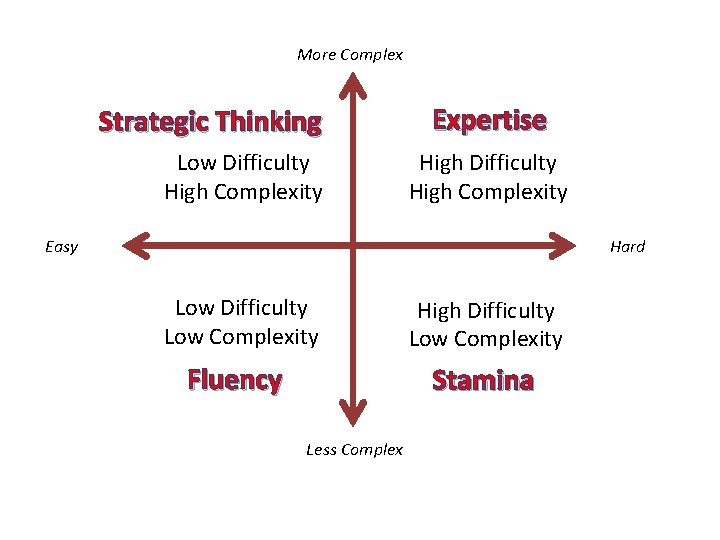
More Complex Strategic Thinking Low Difficulty High Complexity Expertise High Difficulty High Complexity Easy Hard Low Difficulty Low Complexity High Difficulty Low Complexity Fluency Stamina Less Complex
Learning Intentions & Success Criteria
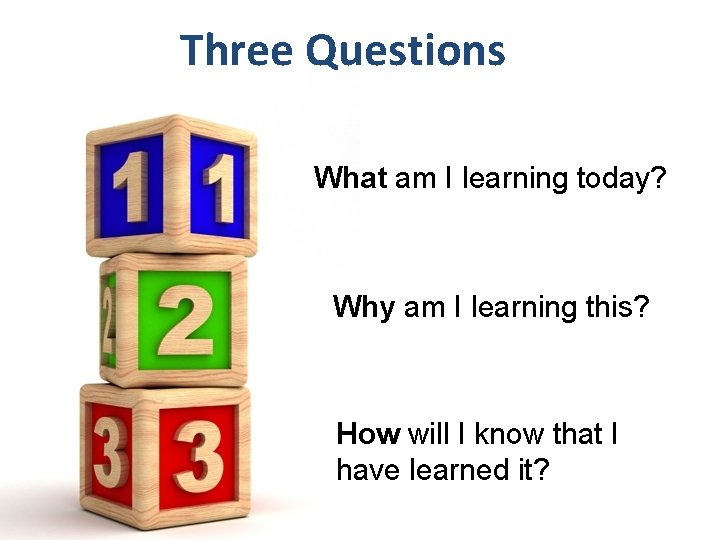
Three Questions What am I learning today? Why am I learning this? How will I know that I have learned it?

Surface Learning Versus Deep Learning Surface learning: Learning in order to reproduce; learning the “signs” Deep learning: Learning in order to understand; learning what the “signs” signify Marton & Saljo, 1976
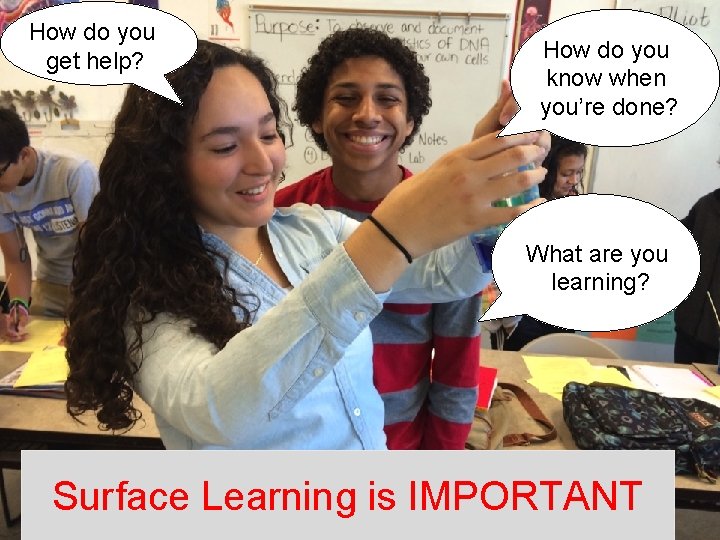
How do you get help? How do you know when you’re done? What are you learning? Surface Learning is IMPORTANT
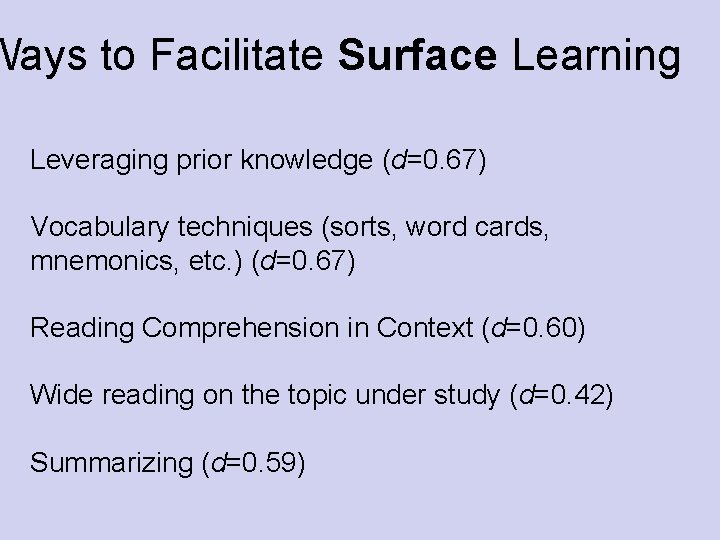
Ways to Facilitate Surface Learning Leveraging prior knowledge (d=0. 67) Vocabulary techniques (sorts, word cards, mnemonics, etc. ) (d=0. 67) Reading Comprehension in Context (d=0. 60) Wide reading on the topic under study (d=0. 42) Summarizing (d=0. 59)
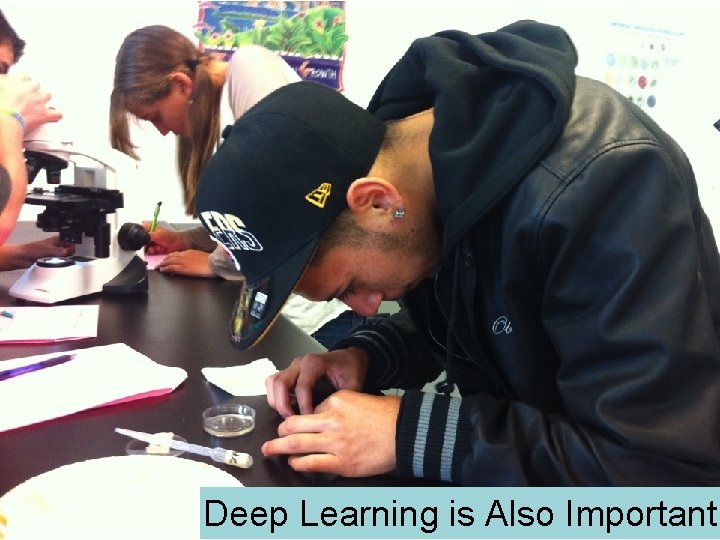
Deep Learning is Also Important
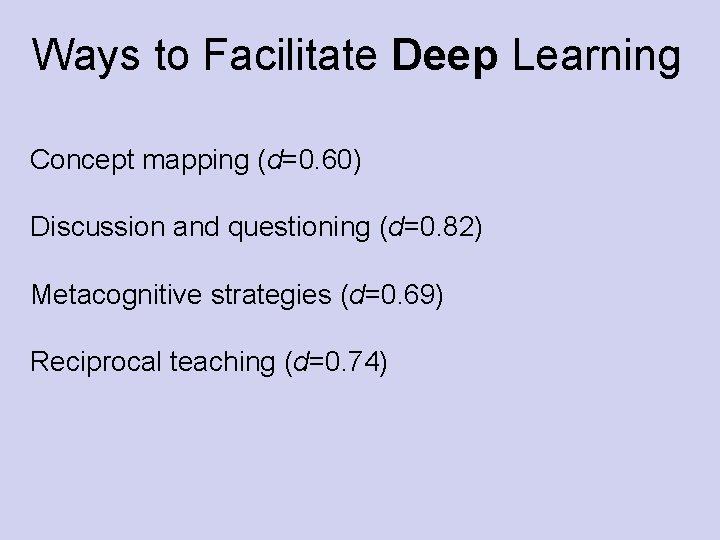
Ways to Facilitate Deep Learning Concept mapping (d=0. 60) Discussion and questioning (d=0. 82) Metacognitive strategies (d=0. 69) Reciprocal teaching (d=0. 74)
Deep learning approaches don’t work any better at developing surface learning than surface learning strategies work to develop deep understanding.
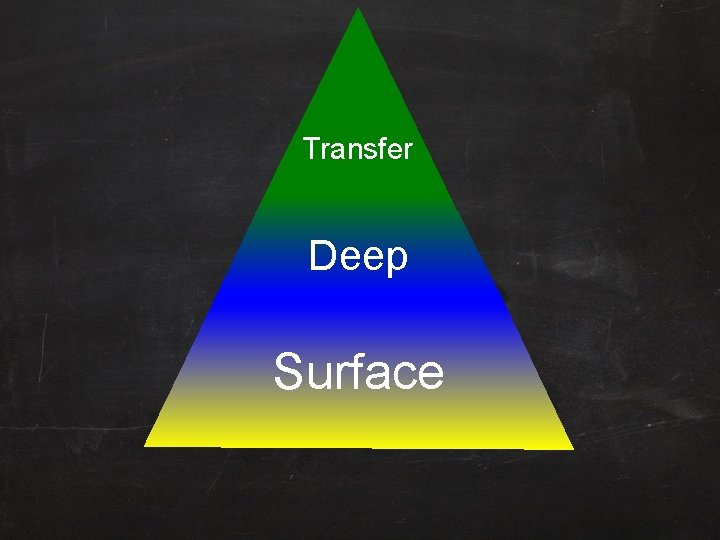
Transfer Deep Surface

Transfer Goals
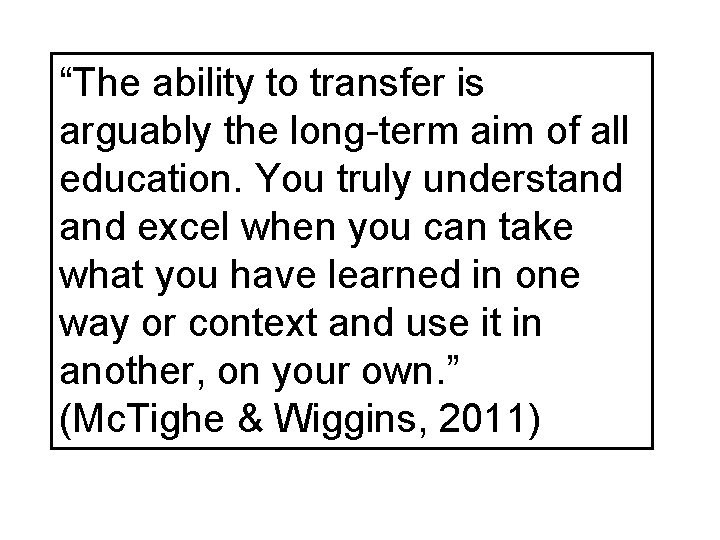
“The ability to transfer is arguably the long-term aim of all education. You truly understand excel when you can take what you have learned in one way or context and use it in another, on your own. ” (Mc. Tighe & Wiggins, 2011)
Speaking & Listening • 9 th - Knowing how to listen to someone who knows something you don’t know and ask clarifying questions. • 10 th - Being open and respectful enough to imagine that a new and strange idea is worth paying attention to. • Upper Division (11 th and 12 th) - Being inclined to ask questions about statements hiding widespread assumptions or confusions.
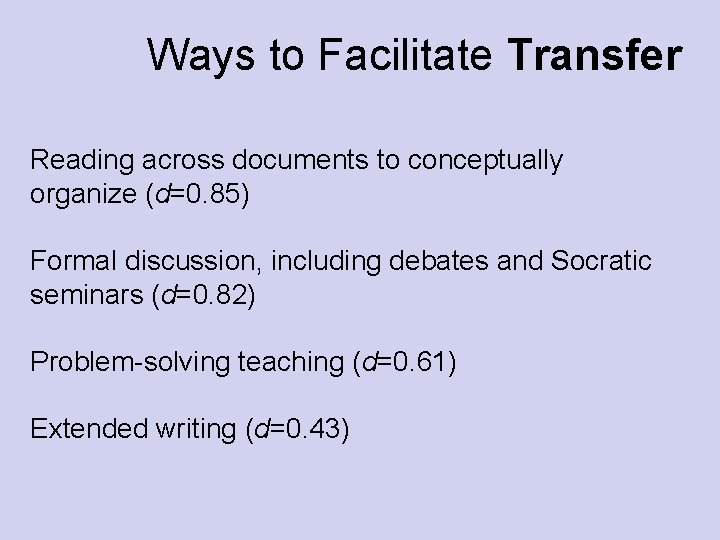
Ways to Facilitate Transfer Reading across documents to conceptually organize (d=0. 85) Formal discussion, including debates and Socratic seminars (d=0. 82) Problem-solving teaching (d=0. 61) Extended writing (d=0. 43)
www. fisherandfrey. com
- Slides: 42