
Evento cerebro vascular Dr Jorge O Contreras Mnchez
Evento cerebro vascular Dr. Jorge O. Contreras Mónchez 05 de Septiembre 2008 U. E. E. S.
Importancia • • Estadística Económica Humana Legal
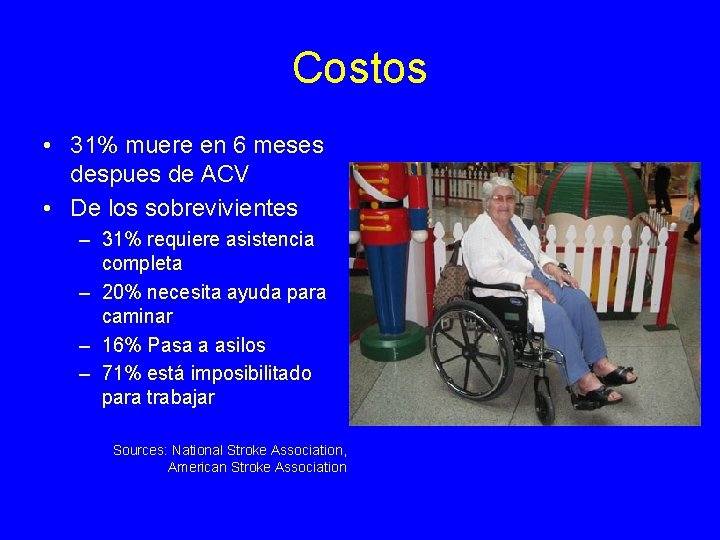
Costos • 31% muere en 6 meses despues de ACV • De los sobrevivientes – 31% requiere asistencia completa – 20% necesita ayuda para caminar – 16% Pasa a asilos – 71% está imposibilitado para trabajar Sources: National Stroke Association, American Stroke Association
Discapacidad a las 2 semanas del ACV • • • Hemiplejía 70 -85% Dificultad para caminar 70 -80% Dificultad para hablar 20 -35% Pérdida visual 20% Depresión 40% Dependencia 50 -85% Modified from Dobkin, Neurologic Rehabilitation, 1996
Costos Anualmente $40, 000, 000. oo Dólares americanos Sources: National Stroke Association, American Stroke Association
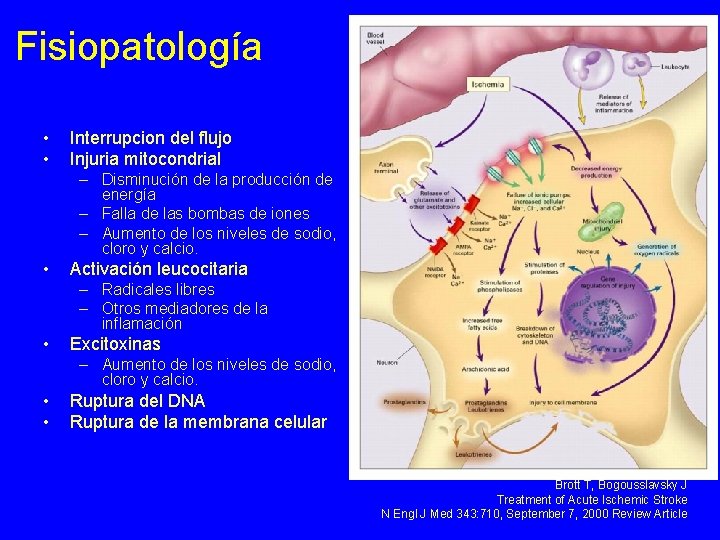
Fisiopatología • • Interrupcion del flujo Injuria mitocondrial – Disminución de la producción de energía – Falla de las bombas de iones – Aumento de los niveles de sodio, cloro y calcio. • Activación leucocitaria – Radicales libres – Otros mediadores de la inflamación • Excitoxinas – Aumento de los niveles de sodio, cloro y calcio. • • Ruptura del DNA Ruptura de la membrana celular Brott T, Bogousslavsky J Treatment of Acute Ischemic Stroke N Engl J Med 343: 710, September 7, 2000 Review Article
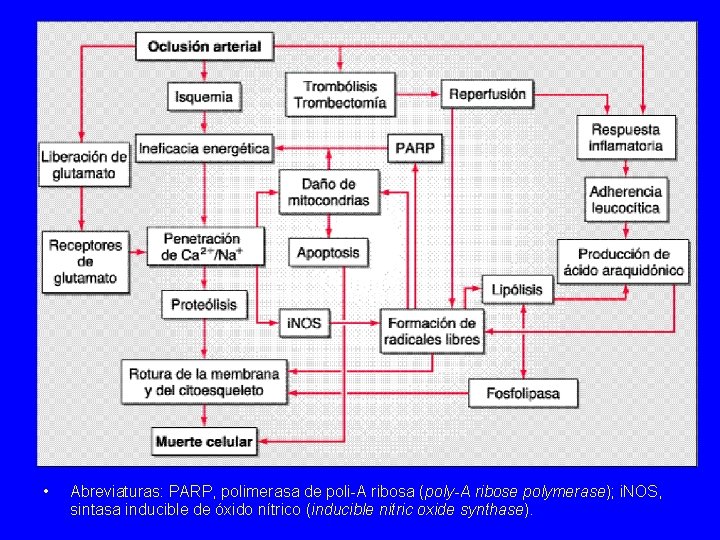
• Abreviaturas: PARP, polimerasa de poli-A ribosa (poly-A ribose polymerase); i. NOS, sintasa inducible de óxido nítrico (inducible nitric oxide synthase).
Prevención • Factores de riesgo NO modificables – Edad – Historia familiar – Edad
Prevención • • Estrategia básica Primaria Secundaria Terciaria
Prevención • Factores de riesgo modificables – HTA – Tabaco – Obstruccion carotidea – Dislipidemia – Obesidad – ACFA – Sedentarismo
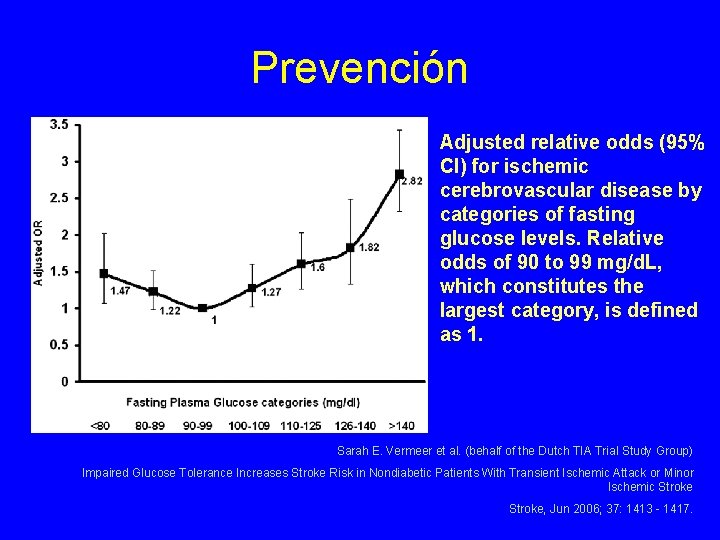
Prevención • Adjusted relative odds (95% CI) for ischemic cerebrovascular disease by categories of fasting glucose levels. Relative odds of 90 to 99 mg/d. L, which constitutes the largest category, is defined as 1. Sarah E. Vermeer et al. (behalf of the Dutch TIA Trial Study Group) Impaired Glucose Tolerance Increases Stroke Risk in Nondiabetic Patients With Transient Ischemic Attack or Minor Ischemic Stroke, Jun 2006; 37: 1413 - 1417.
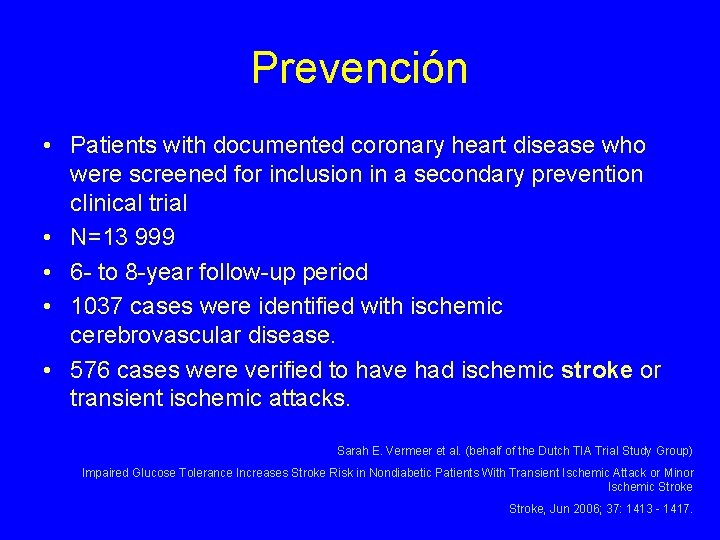
Prevención • Patients with documented coronary heart disease who were screened for inclusion in a secondary prevention clinical trial • N=13 999 • 6 - to 8 -year follow-up period • 1037 cases were identified with ischemic cerebrovascular disease. • 576 cases were verified to have had ischemic stroke or transient ischemic attacks. Sarah E. Vermeer et al. (behalf of the Dutch TIA Trial Study Group) Impaired Glucose Tolerance Increases Stroke Risk in Nondiabetic Patients With Transient Ischemic Attack or Minor Ischemic Stroke, Jun 2006; 37: 1413 - 1417.
Cuadro clínico • • • Hemiplejía súbita Hemiparesia súbita Hemiperestesia súbita Disartria ó disfasia Dificultad súbita para la bipedestaciuón ó deambulación • Vision borrosa ó diplopia súbita • Cefalea severa • Confusión ó Amnesia
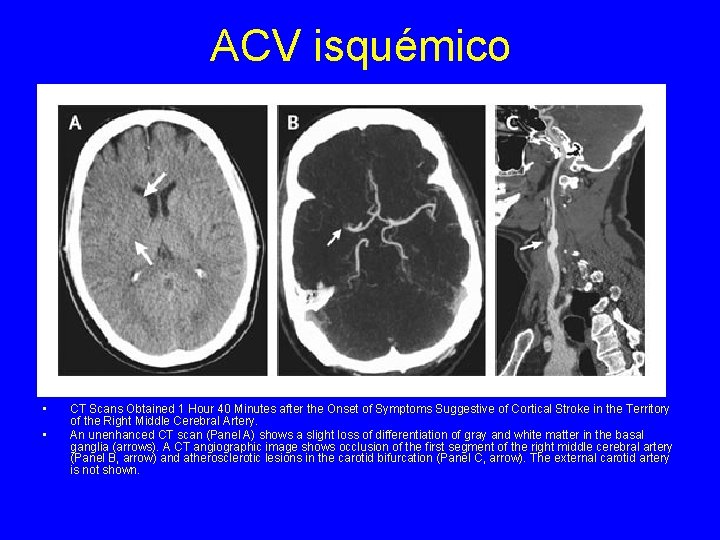
ACV isquémico • • CT Scans Obtained 1 Hour 40 Minutes after the Onset of Symptoms Suggestive of Cortical Stroke in the Territory of the Right Middle Cerebral Artery. An unenhanced CT scan (Panel A) shows a slight loss of differentiation of gray and white matter in the basal ganglia (arrows). A CT angiographic image shows occlusion of the first segment of the right middle cerebral artery (Panel B, arrow) and atherosclerotic lesions in the carotid bifurcation (Panel C, arrow). The external carotid artery is not shown.
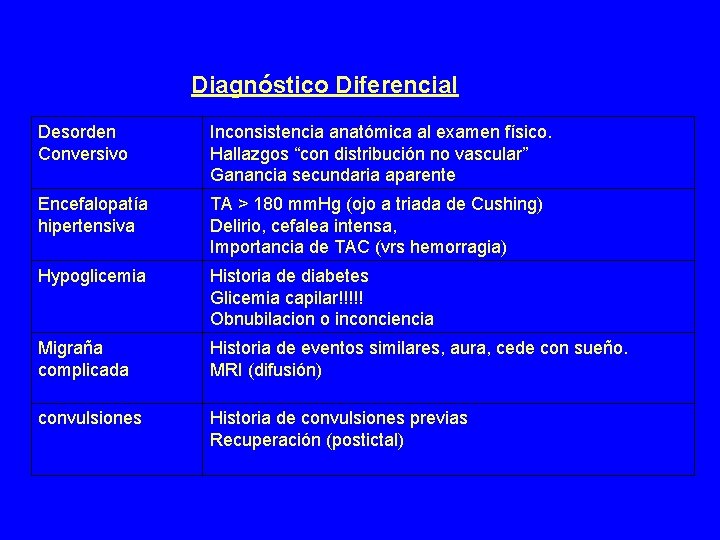
Diagnóstico Diferencial Desorden Conversivo Inconsistencia anatómica al examen físico. Hallazgos “con distribución no vascular” Ganancia secundaria aparente Encefalopatía hipertensiva TA > 180 mm. Hg (ojo a triada de Cushing) Delirio, cefalea intensa, Importancia de TAC (vrs hemorragia) Hypoglicemia Historia de diabetes Glicemia capilar!!!!! Obnubilacion o inconciencia Migraña complicada Historia de eventos similares, aura, cede con sueño. MRI (difusión) convulsiones Historia de convulsiones previas Recuperación (postictal)
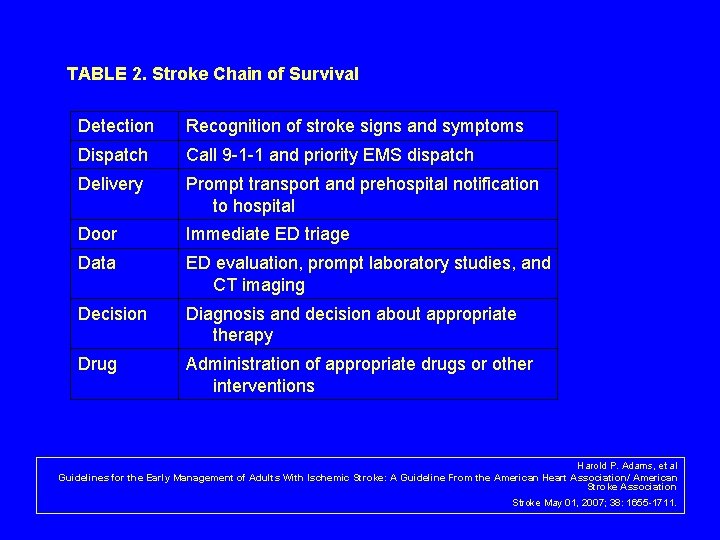
TABLE 2. Stroke Chain of Survival Detection Recognition of stroke signs and symptoms Dispatch Call 9 -1 -1 and priority EMS dispatch Delivery Prompt transport and prehospital notification to hospital Door Immediate ED triage Data ED evaluation, prompt laboratory studies, and CT imaging Decision Diagnosis and decision about appropriate therapy Drug Administration of appropriate drugs or other interventions Harold P. Adams, et al Guidelines for the Early Management of Adults With Ischemic Stroke: A Guideline From the American Heart Association/ American Stroke Association Stroke May 01, 2007; 38: 1655 -1711.
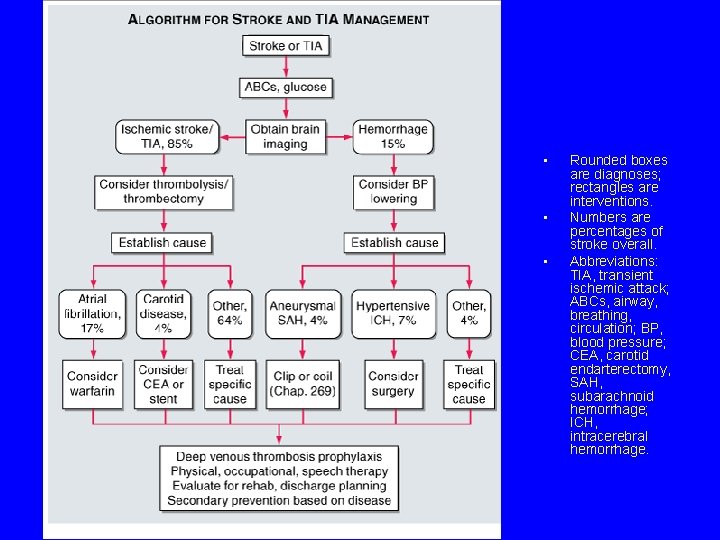
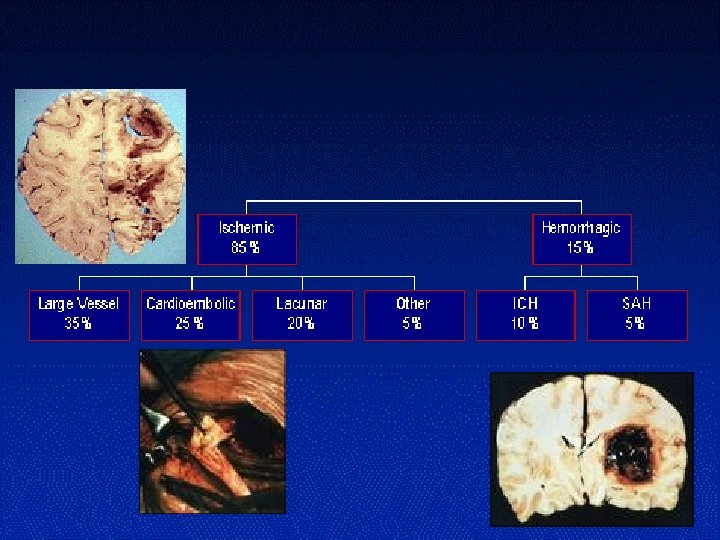
• • • Rounded boxes are diagnoses; rectangles are interventions. Numbers are percentages of stroke overall. Abbreviations: TIA, transient ischemic attack; ABCs, airway, breathing, circulation; BP, blood pressure; CEA, carotid endarterectomy, SAH, subarachnoid hemorrhage; ICH, intracerebral hemorrhage.
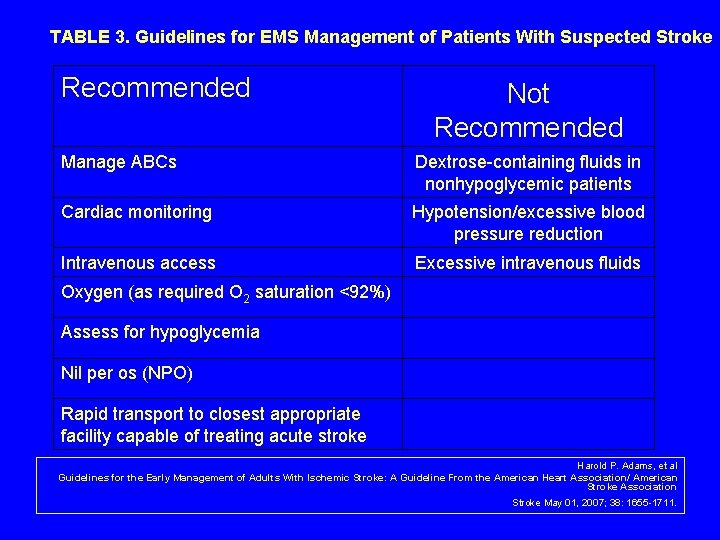
TABLE 3. Guidelines for EMS Management of Patients With Suspected Stroke Recommended Not Recommended Manage ABCs Dextrose-containing fluids in nonhypoglycemic patients Cardiac monitoring Hypotension/excessive blood pressure reduction Intravenous access Excessive intravenous fluids Oxygen (as required O 2 saturation <92%) Assess for hypoglycemia Nil per os (NPO) Rapid transport to closest appropriate facility capable of treating acute stroke Harold P. Adams, et al Guidelines for the Early Management of Adults With Ischemic Stroke: A Guideline From the American Heart Association/ American Stroke Association Stroke May 01, 2007; 38: 1655 -1711.
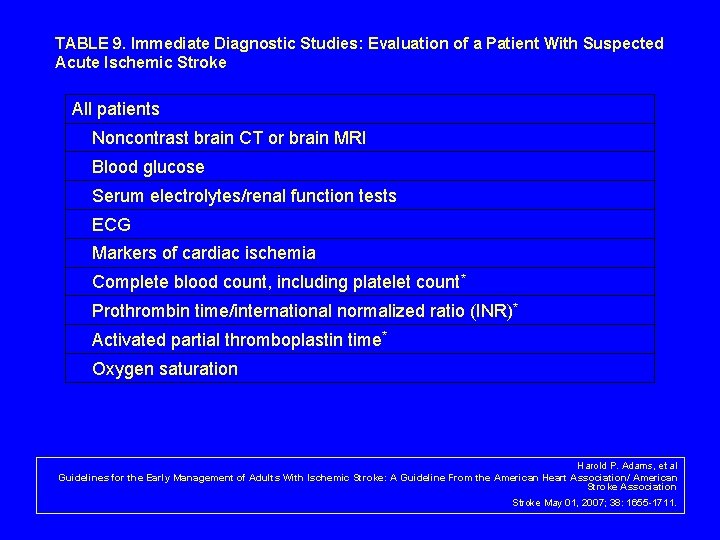
TABLE 9. Immediate Diagnostic Studies: Evaluation of a Patient With Suspected Acute Ischemic Stroke All patients Noncontrast brain CT or brain MRI Blood glucose Serum electrolytes/renal function tests ECG Markers of cardiac ischemia Complete blood count, including platelet count* Prothrombin time/international normalized ratio (INR)* Activated partial thromboplastin time* Oxygen saturation Harold P. Adams, et al Guidelines for the Early Management of Adults With Ischemic Stroke: A Guideline From the American Heart Association/ American Stroke Association Stroke May 01, 2007; 38: 1655 -1711.
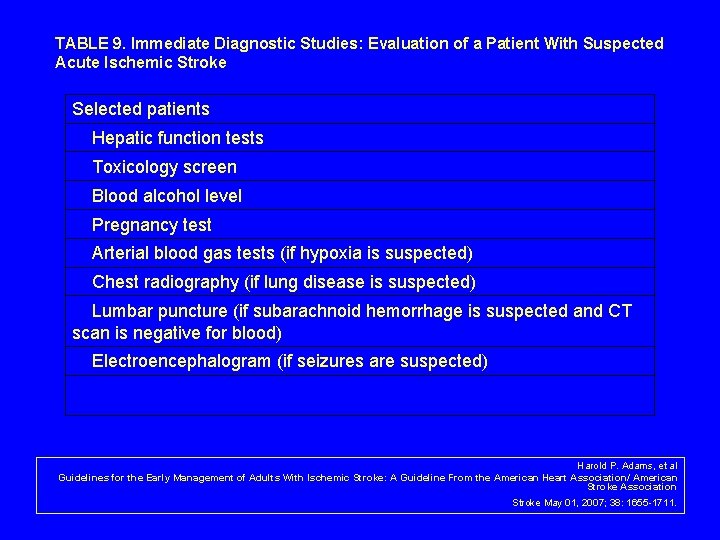
TABLE 9. Immediate Diagnostic Studies: Evaluation of a Patient With Suspected Acute Ischemic Stroke Selected patients Hepatic function tests Toxicology screen Blood alcohol level Pregnancy test Arterial blood gas tests (if hypoxia is suspected) Chest radiography (if lung disease is suspected) Lumbar puncture (if subarachnoid hemorrhage is suspected and CT scan is negative for blood) Electroencephalogram (if seizures are suspected) Harold P. Adams, et al Guidelines for the Early Management of Adults With Ischemic Stroke: A Guideline From the American Heart Association/ American Stroke Association Stroke May 01, 2007; 38: 1655 -1711.
¿Qué medidas son efectivas durante el episodio agudo? • Trombolíticos • Antiagregantes plaquetarios y antitrombóticos – – Aspirina Plavix heparinas Otros • Uso de diuréticos • Uso de esteroides • Fisioterapia – ¿Cómo? – ¿Cuándo? • Neuroprotectores
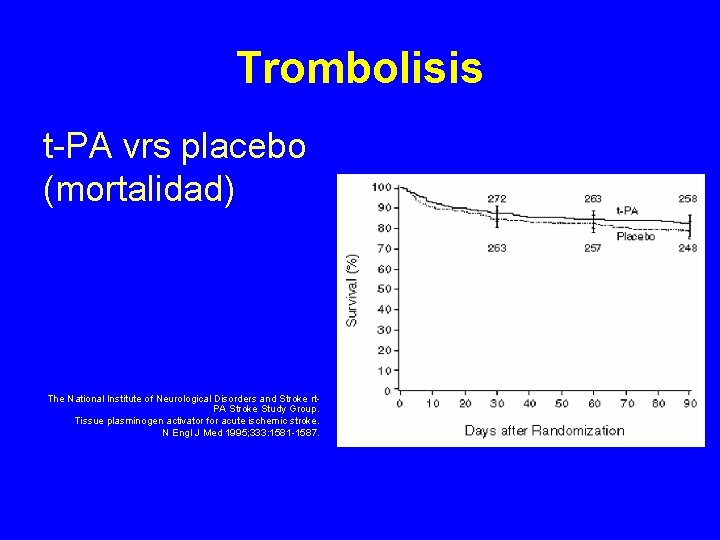
Trombolisis t-PA vrs placebo (mortalidad) The National Institute of Neurological Disorders and Stroke rt. PA Stroke Study Group. Tissue plasminogen activator for acute ischemic stroke. N Engl J Med 1995; 333: 1581 -1587.
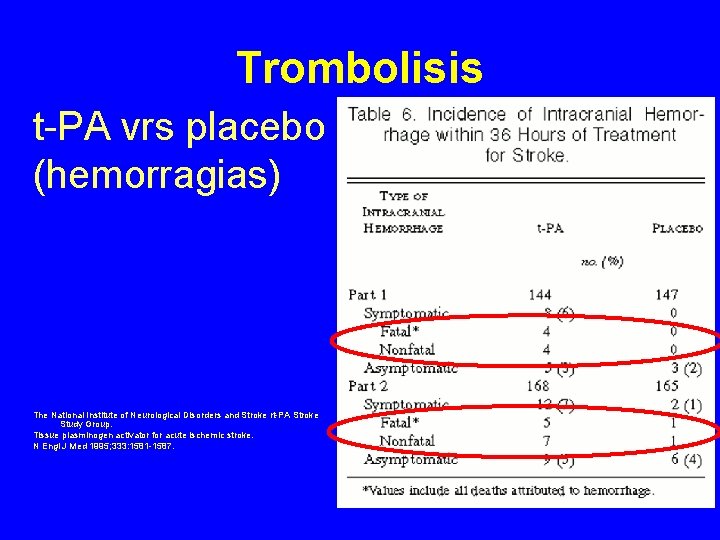
Trombolisis t-PA vrs placebo (hemorragias) The National Institute of Neurological Disorders and Stroke rt-PA Stroke Study Group. Tissue plasminogen activator for acute ischemic stroke. N Engl J Med 1995; 333: 1581 -1587.
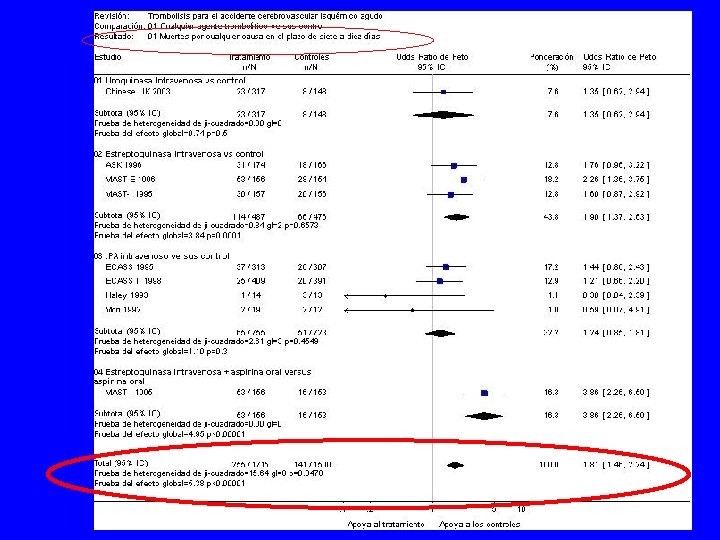
Trombolisis • El tiempo es cerebro!
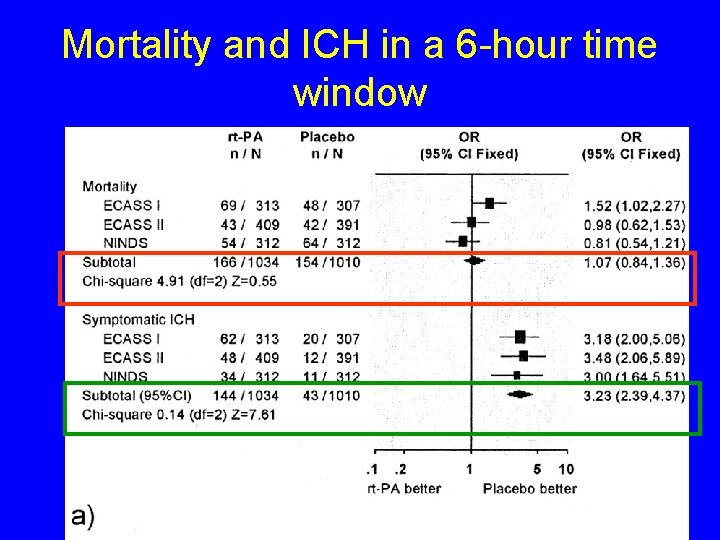
Mortality and ICH in a 6 -hour time window
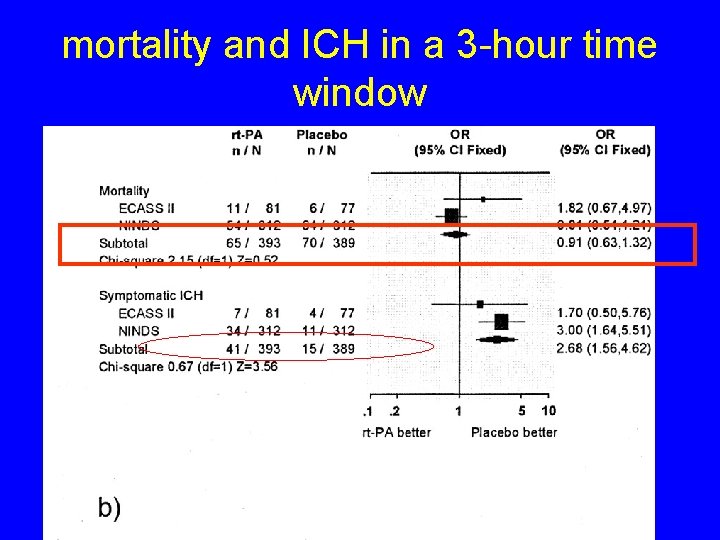
mortality and ICH in a 3 -hour time window
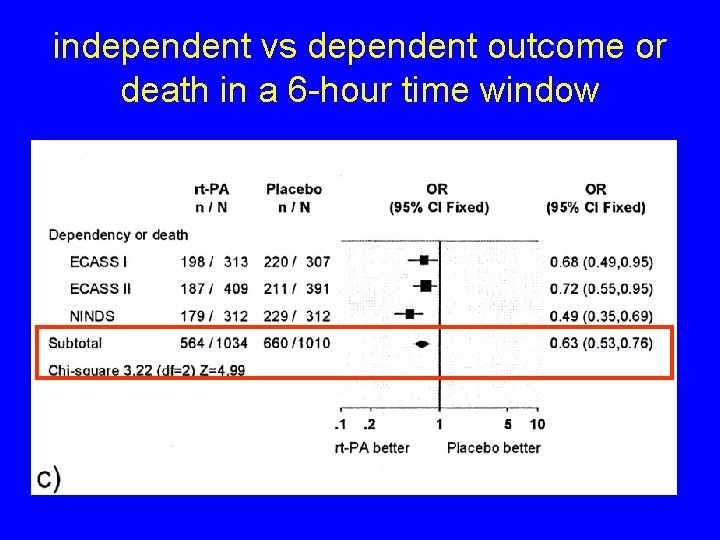
independent vs dependent outcome or death in a 6 -hour time window
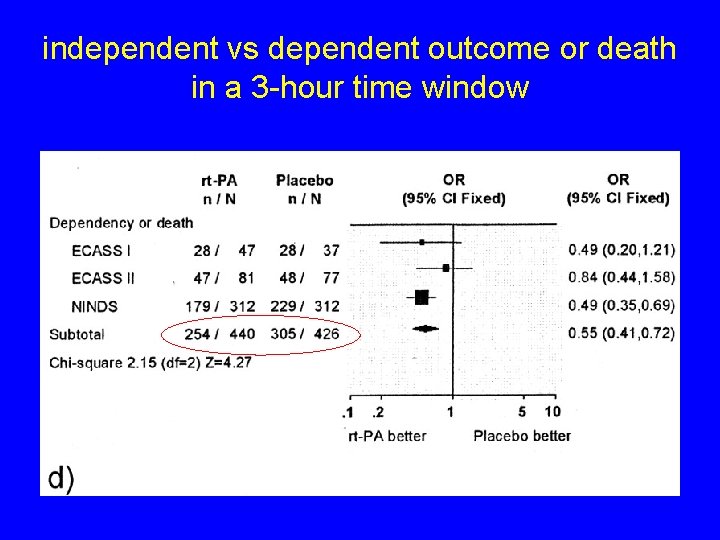
independent vs dependent outcome or death in a 3 -hour time window
Trombolisis en ACV isquémico agudo

Preguntas interesantes • ¿Qué medidas son efectivas durante el episodio agudo? – Trombolíticos – Antiagregantes plaquetarios y antitrombóticos • • Aspirina Plavix heparinas Otros – Uso de diuréticos – Uso de esteroides – Fisioterapia • ¿Cómo? • ¿Cuándo? – Neuroprotectores
Antiagregantes plaquetarios y antitrombóticos • Aspirina – 160 mg a 300 mg de aspirina diarios – administrada por vía oral (o rectal en pacientes con dificultad para deglutir) – iniciada dentro de las 48 horas posteriores al supuesto accidente cerebrovascular isquémico
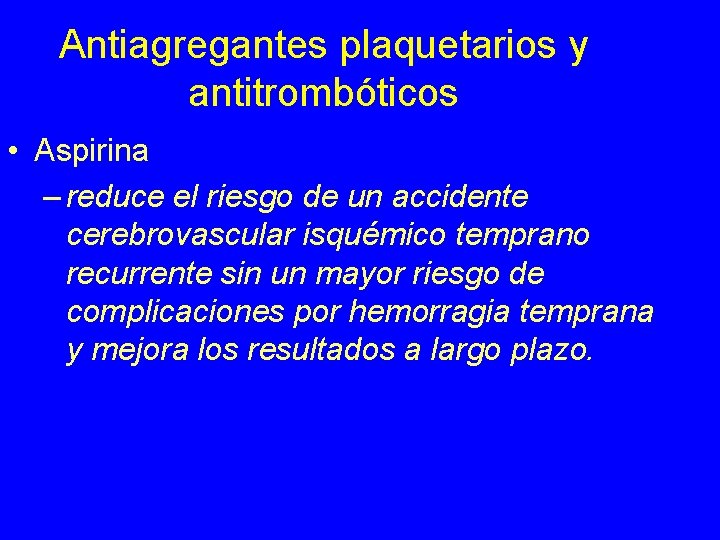
Antiagregantes plaquetarios y antitrombóticos • Aspirina – reduce el riesgo de un accidente cerebrovascular isquémico temprano recurrente sin un mayor riesgo de complicaciones por hemorragia temprana y mejora los resultados a largo plazo.
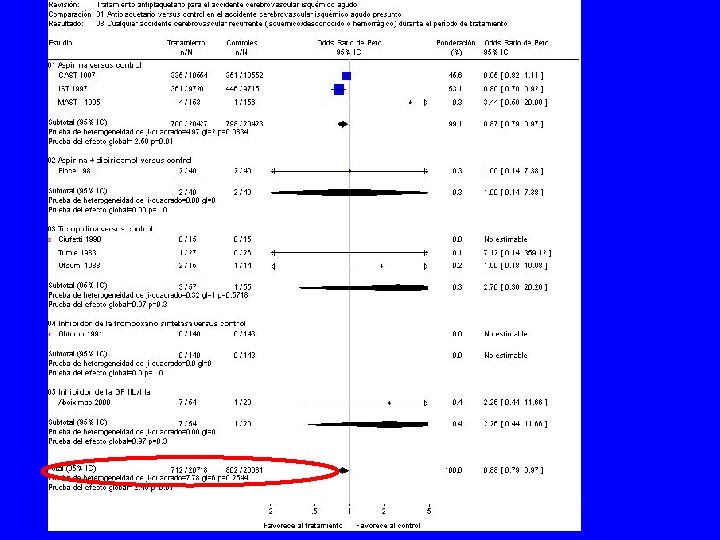
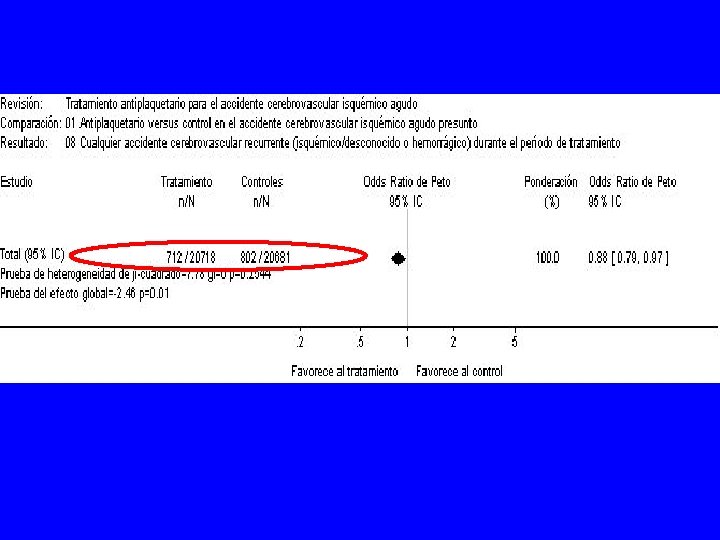
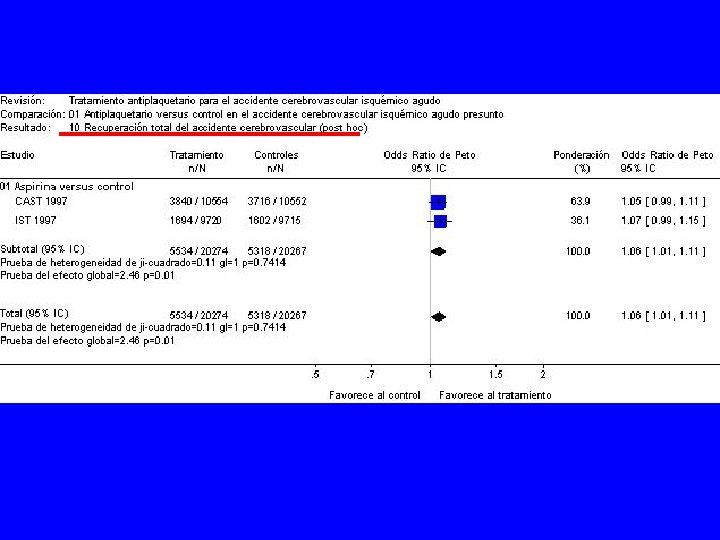

Anantes…!!!
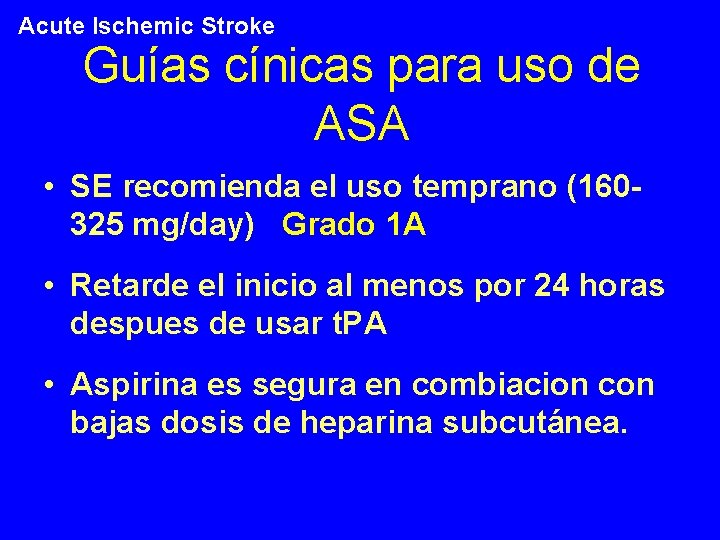
Acute Ischemic Stroke Guías cínicas para uso de ASA • SE recomienda el uso temprano (160325 mg/day) Grado 1 A • Retarde el inicio al menos por 24 horas despues de usar t. PA • Aspirina es segura en combiacion con bajas dosis de heparina subcutánea.
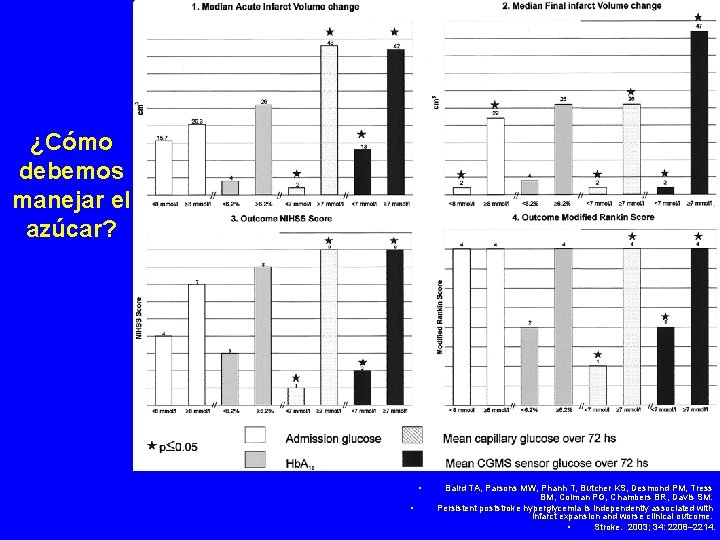
¿Cómo debemos manejar el azúcar? • • Baird TA, Parsons MW, Phanh T, Butcher KS, Desmond PM, Tress BM, Colman PG, Chambers BR, Davis SM. Persistent poststroke hyperglycemia is independently associated with infarct expansion and worse clinical outcome. • Stroke. 2003; 34: 2208– 2214.
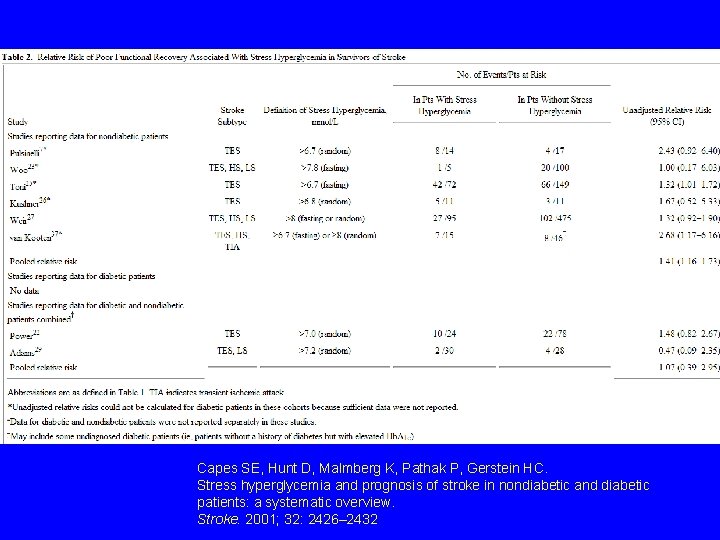
Capes SE, Hunt D, Malmberg K, Pathak P, Gerstein HC. Stress hyperglycemia and prognosis of stroke in nondiabetic and diabetic patients: a systematic overview. Stroke. 2001; 32: 2426– 2432
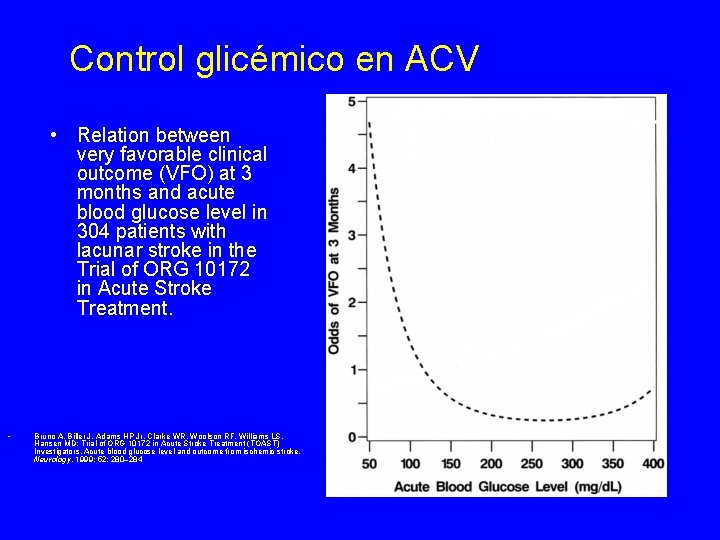
Control glicémico en ACV • Relation between very favorable clinical outcome (VFO) at 3 months and acute blood glucose level in 304 patients with lacunar stroke in the Trial of ORG 10172 in Acute Stroke Treatment. • Bruno A, Biller J, Adams HP Jr, Clarke WR, Woolson RF, Williams LS, Hansen MD; Trial of ORG 10172 in Acute Stroke Treatment (TOAST) Investigators. Acute blood glucose level and outcome from ischemic stroke. Neurology. 1999; 52: 280– 284
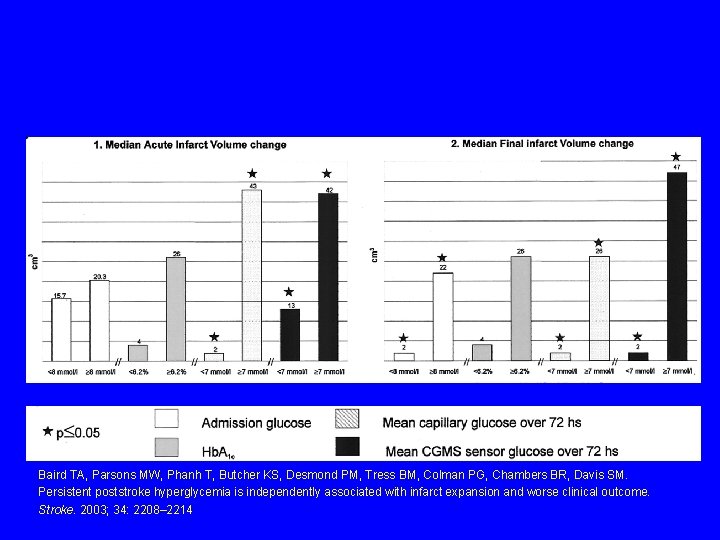
Baird TA, Parsons MW, Phanh T, Butcher KS, Desmond PM, Tress BM, Colman PG, Chambers BR, Davis SM. Persistent poststroke hyperglycemia is independently associated with infarct expansion and worse clinical outcome. Stroke. 2003; 34: 2208– 2214
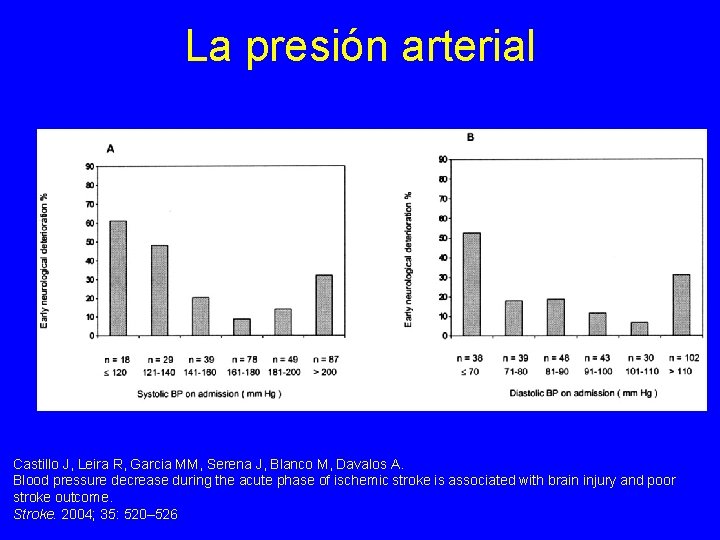
La presión arterial Castillo J, Leira R, Garcia MM, Serena J, Blanco M, Davalos A. Blood pressure decrease during the acute phase of ischemic stroke is associated with brain injury and poor stroke outcome. Stroke. 2004; 35: 520– 526
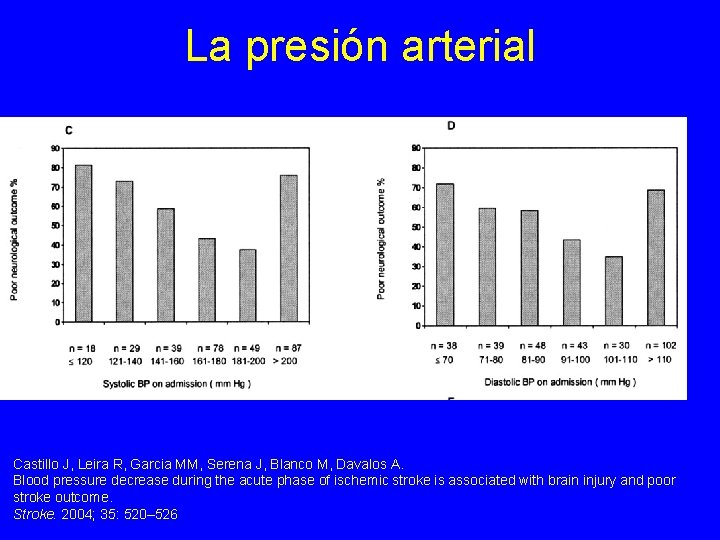
La presión arterial Castillo J, Leira R, Garcia MM, Serena J, Blanco M, Davalos A. Blood pressure decrease during the acute phase of ischemic stroke is associated with brain injury and poor stroke outcome. Stroke. 2004; 35: 520– 526
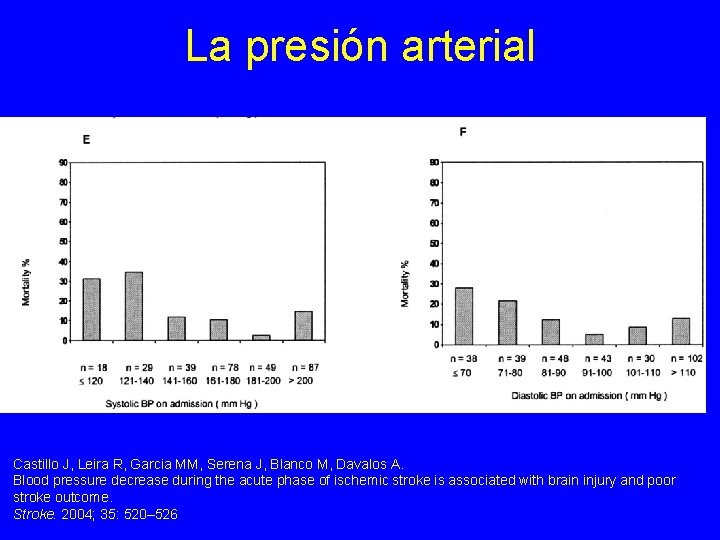
La presión arterial Castillo J, Leira R, Garcia MM, Serena J, Blanco M, Davalos A. Blood pressure decrease during the acute phase of ischemic stroke is associated with brain injury and poor stroke outcome. Stroke. 2004; 35: 520– 526
La presión arterial Castillo J, Leira R, Garcia MM, Serena J, Blanco M, Davalos A. Blood pressure decrease during the acute phase of ischemic stroke is associated with brain injury and poor stroke outcome. Stroke. 2004; 35: 520– 526
• The management of arterial hypertension remains controversial. Data to guide recommendations for treatment are inconclusive or conflicting. Guidelines for the Early Management of Adults With Ischemic Stroke, 2007
• It is generally agreed that patients with markedly elevated blood pressure may have their blood pressure lowered. A reasonable goal would be to lower blood pressure by 15% during the first 24 hours after onset of stroke. Guidelines for the Early Management of Adults With Ischemic Stroke, 2007
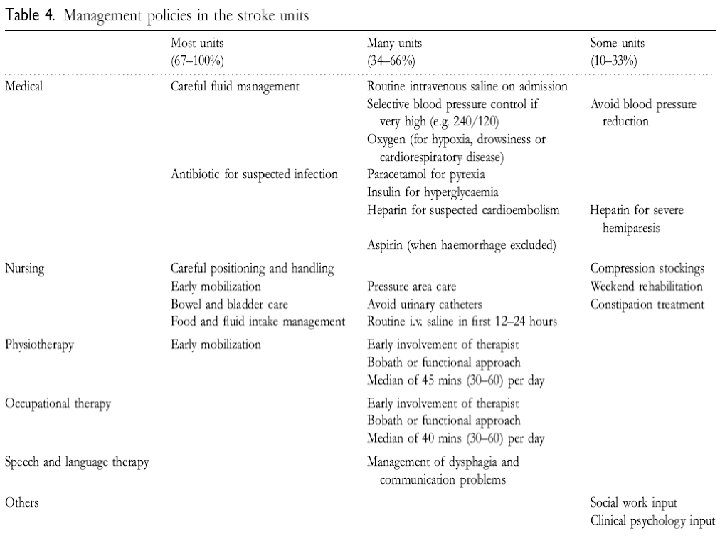
Langhorne P, Pollock A in conjunction with the Stroke Unit Trialists' Collaboration. What are the components of effective stroke unit care? Ageing 2002; 31: 365? 371
Fisioterapia Indredavik B, Bakke RPT, Slordahl SA, et al. Treatment in a combined acute and rehabilitation stroke unit. Which aspects are most important? Stroke 1999; 30: 917? 923
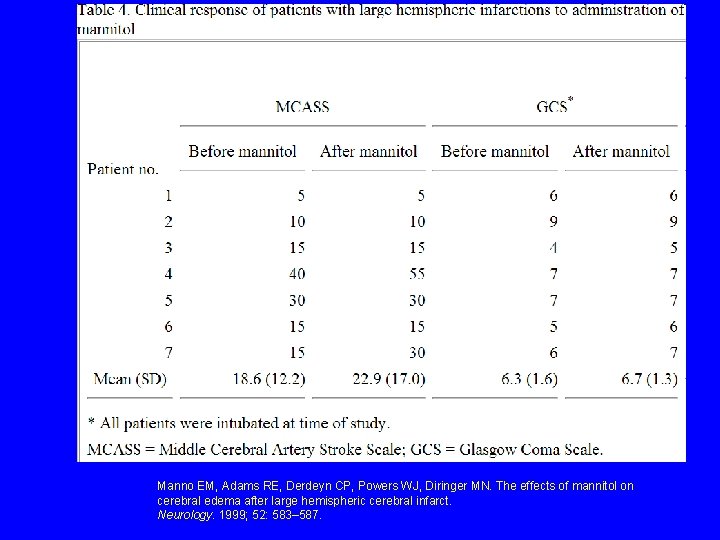
Manno EM, Adams RE, Derdeyn CP, Powers WJ, Diringer MN. The effects of mannitol on cerebral edema after large hemispheric cerebral infarct. Neurology. 1999; 52: 583– 587.
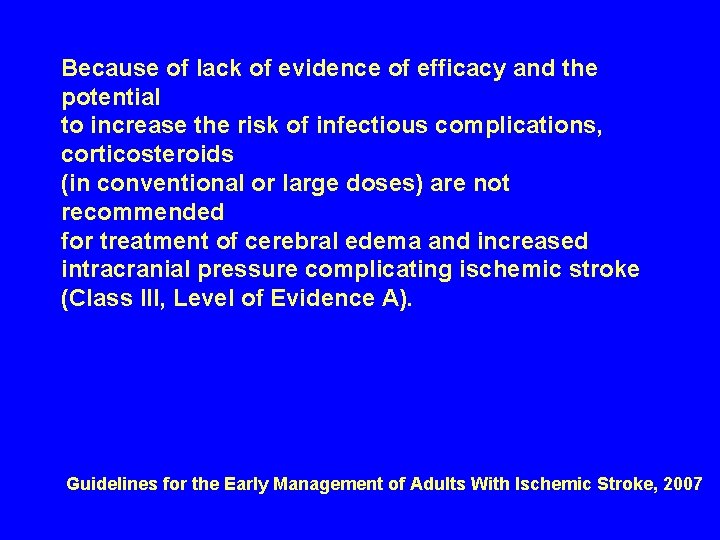
Because of lack of evidence of efficacy and the potential to increase the risk of infectious complications, corticosteroids (in conventional or large doses) are not recommended for treatment of cerebral edema and increased intracranial pressure complicating ischemic stroke (Class III, Level of Evidence A). Guidelines for the Early Management of Adults With Ischemic Stroke, 2007
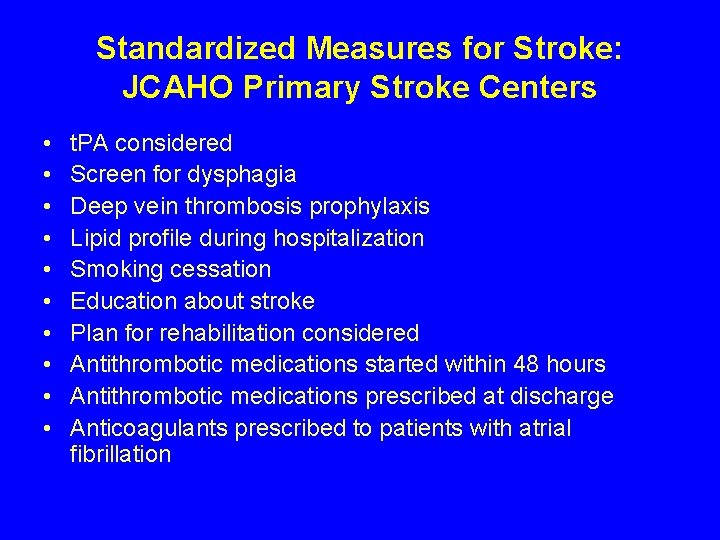
Standardized Measures for Stroke: JCAHO Primary Stroke Centers • • • t. PA considered Screen for dysphagia Deep vein thrombosis prophylaxis Lipid profile during hospitalization Smoking cessation Education about stroke Plan for rehabilitation considered Antithrombotic medications started within 48 hours Antithrombotic medications prescribed at discharge Anticoagulants prescribed to patients with atrial fibrillation
• “El mejor médico es el que conoce la inutilidad de la mayor parte de las medicinas. ” Benjamin Franklin

• “Que la comida sea tu alimento y el alimento tu medicina. ” Hipócrates
- Slides: 61