
Evasion of Immunity 2 Immunity to specific parasites


- Slides: 40
Evasion of Immunity 2 Immunity to specific parasites & parasite immune evasion strategies. Jo Hamilton Parasitology BS 31820
Objectives and learning outcomes. n Familiar with both vert & invert immune responses to a variety of parasites. n Familiar with range of strategies used by parasites to evade hosts’ immune mechanisms. n Able to give specific examples of parasites & their immune evasion strategies.
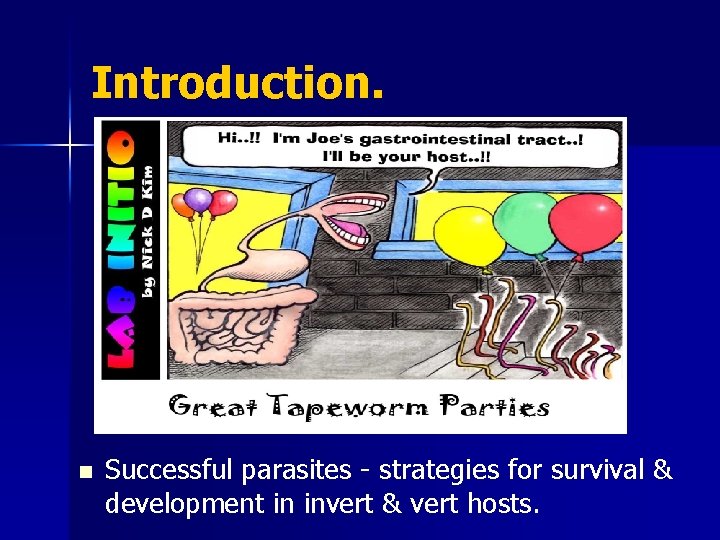
Introduction. n Successful parasites - strategies for survival & development in invert & vert hosts.
Immunoparasitology (Parasite immunology). n n n Host - susceptible - parasite survives. Host - insusceptible - parasite killed by innate immunity. E. g. Humans insusceptible to larval stages of bird schistosomes (e. g. Trichobilharzia). But get cercarial dermatitis (‘swimmers itch’). In duck host - established infection.
Immunoparasitology. n Spontaneous-cure - parasite establishes but eventually expelled, e. g. , Nippostrongylus brasiliensis. n Adult Nippostrongylus, releases protective antigens - not stage specific. n Resulting antibodies recognise targets on both adult worm & migrating infective larvae.
Immunoparasitology. n Parasites successfully adapted to innate & acquired immune responses of host. n Many factors involved in host susceptibility n e. g. genetic background, age, nutritional & hormonal status of individual.
Immunoparasitology. § Immune response mounted to protozoal & helminth infections. § Evidence 1. Prevalence infection declines with age. 2. Immunodepressed individuals quickly succumb. 3. Acquired immunity in lab models.
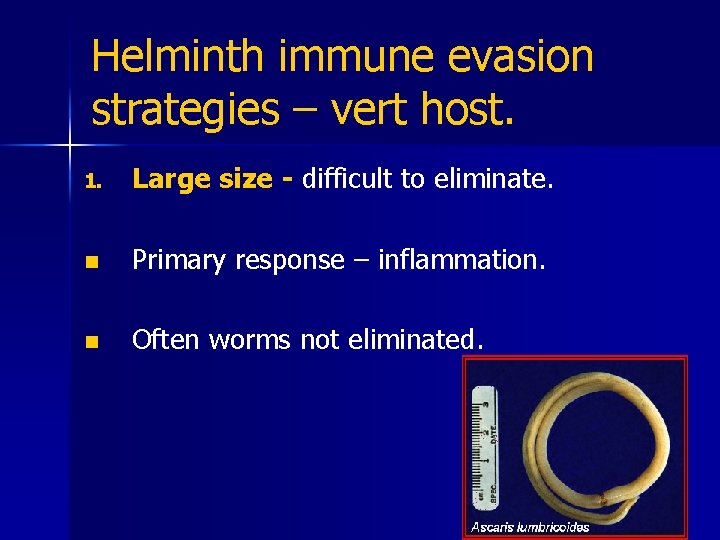
Immunopathology. Parasites damage host by: n Competing for nutrients (e. g. tapeworms). n Disrupting tissues (e. g. Hydatid disease). n Destroying cells (e. g. malaria, hookworm, schistosomiasis). n Mechanical blockage (e. g. Ascaris). n Severe disease often has immune / inflammatory component.
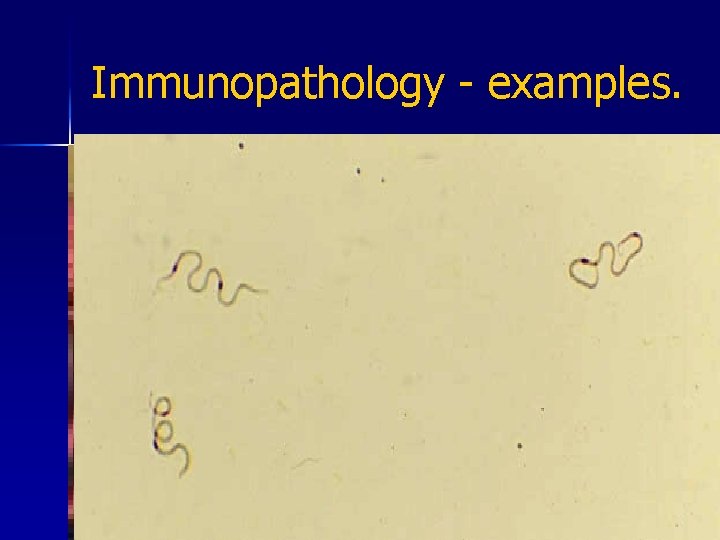
Immunopathology - examples. n Cerebral malaria - TNF, IFN & other proinflammatory cytokines in brain. n Hepatosplenic schistosomiasis - anti-egg immune responses – granuloma & fibrosis. n Onchocerciasis - anti-microfilarial responses in eye = blindness. Anaphylactic shock – e. g. rupture of hydatid cyst. Immediate hypersensitivity by parasite antigens. n n Nephropathy - immune complexes in kidney (e. g. malaria, schistosomiasis).
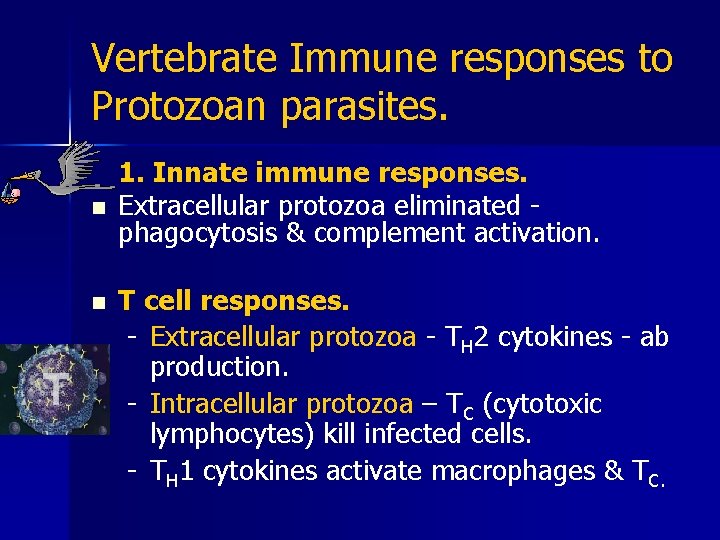
Vertebrate Immune responses to Protozoan parasites. n n 1. Innate immune responses. Extracellular protozoa eliminated phagocytosis & complement activation. T cell responses. - Extracellular protozoa - TH 2 cytokines - ab production. - Intracellular protozoa – TC (cytotoxic lymphocytes) kill infected cells. - TH 1 cytokines activate macrophages & TC.
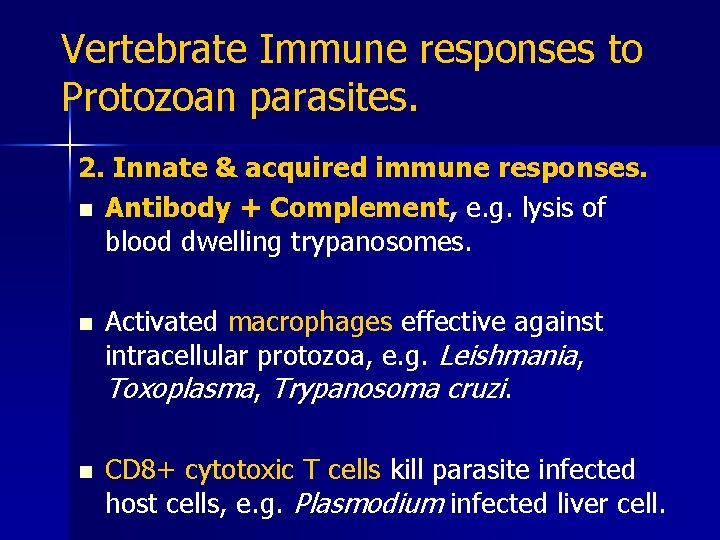
Vertebrate Immune responses to Protozoan parasites. 2. Innate & acquired immune responses. n Antibody + Complement, e. g. lysis of blood dwelling trypanosomes. n Activated macrophages effective against intracellular protozoa, e. g. Leishmania, Toxoplasma, Trypanosoma cruzi. n CD 8+ cytotoxic T cells kill parasite infected host cells, e. g. Plasmodium infected liver cell.
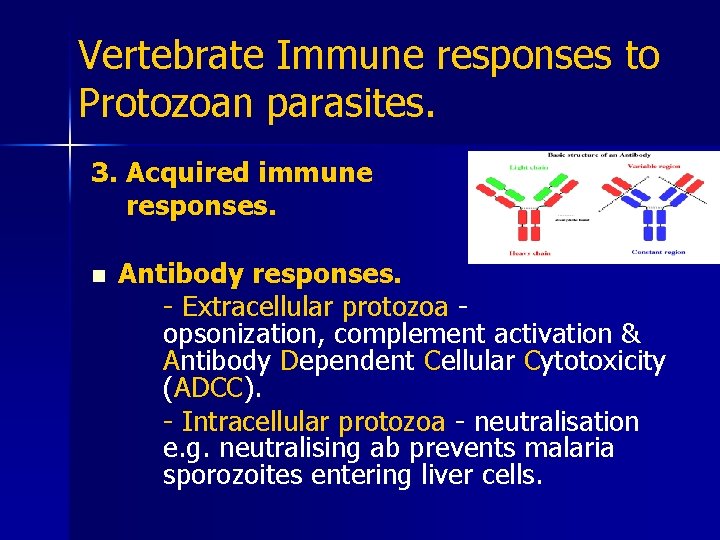
Vertebrate Immune responses to Protozoan parasites. 3. Acquired immune responses. n Antibody responses. - Extracellular protozoa opsonization, complement activation & Antibody Dependent Cellular Cytotoxicity (ADCC). - Intracellular protozoa - neutralisation e. g. neutralising ab prevents malaria sporozoites entering liver cells.
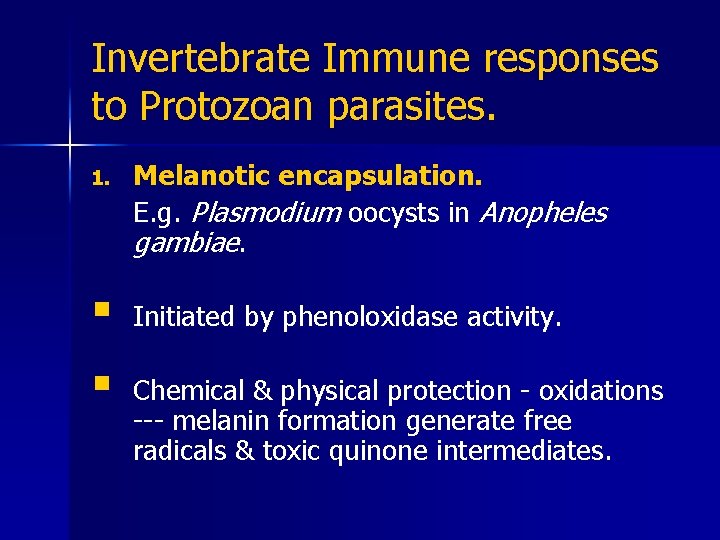
Invertebrate Immune responses to Protozoan parasites. 1. § § Melanotic encapsulation. E. g. Plasmodium oocysts in Anopheles gambiae. Initiated by phenoloxidase activity. Chemical & physical protection - oxidations --- melanin formation generate free radicals & toxic quinone intermediates.
Vertebrate Immune responses to helminth infections. n Most extracellular & too large for phagocytosis. n Some gastrointestinal nematodes - host develops inflammation & hypersensitivity. n Eosinophils & Ig. E initiate inflammatory response in intestine / lungs. n Histamine elicited - similar to allergic reactions.
Vertebrate Immune responses to helminth infections. n Acute response - Ig. E & eosinophil mediated systemic inflammation = worm expulsion. n Chronic exposure = chronic inflammation: – DTH, Th 1 / activated macrophages granulomas. – Th 2 / B cell responses increase Ig. E, mast cells & eosinophils = inflammation.
Vertebrate Immune responses to helminth infections. n Helminths induce Th 2 responses - IL-4, IL 5, IL-6, IL-9, IL-13 & eosinophils & ab (Ig. E). n Characteristic ADCC reactions, i. e. killer cells directed against parasite by specific ab. – E. g. Eosinophil killing of parasite larvae by Ig. E.
Invertebrate immune responses to helminth infections. n Melanotic encapsulation. Used to contain filarial larvae (nematodes) in mosquitoes.
Parasite Immune Evasion – Evasion strategies. n Parasites need time in host development, reproduce & ensure vector transmission. n Chronic infections normal. n Parasites evolved variety immune evasion strategies.
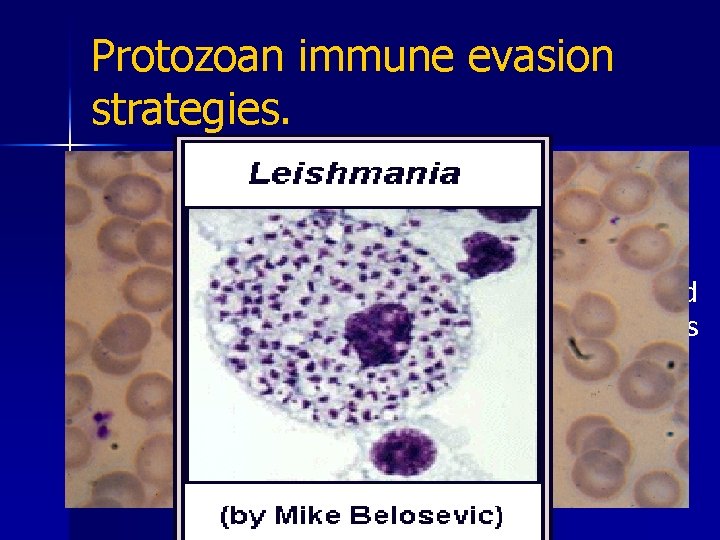
Protozoan immune evasion strategies. 1. Anatomical seclusion in vertebrate host. n Parasites may live intracellularly - avoid host immune response. n E. g. Plasmodium inside RBC’s - when infected not recognised by TC & NK cells. Other stages Plasmodium inside liver cells. n Leishmania parasites & Trypanosoma cruzi inside macrophages.
Protozoan immune evasion strategies. 2. Anatomical seclusion in invertebrate host. n Plasmodium ookinetes in serosal membrane - beyond reach haemocytes.
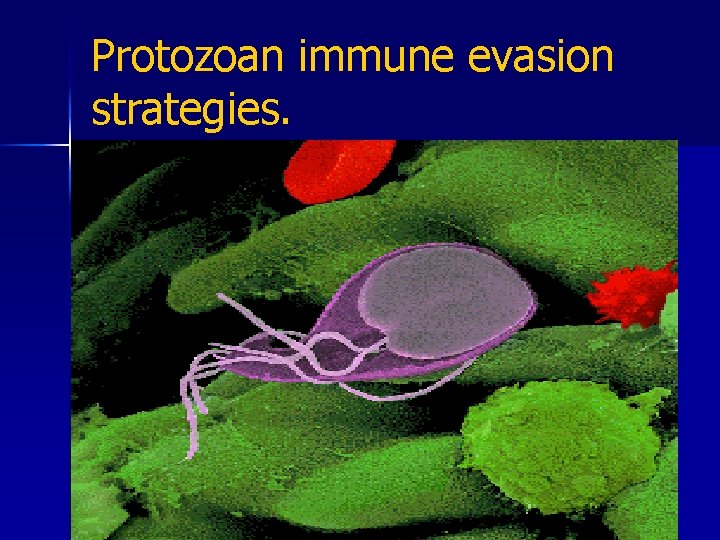
Protozoan immune evasion strategies. 3. Antigenic variation. n n In Plasmodium, different stages of life cycle express different antigens. Antigenic variation also in extracellular protozoan, Giardia lamblia.
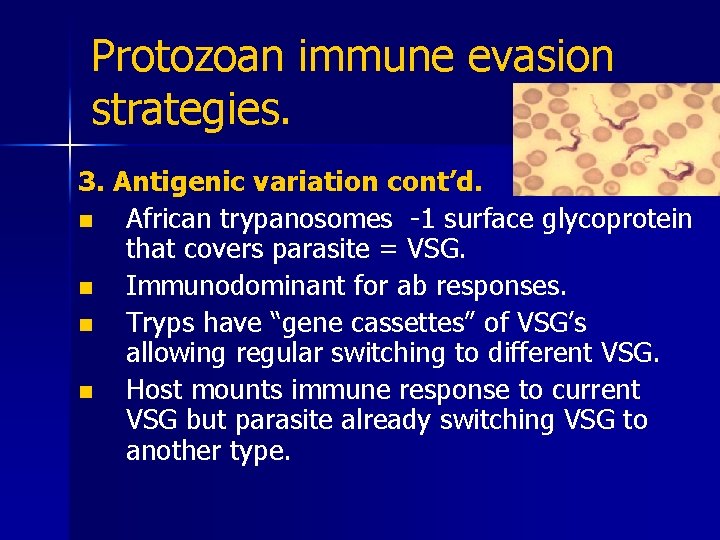
Protozoan immune evasion strategies. 3. Antigenic variation cont’d. n African trypanosomes -1 surface glycoprotein that covers parasite = VSG. n Immunodominant for ab responses. n Tryps have “gene cassettes” of VSG’s allowing regular switching to different VSG. n Host mounts immune response to current VSG but parasite already switching VSG to another type.
Protozoan immune evasion strategies. 3. Antigenic variation cont’d. n Parasite expressing new VSG escapes ab detection, replicates & continue infection. n Allows parasite survival - months / years. n Up to 2000 genes involved.
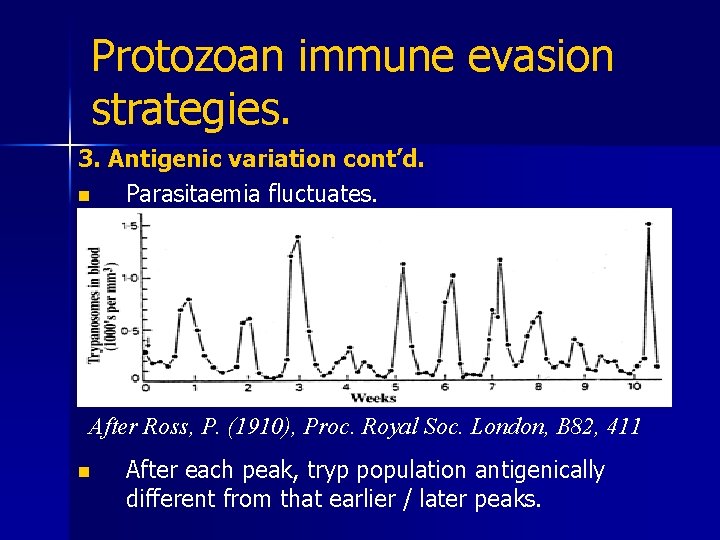
Protozoan immune evasion strategies. 3. Antigenic variation cont’d. n Parasitaemia fluctuates. After Ross, P. (1910), Proc. Royal Soc. London, B 82, 411 n After each peak, tryp population antigenically different from that earlier / later peaks.
Protozoan immune evasion strategies. n 4. Shedding / replacement surface e. g. Entamoeba histolytica. n 5. Immunosupression – manipulation host immune response e. g. Plasmodium. n 6. Anti-immune mechanisms Leishmania - anti-oxidases to counter macrophage oxidative burst.
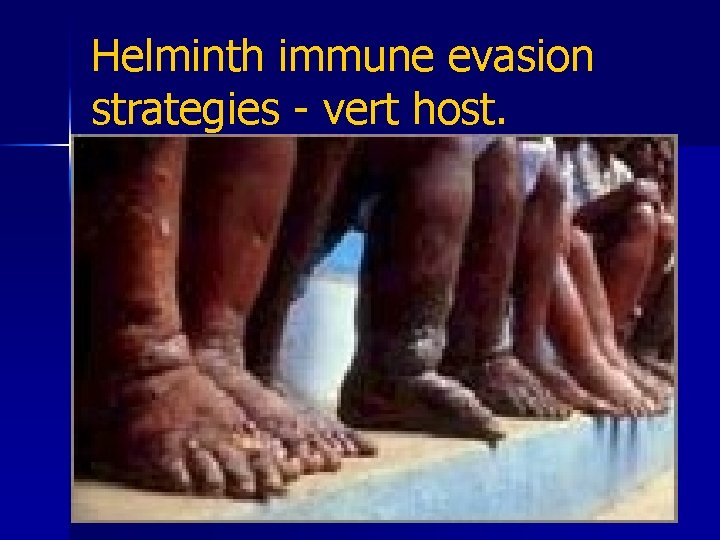
Helminth immune evasion strategies – vert host. 1. Large size - difficult to eliminate. n Primary response – inflammation. n Often worms not eliminated.
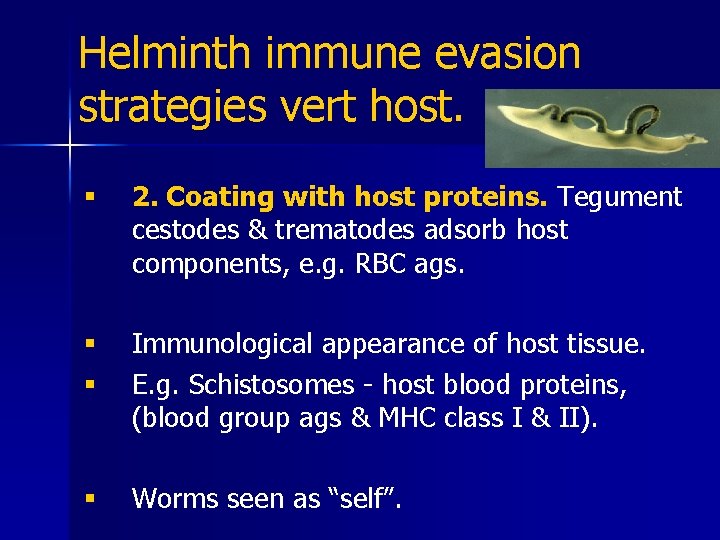
Helminth immune evasion strategies vert host. § 2. Coating with host proteins. Tegument cestodes & trematodes adsorb host components, e. g. RBC ags. § § Immunological appearance of host tissue. E. g. Schistosomes - host blood proteins, (blood group ags & MHC class I & II). § Worms seen as “self”.
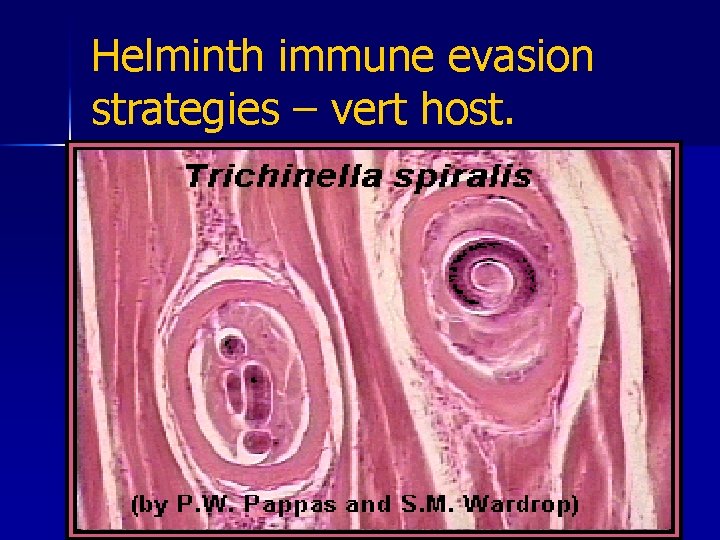
Helminth immune evasion strategies – vert host. n 3. Molecular mimicry. Parasite mimics host structure / function. E. g. schistosomes have E-selectin - adhesion / invasion. n 4. Anatomical seclusion - 1 nematode larva does this -Trichinella spiralis inside mammalian muscle cells. n 5. Shedding / replacement surface e. g. trematodes, hookworms.
Helminth immune evasion strategies – vert host. n 6. Immunosupression – manipulation of the immune response. High nematode burdens - apparently asymptomatic. n Parasite may secrete anti-inflammatory agents - suppress recruitment & activation effector leukocytes or block chemokinereceptor interactions. E. g. hookworm protein binds ß integrin CR 3 & inhibits neutrophil extravasation. n
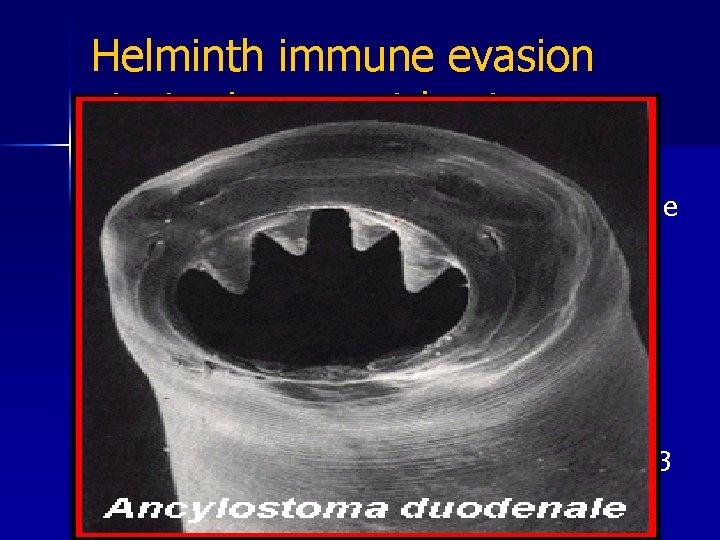
Helminth immune evasion strategies – vert host. n 7. Anti-immune mechanisms e. g. liver fluke larvae secretes enzyme that cleaves ab. n 8. Migration e. g. Hookworms - move about gut avoiding local inflammatory reactions.
Helminth immune evasion strategies - vert host. n 9. Production of parasite enzymes Filarial parasites secrete anti-oxidant enzymes n e. g. glutathione peroxidase & superoxide dismutase - resistance to ADCC & oxidative stress?
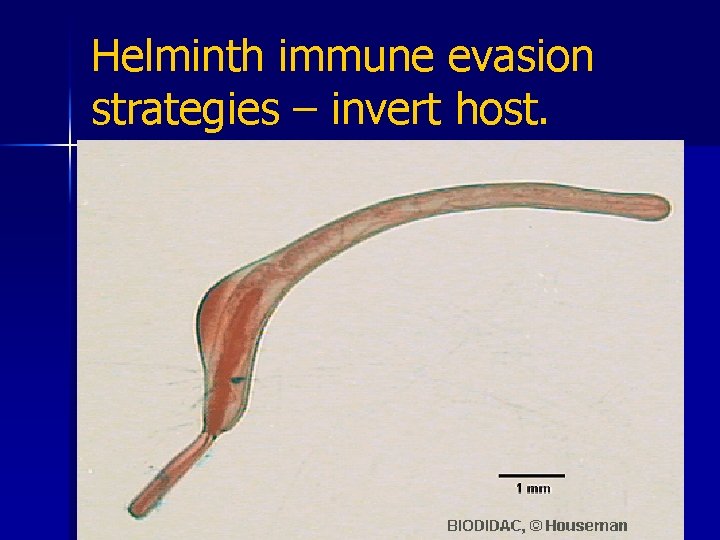
Helminth immune evasion strategies – invert host. n n 1. Anatomical seclusion – Acanthocephala acanthors maintain host tissue layer around them. Acanthor only melanized if larva dies. 2. Molecular mimicry – Schistosoma sporocysts produce surface molecules similar to haemolymph molecules of snail host. Parasite seen as “self”.
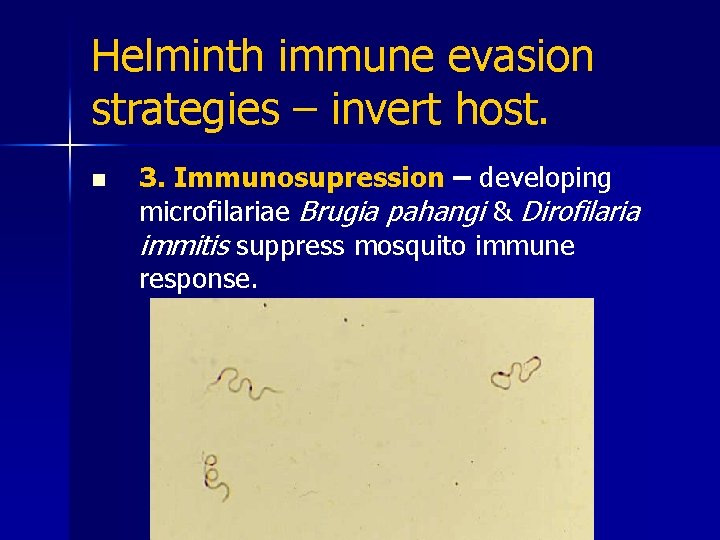
Helminth immune evasion strategies – invert host. n 3. Immunosupression – developing microfilariae Brugia pahangi & Dirofilaria immitis suppress mosquito immune response.
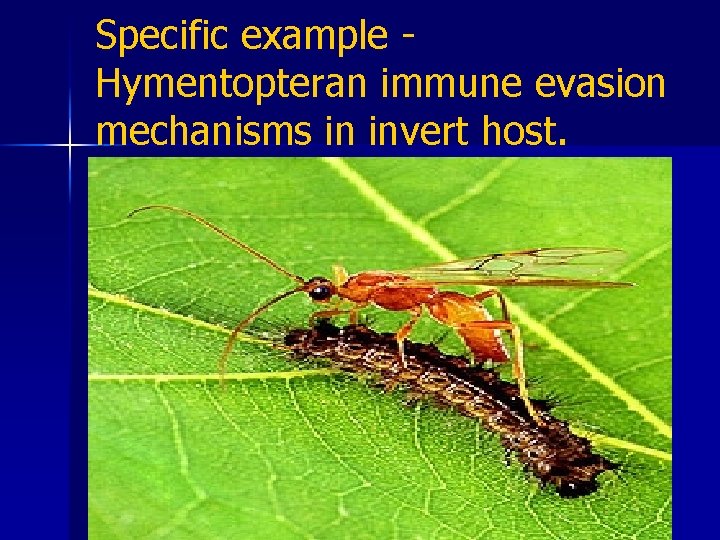
Specific example Hymentopteran immune evasion mechanisms in invert host. n 1. Anatomical seclusion. Parasitic wasps lay eggs in ventral ganglion insect / spider hosts - avoid phagocytosis. n 2. Immunosupression. Some parasitic ichneumonids lay eggs in lepidopteran larvae. – Eggs not attacked by immune system as long as alive.
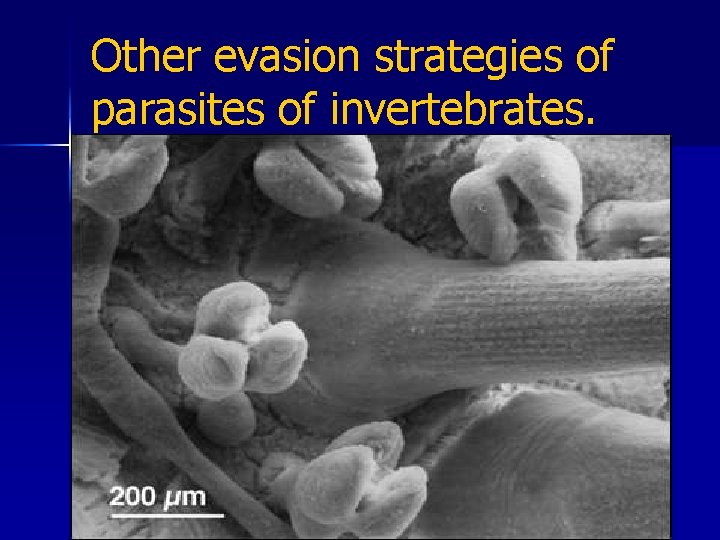
Other evasion strategies of parasites of invertebrates. n n n 1. Immature hosts. Advantage- less circulating haemocytes. 2. Incorporation of host antigen. Parasite appears as “self”. E. g. Ectoparasites of echinoderms. Pedicellaria prevent ectoparasites from settling. – – Mucus - inhibits pedicellaria response. Ectoparasites coat themselves in mucus prevents response.
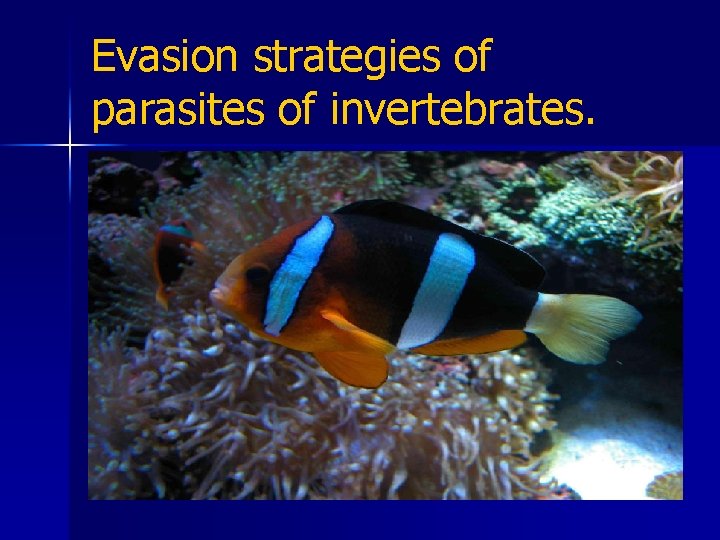
Evasion strategies of parasites of invertebrates. n 2. Incorporation of host antigen cont’d. E. g. Clown fish produce mucus - no sialic acid - prevents stinging by tentacles of sea anemone. § But lack sialic acid - fish susceptible to bacterial infections.
Summary I. n Immunopathology – most severe parasitic pathology has immune/inflammatory component. n Protozoa evade vertebrate immunity by: – – – Anatomical seclusion. Antigenic variation. Surface shedding / replacement. Immunosupression Anti-immune mechanisms.
Summary II. § Protozoa evade invertebrate immunity by: § Anatomical seclusion. § Helminths evade vertebrate immunity by: § § § § § Size. Using host protein. Molecular mimicry. Anatomical seclusion. Surface shedding / replacement. Immunosupression. Anti-immune mechanisms. Migration. Production enzymes.
Summary III. § Helminths evade invertebrate immunity by: § Anatomical seclusion. § Molecular mimicry. § Immunosupression.
Next session. n Examine immune evasion strategies of: n Schistosomes (intermediate & definitive hosts). n The African trypanosomes.