
Evaluation and Management of Nonobstructive Azoospermia Sang Kon
Evaluation and Management of Nonobstructive Azoospermia Sang Kon Lee, M. D. College of Medicine, Hallym University
Causes of Azoospermia l Pretesticular l Testicualr failure l Post-testicular failure
Pretesticular failure – Genetic abnormality Kallmann’s syndrome l Prader-Willi syndrome l Cerebral ataxia with HH l – Idiopathic HH – Isolated LH deficeincy – Isolated FSH deficiency – Prolactin excess
Testicular failure l Genetic abnormality – – l l l Klinfelter’s syndrome: nonmosaic, mosaic XYY syndrome 46 XX male syndrome Yq AZF gene deletion Varicocele Bilateral anorchism, cryptorchidism Sertoli cell only syndrome Gonadotoxin : drug, radiation, chemical Orchitis
Evaluation l History – – – Infertility : duration, pregnancy Developmental Medical, surgical Sexual Family Physical exam. l Semen analysis l Endocrine test l
Childhood and Developemental l l l Crytorchidism, testicualr torsion, Mumps orchitis Herniorrhaphy Onset of puberty Secondary sexual development – Onset axillary, pubic hair, start of shaving Onset of masturbation
Medical history l Medical history – Systemic illness: hepatic, renal failure – Gonadotoxins sulfasalazine, cimetidine, nitrofuratoin, chemotherapeutic, anabolic androgen l Thermal injury l Smoking, alcohol, marijuana l l Surgical history – Herniorrhaphy, badder neck, orchiectomy, retroperitoneal surgery
Physical examination l General appearance l Gynecomastia l Axillary, pubic hair l Testis volume, consistency l Epididymis induration l Varicocele l Digital rectal examination
Semen analysis At least 2 times analysis l Secretory azoospermia l – Pellet inspected after centrifugation at 1, 500 - 2, 000 rpm for 10 min l If ejaculatory vol < 1 ml – Postejaculatory urine should be examined
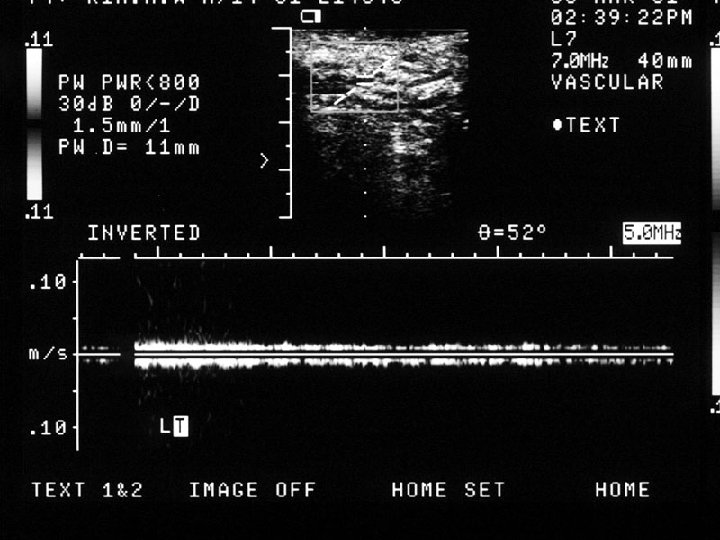
Ultrasound examination l Scrotal US – Testis volume – Varicocele – Testis tumor l Transrectal US – Low volume azoospermia without absence of testicular atrophy – Palpable abnormality on DRE
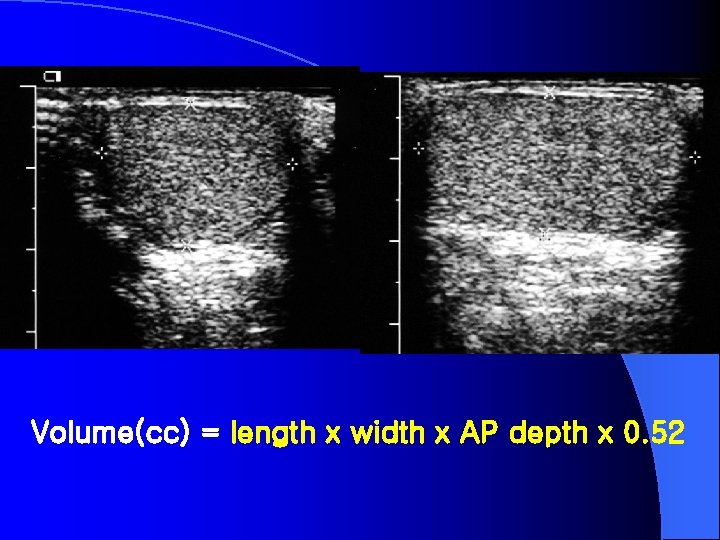
Volume(cc) = length x width x AP depth x 0. 52
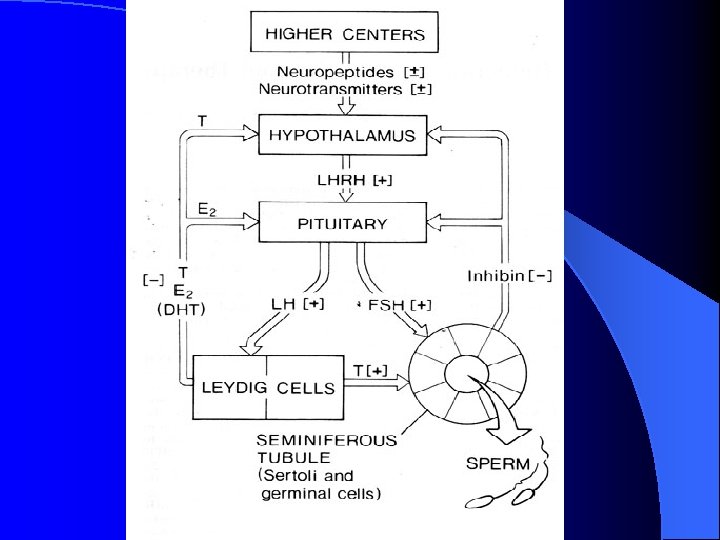
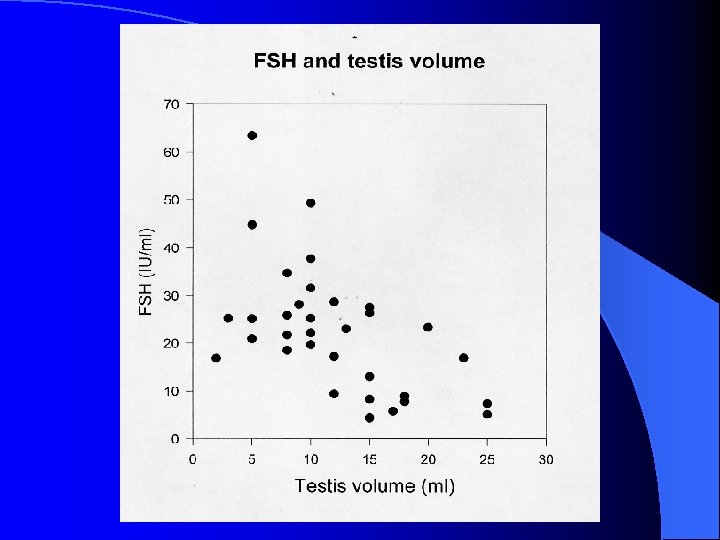

Hormonal status in clinical Dx Clinical status Germ cell aplagia FSH LH T ↑ Normal Testicualr failure ↑ ↑ Normal or ↓ HH ↓ ↓ ↓

Indication of testicular biopsy l Dignostic – DDX of ductal obstruction and testicular failure – Identification of mature sperm for ICSI – Identification of malignancy l Therapeutic – Harvesting of sperm for ICSI

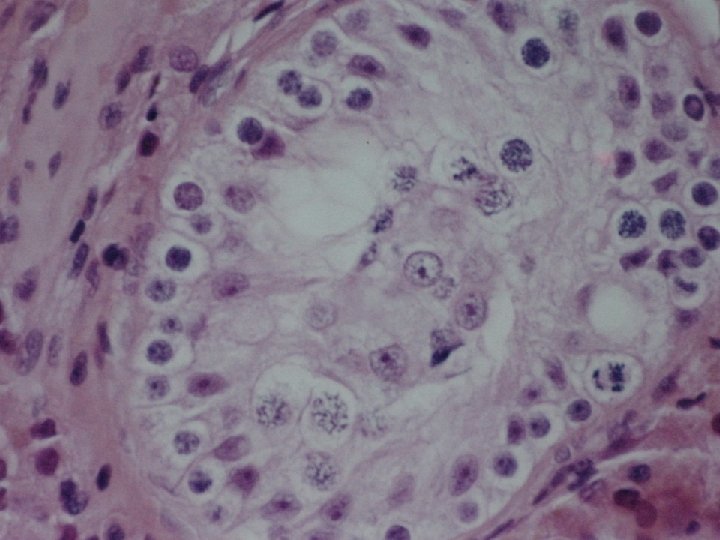
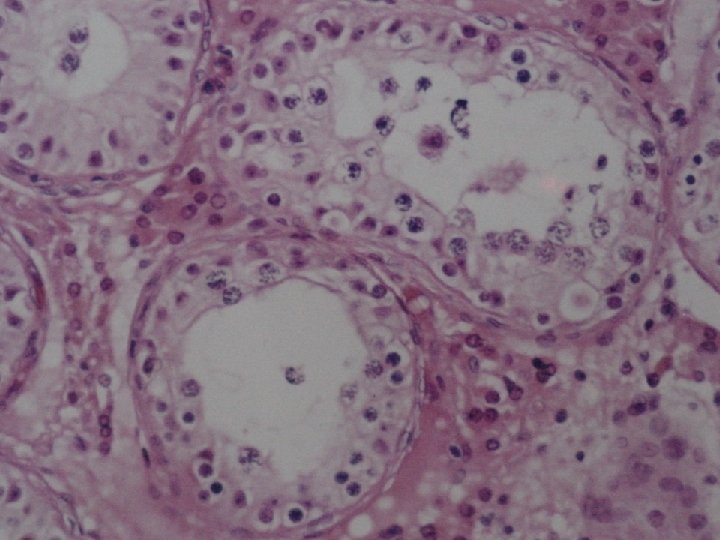
Interpretation of testis biopsy l Severe hypospermatogenesis l Setoli cell only syndrome l Maturation arrest – Spermatocyte stage – Spermatid stage l Tubular and peritubular sclerosis

DNA flowcytometry l Advantage – Rapid, objective, quantitative – reproducible l Disadvantage – Inability of distinguishment between specific type of 1 N cells (spermatozoa and spermatid)

Normal spermatogenesis Maturation arrest Hypospermatogenesis Sertoli cell only syndrome
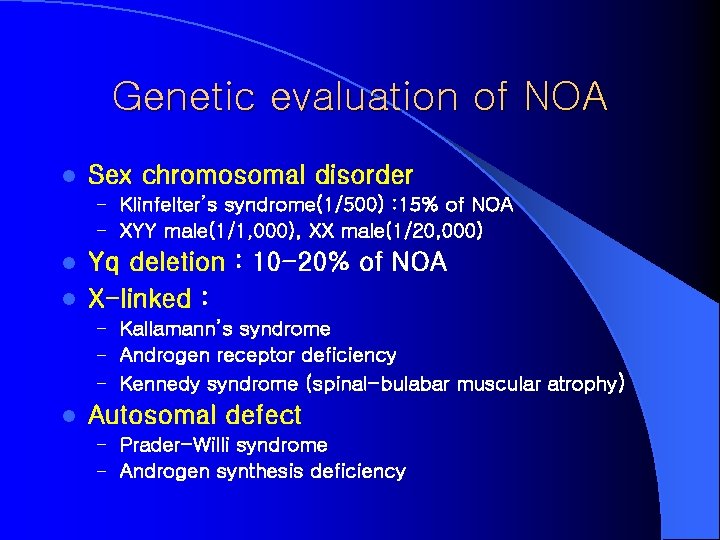
Genetic evaluation of NOA l Sex chromosomal disorder – Klinfelter’s syndrome(1/500) : 15% of NOA – XYY male(1/1, 000), XX male(1/20, 000) Yq deletion : 10 -20% of NOA l X-linked : l – Kallamann’s syndrome – Androgen receptor deficiency – Kennedy syndrome (spinal-bulabar muscular atrophy) l Autosomal defect – Prader-Willi syndrome – Androgen synthesis deficiency
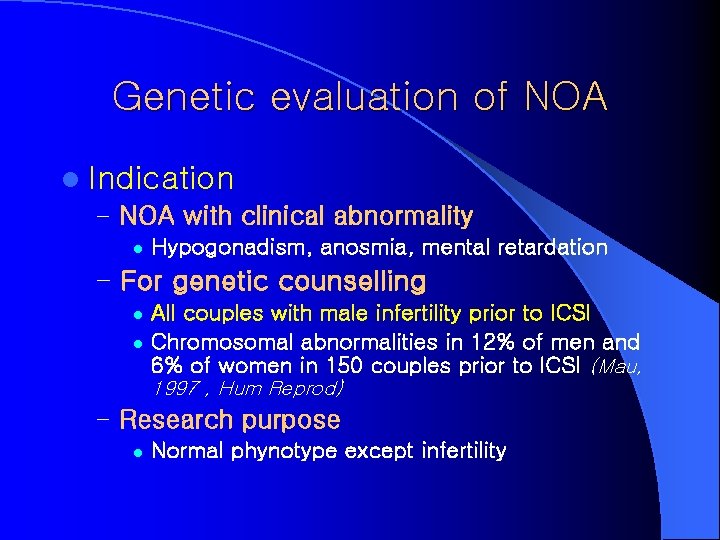
Genetic evaluation of NOA l Indication – NOA with clinical abnormality l Hypogonadism, anosmia, mental retardation – For genetic counselling l l All couples with male infertility prior to ICSI Chromosomal abnormalities in 12% of men and 6% of women in 150 couples prior to ICSI (Mau, 1997 , Hum Reprod) – Research purpose l Normal phynotype except infertility
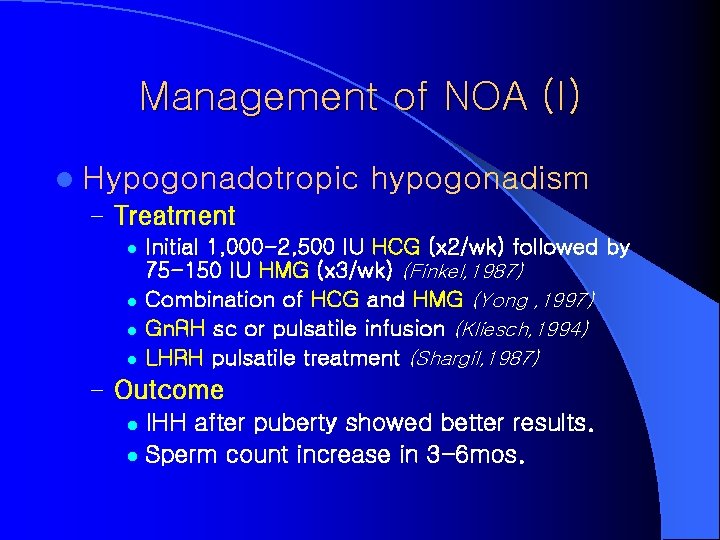
Management of NOA (I) l Hypogonadotropic – Treatment l l hypogonadism Initial 1, 000 -2, 500 IU HCG (x 2/wk) followed by 75 -150 IU HMG (x 3/wk) (Finkel, 1987) Combination of HCG and HMG (Yong , 1997) Gn. RH sc or pulsatile infusion (Kliesch, 1994) LHRH pulsatile treatment (Shargil, 1987) – Outcome l IHH after puberty showed better results. l Sperm count increase in 3 -6 mos.
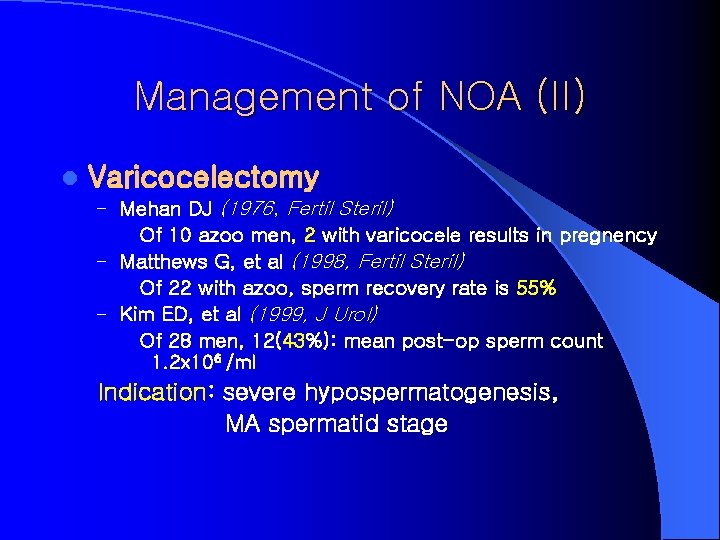
Management of NOA (II) l Varicocelectomy – Mehan DJ (1976, Fertil Steril) Of 10 azoo men, 2 with varicocele results in pregnency – Matthews G, et al (1998, Fertil Steril) Of 22 with azoo, sperm recovery rate is 55% – Kim ED, et al (1999, J Urol) Of 28 men, 12(43%): mean post-op sperm count 1. 2 x 10⁶ /ml Indication: severe hypospermatogenesis, MA spermatid stage
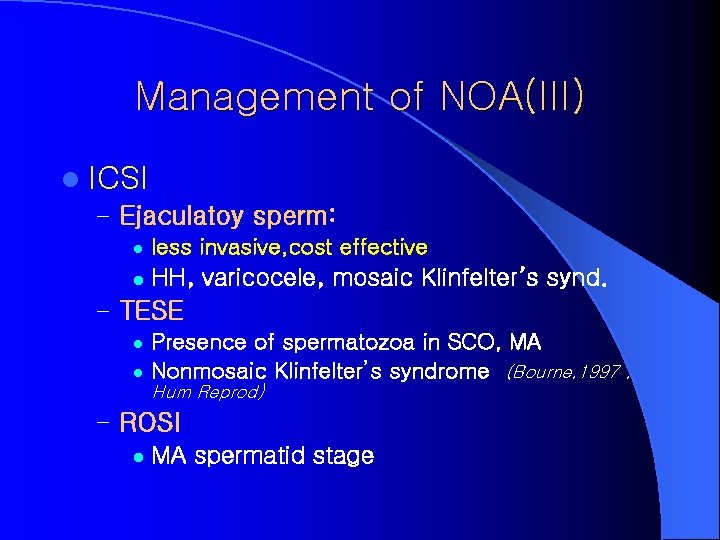
Management of NOA(III) l ICSI – Ejaculatoy sperm: l less invasive, cost effective l HH, varicocele, mosaic Klinfelter’s synd. – TESE l l Presence of spermatozoa in SCO, MA Nonmosaic Klinfelter’s syndrome (Bourne, 1997 , Hum Reprod) – ROSI l MA spermatid stage
Genetic risk of ICSI Congenital anomaly : l Autosomal abberation: <2% Y chromosomal abberation: 13% l – not results in major anomaly other than infertility l Sex chromosomal abnormality – Higher in ICSI than natural pregnancy l 1%: 47 XXY, XXX, 45 X, etc (Liebaers, 1995) – Major malformation in Turner l Infertility obligate in Klinfelter’s synd – No major congenital handicaps l No increased rate of mental retardation
Secondary NOA Case 1. M/31: infertility for 18 mos l History – 4 yrs PTV impregnated hx – Allergic rhinitis for 12 yrs l Antiallergic administered for 3 -4 mos. every year l During medication, anorexia, 5 -6 kg wt loss – Noticed testis atrophy 3 yrs PTV l Study – – Both testis 8 cc S/A: azoospermia FSH 18. 5 IU/ml T 2. 5 ng/ml, 46, XY Testis biopsy : MA spermatocytic stage
Secondary NOA Case 2. M/30: infertility for 6 yrs l History – 2 yrs PTV necrospermia – 10 mos PTV spontaneous abortion – Worked in Rayon manufacture industry for 11 yrs l Study – Both testis 12 cc – S/A: azoospermia, – FSH 13. 0 m. IU/ml, T 9. 4 ng/ml – Testis bopsy: Spermatocytic MA
Conclusion NOA may be a local presentation of systemic illnesses. l A complete careful evaluation is important for identification of etiology of male infertility which may open new approaches regarding prevention and treatment. l
- Slides: 31