
Evaluating Handheld GPS Receivers for Recording Archaeological Survey





- Slides: 18
Evaluating Handheld GPS Receivers for Recording Archaeological Survey Data GEO 444 – Practical GPS William Eichmann and Jake Reidel
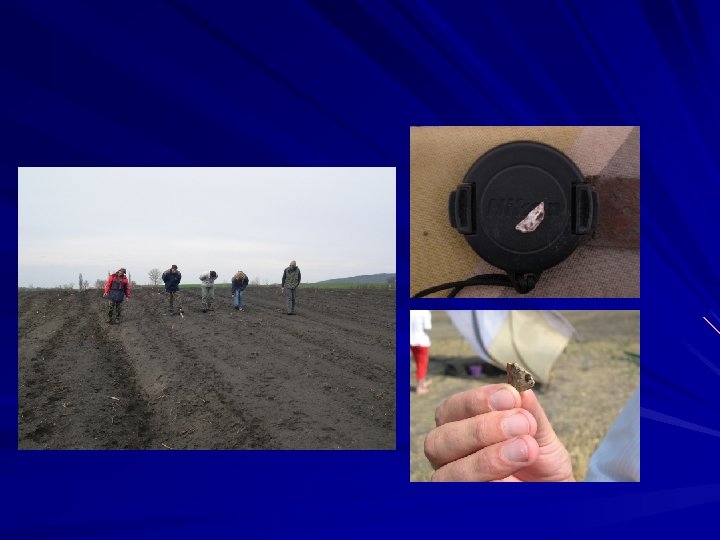
Archaeological Survey Data Survey areas: agricultural field boundaries, areas surveyed, surface conditions, transect interval, often visible on satellite images, polygons, certainty=10 m. Individual artifacts: “isolated finds” reflect diffuse activities across landscape, diagnostic artifacts, points, certainty=2 -5 m. Sites: concentrated areas of material culture, amorphous and fuzzy boundaries, comprised of individual artifacts, polygons, certainty=10 m.
Time and Cost How much time does the method take relative to other methods? How does it compare with other methods in terms of accuracy?
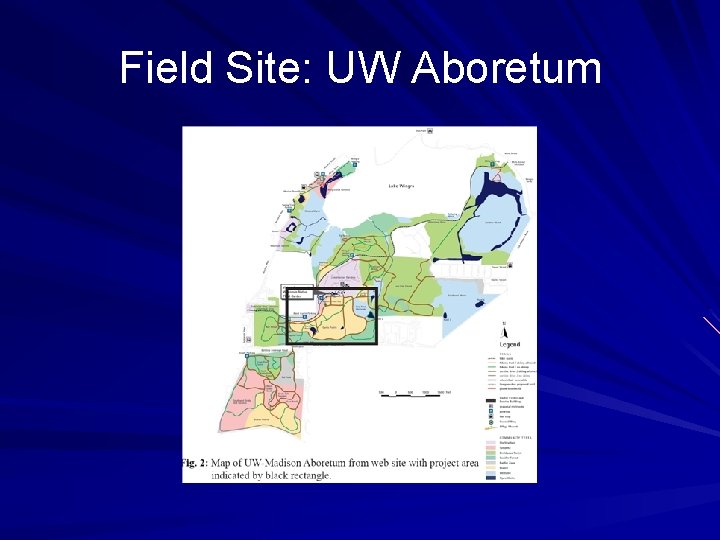
Field Site: UW Aboretum
Google Earth
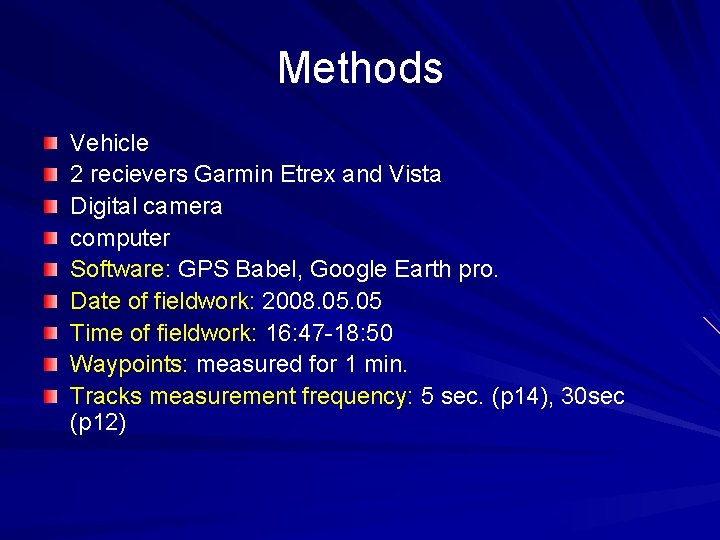
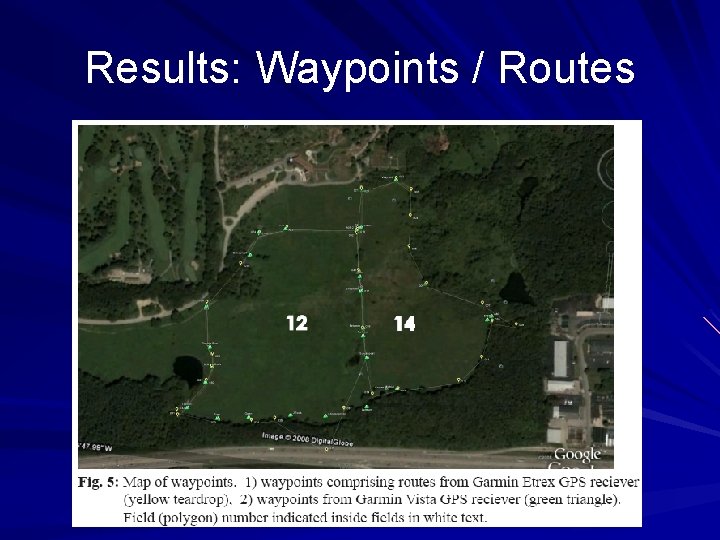
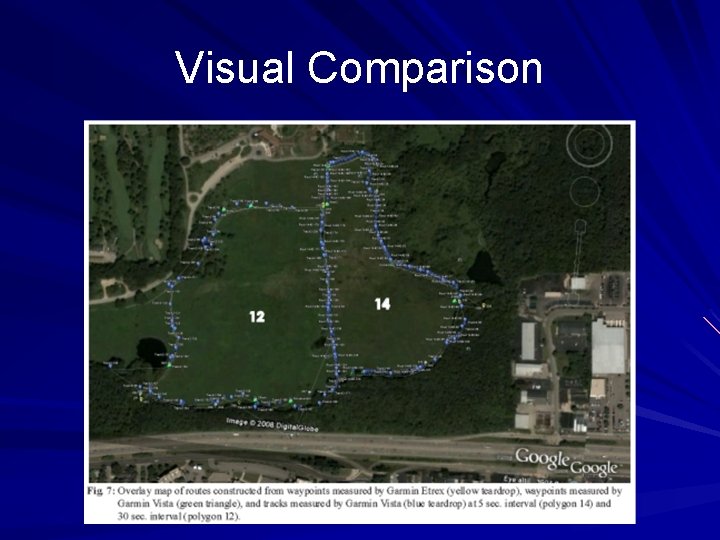
Methods Vehicle 2 recievers Garmin Etrex and Vista Digital camera computer Software: GPS Babel, Google Earth pro. Date of fieldwork: 2008. 05 Time of fieldwork: 16: 47 -18: 50 Waypoints: measured for 1 min. Tracks measurement frequency: 5 sec. (p 14), 30 sec (p 12)
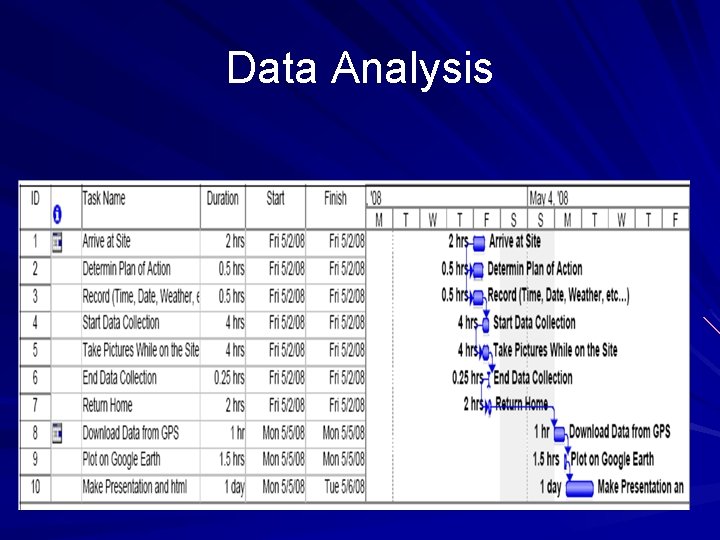
Data Analysis
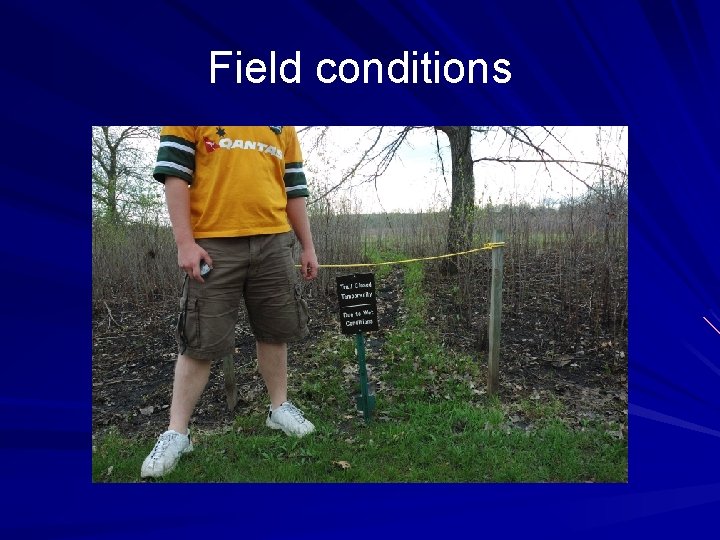
Field conditions
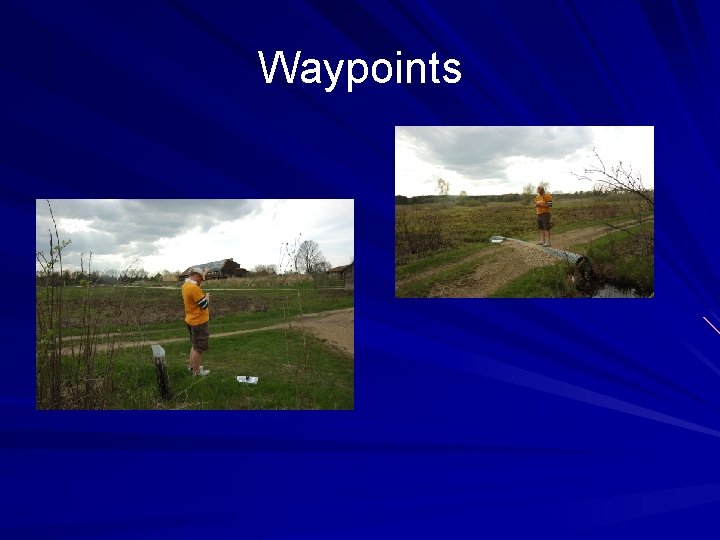
Waypoints
Results: Waypoints / Routes
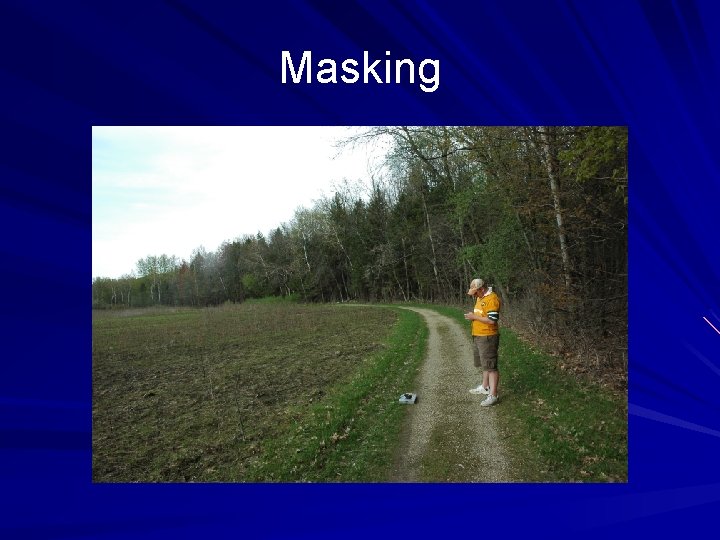
Masking
Tracks
Visual Comparison
Discussion Both waypoints/routes and tracks are sufficiently accurate and precise for defining field and site boundaries. Tracks take less time and provide better accuracy with similar precision to waypoints/routes Tracks may be better suited to recording amorphous shapes of sites Record individual artifacts as waypoints. Tall vegetation masks satellites
Conclusion and Improvements Survey areas: collect several control points and define fields based on satellite images. Individual artifacts: record as waypoints Sites: record with tracks Equipment: use a GPS receiver/data collector with loaded background images.