
Evaluating and Suggesting Holocaust Books for Children NJLA
Evaluating and Suggesting Holocaust Books for Children NJLA May 1, 2008
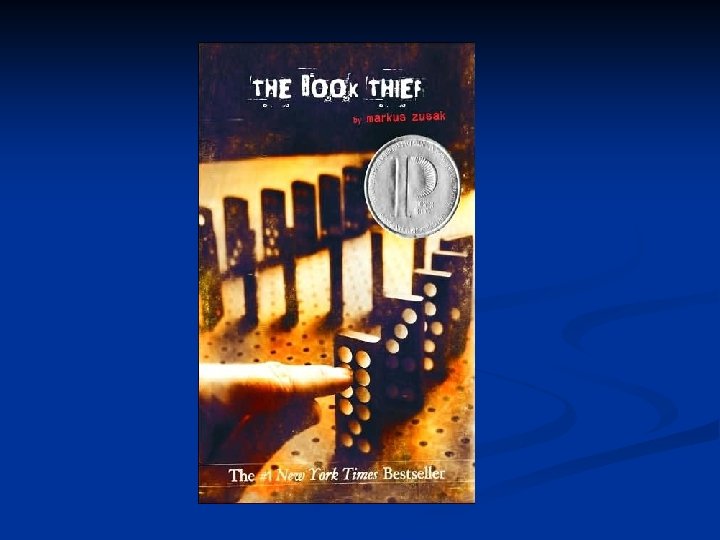
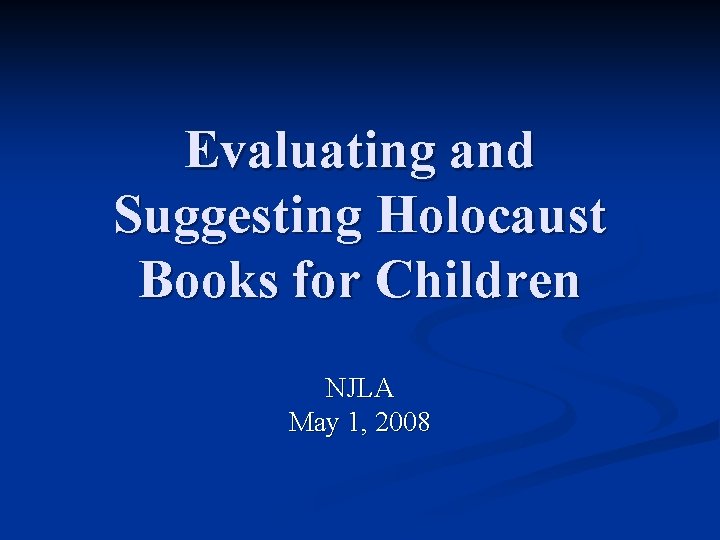
“A 552 -page book about Nazi Germany, narrated by Death”
Evaluation Strategies Criteria for non-fiction – “Books of information: ” ü Accurate ü Engaging ü Well-written - clear, dynamic prose ü Visuals – clear pictures, diagrams, maps
Evaluation Strategies Criteria for non-fiction – “Books of information: ” ü Authority of author ü Help of content specialist or expert advice ü Organized in a logical sequence ü Includes table of contents, index, glossary ü Documentation – sources of information
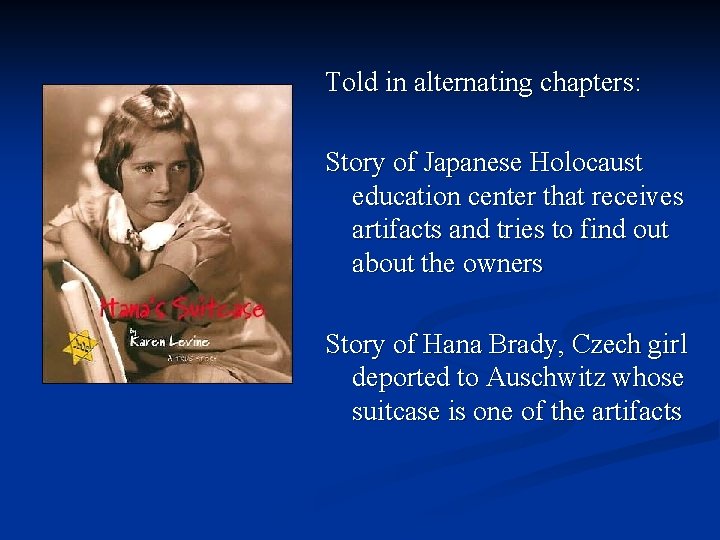
Told in alternating chapters: Story of Japanese Holocaust education center that receives artifacts and tries to find out about the owners Story of Hana Brady, Czech girl deported to Auschwitz whose suitcase is one of the artifacts
Evaluation Strategies Criteria for fiction: ü Plot Conflict Plot development ü Characterization Types Character development Authentic Voice
Evaluation Strategies Criteria for fiction: ü Point of View ü Setting: integral to historical novels; often functions to clarify the conflict in the story. ü Style/Literary Devices ü Theme
Evaluation Strategies Holocaust books ü Make young readers think about their own lives
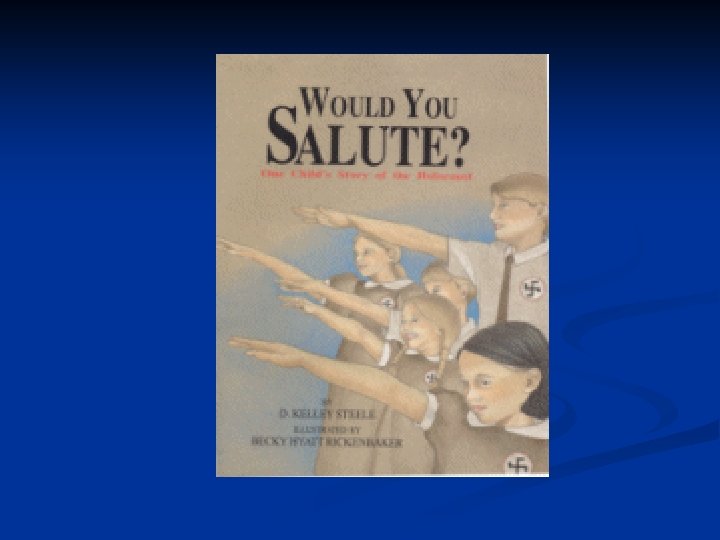
Evaluation Strategies Holocaust books Make young readers think about their own lives ü Connect history with other accounts of what racism can do ü Don’t exploit the violence or sensationalize ü Don’t sentimentalize terrible situations ü Tell the truth ü
Facts of atrocity and genocide are hardly appropriate for small kids. It is easier for authors to tell young children about those who escaped – the survivors and the rescuers.
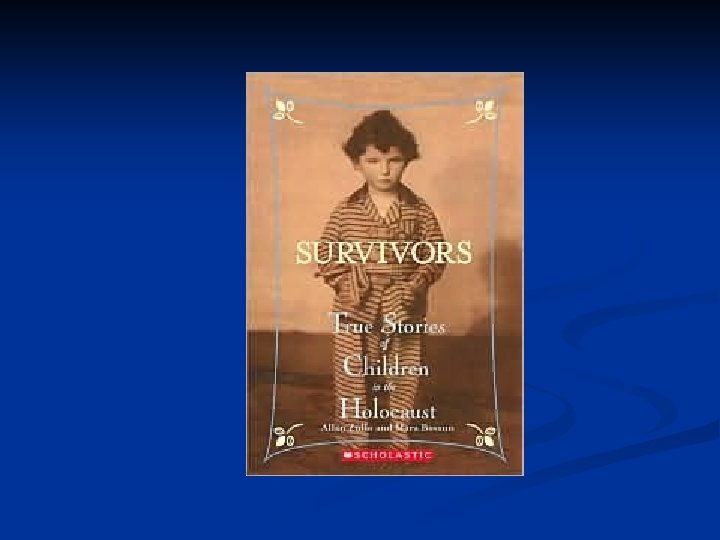
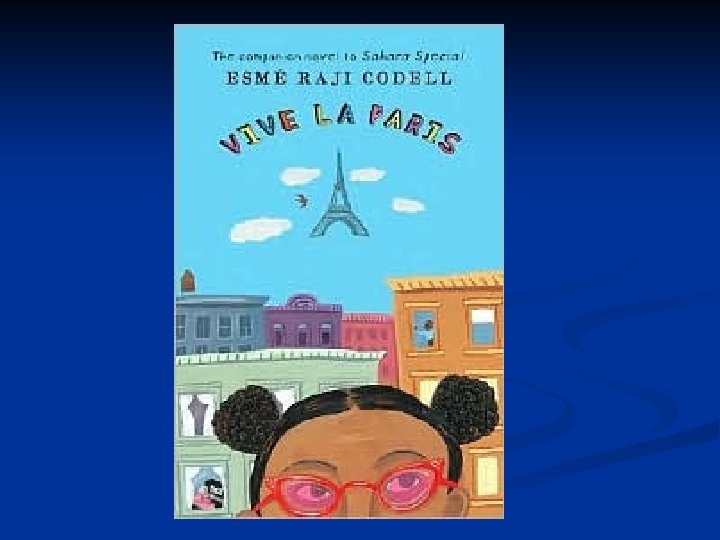
“What’s the point of desensitizing them or frightening them with depictions of bodies being plowed into mass graves. They’re still children, for God’s sake!” - Esme Raji Codell
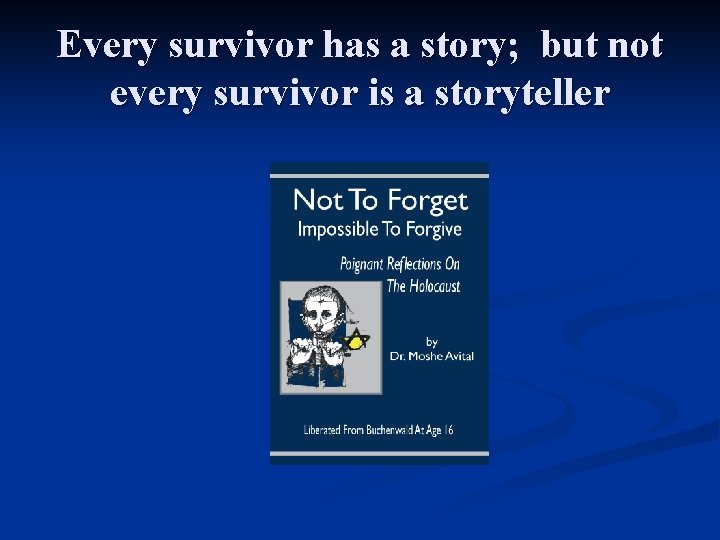
Every survivor has a story; but not every survivor is a storyteller
Time dissipates to shining ether the solid angularity of facts. - Ralph Waldo Emerson
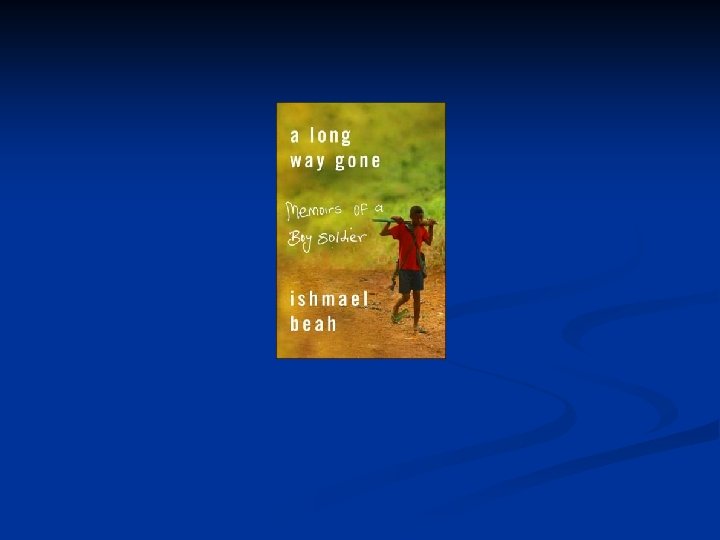
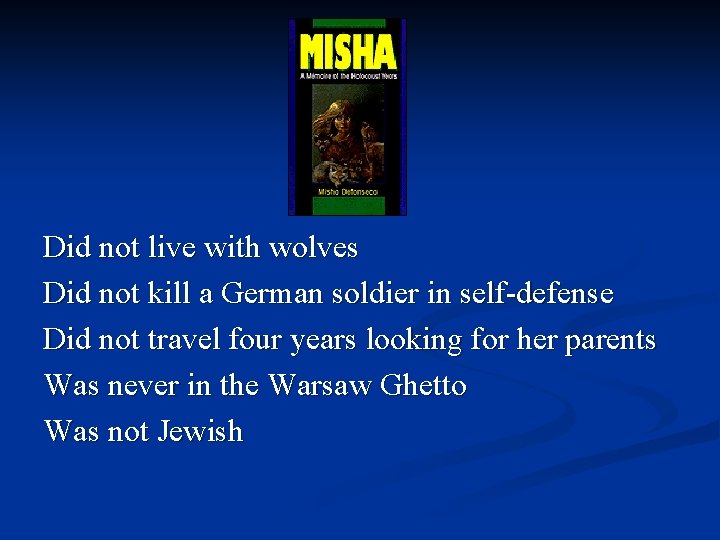
Did not live with wolves Did not kill a German soldier in self-defense Did not travel four years looking for her parents Was never in the Warsaw Ghetto Was not Jewish
K- 4 Curriculum Caring Makes a Difference Grades K-1 : People are different and those differences make each of us special. Grades 2 -3 : Each person is strengthened and enriched by the differences they find accept in others. Grade 4 : It is important that people learn to work together and to respect each other so that we can avoid causing each other pain and suffering.
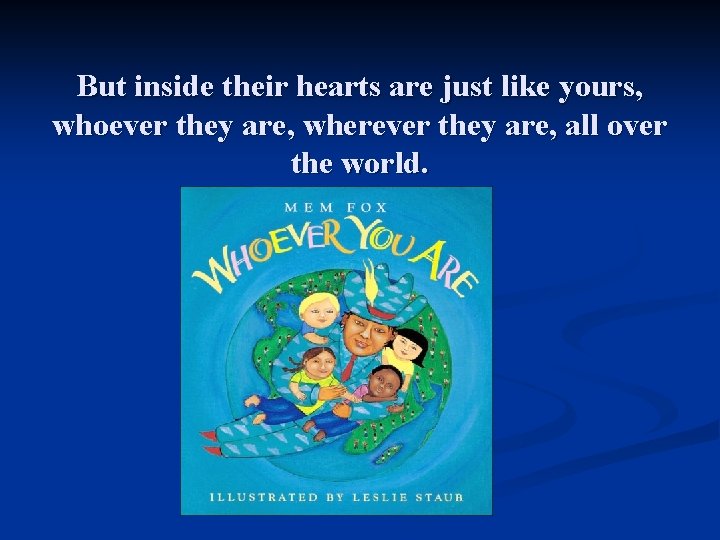
But inside their hearts are just like yours, whoever they are, wherever they are, all over the world.
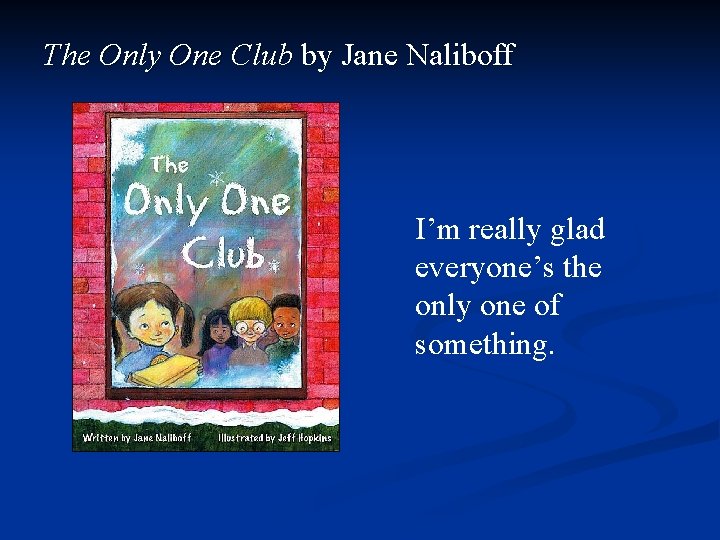
The Only One Club by Jane Naliboff I’m really glad everyone’s the only one of something.
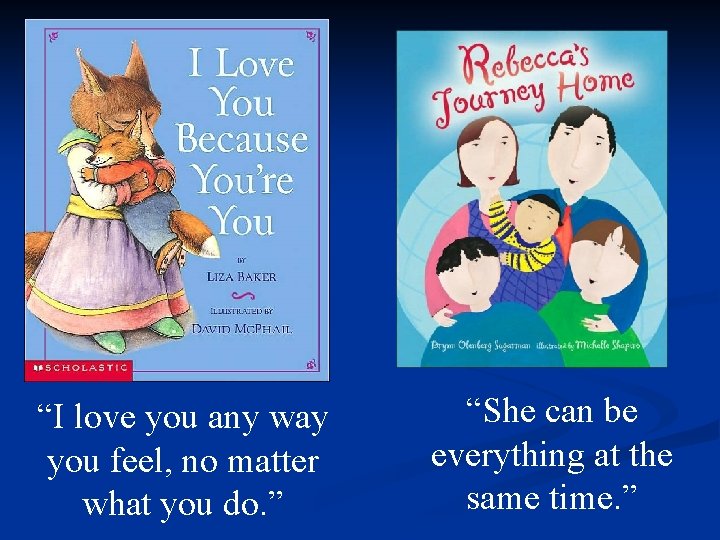
“I love you any way you feel, no matter what you do. ” “She can be everything at the same time. ”
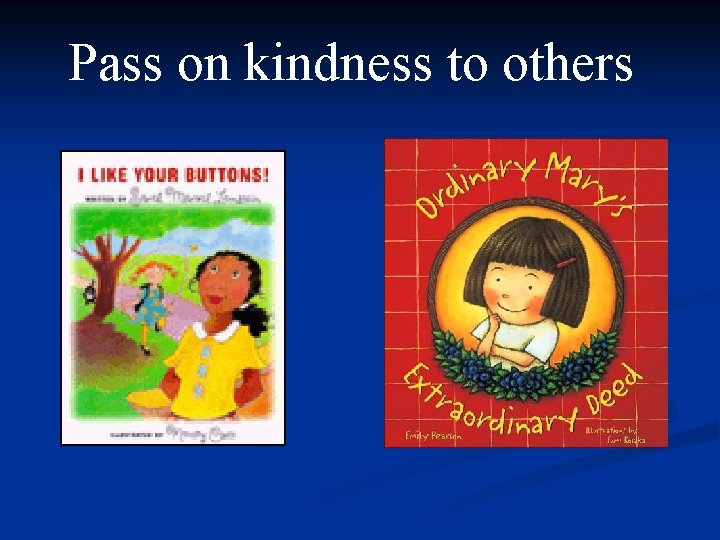
Pass on kindness to others
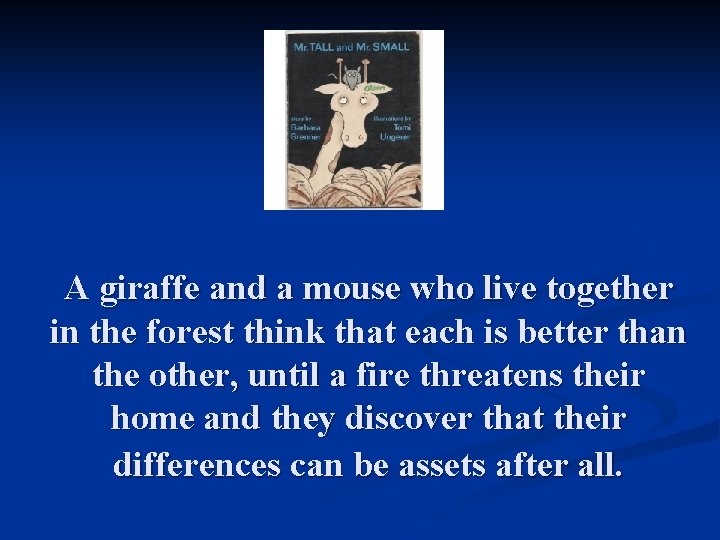
A giraffe and a mouse who live together in the forest think that each is better than the other, until a fire threatens their home and they discover that their differences can be assets after all.
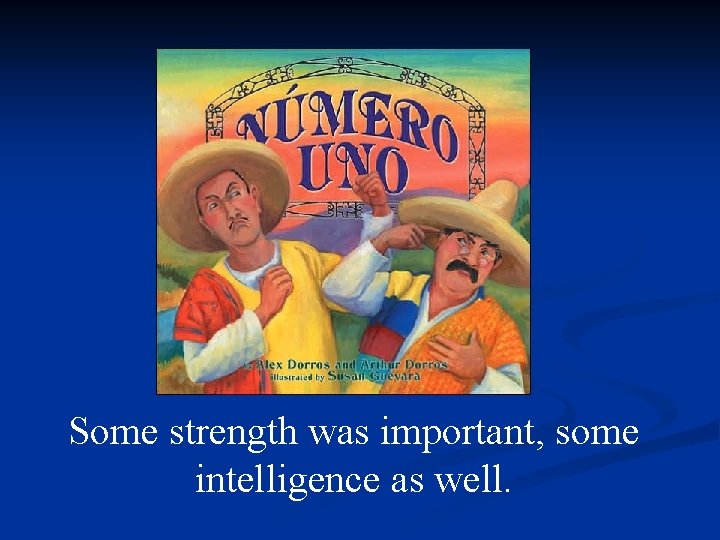
Some strength was important, some intelligence as well.
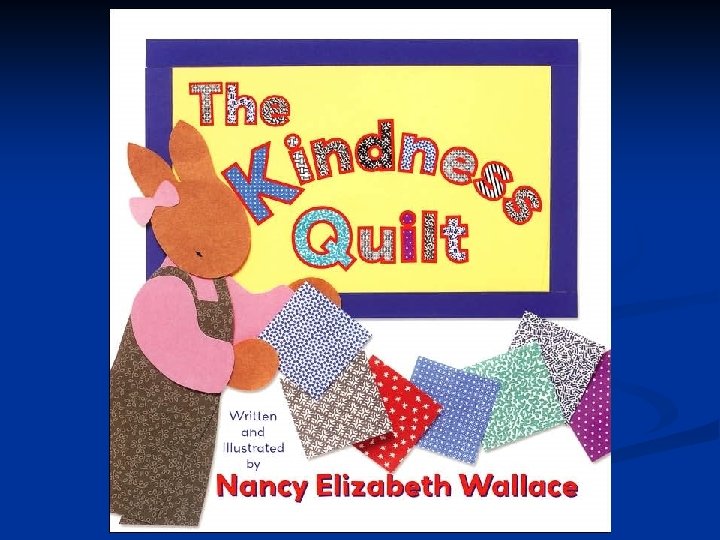
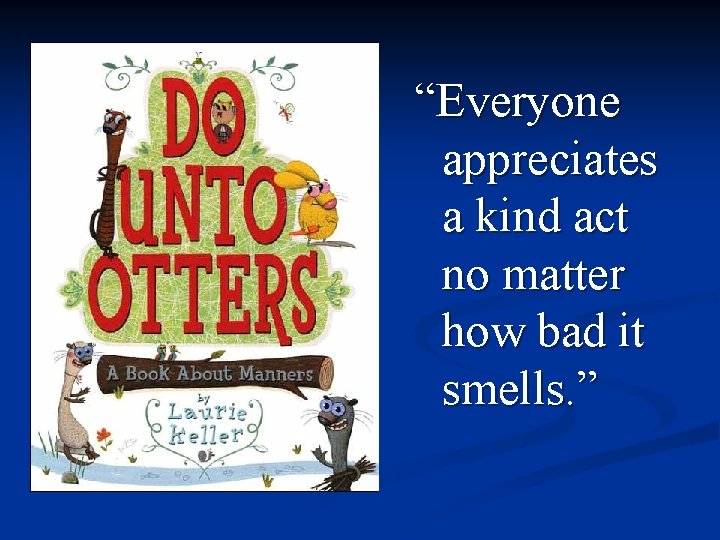
“Everyone appreciates a kind act no matter how bad it smells. ”
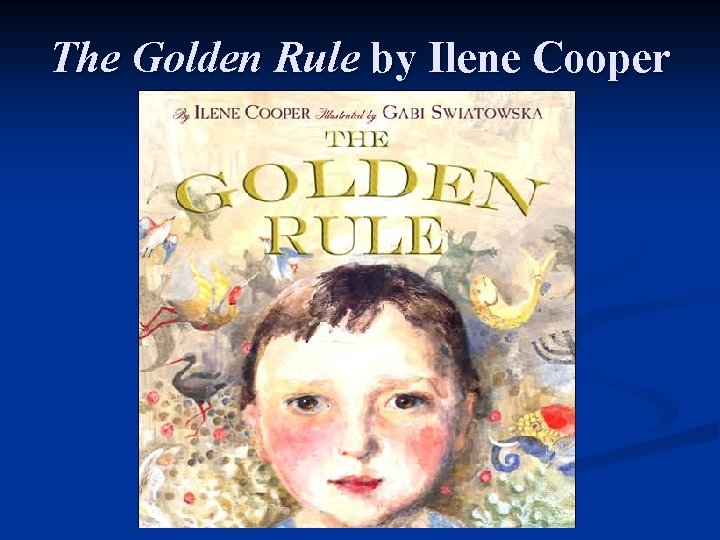
The Golden Rule by Ilene Cooper
The Golden Rule by Ilene Cooper n n n Christianity says: You should love your neighbor as you love yourself. Judaism says: What is hateful to you, do not do to your fellow humans. Islam says: Hurt no one so that no one may hurt you. Hinduism says: This is the sum of duty: to do nothing to others which would cause them pain. Buddhism says: Do not do to others what would hurt you. Shawnee Tribe says: Do not kill or injure your neighbor, for it is not he or she that you injure; you injure yourself.
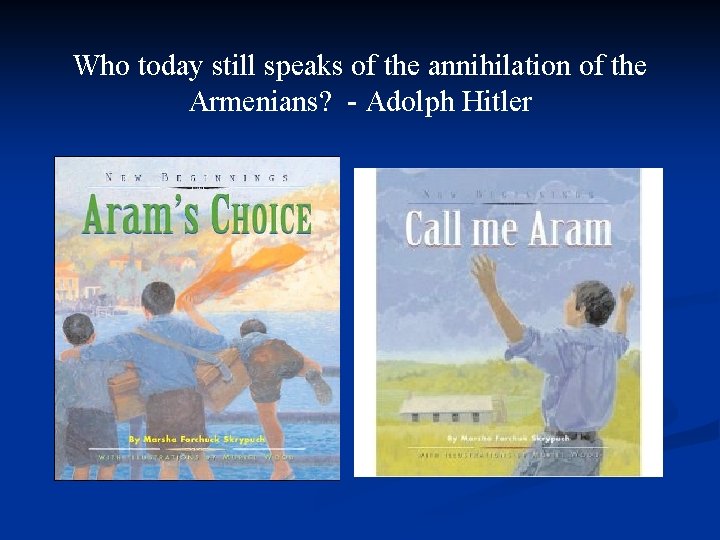
Who today still speaks of the annihilation of the Armenians? - Adolph Hitler
Curriculum Units Prejudice and Discrimination The World Changes: Rise of Nazism Life in the Ghettos and Camps Hiding, Escape and Rescue Resistance Survival, Liberation and Legacy
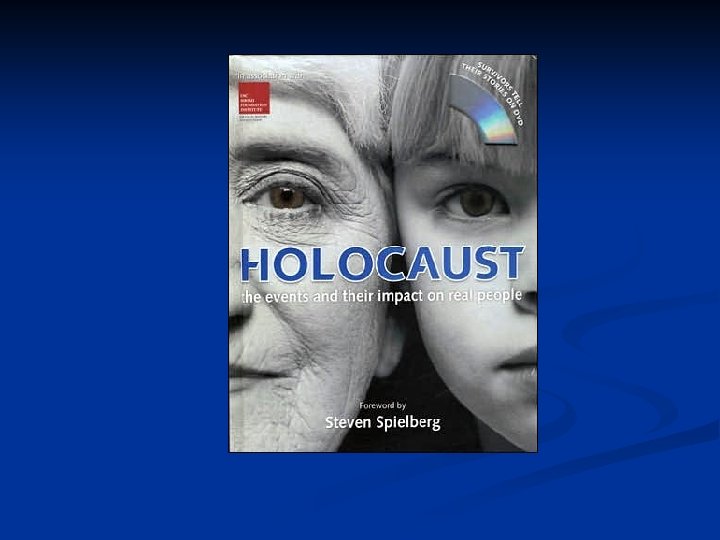
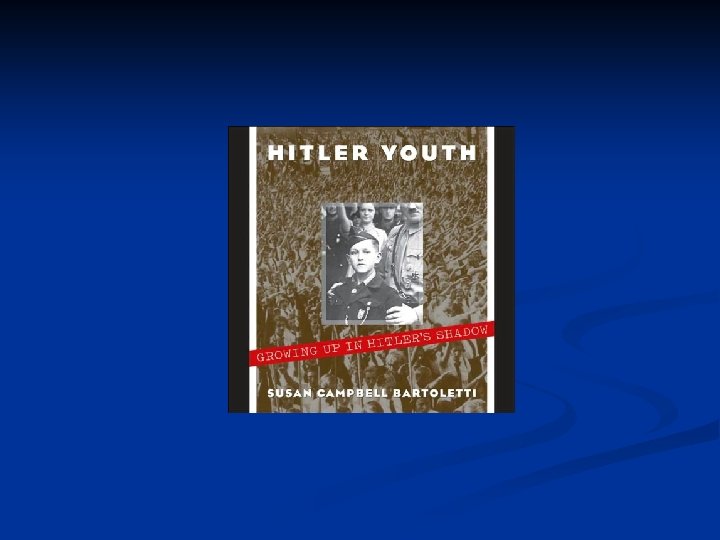
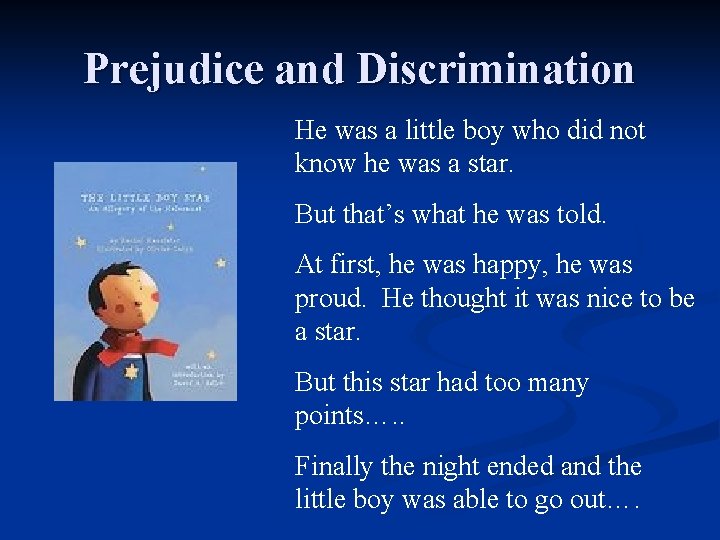
Prejudice and Discrimination He was a little boy who did not know he was a star. But that’s what he was told. At first, he was happy, he was proud. He thought it was nice to be a star. But this star had too many points…. . Finally the night ended and the little boy was able to go out….
Prejudice and Discrimination The Burning of the Books by Bertolt Brecht When the Regime commanded that books with harmful knowledge Should be publicly burned on all sides Oxen were forced to drag cart loads of books To the bonfires, a banished Writer, one of the best, scanning the list of the Burned, was shocked to find that his Books had been passed over. He rushed to his desk On wings of wrath, and wrote a letter to those in power. Burn me! He wrote with flying pen, burn me. Haven’t my books Always reported the truth? And here you are Treating me like a liar! I command you: Burn me!
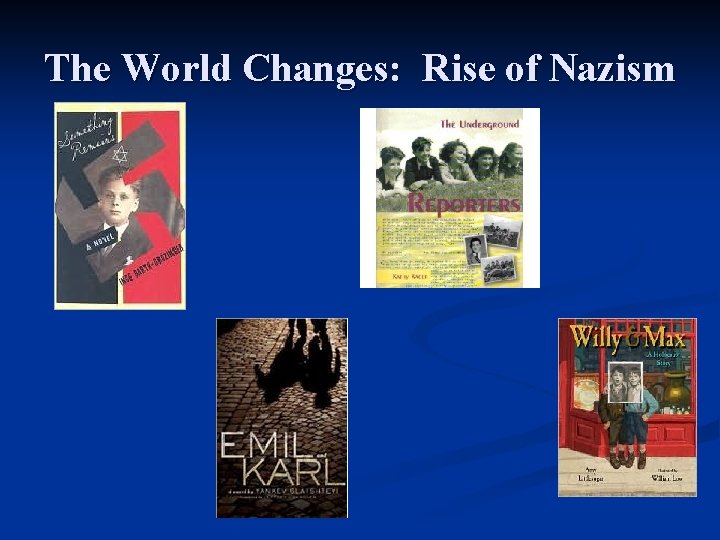
The World Changes: Rise of Nazism
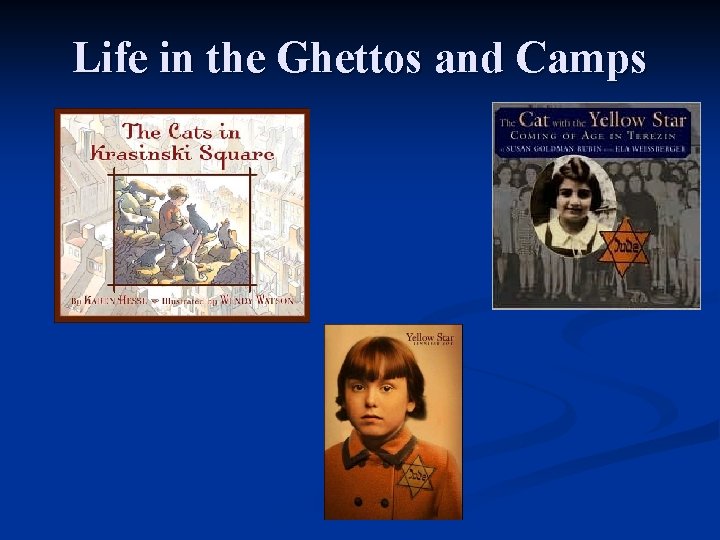
Life in the Ghettos and Camps
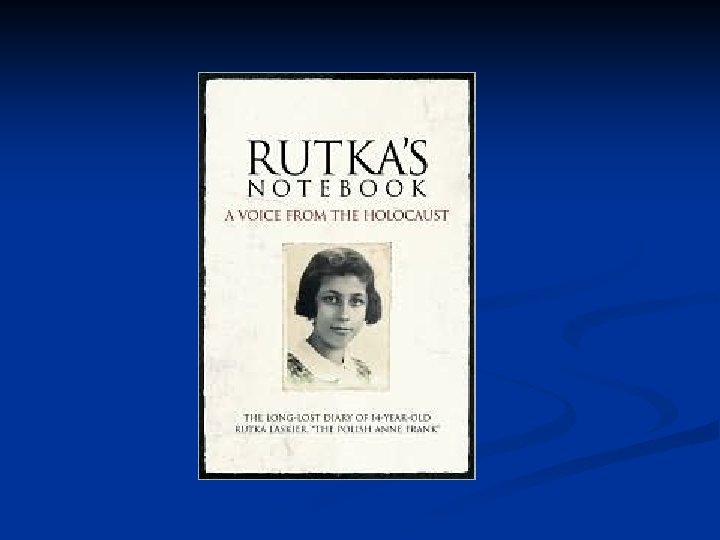
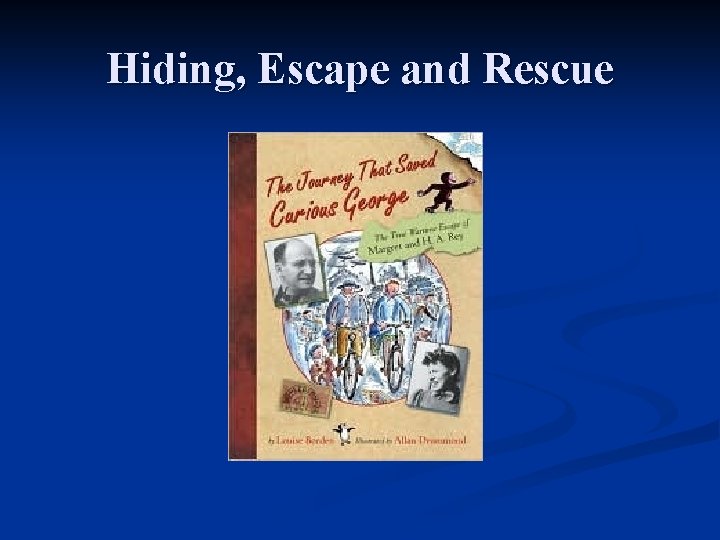
Hiding, Escape and Rescue
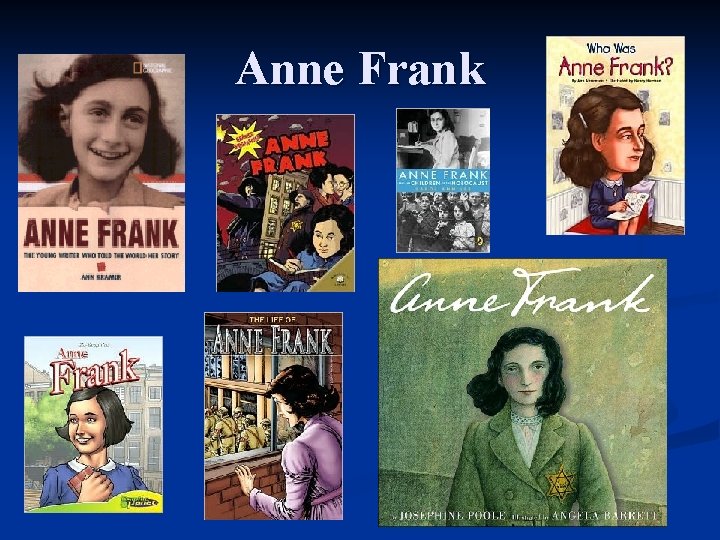
Anne Frank
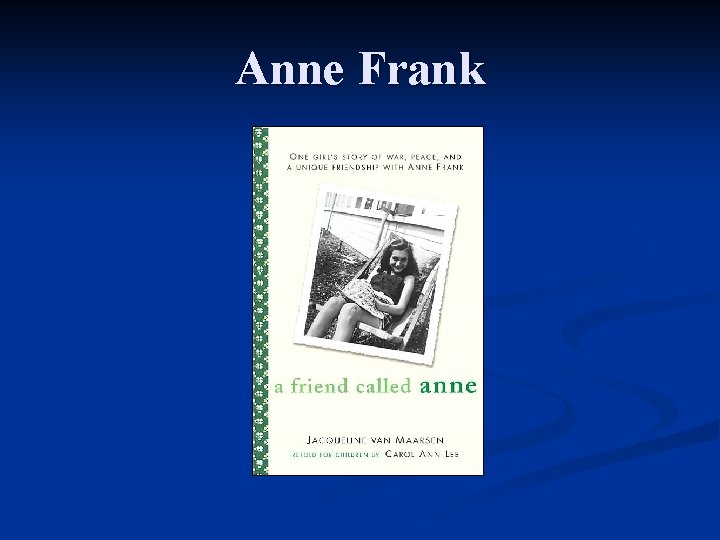
Anne Frank
Anne Frank Diary as literature n Personal story of family tensions, young love, dreams of growing up to be famous n Triumph of the human spirit n Gives a name and face to the Holocaust n
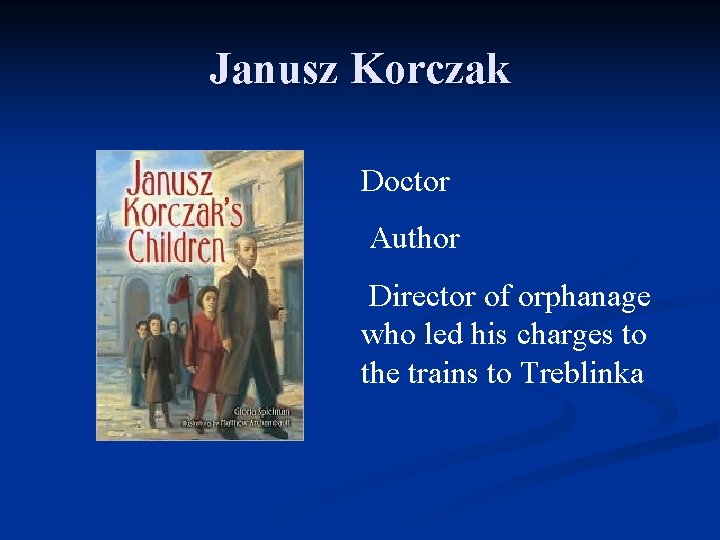
Janusz Korczak Doctor Author Director of orphanage who led his charges to the trains to Treblinka
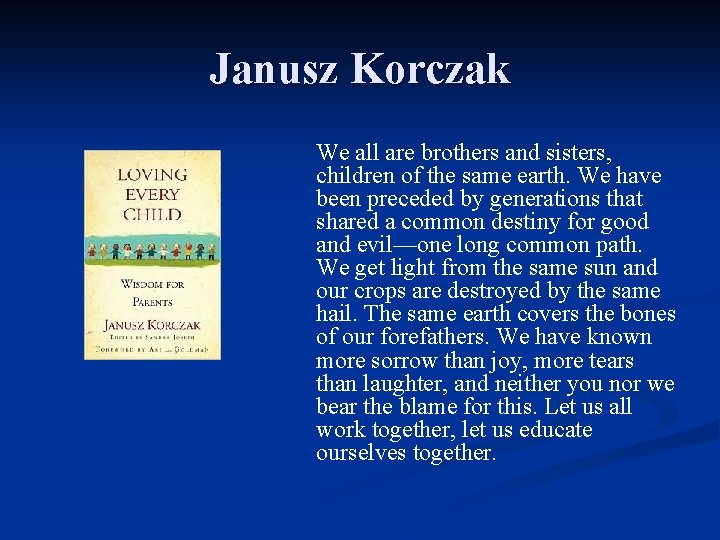
Janusz Korczak We all are brothers and sisters, children of the same earth. We have been preceded by generations that shared a common destiny for good and evil—one long common path. We get light from the same sun and our crops are destroyed by the same hail. The same earth covers the bones of our forefathers. We have known more sorrow than joy, more tears than laughter, and neither you nor we bear the blame for this. Let us all work together, let us educate ourselves together.
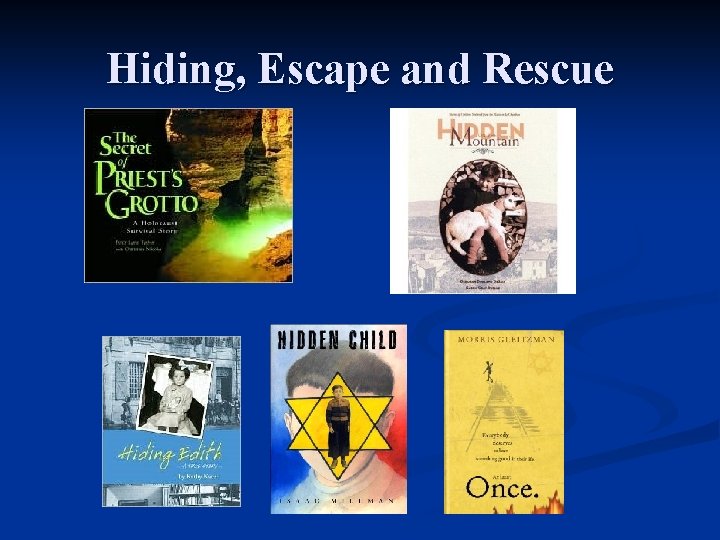
Hiding, Escape and Rescue
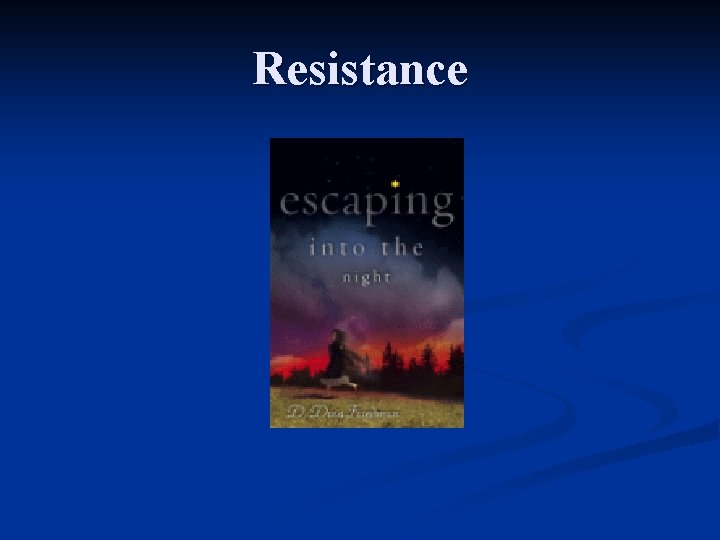
Resistance
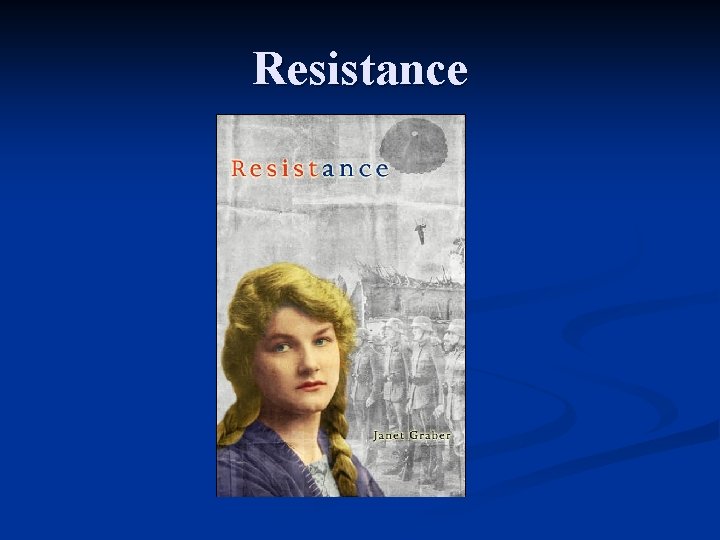
Resistance
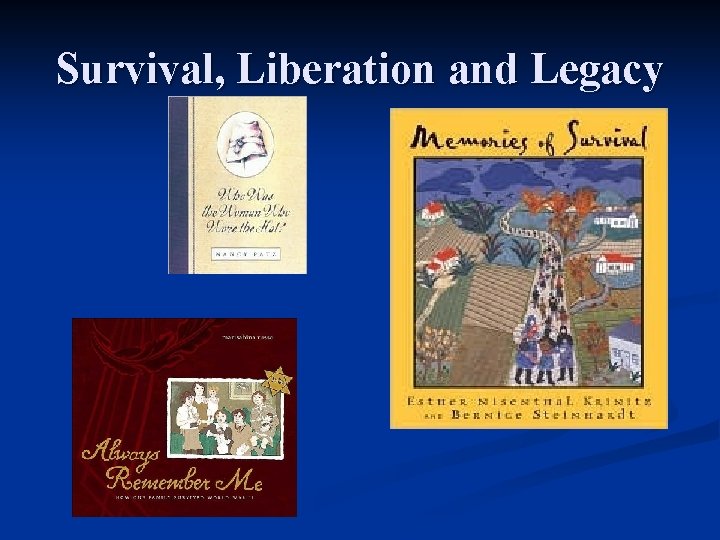
Survival, Liberation and Legacy
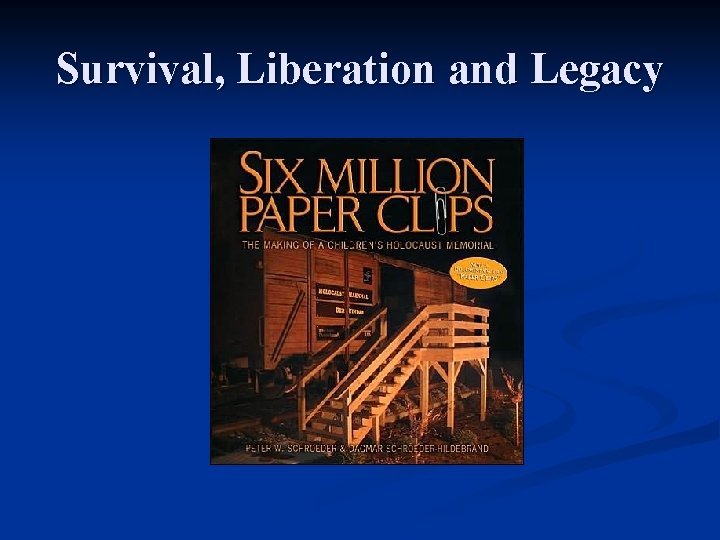
Survival, Liberation and Legacy
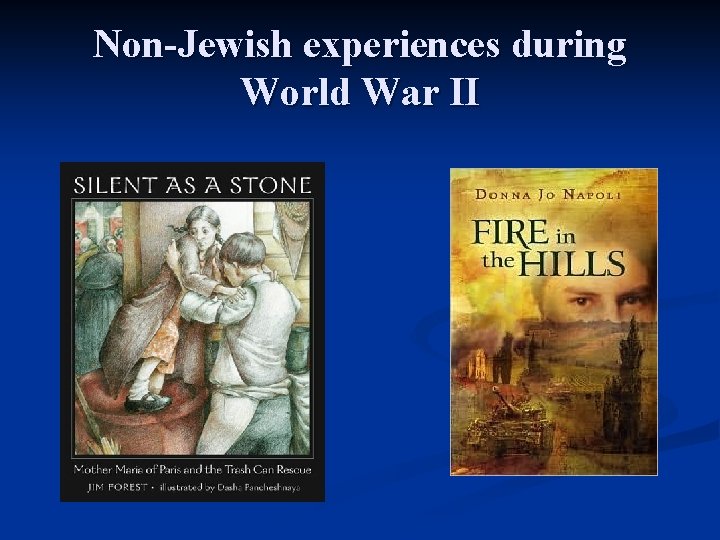
Non-Jewish experiences during World War II
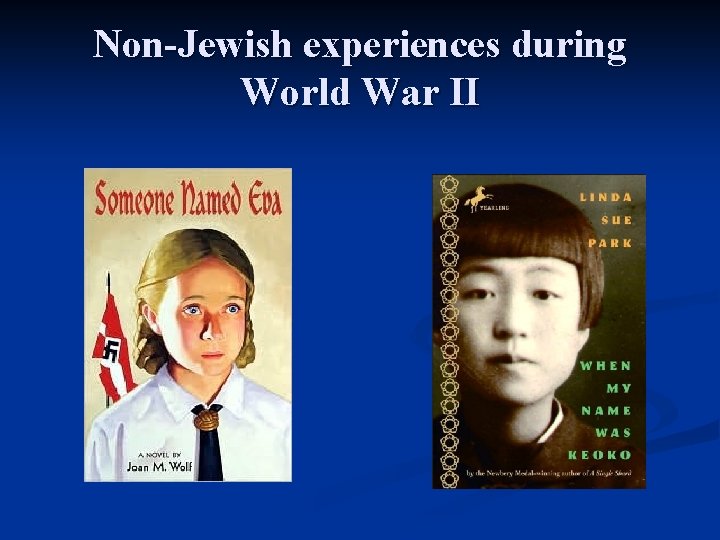
Non-Jewish experiences during World War II
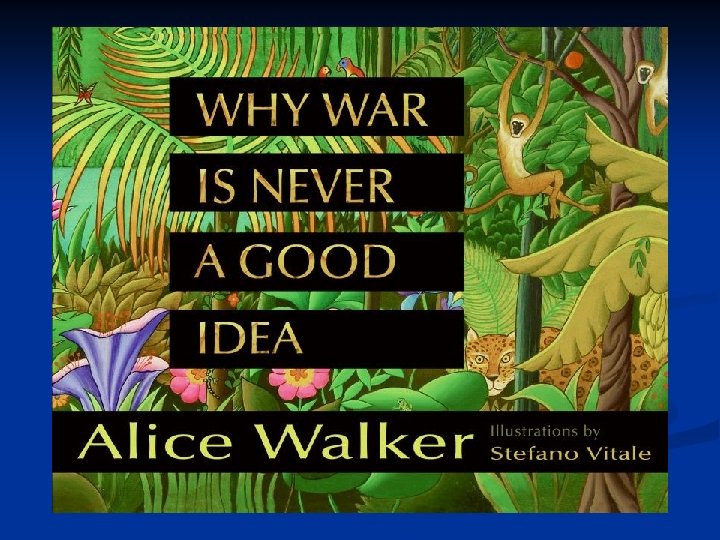
Though War is Old It has not Become wise It will not hesitate To destroy Things that Do not Belong to it Things very Much older Than itself.
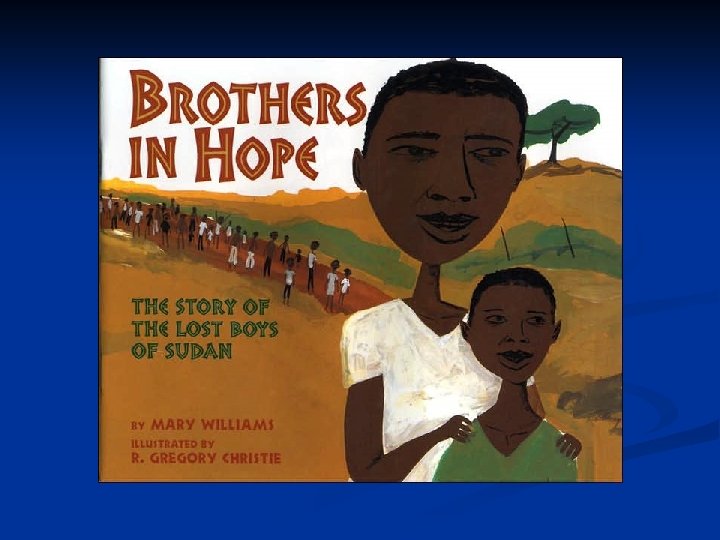
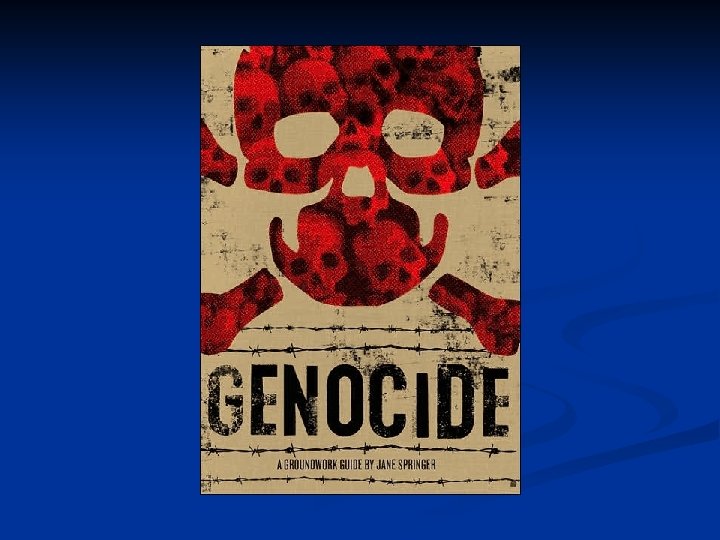
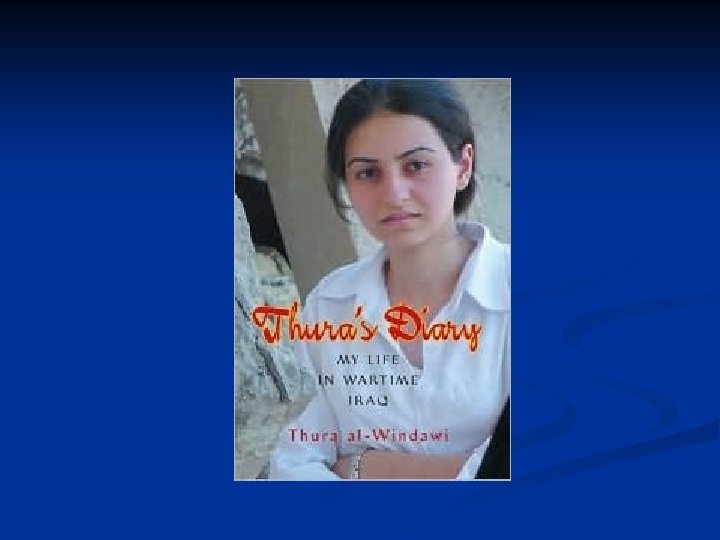
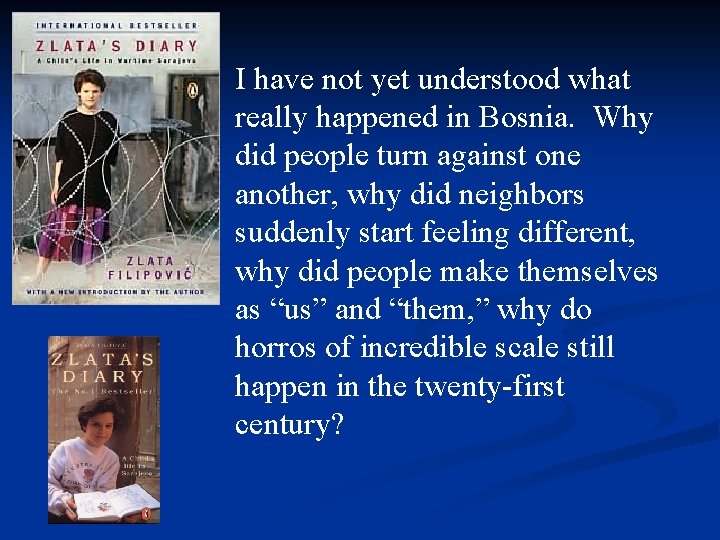
I have not yet understood what really happened in Bosnia. Why did people turn against one another, why did neighbors suddenly start feeling different, why did people make themselves as “us” and “them, ” why do horros of incredible scale still happen in the twenty-first century?

If there is to be peace in the world, there must be peace in the heart. – Lao Tzu
- Slides: 65