
Evacuation Simulation of Shipboard Fire Scenarios Camille Azzi
Evacuation Simulation of Shipboard Fire Scenarios Camille Azzi, Andrew Pennycott, George Mermiris, Dracos Vassalos Fire and Evacuation Modelling Technical Conference Baltimore, US August, 2011
Contents of the Presentation • Introduction • IMO Guidelines on Evacuation • Modelling Approach • Case Study • Conclusions
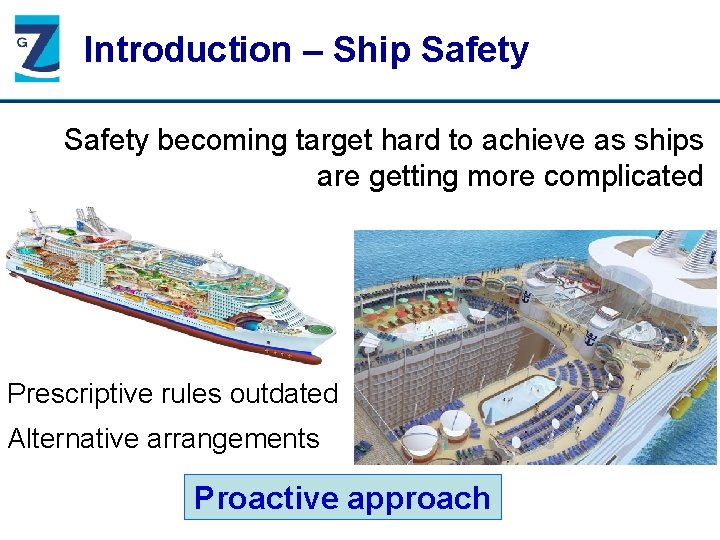
Introduction – Ship Safety becoming target hard to achieve as ships are getting more complicated Prescriptive rules outdated Alternative arrangements Proactive approach

Introduction – Shipboard Fire • Fires are statistically most frequent hazards that ships face at sea • Shipboard fires are dangerous especially onboard passenger ships with dense occupancy Source: DNV collision grounding fire 0 0. 002 0. 004 0. 006 0. 008 Frequency per Ship Year 0. 012 0. 014
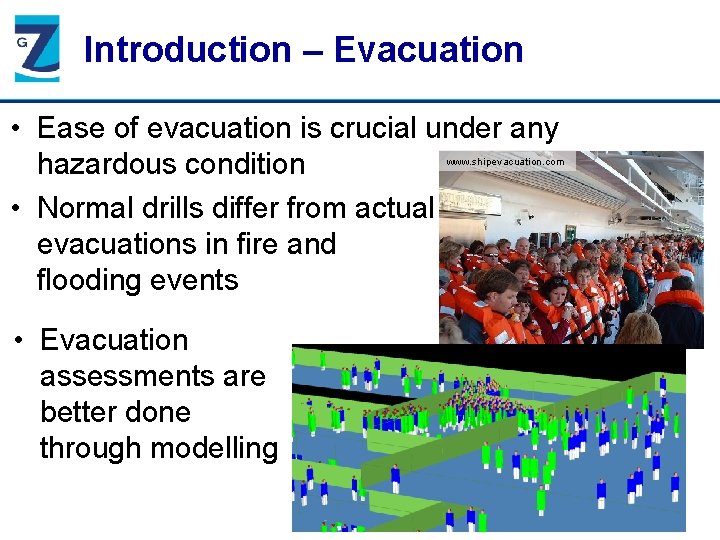
Introduction – Evacuation • Ease of evacuation is crucial under any hazardous condition • Normal drills differ from actual evacuations in fire and flooding events www. shipevacuation. com • Evacuation assessments are better done through modelling
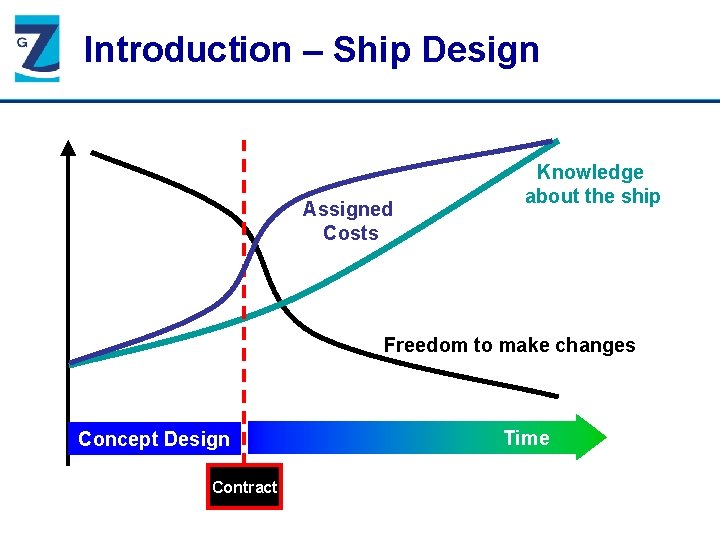
Introduction – Ship Design Assigned Costs Knowledge about the ship Freedom to make changes Concept Design Contract Time
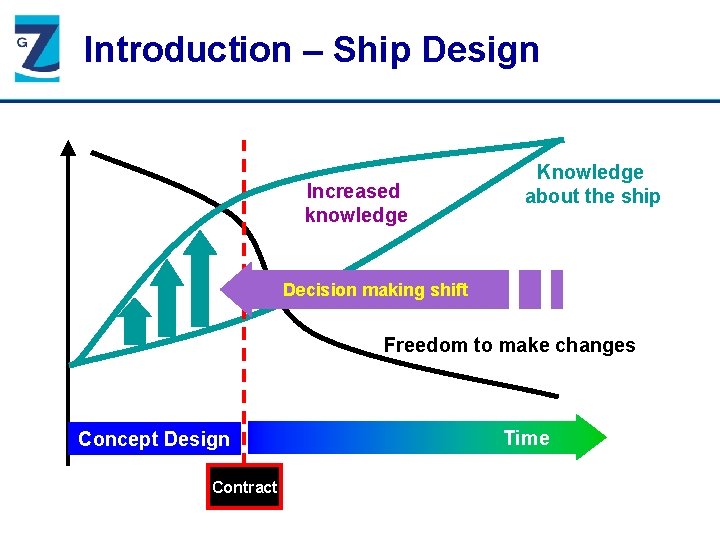
Introduction – Ship Design Increased knowledge Knowledge about the ship Decision making shift Freedom to make changes Concept Design Contract Time
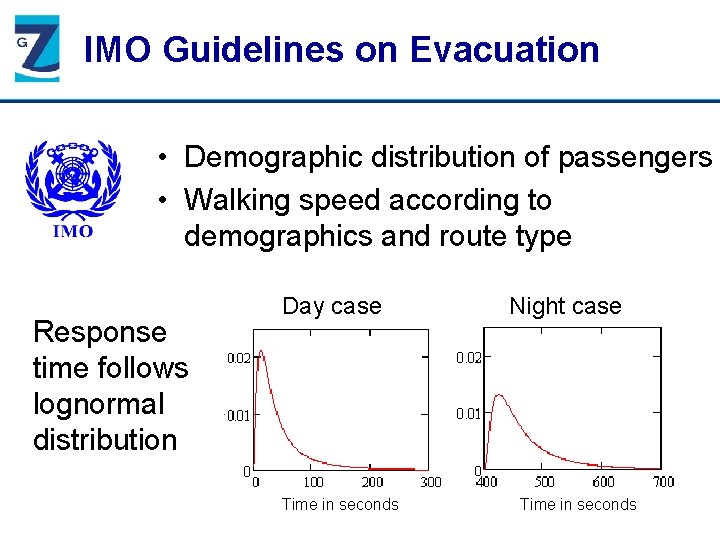
IMO Guidelines on Evacuation • Demographic distribution of passengers • Walking speed according to demographics and route type Response time follows lognormal distribution Day case Time in seconds Night case Time in seconds
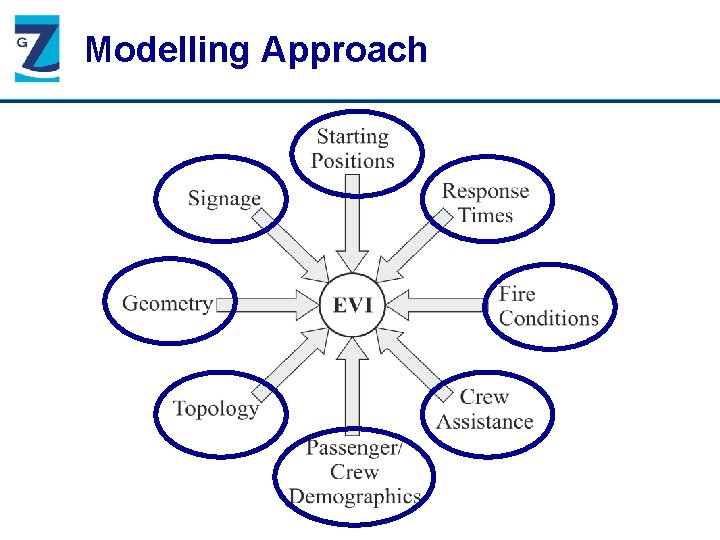
Modelling Approach
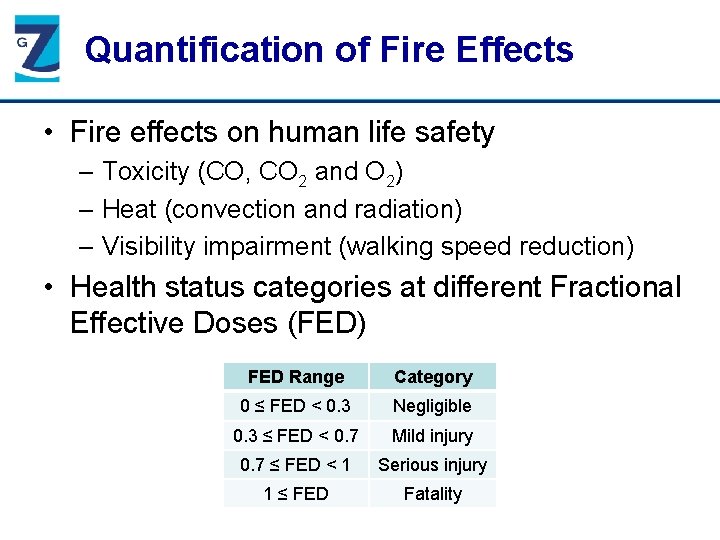
Quantification of Fire Effects • Fire effects on human life safety – Toxicity (CO, CO 2 and O 2) – Heat (convection and radiation) – Visibility impairment (walking speed reduction) • Health status categories at different Fractional Effective Doses (FED) FED Range Category 0 ≤ FED < 0. 3 Negligible 0. 3 ≤ FED < 0. 7 Mild injury 0. 7 ≤ FED < 1 Serious injury 1 ≤ FED Fatality
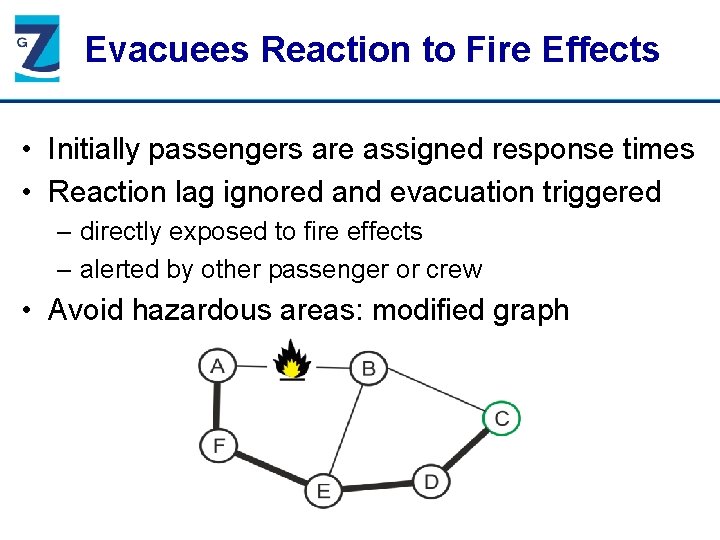
Evacuees Reaction to Fire Effects • Initially passengers are assigned response times • Reaction lag ignored and evacuation triggered – directly exposed to fire effects – alerted by other passenger or crew • Avoid hazardous areas: modified graph

Case Study
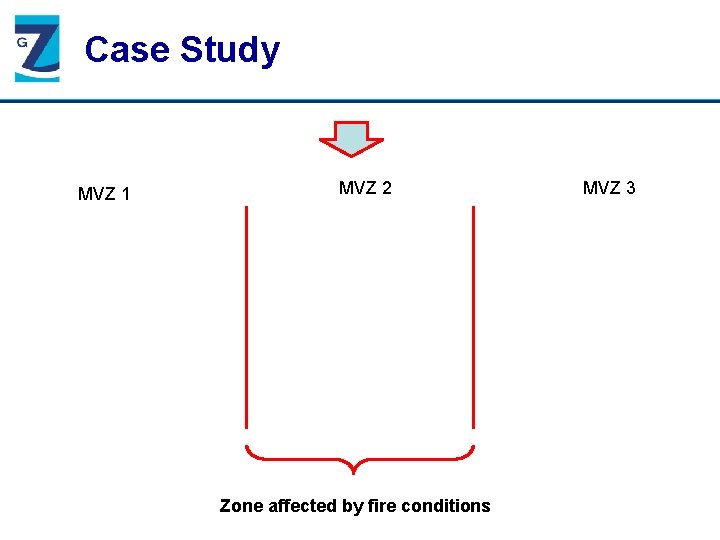
Case Study MVZ 1 MVZ 2 Zone affected by fire conditions MVZ 3
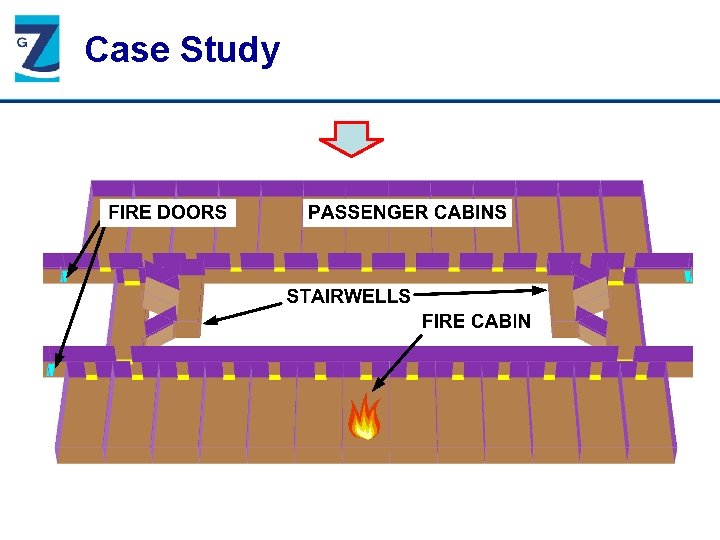
Case Study
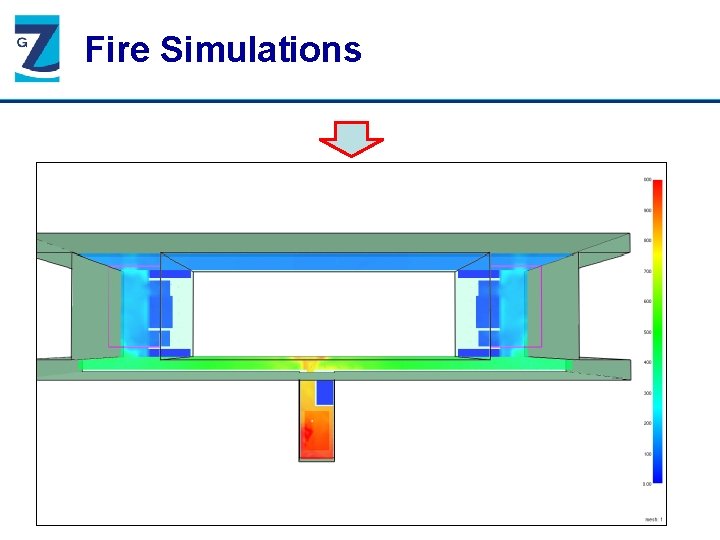
Fire Simulations
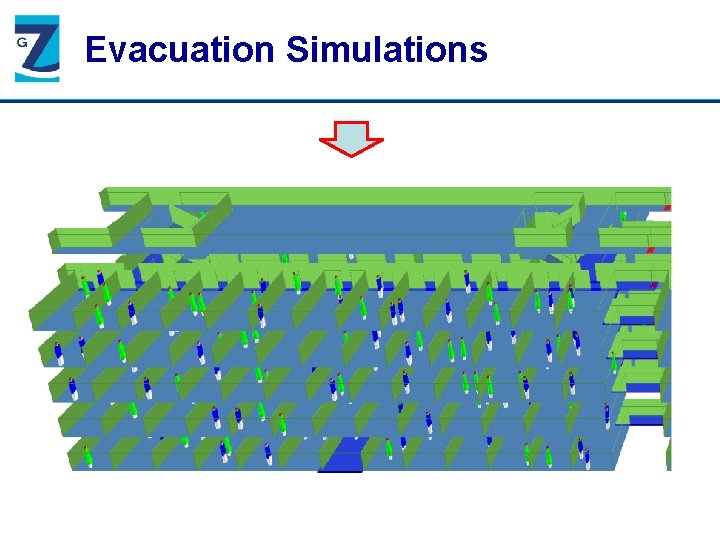
Evacuation Simulations
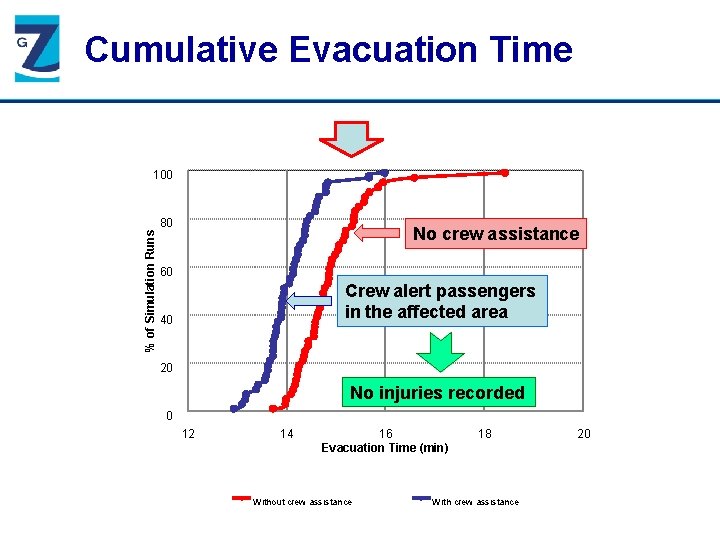
Cumulative Evacuation Time % of Simulation Runs 100 80 No crew assistance 60 Crew alert passengers in the affected area 40 20 No injuries recorded 0 12 14 16 Evacuation Time (min) Without crew assistance 18 With crew assistance 20
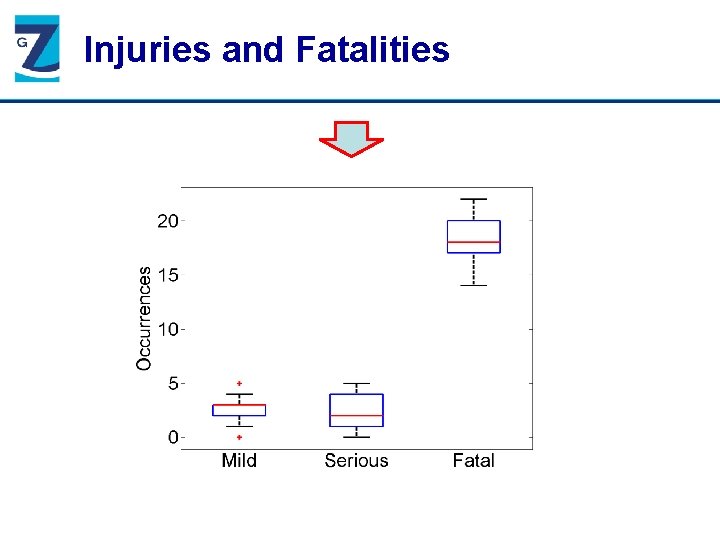
Injuries and Fatalities
Conclusions • Difficulties of evacuation at sea: complex geometry, familiarity and fire effects • Study case highlights importance of crew assistance • Human behavior and decision-making currently simplified • Further development required based on observations from reported accidents
The authors greatly acknowledge the contribution of EC through the research project FIREPROOF www. fireproof-project. eu THANK YOU
- Slides: 20