
European Feudalism Serfs Pope Catholic Church Pope Gregory
- Slides: 12
European Feudalism
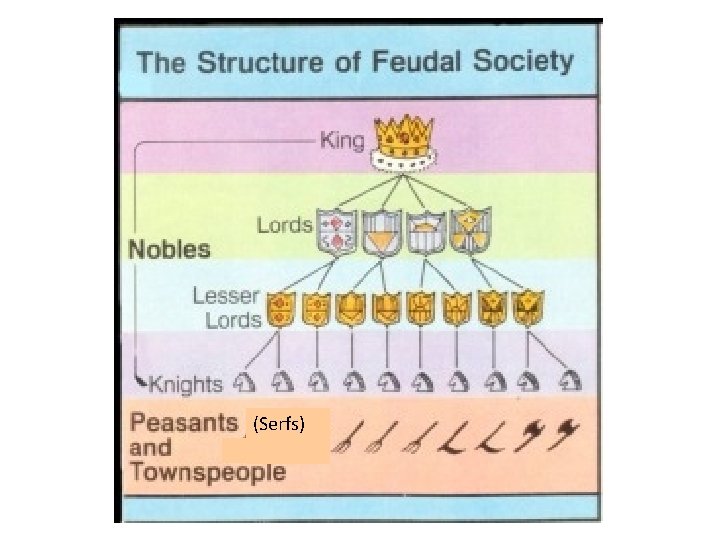
(Serfs)
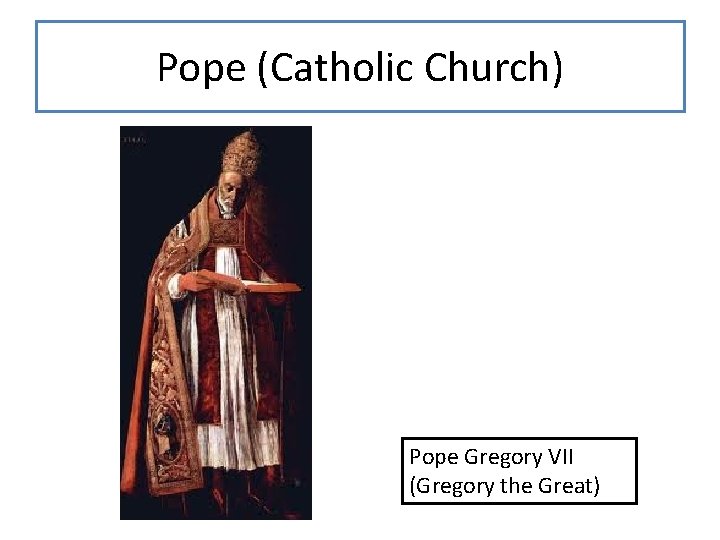
Pope (Catholic Church) Pope Gregory VII (Gregory the Great)
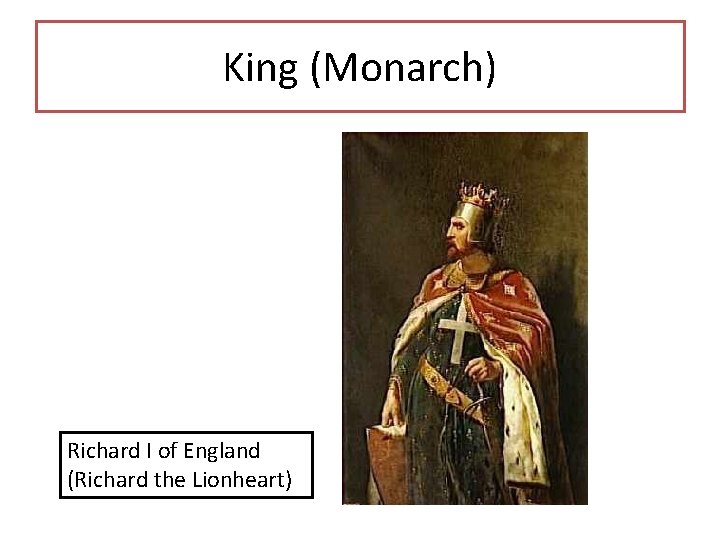
King (Monarch) Richard I of England (Richard the Lionheart)
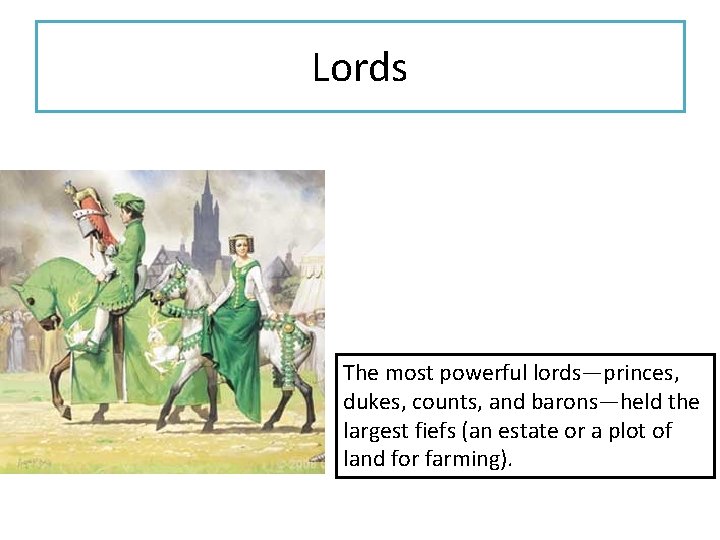
Lords The most powerful lords—princes, dukes, counts, and barons—held the largest fiefs (an estate or a plot of land for farming).
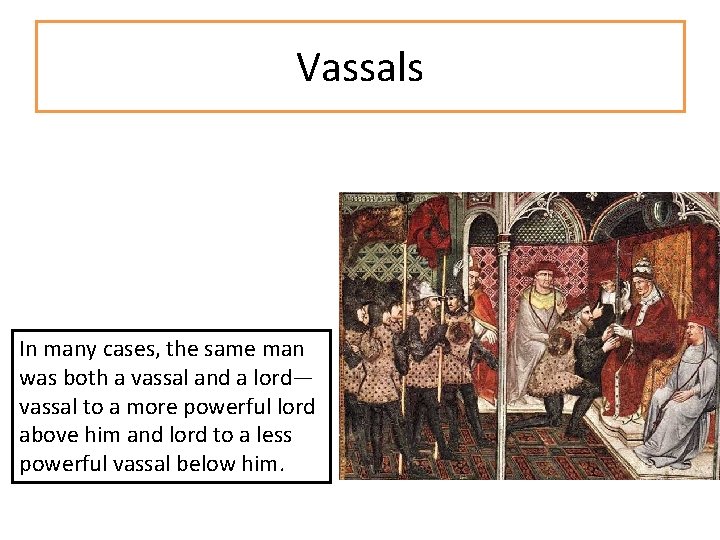
Vassals In many cases, the same man was both a vassal and a lord— vassal to a more powerful lord above him and lord to a less powerful vassal below him.
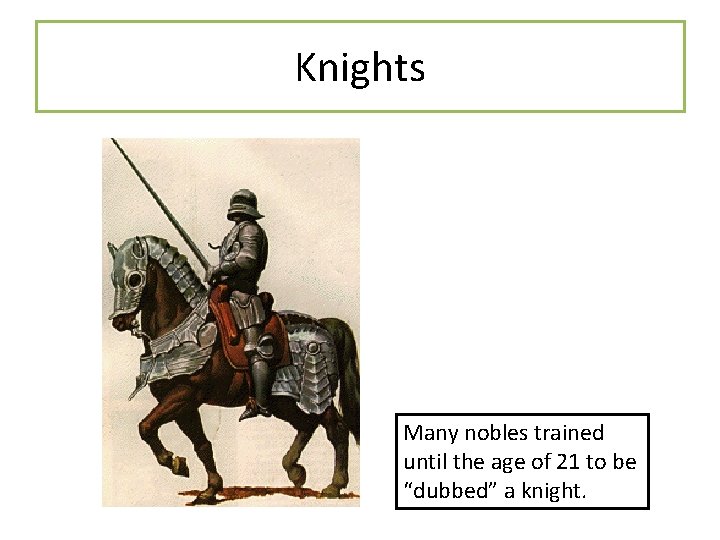
Knights Many nobles trained until the age of 21 to be “dubbed” a knight.
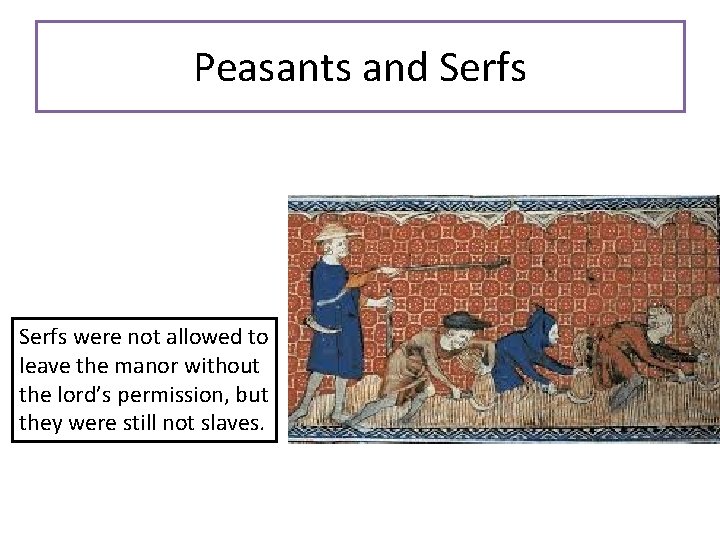
Peasants and Serfs were not allowed to leave the manor without the lord’s permission, but they were still not slaves.
The Decline of Feudalism
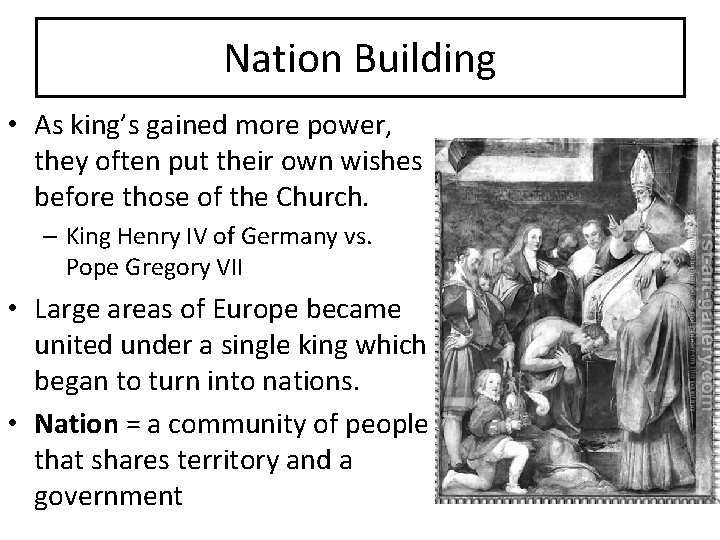
Nation Building • As king’s gained more power, they often put their own wishes before those of the Church. – King Henry IV of Germany vs. Pope Gregory VII • Large areas of Europe became united under a single king which began to turn into nations. • Nation = a community of people that shares territory and a government
Changes in England • England was well on its way to becoming a unified nation. • King John was crowned in 1199 and quickly moved to increase his wealth and power. – Taxed heavily – Jailed enemies without trial – Took power away from Church leaders – Angered powerful nobles • But, King John was not strong enough to quiet the nobles and bishops in England.
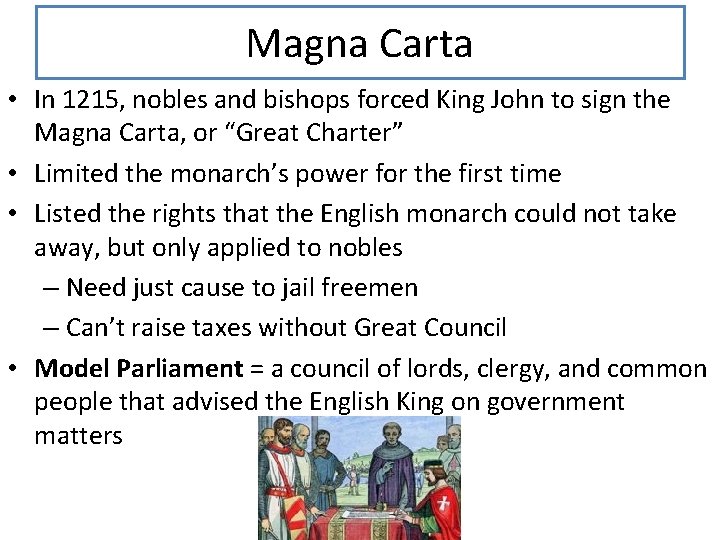
Magna Carta • In 1215, nobles and bishops forced King John to sign the Magna Carta, or “Great Charter” • Limited the monarch’s power for the first time • Listed the rights that the English monarch could not take away, but only applied to nobles – Need just cause to jail freemen – Can’t raise taxes without Great Council • Model Parliament = a council of lords, clergy, and common people that advised the English King on government matters