
European Colonization of the New World Chapter 2
- Slides: 39
European Colonization of the New World Chapter 2
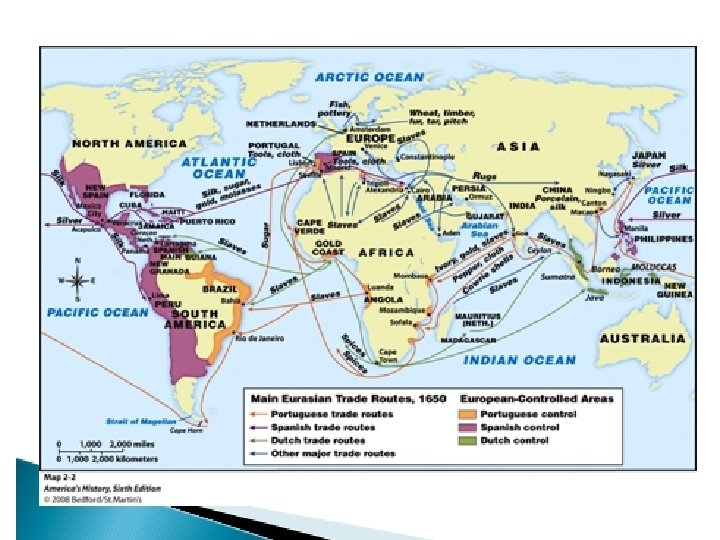
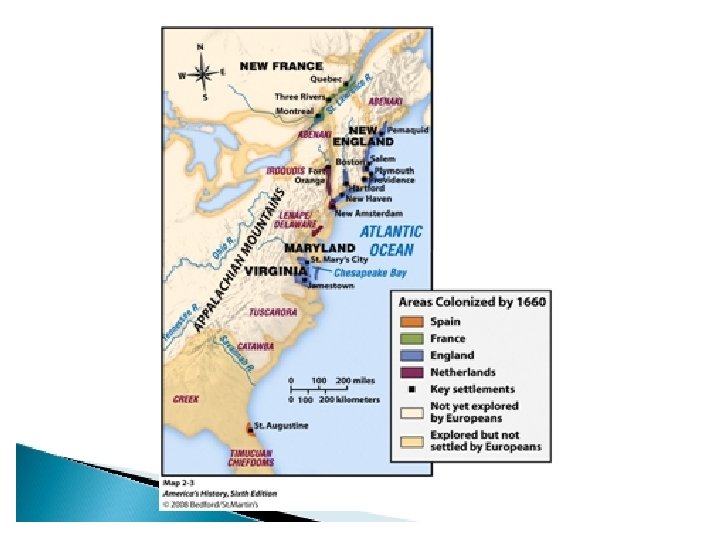
Spanish Colonization • Seized native lands, converted natives to Christianity, and made them dig for gold and work on large estates (encomienda) • St. Augustine- 1 st European settlement in the New World – Other outposts were attacked by natives
Franciscan Missions • Comprehensive Orders for New Discoveries (1573) placed responsibility of pacification of new lands in hands of missionaries – Anything but peaceful – Friars were protected by Spanish soldiers • Whipped Indians for polygamy • Smashed religious idols • Punished Indians for worshipping other gods – Conversion, assimilation, and forced labor went hand in hand
Spanish and the Pueblo • 1598 - 500 Spaniards take corn from Pueblo and murder/rape those who resisted – Acoma Pueblo retaliate and kill 11 soldiers – Spanish retaliate and kill 800 Pueblo • Most settlers leave New Mexico • 1610 - Spaniards return and establish Santa Fe with missions and forced labor – European diseases, forced tribute, and raids reduce the population of Pueblo peoples from 60, 000 to 17, 000 in about 70 years
Pope and the Pueblo Revolt of 1680 • Pope, Indian shaman, advocated fighting Spanish – 1680 he and his followers kill 400 Spaniards and forced the rest to flee to El Paso • Tortured and kill 21 missionaries • Destroyed Spanish crops and replanted their own • In 10 years Spanish controlled region again – 1696 Pueblo attempted another revolt and were unsuccessful • Compromise was the accept dependency to Spanish in return for their own religion and end to forced labor
French Colonization • Cartier claimed land around Gulf of St. Lawrence for France in 1530’s. • 1 st permanent settlement in 1608 – Champlain establishes Quebec • 1662 King Louis XIV made Quebec a royal colony and provided good terms for indentured servants – 36 mos. , yearly salary, eventual leasehold farm
Colonization Slow For French • 100, 000’s of potential indentures were forced into military service by king • Huguenots not allowed to colonize • Many thought New France (Canada) to be too harsh an environment to live • Of the 27, 000 who migrate to New France, 2/3 rds move back to France • (1698) 15, 200 live in New France compared to 100, 000 in English colonies
Rise of the Iroquois • Five Iroquois Nations – Confederation • Seneca, Cayuga, Onondanga, Oneida, Mohawk – Stationed in Central NY • Could attack easily by water – Obtained guns from Dutch – Waged war against other Iroquois-speaking tribes • Came to control fur trade • Eventually signed treaties with French and English
Jesuit Missions • New France • Better relationships with natives • Jesuits won converts by adapting Christian beliefs to Indian needs – Virgin Mary • Indians accepted Jesuit teachings until they felt prayers to Christian god did not work and led to death
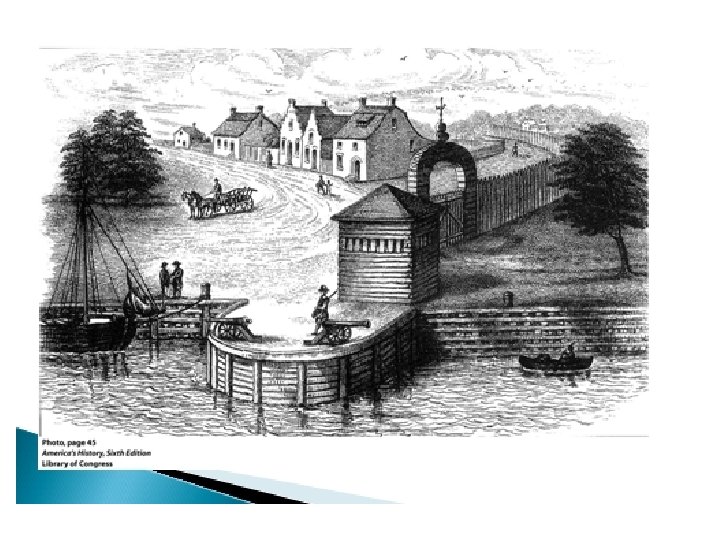
New Netherland • Holland was commercial and financial center of Europe by 1600 – Seized Portuguese forts in Africa, Brazil, and Indonesia • 1609 - Henry Hudson establishes Ft. Orange (Albany) • 1624 - West India Company founded New Amsterdam as capital of New Netherland
New Amsterdam • Did not survive because Dutch Republic had small population that was prosperous – 1664 - 5, 000 residents and less than half were Dutch • 1640’s- fought Algonquians for 2 years • West India Company largely ignored colony to focus on slave trade • 1664 - English invade New Amsterdam with little Dutch resistance – Became New York
English Colonies • 1580’s- Settlements by nobles – Sir Gilbert- Newfoundland failed due to lack of money – Sir Gorges'- Maine, failed due to environment – Sir Raleigh’s- North Carolina, failed due to lack of supplies, lost colony • After 1600’s- Settlements by merchants and religious dissidents • Different from Spanish and French – Government approved but not government sponsored
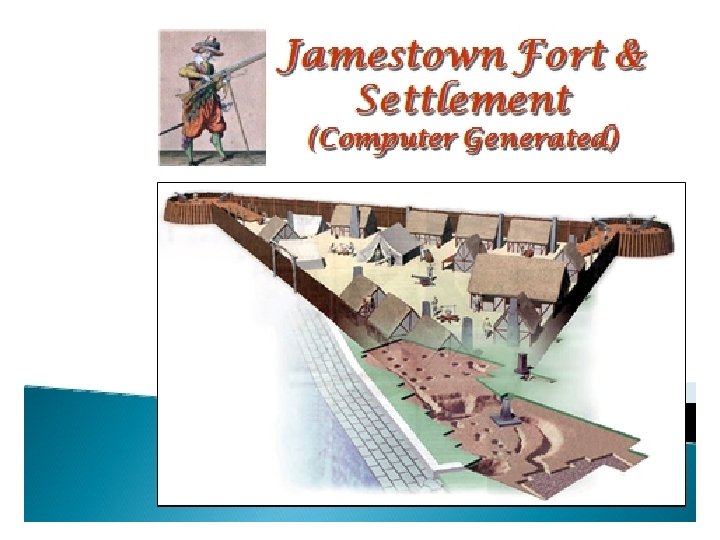
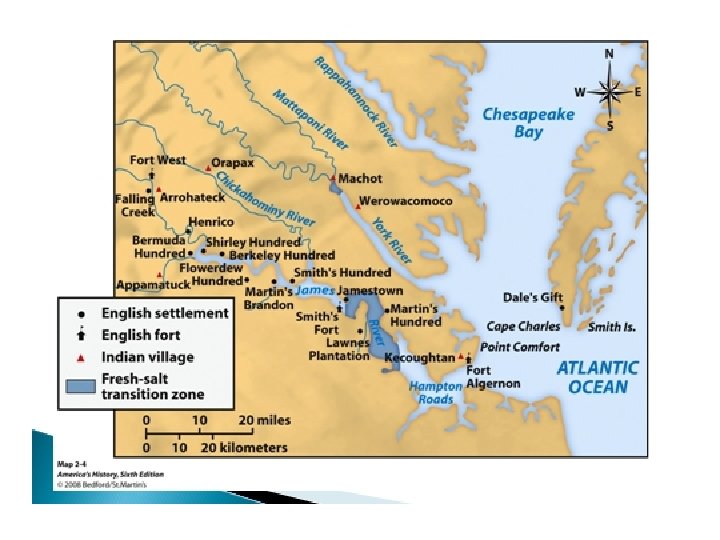
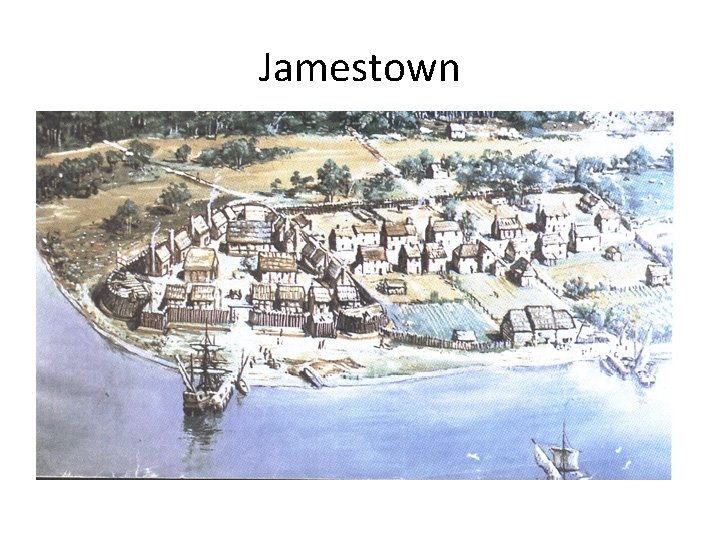
Jamestown • King James granted Virginia Company of London land from present-day NC to southern NY. – Joint Stock Company • Commerce was the primary goal • After 4 month trip, landed in Virginia in May of 1607 – Quickly died off due to disease, lack of fresh water, and refusal to plant crops • 38 out of 120 were alive 9 months later • 1619 House of Burgesses created
John Smith • 27 years old at time of arrival in Jamestown • Member of the council in charge of Jamestown • Implemented strict rules • If you do not work, you will not eat • Did NOT have relationship with Pocahontas • Sustained gun powder injury and was sent back to England
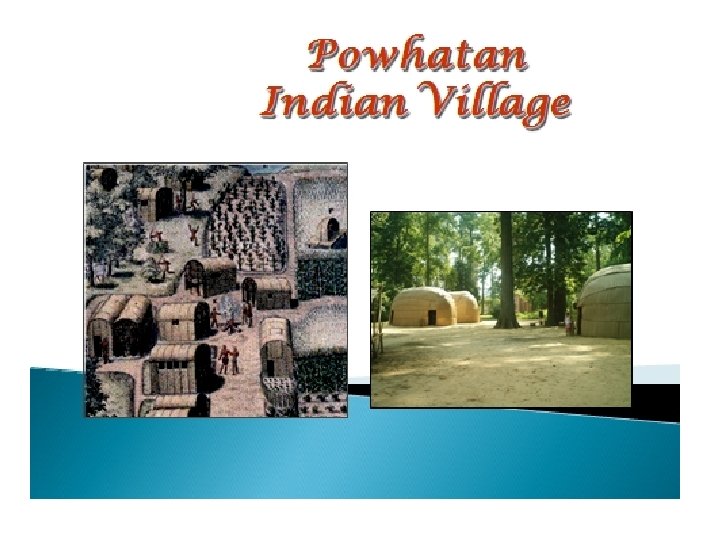
Powhatan Indians and Settlers • Powhatan treated Indians as allies and traded with them • When thousands migrated to Virginia for tobacco, Powhatan realized it was all about conquest and not trade
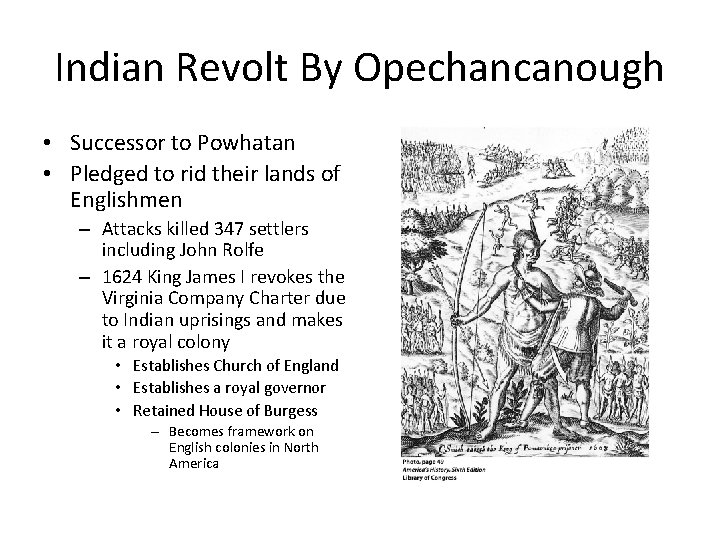
Indian Revolt By Opechancanough • Successor to Powhatan • Pledged to rid their lands of Englishmen – Attacks killed 347 settlers including John Rolfe – 1624 King James I revokes the Virginia Company Charter due to Indian uprisings and makes it a royal colony • Establishes Church of England • Establishes a royal governor • Retained House of Burgess – Becomes framework on English colonies in North America
Maryland • King Charles I granted Lord Baltimore Maryland • Set up as a refuge for Catholics • Tobacco becomes the basis for the economy
Masters, Servants, and Slaves • Indentured Servants – Mostly male and coming to new world due to Enclosure Acts • 1619 - first African slaves arrive in Jamestown – English common law didn’t allow chattel slavery – By 1670 only 5% of population was black – Some African freemen in Chesapeake purchased slaves – 1660’s tobacco boom ends mobility for Africans • 1671 House of Burgesses makes Africans second class citizens • “Negro” and slave became synonymous
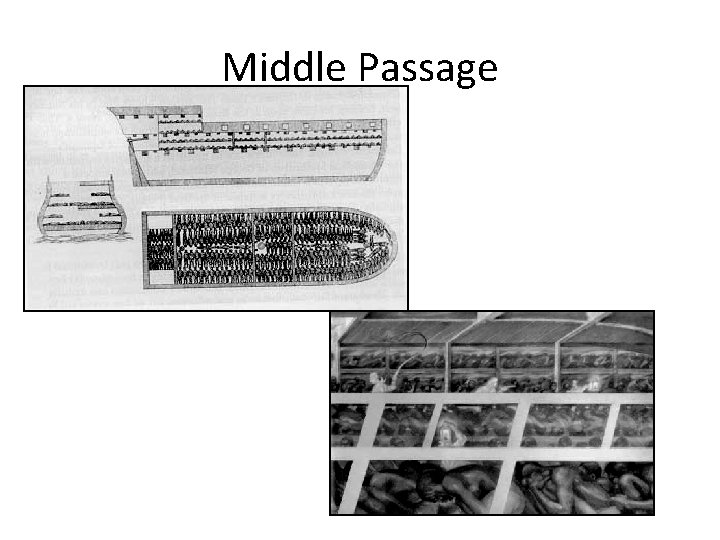
Middle Passage
Social Revolt • Tobacco bust in late 1600’s – Greater supply than demand – Parliament’s Acts of Trade and Navigation (1659, 1660, and 1663) – By 1670’s farmers were only making a penny per pound of tobacco – Planter elite emerges in Chesapeake • Ownership of large estates leased out to former servants • Also became commercial middlemen and money lenders – Owned ½ land in VA
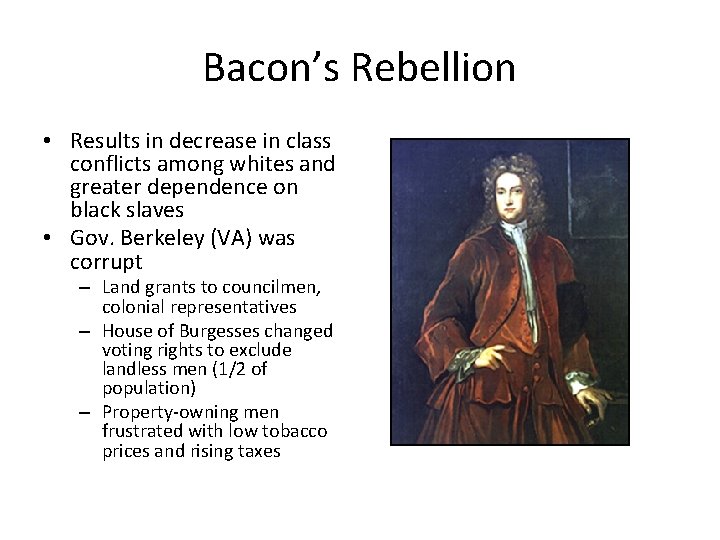
Bacon’s Rebellion • Results in decrease in class conflicts among whites and greater dependence on black slaves • Gov. Berkeley (VA) was corrupt – Land grants to councilmen, colonial representatives – House of Burgesses changed voting rights to exclude landless men (1/2 of population) – Property-owning men frustrated with low tobacco prices and rising taxes
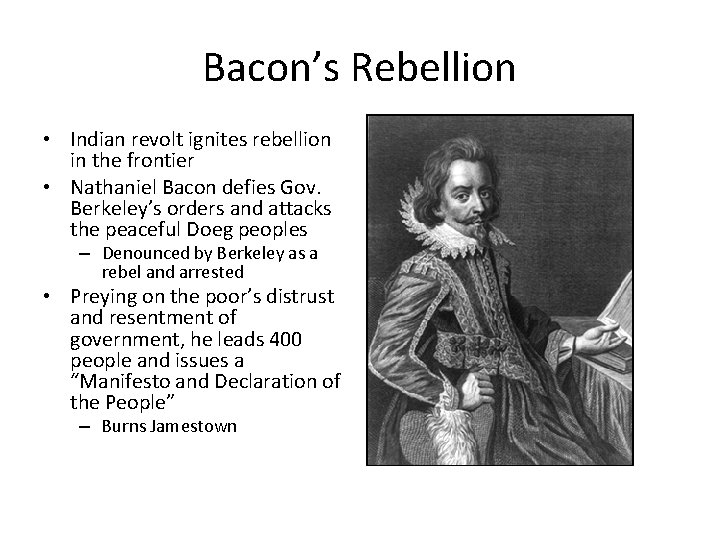
Bacon’s Rebellion • Indian revolt ignites rebellion in the frontier • Nathaniel Bacon defies Gov. Berkeley’s orders and attacks the peaceful Doeg peoples – Denounced by Berkeley as a rebel and arrested • Preying on the poor’s distrust and resentment of government, he leads 400 people and issues a “Manifesto and Declaration of the People” – Burns Jamestown
Bacon’s Rebellion • Bacon died of dysentery a month later and Gov. Berkeley seized the estates of rebels and handed 23 men – “I am more glad to see you than any man in Virginia. Mr. Drummond, you shall be hanged in half and hour. ” • Lasting Effects – Cut taxes and supported white expansion – Increased reliance on African slaves vs. white indentured servants – In 1705 the House of Burgesses legalized chattel slavery
Jamestown
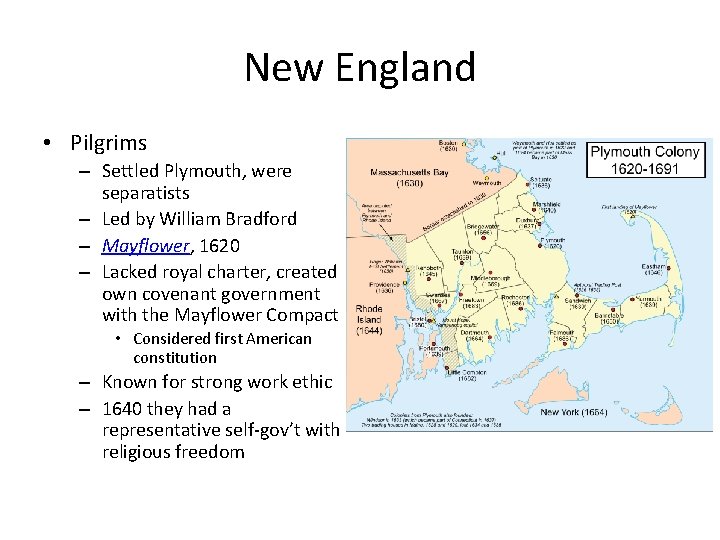
New England • Pilgrims – Settled Plymouth, were separatists – Led by William Bradford – Mayflower, 1620 – Lacked royal charter, created own covenant government with the Mayflower Compact • Considered first American constitution – Known for strong work ethic – 1640 they had a representative self-gov’t with religious freedom
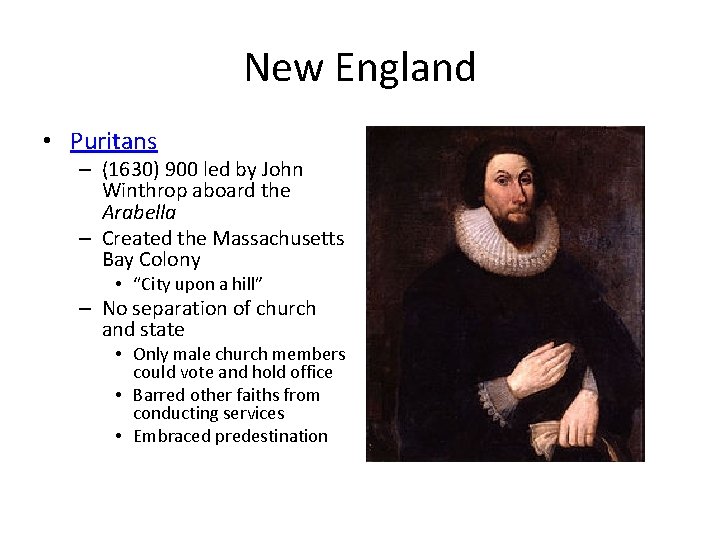
New England • Puritans – (1630) 900 led by John Winthrop aboard the Arabella – Created the Massachusetts Bay Colony • “City upon a hill” – No separation of church and state • Only male church members could vote and hold office • Barred other faiths from conducting services • Embraced predestination
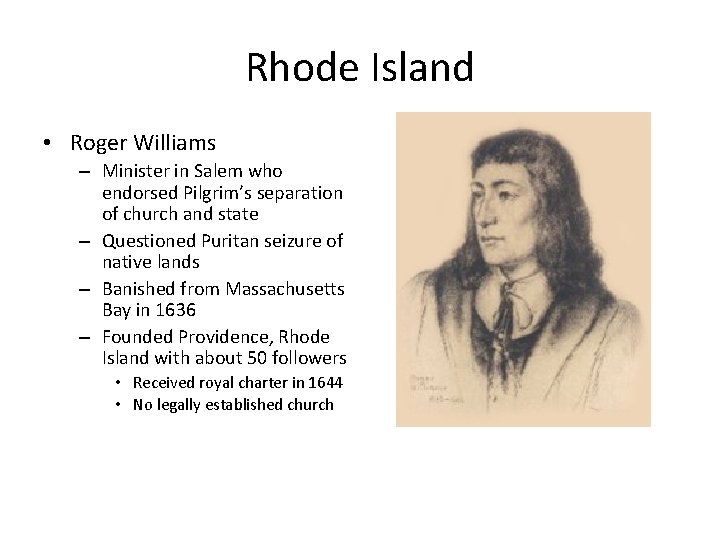
Rhode Island • Roger Williams – Minister in Salem who endorsed Pilgrim’s separation of church and state – Questioned Puritan seizure of native lands – Banished from Massachusetts Bay in 1636 – Founded Providence, Rhode Island with about 50 followers • Received royal charter in 1644 • No legally established church
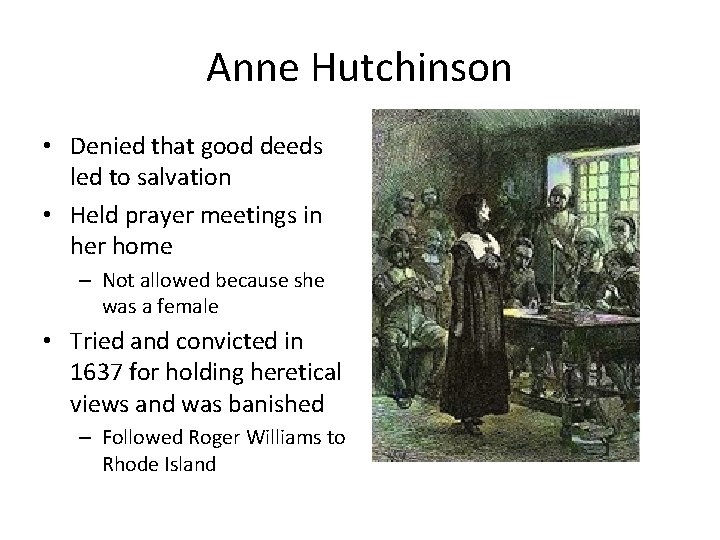
Anne Hutchinson • Denied that good deeds led to salvation • Held prayer meetings in her home – Not allowed because she was a female • Tried and convicted in 1637 for holding heretical views and was banished – Followed Roger Williams to Rhode Island
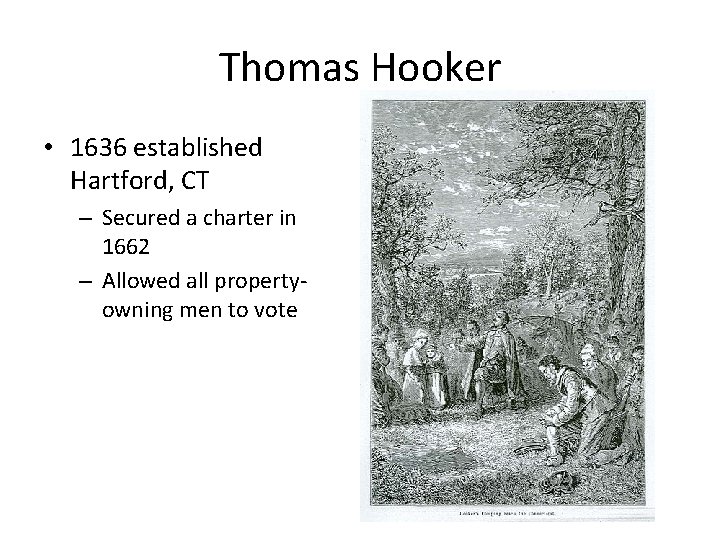
Thomas Hooker • 1636 established Hartford, CT – Secured a charter in 1662 – Allowed all propertyowning men to vote
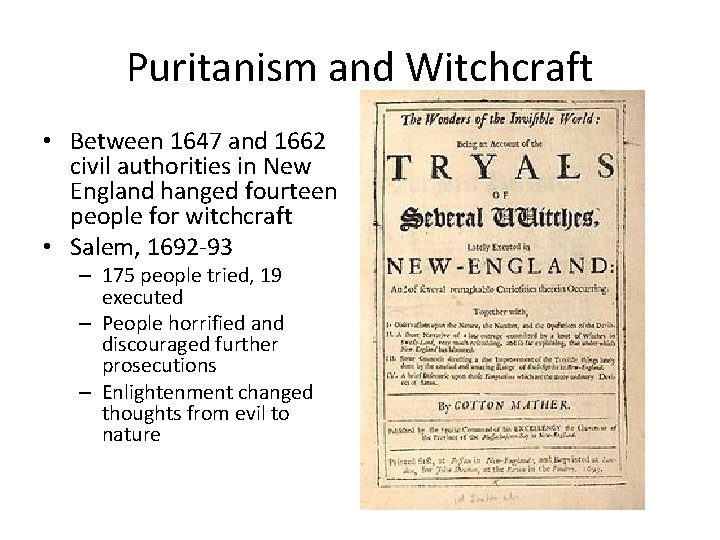
Puritanism and Witchcraft • Between 1647 and 1662 civil authorities in New England hanged fourteen people for witchcraft • Salem, 1692 -93 – 175 people tried, 19 executed – People horrified and discouraged further prosecutions – Enlightenment changed thoughts from evil to nature
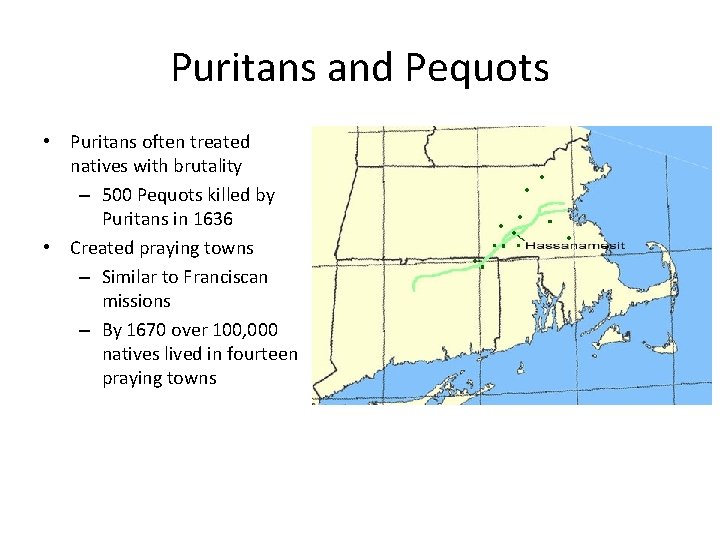
Puritans and Pequots • Puritans often treated natives with brutality – 500 Pequots killed by Puritans in 1636 • Created praying towns – Similar to Franciscan missions – By 1670 over 100, 000 natives lived in fourteen praying towns
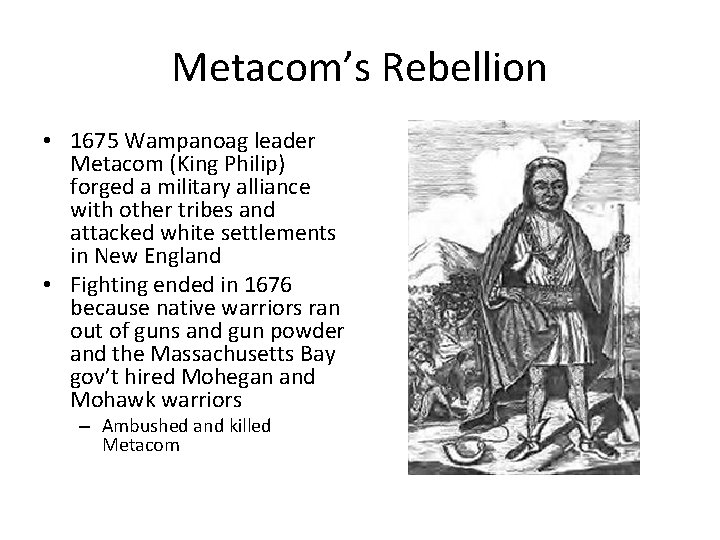
Metacom’s Rebellion • 1675 Wampanoag leader Metacom (King Philip) forged a military alliance with other tribes and attacked white settlements in New England • Fighting ended in 1676 because native warriors ran out of guns and gun powder and the Massachusetts Bay gov’t hired Mohegan and Mohawk warriors – Ambushed and killed Metacom