
Europe 1 1 Physical Geography Europe is made



- Slides: 21
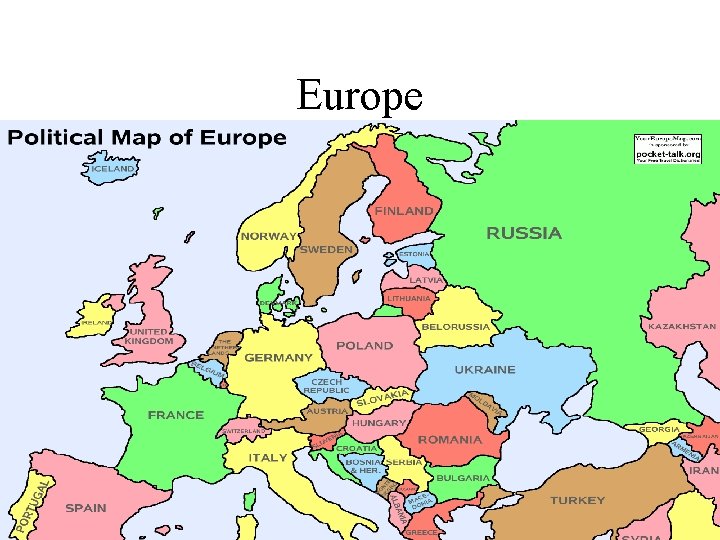
Europe
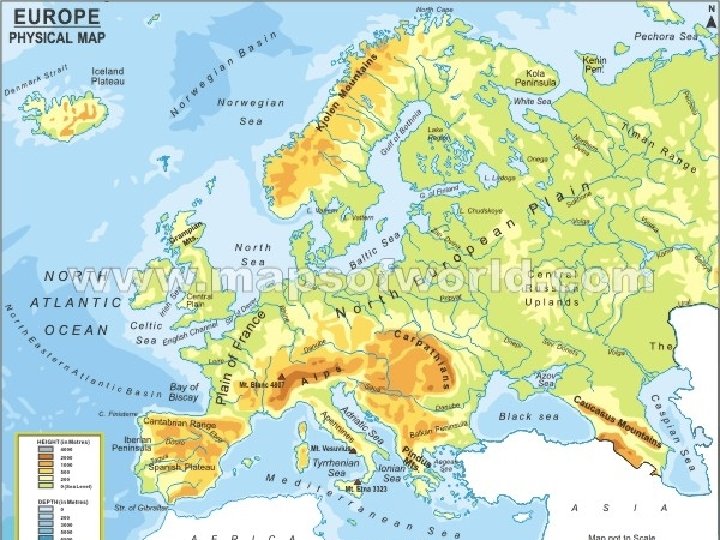
1. 1 Physical Geography • Europe is made up of several peninsulas with varied land regions and climates • Large Peninsula- Western Eurasian • Smaller Peninsulas – Italian – Scandinavian – Iberian
1. 1 Physical Geography • Europe also consists of many significant islands – Great Britain – Ireland – Iceland – Greenland – Sicily & Crete – Corsica
1. 1 -Physical Geography • Four major land regions of Europe – Western Uplands – stretch from the Scandinavian peninsula to Spain and Portugal – Northern European Plain- lowlands that reach across northern Europe – Central Uplands – Alpine- consists of the Alps and several other mountain ranges
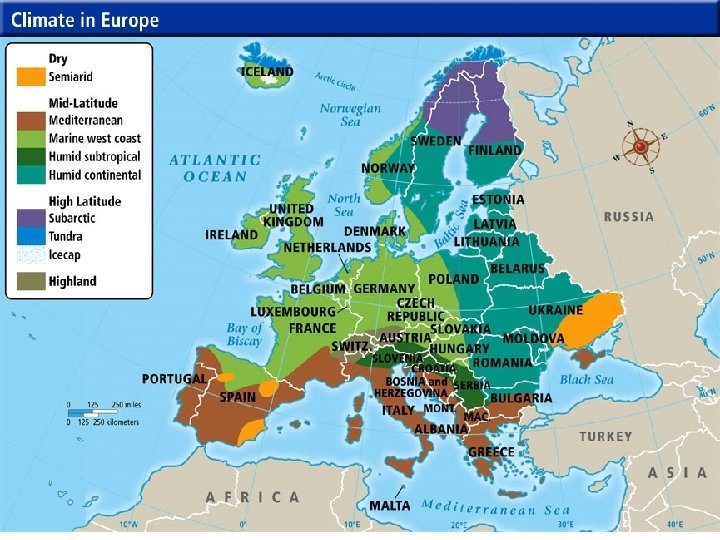
1. 1 -Climate • Europe has a mostly a humid temperate climate. Factors that influence that climate: – North Atlantic Drift- warm water current – Sirocco winds- winds that blow across Mediterranean Sea that bring wet weather to southern Europe – Mistral winds- cold, dry winds that blow across France
1. 1 - 3 Climates of Europe • Mediterranean – western Europe has hot, dry summers and mild, wet winters; provides an extended growing season • Humid Continental- eastern Europe has warm, wet summers and long cold winters • Polar- Iceland, Greenland, and northern Scandinavia have cool summers and long, cold winter; very short growing season
1. 2 - Europe’s Coastline • Trade- goods, ideas and religions have been moved throughout the world from the many ports of Europe • Industry- fishing, ship building, harbors and even agriculture( polders). • Exploration- around the world for wealth, religion and empires • Settlement- almost every continent
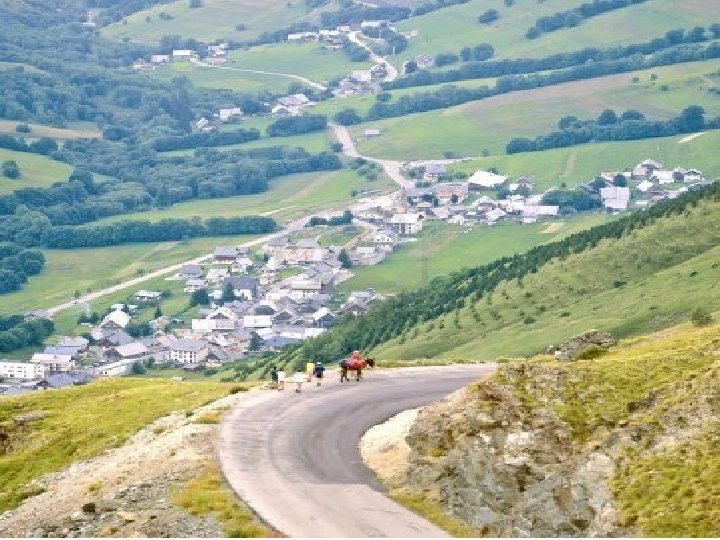
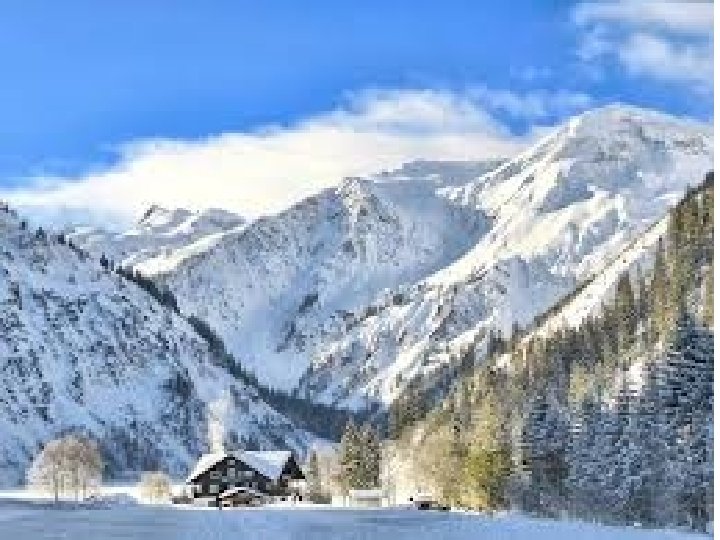
1. 3 - Mountains • Mountains – Alps- Switzerland, Germany and France – Pyrenees- separate France and Spain – Apennines- run along the Italian peninsula – Carpathian- extend through Poland, Romania, and Ukraine – All of these mountains provide natural resources( forestry, mining and agriculture)
1. 3 - Rivers • Many navigable rivers used for transportation and trade • Danube – flows through ten countries from the Alps to the Black Sea • Rhine- flows from the Alps of Switzerland Germany to the North Sea • Canals have been built to connect rivers and form waterways across Europe
1. 3 - Plains • Northern European Plain – stretches from France all the way to Russia – Provides fertile soil – Many large farms – Location of most large cities in Europe
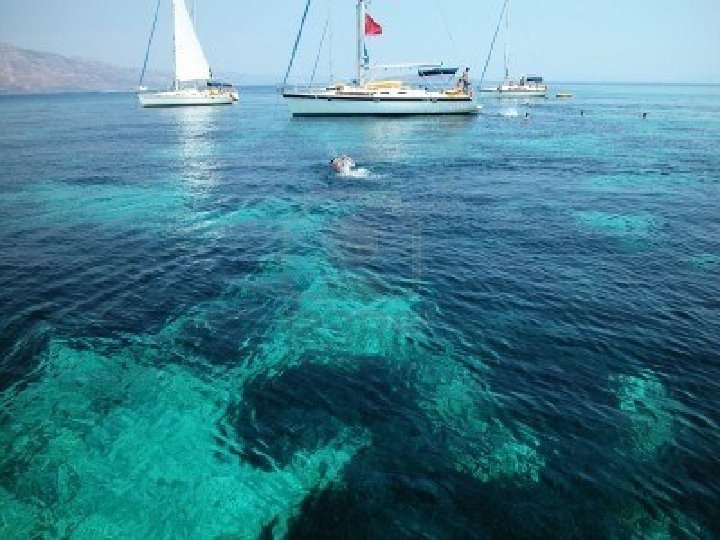
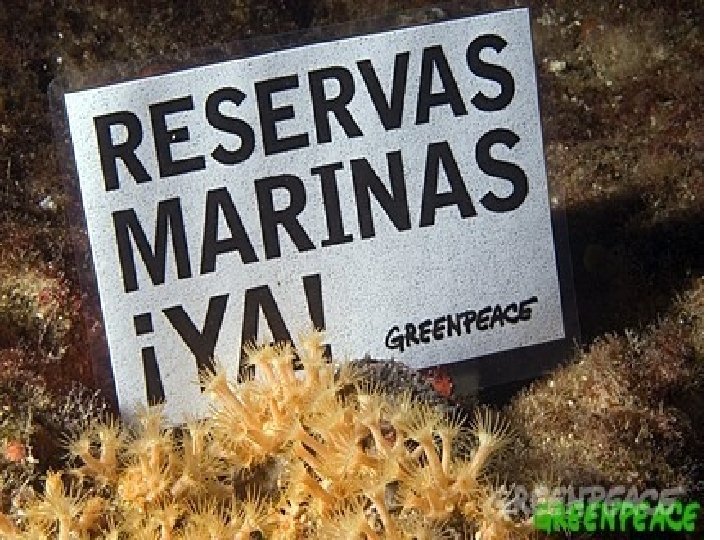
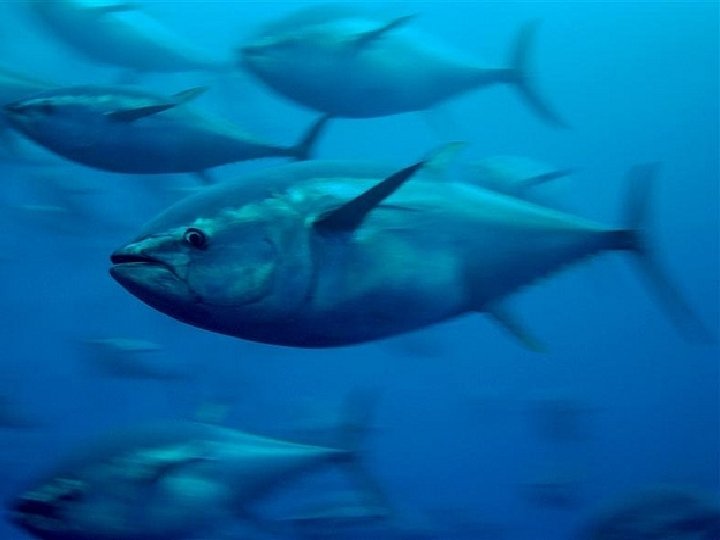
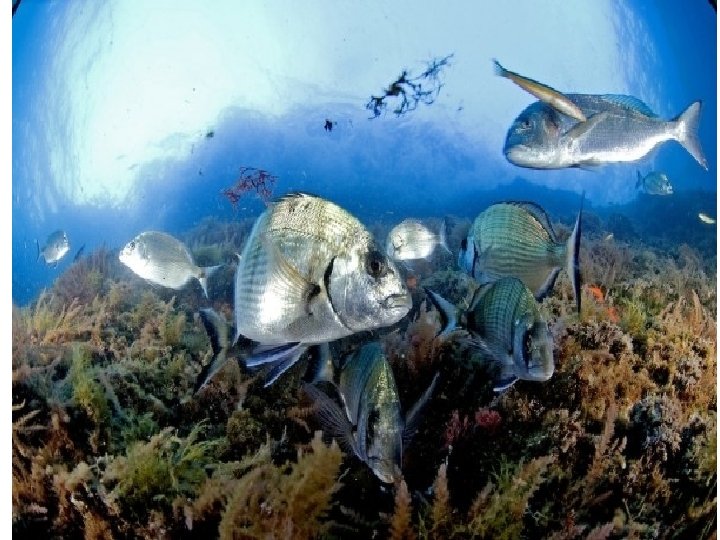
1. 4 Protecting the Mediterranean Sea • Human activities have a negative affect: – Over fishing – Pollution – Over development of coast- erosion • What’s being done? – Marine reserves – Fishing quotas – Stricter pollution controls