
EUGENICS Eugenics is a set of beliefs and
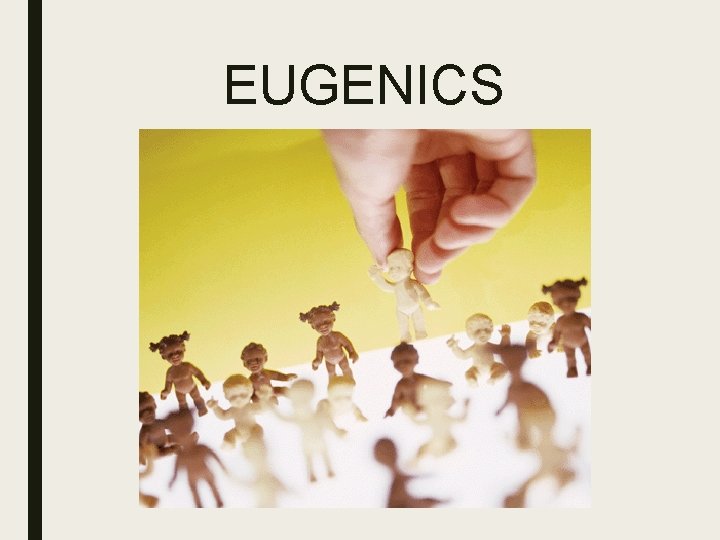
EUGENICS
Eugenics ■ is a set of beliefs and practices that aims at improving the genetic quality of the human population. ■ Greek word – eugenes means “ well born” eu means good/well genos means race, stock
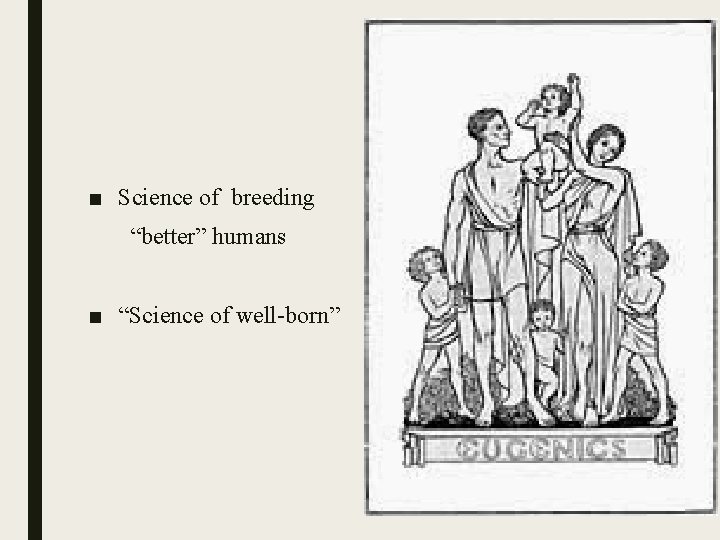
■ Science of breeding “better” humans ■ “Science of well-born”
Types of eugenics ■ Positive eugenics Eugenics which encourage reproduction by persons presumed to have inheritable traits ■ Negative eugenics Eugenics especially by discouraging reproduction by persons having genetics defects/disorders or presumed to have inheritable traits
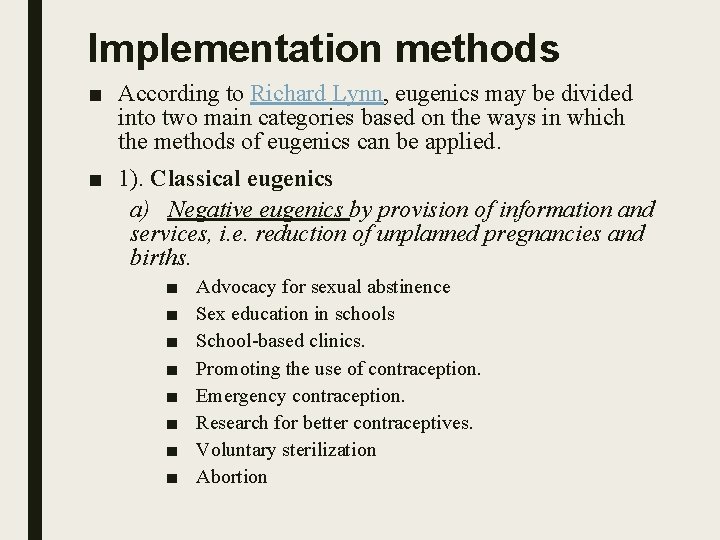
Implementation methods ■ According to Richard Lynn, eugenics may be divided into two main categories based on the ways in which the methods of eugenics can be applied. ■ 1). Classical eugenics a) Negative eugenics by provision of information and services, i. e. reduction of unplanned pregnancies and births. ■ ■ ■ ■ Advocacy for sexual abstinence Sex education in schools School-based clinics. Promoting the use of contraception. Emergency contraception. Research for better contraceptives. Voluntary sterilization Abortion
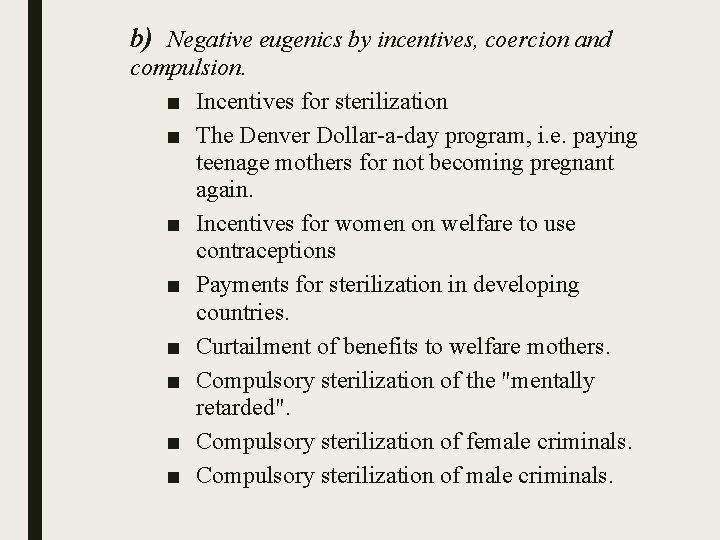
b) Negative eugenics by incentives, coercion and compulsion. ■ Incentives for sterilization ■ The Denver Dollar-a-day program, i. e. paying teenage mothers for not becoming pregnant again. ■ Incentives for women on welfare to use contraceptions ■ Payments for sterilization in developing countries. ■ Curtailment of benefits to welfare mothers. ■ Compulsory sterilization of the "mentally retarded". ■ Compulsory sterilization of female criminals. ■ Compulsory sterilization of male criminals.
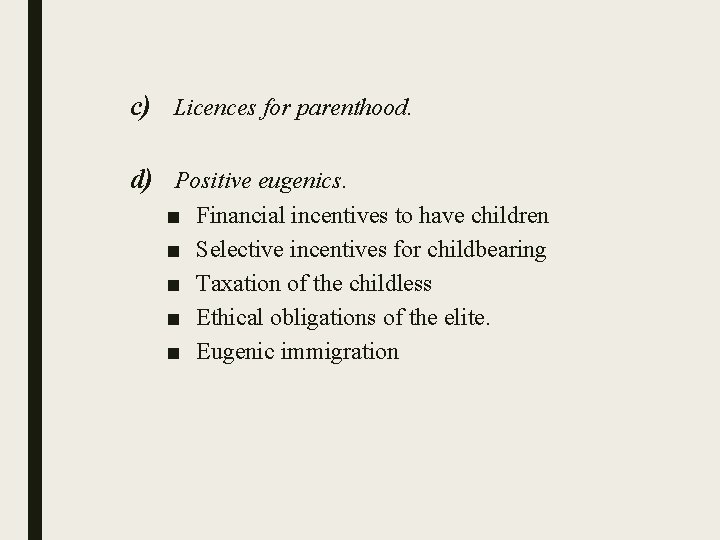
c) Licences for parenthood. d) Positive eugenics. ■ ■ ■ Financial incentives to have children Selective incentives for childbearing Taxation of the childless Ethical obligations of the elite. Eugenic immigration
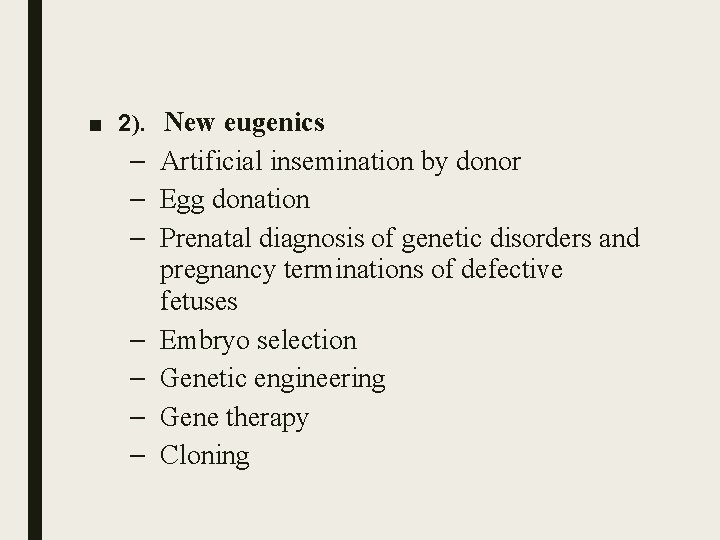
■ 2). New eugenics – Artificial insemination by donor – Egg donation – Prenatal diagnosis of genetic disorders and pregnancy terminations of defective fetuses – Embryo selection – Genetic engineering – Gene therapy – Cloning
History of eugenics ■ In 1883, Sir Francis Galton, British scholar, cousin of Charles Darwin, first used the term eugenics, meaning “well-born. ” ■ Galton believed that the human race could help direct its future by selectively breeding individuals who have “desired” traits. ■ Galton concluded that an elite position in society was due to a good genetic makeup. ■ The eugenics movement began in the U. S. in the late 19 th century.
■ During the 20 th century, a total of 33 states had sterilization programs. ■ While at first sterilization efforts targeted mentally ill people exclusively. ■ later the traits deemed serious enough to sterilization included alcoholism, chronic poverty, blindness, deafness, feeblemindedness. ■ Three International Eugenics Conferences ---- in 1912 in London, and in 1921 and 1932 in New York City.
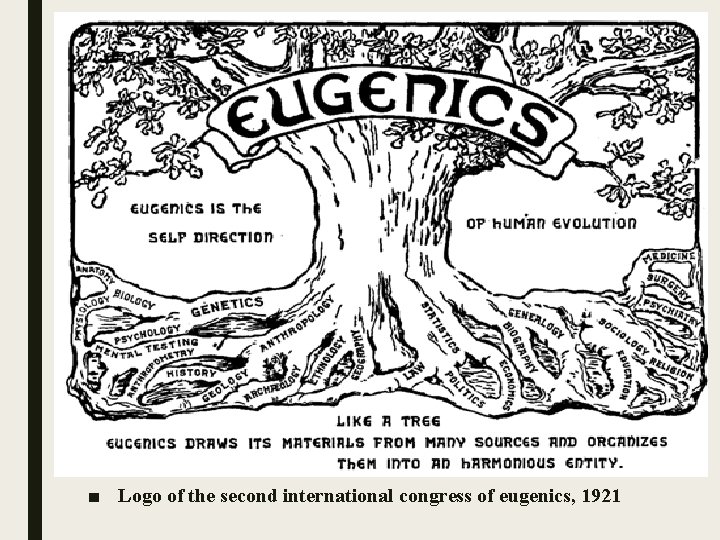
■ Logo of the second international congress of eugenics, 1921
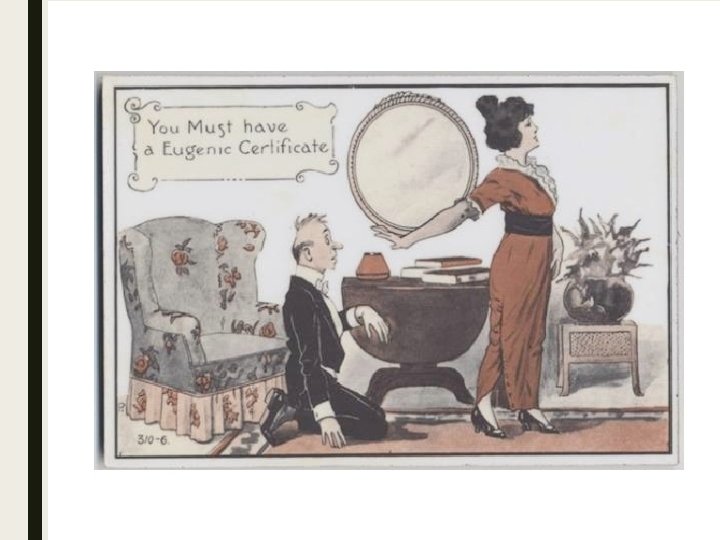
■ Some people say that eugenics is all-negative because selection is always determined by who is in power, and that it violates every human being’s right to reproduction. ■ Eugenics is the belief that selecting the mating partners and controlling the offspring improves the quality of human life. ■ Partner must have eugenics certificate
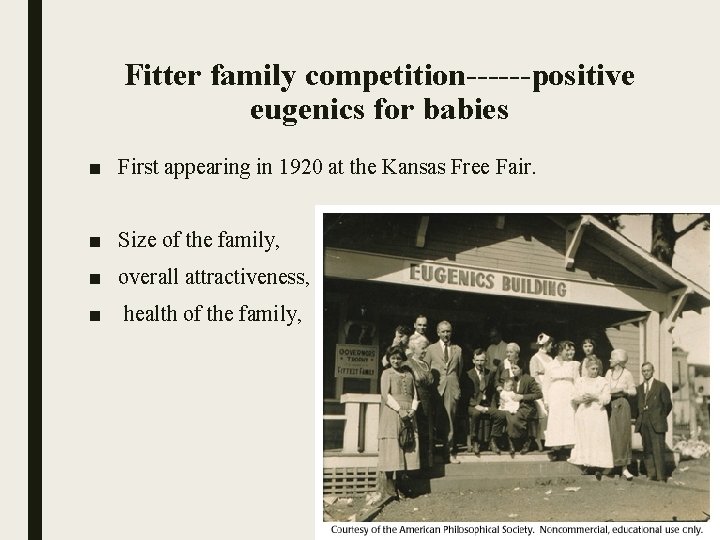
Fitter family competition------positive eugenics for babies ■ First appearing in 1920 at the Kansas Free Fair. ■ Size of the family, ■ overall attractiveness, ■ health of the family,

Better Baby Contest at Indiana State Fair 1931
Pros of Eugenics ■ It Assesses a Child’s Medical Needs With eugenics, parents already know the DNA makeup of their unborn child and are prepared to meet his or her future medical needs. ■ It Prevents Negative Hereditary Conditions Through engineering the genetic makeup of a child can eliminate hereditary conditions that lead to mental and physical problems. ■ It Helps to Control Gender It helps to control the gender of offspring, parents who want to have a male or female child can do.
■ It Creates Better Individuals By altering the DNA makeup of babies, these mental processes can be controlled – kinder, hardworking, smarter, etc. ■ It is a Room for Medical Advancement What is next? It is always a question for scientific researchers. But eugenics is an age-old concept that is yet to be perfected, and it could potentially become a great frontier for medical innovation.
Cons of eugenics ■ It is very expensive ■ It kills human diversity ■ It creates extreme discrimination ■ It may multiply not prevent genetic mistakes ■ Negative eugenics is considered to be a violation of basic human rights, which include the right to reproduction.
■ Ethical issue ----- People are against the eugenics because they consider that man is trying to do the role of ALLAH.
Artificial selection like eugenics is doubtful because no one has ever succeeded at manipulating nature.
- Slides: 20