
Ethical Models of Doctor Patient Relationship Dr Chingwa

- Slides: 16
Ethical Models of Doctor. Patient Relationship Dr. Ching-wa Wong Department of Applied Social Sciences Hong Kong Polytechnic University
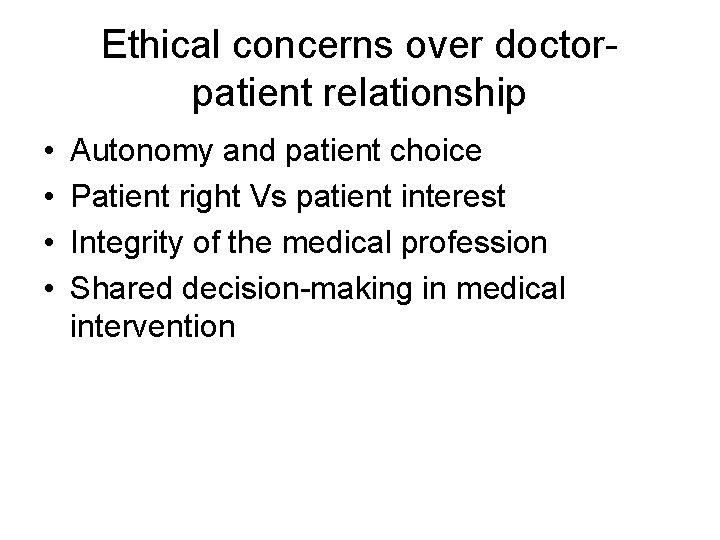
Ethical concerns over doctorpatient relationship • • Autonomy and patient choice Patient right Vs patient interest Integrity of the medical profession Shared decision-making in medical intervention
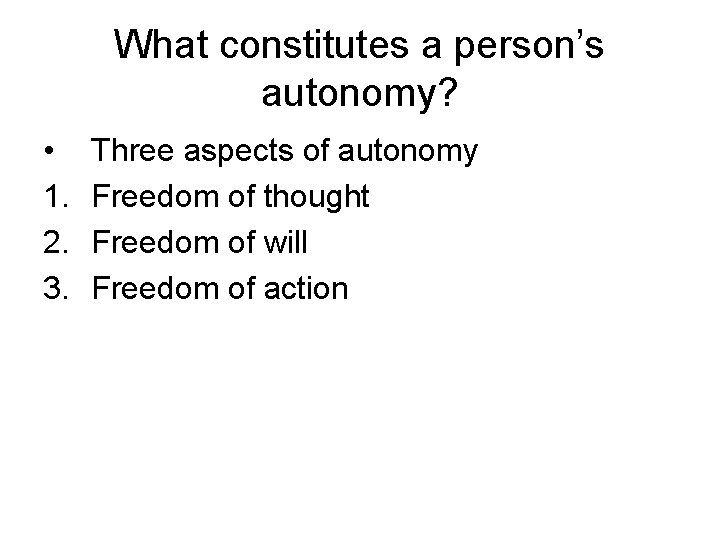
What constitutes a person’s autonomy? • 1. 2. 3. Three aspects of autonomy Freedom of thought Freedom of will Freedom of action
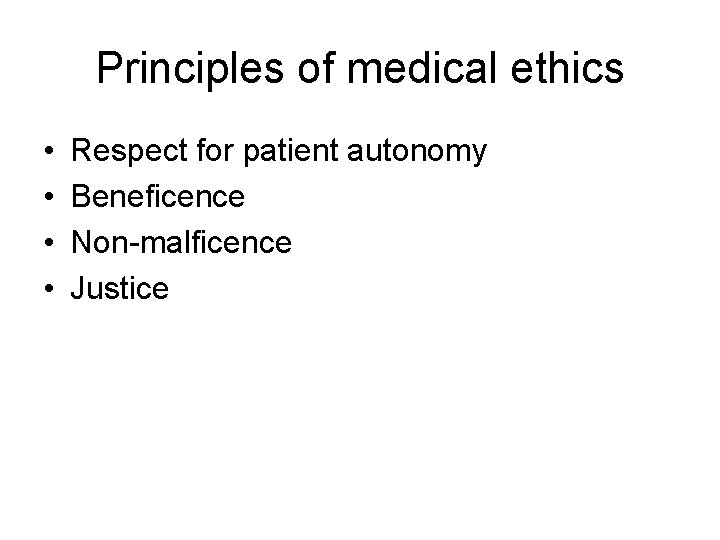
Principles of medical ethics • • Respect for patient autonomy Beneficence Non-malficence Justice
Autonomy and patient rights • Which of the following are derived from the value of patient autonomy? 1. 2. 3. 4. 5. Right to treatment Right to information Right to choices Right to privacy Right to compliant
Conflicting Values • Paternalism: – The doctor should act in a way that protects or advances the patient’s best interests, even if it is against the patient’s will. • Patient autonomy: – The doctor should help the patient to make real choice, and provide intervention under the constraints of (a) informed consent and (b) confidentiality.
Difficult cases for doctors: some examples • • • Active and passive euthanasia Right to refuse treatment DNS (Do-not-resuscitate) order Abortion Experimental/risky interventions
Ethical models at a glance – Paternalistic model – Informative model – Interpretive model – Deliberative model
Evaluating the four models
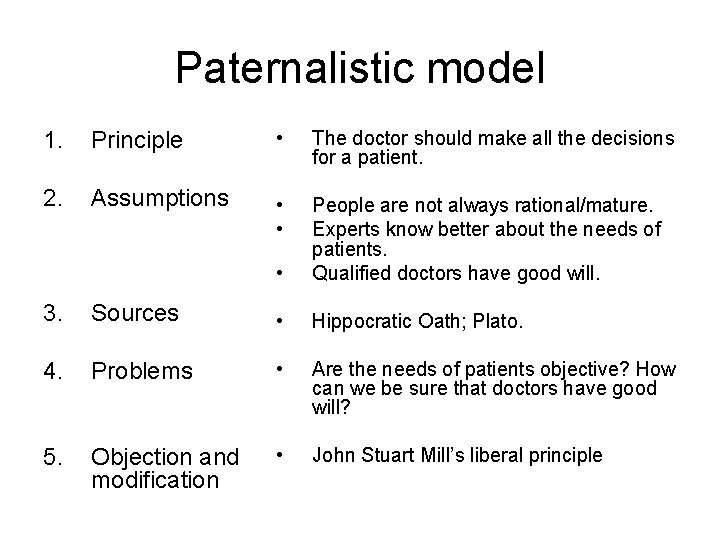
Paternalistic model 1. Principle • The doctor should make all the decisions for a patient. 2. Assumptions • • • People are not always rational/mature. Experts know better about the needs of patients. Qualified doctors have good will. 3. Sources • Hippocratic Oath; Plato. 4. Problems • Are the needs of patients objective? How can we be sure that doctors have good will? 5. Objection and modification • John Stuart Mill’s liberal principle
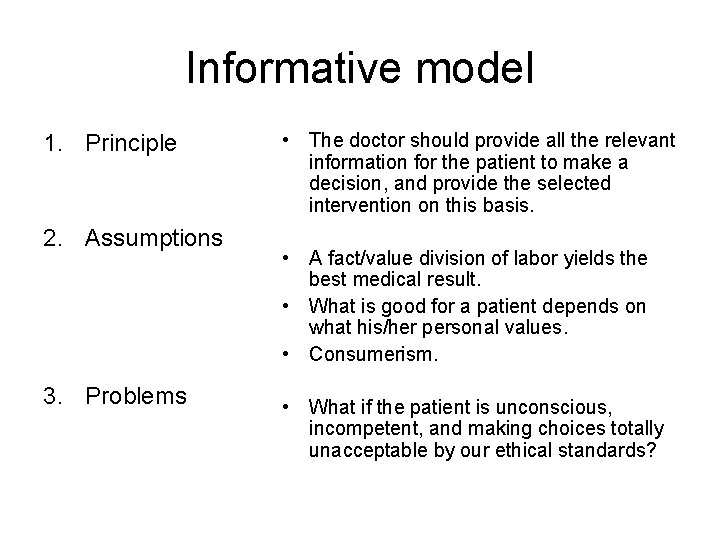
Informative model 1. Principle 2. Assumptions 3. Problems • The doctor should provide all the relevant information for the patient to make a decision, and provide the selected intervention on this basis. • A fact/value division of labor yields the best medical result. • What is good for a patient depends on what his/her personal values. • Consumerism. • What if the patient is unconscious, incompetent, and making choices totally unacceptable by our ethical standards?
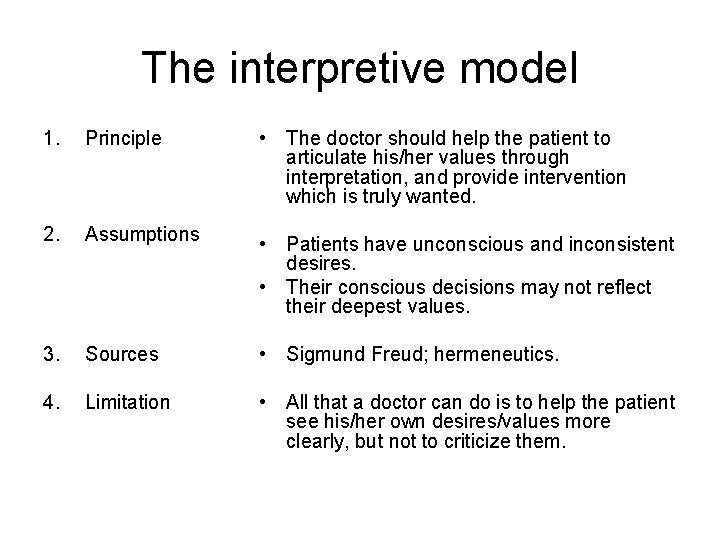
The interpretive model 1. Principle • The doctor should help the patient to articulate his/her values through interpretation, and provide intervention which is truly wanted. 2. Assumptions • Patients have unconscious and inconsistent desires. • Their conscious decisions may not reflect their deepest values. 3. Sources • Sigmund Freud; hermeneutics. 4. Limitation • All that a doctor can do is to help the patient see his/her own desires/values more clearly, but not to criticize them.
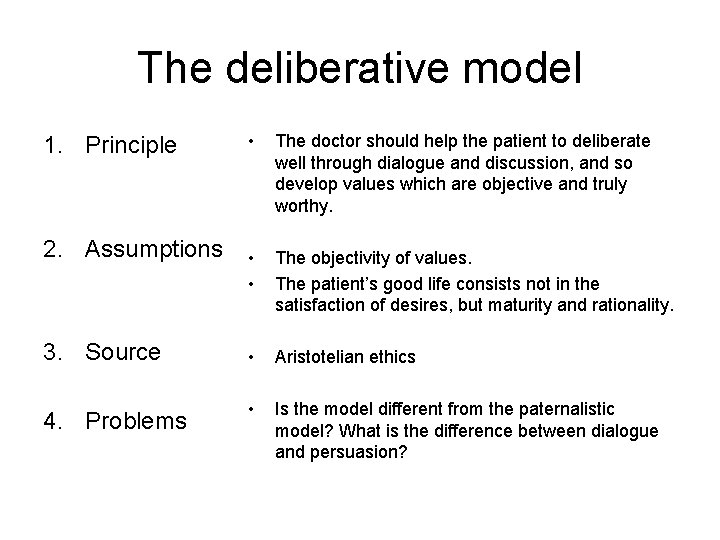
The deliberative model • The doctor should help the patient to deliberate well through dialogue and discussion, and so develop values which are objective and truly worthy. • • The objectivity of values. The patient’s good life consists not in the satisfaction of desires, but maturity and rationality. 3. Source • Aristotelian ethics 4. Problems • Is the model different from the paternalistic model? What is the difference between dialogue and persuasion? 1. Principle 2. Assumptions
Relating the models to ethical theories • How are they supported by the major ethical theories? 1. 2. 3. 4. 5. Ethical relativism Ethical egoism Utilitarianism Deontology Virtue ethics
Discussion • Give an example which indicates the tension between doctors and patients in Hong Kong. • Which ethical model of doctor-patient relationship can give help resolving this tension? And how? • Does your favorite model suggest that we give more rights to patients? Or less?
Suggestions for further reading 1. Parker, Michael & Dickenson, Donna (2010), The Cambridge Medical Ethics Workbook: Case Studies, Commentaries, and Activities, Cambridge; New York: Cambridge University Press, Chapter 9. 2. Emanuel, Ezekiel J. , & Emanuel, Linda L. (1992), “Four Models of the Physician-Patient Relationship”, Journal of the American Medical Association, vol. 267, no. 16, pp. 2221 -2226.