
ESTRATEGIAS DE REACTIVACION DEL LINFOCITO Dra Ana Arance
- Slides: 26
ESTRATEGIAS DE REACTIVACION DEL LINFOCITO Dra Ana Arance Servicio Oncología Médica Hospital Clínic Barcelona 1
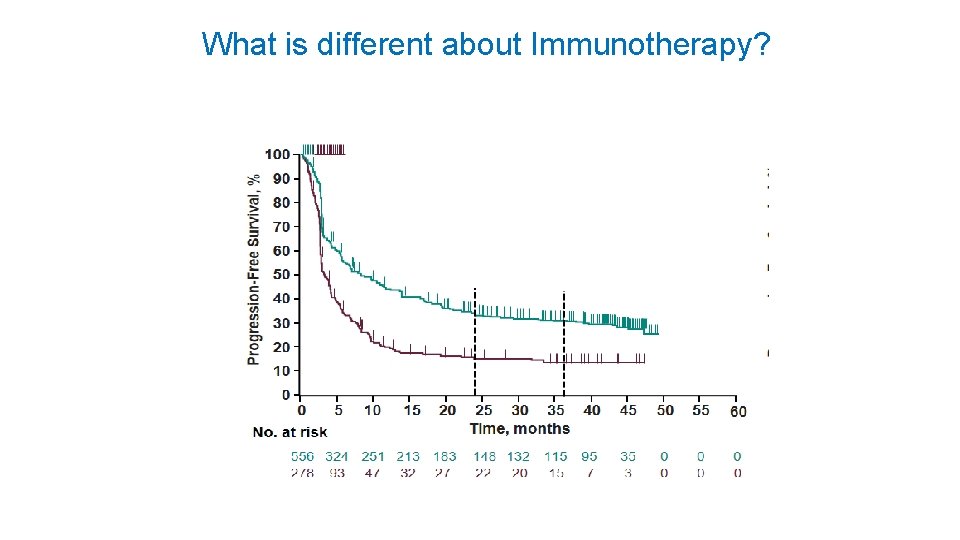
What is different about Immunotherapy?
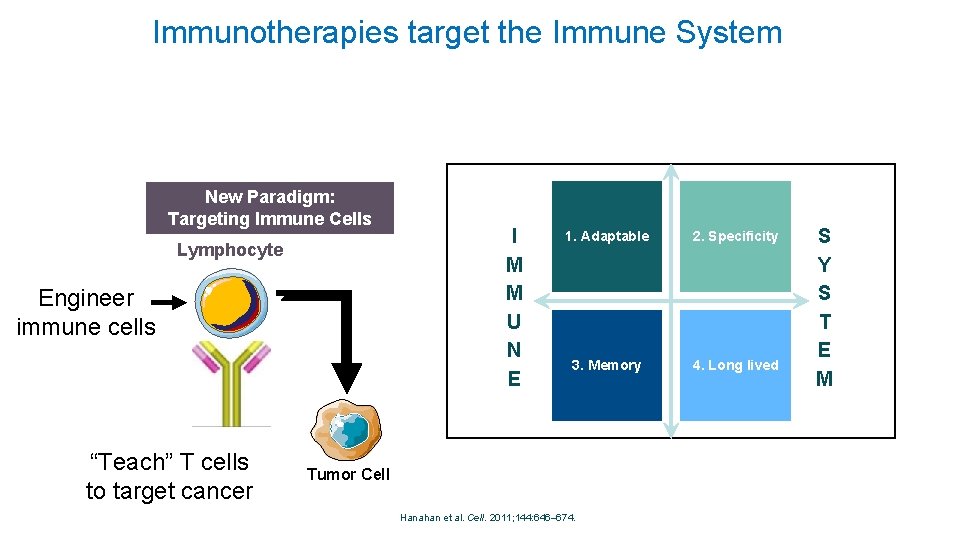
Immunotherapies target the Immune System New Paradigm: Targeting Immune Cells Lymphocyte Engineer immune cells “Teach” T cells to target cancer I M M U N E 1. Adaptable 2. Specificity 3. Memory 4. Long lived Tumor Cell Hanahan et al. Cell. 2011; 144: 646– 674. S Y S T E M
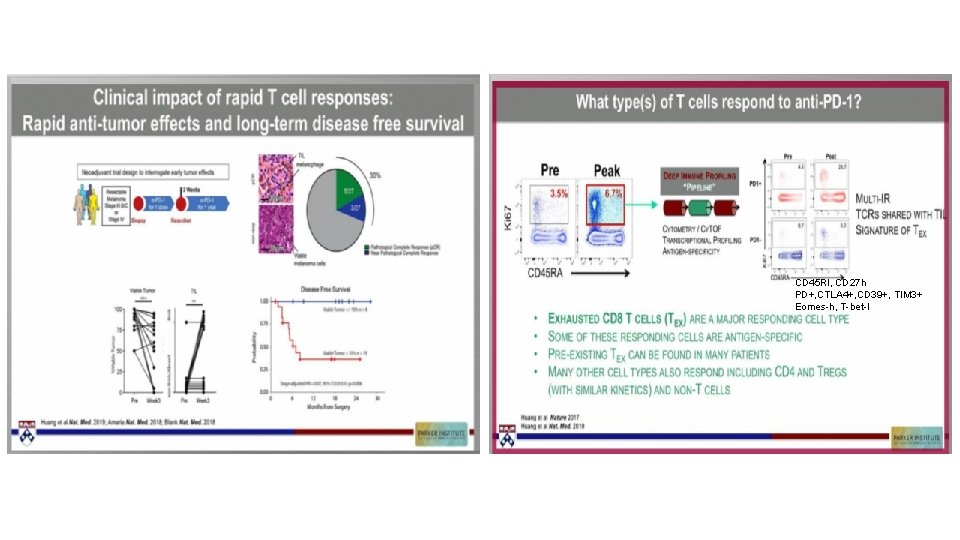
CD 45 Rl, CD 27 h PD+, CTLA 4+, CD 39+, TIM 3+ Eomes-h, T-bet-l
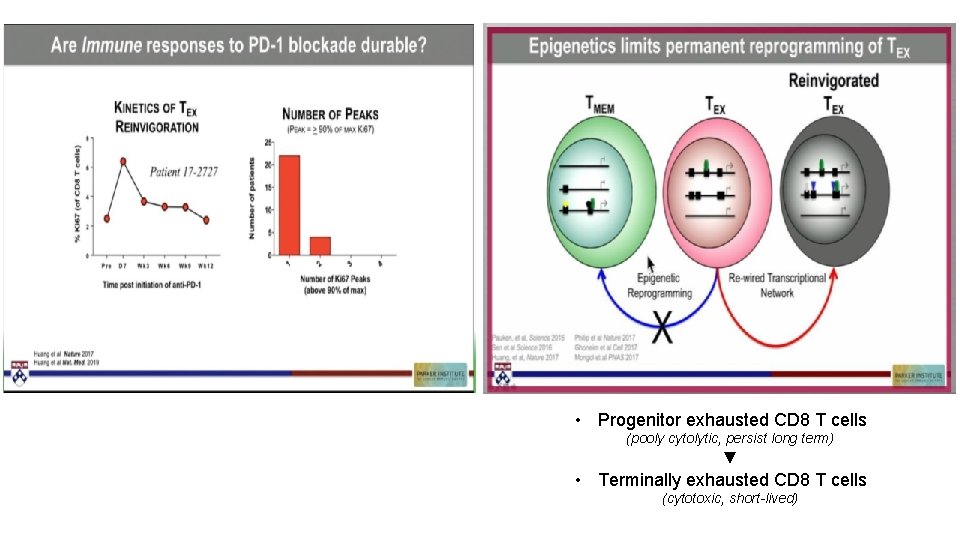
• Progenitor exhausted CD 8 T cells (pooly cytolytic, persist long term) ▼ • Terminally exhausted CD 8 T cells (cytotoxic, short-lived)
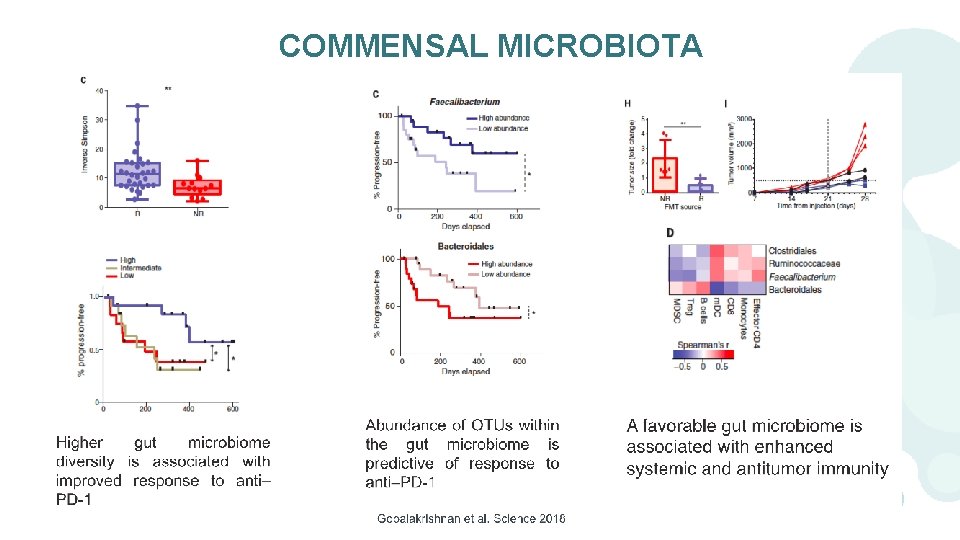
COMMENSAL MICROBIOTA 11
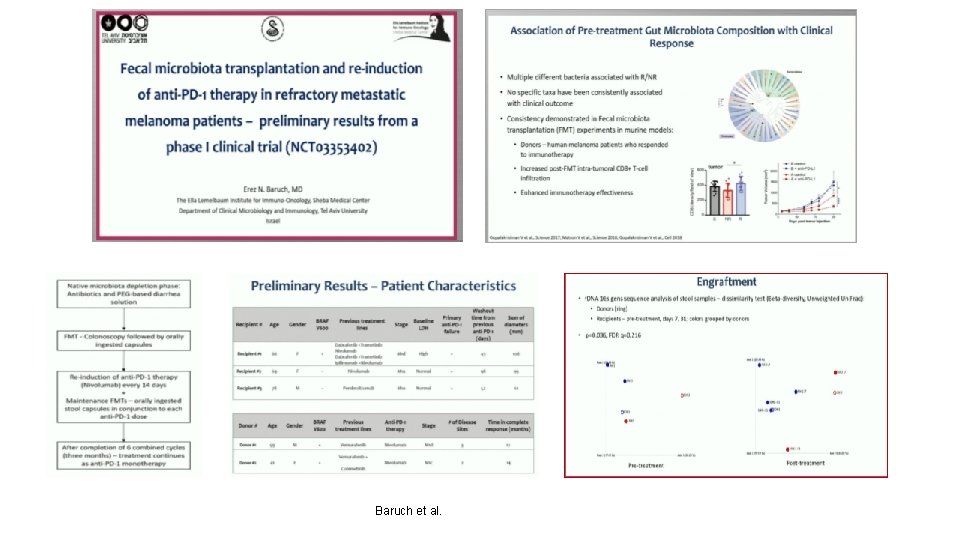
Baruch et al.
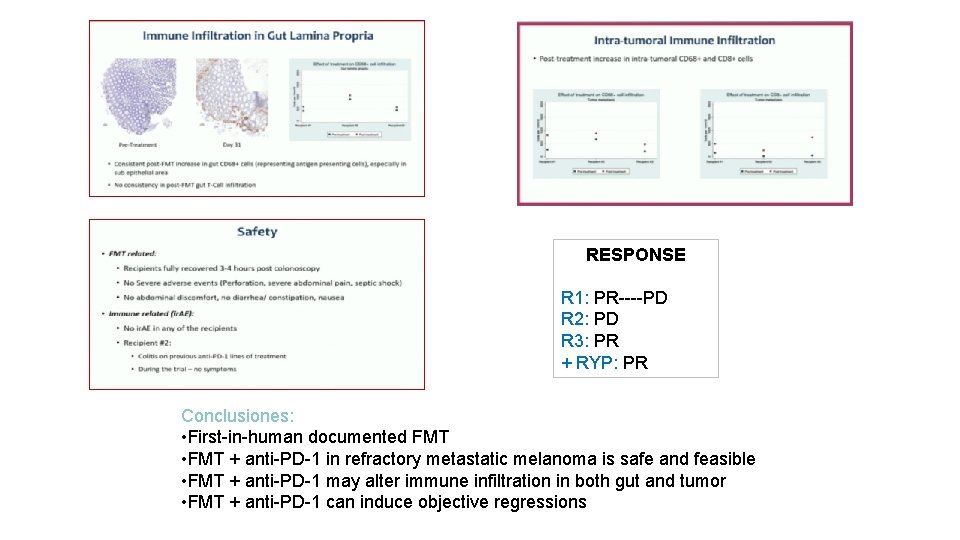
RESPONSE R 1: PR----PD R 2: PD R 3: PR + RYP: PR Conclusiones: • First-in-human documented FMT • FMT + anti-PD-1 in refractory metastatic melanoma is safe and feasible • FMT + anti-PD-1 may alter immune infiltration in both gut and tumor • FMT + anti-PD-1 can induce objective regressions
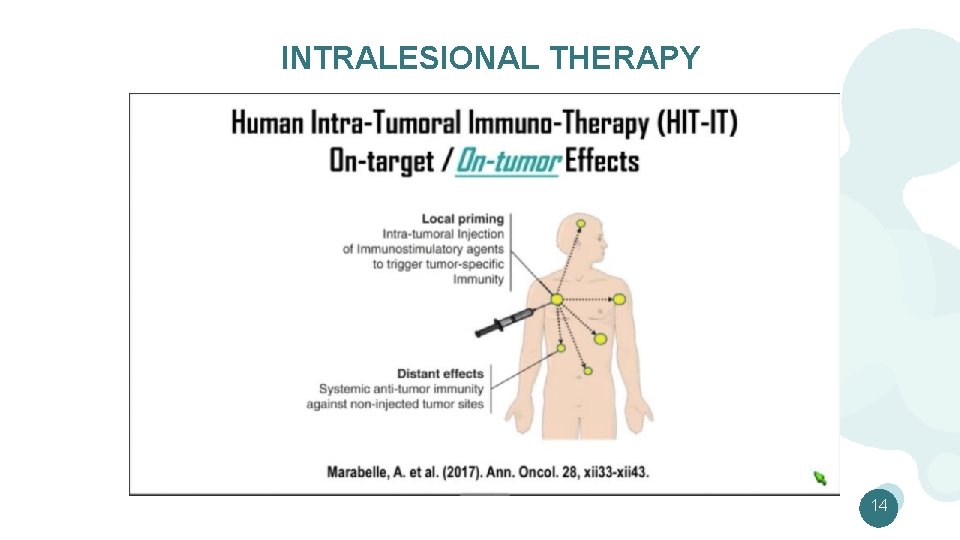
INTRALESIONAL THERAPY 14
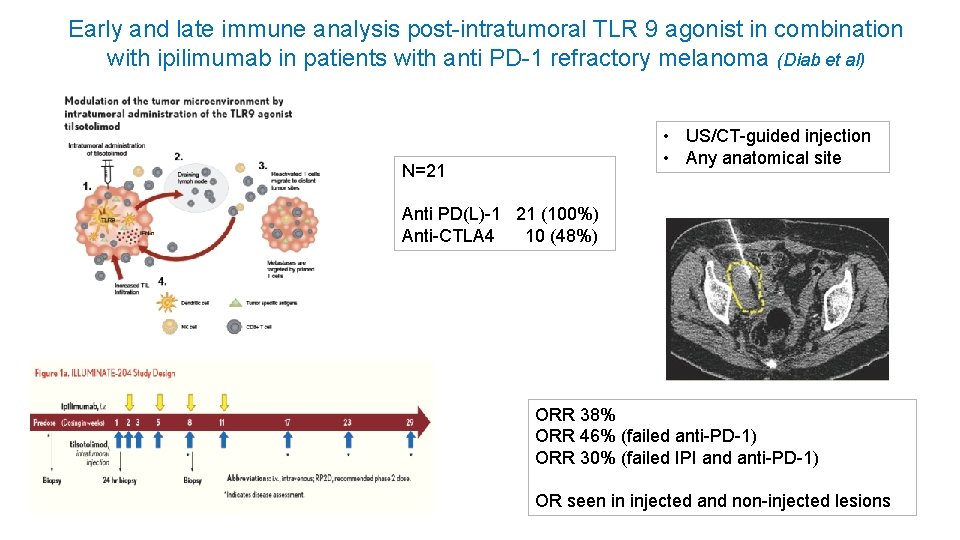
Early and late immune analysis post-intratumoral TLR 9 agonist in combination with ipilimumab in patients with anti PD-1 refractory melanoma (Diab et al) • US/CT-guided injection • Any anatomical site N=21 Anti PD(L)-1 21 (100%) Anti-CTLA 4 10 (48%) ORR 38% ORR 46% (failed anti-PD-1) ORR 30% (failed IPI and anti-PD-1) OR seen in injected and non-injected lesions
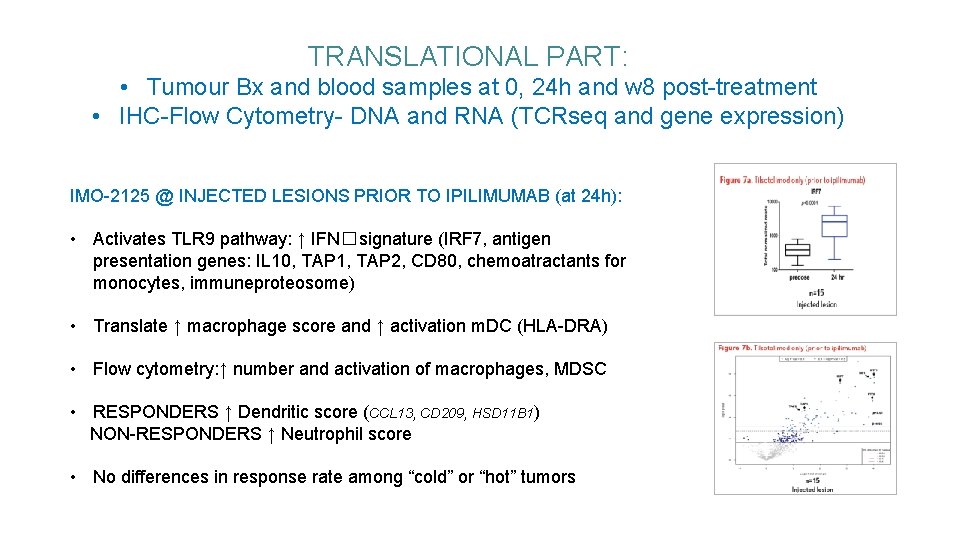
TRANSLATIONAL PART: • Tumour Bx and blood samples at 0, 24 h and w 8 post-treatment • IHC-Flow Cytometry- DNA and RNA (TCRseq and gene expression) IMO-2125 @ INJECTED LESIONS PRIOR TO IPILIMUMAB (at 24 h): • Activates TLR 9 pathway: ↑ IFN�signature (IRF 7, antigen presentation genes: IL 10, TAP 1, TAP 2, CD 80, chemoatractants for monocytes, immuneproteosome) • Translate ↑ macrophage score and ↑ activation m. DC (HLA-DRA) • Flow cytometry: ↑ number and activation of macrophages, MDSC • RESPONDERS ↑ Dendritic score (CCL 13, CD 209, HSD 11 B 1) NON-RESPONDERS ↑ Neutrophil score • No differences in response rate among “cold” or “hot” tumors
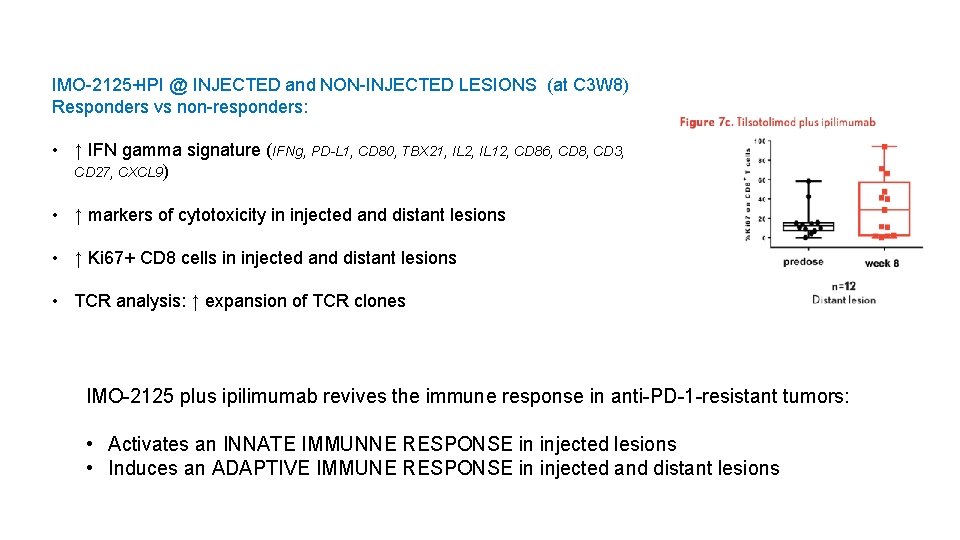
IMO-2125+IPI @ INJECTED and NON-INJECTED LESIONS (at C 3 W 8) Responders vs non-responders: • ↑ IFN gamma signature (IFNg, PD-L 1, CD 80, TBX 21, IL 2, IL 12, CD 86, CD 8, CD 3, CD 27, CXCL 9) • ↑ markers of cytotoxicity in injected and distant lesions • ↑ Ki 67+ CD 8 cells in injected and distant lesions • TCR analysis: ↑ expansion of TCR clones IMO-2125 plus ipilimumab revives the immune response in anti-PD-1 -resistant tumors: • Activates an INNATE IMMUNNE RESPONSE in injected lesions • Induces an ADAPTIVE IMMUNE RESPONSE in injected and distant lesions
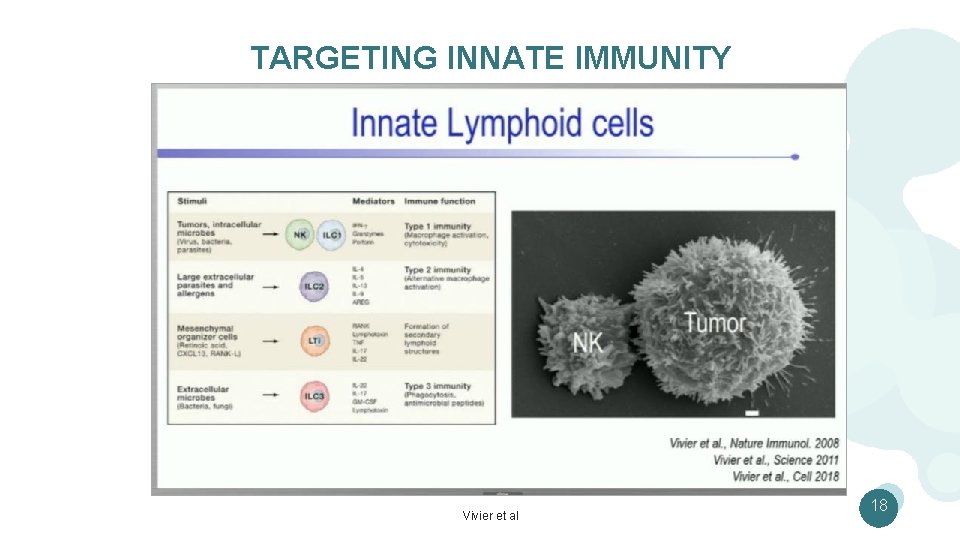
TARGETING INNATE IMMUNITY Vivier et al 18
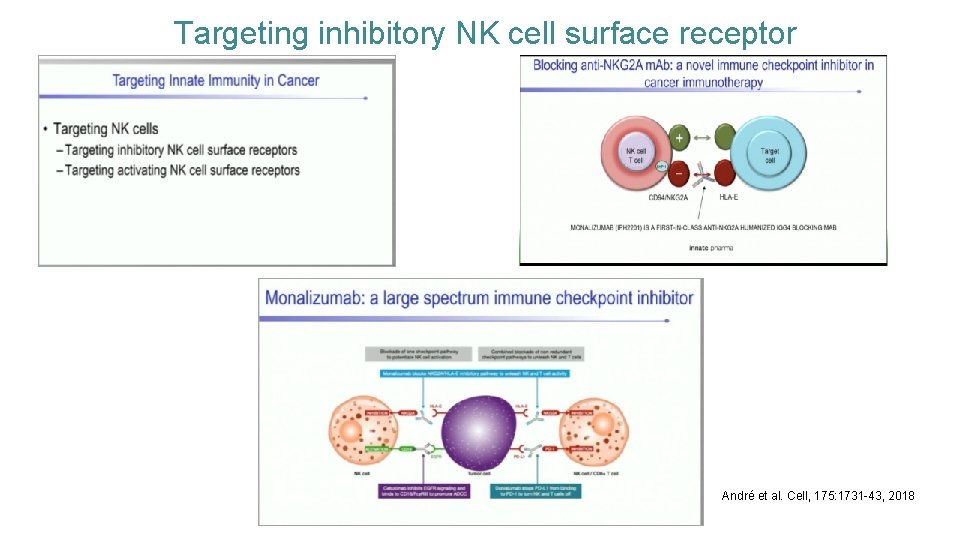
Targeting inhibitory NK cell surface receptor André et al. Cell, 175: 1731 -43, 2018
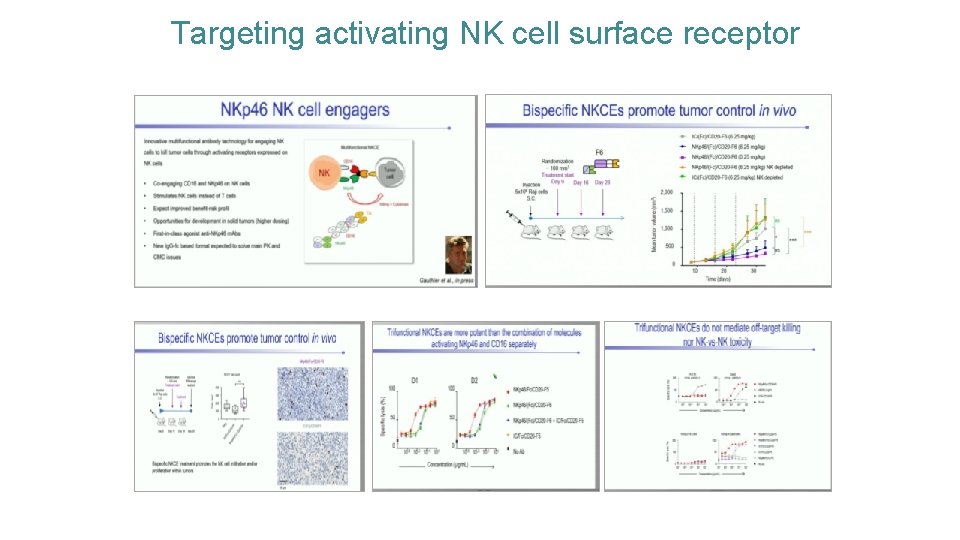
Targeting activating NK cell surface receptor
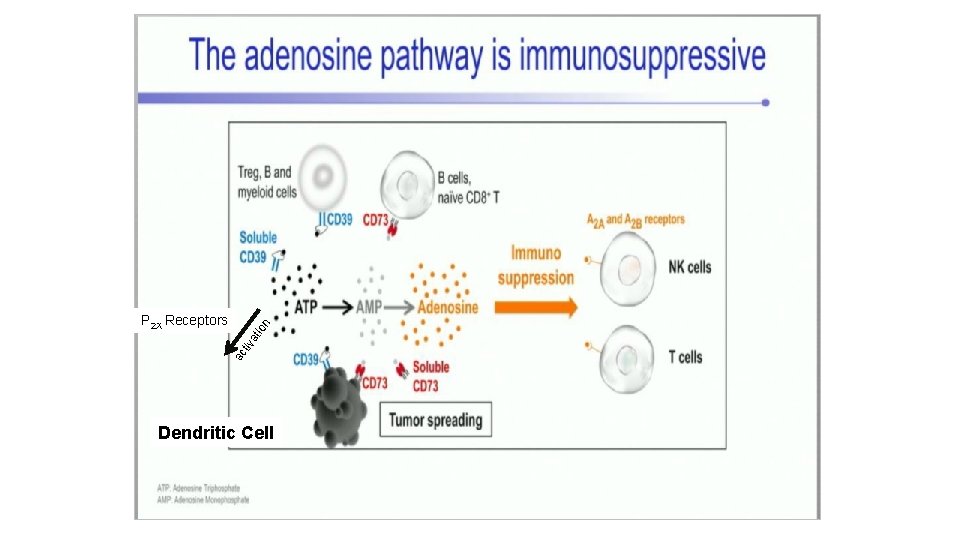
ion ac tiv at P 2 X Receptors Dendritic Cell
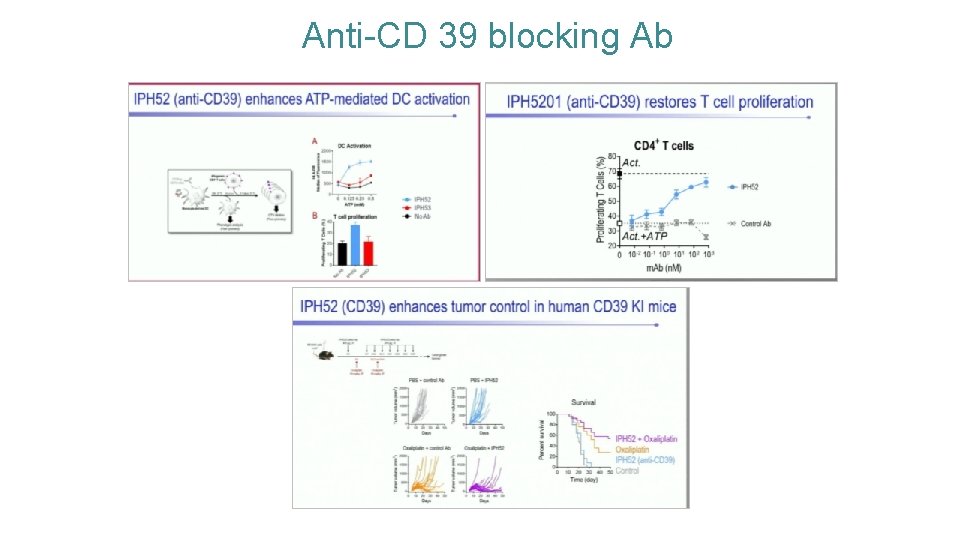
Anti-CD 39 blocking Ab
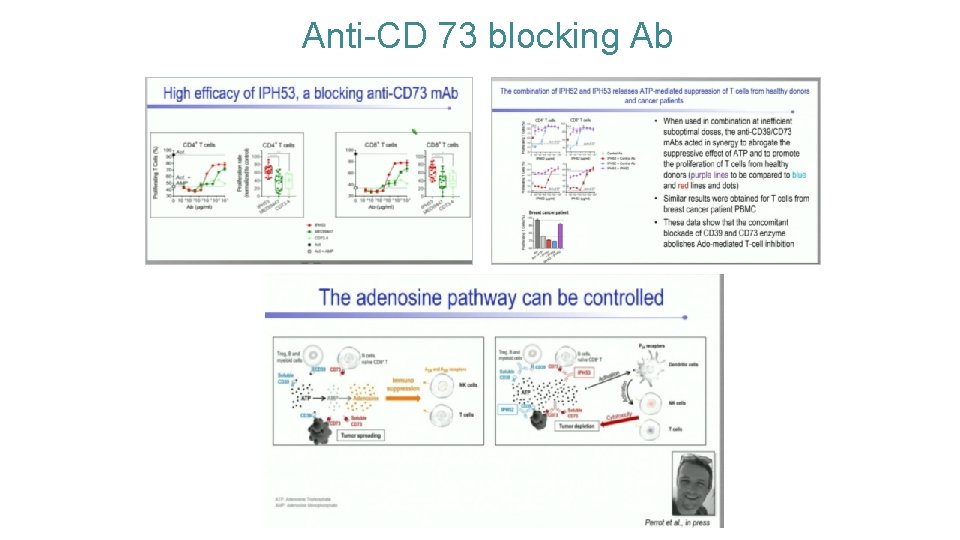
Anti-CD 73 blocking Ab
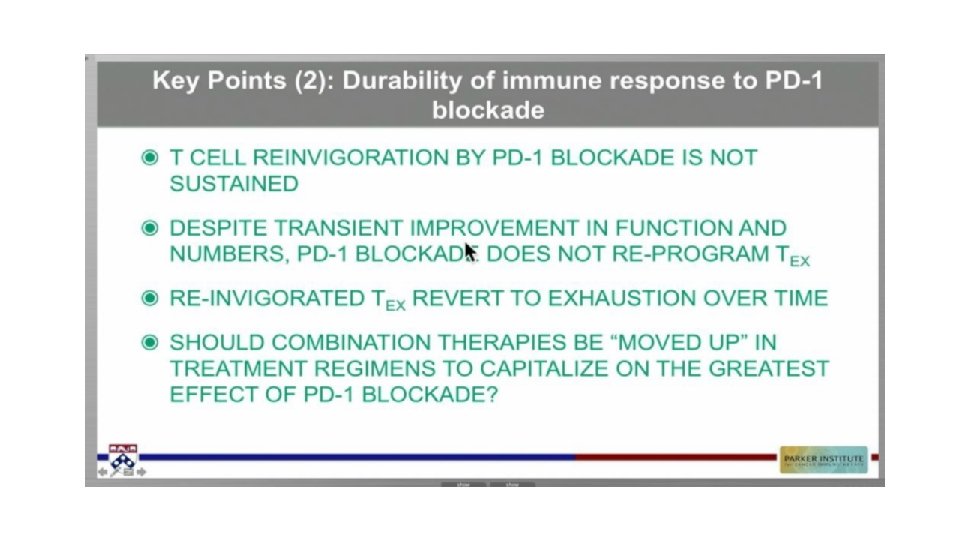
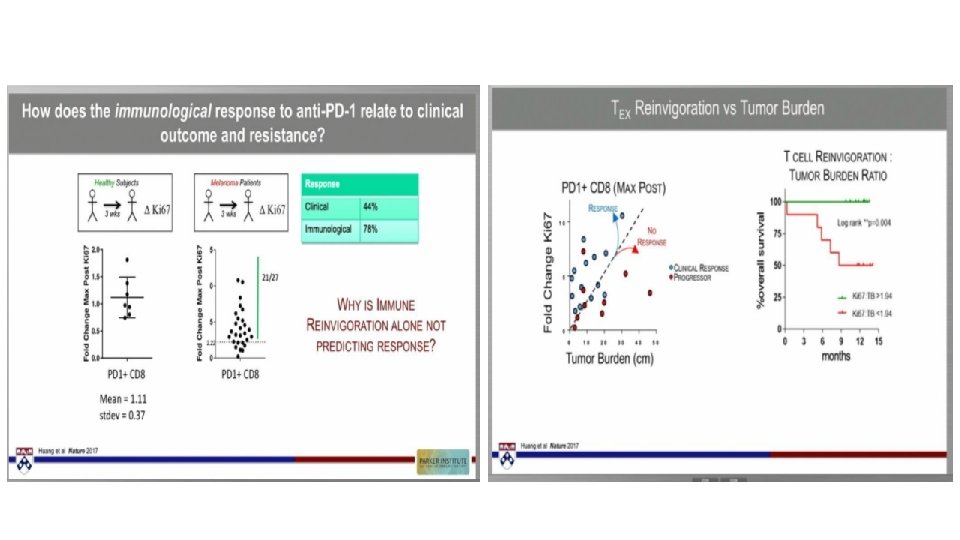
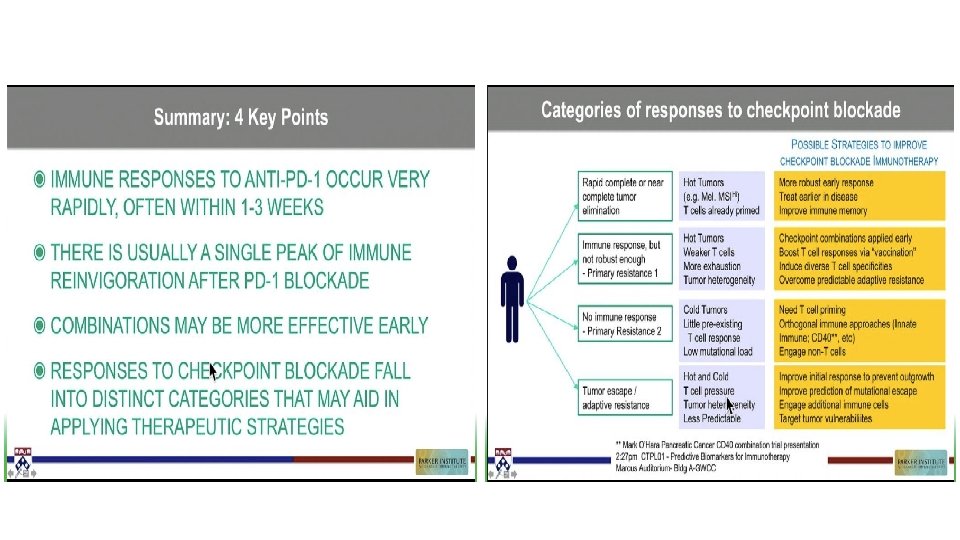
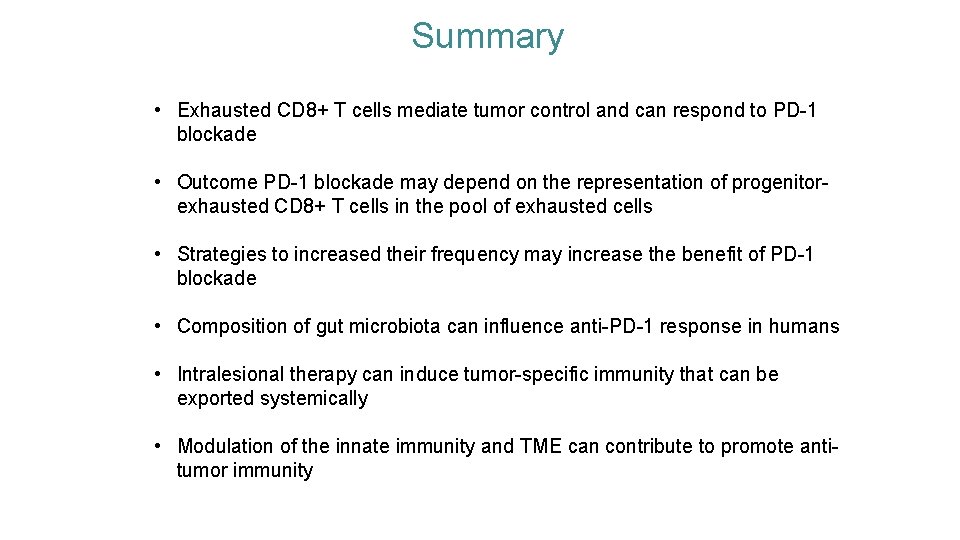
Summary • Exhausted CD 8+ T cells mediate tumor control and can respond to PD-1 blockade • Outcome PD-1 blockade may depend on the representation of progenitorexhausted CD 8+ T cells in the pool of exhausted cells • Strategies to increased their frequency may increase the benefit of PD-1 blockade • Composition of gut microbiota can influence anti-PD-1 response in humans • Intralesional therapy can induce tumor-specific immunity that can be exported systemically • Modulation of the innate immunity and TME can contribute to promote antitumor immunity