
ESTIMATING POPULATION SIZE Important in evaluating the health


- Slides: 15
ESTIMATING POPULATION SIZE Important in evaluating the health of ecosystem: Is organism threatened or endangered…. need protection? Wolves Over-running habitat…. Should Population be thinned ? Deer
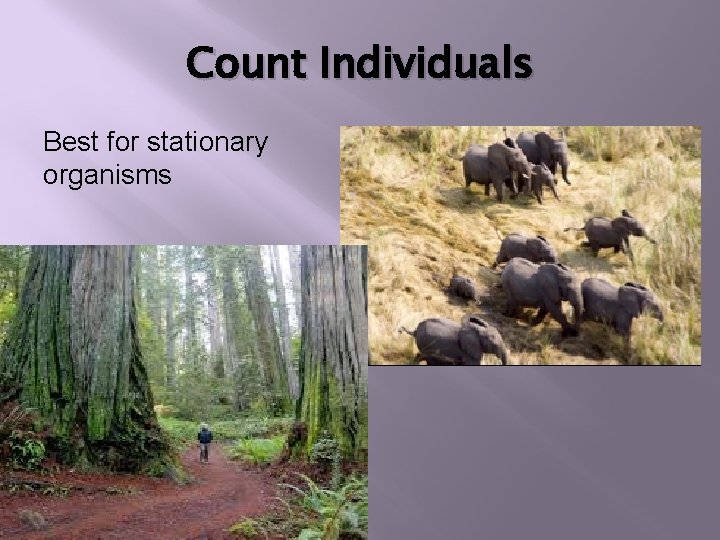
Count Individuals Best for stationary organisms
Yosemite Transect
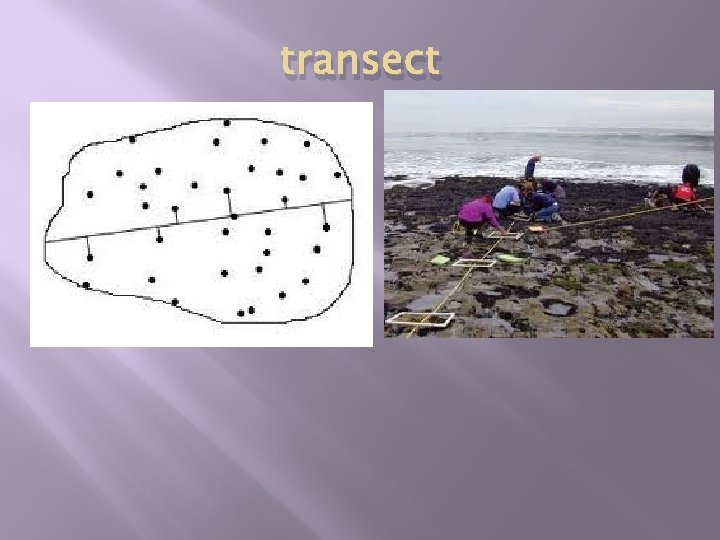
transect
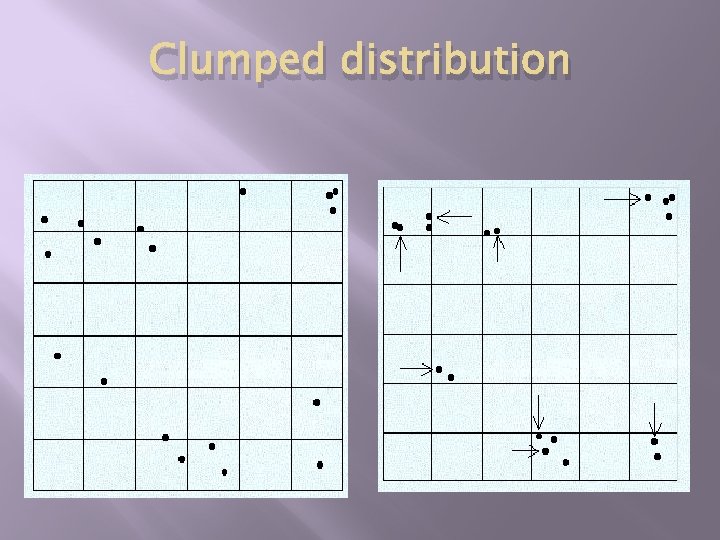
Clumped distribution
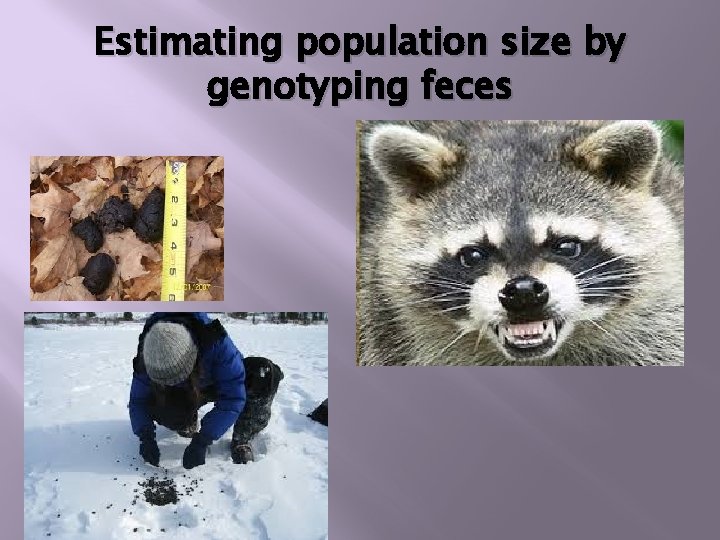
Estimating population size by genotyping feces
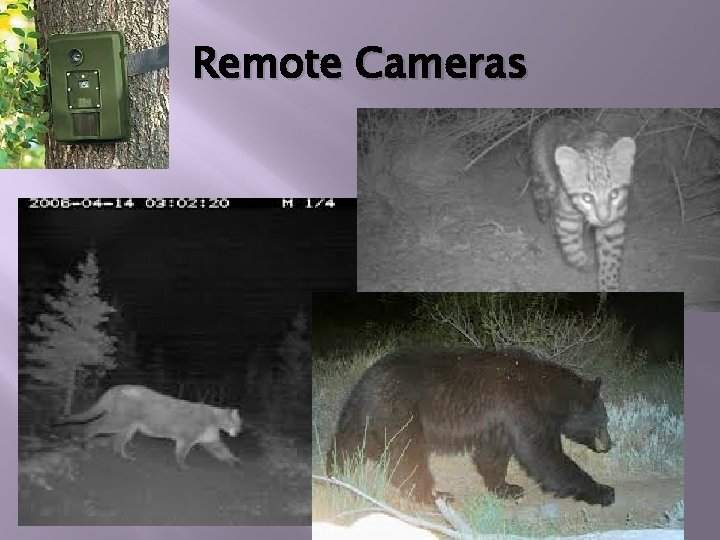
Remote Cameras
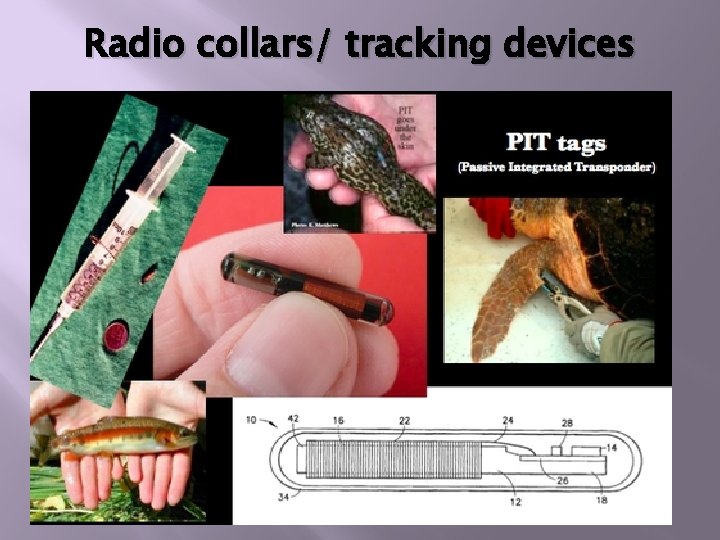
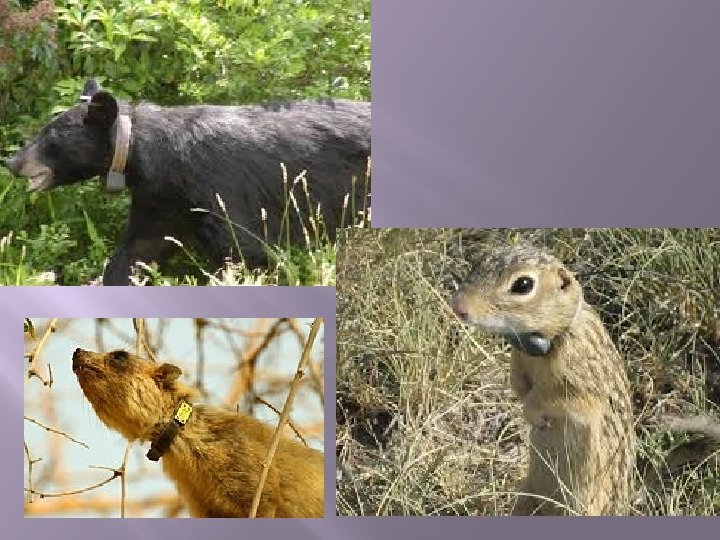
Radio collars/ tracking devices
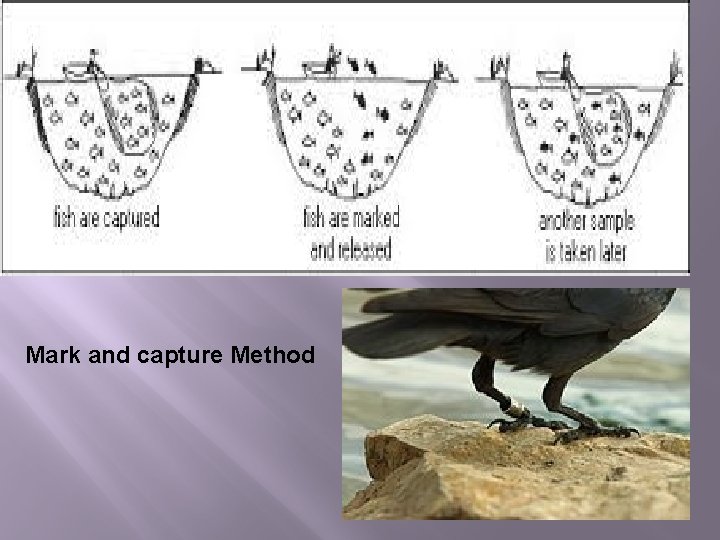
Mark and capture Method
Population Estimation Basic Sampling Techniques https: //www. youtube. com/watch? v=7 nr 9 r. Qpm 2 A 4 Tracking Snakes https: //www. youtube. com/watch? v=5 DR 50 Igv. E 7 g Mark and recapture bees https: //www. youtube. com/watch? v=l. Kyj 7 g. EAAS 8
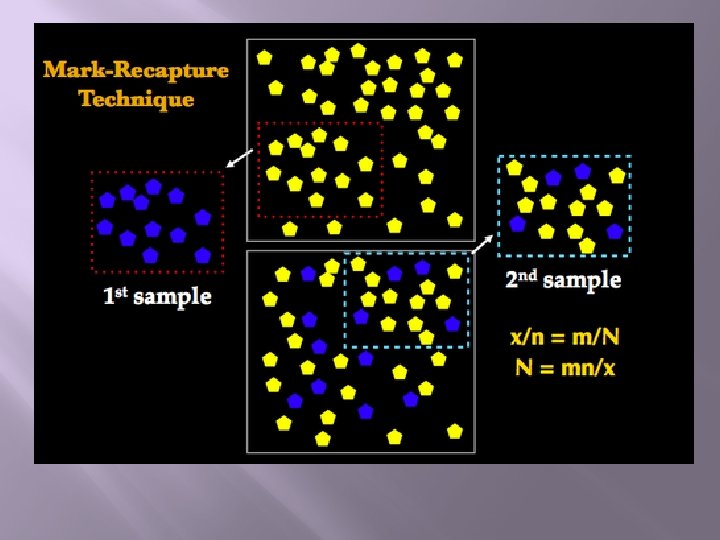
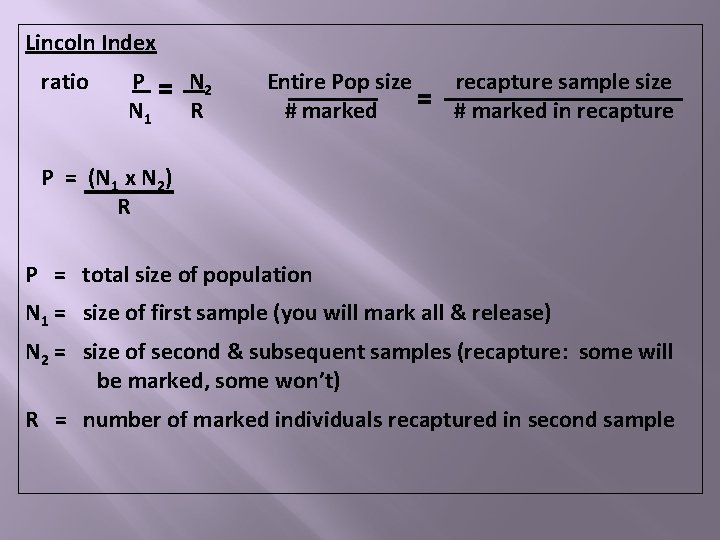
Lincoln Index ratio P = N 2 N 1 R Entire Pop size recapture sample size = # marked in recapture # marked P = (N 1 x N 2) R P = total size of population N 1 = size of first sample (you will mark all & release) N 2 = size of second & subsequent samples (recapture: some will be marked, some won’t) R = number of marked individuals recaptured in second sample
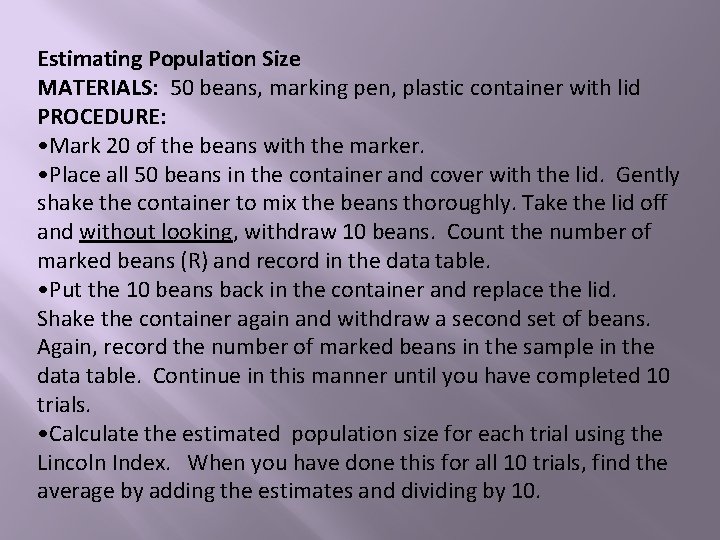
Estimating Population Size MATERIALS: 50 beans, marking pen, plastic container with lid PROCEDURE: • Mark 20 of the beans with the marker. • Place all 50 beans in the container and cover with the lid. Gently shake the container to mix the beans thoroughly. Take the lid off and without looking, withdraw 10 beans. Count the number of marked beans (R) and record in the data table. • Put the 10 beans back in the container and replace the lid. Shake the container again and withdraw a second set of beans. Again, record the number of marked beans in the sample in the data table. Continue in this manner until you have completed 10 trials. • Calculate the estimated population size for each trial using the Lincoln Index. When you have done this for all 10 trials, find the average by adding the estimates and dividing by 10.