
Estar Las Emociones ESTAR to be estoy estamos
Estar & Las Emociones
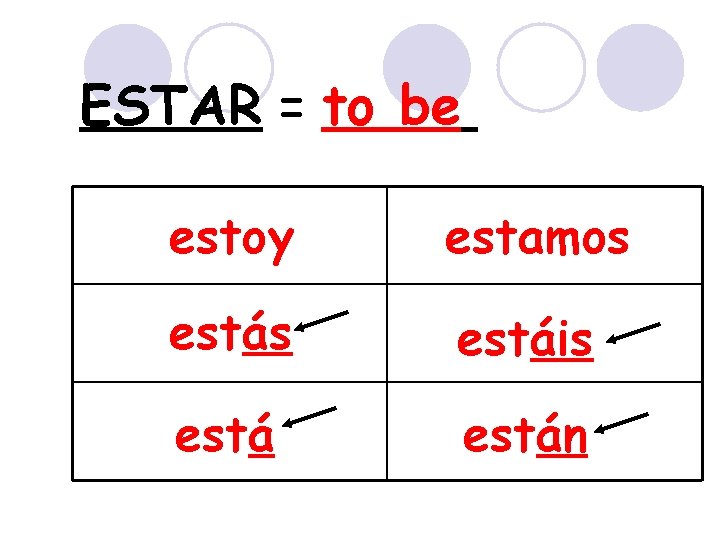
ESTAR = to be estoy estamos estáis están
El verbo estar l We know that ESTAR means to be, and we have used it to talk about: 1. Well-being (¿Cómo estás? ) 2. Location (Estoy en el café. )
El verbo estar l Today we will learn that ESTAR can also be used with adjectives to talk about: 1. Emotions 2. Conditions
REMEMBER: 1. ) Adjectives must agree with a noun in gender (masculine or feminine) and number (singular or plural). When an adjective ends in a letter other than “o” or “a” it stays the same for both males and females, like with inteligente(s).
REMEMBER: 2. ) To make adjectives plural: • add an -S to the end of the adjective if it ends in a VOWEL. • add an -ES to the end of the adjective if it ends in a CONSONANT.
Here a couple of adjectives / emotions that are commonly used with the verb ESTAR:
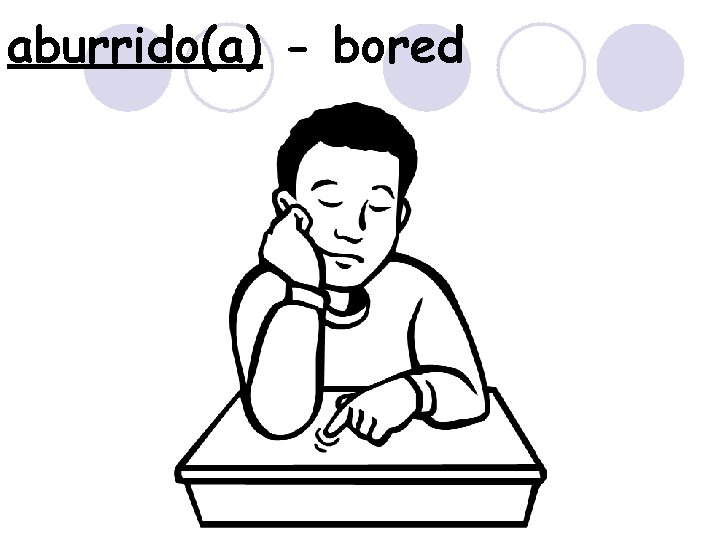
aburrido(a) - bored
alegre - happy
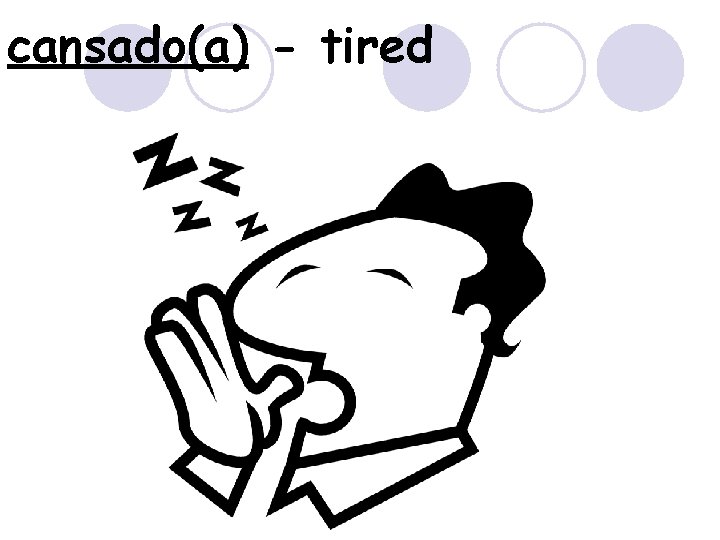
cansado(a) - tired
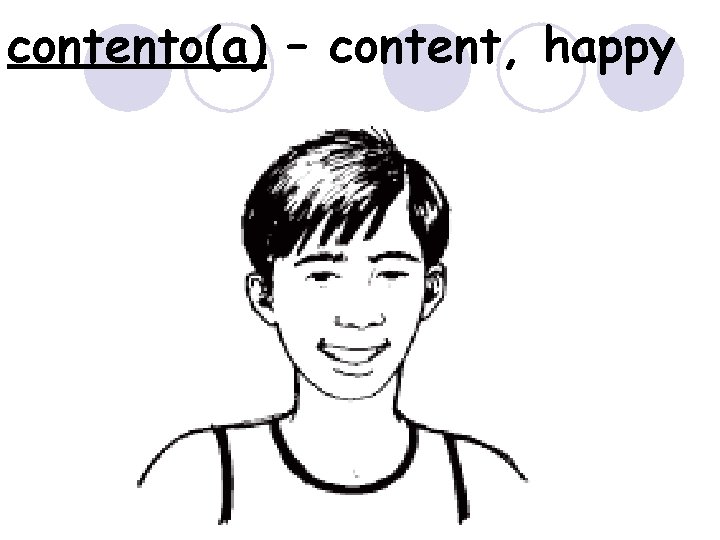
contento(a) – content, happy
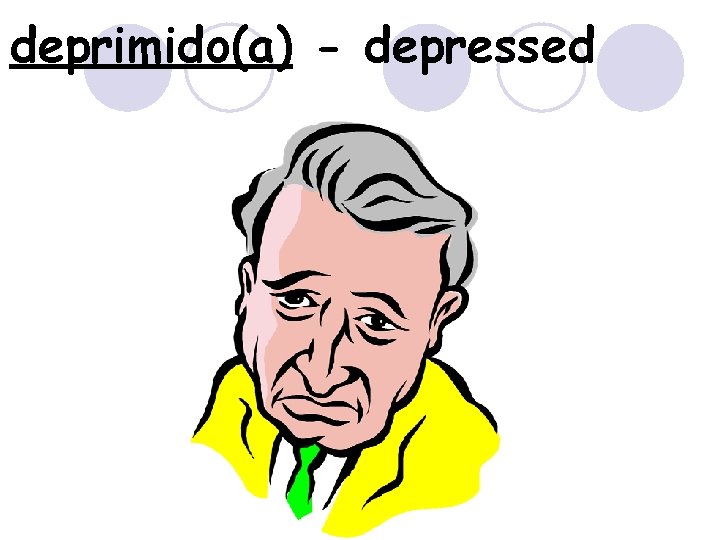
deprimido(a) - depressed
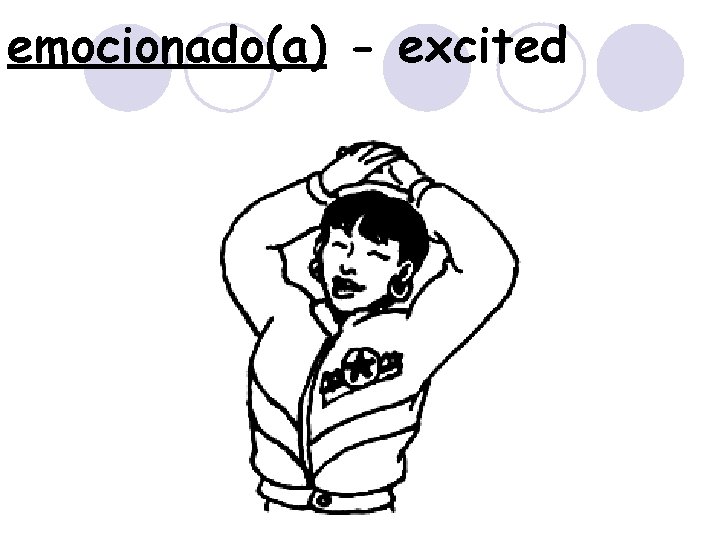
emocionado(a) - excited
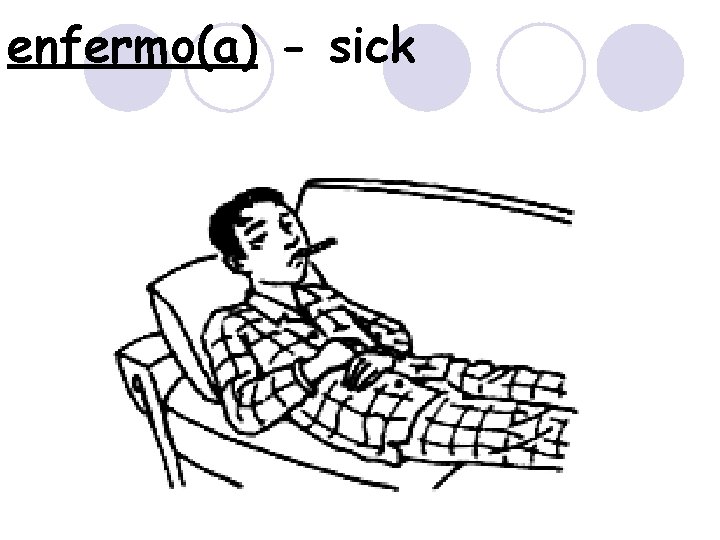
enfermo(a) - sick
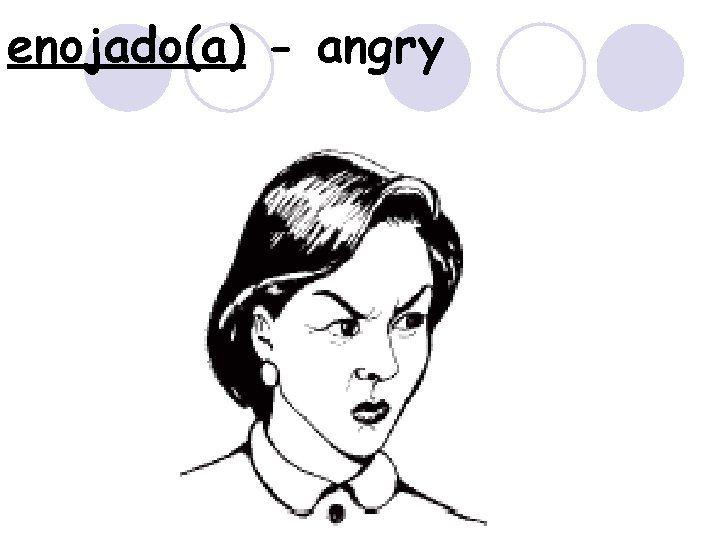
enojado(a) - angry
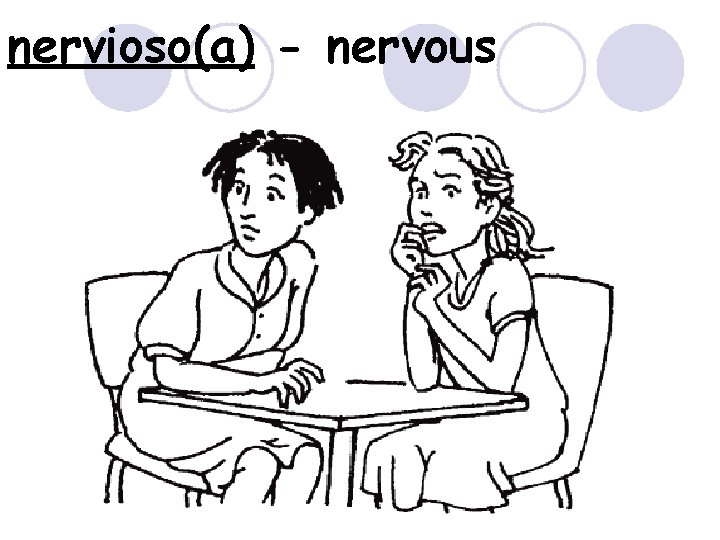
nervioso(a) - nervous
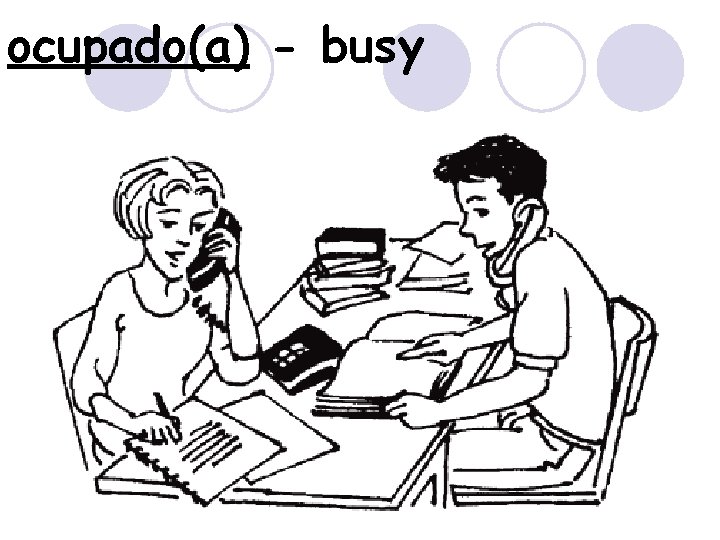
ocupado(a) - busy
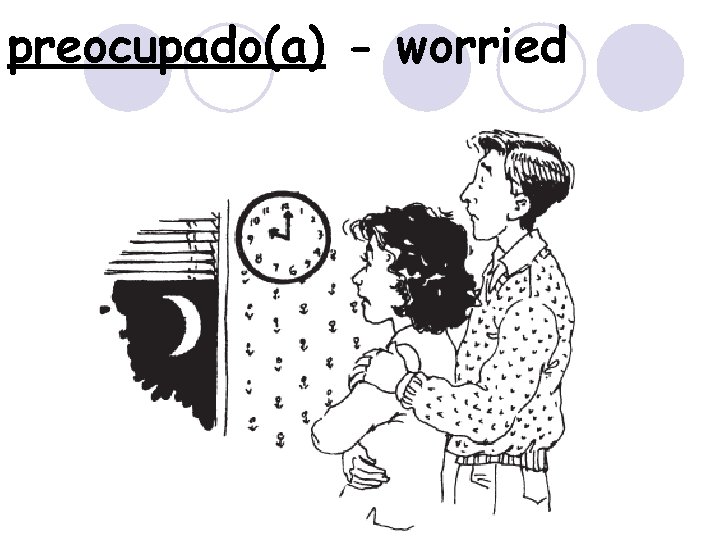
preocupado(a) - worried
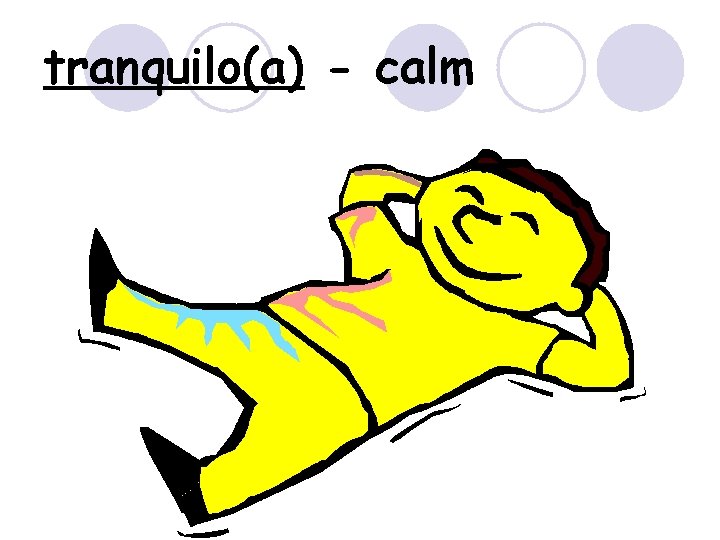
tranquilo(a) - calm
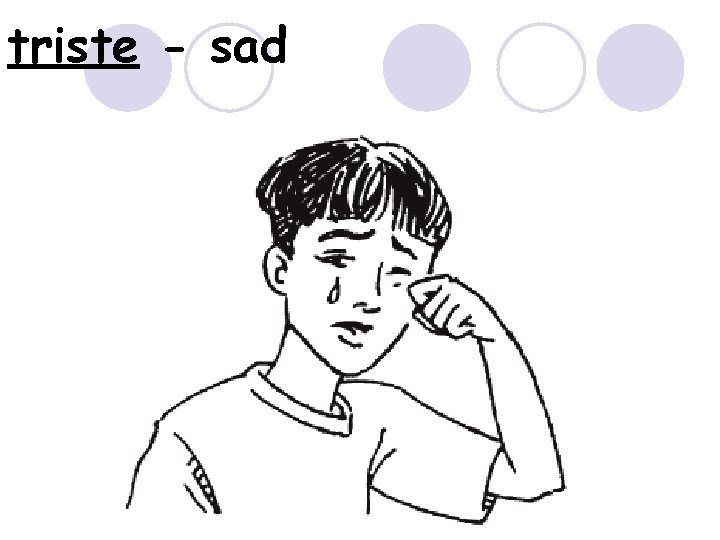
triste - sad
Let’s practice: Complete the following sentences in Spanish. In the first blank give the correct form of the verb ESTAR and in the second blank give the correct form of the emotion in parentheses in Spanish.
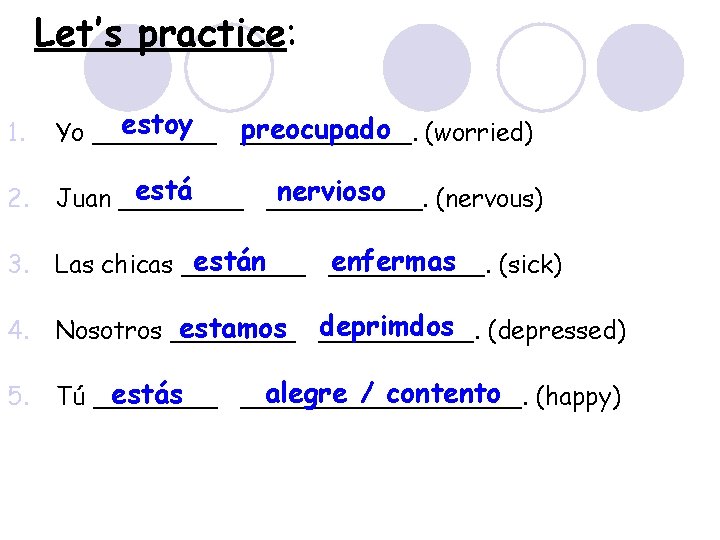
Let’s practice: 1. estoy preocupado (worried) Yo ___________. 2. está nervioso Juan __________. (nervous) 3. están enfermas Las chicas __________. (sick) 4. deprimdos (depressed) estamos _____. Nosotros ____ 5. alegre / contento (happy) estás Tú _____________.

¡EL FIN!
- Slides: 23