
Essentials of Care for the Elderly Trauma Patient





- Slides: 46
Essentials of Care for the “Elderly” Trauma Patient Stacy Vincent, RN Emergency Department Enloe Medical Center Chico, CA
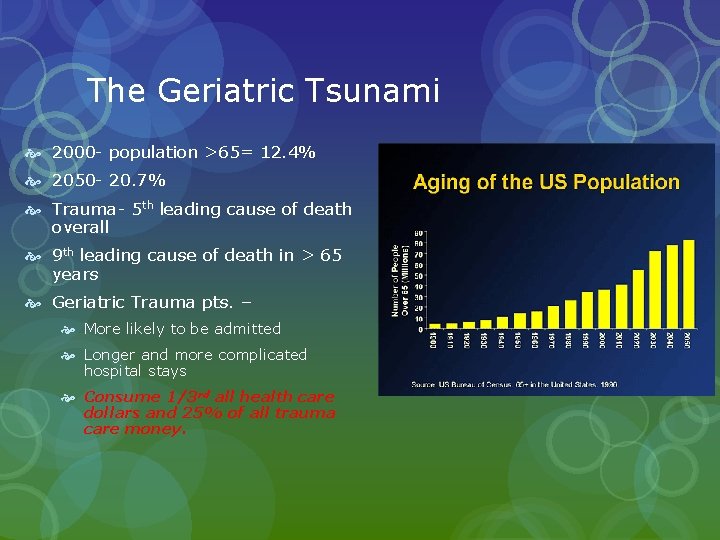
The Geriatric Tsunami 2000 - population >65= 12. 4% 2050 - 20. 7% Trauma- 5 th leading cause of death overall 9 th leading cause of death in > 65 years Geriatric Trauma pts. – More likely to be admitted Longer and more complicated hospital stays Consume 1/3 rd all health care dollars and 25% of all trauma care money.
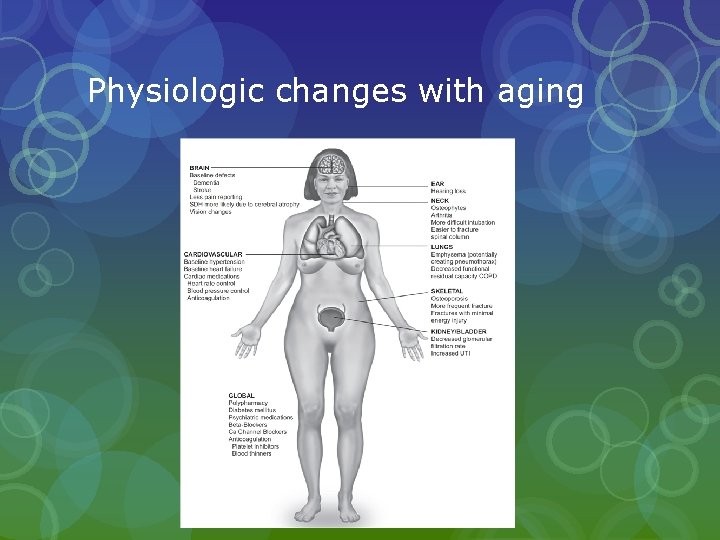
Physiologic changes with aging Progressive loss of functional reserve in each organ system. Diminished reserve + concomitant disease → ↓ability of the elderly trauma patient to absorb physical insult and subsequently recover.
Physiologic changes with aging
Predictors of morbidity and mortality Age ↑ Age →↑morbidity and mortality rates after trauma. Co-morbidities 80% of age>65 – at least one chronic medical condition 50% have at least two. Severity of injury Elderly patients tend to sustain more severe injuries, and ISS is one of the strongest predictors of mortality.
Pitfalls In Geriatric Trauma What the injured elderly would tell you (if they could) "Trauma is not really my major problem. " Stroke, myocardial infarction, and seizures may result from falls or motor vehicle crashes and delayed diagnosis of the principal underlying problem.
Pitfalls In Geriatric Trauma What the injured elderly would tell you (if they could) "Major trauma? Heck, I wouldn't even tolerate a brisk haircut. . . " Underestimating and undermanaging comorbidities (eg, chronic obstructive pulmonary disease, coronary artery disease, smoking, ethyl alcohol [ETOH] consumption) may result in preventable morbidity/mortality.
Pitfalls In Geriatric Trauma What the injured elderly would tell you (if they could) "A little medication goes a long way with me. . . " Failure to adjust medication dosage, particularly sedative-hypnotics and analgesics, may result in serious complications.
Pitfalls In Geriatric Trauma What the injured elderly would tell you (if they could) "I just haven't been eating so well lately. " Chronic malnutrition is common and often undiagnosed.
Pitfalls In Geriatric Trauma What the injured elderly would tell you (if they could) “I pee all the time and I never make any pee….
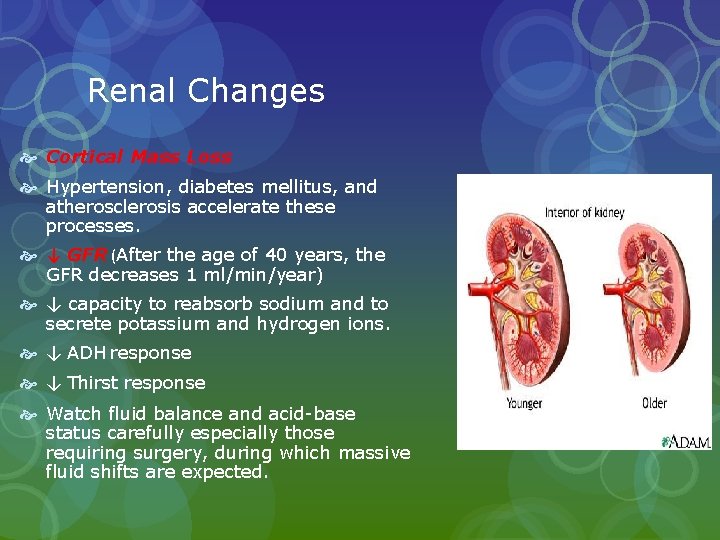
Renal Changes Cortical Mass Loss Hypertension, diabetes mellitus, and atherosclerosis accelerate these processes. ↓ GFR (After the age of 40 years, the GFR decreases 1 ml/min/year) ↓ capacity to reabsorb sodium and to secrete potassium and hydrogen ions. ↓ ADH response ↓ Thirst response Watch fluid balance and acid-base status carefully especially those requiring surgery, during which massive fluid shifts are expected.
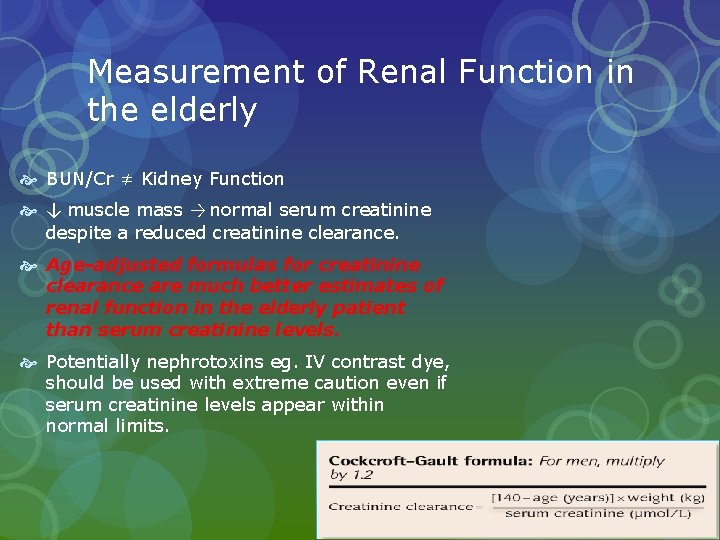
Measurement of Renal Function in the elderly BUN/Cr ≠ Kidney Function ↓ muscle mass → normal serum creatinine despite a reduced creatinine clearance. Age-adjusted formulas for creatinine clearance are much better estimates of renal function in the elderly patient than serum creatinine levels. Potentially nephrotoxins eg. IV contrast dye, should be used with extreme caution even if serum creatinine levels appear within normal limits.
Pitfalls In Geriatric Trauma What the injured elderly would tell you (if they could) "I get demand ischemia if I have too much pain or my hematocrit drops below 29. " Myocardial (demand) ischemia may result from severe or prolonged pain or from transfusion thresholds that have not been appropriately liberalized in the setting of coronary artery disease. "I can't stand even a little shock or hypoxia. . . and neither can my myocardium. " Even minor perturbations in perfusion, oxygenation, or vasoconstriction may lead to major cardiac complications.
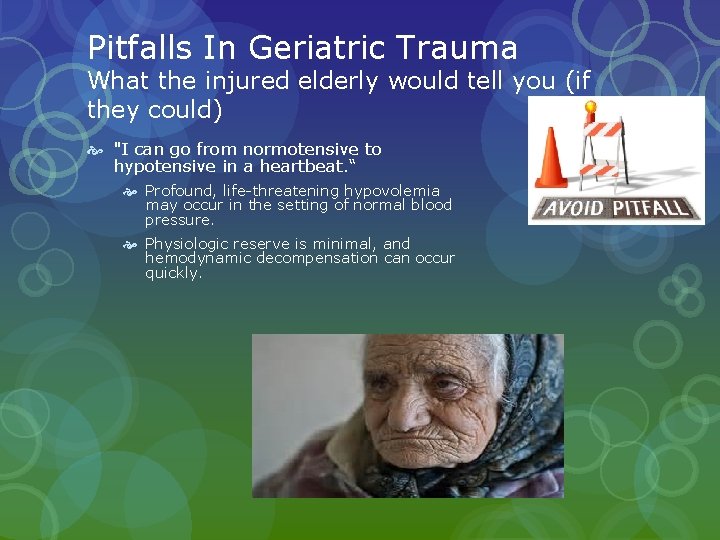
Pitfalls In Geriatric Trauma What the injured elderly would tell you (if they could) "I can go from normotensive to hypotensive in a heartbeat. “ Profound, life-threatening hypovolemia may occur in the setting of normal blood pressure. Physiologic reserve is minimal, and hemodynamic decompensation can occur quickly.
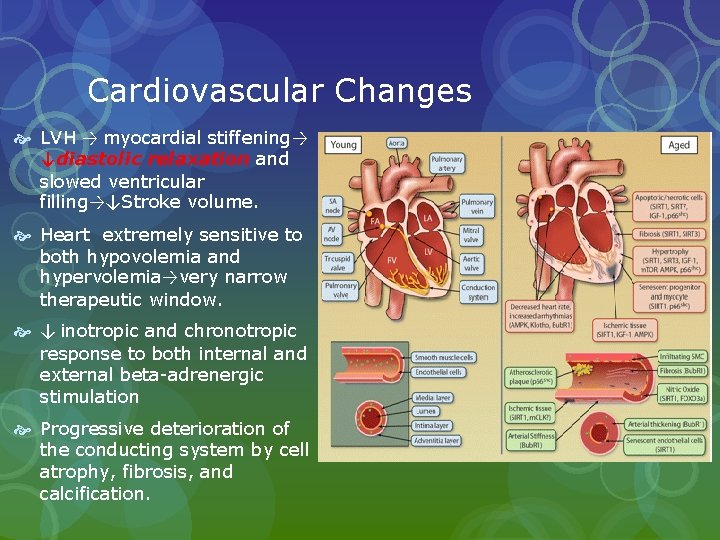
Cardiovascular Changes LVH → myocardial stiffening→ ↓diastolic relaxation and slowed ventricular filling→↓Stroke volume. Heart extremely sensitive to both hypovolemia and hypervolemia→very narrow therapeutic window. ↓ inotropic and chronotropic response to both internal and external beta-adrenergic stimulation Progressive deterioration of the conducting system by cell atrophy, fibrosis, and calcification.
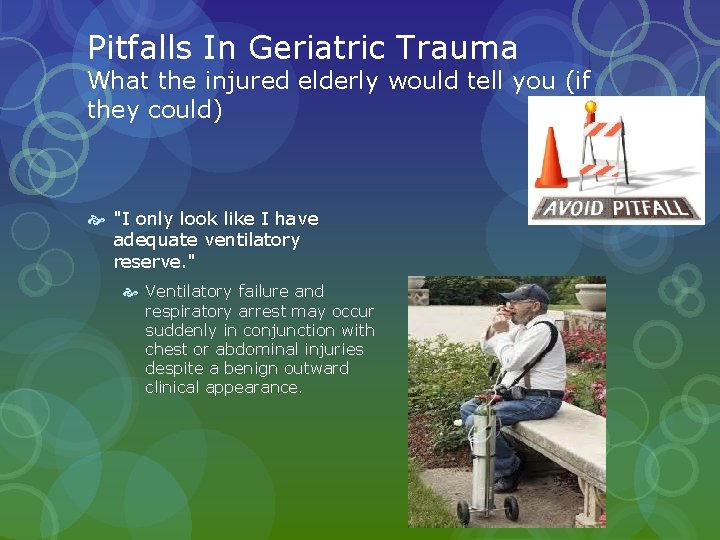
Pitfalls In Geriatric Trauma What the injured elderly would tell you (if they could) "I only look like I have adequate ventilatory reserve. " Ventilatory failure and respiratory arrest may occur suddenly in conjunction with chest or abdominal injuries despite a benign outward clinical appearance.
Pulmonary Changes Calcified Costal cartilage → chest wall rigidity → ↓ lung compliance. Respiratory muscle atrophy ↑ reliance on diaphragm function and abdominal musculature for breathing. ↓ Forced vital capacity and FEV 1. Fusion of adjacent alveoli → ↓ surface tension forces → ↓pulmonary elastic recoil. Thickening of the alveolar basement membrane → ↓ gas-diffusing capability → V/Q mismatch + ↑ alveolar-arterial oxygen gradients. ↓ airway sensitivity and efficiency of the mucociliary clearance mechanism.
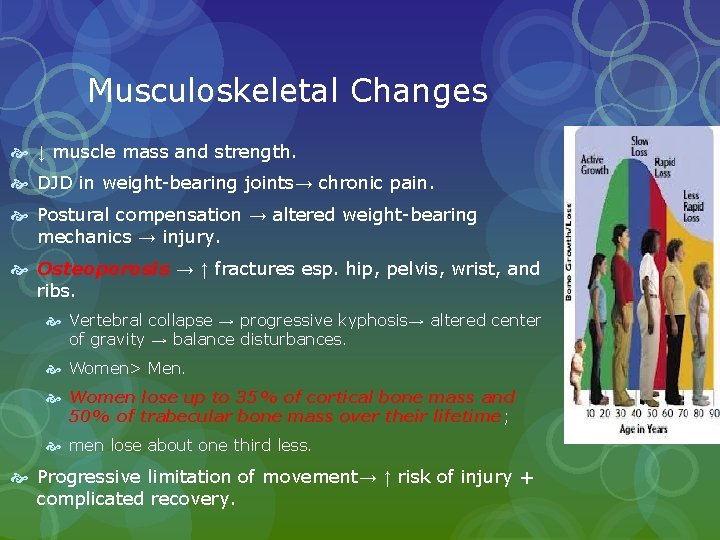
Musculoskeletal Changes ↓ muscle mass and strength. DJD in weight-bearing joints→ chronic pain. Postural compensation → altered weight-bearing mechanics → injury. Osteoporosis → ↑ fractures esp. hip, pelvis, wrist, and ribs. Vertebral collapse → progressive kyphosis→ altered center of gravity → balance disturbances. Women> Men. Women lose up to 35% of cortical bone mass and 50% of trabecular bone mass over their lifetime; men lose about one third less. Progressive limitation of movement→ ↑ risk of injury + complicated recovery.
Skin changes Skin trauma is common. Thin skin → ↑ tears and lacerations even with relatively minor trauma. May be very difficult to repair and often require débridement of devitalized tissue. Prolonged immobilization on a backboard or in a C-collar → decubitus ulcers of the back, buttock, or occiput. Tetanus prone due to lapses in immunization.
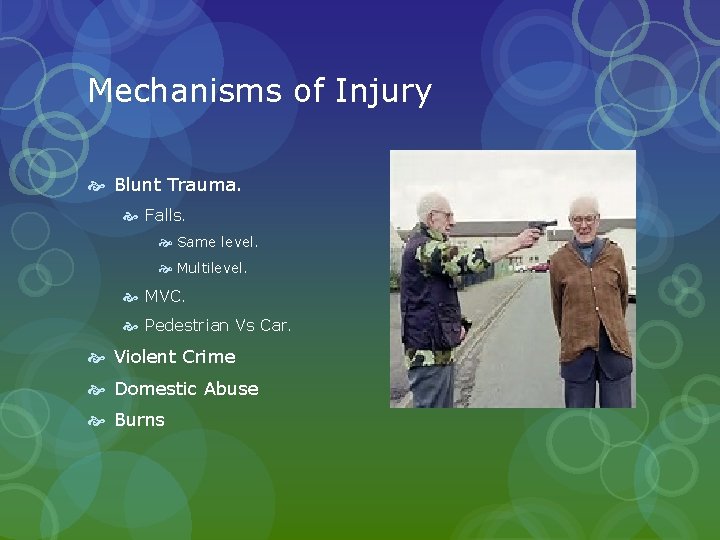
Mechanisms of Injury Blunt Trauma. Falls. Same level. Multilevel. MVC. Pedestrian Vs Car. Violent Crime Domestic Abuse Burns
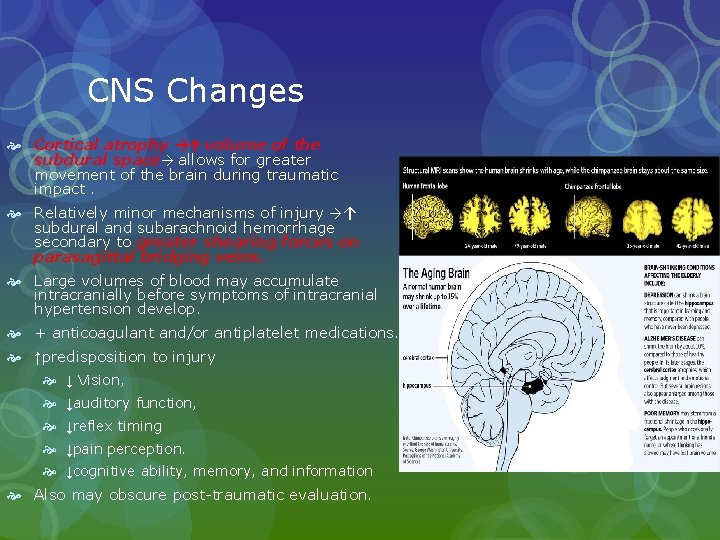
CNS Changes Cortical atrophy →↑ volume of the subdural space→ allows for greater movement of the brain during traumatic impact. Relatively minor mechanisms of injury →↑ subdural and subarachnoid hemorrhage secondary to greater shearing forces on parasagittal bridging veins. Large volumes of blood may accumulate intracranially before symptoms of intracranial hypertension develop. + anticoagulant and/or antiplatelet medications. ↑predisposition to injury ↓ Vision, ↓auditory function, ↓reflex timing ↓pain perception. ↓cognitive ability, memory, and information Also may obscure post-traumatic evaluation.
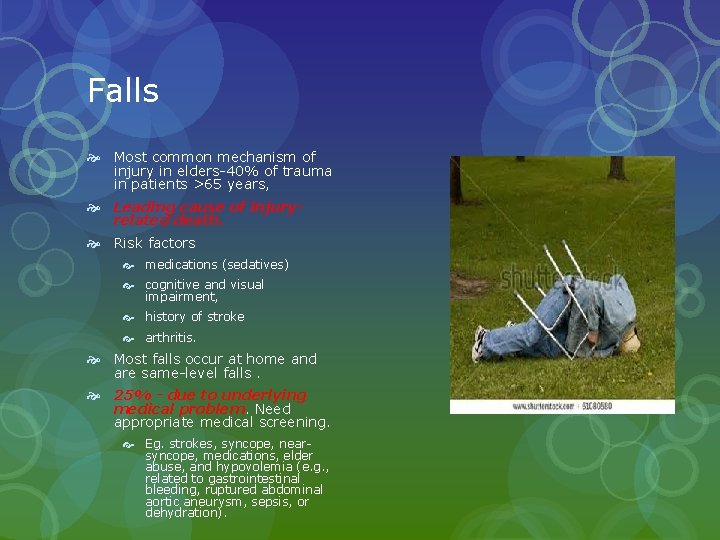
Falls Most common mechanism of injury in elders-40% of trauma in patients >65 years, Leading cause of injuryrelated death. Risk factors medications (sedatives) cognitive and visual impairment, history of stroke arthritis. Most falls occur at home and are same-level falls. 25% - due to underlying medical problem. Need appropriate medical screening. Eg. strokes, syncope, nearsyncope, medications, elder abuse, and hypovolemia (e. g. , related to gastrointestinal bleeding, ruptured abdominal aortic aneurysm, sepsis, or dehydration).
Falls Fractures- most common injuries –. . in 5 to 10% of fall victims. ≤ 10% of patients -major injury esp. head injury. + anticoagulants → ↑ susceptibility to significant head injury. + Head CT in 16%, 1 in 50 require neurosurgery. The greater the height of the fall, the more likely the patient is to have an abnormal CT scan, Serious head injuries may also be seen in patients who suffer a same-level fall. Peri-injury mortality =12%, 50% die within 1 year of the fall, often related to either recurrent falls or significant medical complications.
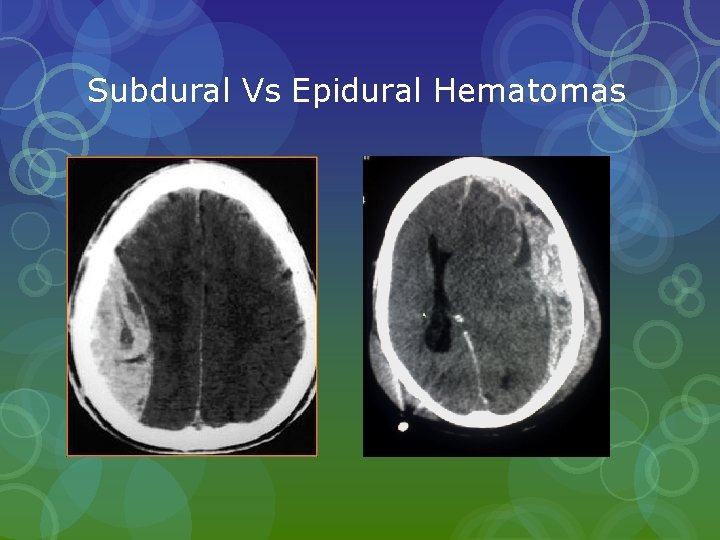
Head Injuries Head injuries -most common cause of mortality directly related to trauma. Most common mechanism -falls. Epidural hematomas Rare because of the adherence of the dura mater to the inside of the skull. Cerebral contusions up to 1/3 rd head-injured elder patients Subdural hematomas more common with age. Atrophied brain is more mobile within the skull, and head trauma may result in shearing of bridging veins. Variable Clinical Presentation- ALOC Vs Normal Neuro status.
Head Injuries Mortality = 2 X that of younger patients Mortality from subdural hematoma = 4 X than in younger patients. Often need Rehab. Head CT -diagnostic test of choice for brain injury + contrast study - if the injury is 7 to 20 days old an isodense subdural hematoma is suspected. Magnetic resonance imaging (MRI-alternative in these patients when the injury is subacute and an isodense lesion is suspected.
Subdural Vs Epidural Hematomas
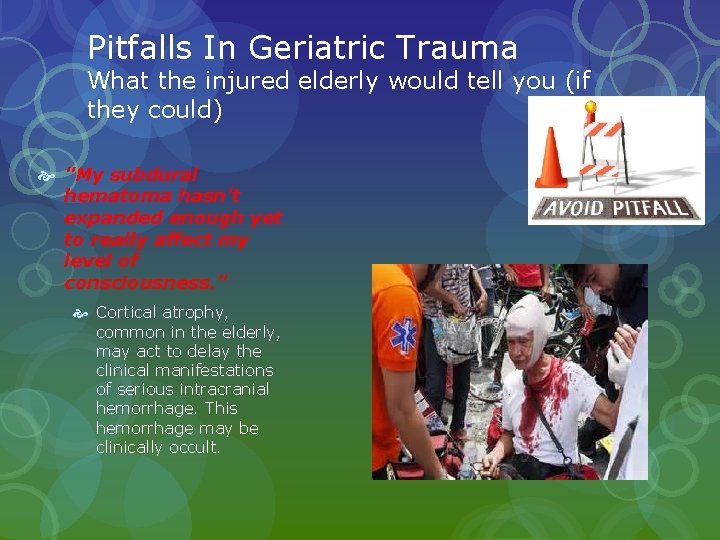
Pitfalls In Geriatric Trauma What the injured elderly would tell you (if they could) "My subdural hematoma hasn't expanded enough yet to really affect my level of consciousness. " Cortical atrophy, common in the elderly, may act to delay the clinical manifestations of serious intracranial hemorrhage. This hemorrhage may be clinically occult.
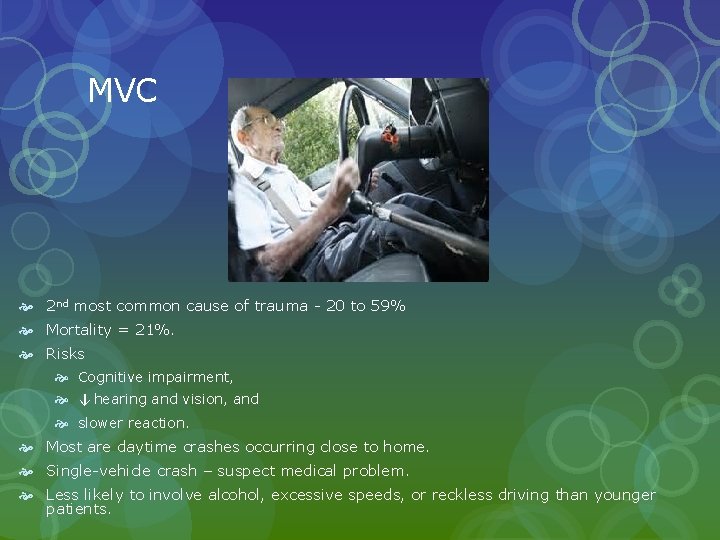
MVC 2 nd most common cause of trauma - 20 to 59% Mortality = 21%. Risks Cognitive impairment, ↓ hearing and vision, and slower reaction. Most are daytime crashes occurring close to home. Single-vehicle crash – suspect medical problem. Less likely to involve alcohol, excessive speeds, or reckless driving than younger patients.
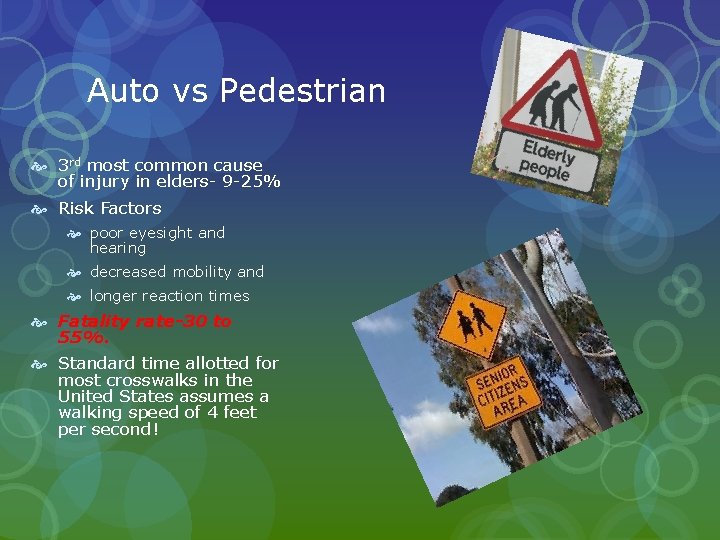
Auto vs Pedestrian 3 rd most common cause of injury in elders- 9 -25% Risk Factors poor eyesight and hearing decreased mobility and longer reaction times Fatality rate-30 to 55%. Standard time allotted for most crosswalks in the United States assumes a walking speed of 4 feet per second!
Violent Crime 10% of all geriatric trauma admissions. 6% of all assault victims in US 5 X more likely to die Attacks primarily involve blunt instruments. Penetrating injuries via knife or firearm are increasing in frequency - recently reported by the CDC to account for over 50% of assault related fatal injuries in the elderly.
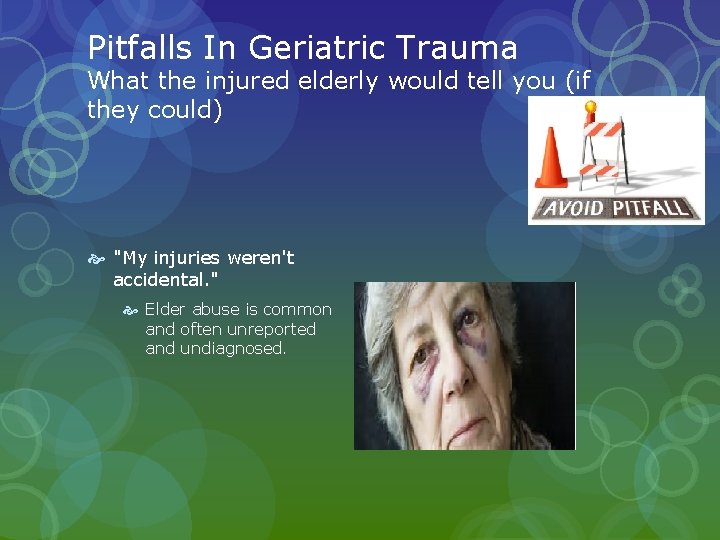
Pitfalls In Geriatric Trauma What the injured elderly would tell you (if they could) "My injuries weren't accidental. " Elder abuse is common and often unreported and undiagnosed.
Domestic abuse True magnitude clouded by variances in legal definitions and reporting accuracy. The National Aging Resource Center on Elder Abuse estimated in 1998 that only 1 in 15 cases of geriatric abuse is reported. Often a result of denial -victim as well as the abuser. >2 million cases per year in the US involving up to 6% of the elderly population. Reasons Longer life expectancy Altered family dynamics Financial difficulties Females > males > 80 = 2 -3 X than those between 65 and 80. Similar to child abuse, detection mandates a high degree of suspicion, especially when there are signs of physical injury or neglect that are inconsistent with the mechanism described.
Pitfalls In Geriatric Trauma What the injured elderly would tell you (if they could) "The sensitivity of my abdominal examination is better than flipping a coin. . . but not much. " Clinical manifestations of serious abdominal injury in elderly patients are often minimal. Reliance on the abdominal examination often leads to missed abdominal injuries.
Abdominal Injuries Depending on the mechanism of injury, up to 30% of elder trauma patients may suffer a significant intraabdominal injury Abdominal examination may be unreliable Mortality from abdominal injuries = X 4 -5 than younger pts. FAST CT
Pitfalls In Geriatric Trauma What the injured elderly would tell you (if they could) "My bones are brittle. . . my hip bone, my shin bone, and my aortic bone!" Blunt Aortic Injury may occur in the elderly in the absence of conventional signs or symptoms. A low threshold for CT imaging should exist.
Extremity Injuries Musculoskeletal system - most commonly injured organ system By the age of 75 years, 30 to 70% of patients with osteoporosis - + fracture. ↓ daily activities May need admission Pain control Home support or rehabilitation.
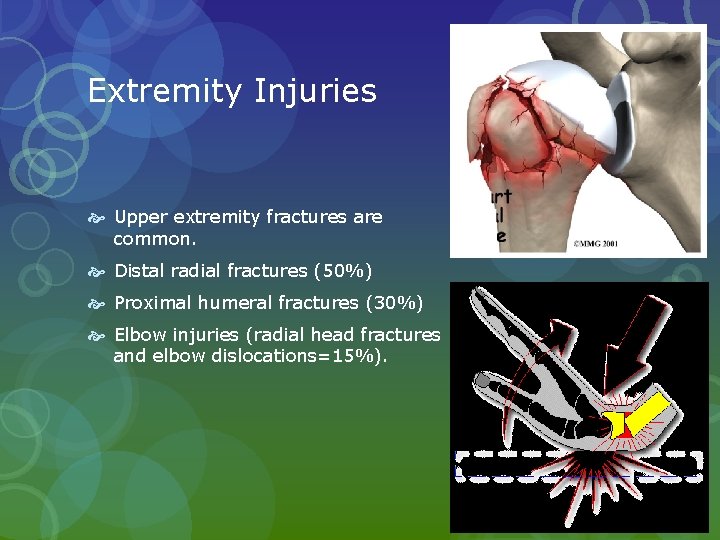
Extremity Injuries Upper extremity fractures are common. Distal radial fractures (50%) Proximal humeral fractures (30%) Elbow injuries (radial head fractures and elbow dislocations=15%).
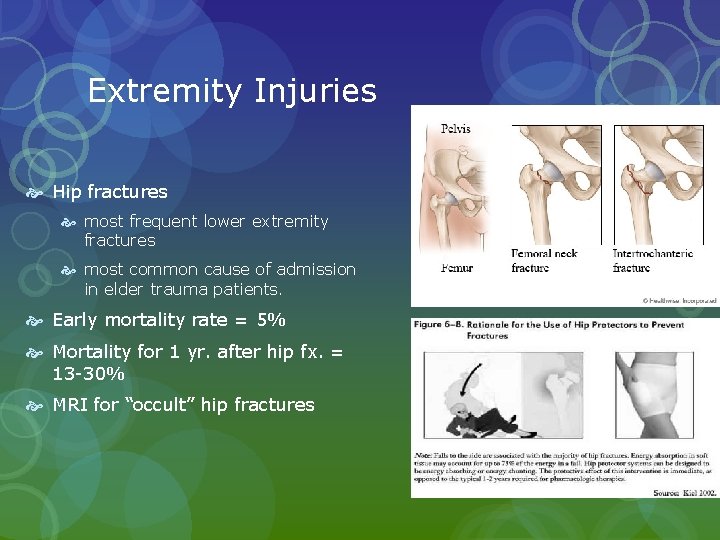
Extremity Injuries Hip fractures most frequent lower extremity fractures most common cause of admission in elder trauma patients. Early mortality rate = 5% Mortality for 1 yr. after hip fx. = 13 -30% MRI for “occult” hip fractures
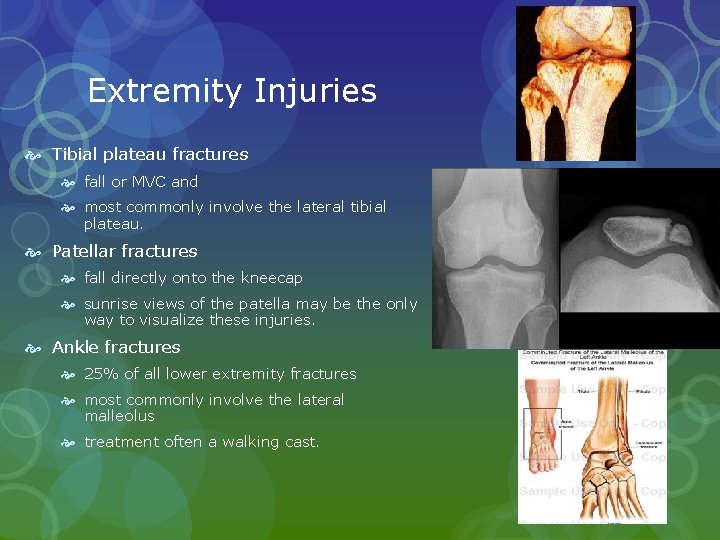
Extremity Injuries Tibial plateau fractures fall or MVC and most commonly involve the lateral tibial plateau. Patellar fractures fall directly onto the kneecap sunrise views of the patella may be the only way to visualize these injuries. Ankle fractures 25% of all lower extremity fractures most commonly involve the lateral malleolus treatment often a walking cast.
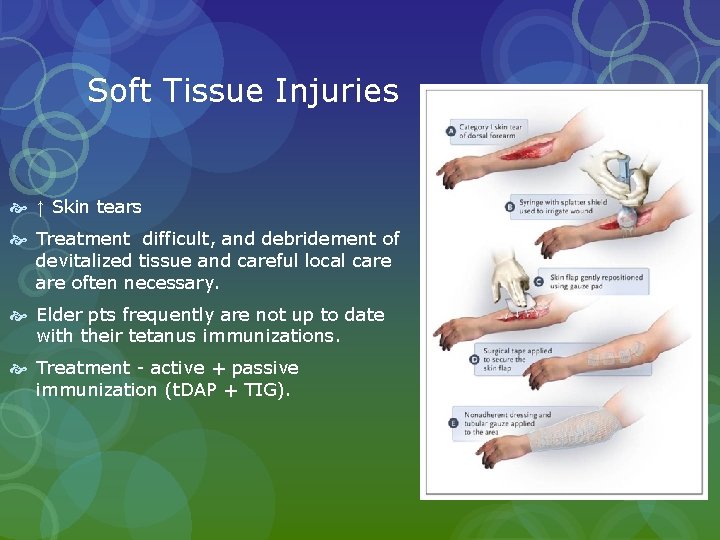
Soft Tissue Injuries ↑ Skin tears Treatment difficult, and debridement of devitalized tissue and careful local care often necessary. Elder pts frequently are not up to date with their tetanus immunizations. Treatment - active + passive immunization (t. DAP + TIG).
Burns >90% of burns occur at home Living alone + decreased reaction times → deeper and more extensive burns Flame burns -50% of all burns + 20% of burn-related deaths. Some are cooking related; Scalds = 19% Flammable liquid burns = 10%. ↑ mortality = 30% Baux’s formula (risk of mortality = age in years + % body surface area burned). Prognosis better since 1980 s ↓ immunocompetence Exacerbation of underlying medical conditions precipitated by the stress of an extensive burn injury and its treatment.
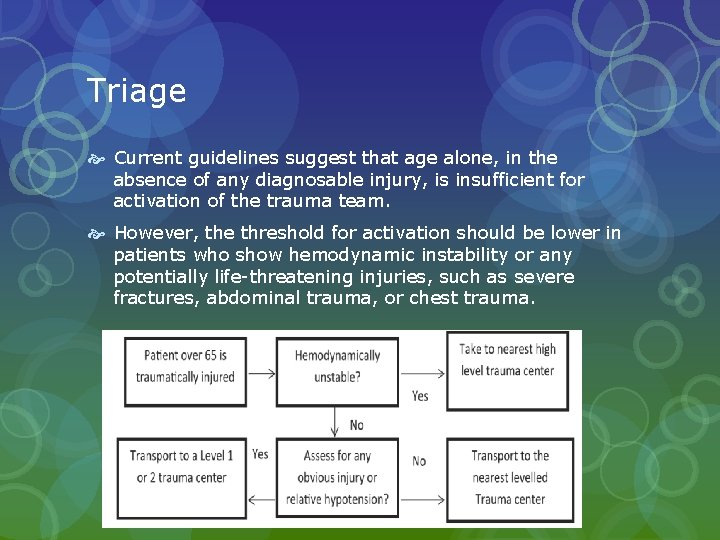
Triage Current guidelines suggest that age alone, in the absence of any diagnosable injury, is insufficient for activation of the trauma team. However, the threshold for activation should be lower in patients who show hemodynamic instability or any potentially life-threatening injuries, such as severe fractures, abdominal trauma, or chest trauma.
Age as a trauma center triage criterion One possible cause of the under triage of elderly trauma patients is the late presentation of physical findings indicating hypovolemia. Demetriades D, Sava J, Alo K, et al. Old age as a criterion for trauma team activation. J Trauma 2001; 51: 754– 6 63% did not meet the standard hemodynamic criteria for trauma team activation Demetriades D, Karaiskakis M, Velmahos G, et al. Effect on outcome of early intensive management of geriatric trauma patients. Br J Surg 2002; 89: 1319– 22. ↓ mortality rate when age >70 was added as a criterion for trauma team activation.
Withdrawal of care Withholding and withdrawing life support in hopelessly ill geriatric trauma patients is a necessity. The challenge is identification of the hopelessly ill patients. Decisions to limit ICU care should be based on the following principles : 1. Every patient deserves a precise diagnosis. 2. The prognosis often is uncertain. 3. Each decision should be based on a risk-benefit analysis for patients. 4. Patient autonomy is paramount. 5. Due deliberation prior to decision. 6. Communicating with patients, families, and professional colleagues. 7. Framing the discussion within families’ cultural context. 8. Achieving consensus before a final decision. Schecter WP. Withdrawing and withholding life support in geriatric surgical patients. Ethical considerations. Surg Clin North Am 1994; 74: 245– 59.
Conclusions Elder patients are more susceptible to injuries than younger patients and have a higher mortality rate for any given injury. Mechanisms of injury are different in elders than in younger patients. Elder patients are more likely to sustain their injury from a fall, an MVC, or an auto versus pedestrian incident than from an assault. Physiologic changes that occur with aging alter the way in which these patients may manifest significant injuries as well as how they tolerate these injuries. Emergency providers must remember that elder trauma patients may have suffered a medical event that precipitated their trauma, or vice versa, and evaluate patients accordingly. Resuscitation of elder trauma patients requires oxygen supplementation, a lower threshold for advanced airway control (endotracheal intubation), and aggressive but judicious fluid and blood resuscitation with frequent reevaluation.
THANK YOU!