
Essential Standard 1 Types of Cells Eukaryotic cell
- Slides: 23
Essential Standard 1
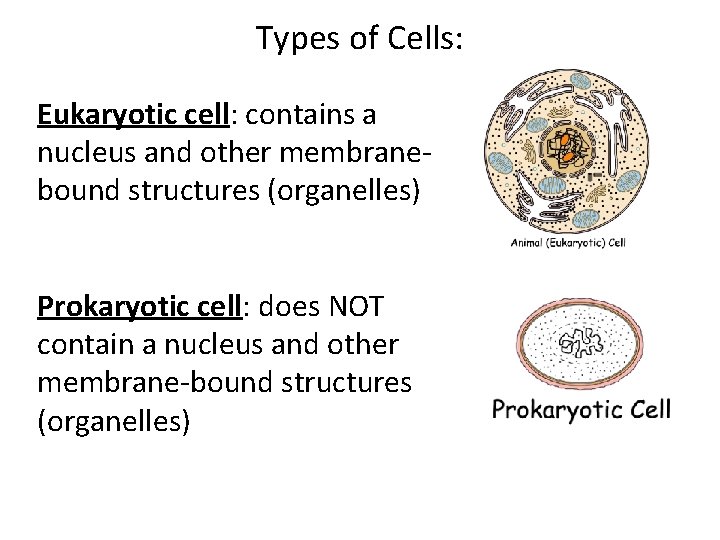
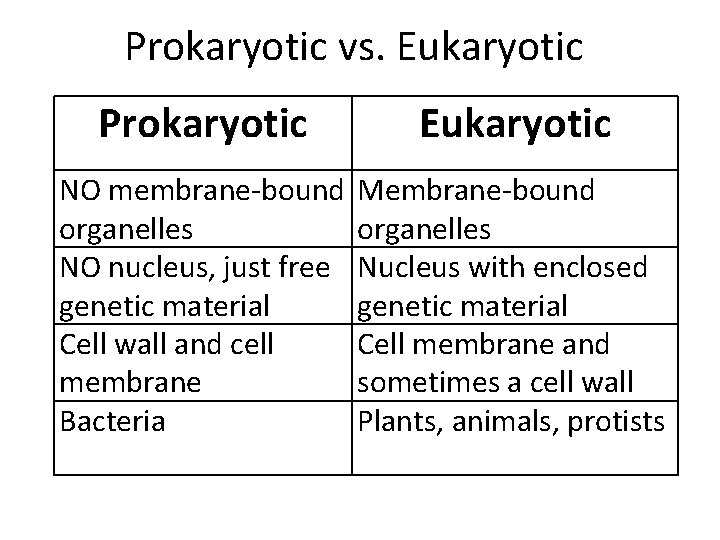
Types of Cells: Eukaryotic cell: contains a nucleus and other membranebound structures (organelles) Prokaryotic cell: does NOT contain a nucleus and other membrane-bound structures (organelles)
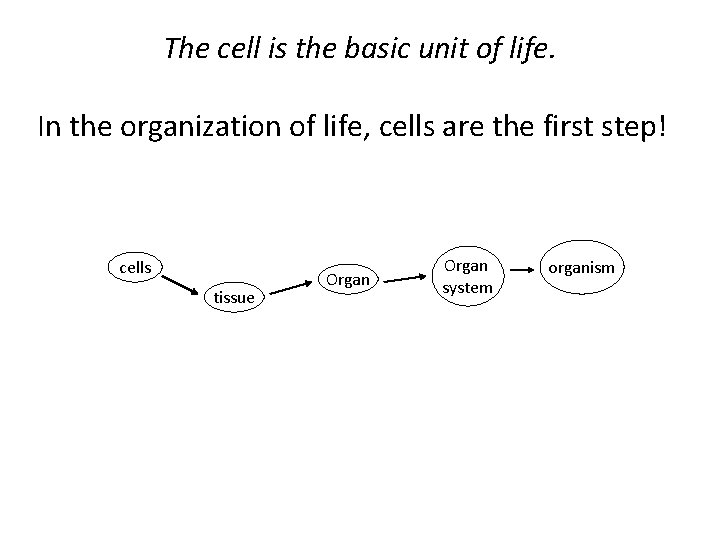
The cell is the basic unit of life. In the organization of life, cells are the first step! cells tissue Organ system organism
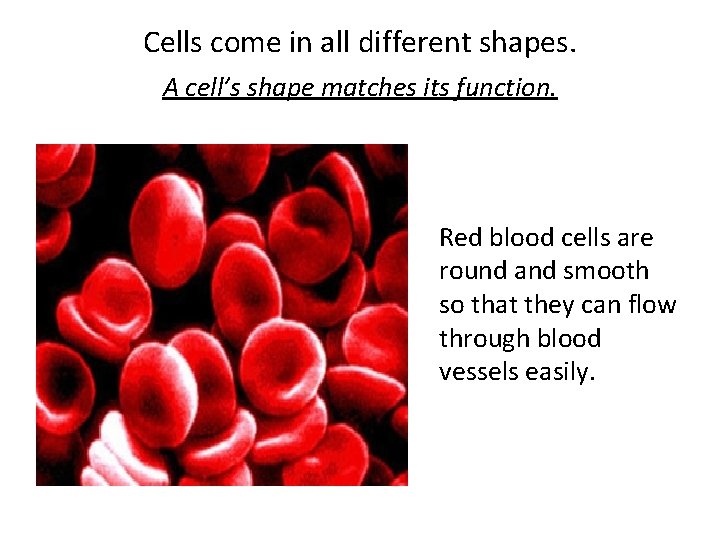
Cells come in all different shapes. A cell’s shape matches its function. Red blood cells are round and smooth so that they can flow through blood vessels easily.
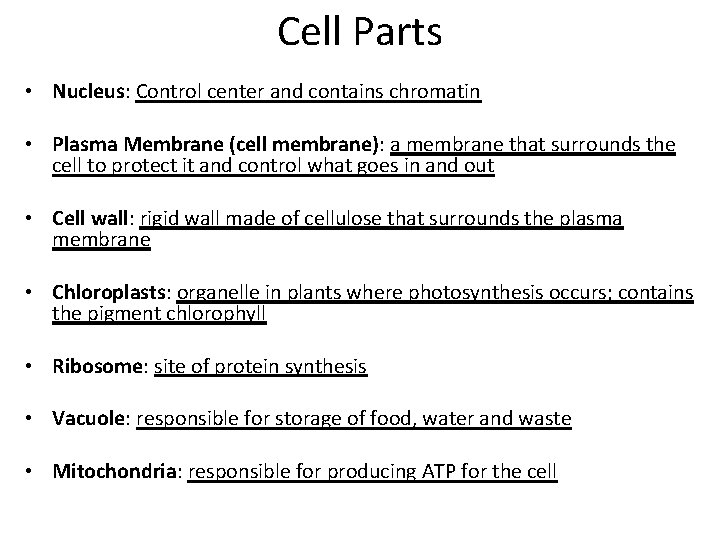
Cell Parts • Nucleus: Control center and contains chromatin • Plasma Membrane (cell membrane): a membrane that surrounds the cell to protect it and control what goes in and out • Cell wall: rigid wall made of cellulose that surrounds the plasma membrane • Chloroplasts: organelle in plants where photosynthesis occurs; contains the pigment chlorophyll • Ribosome: site of protein synthesis • Vacuole: responsible for storage of food, water and waste • Mitochondria: responsible for producing ATP for the cell
Prokaryotic vs. Eukaryotic Prokaryotic Eukaryotic NO membrane-bound organelles NO nucleus, just free genetic material Cell wall and cell membrane Bacteria Membrane-bound organelles Nucleus with enclosed genetic material Cell membrane and sometimes a cell wall Plants, animals, protists
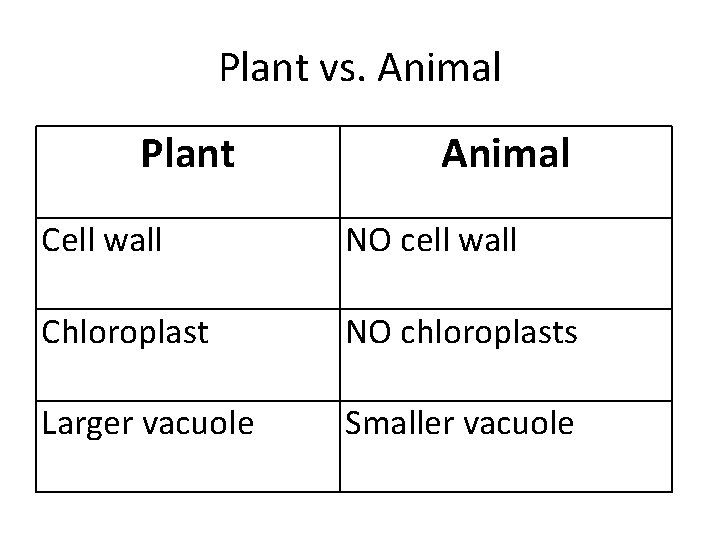
Plant vs. Animal Plant Animal Cell wall NO cell wall Chloroplast NO chloroplasts Larger vacuole Smaller vacuole
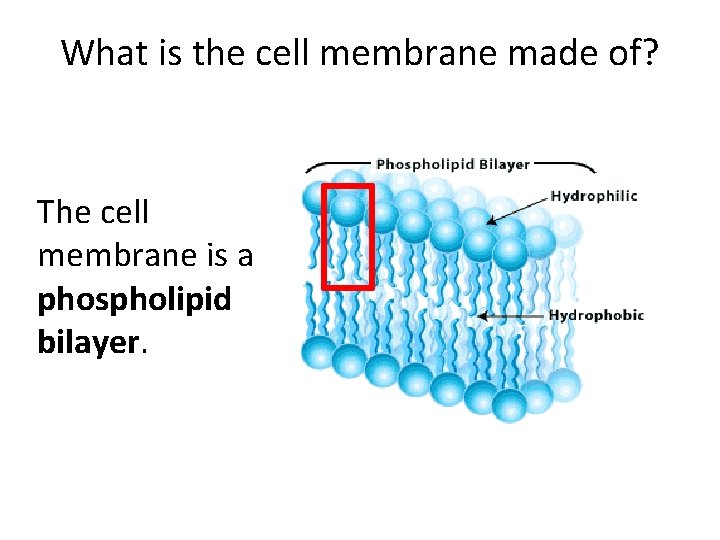
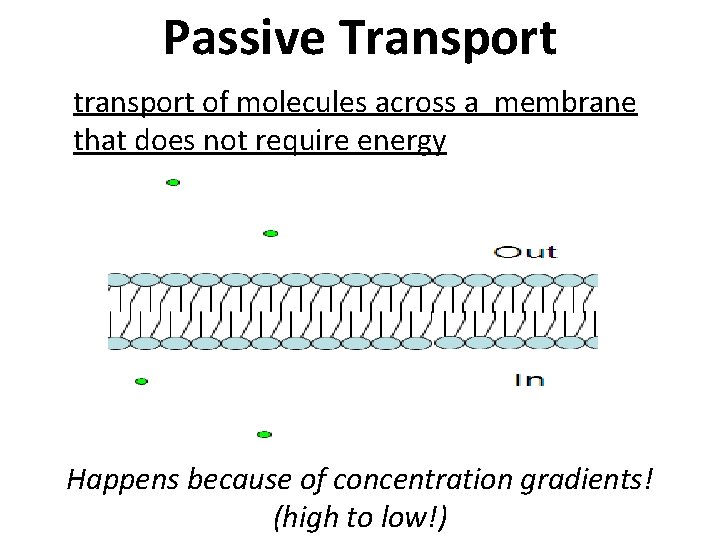
What is the cell membrane made of? The cell membrane is a phospholipid bilayer.
Passive Transport transport of molecules across a membrane that does not require energy Happens because of concentration gradients! (high to low!)
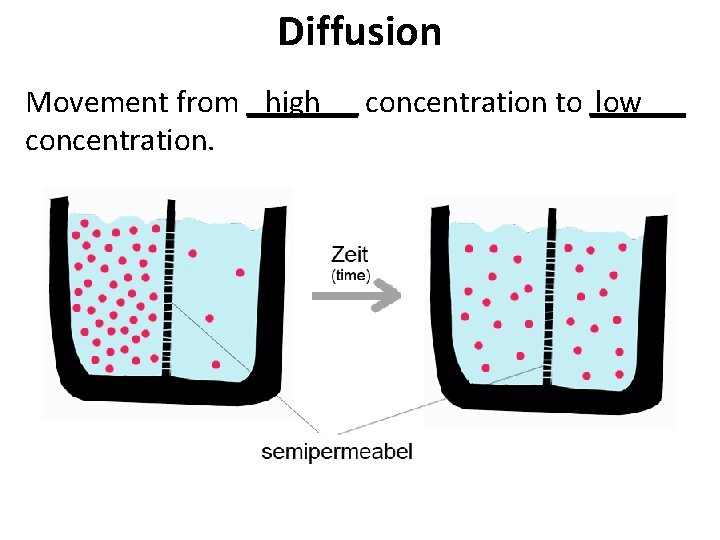
Diffusion Movement from _______ high concentration to ______ low concentration.
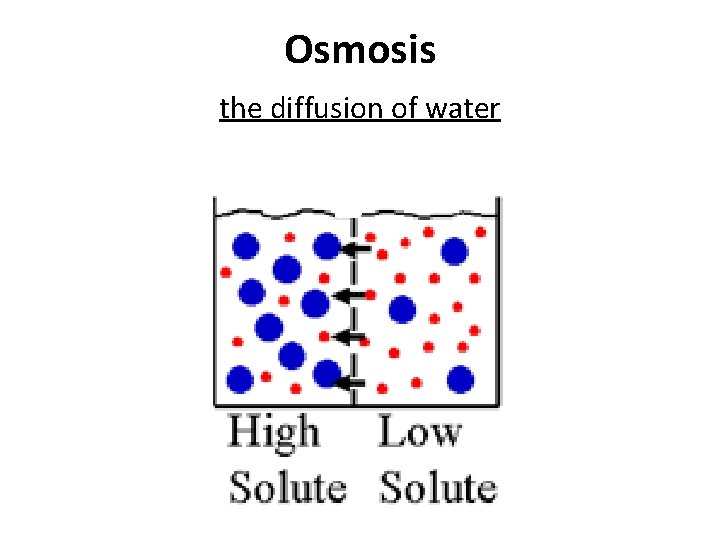
Osmosis the diffusion of water
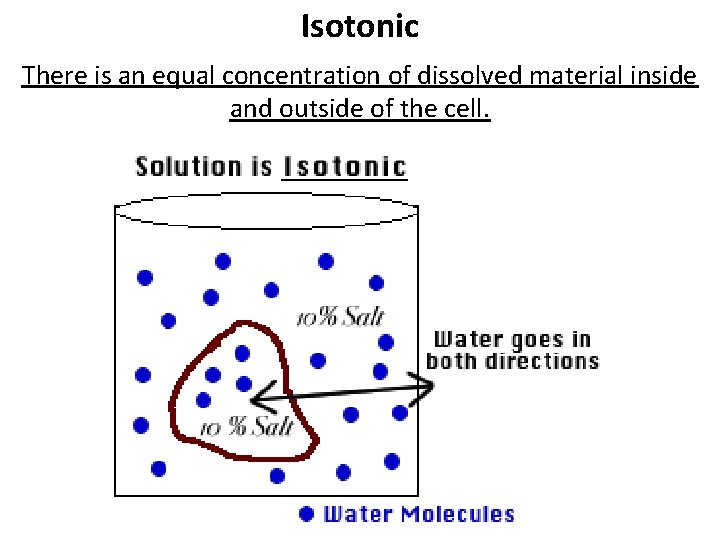
Isotonic There is an equal concentration of dissolved material inside and outside of the cell.
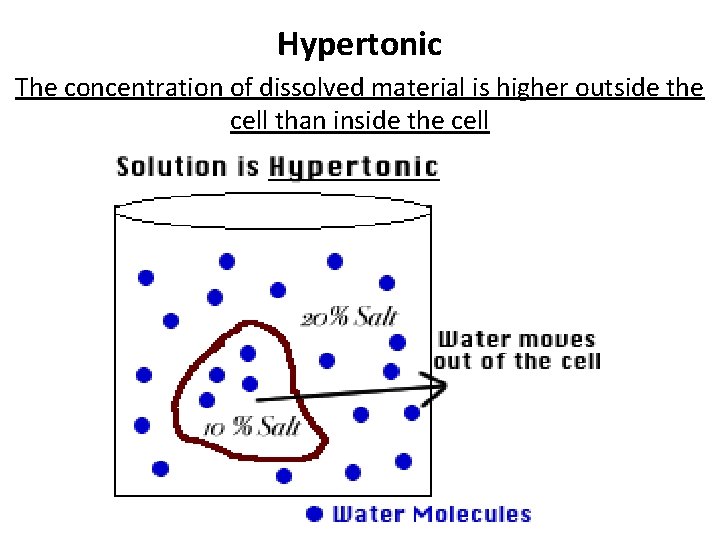
Hypertonic The concentration of dissolved material is higher outside the cell than inside the cell
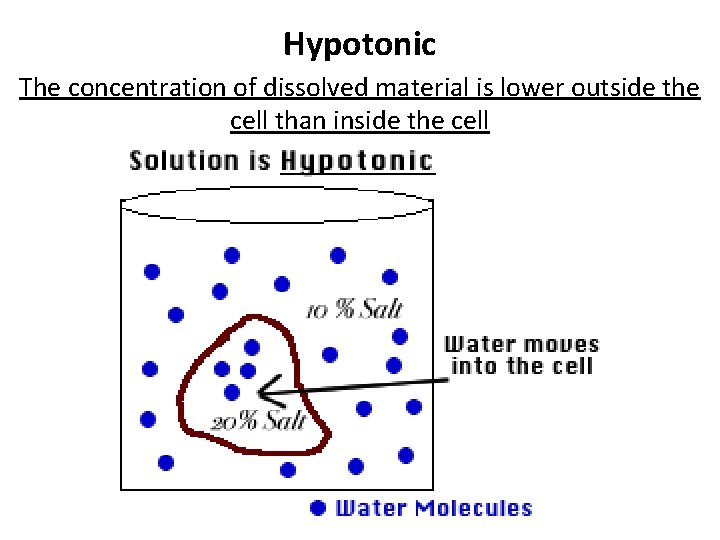
Hypotonic The concentration of dissolved material is lower outside the cell than inside the cell
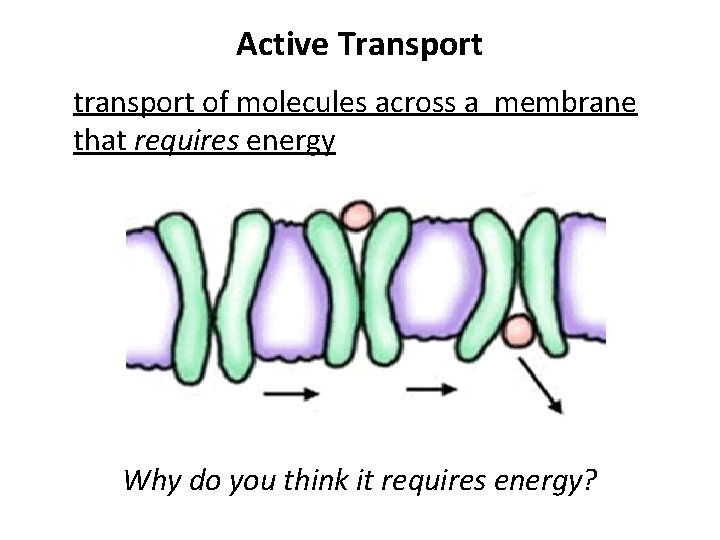
Active Transport transport of molecules across a membrane that requires energy Why do you think it requires energy?
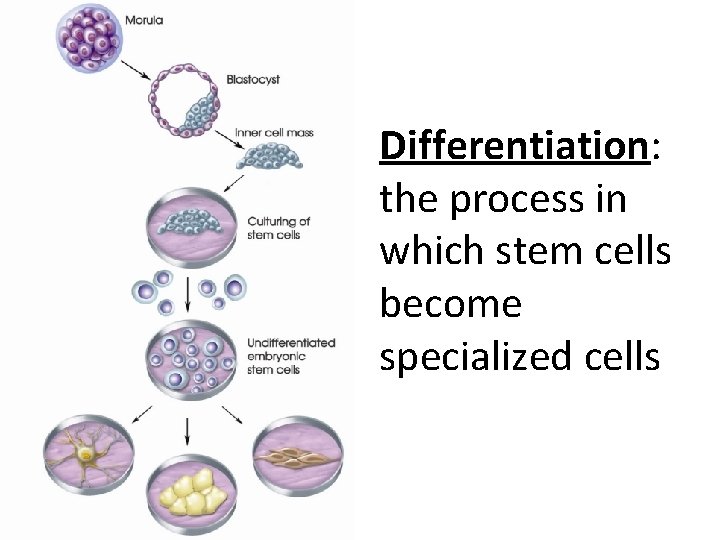
Differentiation: the process in which stem cells become specialized cells
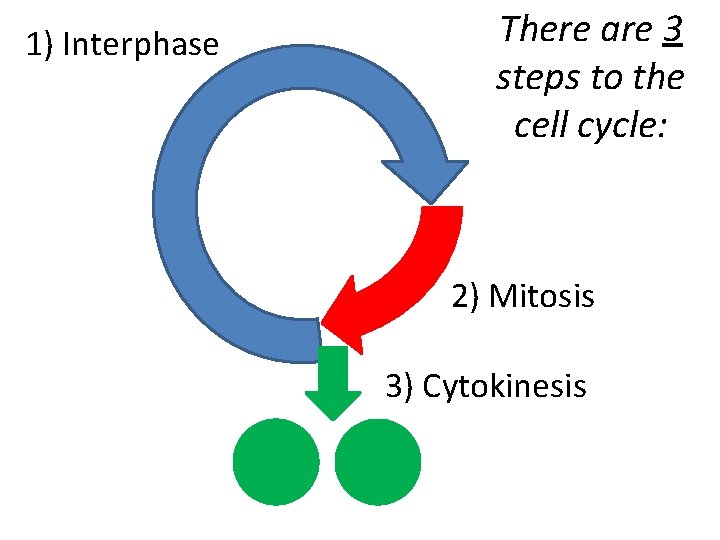
1) Interphase There are 3 steps to the cell cycle: 2) Mitosis 3) Cytokinesis
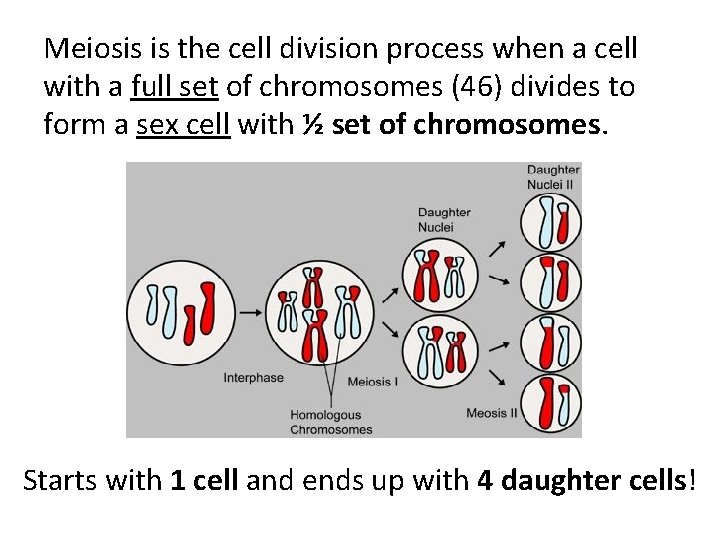
Meiosis is the cell division process when a cell with a full set of chromosomes (46) divides to form a sex cell with ½ set of chromosomes. Starts with 1 cell and ends up with 4 daughter cells!
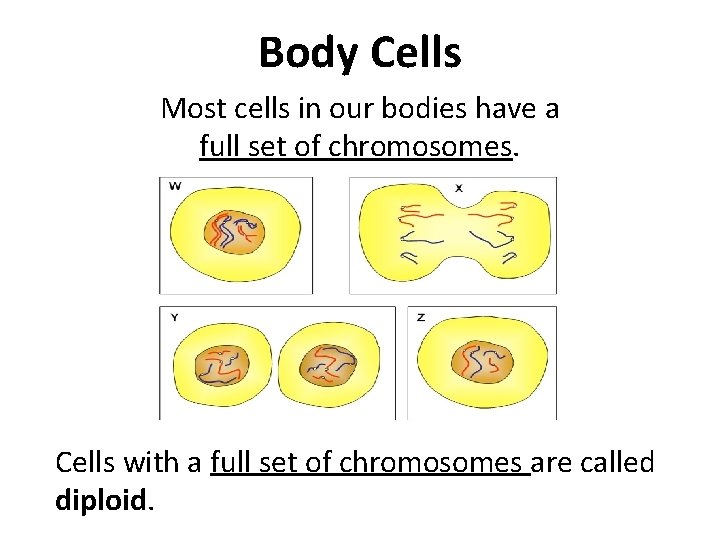
Body Cells Most cells in our bodies have a full set of chromosomes. Cells with a full set of chromosomes are called diploid.
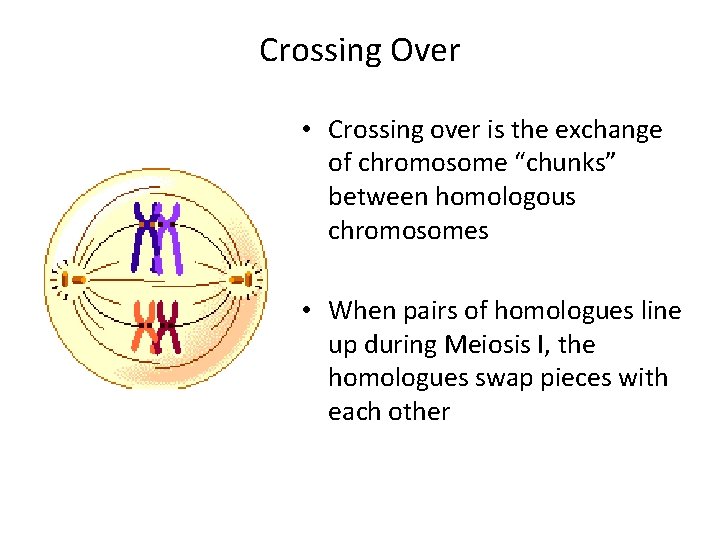
Crossing Over • Crossing over is the exchange of chromosome “chunks” between homologous chromosomes • When pairs of homologues line up during Meiosis I, the homologues swap pieces with each other
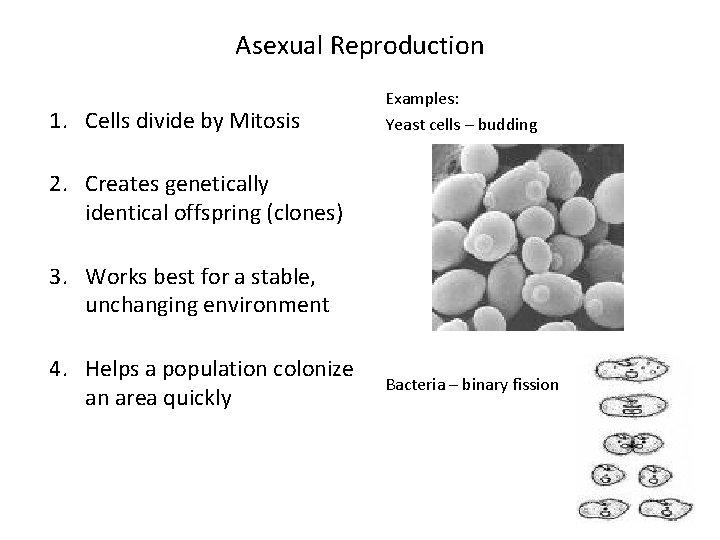
Asexual Reproduction 1. Cells divide by Mitosis Examples: Yeast cells – budding 2. Creates genetically identical offspring (clones) 3. Works best for a stable, unchanging environment 4. Helps a population colonize an area quickly Bacteria – binary fission
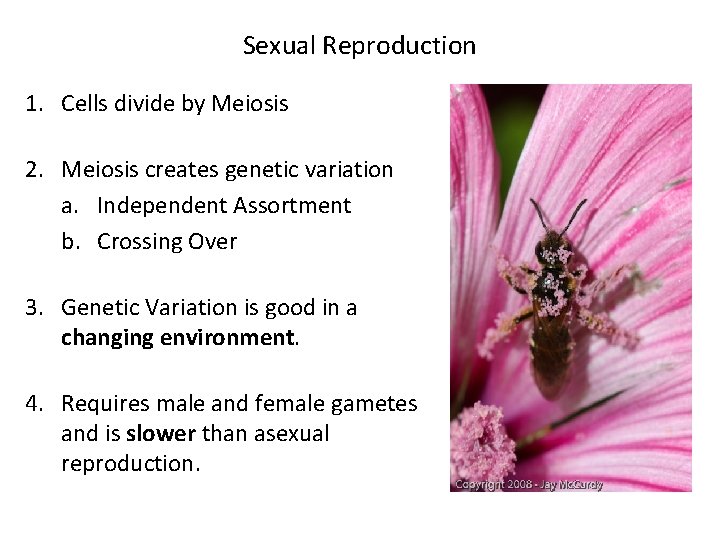
Sexual Reproduction 1. Cells divide by Meiosis 2. Meiosis creates genetic variation a. Independent Assortment b. Crossing Over 3. Genetic Variation is good in a changing environment. 4. Requires male and female gametes and is slower than asexual reproduction.
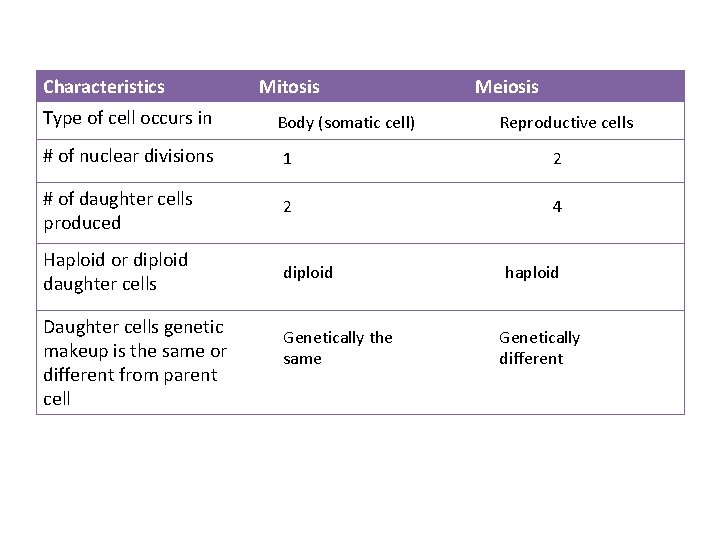
Characteristics Type of cell occurs in Mitosis Body (somatic cell) Meiosis Reproductive cells # of nuclear divisions 1 2 # of daughter cells produced 2 4 Haploid or diploid daughter cells diploid Daughter cells genetic makeup is the same or different from parent cell Genetically the same haploid Genetically different