
ESPECIALIZAO EM GESTO DE NEGCIOS Modelos de Negcios






- Slides: 112
ESPECIALIZAÇÃO EM GESTÃO DE NEGÓCIOS “Modelos de Negócios Antes, Planos de Negócios Depois” Prof. José Carlos Cavalcanti Depto. de Economia da UFPE http: //www. creativante. com. br http: //twitter. com/jccavalcanti http: //jccavalcanti. wordpress. com http: //www. facebook. com/jccavalcanti Recife, 28/01/2012
BUSINESS ANALYTICS TOOLS
Market Analytics and Enterprise Analytics
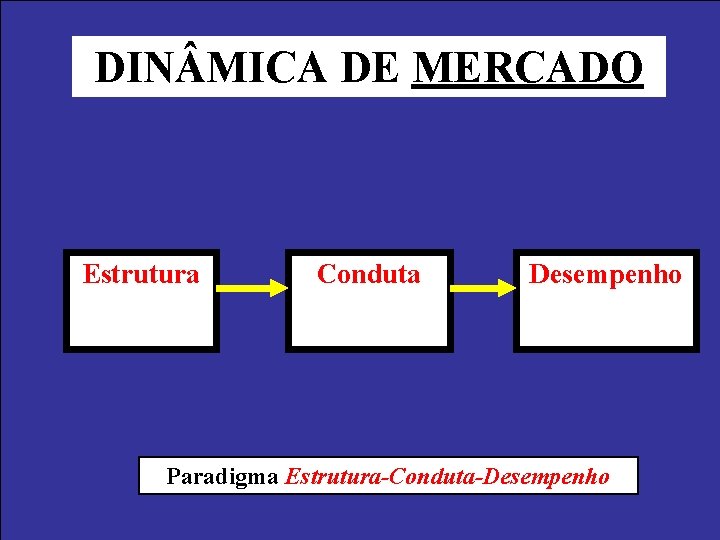
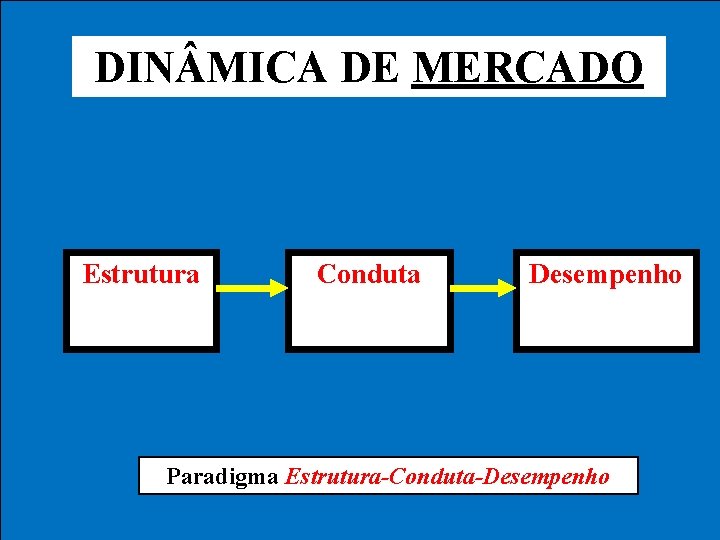
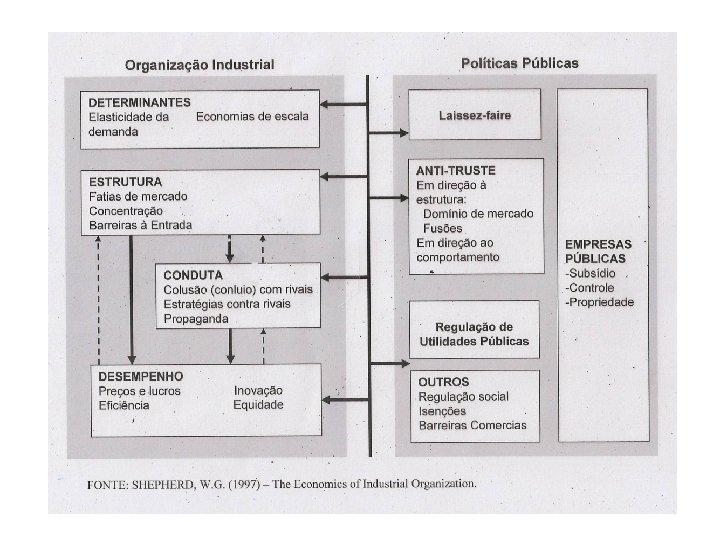
DIN MICA DE MERCADO Estrutura Conduta Desempenho Paradigma Estrutura-Conduta-Desempenho
CULTURA DE INOVAÇÃO
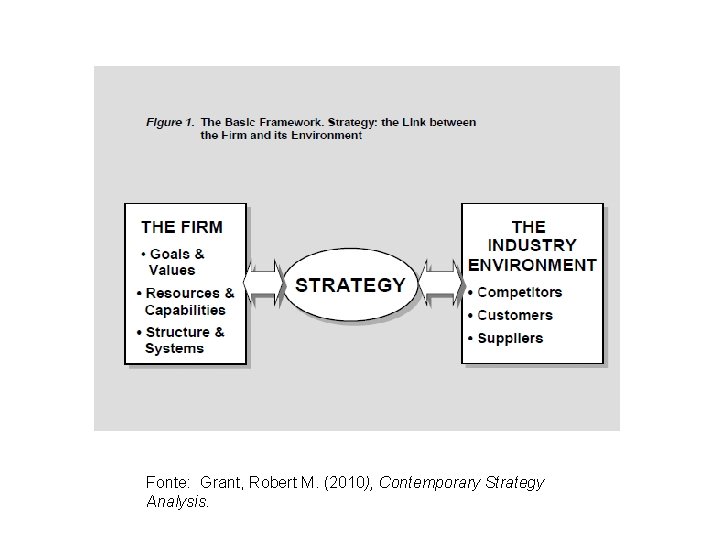
Fonte: Grant, Robert M. (2010), Contemporary Strategy Analysis.
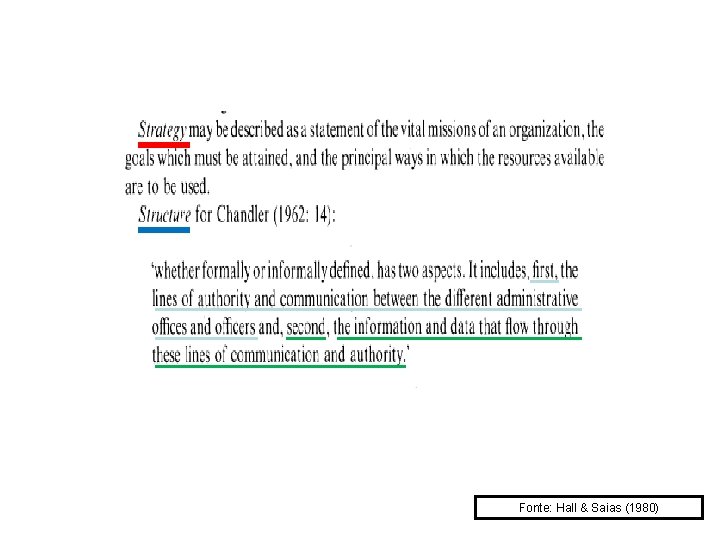
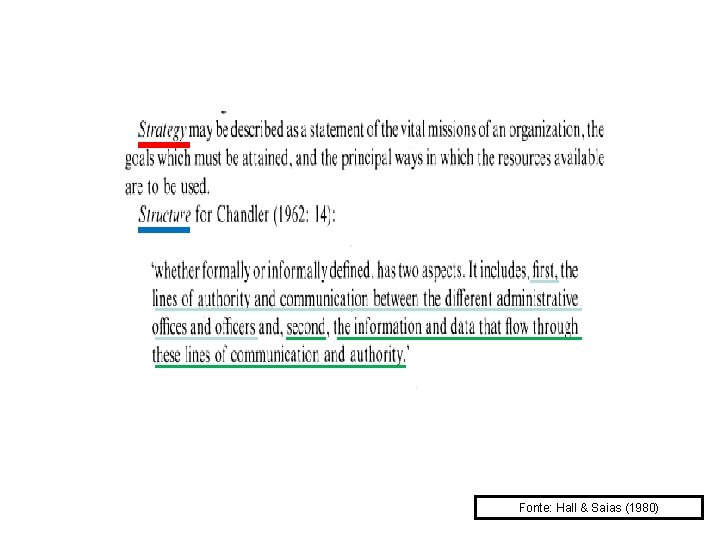
Fonte: Hall & Saias (1980)
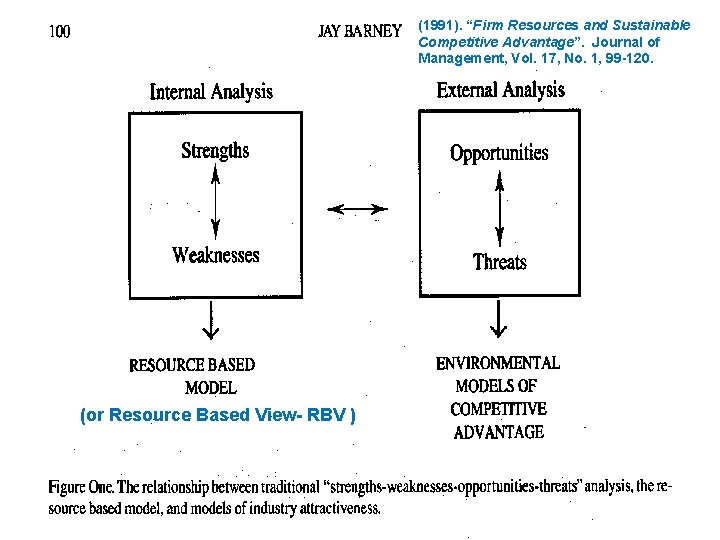
(1991). “Firm Resources and Sustainable Competitive Advantage”. Journal of Management, Vol. 17, No. 1, 99 -120. (or Resource Based View- RBV )
Barney (1991) identifies Corporate Culture as a firm resource, which is a potential source of sustainable competitive advantage and therefore of great strategic importance.
Barney (1991) argues that in order to provide a source of sustainable competitive advantage, a firm´s culture needs to be (1) valuable, (2) rare, and (3) imperfectly imitable.
“A firm needs to be able to successfuly modify its culture, i. e. , it must have the necessary culture management skills”. Source: Herzog, Philipp (2011). “Open and Closed Innovation: Different Cultures for Different Strategies. Gabler. 2 nd Edition.
Levels of Corporate Culture Rituals, cerimonies, stories, arrangements and language Behavior patterns Behavior norms are expectations about behavior or results that are at least partially shared by a social group A conception, explicit or implicit, distinctive of an individual or characteristic of a group, of the desirable which influences the selection from modes, means, and ends of action Source: Herzog, Philipp (2011). “Open and Closed Innovation: Different Cultures for Different Strategies. Gabler. 2 nd Edition.
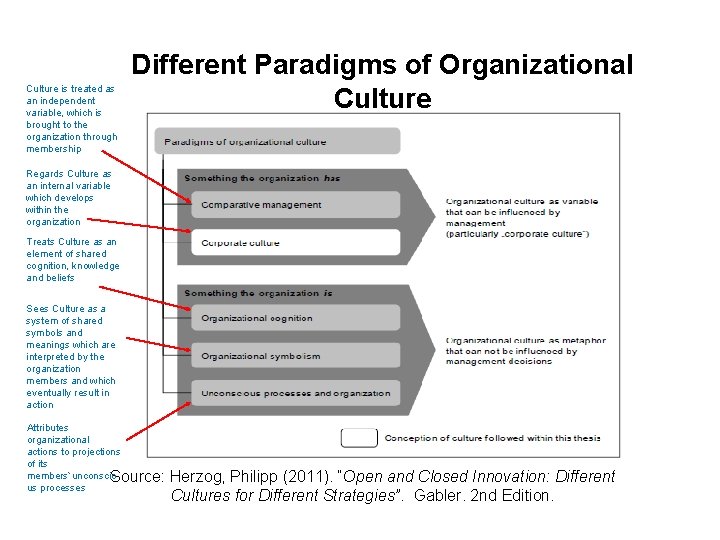
Culture is treated as an independent variable, which is brought to the organization through membership Different Paradigms of Organizational Culture Regards Culture as an internal variable which develops within the organization Treats Culture as an element of shared cognition, knowledge and beliefs Sees Culture as a system of shared symbols and meanings which are interpreted by the organization members and which eventually result in action Attributes organizational actions to projections of its members`unconscio us processes Source: Herzog, Philipp (2011). “Open and Closed Innovation: Different Cultures for Different Strategies”. Gabler. 2 nd Edition.
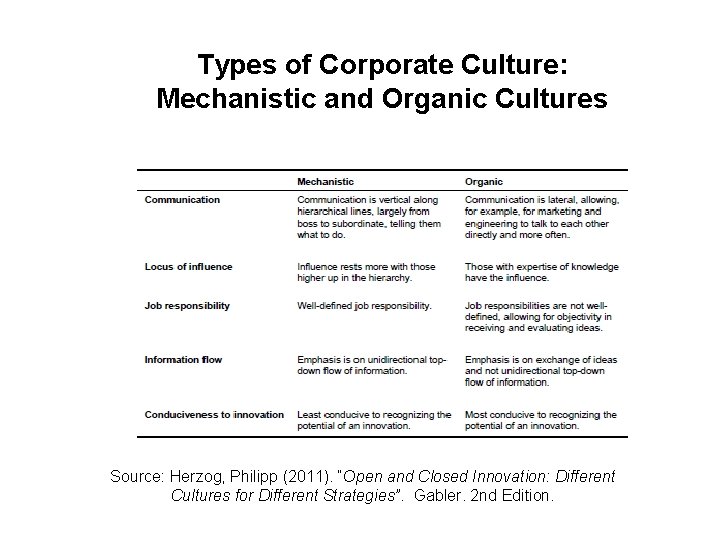
Types of Corporate Culture: Mechanistic and Organic Cultures Source: Herzog, Philipp (2011). “Open and Closed Innovation: Different Cultures for Different Strategies”. Gabler. 2 nd Edition.
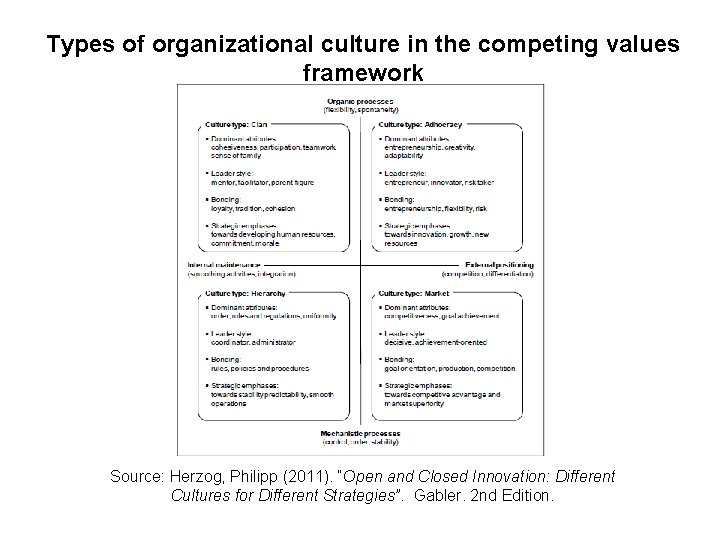
Types of organizational culture in the competing values framework Source: Herzog, Philipp (2011). “Open and Closed Innovation: Different Cultures for Different Strategies”. Gabler. 2 nd Edition.
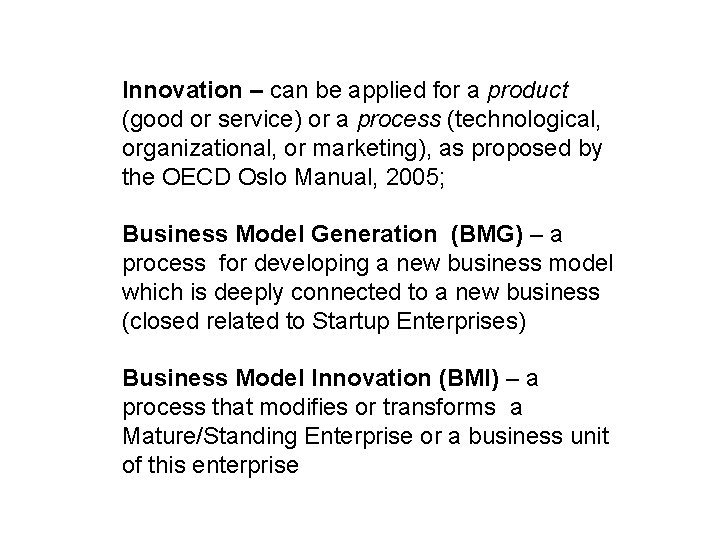
Innovation – can be applied for a product (good or service) or a process (technological, organizational, or marketing), as proposed by the OECD Oslo Manual, 2005; Business Model Generation (BMG) – a process for developing a new business model which is deeply connected to a new business (closed related to Startup Enterprises) Business Model Innovation (BMI) – a process that modifies or transforms a Mature/Standing Enterprise or a business unit of this enterprise
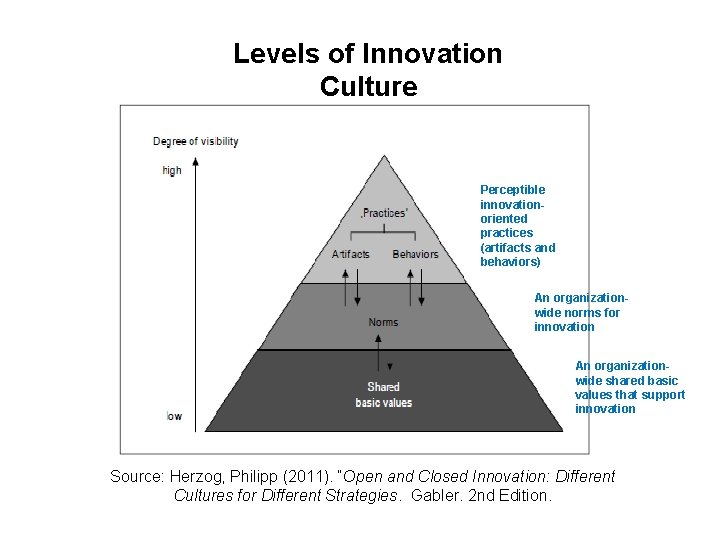
Levels of Innovation Culture Perceptible innovationoriented practices (artifacts and behaviors) An organizationwide norms for innovation An organizationwide shared basic values that support innovation Source: Herzog, Philipp (2011). “Open and Closed Innovation: Different Cultures for Different Strategies. Gabler. 2 nd Edition.
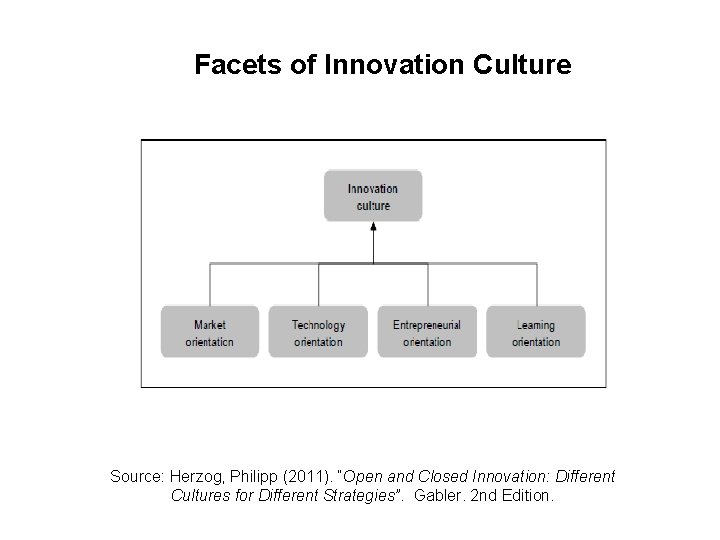
Facets of Innovation Culture Source: Herzog, Philipp (2011). “Open and Closed Innovation: Different Cultures for Different Strategies”. Gabler. 2 nd Edition.
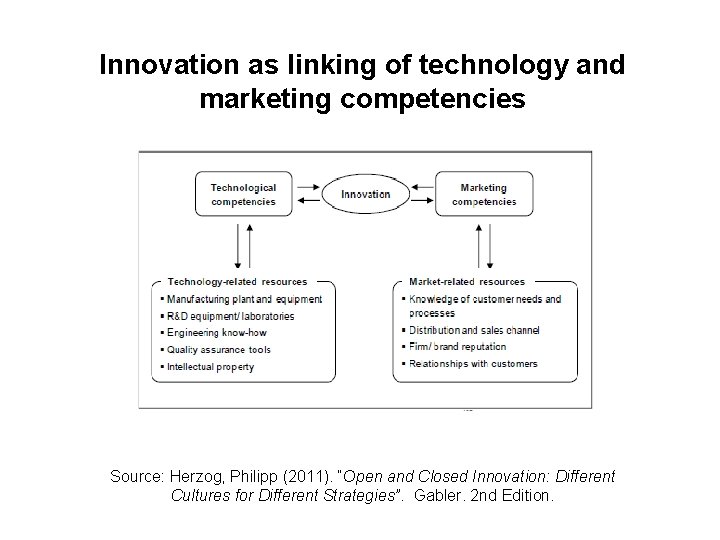
Innovation as linking of technology and marketing competencies Source: Herzog, Philipp (2011). “Open and Closed Innovation: Different Cultures for Different Strategies”. Gabler. 2 nd Edition.
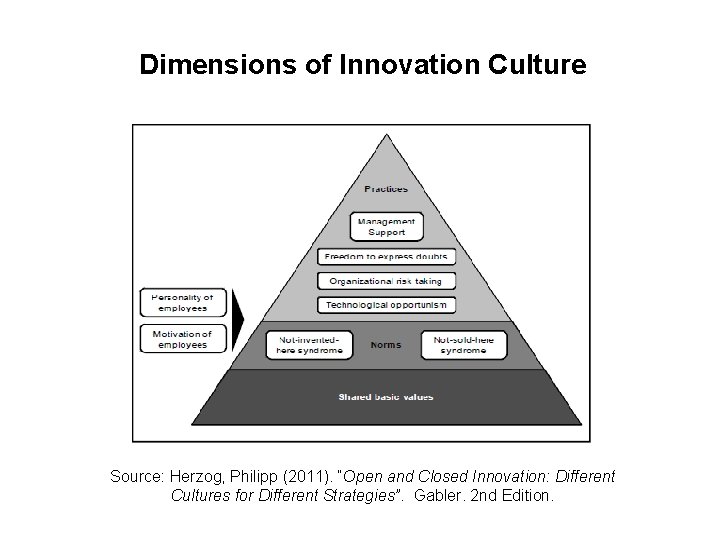
Dimensions of Innovation Culture Source: Herzog, Philipp (2011). “Open and Closed Innovation: Different Cultures for Different Strategies”. Gabler. 2 nd Edition.
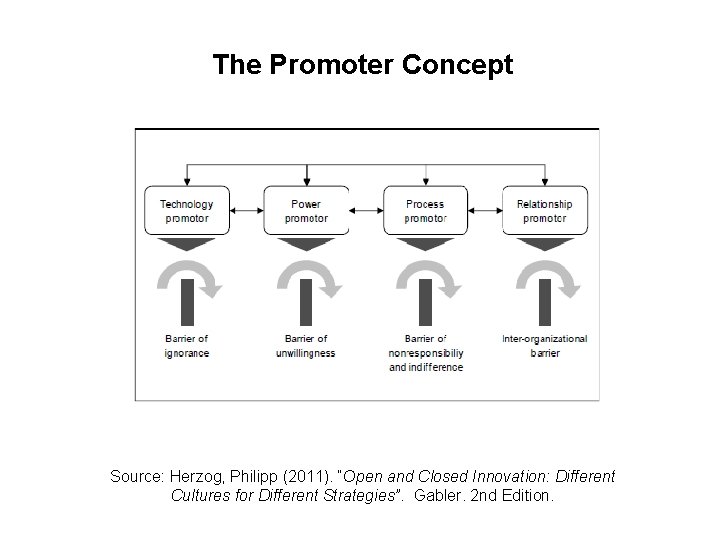
The Promoter Concept Source: Herzog, Philipp (2011). “Open and Closed Innovation: Different Cultures for Different Strategies”. Gabler. 2 nd Edition.
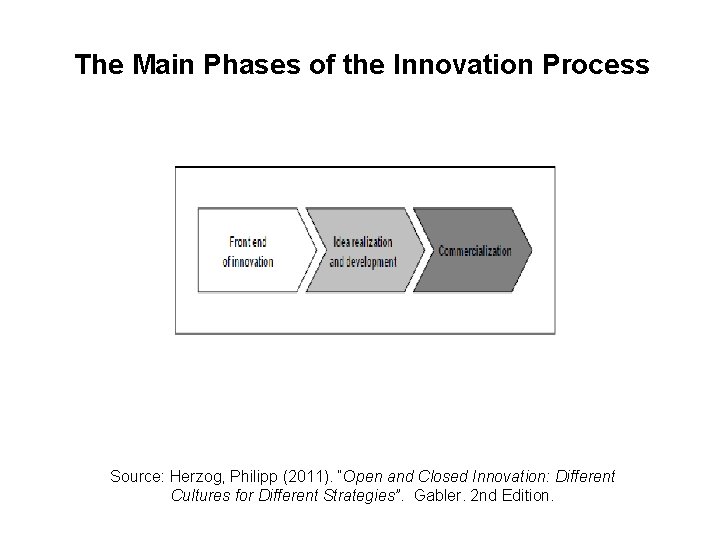
The Main Phases of the Innovation Process Source: Herzog, Philipp (2011). “Open and Closed Innovation: Different Cultures for Different Strategies”. Gabler. 2 nd Edition.
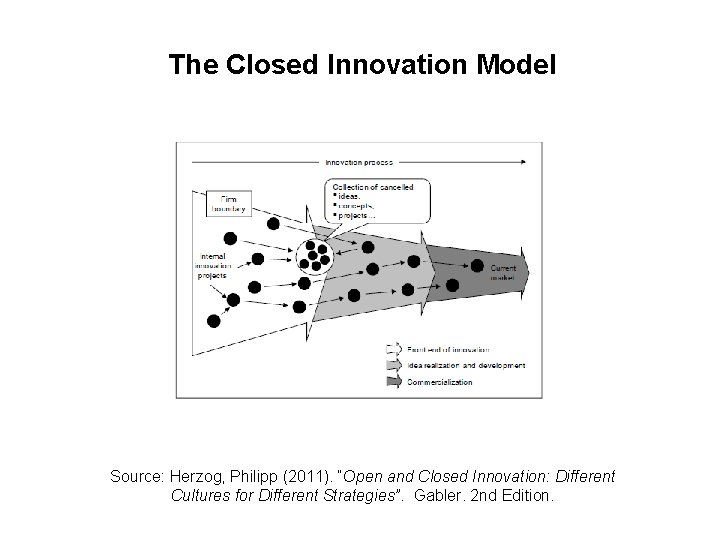
The Closed Innovation Model Source: Herzog, Philipp (2011). “Open and Closed Innovation: Different Cultures for Different Strategies”. Gabler. 2 nd Edition.
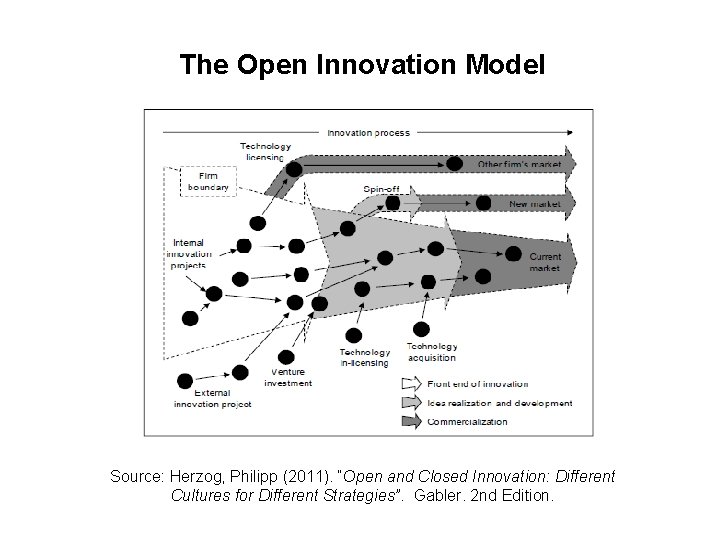
The Open Innovation Model Source: Herzog, Philipp (2011). “Open and Closed Innovation: Different Cultures for Different Strategies”. Gabler. 2 nd Edition.
DIN MICA DE MERCADO Estrutura Conduta Desempenho Paradigma Estrutura-Conduta-Desempenho
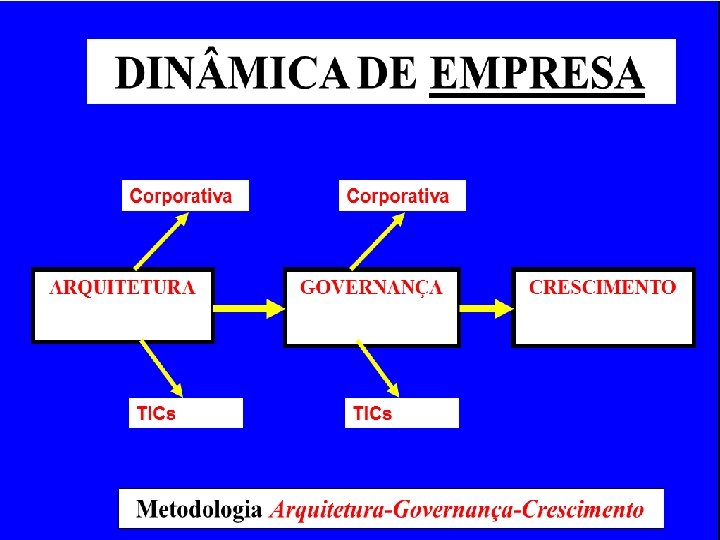
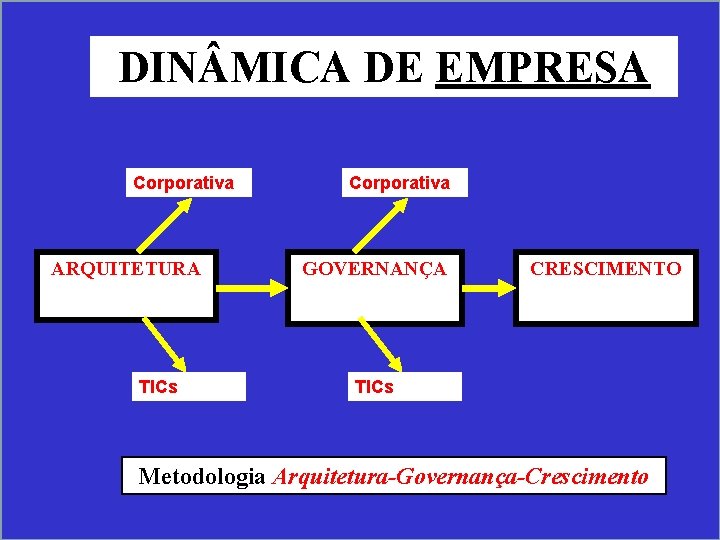
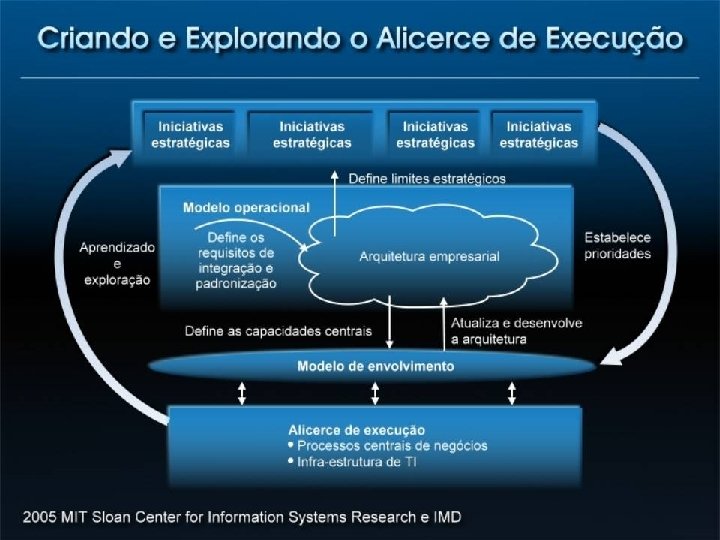
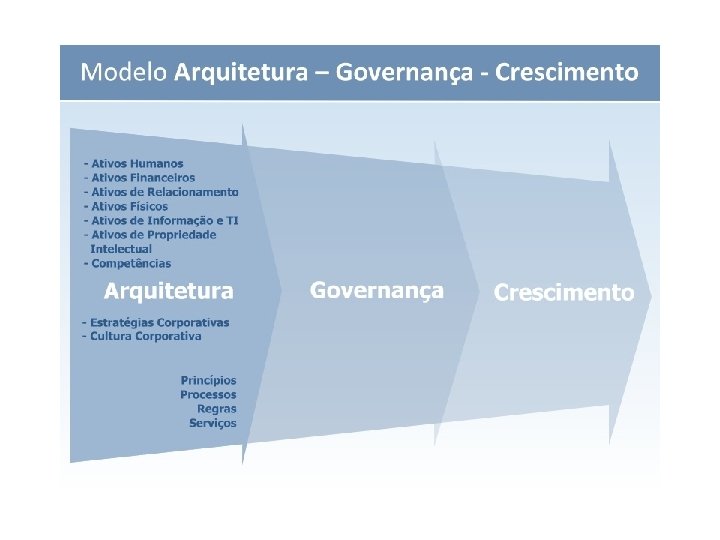
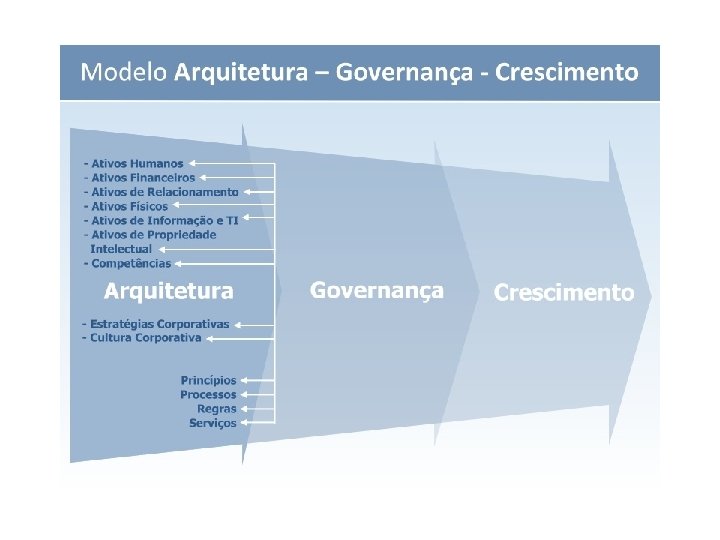
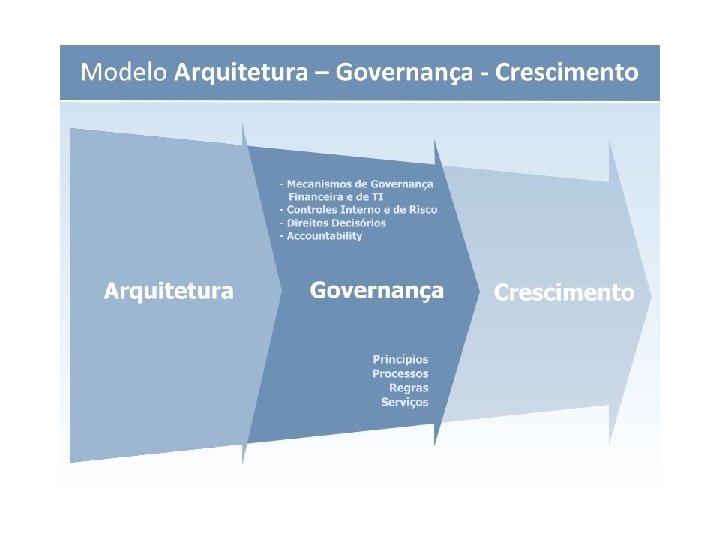
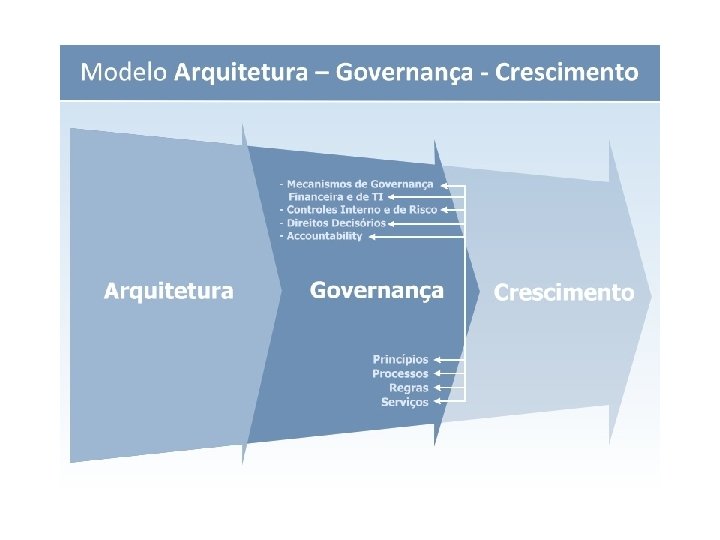
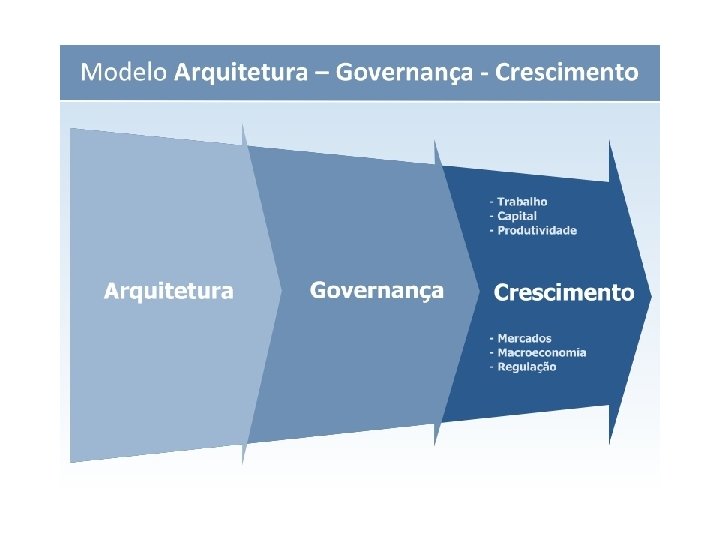
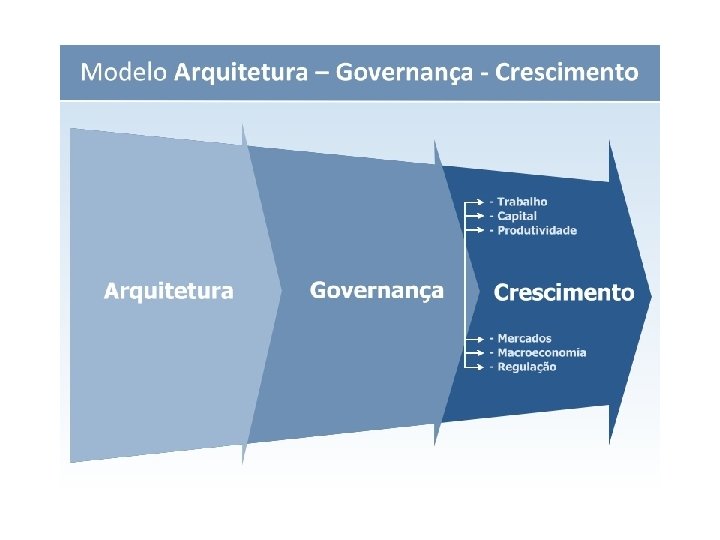
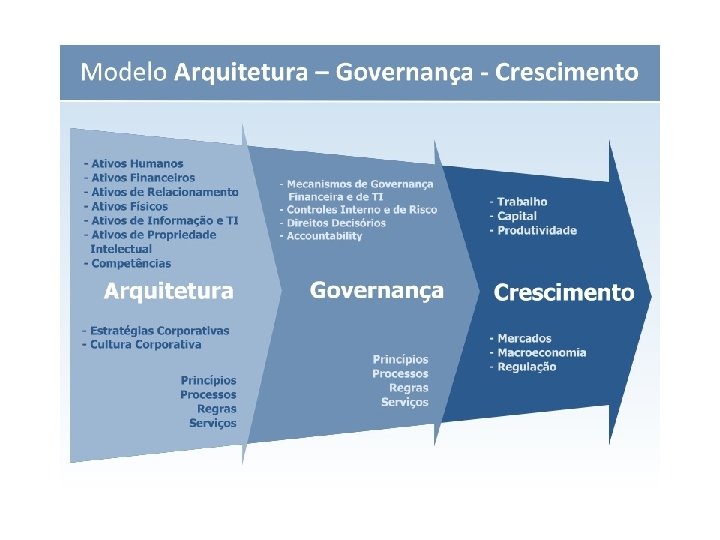
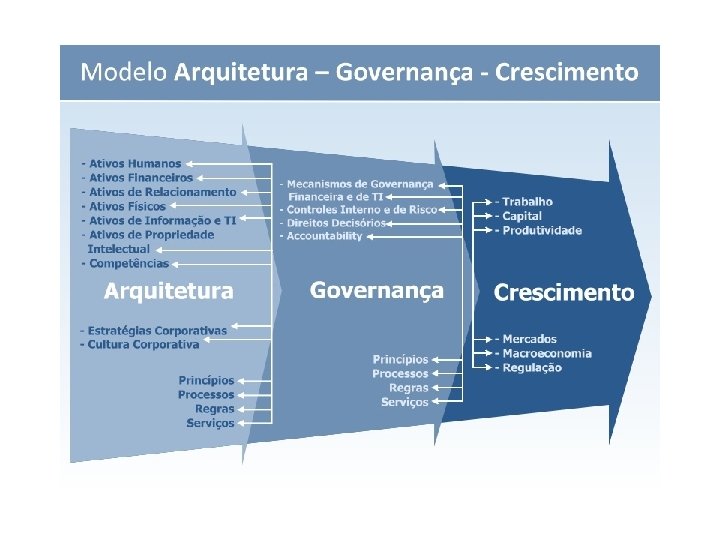
DIN MICA DE EMPRESA Corporativa ARQUITETURA TICs Corporativa GOVERNANÇA CRESCIMENTO TICs Metodologia Arquitetura-Governança-Crescimento
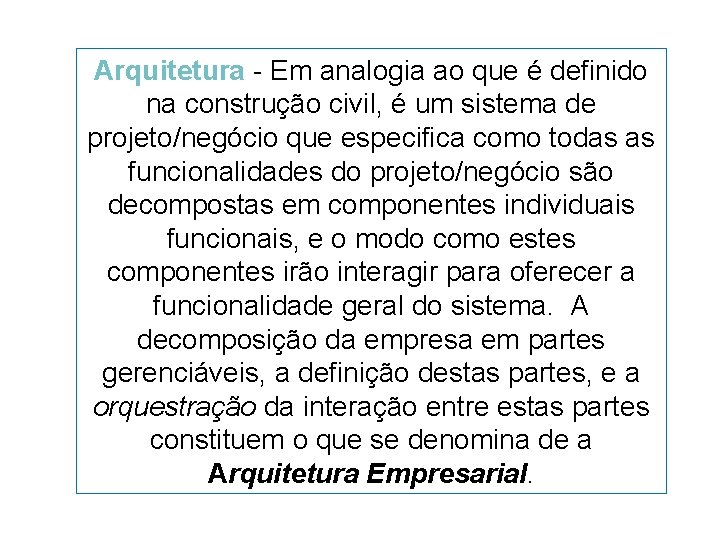
Arquitetura - Em analogia ao que é definido na construção civil, é um sistema de projeto/negócio que especifica como todas as funcionalidades do projeto/negócio são decompostas em componentes individuais funcionais, e o modo como estes componentes irão interagir para oferecer a funcionalidade geral do sistema. A decomposição da empresa em partes gerenciáveis, a definição destas partes, e a orquestração da interação entre estas partes constituem o que se denomina de a Arquitetura Empresarial.
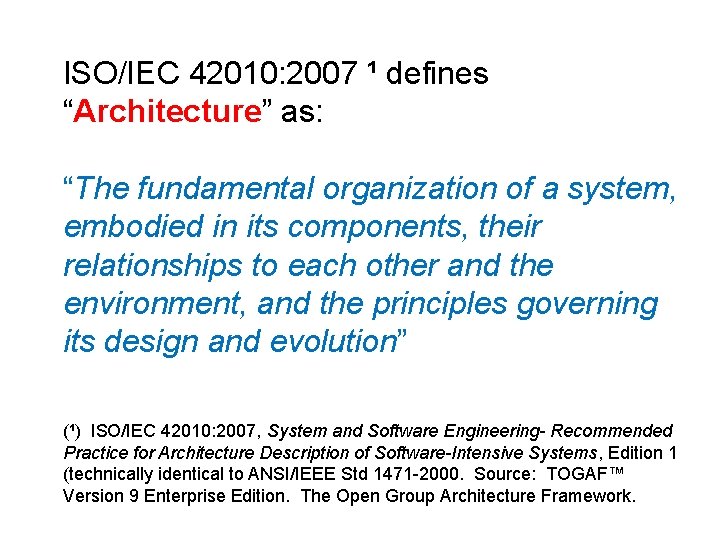
ISO/IEC 42010: 2007 ¹ defines “Architecture” as: “The fundamental organization of a system, embodied in its components, their relationships to each other and the environment, and the principles governing its design and evolution” (¹) ISO/IEC 42010: 2007, System and Software Engineering- Recommended Practice for Architecture Description of Software-Intensive Systems, Edition 1 (technically identical to ANSI/IEEE Std 1471 -2000. Source: TOGAF™ Version 9 Enterprise Edition. The Open Group Architecture Framework.
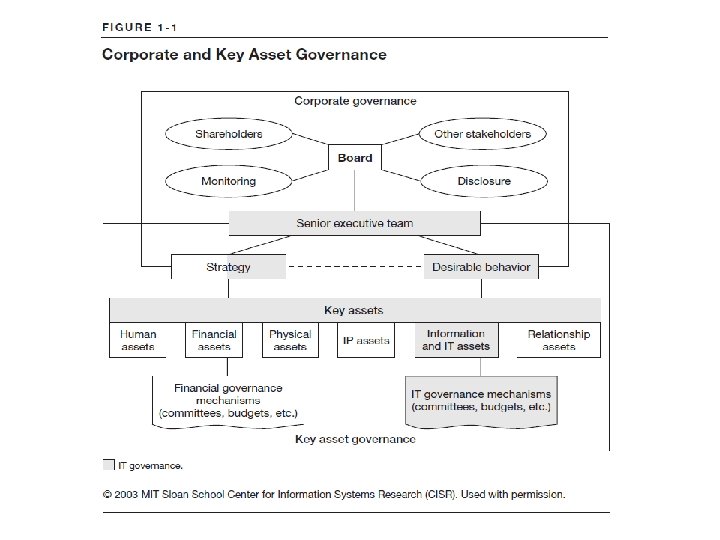
Corporate Governance provides the structure for determining organizational objectives and monitoring performance to ensure that objectives are attained (Organization for Economic Cooperation and Development’s 1999 publication “OECD Principles for Corporate Governance”) Weil and Ross, IT Governance, 2004
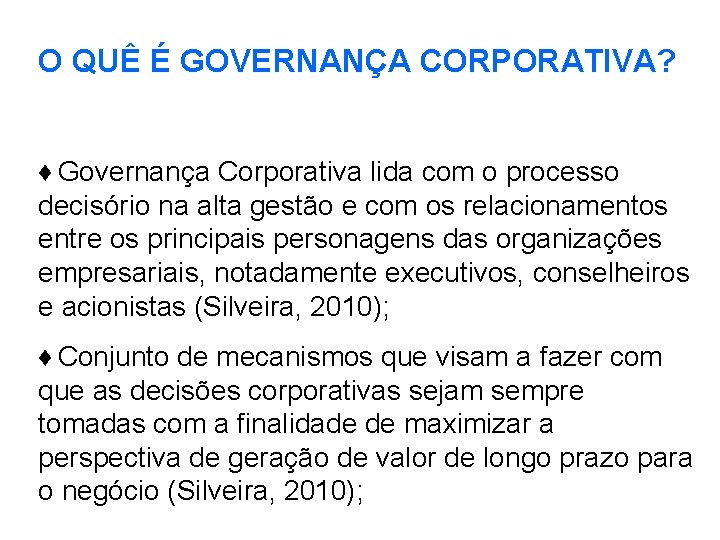
O QUÊ É GOVERNANÇA CORPORATIVA? ♦ Governança Corporativa lida com o processo decisório na alta gestão e com os relacionamentos entre os principais personagens das organizações empresariais, notadamente executivos, conselheiros e acionistas (Silveira, 2010); ♦ Conjunto de mecanismos que visam a fazer com que as decisões corporativas sejam sempre tomadas com a finalidade de maximizar a perspectiva de geração de valor de longo prazo para o negócio (Silveira, 2010);
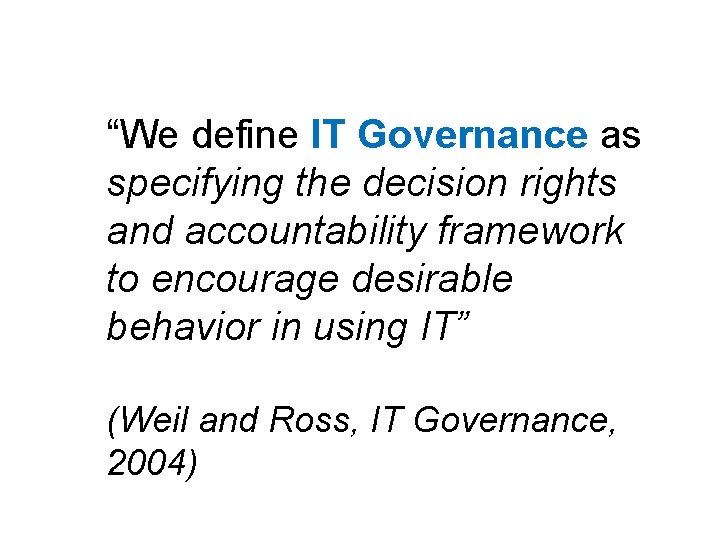
“We define IT Governance as specifying the decision rights and accountability framework to encourage desirable behavior in using IT” (Weil and Ross, IT Governance, 2004)
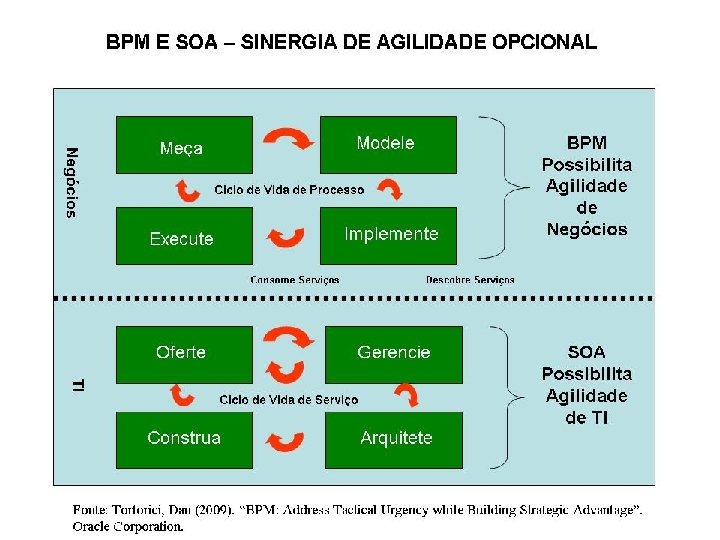
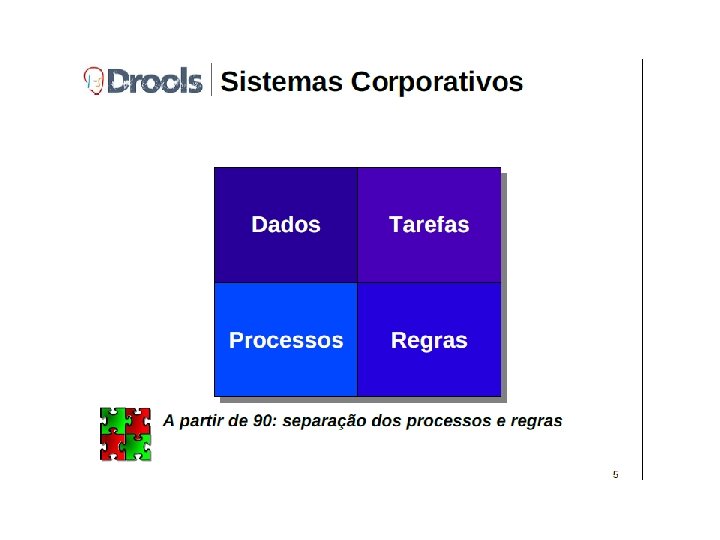
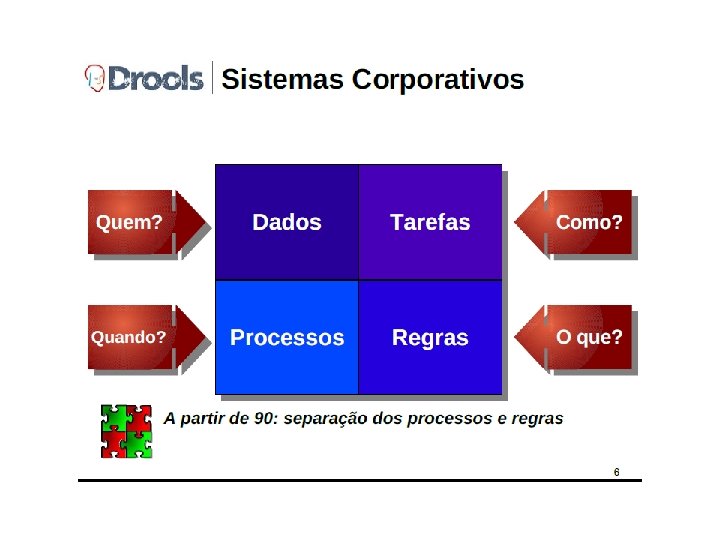
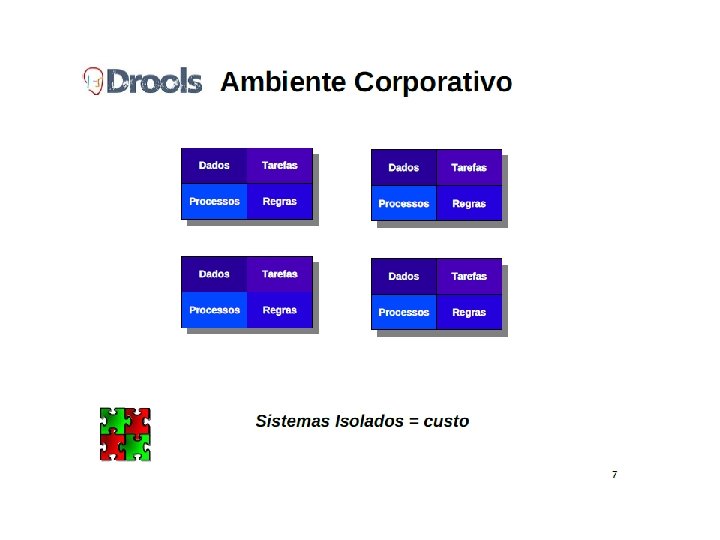
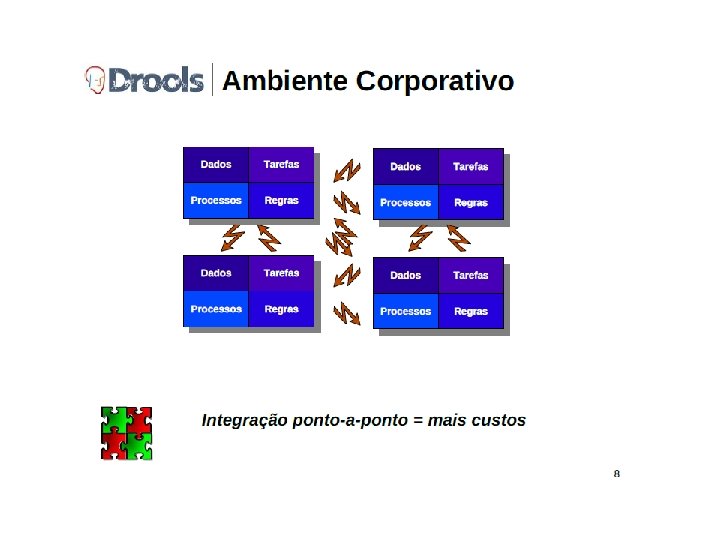
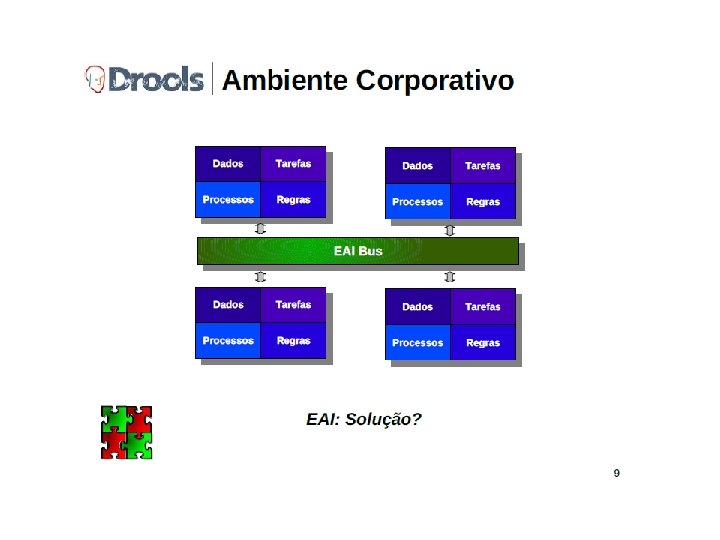
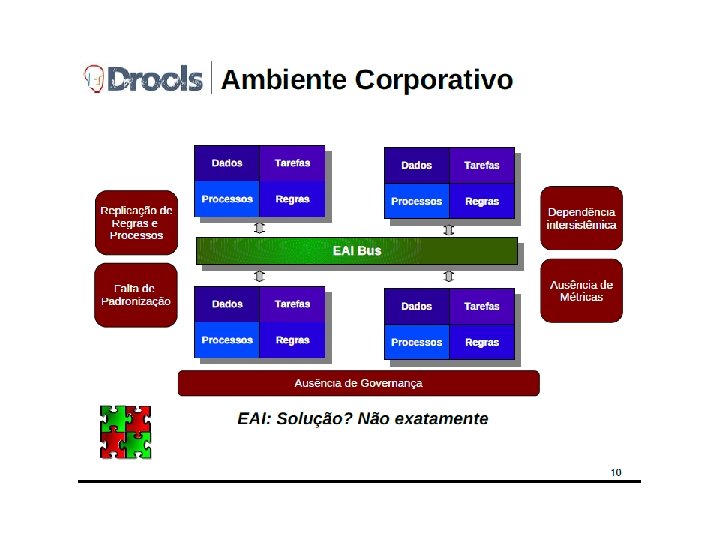
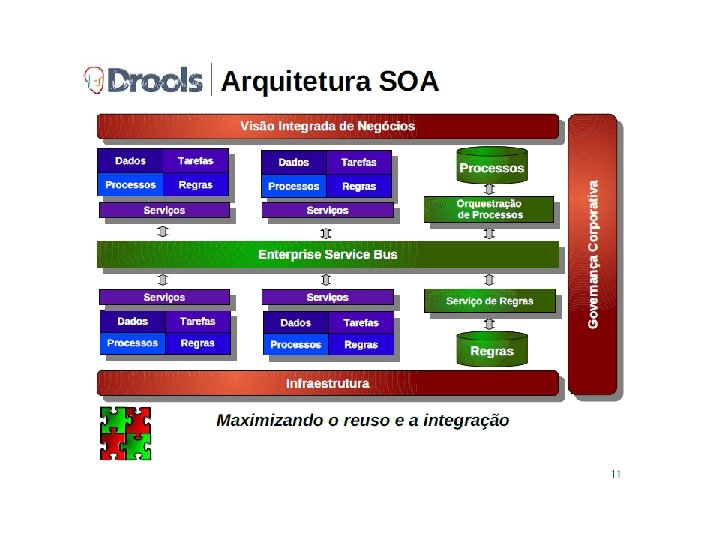
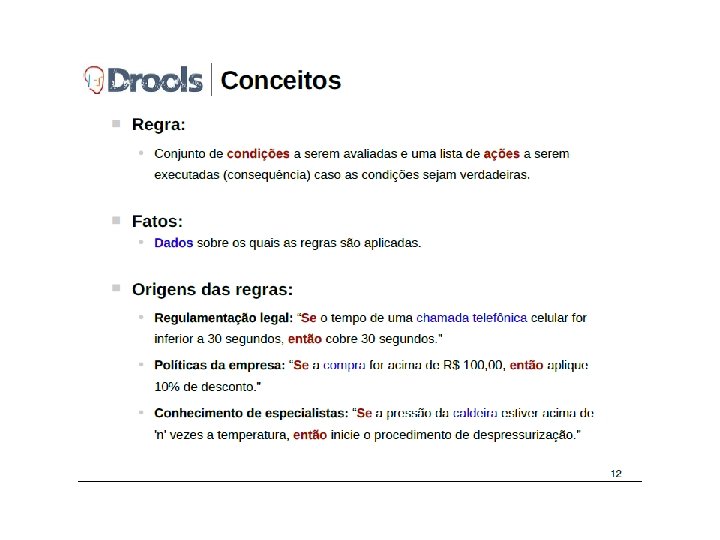
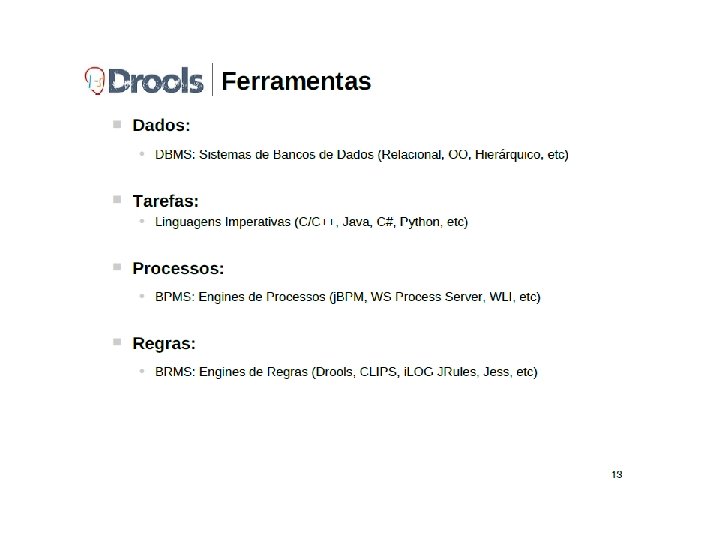
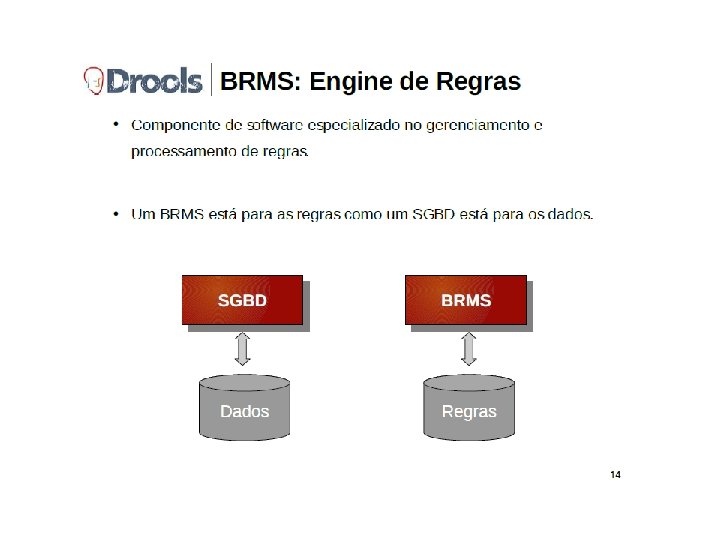
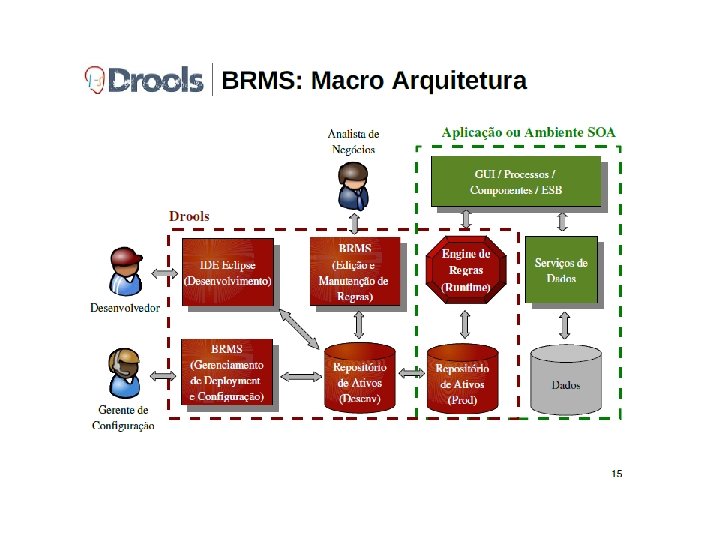
Impacto das Tecnologias de Informação e Comunicação – TICs na Orientação das Estruturas de Organização das Empresas Funções Processos Regras Serviços
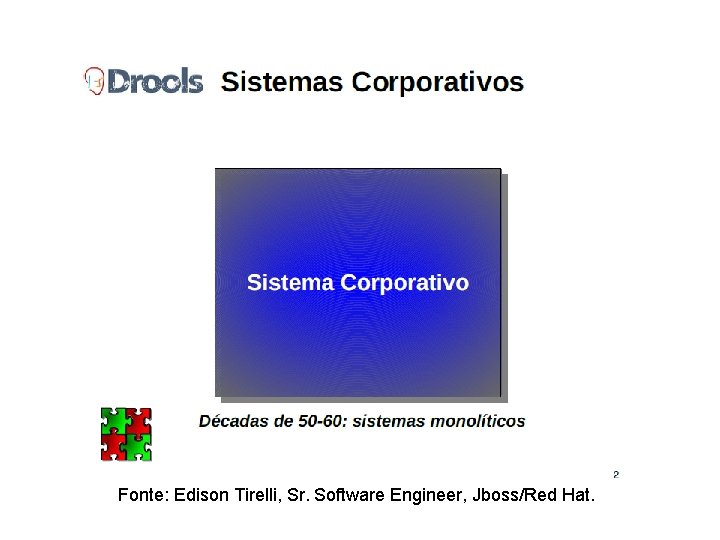
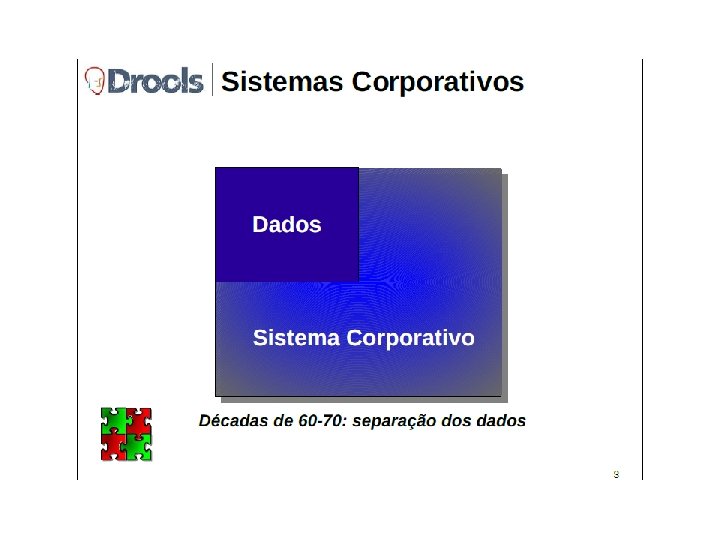
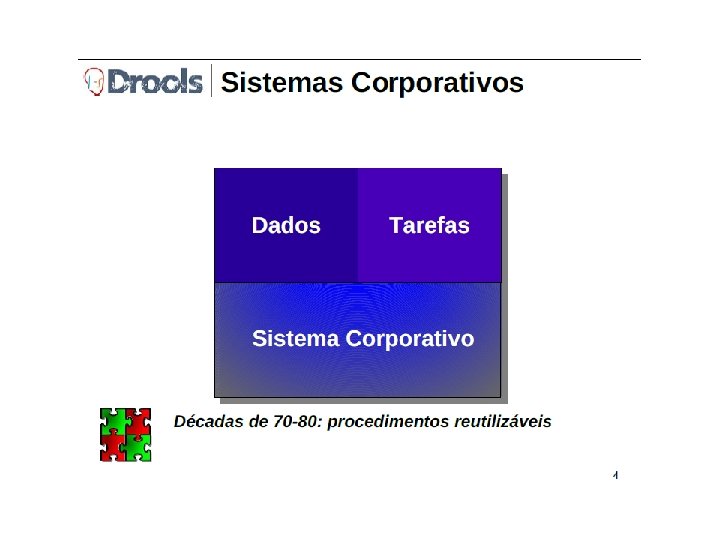
Fonte: Edison Tirelli, Sr. Software Engineer, Jboss/Red Hat.
PLANEJAMENTO ESTRATÉGICO NA ERA DAS TMCs
Fonte: Hall & Saias (1980)
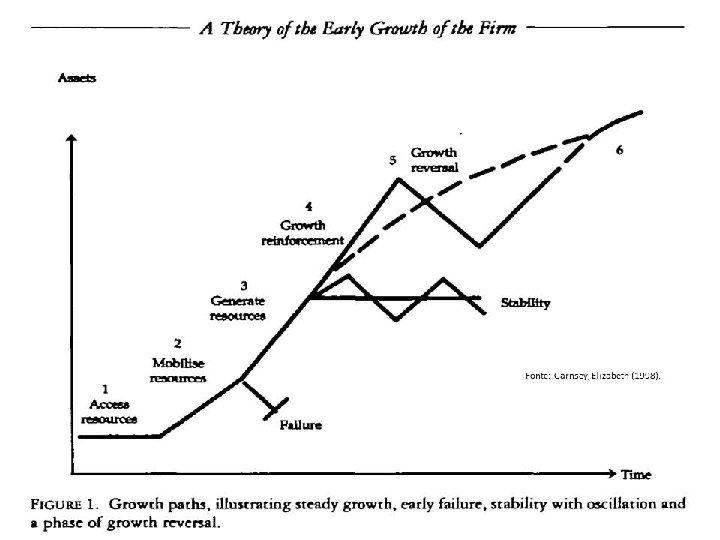
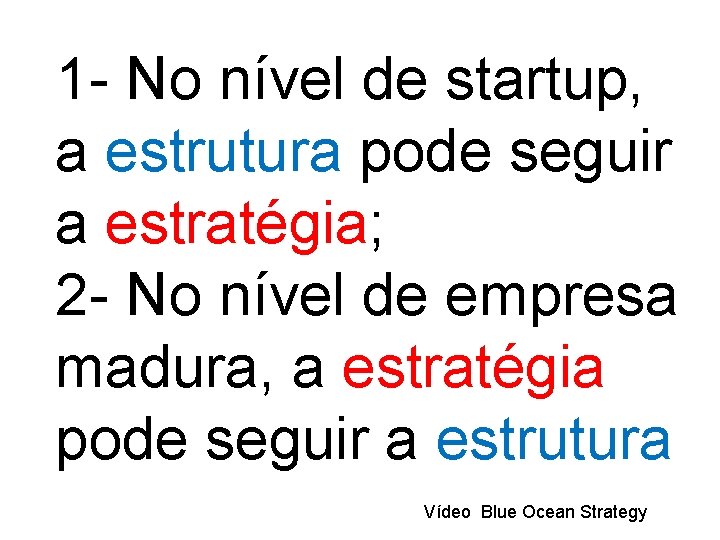
1 - No nível de startup, a estrutura pode seguir a estratégia; 2 - No nível de empresa madura, a estratégia pode seguir a estrutura Vídeo Blue Ocean Strategy
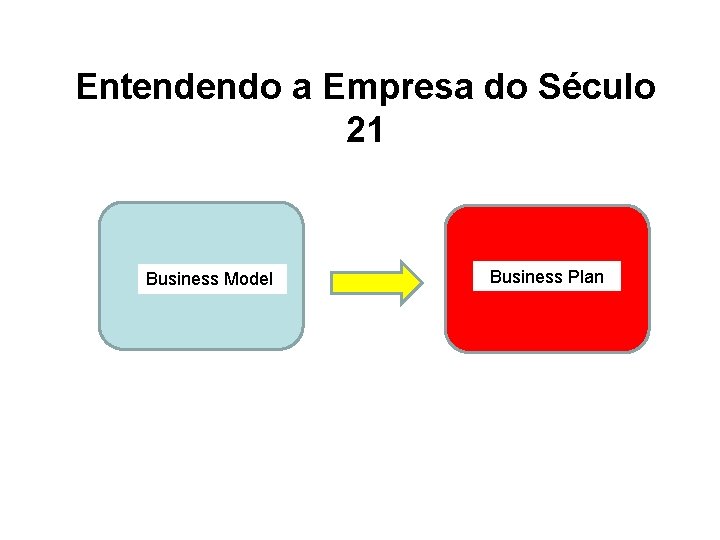
Entendendo a Empresa do Século 21 Business Model Business Plan
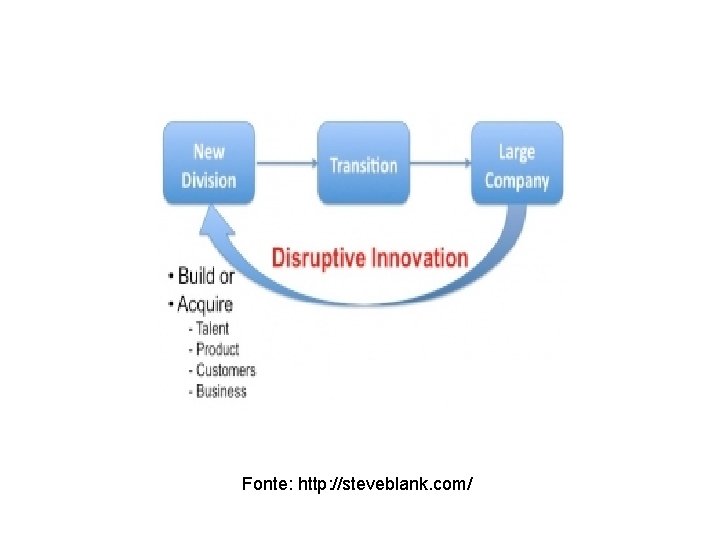
Fonte: http: //steveblank. com/
Fonte: http: //steveblank. com/
Fonte: http: //steveblank. com/
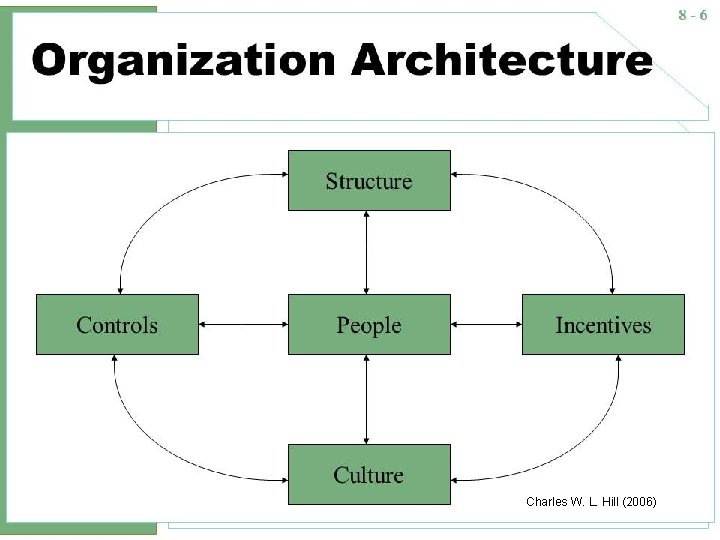
Charles W. L. Hill (2006)
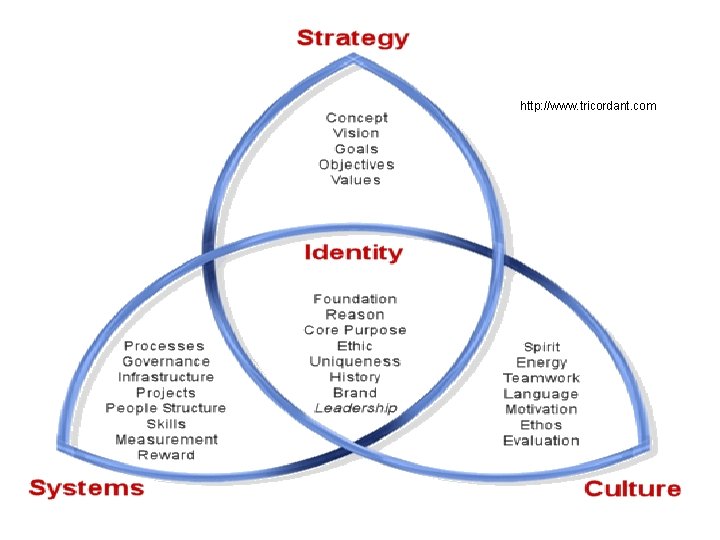
http: //www. tricordant. com
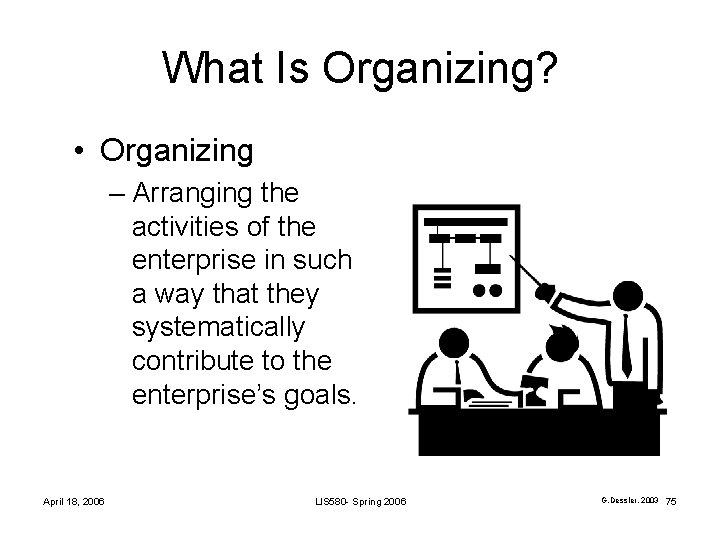
What Is Organizing? • Organizing – Arranging the activities of the enterprise in such a way that they systematically contribute to the enterprise’s goals. April 18, 2006 LIS 580 - Spring 2006 G. Dessler, 2003 75
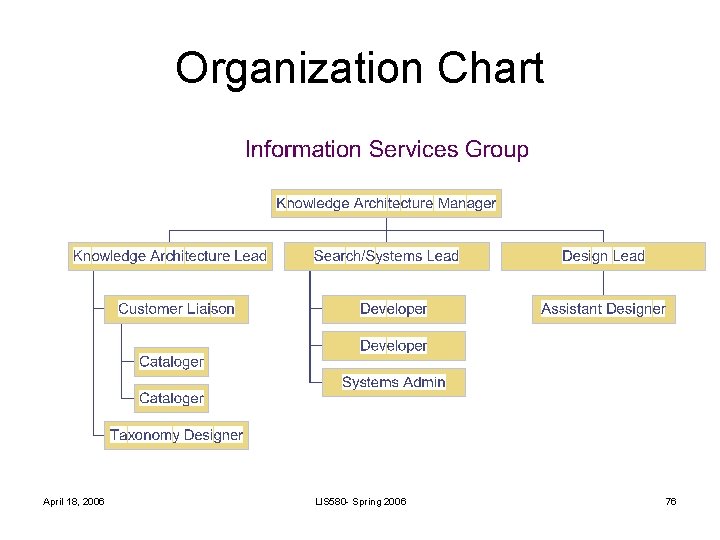
Organization Chart April 18, 2006 LIS 580 - Spring 2006 76
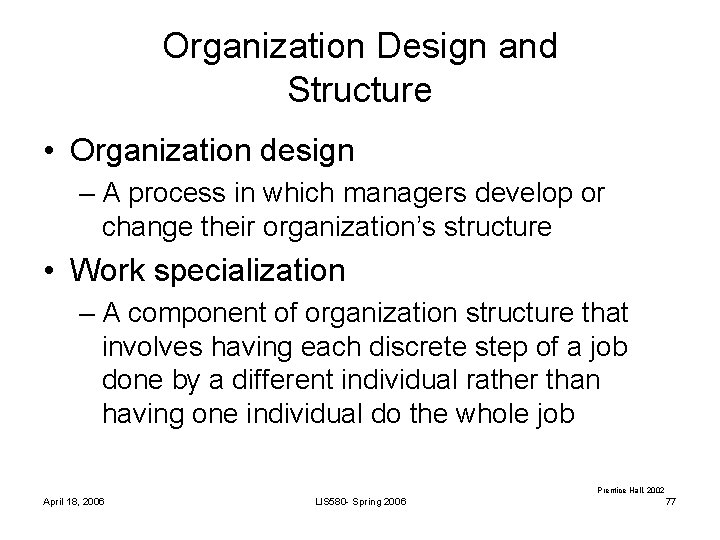
Organization Design and Structure • Organization design – A process in which managers develop or change their organization’s structure • Work specialization – A component of organization structure that involves having each discrete step of a job done by a different individual rather than having one individual do the whole job Prentice Hall, 2002 April 18, 2006 LIS 580 - Spring 2006 77
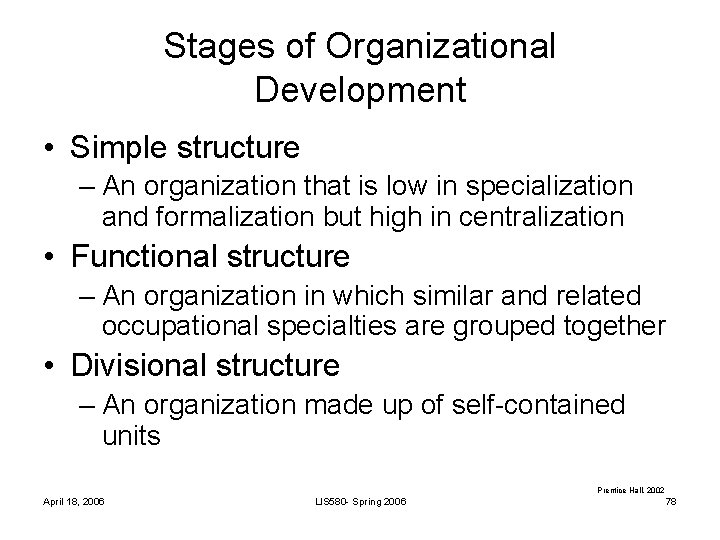
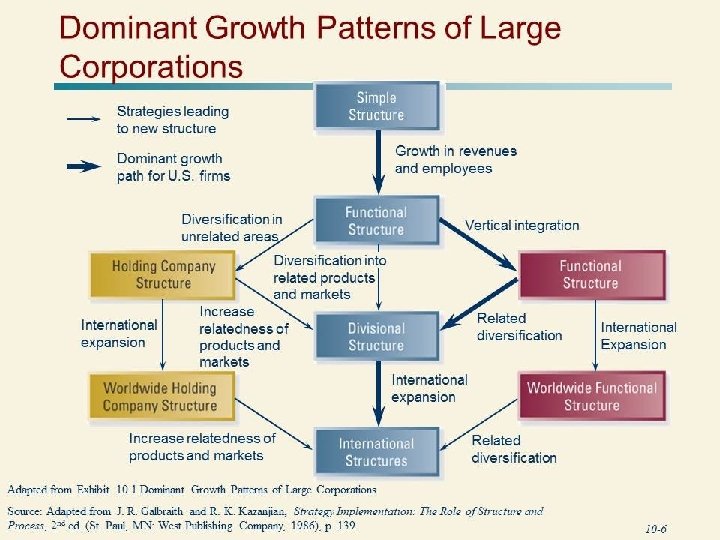
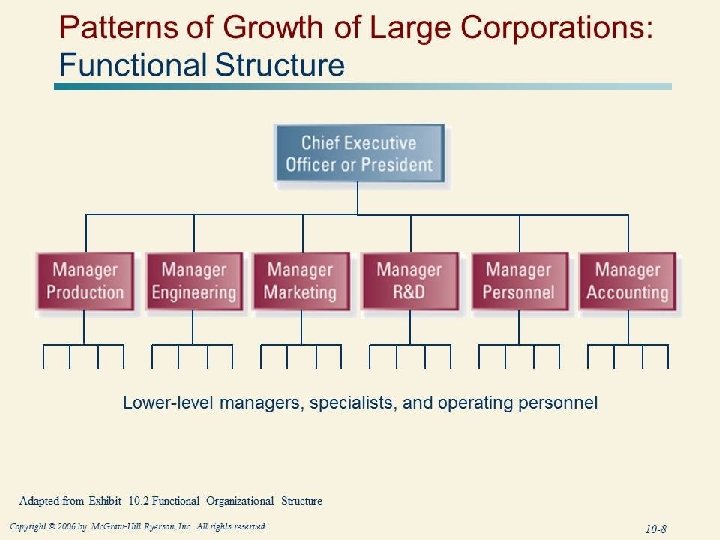
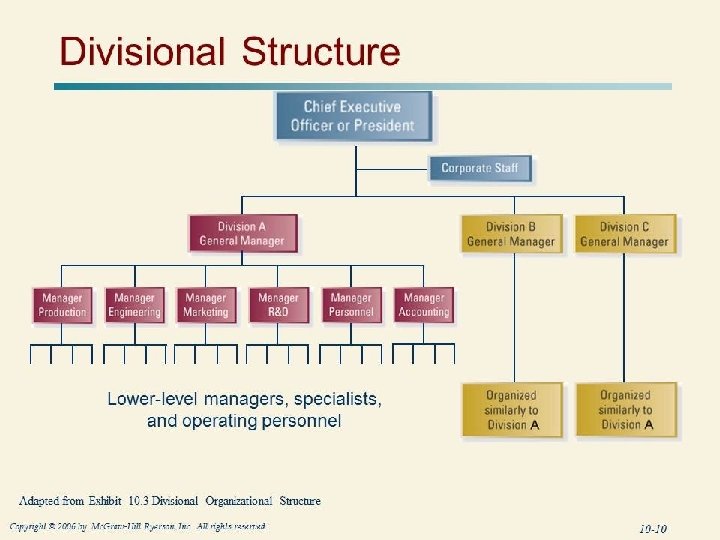
Stages of Organizational Development • Simple structure – An organization that is low in specialization and formalization but high in centralization • Functional structure – An organization in which similar and related occupational specialties are grouped together • Divisional structure – An organization made up of self-contained units Prentice Hall, 2002 April 18, 2006 LIS 580 - Spring 2006 78
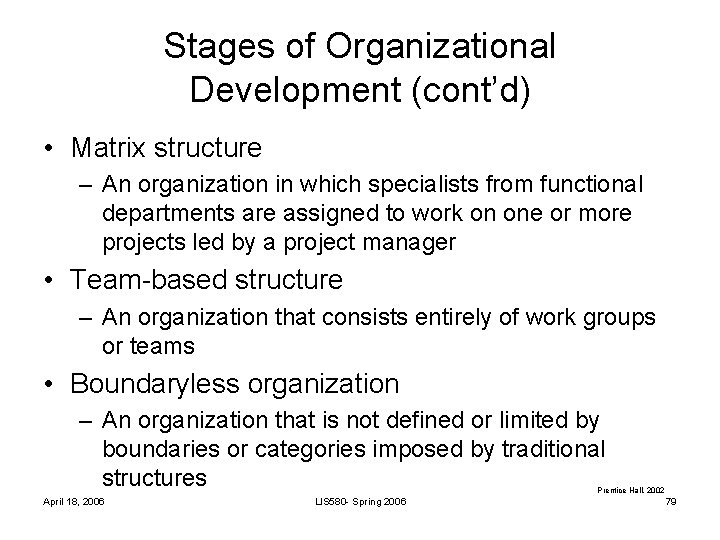
Stages of Organizational Development (cont’d) • Matrix structure – An organization in which specialists from functional departments are assigned to work on one or more projects led by a project manager • Team-based structure – An organization that consists entirely of work groups or teams • Boundaryless organization – An organization that is not defined or limited by boundaries or categories imposed by traditional structures Prentice Hall, 2002 April 18, 2006 LIS 580 - Spring 2006 79
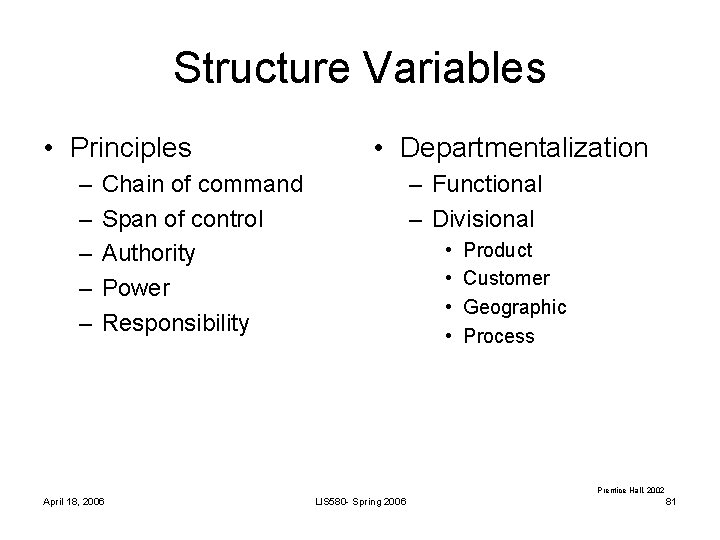
Structure Variables • Principles – – – • Departmentalization – Functional – Divisional Chain of command Span of control Authority Power Responsibility • • Product Customer Geographic Process Prentice Hall, 2002 April 18, 2006 LIS 580 - Spring 2006 81
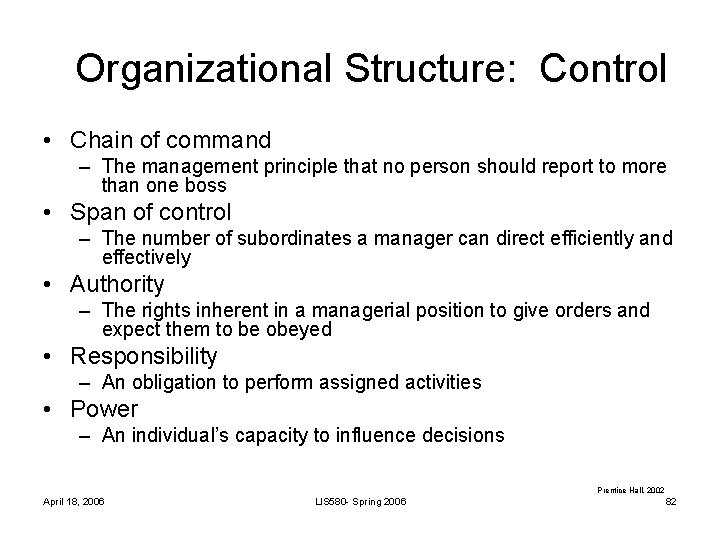
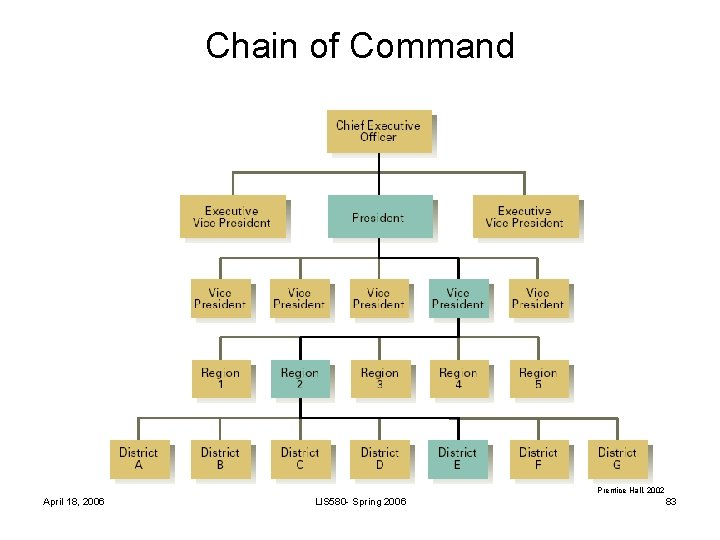
Organizational Structure: Control • Chain of command – The management principle that no person should report to more than one boss • Span of control – The number of subordinates a manager can direct efficiently and effectively • Authority – The rights inherent in a managerial position to give orders and expect them to be obeyed • Responsibility – An obligation to perform assigned activities • Power – An individual’s capacity to influence decisions Prentice Hall, 2002 April 18, 2006 LIS 580 - Spring 2006 82
Chain of Command Prentice Hall, 2002 April 18, 2006 LIS 580 - Spring 2006 83
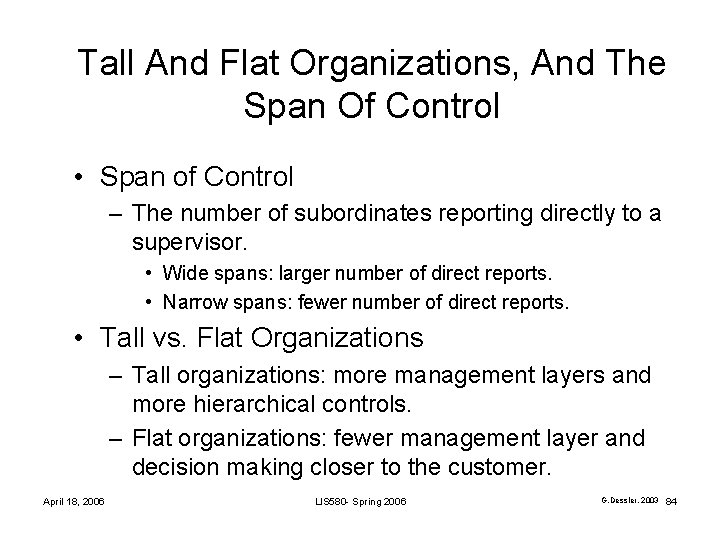
Tall And Flat Organizations, And The Span Of Control • Span of Control – The number of subordinates reporting directly to a supervisor. • Wide spans: larger number of direct reports. • Narrow spans: fewer number of direct reports. • Tall vs. Flat Organizations – Tall organizations: more management layers and more hierarchical controls. – Flat organizations: fewer management layer and decision making closer to the customer. April 18, 2006 LIS 580 - Spring 2006 G. Dessler, 2003 84
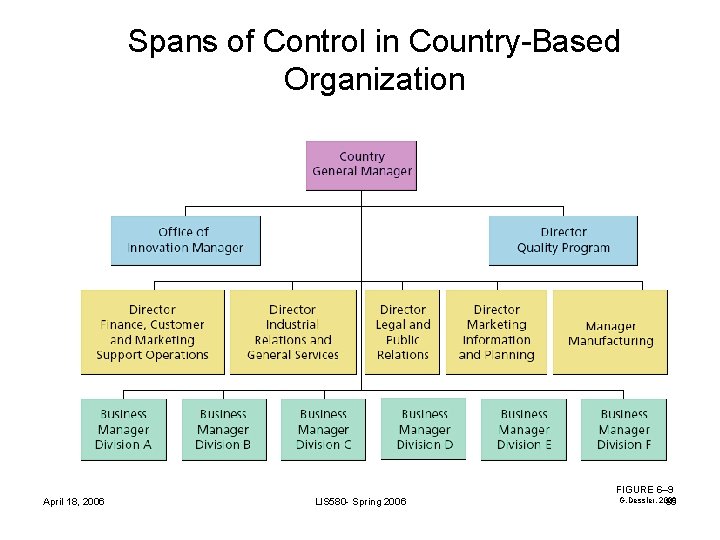
Spans of Control in Country-Based Organization April 18, 2006 LIS 580 - Spring 2006 FIGURE 6– 9 G. Dessler, 2003 85
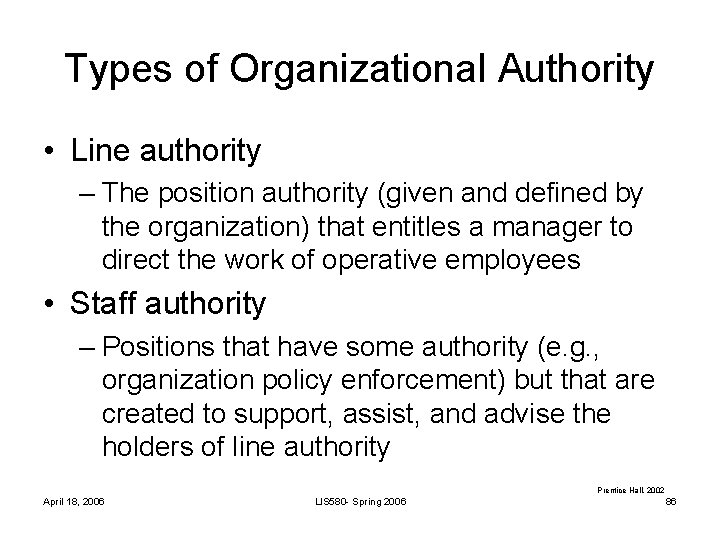
Types of Organizational Authority • Line authority – The position authority (given and defined by the organization) that entitles a manager to direct the work of operative employees • Staff authority – Positions that have some authority (e. g. , organization policy enforcement) but that are created to support, assist, and advise the holders of line authority Prentice Hall, 2002 April 18, 2006 LIS 580 - Spring 2006 86
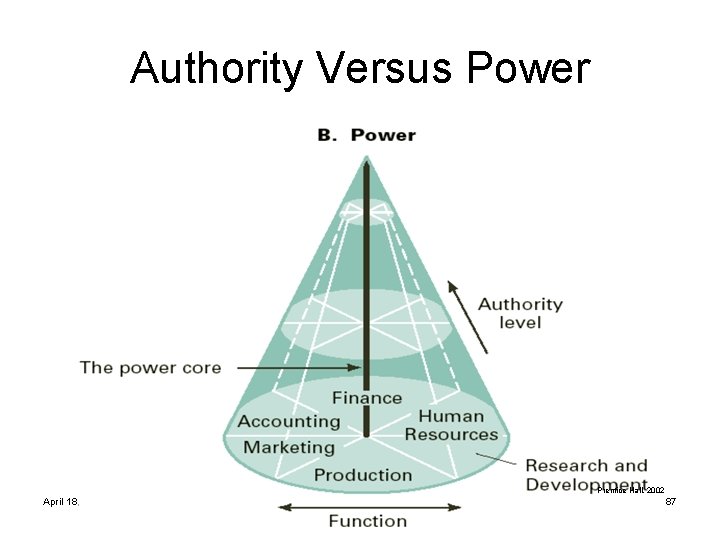
Authority Versus Power Prentice Hall, 2002 April 18, 2006 LIS 580 - Spring 2006 87
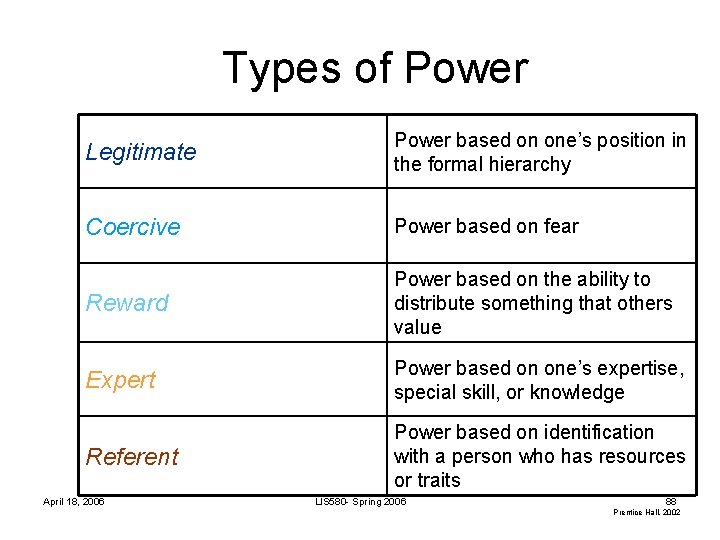
Types of Power Legitimate Power based on one’s position in the formal hierarchy Coercive Power based on fear Reward Power based on the ability to distribute something that others value Expert Power based on one’s expertise, special skill, or knowledge Referent Power based on identification with a person who has resources or traits April 18, 2006 LIS 580 - Spring 2006 88 Prentice Hall, 2002
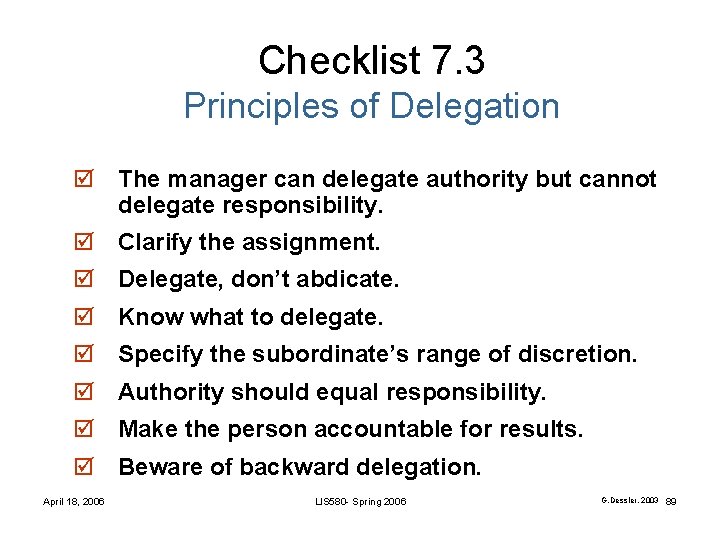
Checklist 7. 3 Principles of Delegation þ The manager can delegate authority but cannot delegate responsibility. þ Clarify the assignment. þ Delegate, don’t abdicate. þ Know what to delegate. þ Specify the subordinate’s range of discretion. þ Authority should equal responsibility. þ Make the person accountable for results. þ Beware of backward delegation. April 18, 2006 LIS 580 - Spring 2006 G. Dessler, 2003 89
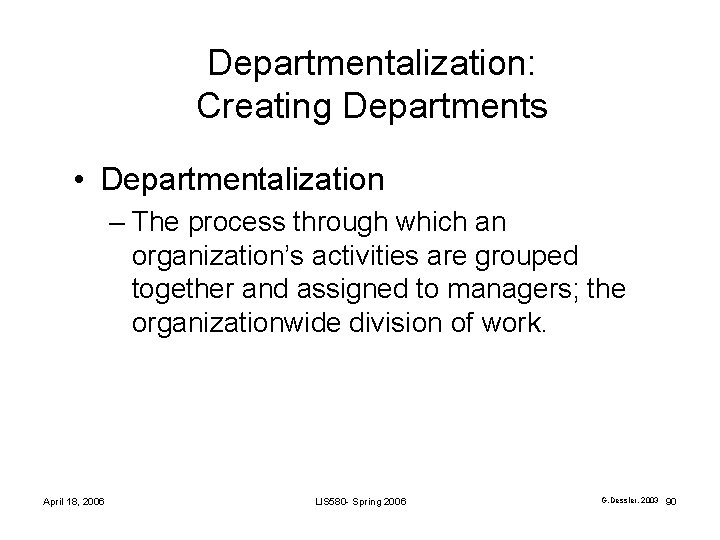
Departmentalization: Creating Departments • Departmentalization – The process through which an organization’s activities are grouped together and assigned to managers; the organizationwide division of work. April 18, 2006 LIS 580 - Spring 2006 G. Dessler, 2003 90
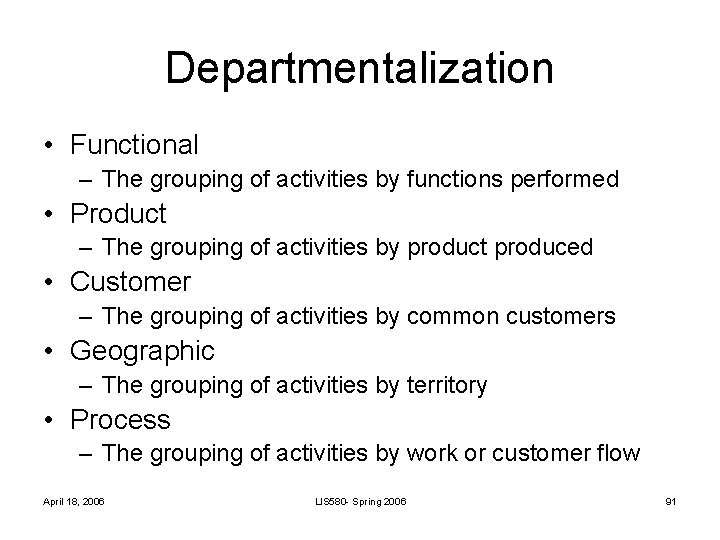
Departmentalization • Functional – The grouping of activities by functions performed • Product – The grouping of activities by product produced • Customer – The grouping of activities by common customers • Geographic – The grouping of activities by territory • Process – The grouping of activities by work or customer flow April 18, 2006 LIS 580 - Spring 2006 91
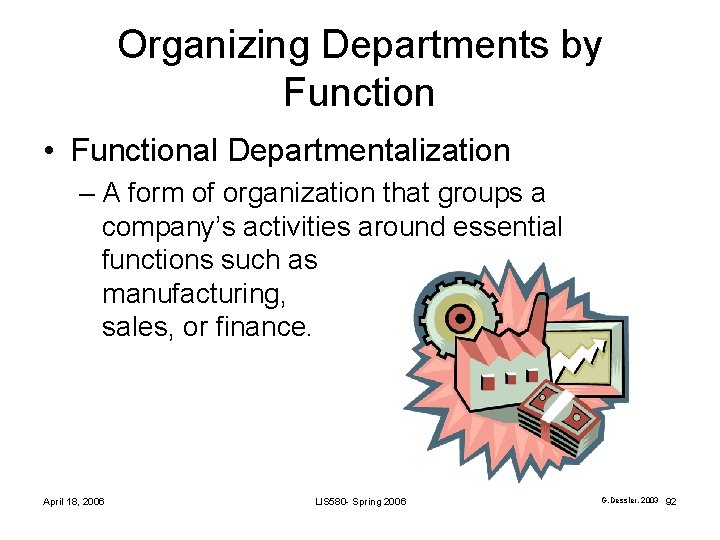
Organizing Departments by Function • Functional Departmentalization – A form of organization that groups a company’s activities around essential functions such as manufacturing, sales, or finance. April 18, 2006 LIS 580 - Spring 2006 G. Dessler, 2003 92
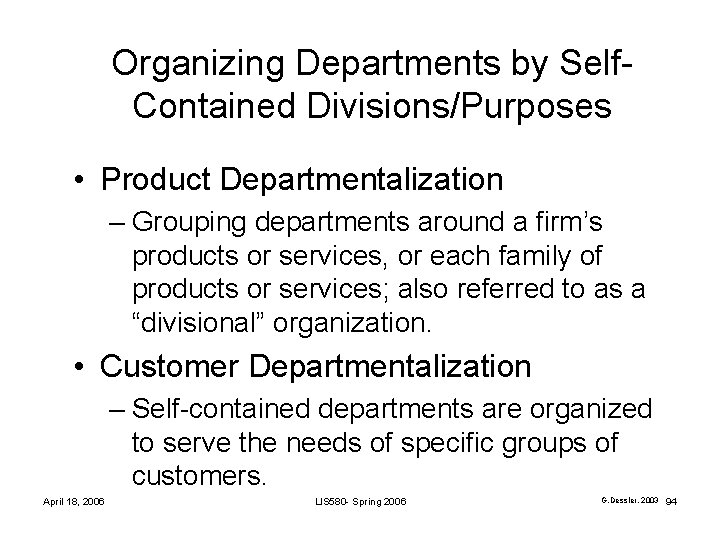
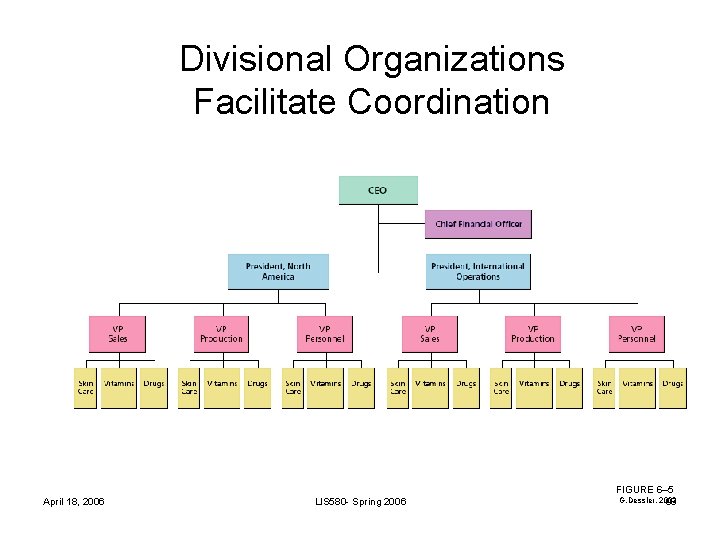
Organizing Departments by Self. Contained Divisions/Purposes • Product Departmentalization – Grouping departments around a firm’s products or services, or each family of products or services; also referred to as a “divisional” organization. • Customer Departmentalization – Self-contained departments are organized to serve the needs of specific groups of customers. April 18, 2006 LIS 580 - Spring 2006 G. Dessler, 2003 94
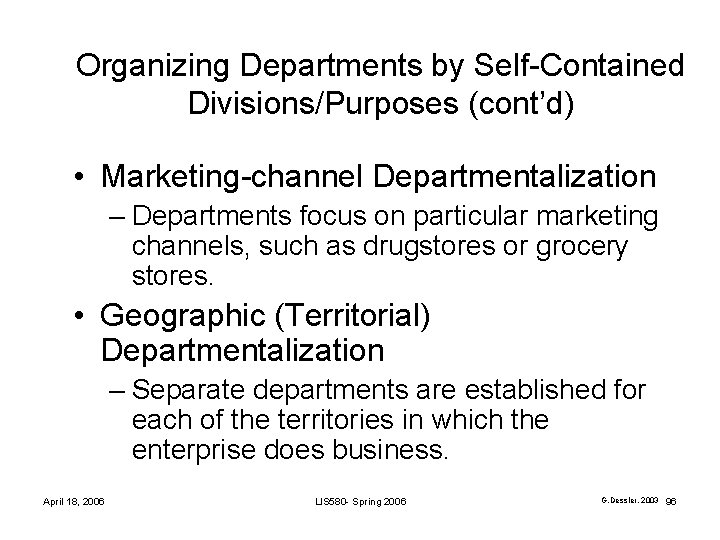
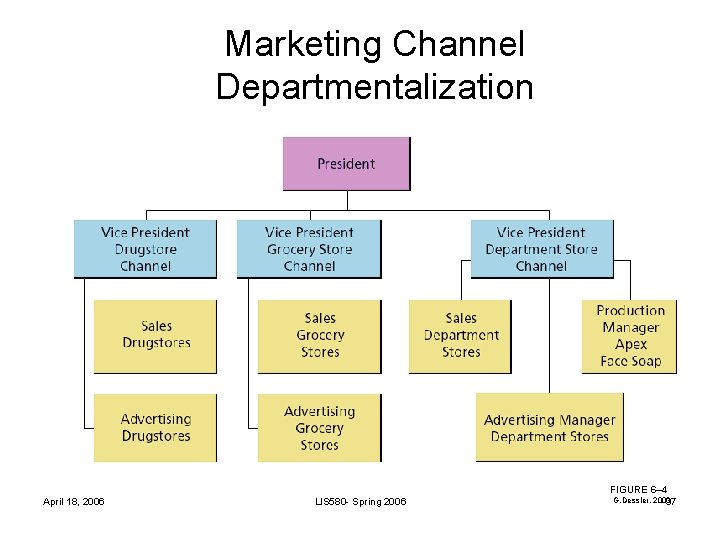
Organizing Departments by Self-Contained Divisions/Purposes (cont’d) • Marketing-channel Departmentalization – Departments focus on particular marketing channels, such as drugstores or grocery stores. • Geographic (Territorial) Departmentalization – Separate departments are established for each of the territories in which the enterprise does business. April 18, 2006 LIS 580 - Spring 2006 G. Dessler, 2003 96
Marketing Channel Departmentalization April 18, 2006 LIS 580 - Spring 2006 FIGURE 6– 4 G. Dessler, 2003 97
Divisional Organizations Facilitate Coordination April 18, 2006 LIS 580 - Spring 2006 FIGURE 6– 5 G. Dessler, 2003 98
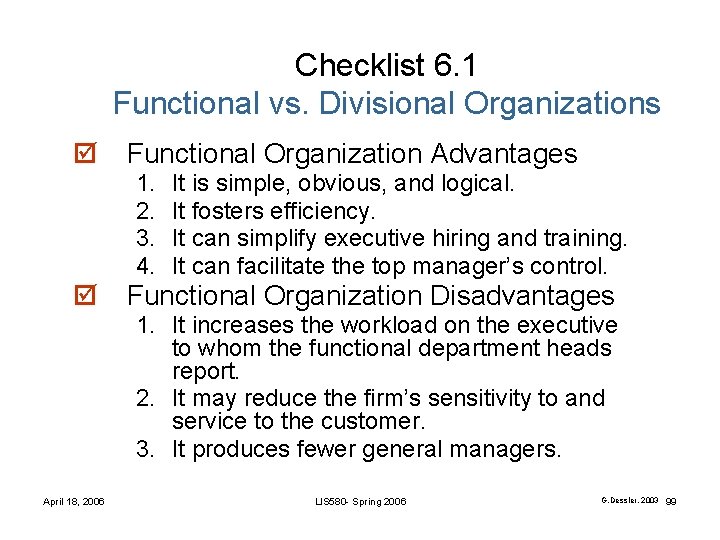
Checklist 6. 1 Functional vs. Divisional Organizations þ Functional Organization Advantages 1. 2. 3. 4. It is simple, obvious, and logical. It fosters efficiency. It can simplify executive hiring and training. It can facilitate the top manager’s control. þ Functional Organization Disadvantages 1. It increases the workload on the executive to whom the functional department heads report. 2. It may reduce the firm’s sensitivity to and service to the customer. 3. It produces fewer general managers. April 18, 2006 LIS 580 - Spring 2006 G. Dessler, 2003 99
Checklist 6. 1 (cont’d) Functional vs. Divisional Organizations þ Divisional Organization Advantages 1. The product or service gets the single-minded attention of its own general manager and unit, and its customers may get better, more responsive service. 2. It’s easier to judge performance. 3. It develops general managers. 4. It reduces the burden for the company’s CEO. April 18, 2006 LIS 580 - Spring 2006 G. Dessler, 2003 100
Checklist 6. 1 (cont’d) Functional vs. Divisional Organizations þ Divisional Organization Disadvantages 1. It creates duplication of effort. 2. It may diminish top management’s control. 3. It requires more managers with general management abilities. 4. It can breed compartmentalization. April 18, 2006 LIS 580 - Spring 2006 G. Dessler, 2003 101
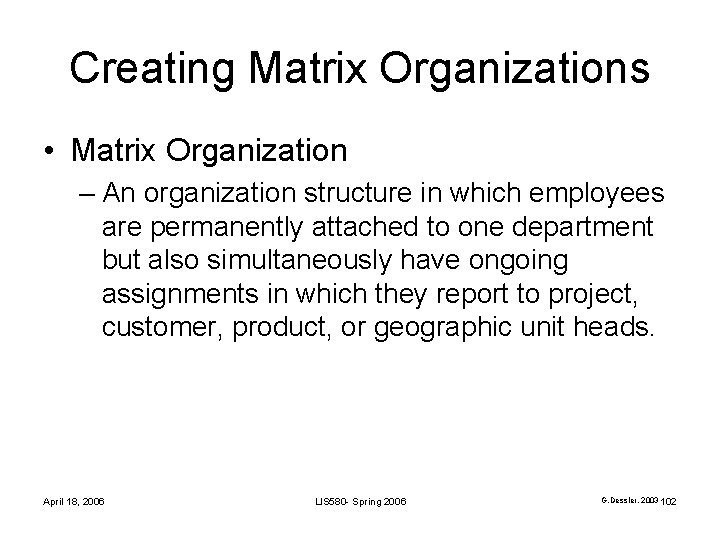
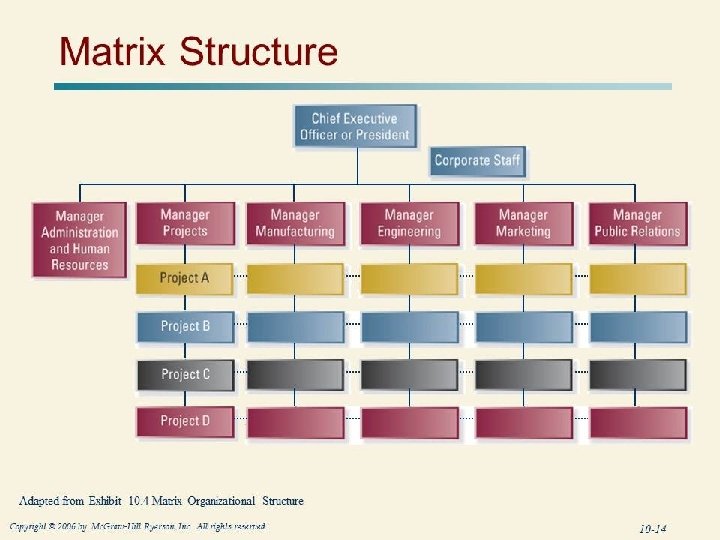
Creating Matrix Organizations • Matrix Organization – An organization structure in which employees are permanently attached to one department but also simultaneously have ongoing assignments in which they report to project, customer, product, or geographic unit heads. April 18, 2006 LIS 580 - Spring 2006 G. Dessler, 2003 102
Matrix Organizations Advantages • Access to expertise. • Stability of permanent department assignments for employees. • Allows for focus on specific projects, products, or customers. April 18, 2006 Disadvantages • Confusion of command. • Power struggles and conflicts. • Lost time in coordinating. • Excess overhead for managing matrix functions. LIS 580 - Spring 2006 G. Dessler, 2003 104
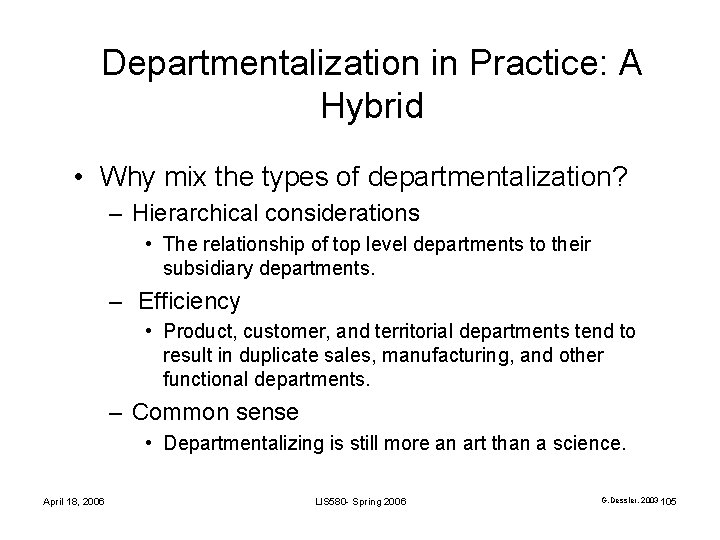
Departmentalization in Practice: A Hybrid • Why mix the types of departmentalization? – Hierarchical considerations • The relationship of top level departments to their subsidiary departments. – Efficiency • Product, customer, and territorial departments tend to result in duplicate sales, manufacturing, and other functional departments. – Common sense • Departmentalizing is still more an art than a science. April 18, 2006 LIS 580 - Spring 2006 G. Dessler, 2003 105
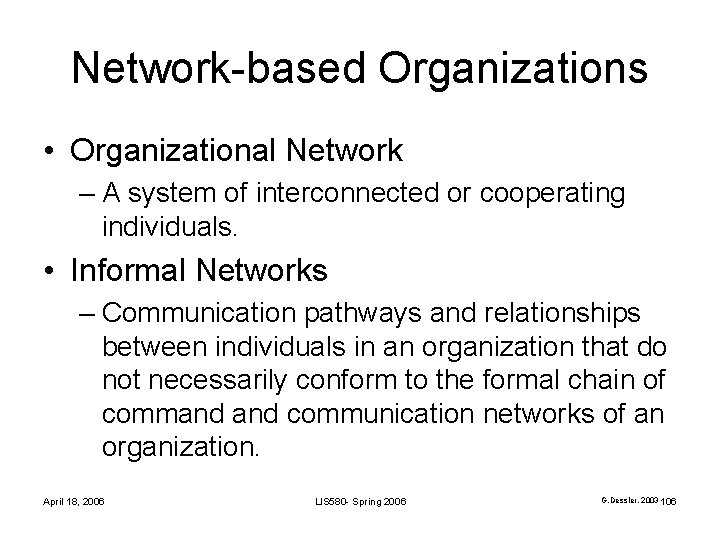
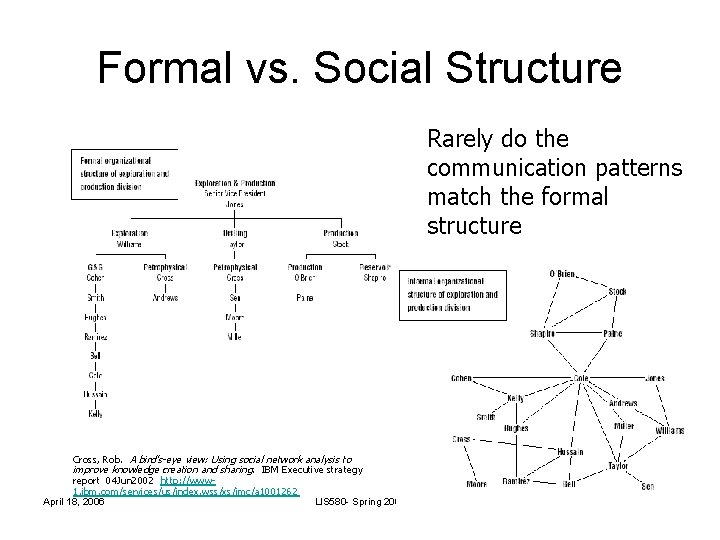
Network-based Organizations • Organizational Network – A system of interconnected or cooperating individuals. • Informal Networks – Communication pathways and relationships between individuals in an organization that do not necessarily conform to the formal chain of command communication networks of an organization. April 18, 2006 LIS 580 - Spring 2006 G. Dessler, 2003 106
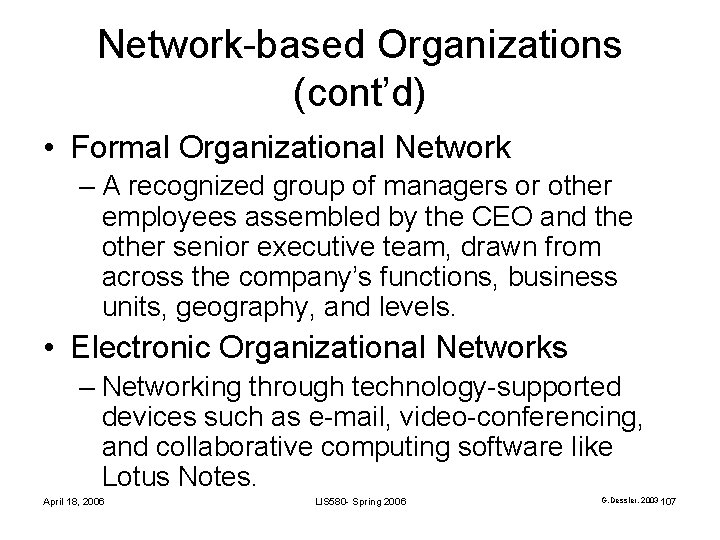
Network-based Organizations (cont’d) • Formal Organizational Network – A recognized group of managers or other employees assembled by the CEO and the other senior executive team, drawn from across the company’s functions, business units, geography, and levels. • Electronic Organizational Networks – Networking through technology-supported devices such as e-mail, video-conferencing, and collaborative computing software like Lotus Notes. April 18, 2006 LIS 580 - Spring 2006 G. Dessler, 2003 107
Formal vs. Social Structure Rarely do the communication patterns match the formal structure Cross, Rob. A bird's-eye view: Using social network analysis to improve knowledge creation and sharing. IBM Executive strategy report 04 Jun 2002 http: //www 1. ibm. com/services/us/index. wss/xs/imc/a 1001262 April 18, 2006 LIS 580 - Spring 2006 108
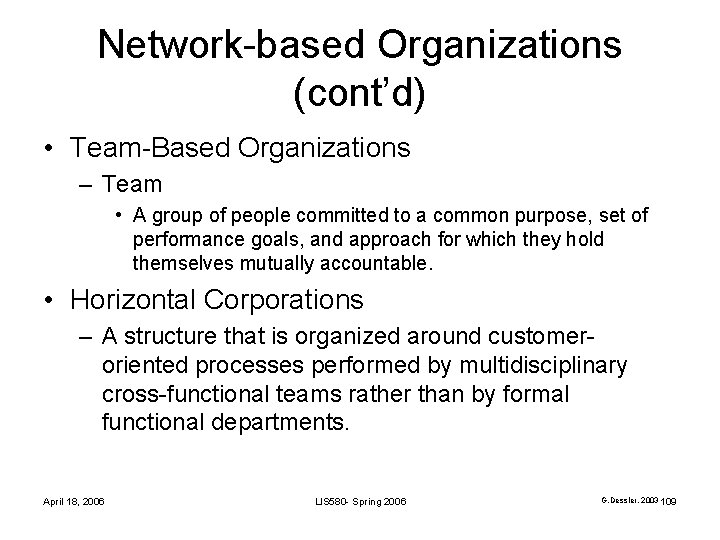
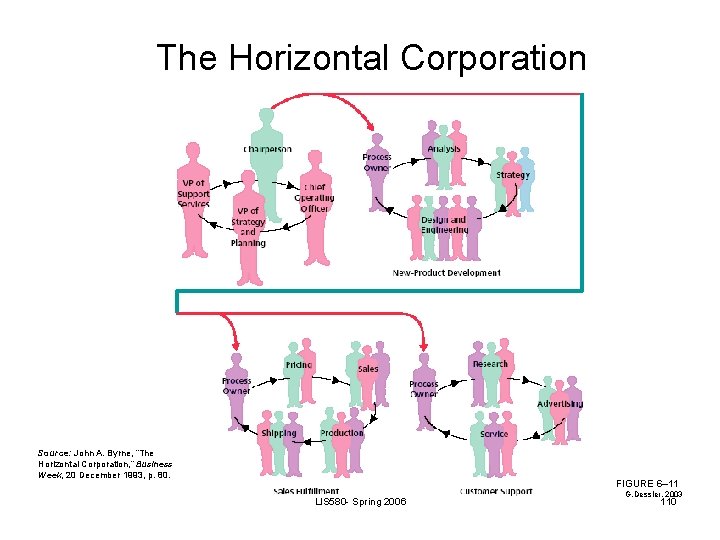
Network-based Organizations (cont’d) • Team-Based Organizations – Team • A group of people committed to a common purpose, set of performance goals, and approach for which they hold themselves mutually accountable. • Horizontal Corporations – A structure that is organized around customeroriented processes performed by multidisciplinary cross-functional teams rather than by formal functional departments. April 18, 2006 LIS 580 - Spring 2006 G. Dessler, 2003 109
The Horizontal Corporation Source: John A. Byrne, “The Horizontal Corporation, ” Business Week, 20 December 1993, p. 80. FIGURE 6– 11 LIS 580 - Spring 2006 G. Dessler, 2003 110
Other Organization Types • Federal Organization – An organization in which power is distributed between a central unit and a number of constituents, but the central unit’s authority is intentionally limited. • Virtual Organization – A temporary network of independent companies that use information technology to share skills, reduce costs, and provide access to one another’s markets. – Its success depends on each of the individual firms’ responsibility and self-interest to accomplish the network’s purpose. April 18, 2006 LIS 580 - Spring 2006 G. Dessler, 2003 111