
Erosion Deposition Chapter Units 3 1 Changing Earths
- Slides: 44
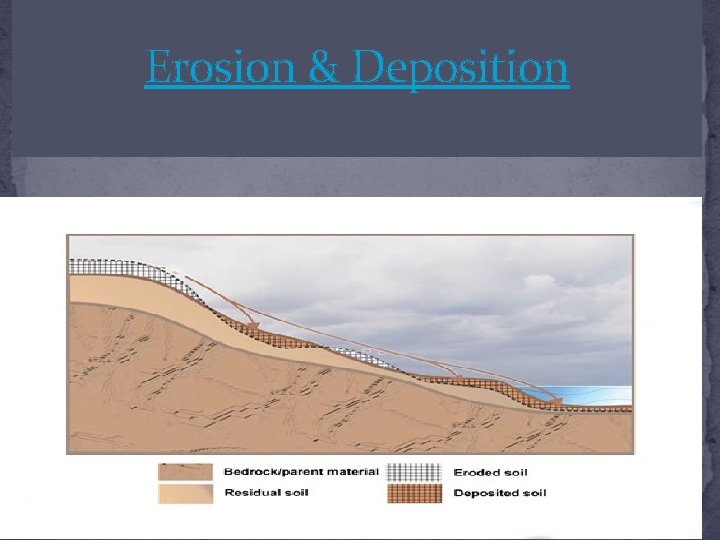
Erosion & Deposition
Chapter Units 3 -1 Changing Earth’s Surface 3 -2 Water Erosion 3 -3 Waves & Wind 3 -4 Glaciers
Objective and Starter Objective: Today you will learn about erosion. Starter: What do you know about erosion? Create a KWL chart K—What you know W-Want to Know L-What you Learned
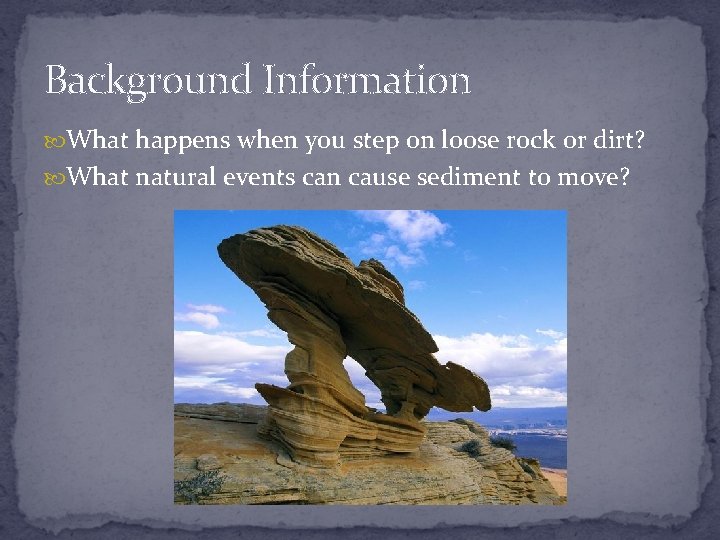
Background Information What happens when you step on loose rock or dirt? What natural events can cause sediment to move?
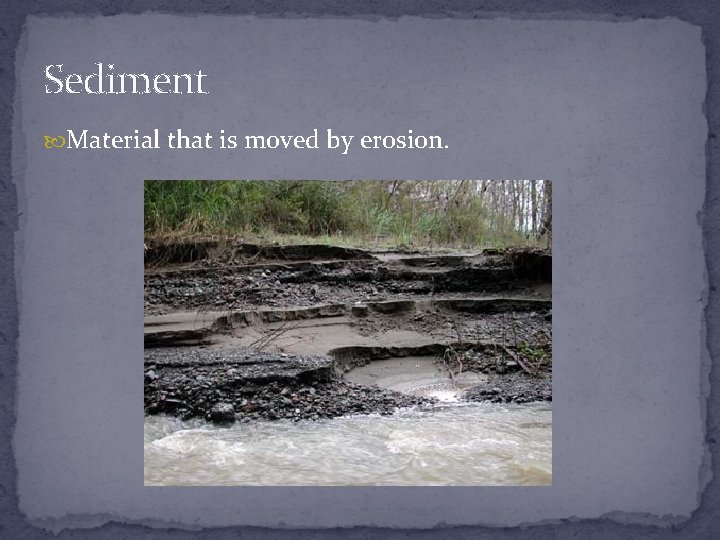
Sediment Material that is moved by erosion.
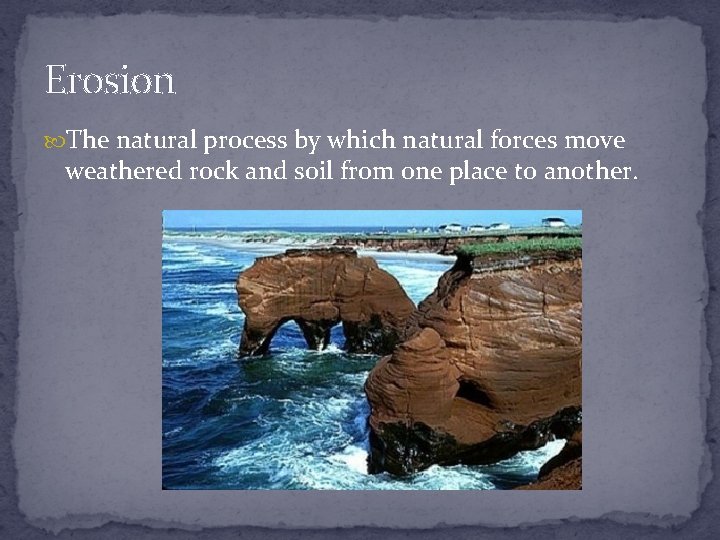
Erosion The natural process by which natural forces move weathered rock and soil from one place to another.
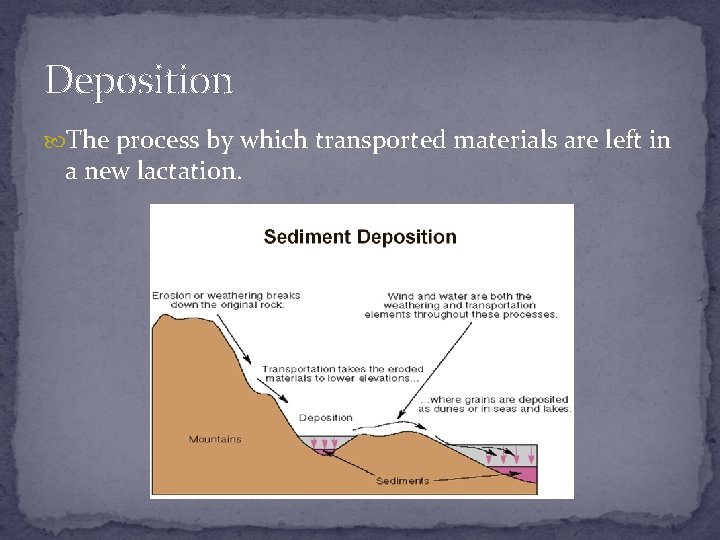
Deposition The process by which transported materials are left in a new lactation.
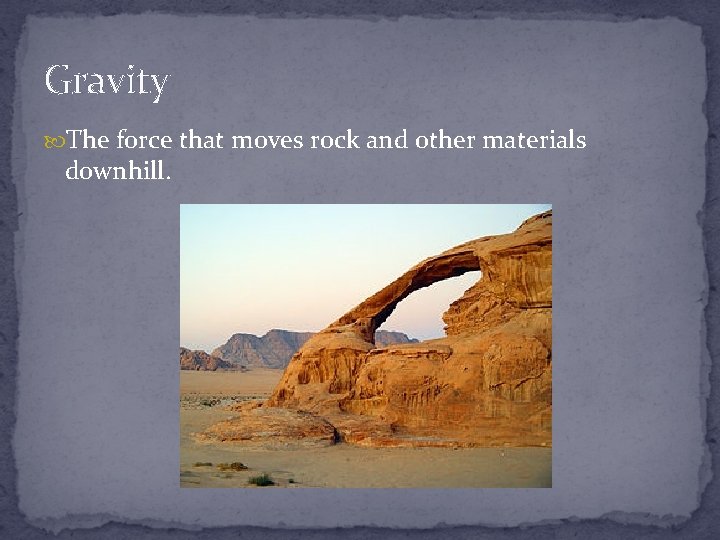
Gravity The force that moves rock and other materials downhill.
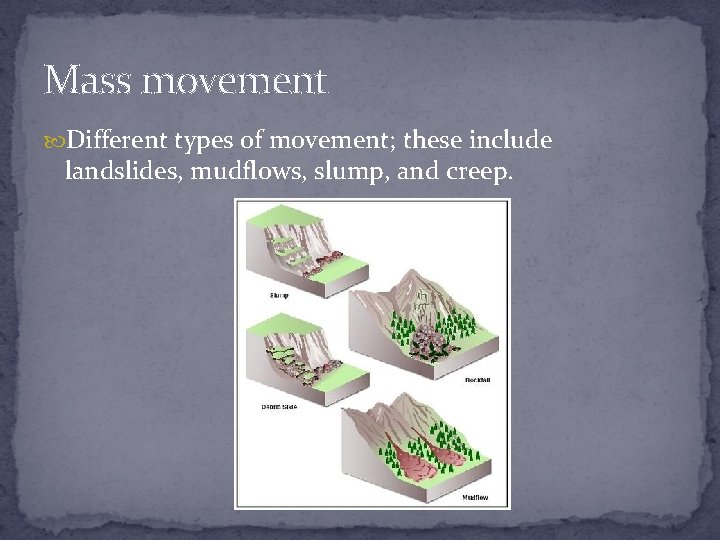
Mass movement Different types of movement; these include landslides, mudflows, slump, and creep.
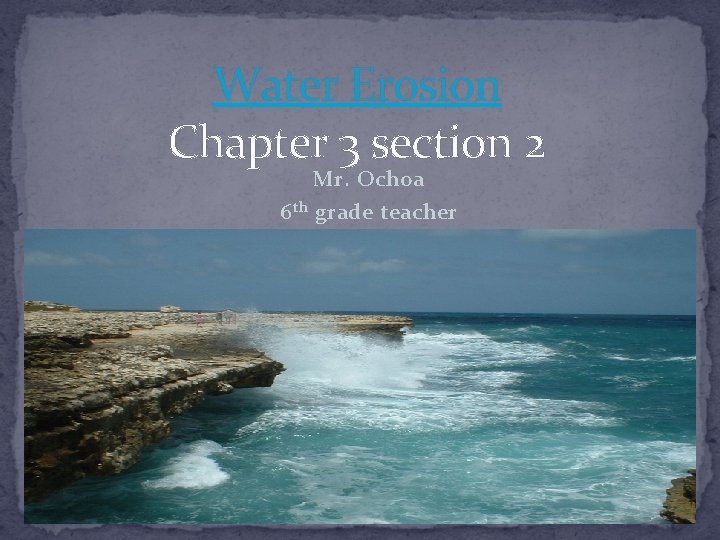
Water Erosion Chapter 3 section 2 Mr. Ochoa 6 th grade teacher
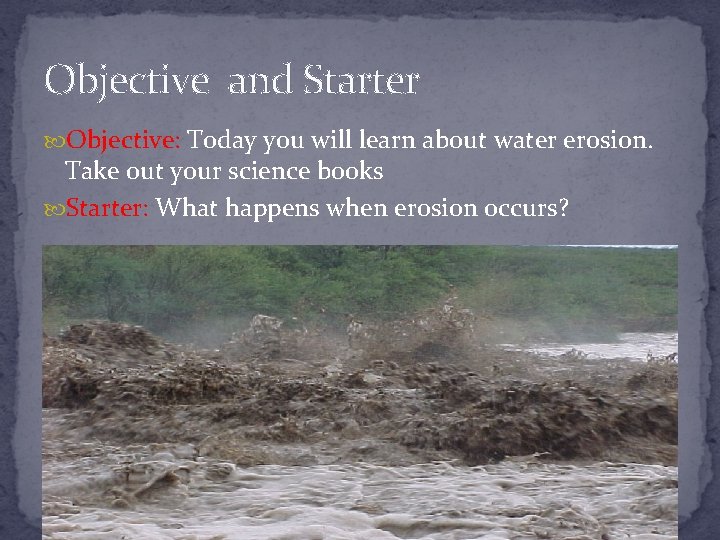
Objective and Starter Objective: Today you will learn about water erosion. Take out your science books Starter: What happens when erosion occurs?
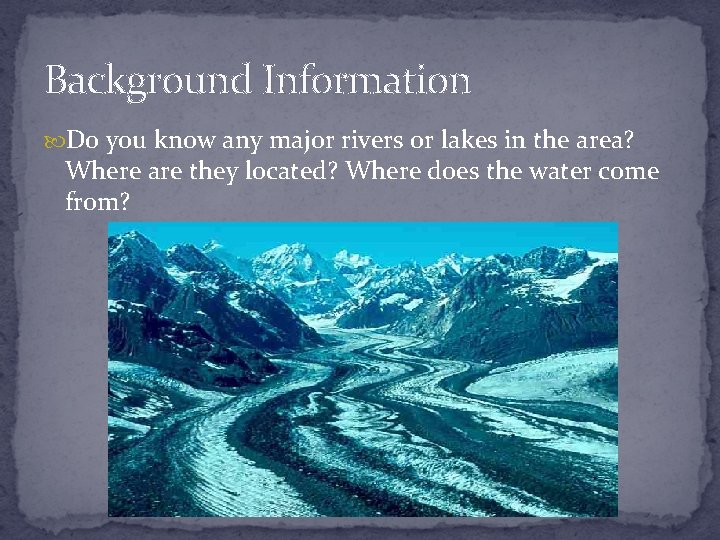
Background Information Do you know any major rivers or lakes in the area? Where are they located? Where does the water come from?
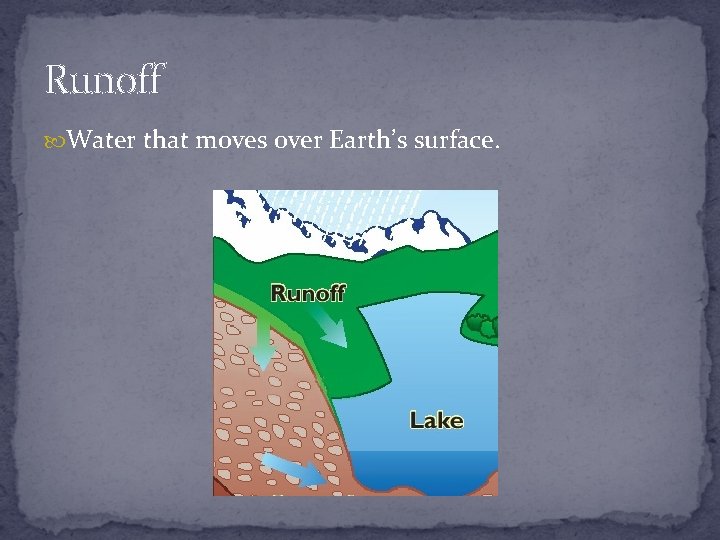
Runoff Water that moves over Earth’s surface.
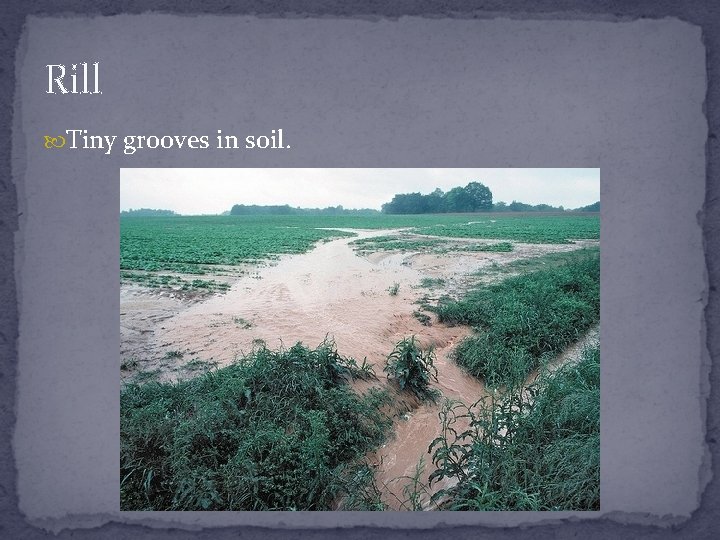
Rill Tiny grooves in soil.
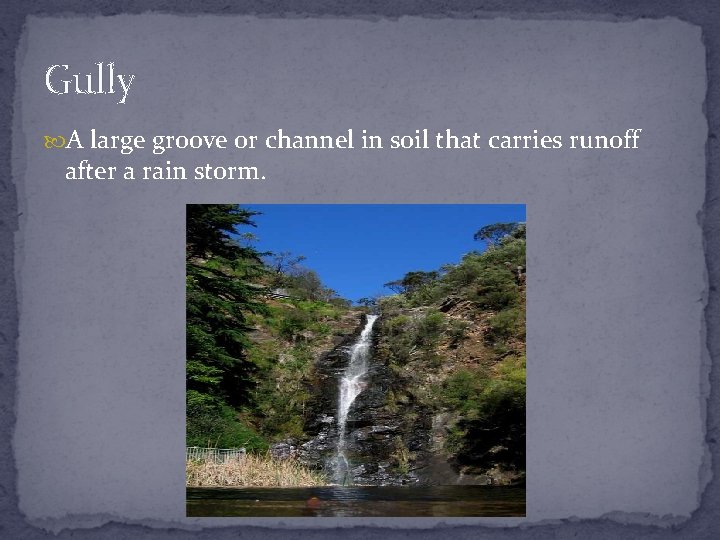
Gully A large groove or channel in soil that carries runoff after a rain storm.
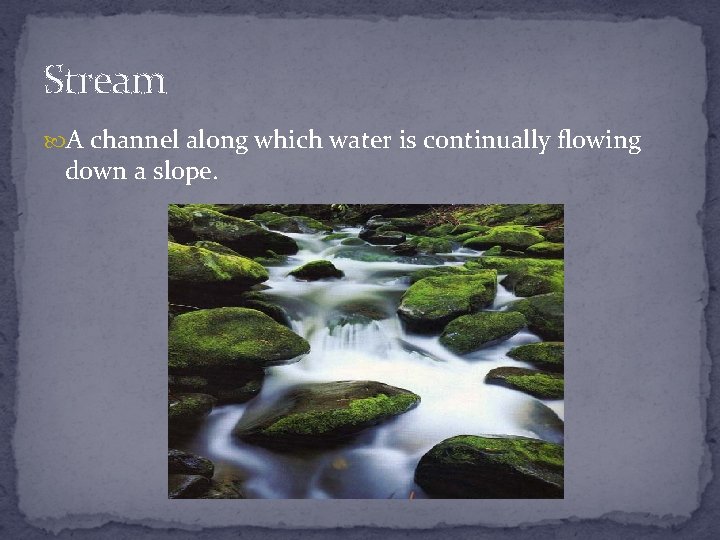
Stream A channel along which water is continually flowing down a slope.
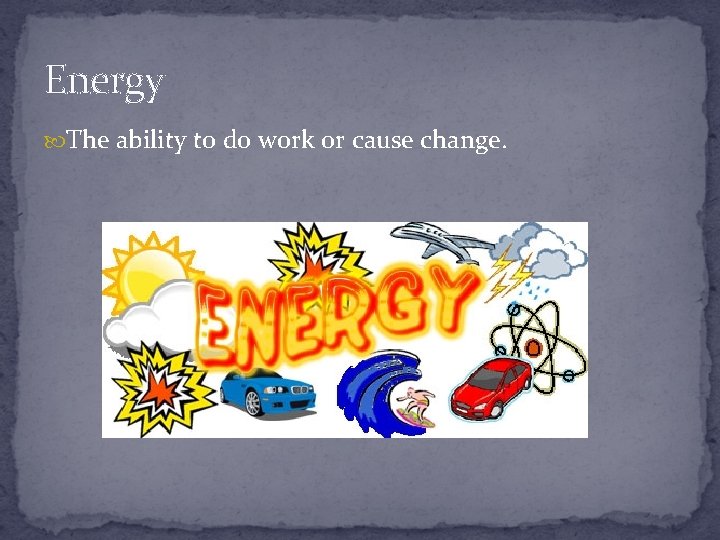
Energy The ability to do work or cause change.
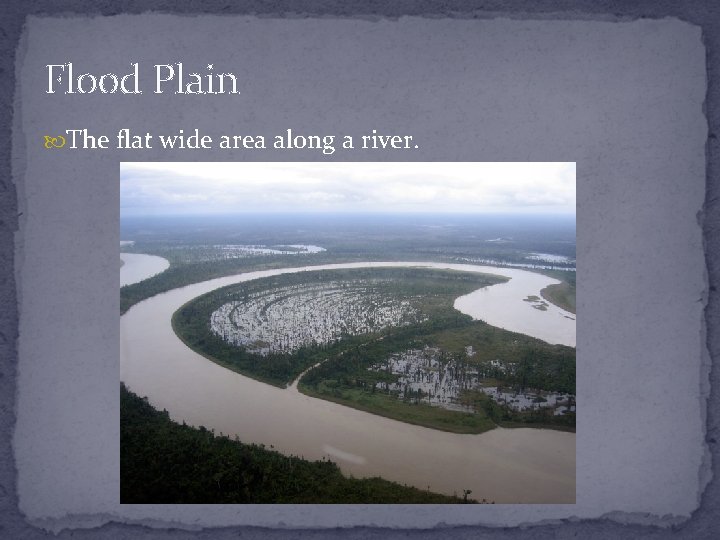
Flood Plain The flat wide area along a river.
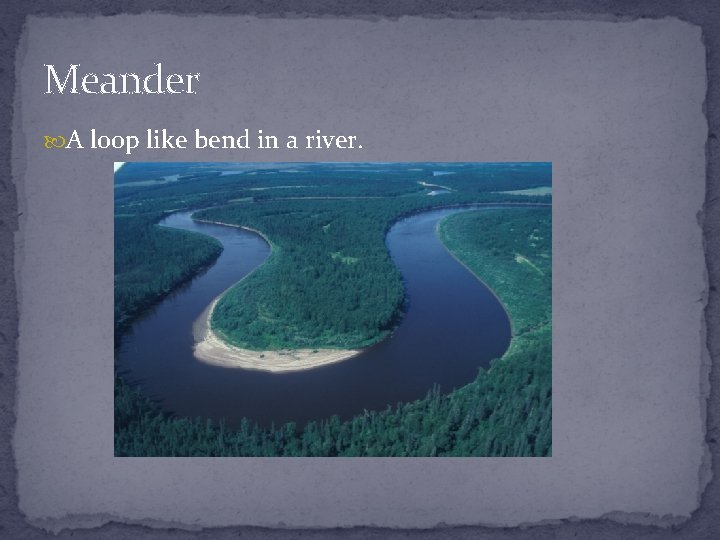
Meander A loop like bend in a river.
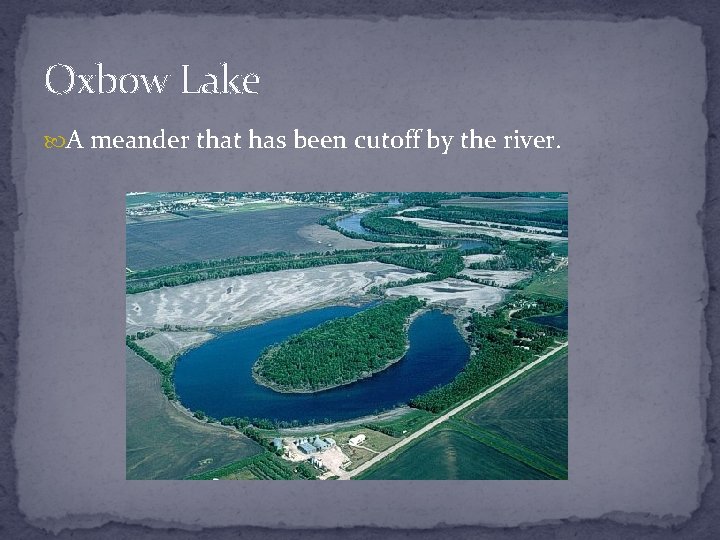
Oxbow Lake A meander that has been cutoff by the river.
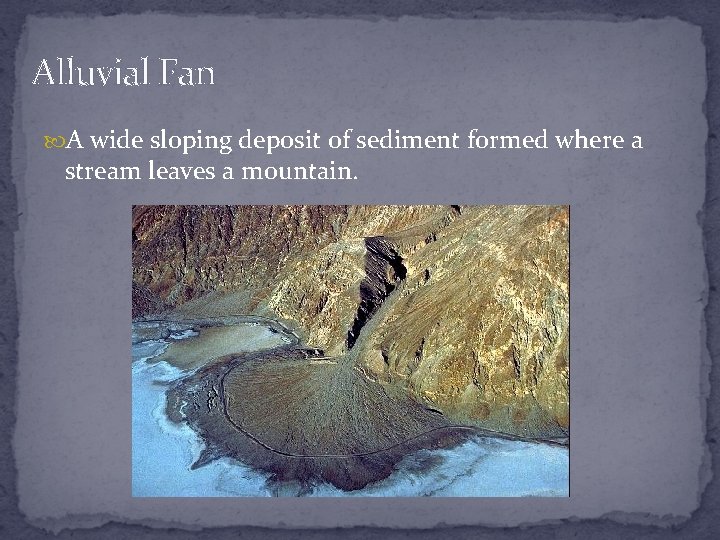
Alluvial Fan A wide sloping deposit of sediment formed where a stream leaves a mountain.
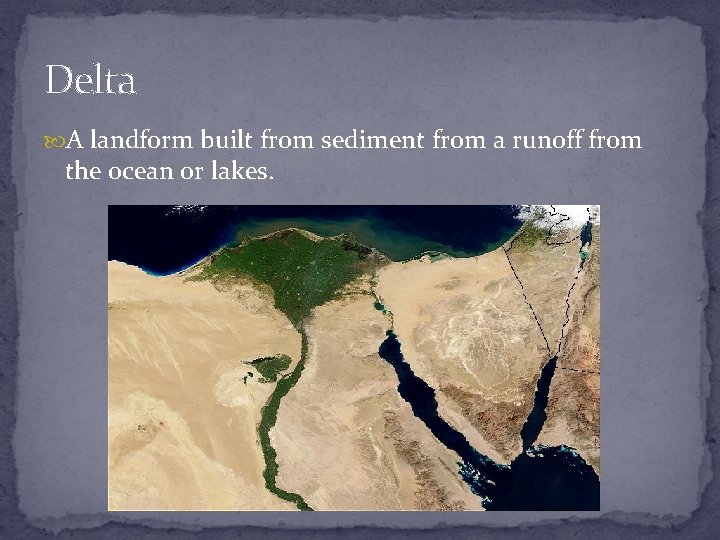
Delta A landform built from sediment from a runoff from the ocean or lakes.
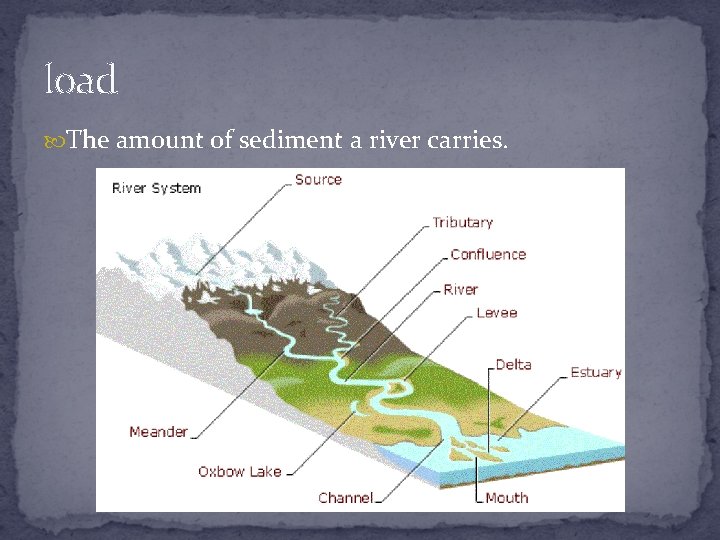
load The amount of sediment a river carries.
Drifting Continents Chapter 3 Section 3 Mr. Ochoa 6 th grade teacher
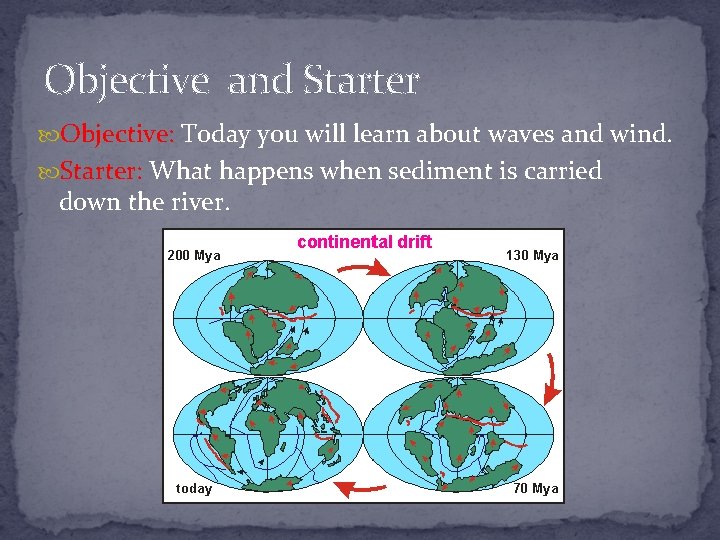
Objective and Starter Objective: Today you will learn about waves and wind. Starter: What happens when sediment is carried down the river.
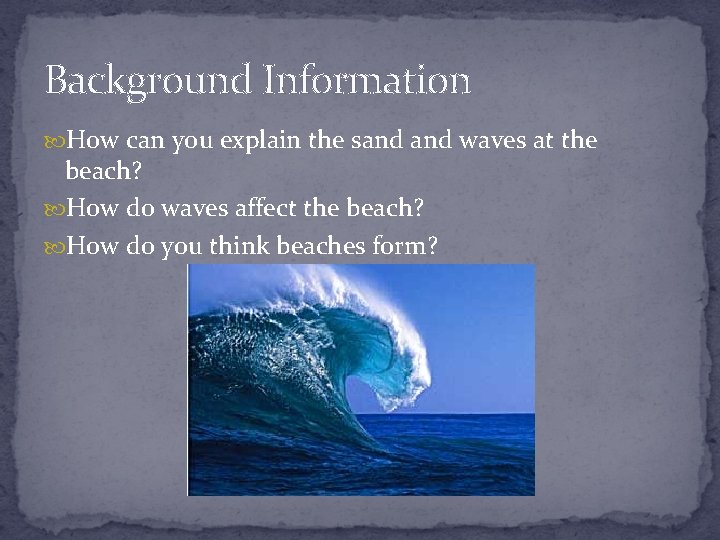
Background Information How can you explain the sand waves at the beach? How do waves affect the beach? How do you think beaches form?
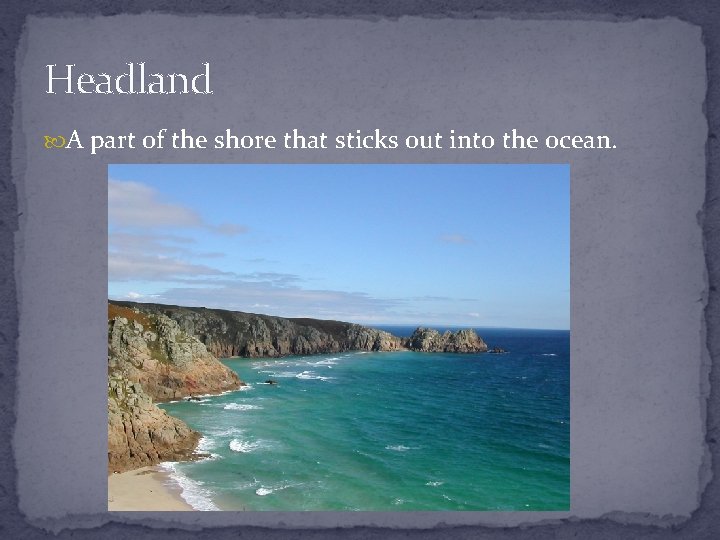
Headland A part of the shore that sticks out into the ocean.
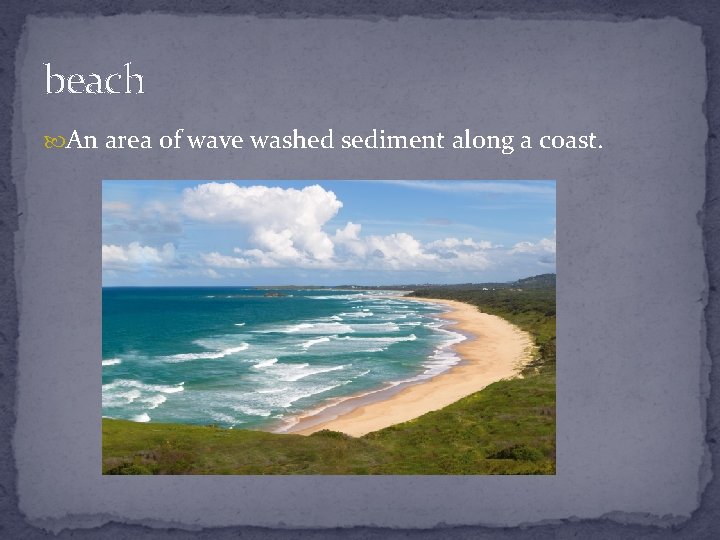
beach An area of wave washed sediment along a coast.
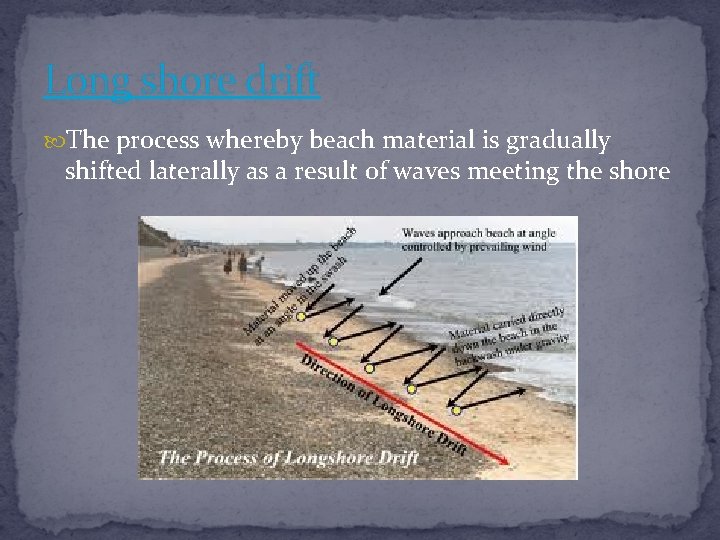
Long shore drift The process whereby beach material is gradually shifted laterally as a result of waves meeting the shore
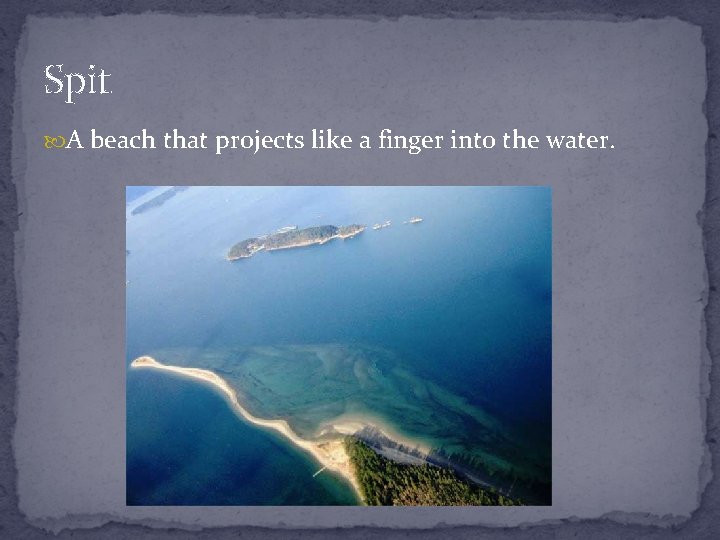
Spit A beach that projects like a finger into the water.
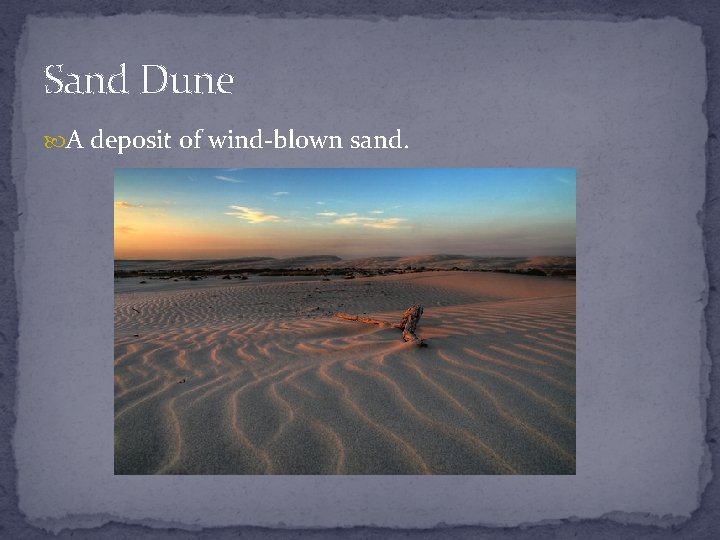
Sand Dune A deposit of wind-blown sand.
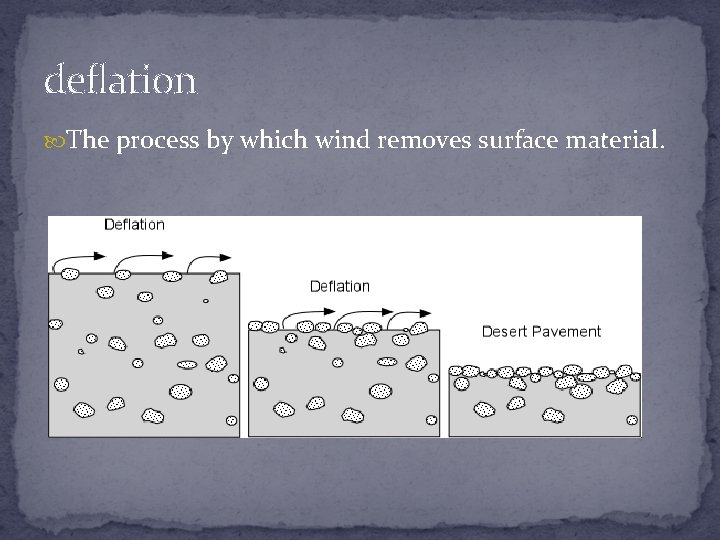
deflation The process by which wind removes surface material.
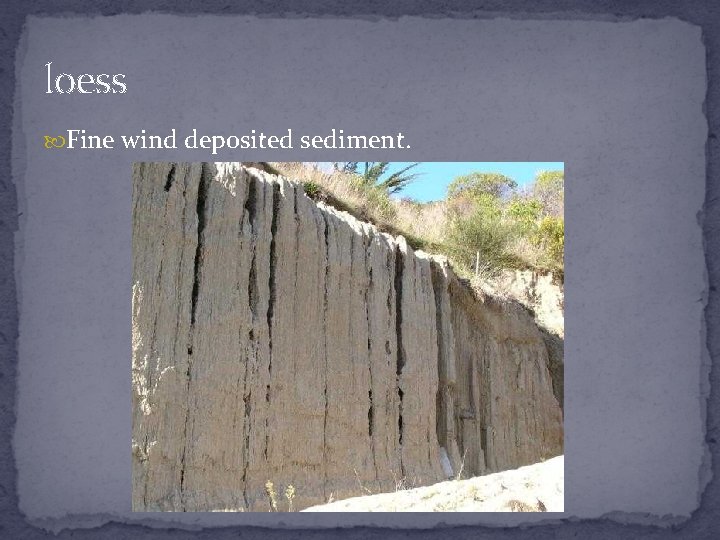
loess Fine wind deposited sediment.
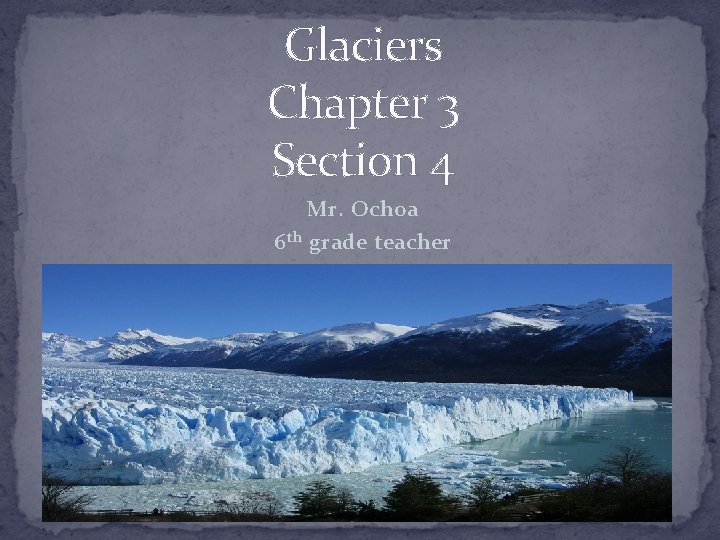
Glaciers Chapter 3 Section 4 Mr. Ochoa 6 th grade teacher
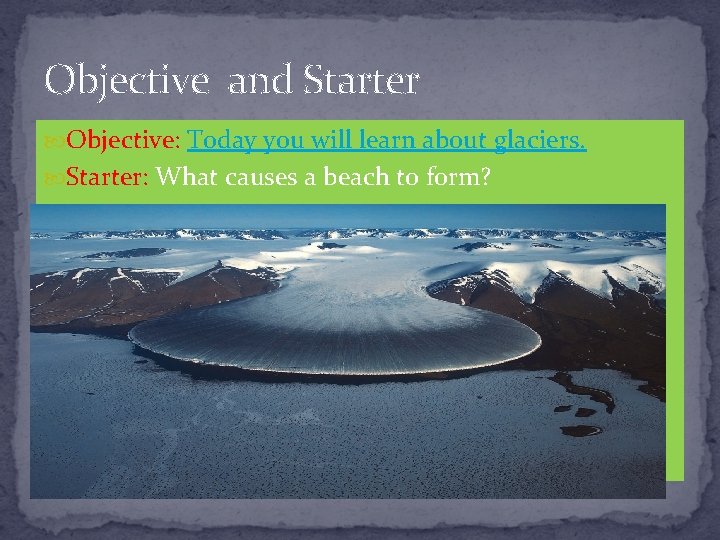
Objective and Starter Objective: Today you will learn about glaciers. Starter: What causes a beach to form?
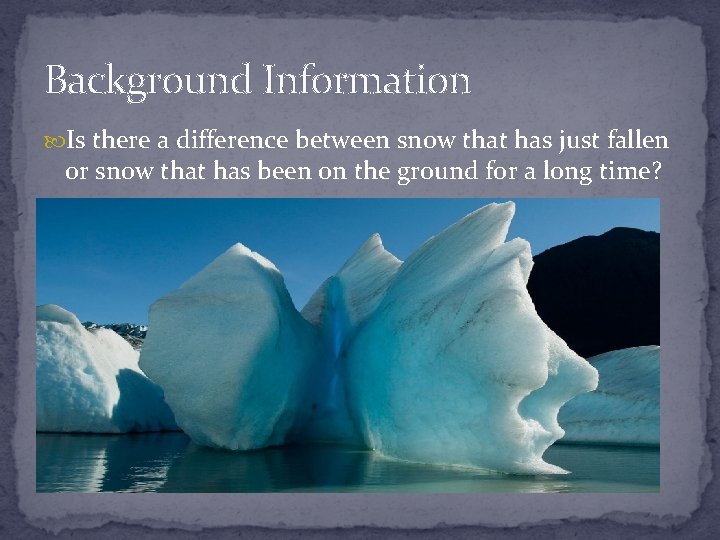
Background Information Is there a difference between snow that has just fallen or snow that has been on the ground for a long time?
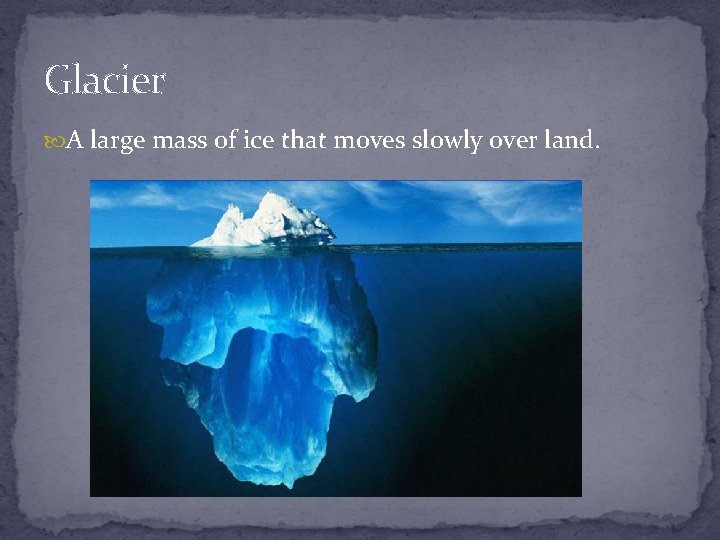
Glacier A large mass of ice that moves slowly over land.
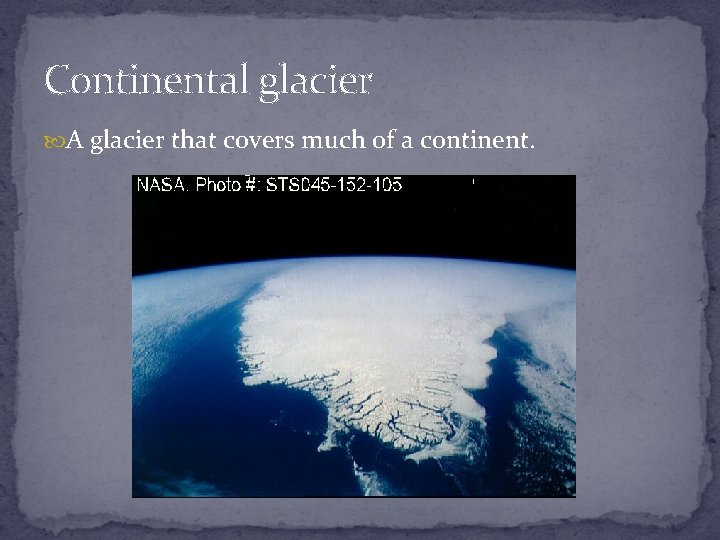
Continental glacier A glacier that covers much of a continent.
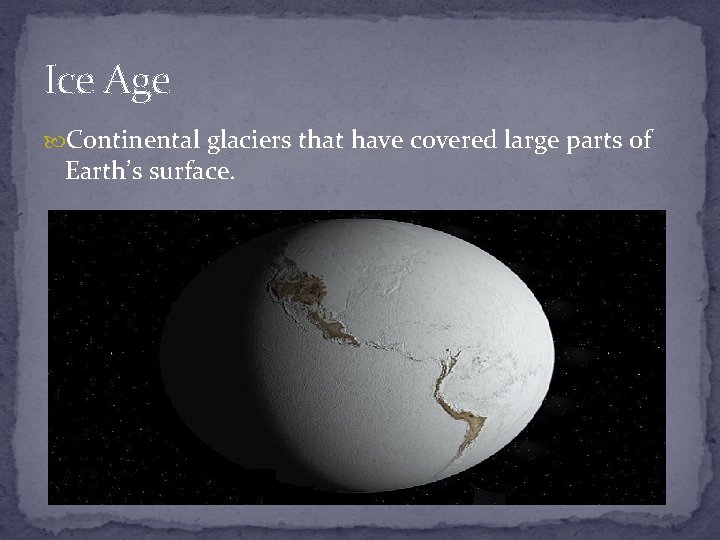
Ice Age Continental glaciers that have covered large parts of Earth’s surface.
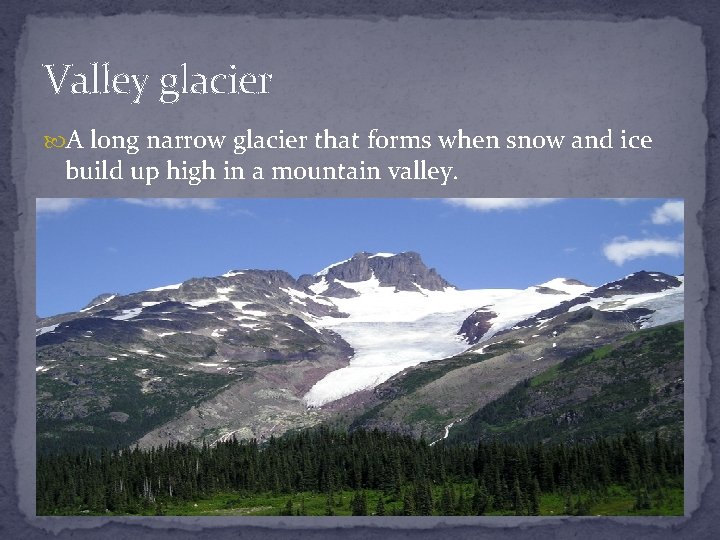
Valley glacier A long narrow glacier that forms when snow and ice build up high in a mountain valley.
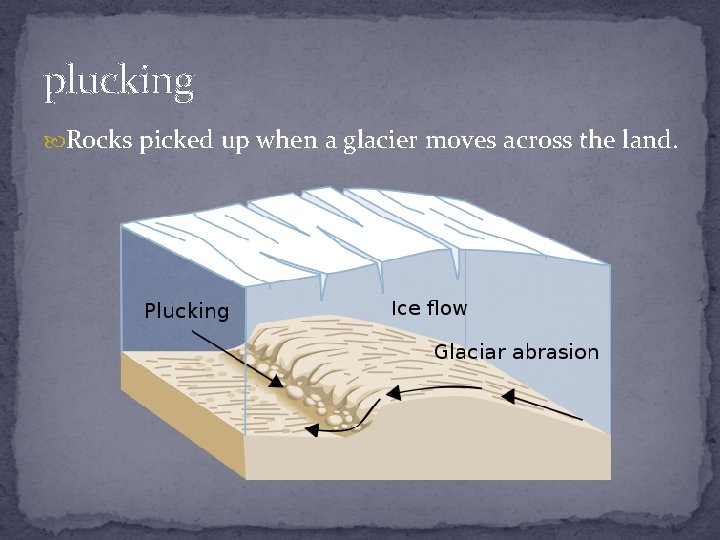
plucking Rocks picked up when a glacier moves across the land.
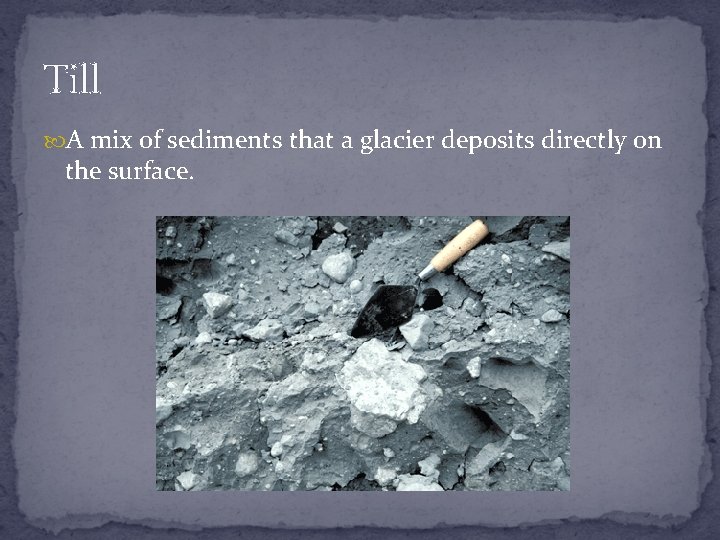
Till A mix of sediments that a glacier deposits directly on the surface.
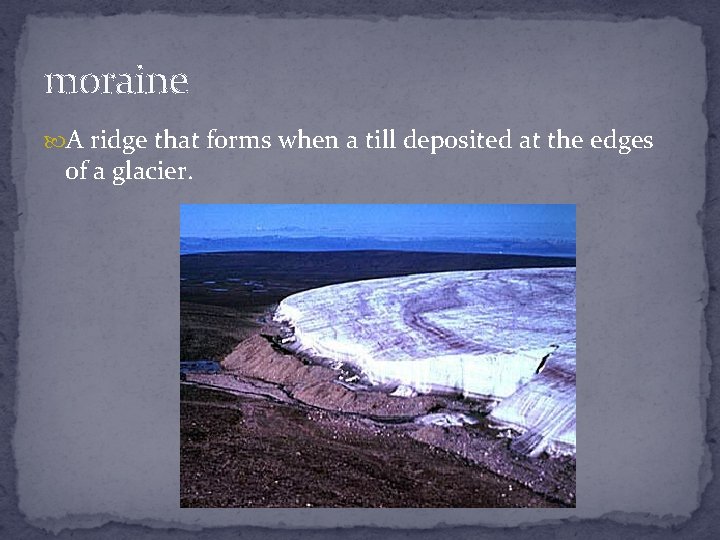
moraine A ridge that forms when a till deposited at the edges of a glacier.
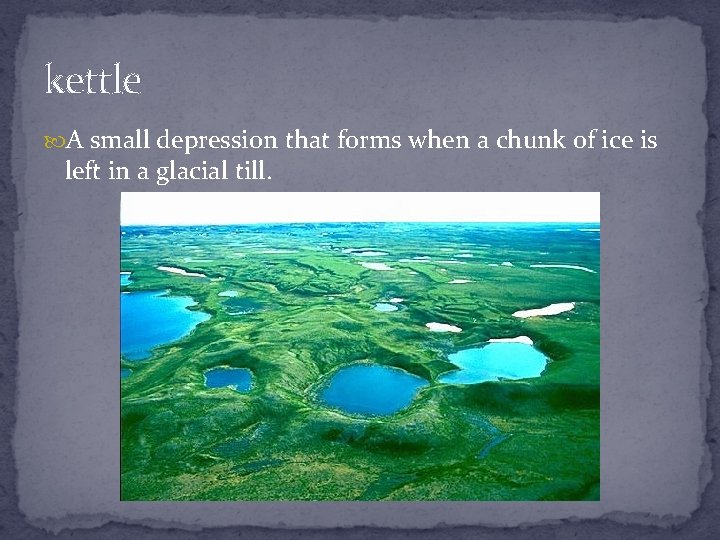
kettle A small depression that forms when a chunk of ice is left in a glacial till.