
Erosion and Deposition Erosion natural forces move rocksoil













- Slides: 52
Erosion and Deposition
• Erosion • -natural forces move rock/soil from one place to another. • -gravity, water, wind, glaciers, waves are causes • Sediment • -material moved by erosion
• Deposition • -when erosion lays down sediments • -works with weathering & erosion • -involved in wear down and build up of Earth’s surface • -never ending cycle
Water Erosion • Runoff & Erosion • -major agent of erosion: moving water • Runoff • -all remaining water on Earth’s surface • -may cause sheet erosion (thin layer over land) •
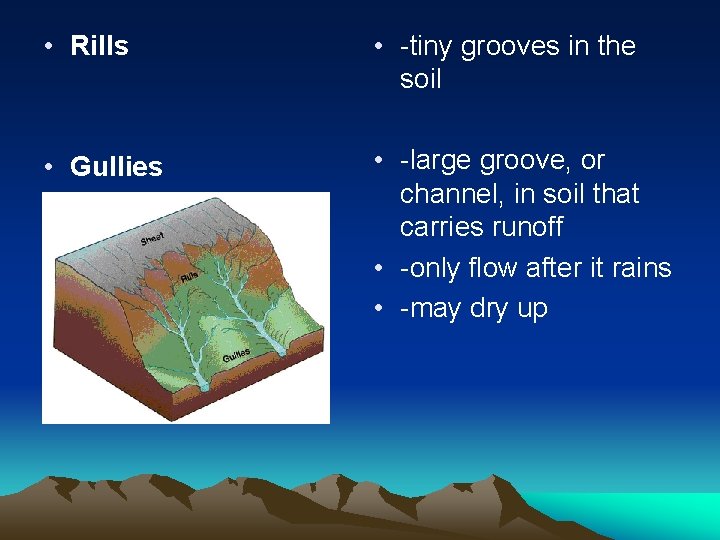
• Rills • -tiny grooves in the soil • Gullies • -large groove, or channel, in soil that carries runoff • -only flow after it rains • -may dry up
• Streams • Rivers • -channel where water constantly flows down a slope • -rarely dries up • -also called creeks or brooks • -a large stream
• Amount of runoff • -depends on 5 factors: • 1. amount of rain in an area • 2. vegetation: grasses, shrubs, trees reduce runoff • 3. type of soil • 4. shape of the land: steep land has more runoff than flatter • 5. how people use the land • -more runoff = more erosion
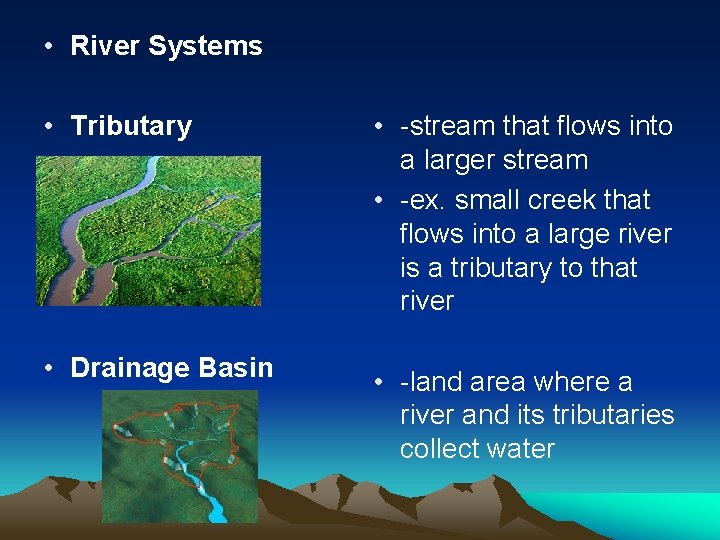
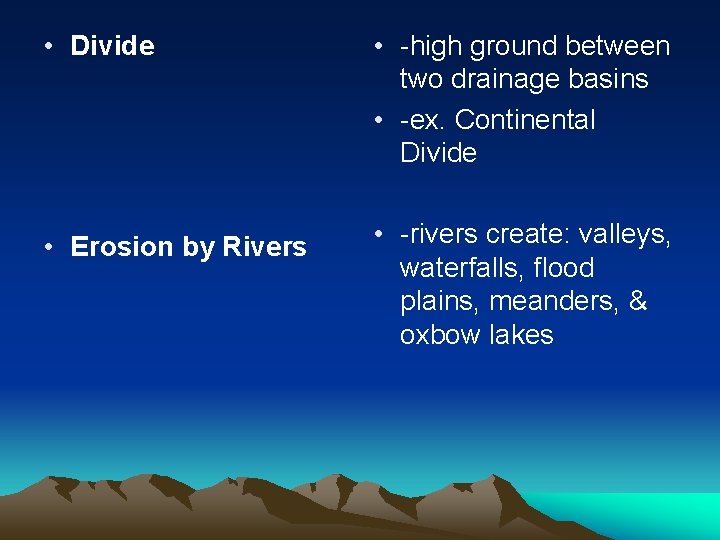
• River Systems • Tributary • -stream that flows into a larger stream • -ex. small creek that flows into a large river is a tributary to that river • Drainage Basin • -land area where a river and its tributaries collect water
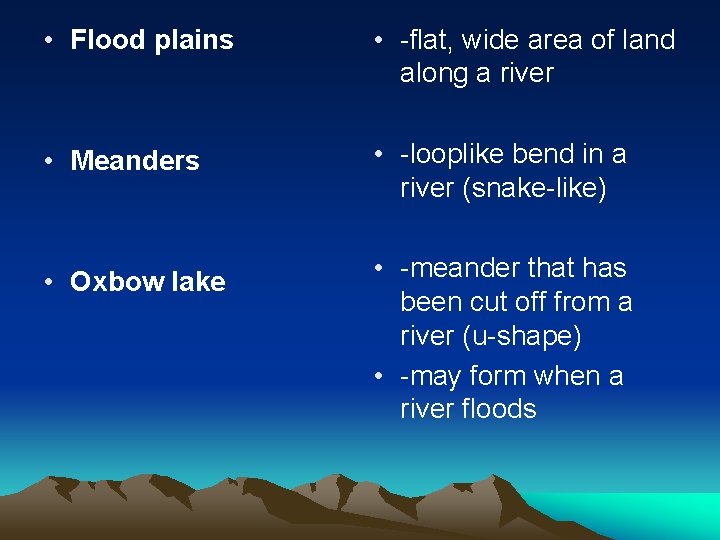
• Divide • -high ground between two drainage basins • -ex. Continental Divide • Erosion by Rivers • -rivers create: valleys, waterfalls, flood plains, meanders, & oxbow lakes
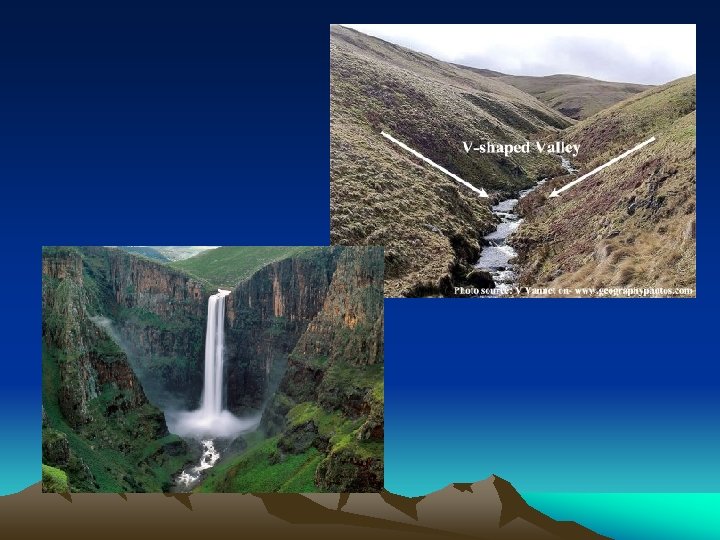
• V-Shaped Valleys • Waterfalls • -form when rivers erode along steep slopes • -occurs when river meets an area of rock that is hard & erodes slowly
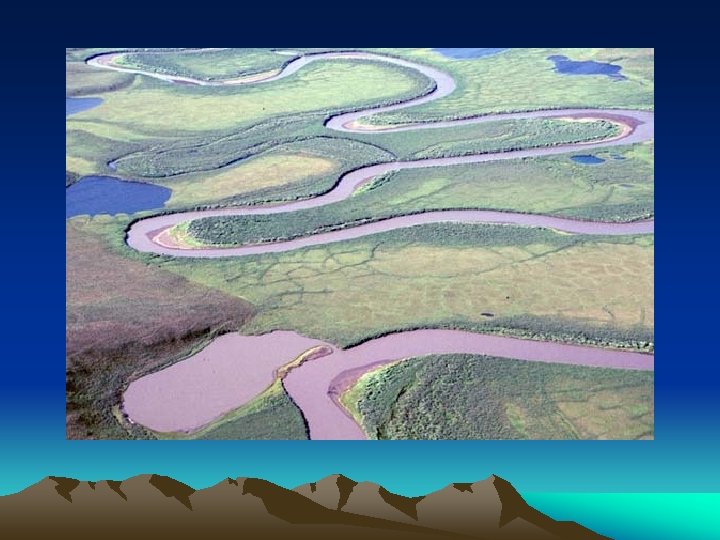
• Flood plains • -flat, wide area of land along a river • Meanders • -looplike bend in a river (snake-like) • Oxbow lake • -meander that has been cut off from a river (u-shape) • -may form when a river floods
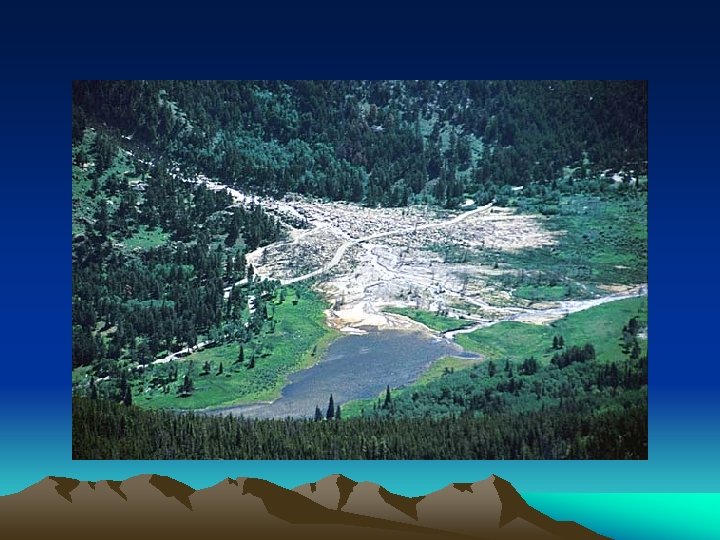
• Deposits by Rivers • -deposition creates: alluvial fans & deltas • -can also add soil to a river’s flood plain • Alluvial Fan • -wide, sloping deposit of sediment formed where a stream leaves a mountain range • -shaped like a fan
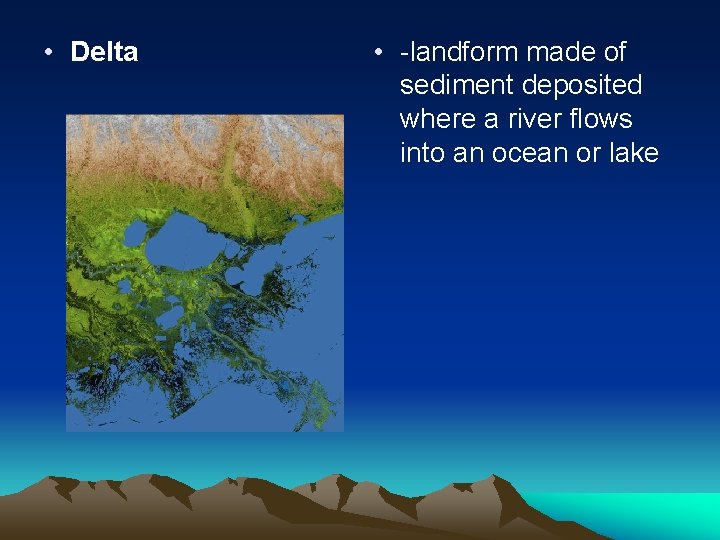
• Delta • -landform made of sediment deposited where a river flows into an ocean or lake
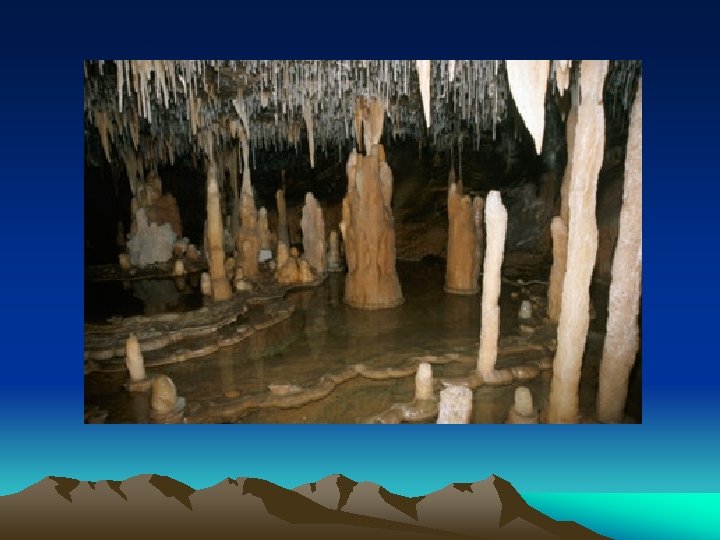
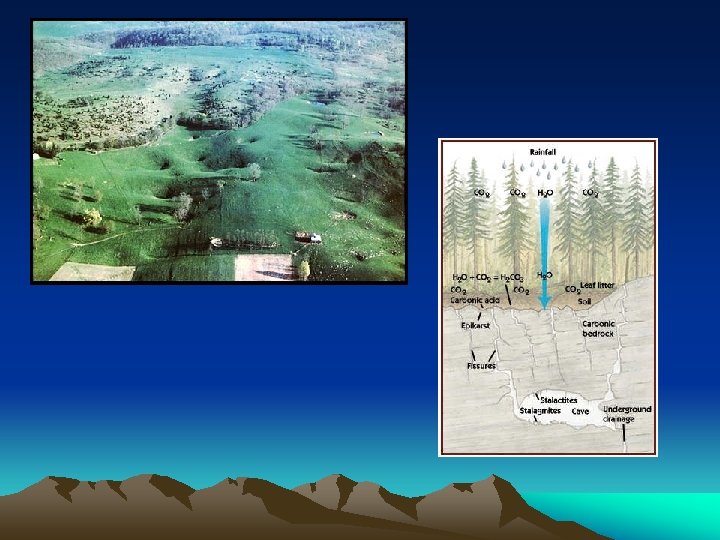
• Groundwater Erosion & Deposition • -water soaks into ground when it rains • Groundwater • -underground water • -affects the shape of the land • -causes erosion through chemical weathering • -combines with carbon dioxide to form a weak acid = carbonic acid • -weathers limestone • -forms deposits from roof/floor of caves
• Stalactite • -deposit on roof of cave • Stalagmite • -cone-shaped deposit on floor of cave • Karst Topography • -landscape where limestone is near the surface • -characterized by caverns, sinkholes, and valleys
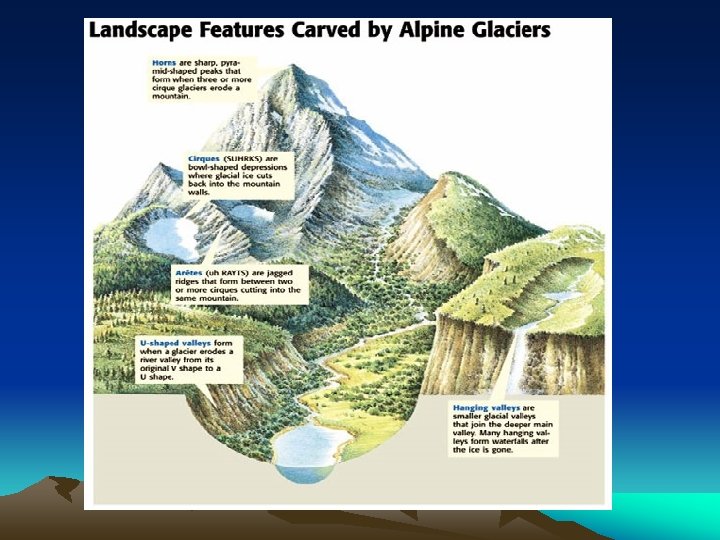
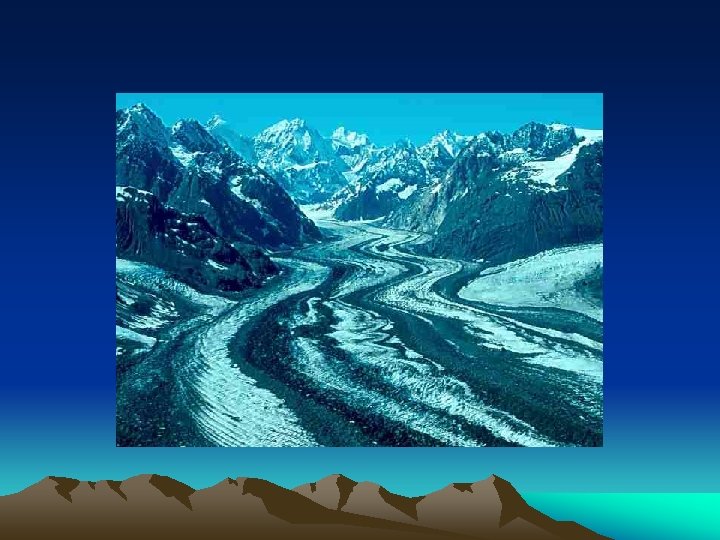
Glaciers • Glacier • -large mass of ice that moves slowly over land • -two types: valley (alpine) and continental
• Valley/Alpine Glacier • -long, narrow • -forms when snow/ice build up high in mountain valley • -usually move down valleys cut by rivers • Continental Glacier • -covers much of a continent or large island • -much larger than valley • -covers 10% of Earth’s land • - Antarctica & Greenland
• Ice Ages • -continental glaciers covered large parts of Earth’s surface • -last ice age lasted 70, 000 years and ended 10, 000 years ago
• How glaciers form & move • -only form in area where more snow falls than melts • -snow builds year after year • -pressure on bottom layers turns snow into ice • -valley g. flow a few cm to m each day • -continental flow in all directions
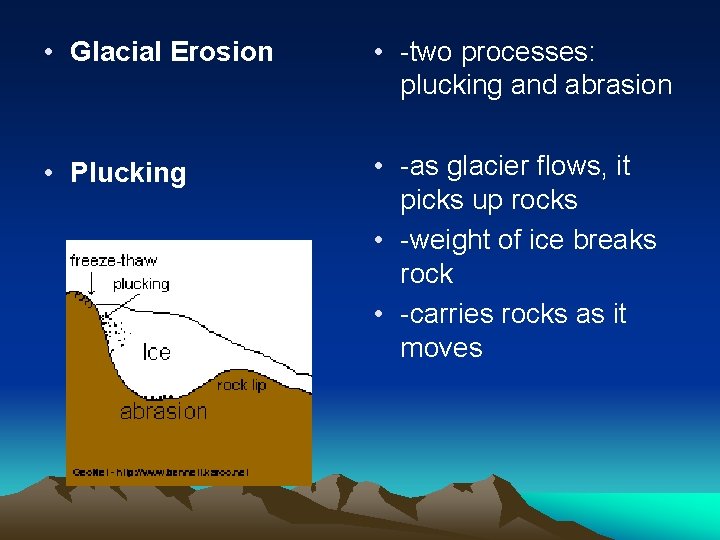
• Glacial Erosion • -two processes: plucking and abrasion • Plucking • -as glacier flows, it picks up rocks • -weight of ice breaks rock • -carries rocks as it moves
• Abrasion • -gouges, scratches bedrock as glacier drags rocks • Deposition • -glacier melts, deposits sediment eroded from land • -creates landforms
• Till • -deposits directly on surface • -many different sized particles • Moraine • -ridge formed when till is deposited at edge of glacier • -ex. Long Island in New York
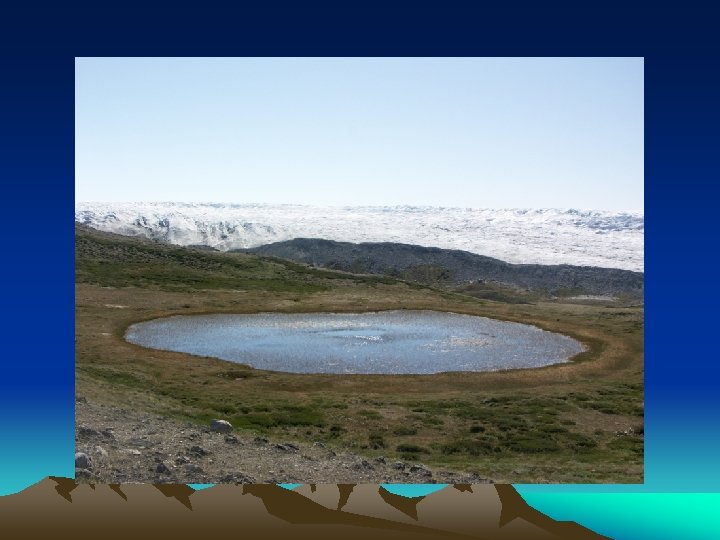
• Kettle • -small depression that forms when ice is left in till • -ice melts, kettle remains • -often fills with water forming ponds/lakes • -ex. the Great Lakes
Waves • How waves form • -waves get energy from blowing wind • -energy causes water particles to move up and down • -water particles don’t move forward • -only form of the wave moves • -as waves approach shore, it drags on the bottom • -friction causes waves to slow
• Erosion by Waves • -major erosion force along coasts • -erode land by impact • -large waves hit with great force • -breaks apart rock • -also erode by abrasion • -sediment picked up by wave • -wears rock like sandpaper • -energy of wave depends on headland -part of shore that sticks out -harder rock; resists waves
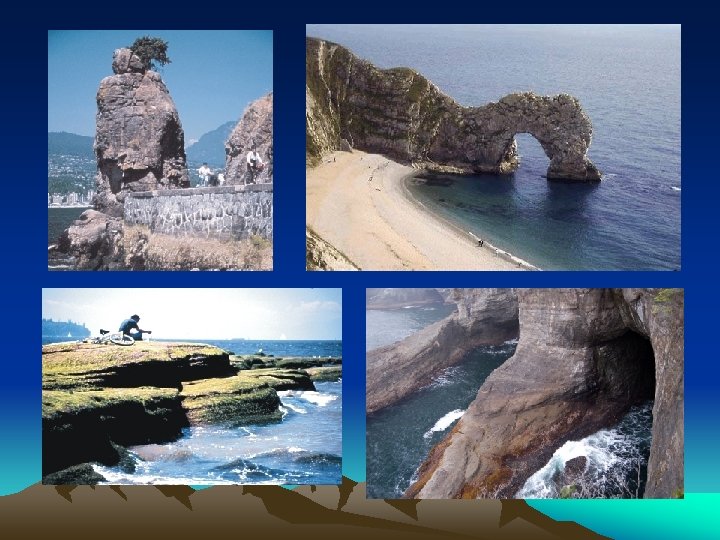
• Landforms • -waves hit same area over and over • -erodes base of land along steep coasts • -places of soft rock form sea caves • -also forms sea arches; pillar of rock above water
• Deposits • -waves shape coast thru erosion & deposition • -as waves slow, they drop sediment • -similar to river deposition • -forms beaches
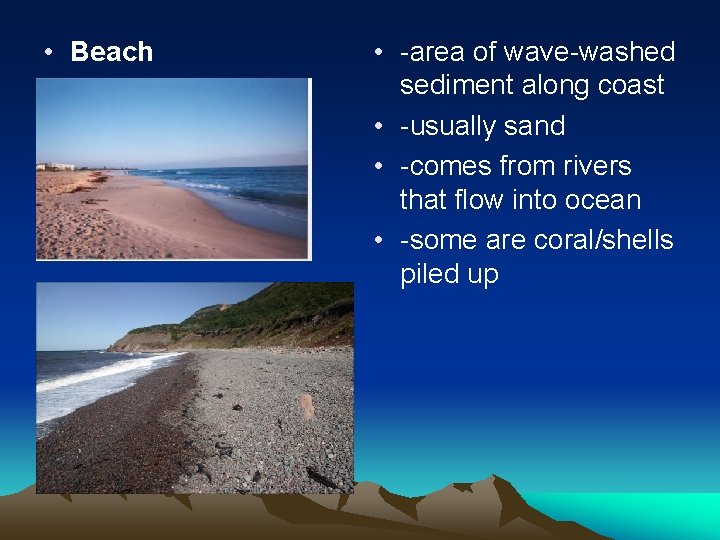
• Beach • -area of wave-washed sediment along coast • -usually sand • -comes from rivers that flow into ocean • -some are coral/shells piled up
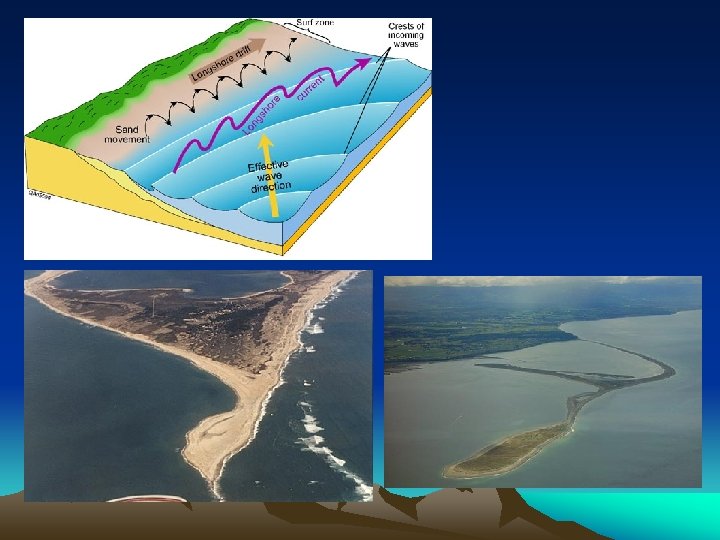
• Longshore Drift • Spit • -movement of sediment caused by waves hitting shore at angles • -forms a spit • -beach that projects like a finger into water
Wind How Wind Causes Erosion • -weakest agent of erosion • -effective in deserts
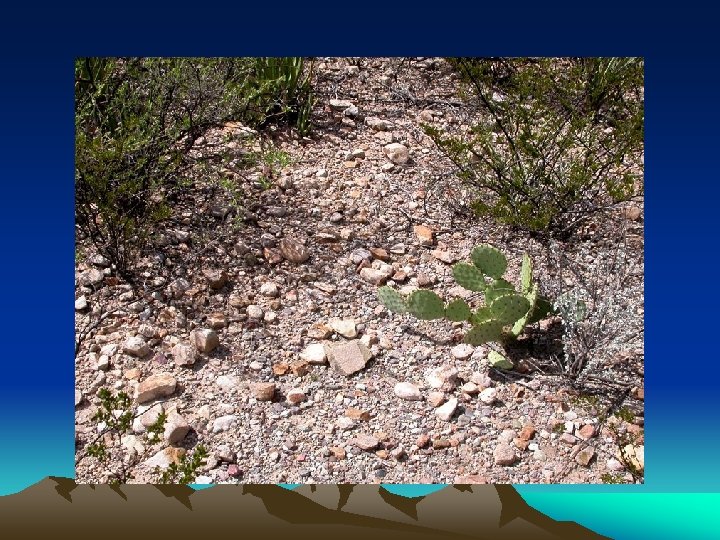
• Deflation • -process by which wind removes surface materials • -main way wind causes erosion • -stronger the wind, larger the particles that can be picked up • -doesn’t usually greatly effect land • -creates areas of rock fragment called desert pavement • -produces bowl-shaped hollows called blowouts • -abrasion polishes rock
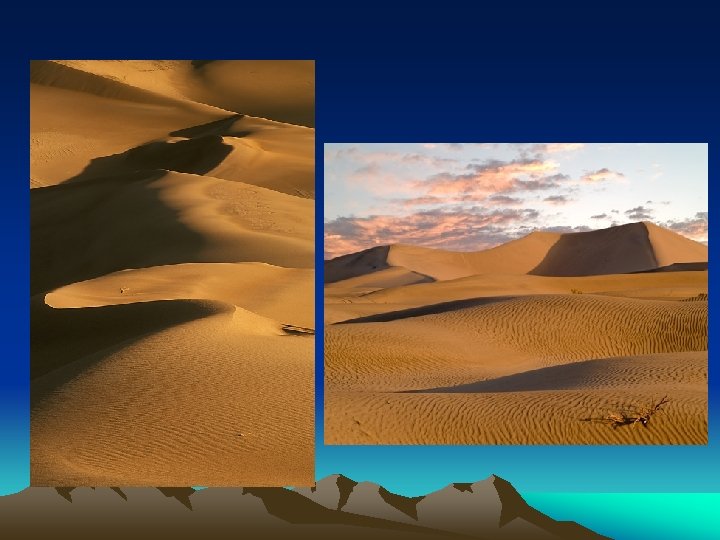
• Deposits from wind erosion • Sand Dunes • Loess • -forms: sand dunes & loess deposits • -deposit of windblown sand • -different shapes & sizes • -can move over time • -fine, wind-deposited sediment • -helps to form fertile soil
• Gravity • Mass Movement • Force that moves rock downhill. • -caused by gravity • -different types: *Landslides • *Mudslides • *Slump • *Creep
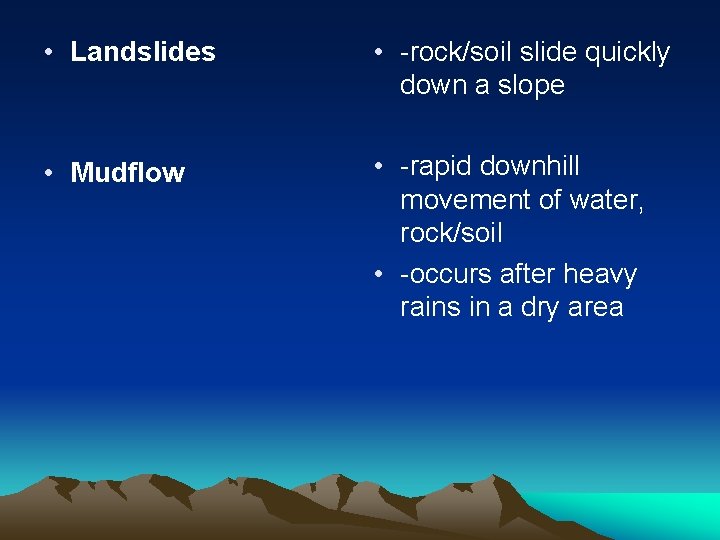
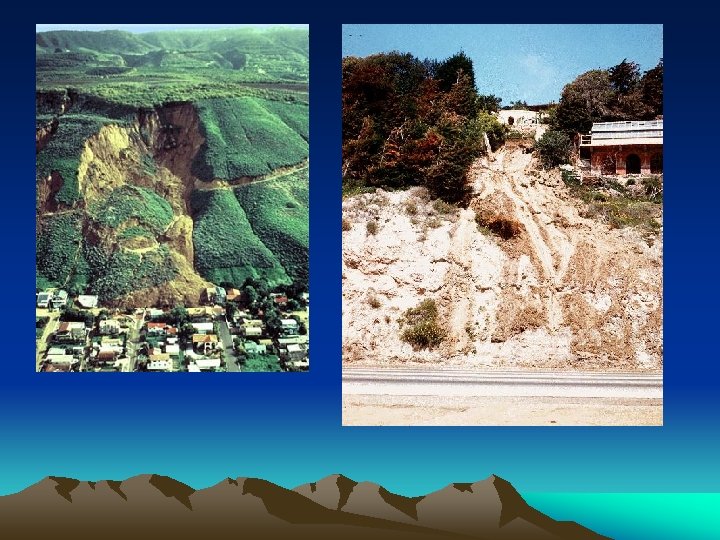
• Landslides • -rock/soil slide quickly down a slope • Mudflow • -rapid downhill movement of water, rock/soil • -occurs after heavy rains in a dry area
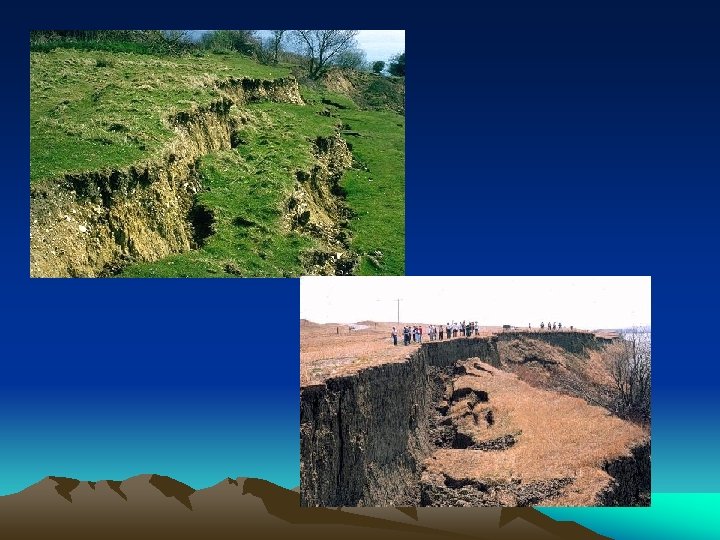
• Slump • Creep • -mass of rock/soil slips down a slope • -occurs when water soaks the base of a mass rich in clay • -slow downhill movement of rock/soil • -often results from freezing/thawing