
Equity Equality and Privilege Words into Actions Dr

- Slides: 32
Equity, Equality and Privilege: Words into Actions Dr. Wendy Cukier, MA, MBA, Ph. D, DU (hon) LLD (hon) M. S. C. Founder & Director, TRSM Diversity Institute Professor, Entrepreneurship & Strategy, Ted Rogers School of Management, Ryerson University wcukier@ryerson. ca May 9, 2019
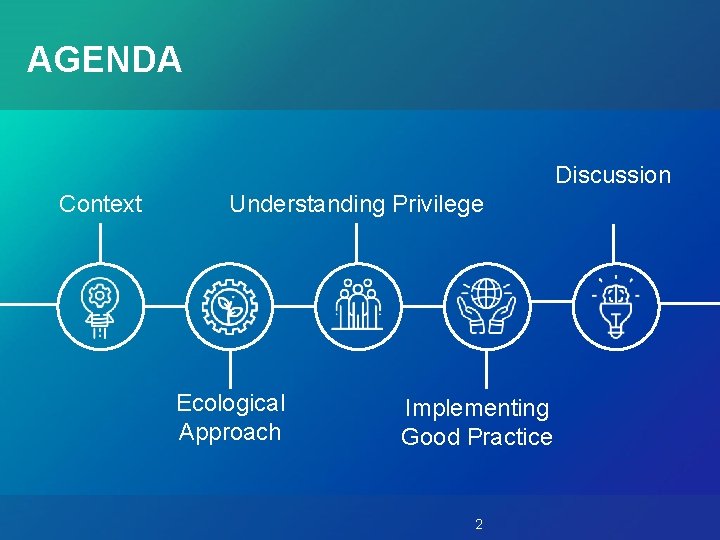
AGENDA Discussion Context Understanding Privilege Ecological Approach Implementing Good Practice 2
Breakout 1: UNDERSTANDING PRIVILEGE 1. Answer the questions on the checklist 2. Start with 35 points. Add the pluses and subtract the minuses and report your final score. 3. What are the implications? 3
Breakout 1: UNDERSTANDING PRIVILEGE 1. Answer the questions on the checklist 2. Start with 35 points. Add the pluses and subtract the minuses and report your final score. 3. What are the implications? 4
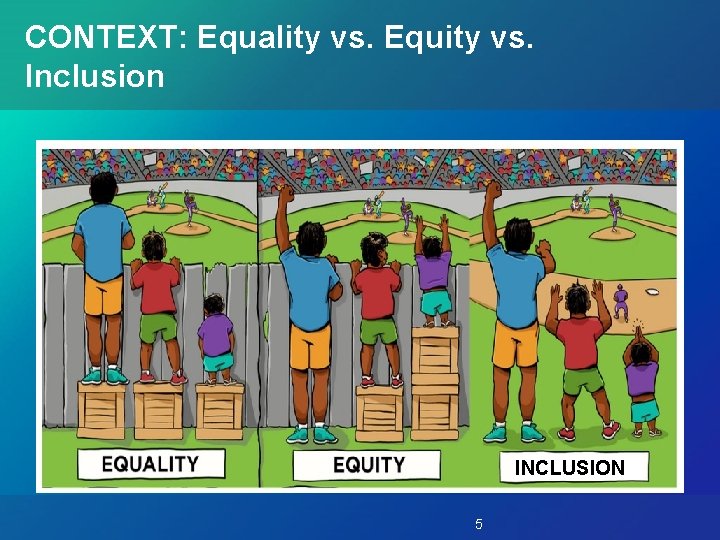
CONTEXT: Equality vs. Equity vs. Inclusion INCLUSION 5
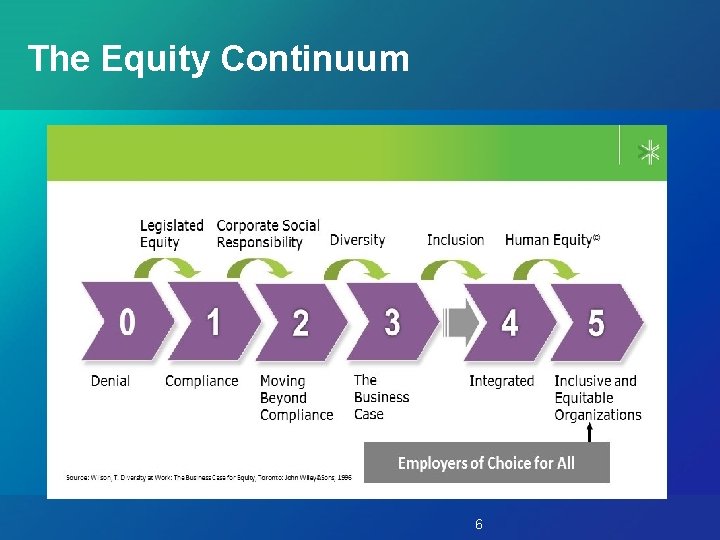
The Equity Continuum 6
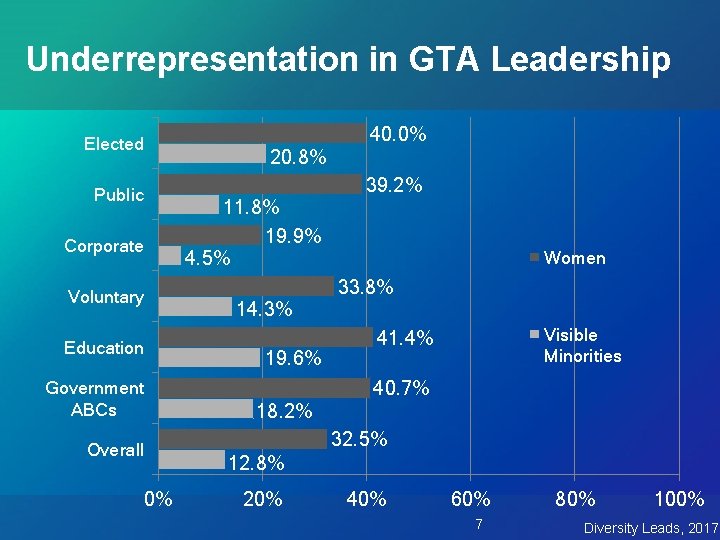
Underrepresentation in GTA Leadership 40. 0% Elected 20. 8% Public 11. 8% 19. 9% 4. 5% Corporate Voluntary 14. 3% Education 19. 6% Government ABCs 18. 2% 39. 2% Women 33. 8% Visible Minorities 41. 4% 40. 7% 32. 5% Overall 12. 8% 0% 20% 40% 60% 7 80% 100% Diversity Leads, 2017)
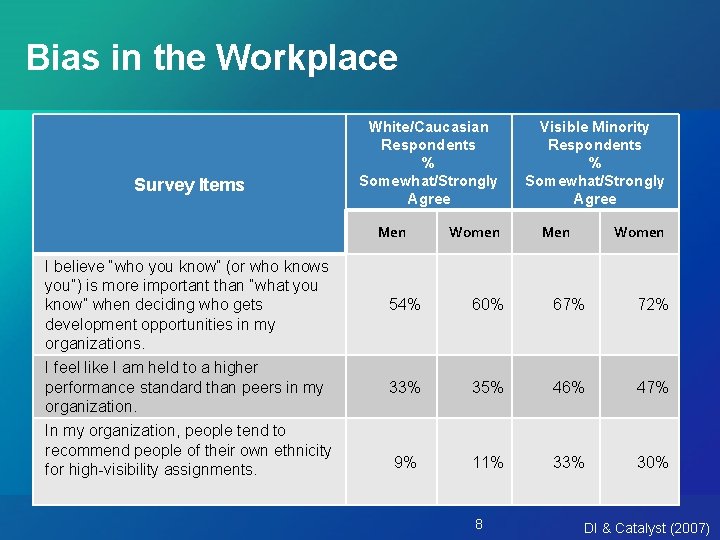
Bias in the Workplace Survey Items White/Caucasian Respondents % Somewhat/Strongly Agree Men Women Visible Minority Respondents % Somewhat/Strongly Agree Men Women I believe “who you know” (or who knows you”) is more important than “what you know” when deciding who gets development opportunities in my organizations. 54% 60% 67% 72% I feel like I am held to a higher performance standard than peers in my organization. 33% 35% 46% 47% 9% 11% 33% 30% In my organization, people tend to recommend people of their own ethnicity for high-visibility assignments. 8 DI & Catalyst (2007)
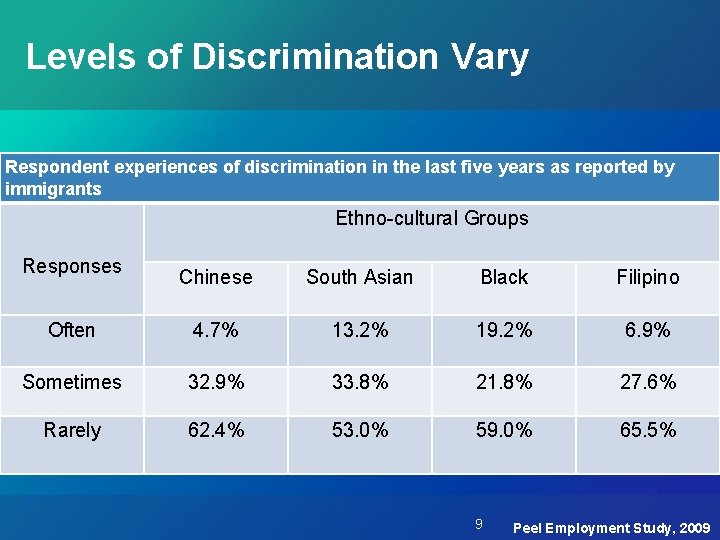
Levels of Discrimination Vary Respondent experiences of discrimination in the last five years as reported by immigrants Ethno-cultural Groups Responses Chinese South Asian Black Filipino Often 4. 7% 13. 2% 19. 2% 6. 9% Sometimes 32. 9% 33. 8% 21. 8% 27. 6% Rarely 62. 4% 53. 0% 59. 0% 65. 5% 9 Peel Employment Study, 2009
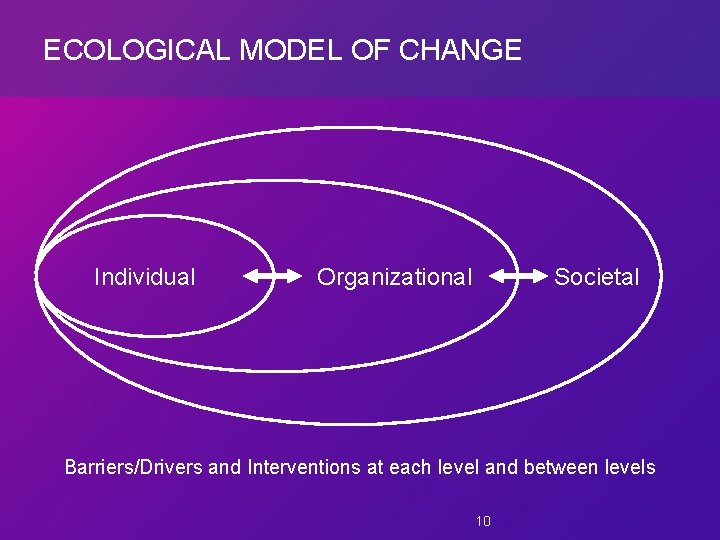
ECOLOGICAL MODEL OF CHANGE Individual Organizational Societal Barriers/Drivers and Interventions at each level and between levels 10
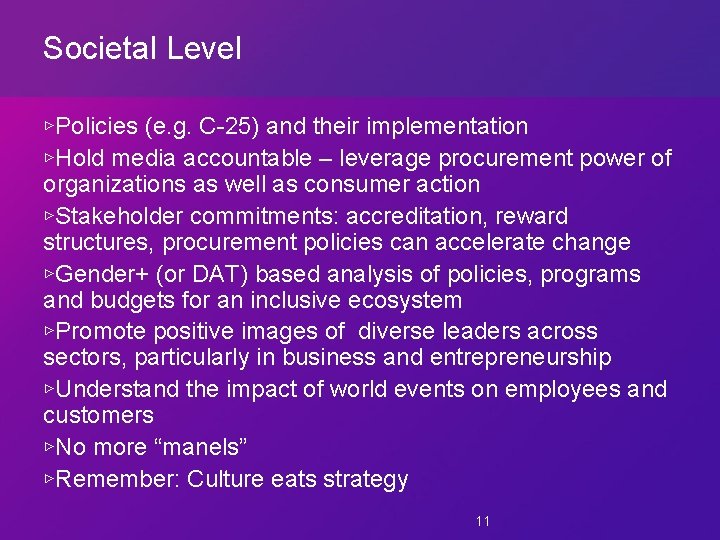
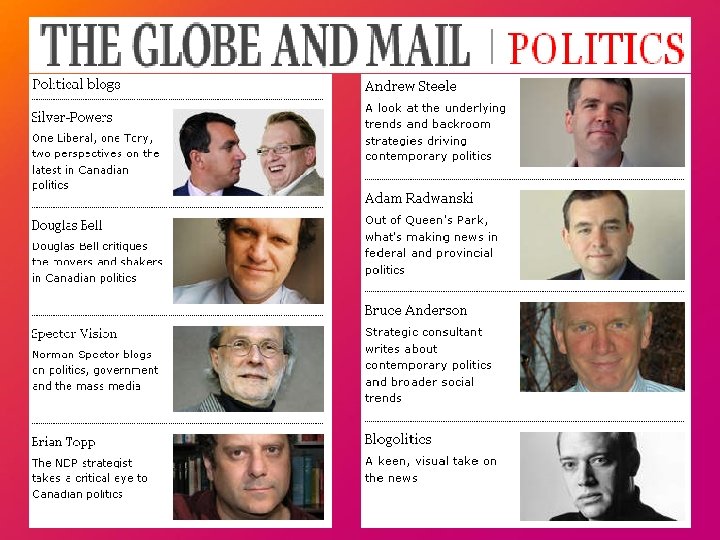
Societal Level ▹Policies (e. g. C-25) and their implementation ▹Hold media accountable – leverage procurement power of organizations as well as consumer action ▹Stakeholder commitments: accreditation, reward structures, procurement policies can accelerate change ▹Gender+ (or DAT) based analysis of policies, programs and budgets for an inclusive ecosystem ▹Promote positive images of diverse leaders across sectors, particularly in business and entrepreneurship ▹Understand the impact of world events on employees and customers ▹No more “manels” ▹Remember: Culture eats strategy 11
Slide 13
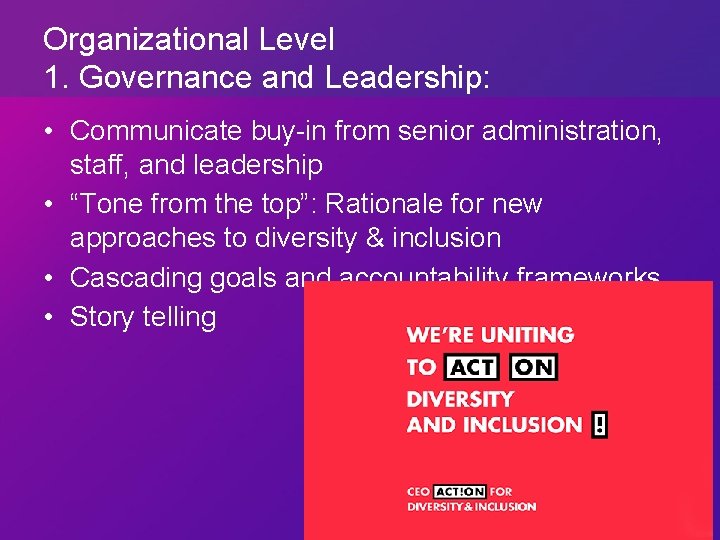
Organizational Level 1. Governance and Leadership: • Communicate buy-in from senior administration, staff, and leadership • “Tone from the top”: Rationale for new approaches to diversity & inclusion • Cascading goals and accountability frameworks • Story telling Tone from the top
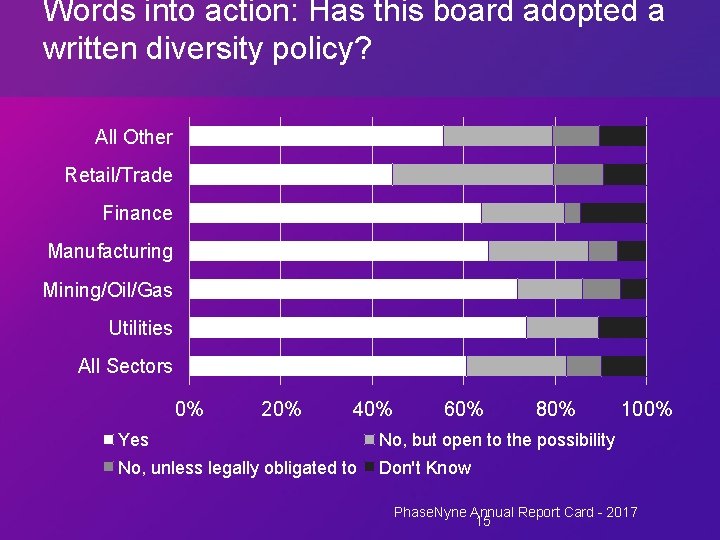
Words into action: Has this board adopted a written diversity policy? All Other Retail/Trade Finance Manufacturing Mining/Oil/Gas Utilities All Sectors 0% 20% 40% 60% 80% Yes No, but open to the possibility No, unless legally obligated to Don't Know 100% Phase. Nyne Annual Report Card - 2017 15
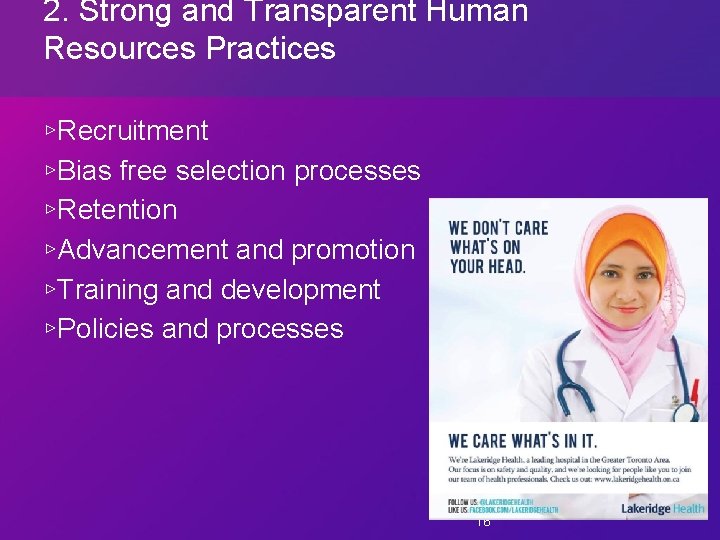
2. Strong and Transparent Human Resources Practices ▹Recruitment ▹Bias free selection processes ▹Retention ▹Advancement and promotion ▹Training and development ▹Policies and processes 16
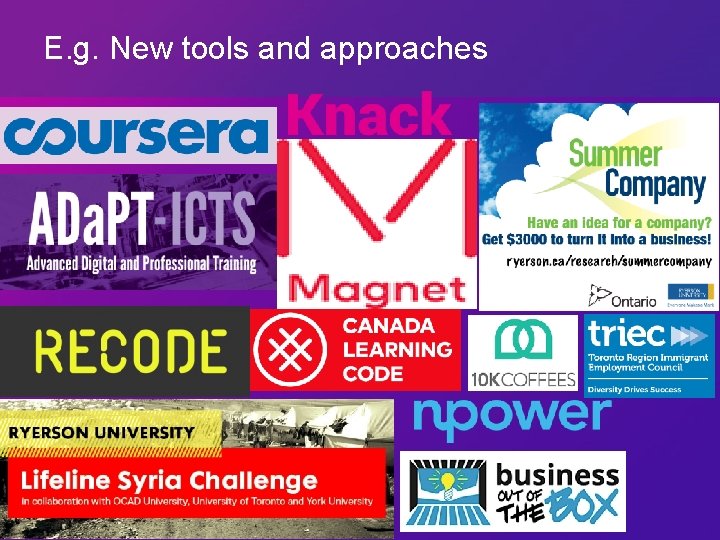
E. g. New tools and approaches 17
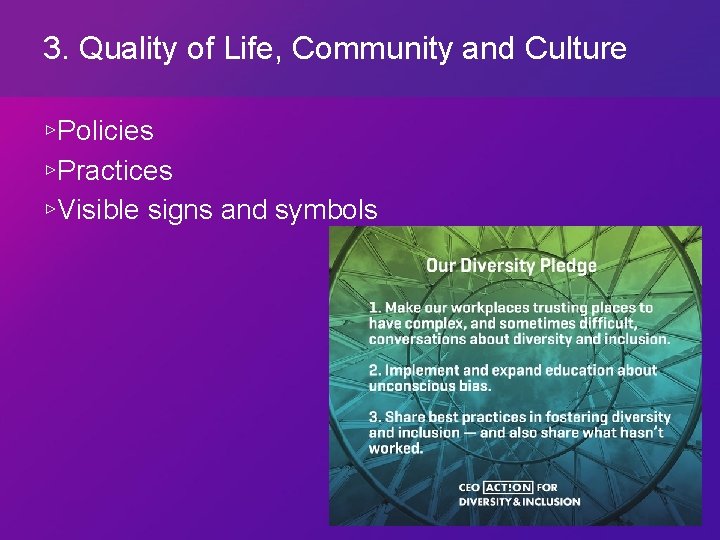
3. Quality of Life, Community and Culture ▹Policies ▹Practices ▹Visible signs and symbols 18
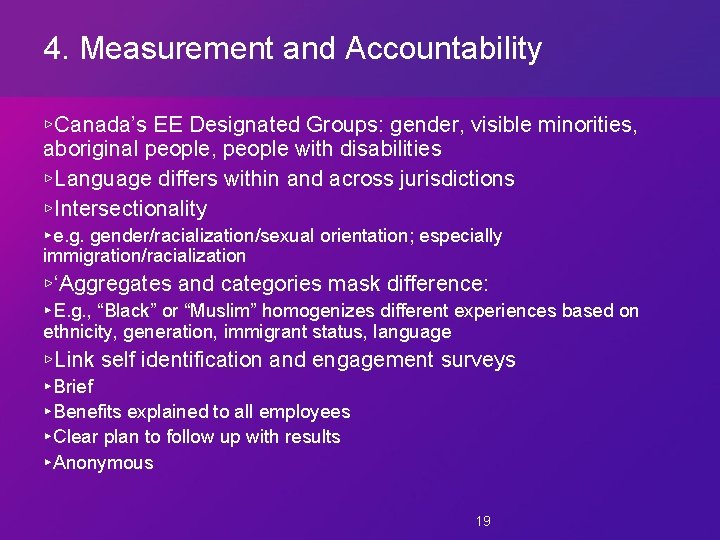
4. Measurement and Accountability ▹Canada’s EE Designated Groups: gender, visible minorities, aboriginal people, people with disabilities ▹Language differs within and across jurisdictions ▹Intersectionality ▸e. g. gender/racialization/sexual orientation; especially immigration/racialization ▹‘Aggregates and categories mask difference: ▸E. g. , “Black” or “Muslim” homogenizes different experiences based on ethnicity, generation, immigrant status, language ▹Link self identification and engagement surveys ▸Brief ▸Benefits explained to all employees ▸Clear plan to follow up with results ▸Anonymous 19
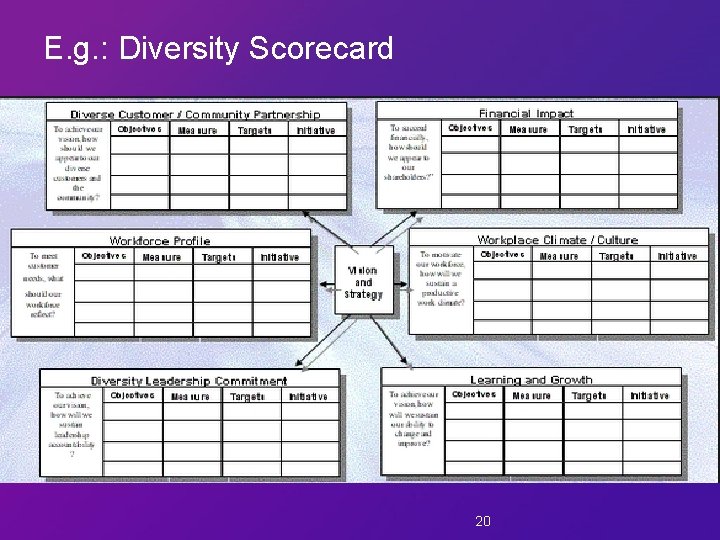
E. g. : Diversity Scorecard 20
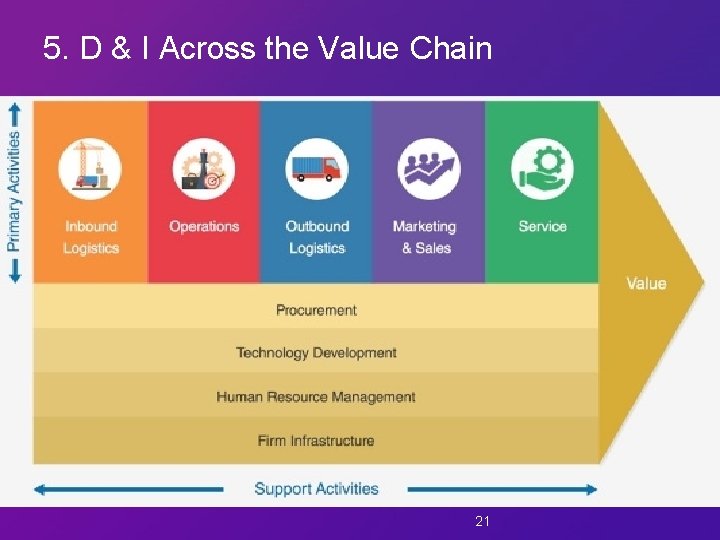
5. D & I Across the Value Chain 21
Opportunities Across the Value Chain ▹Diversity procurement targets (including media) ▹Operations ▸Location and design decisions ▸Product development ▸Services ▸Facilities ▹Marketing and Sales ▹After Care Services 22
6. Develop the pipeline ▹Outreach and community engagement ▹Reaching Youth ▹Partnerships ▹Corporate Social Responsibility ▹Government Relations and Advocacy 23
Individual Level: Be an inclusive changemaker ▹Personal SWOTs: Build awareness, skills ▹Understand challenge privilege and biases ▹Use evidence, data and new tools ▹Provide support and build resilience– affinity groups ▹Networking, mentoring and sponsorship ▹Lift as you climb: Help build pathways for others ▹Span of control – whom can you influence? ▹Personal accountability – no bystanders 24
Self Assessment ▹E. g. Unconscious Bias Test ▹https: //implicit. harvard. edu/implicit/ ▹E. g. Unpacking Privilege Exercises ▹E. g. Intercultural Competency Development 25
Breakout 1: UNDERSTANDING PRIVILEGE 1. Answer the questions on the checklist 2. Start with 35 points. Add the pluses and subtract the minuses and report your final score. 3. What are the implications? 26
CONCLUSION: Strategic “Doing” 27
▹Understand system and innovation process in your organization ▹Who does what? What works? Replicate and Scale ▹Tap into employee and customer ideas ▹Learn from successes and failures: Iterate ▹There has been lots of research: harnessing it to improve practice in order to drive change is the challenge ▹It’s a process not a destination 28
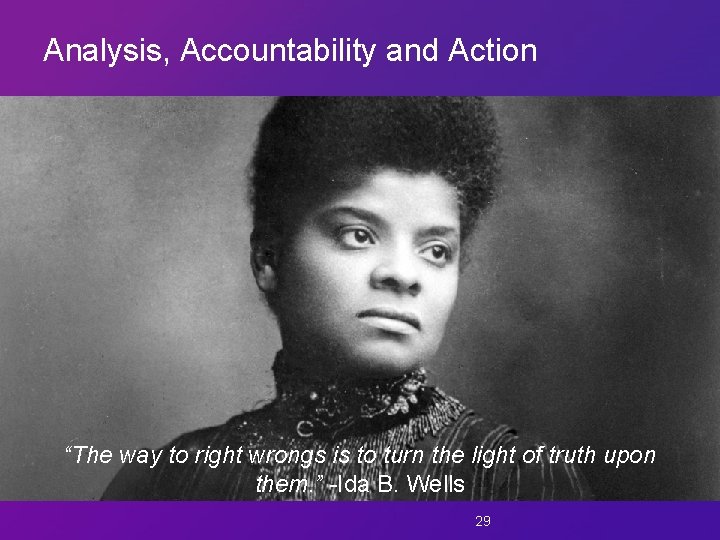
Analysis, Accountability and Action “The way to right wrongs is to turn the light of truth upon them. ” -Ida B. Wells 29
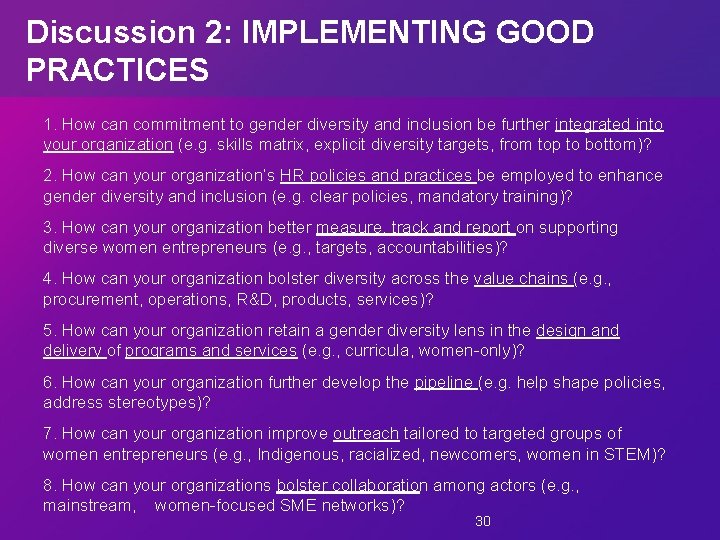
Discussion 2: IMPLEMENTING GOOD PRACTICES 1. How can commitment to gender diversity and inclusion be further integrated into your organization (e. g. skills matrix, explicit diversity targets, from top to bottom)? 2. How can your organization’s HR policies and practices be employed to enhance gender diversity and inclusion (e. g. clear policies, mandatory training)? 3. How can your organization better measure, track and report on supporting diverse women entrepreneurs (e. g. , targets, accountabilities)? 4. How can your organization bolster diversity across the value chains (e. g. , procurement, operations, R&D, products, services)? 5. How can your organization retain a gender diversity lens in the design and delivery of programs and services (e. g. , curricula, women-only)? 6. How can your organization further develop the pipeline (e. g. help shape policies, address stereotypes)? 7. How can your organization improve outreach tailored to targeted groups of women entrepreneurs (e. g. , Indigenous, racialized, newcomers, women in STEM)? 8. How can your organizations bolster collaboration among actors (e. g. , mainstream, women-focused SME networks)? 30
Questions? 31
CONTACT Diversity Institute Ted Rogers School of Management Ryerson University http: //www. ryerson. ca/diversityinstitute@ryerson. ca 416 -979 -5000 ext. 7268