
EQUITY BEYOND THE CLASSROOM Region 2 Equity Conference
EQUITY BEYOND THE CLASSROOM Region 2 Equity Conference
Pursuit of Equity: “A commitment to ensure that every student receives what he or she needs to succeed. ” Blankstein and Noguera (2015)
EQUITY Merriam-Webster: 1. justice according to natural law or right; specifically : freedom from bias or favoritism 2. lack of favoritism toward one side or another the lower wages once paid to women for equal work violated the very notion of equity
What is Equity for Learners? • The quality of being fair and impartial • The use of interventions to provide equal access and opportunities to educational success
Why Focus on Equity? • Disproportionality in. . . – Academic Achievement – Special Education – Advanced Courses – Graduation and Dropout Rates – Suspensions and Expulsions
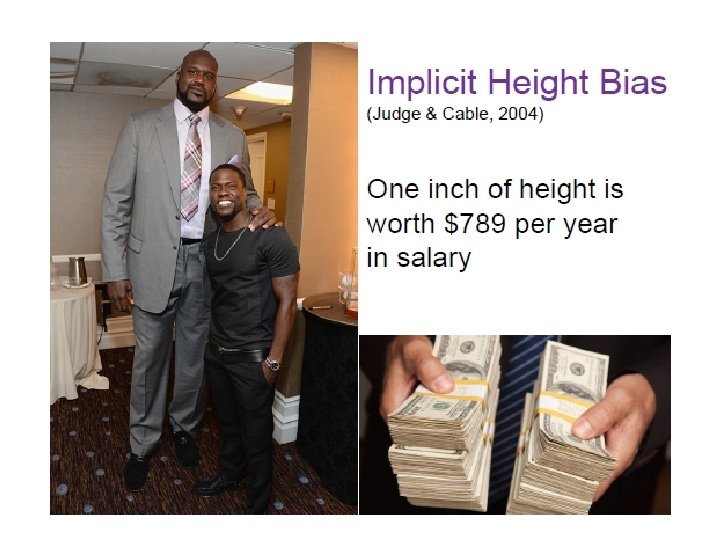
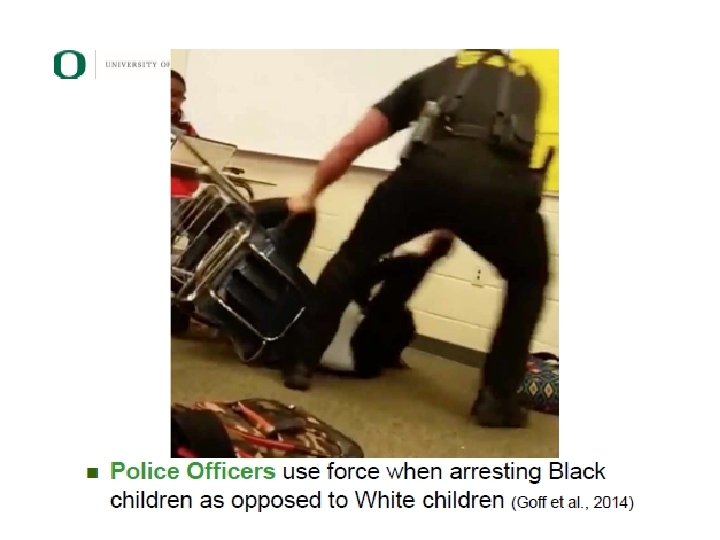
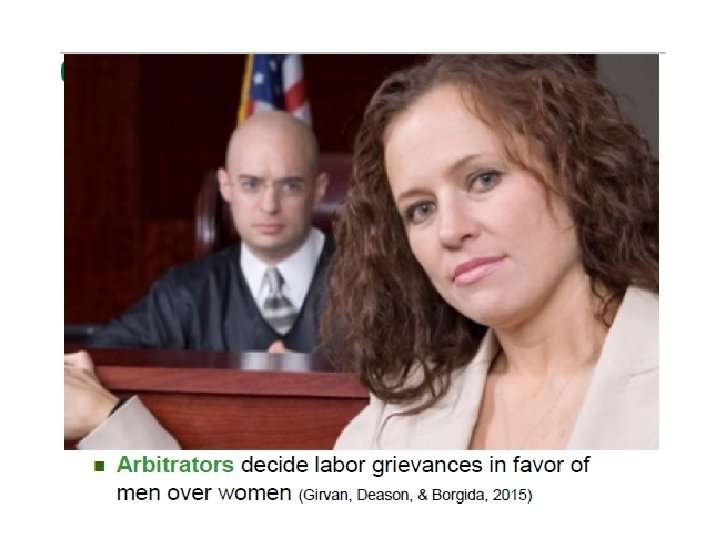
BIAS • prejudice in favor of or against one thing, person, or group compared with another, usually in a way considered to be unfair. Is bias a problem among school personnel?
Equitable Practices in the Classroom Effective teachers in every classroom – Tiered instructional practices – Differentiation Access to advanced courses Instruction on Social Norms Relationships between teachers and students Respectful interactions
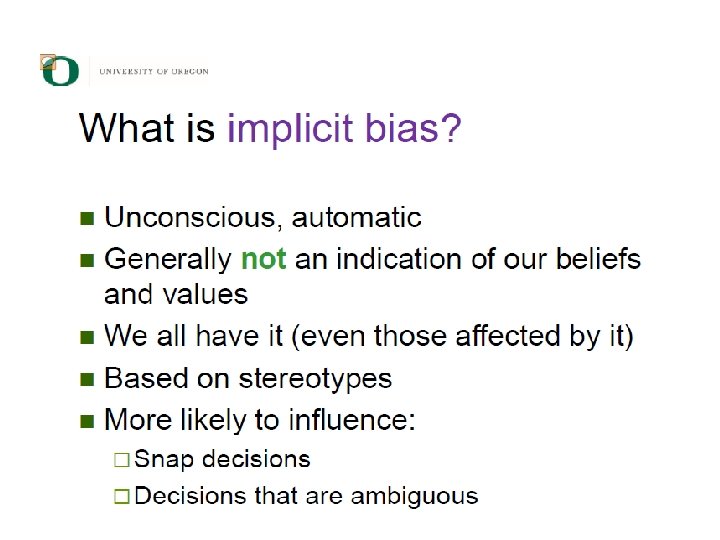
Implicit Bias • How does implicit bias impact students in the school setting outside of the classroom?
Impact Beyond the Classroom • Cultural Dissonance – Teachers, administrators, and classified employees often have different cultural backgrounds than students – Students need to “see themselves” among the school staff
• Cultural dissonance is the term commonly used to describe a sense of discomfort, discord or disharmony arising from cultural differences or inconsistencies which are unexpected or unexplained and therefore difficult for individuals to negotiate.
What is Equity Beyond the Classroom? For Students • Evidence of Cultural Diversity – School Faculty and Staff – Materials and Resources – School Environment • Respectful Interactions • Assurance of Safety • Mentoring
Mentoring Benefits for Youth: – – – – – Increased high school graduation rates Lower high school dropout rates Healthier relationships and lifestyle choices Better attitude about school Higher college enrollment rates and higher educational aspirations Enhanced self-esteem and self-confidence Improved behavior, both at home and at school Stronger relationships with parents, teachers, and peers Improved interpersonal skills Decreased likelihood of initiating drug and alcohol use (Mentor, 2009; Cavell, Du. Bois, Karcher, Keller, & Rhodes, 2009)
Mentoring • Mentoring Benefits for Mentors: – Increased self-esteem – A sense of accomplishment – Creation of networks of volunteers – Insight into childhood, adolescence, and young adulthood – Increased patience and improved supervisory skills (U. S. Department of Labor, n. d. ) Youth. Gov
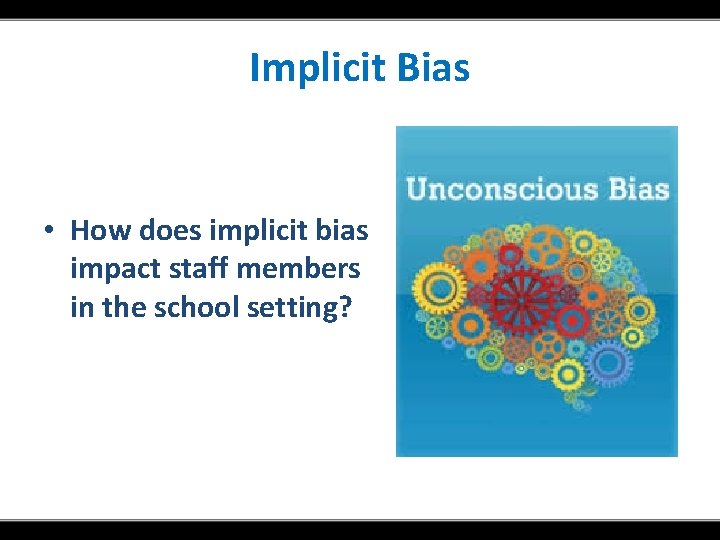
Implicit Bias • How does implicit bias impact staff members in the school setting?
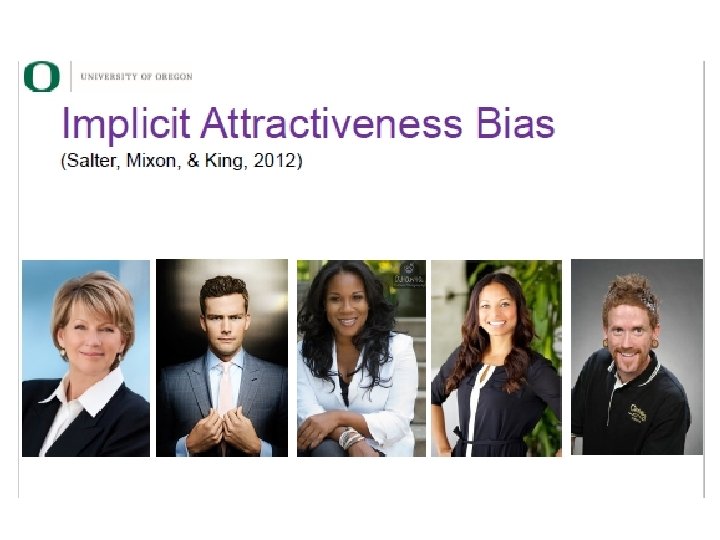
Are You Biased?
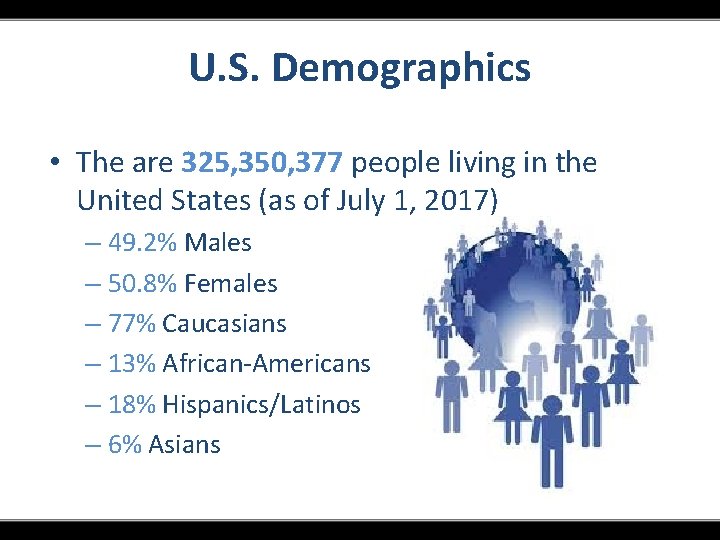
U. S. Demographics • The are 325, 350, 377 people living in the United States (as of July 1, 2017) – 49. 2% Males – 50. 8% Females – 77% Caucasians – 13% African-Americans – 18% Hispanics/Latinos – 6% Asians
U. S. Demographics
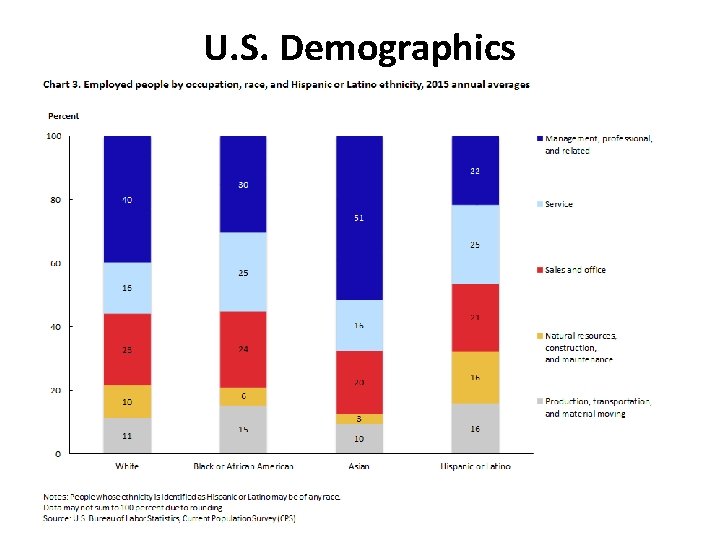
U. S. Demographics
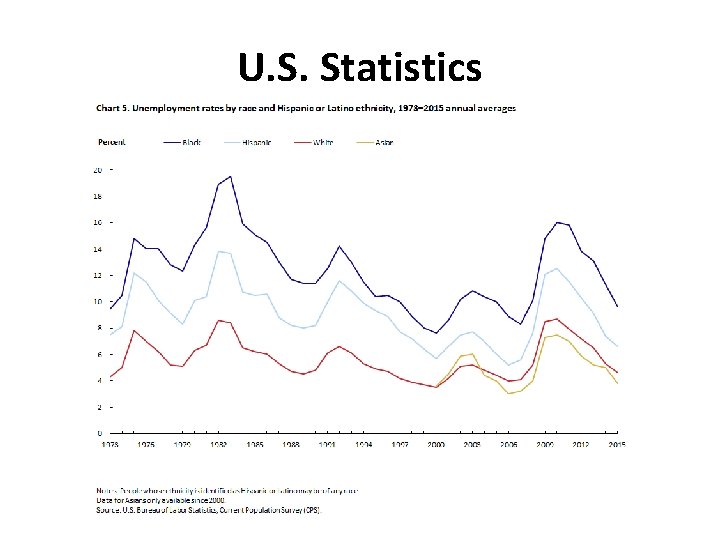
U. S. Statistics
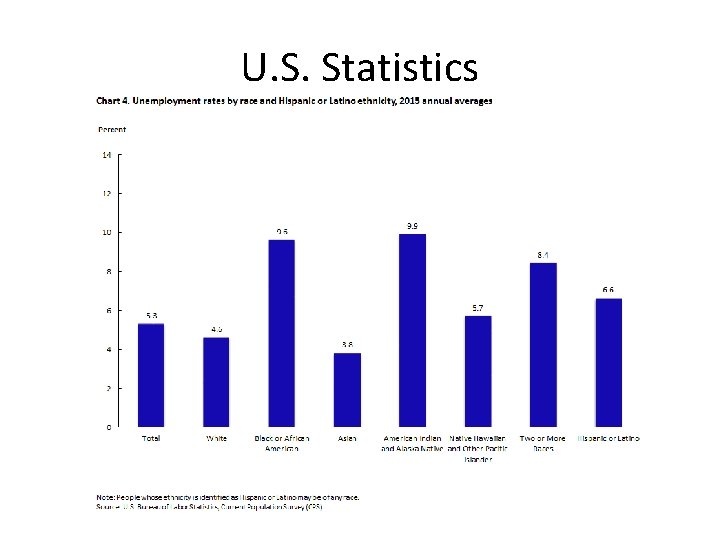
U. S. Statistics
What is Equity Beyond the Classroom? For Staff Members • Paired discussions: – How diverse are the employees in your department? Why? – What is occurring to ensure that the workplace provides: • An unbiased environment • Equal opportunities for advancement
Engage All Staff Members School Plant/Maintenance School Nutrition Services Professional Development Library media Services Instructional Technology Budget/Accounting Human Resources
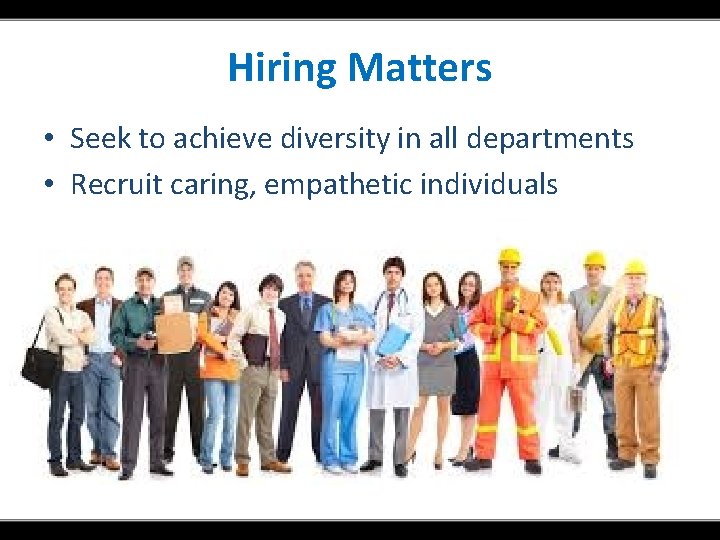
Hiring Matters • Seek to achieve diversity in all departments • Recruit caring, empathetic individuals
WRAP UP • How could awareness of implicit bias throughout the school setting benefit student learners? – Should anything change in your workplace to realize this goal? – What has worked for you? Think-Pair-Share
What Does My Headscarf Mean to You?
Questions? Comments?
Thank you for your participation!
- Slides: 34