
EQ What are Earths plates and how do






- Slides: 50
EQ: What are Earth’s plates, and how do their movements change our planet’s surface?
Video
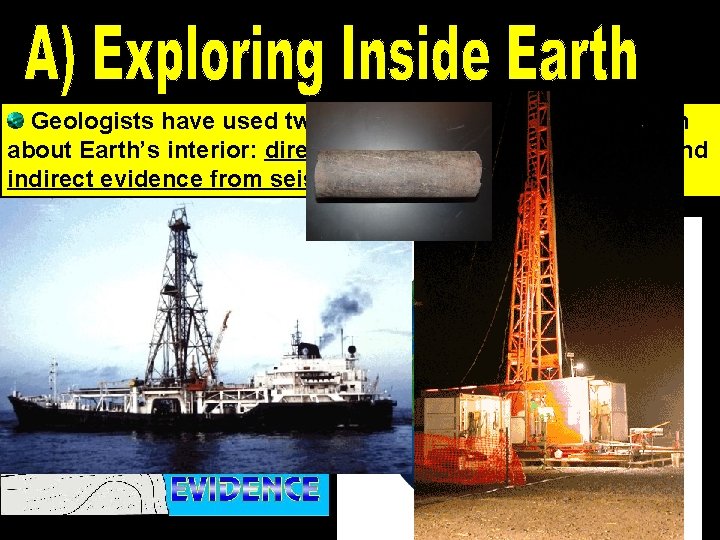
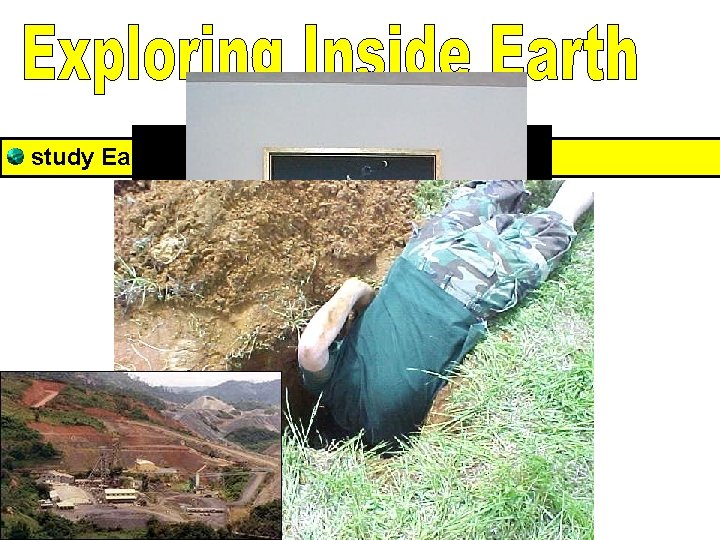
Geologists have used two main types of evidence to learn about Earth’s interior: direct evidence from rock samples and indirect evidence from seismic waves.
study Earth’s interior by indirect methods.
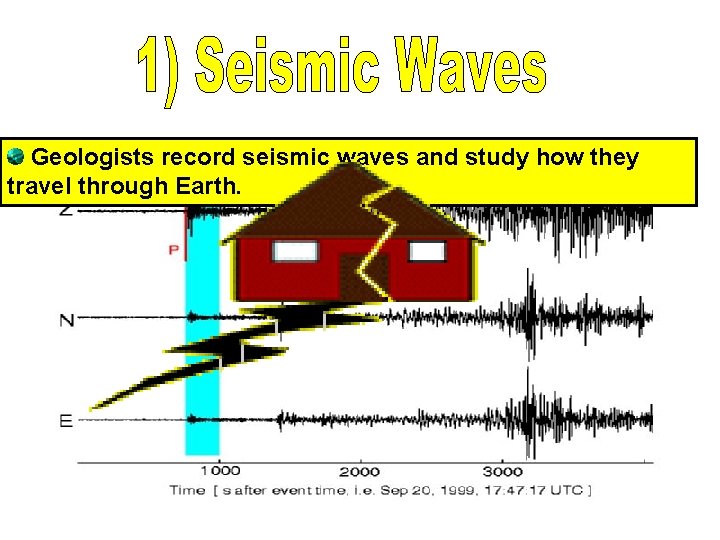
Geologists record seismic waves and study how they travel through Earth.
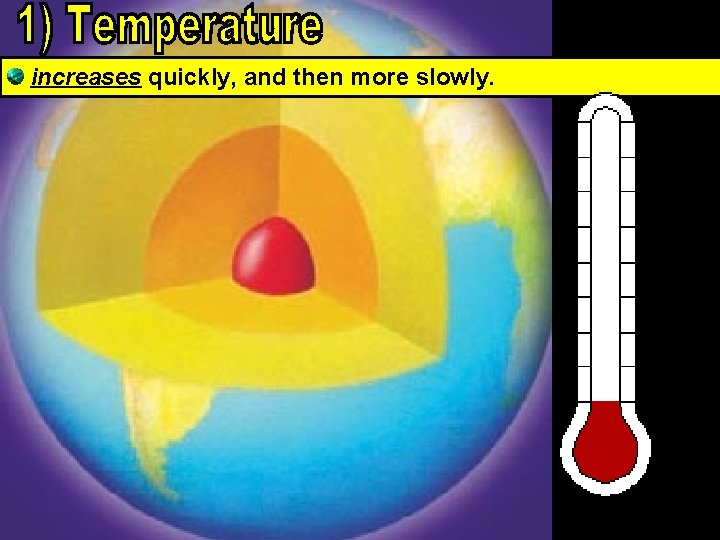
increases quickly, and then more slowly.
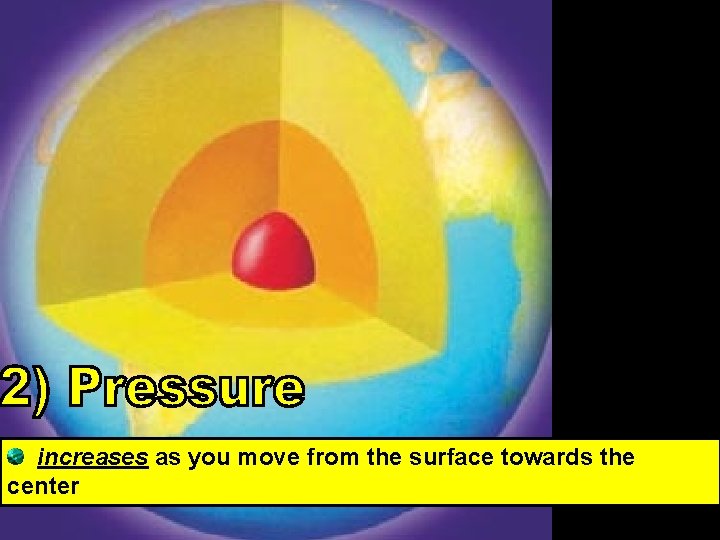
increases as you move from the surface towards the center
Pressure – is the force pushing on a surface or area
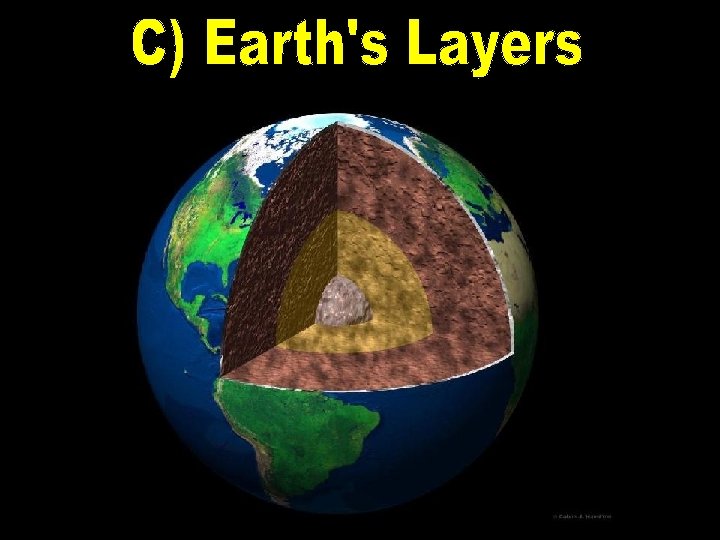
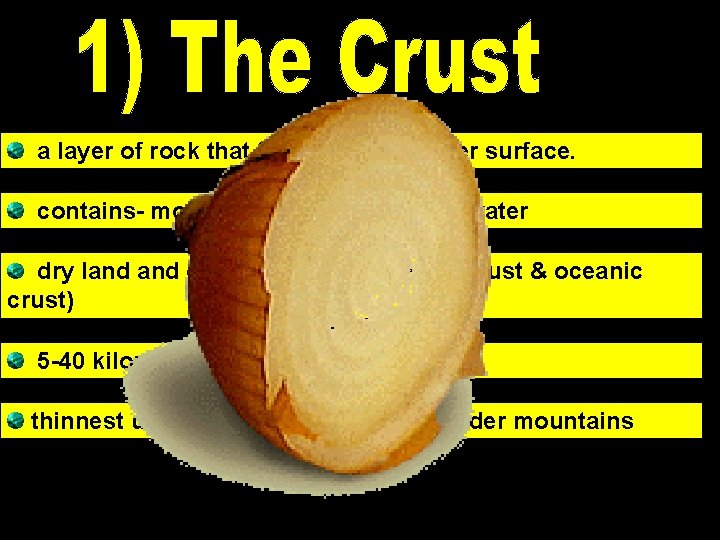
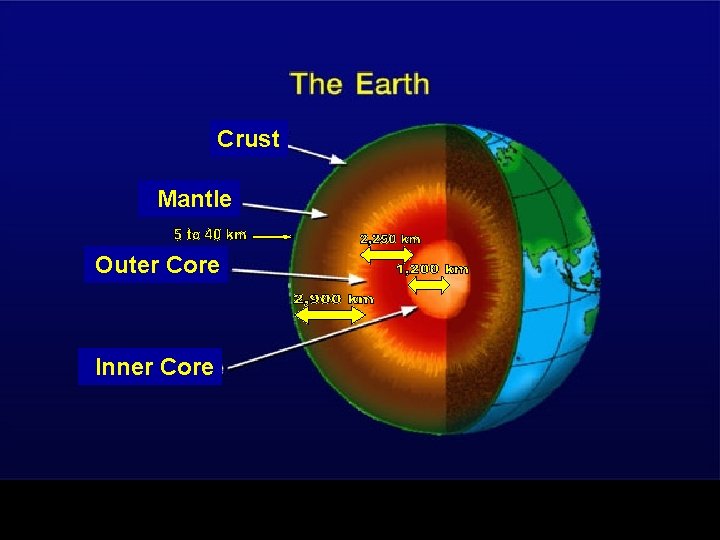
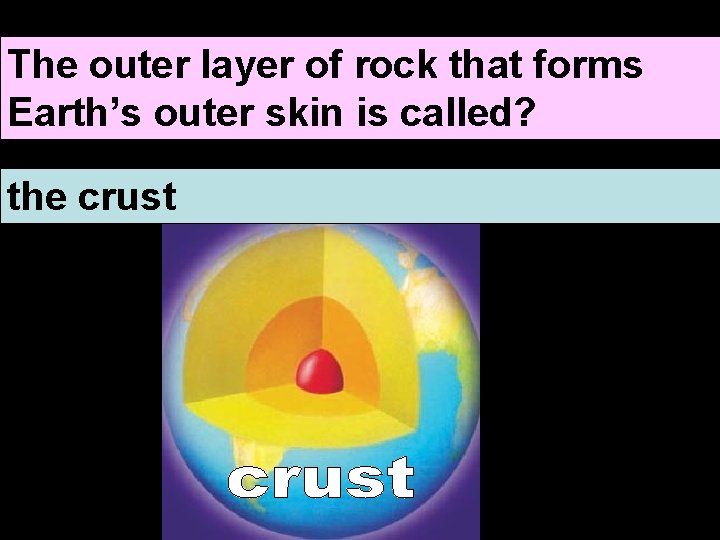
a layer of rock that forms Earth’s outer surface. contains- mountains, rocks, soil, and water dry land ocean floor (continental crust & oceanic crust) 5 -40 kilometers thick thinnest under oceans and thickest under mountains
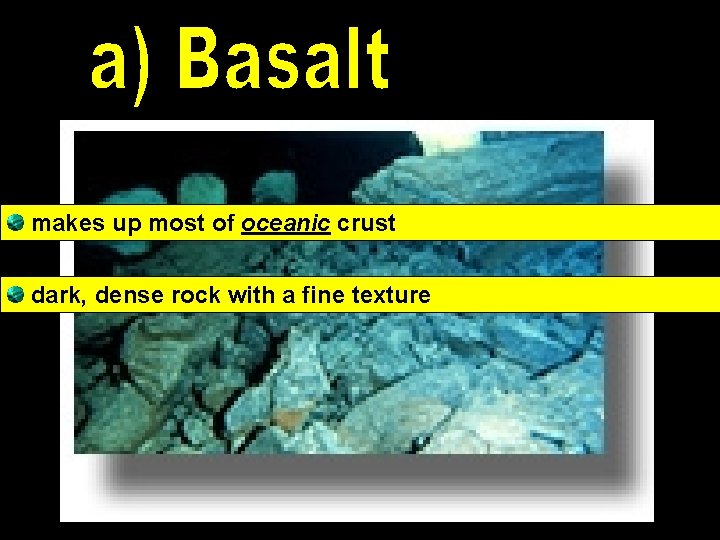
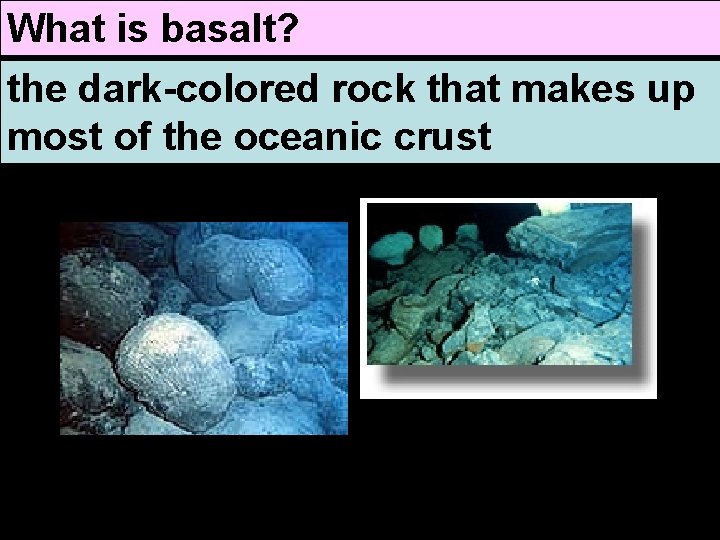
makes up most of oceanic crust dark, dense rock with a fine texture
makes up most of continental crust usually lighter in color, less dense, and with larger crystals than basalt
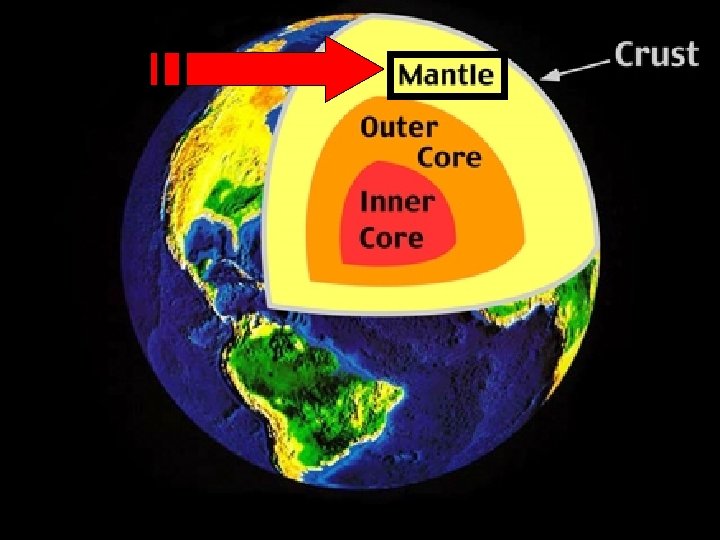
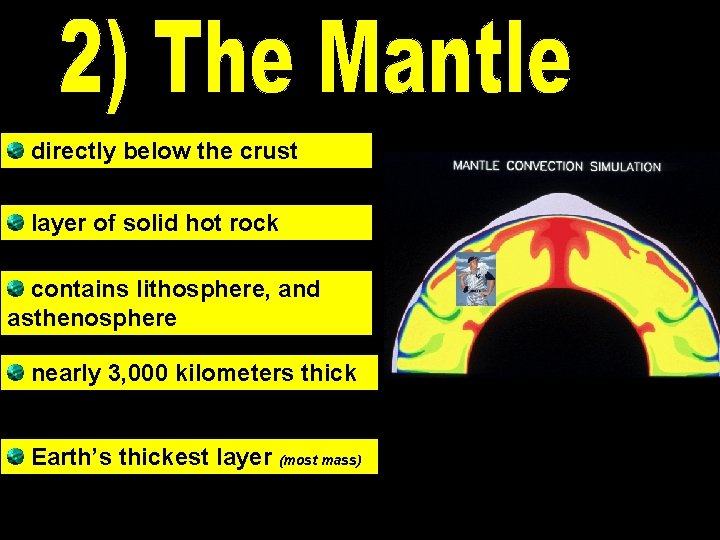
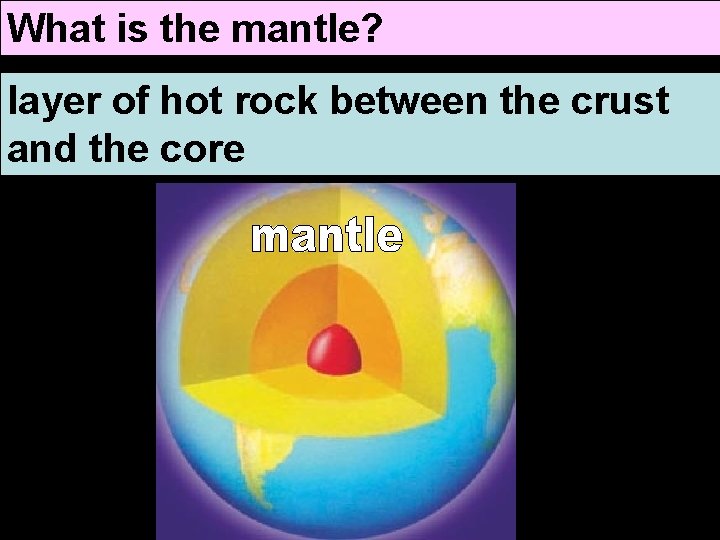
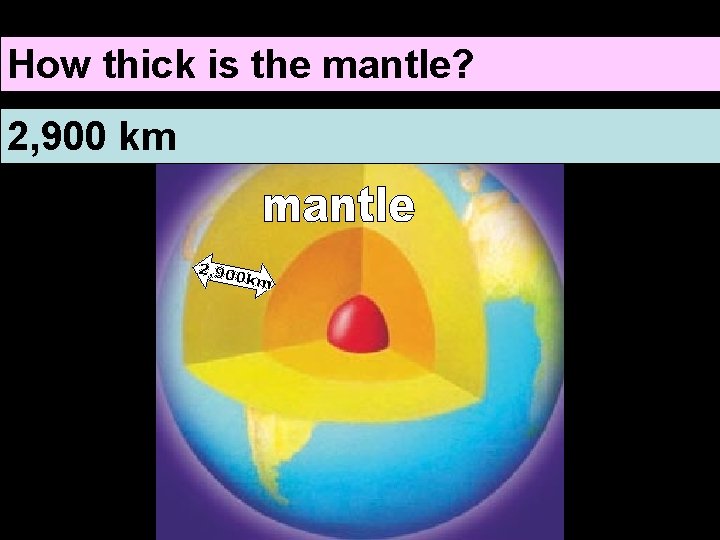
directly below the crust layer of solid hot rock contains lithosphere, and asthenosphere nearly 3, 000 kilometers thick Earth’s thickest layer (most mass)
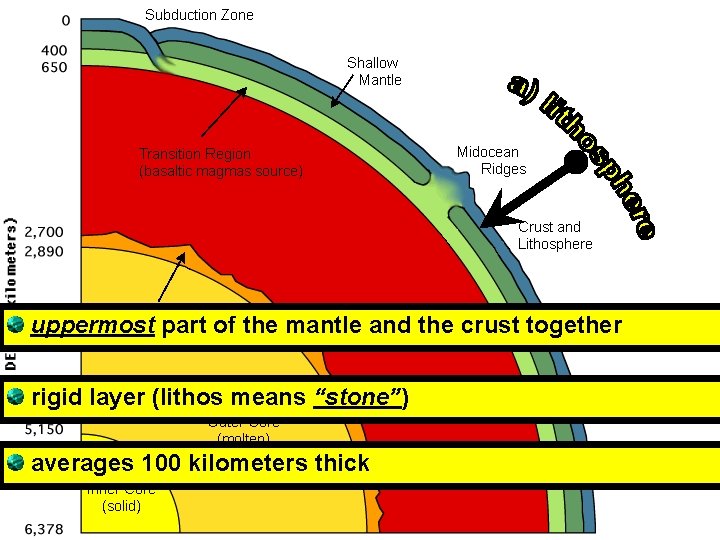
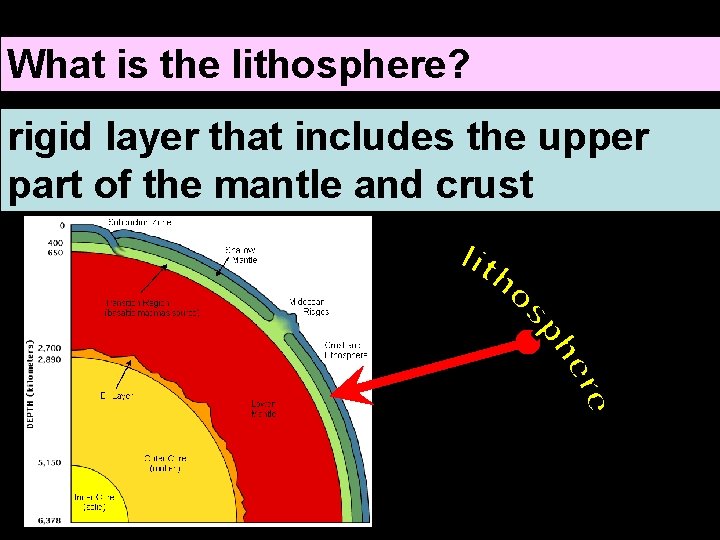
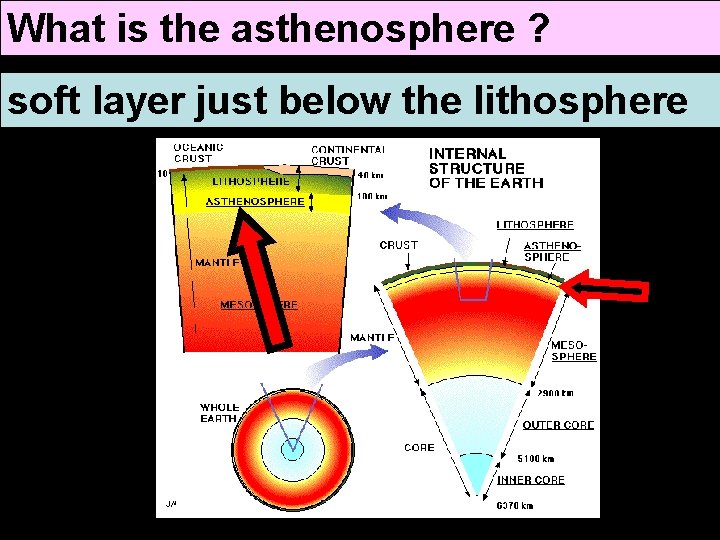
uppermost part of the mantle and the crust together rigid layer (lithos means “stone”) averages 100 kilometers thick
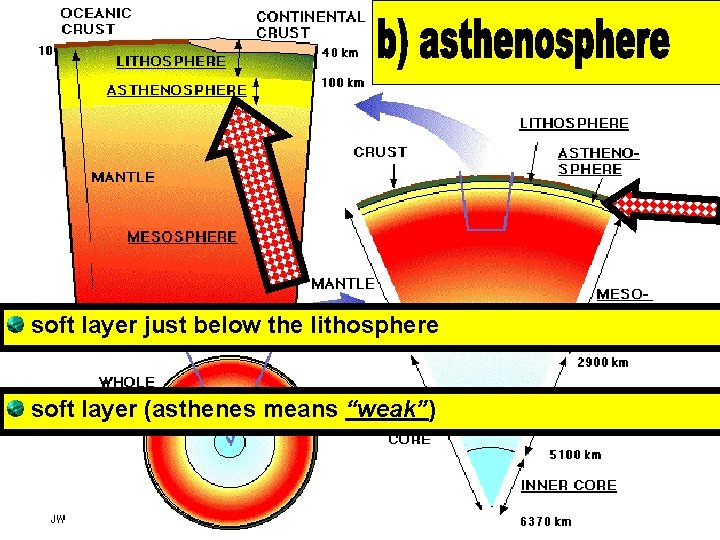
soft layer just below the lithosphere soft layer (asthenes means “weak”)
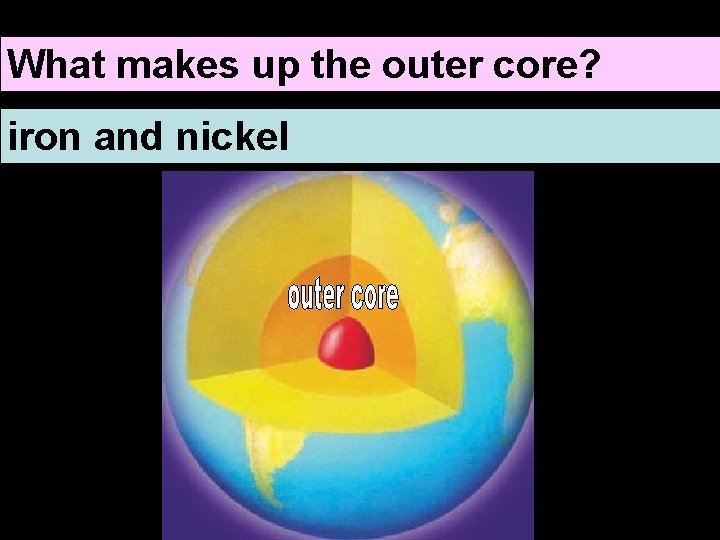
contains iron and nickel behaves like a thick liquid 2, 250 km thick
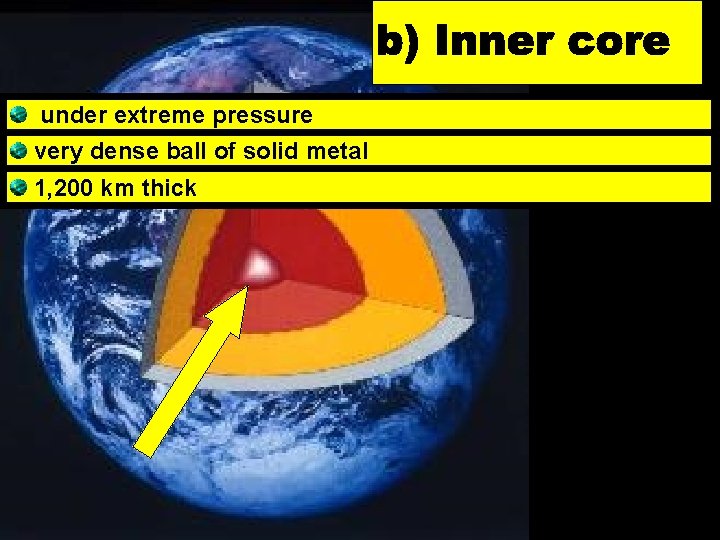
under extreme pressure very dense ball of solid metal 1, 200 km thick
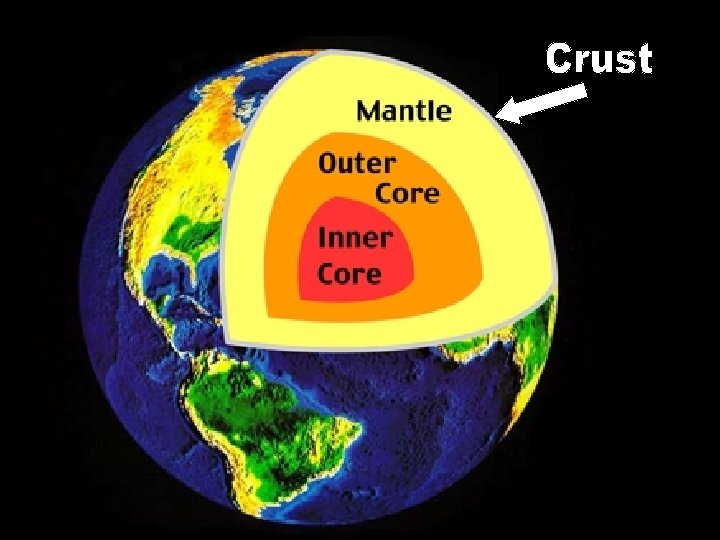
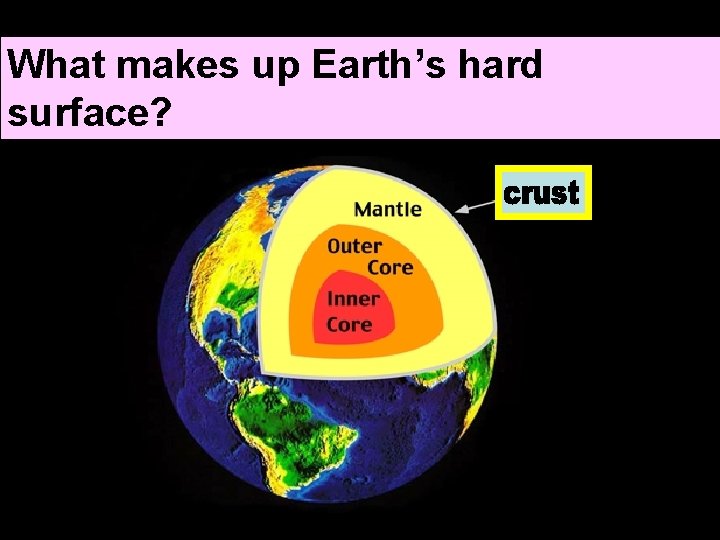
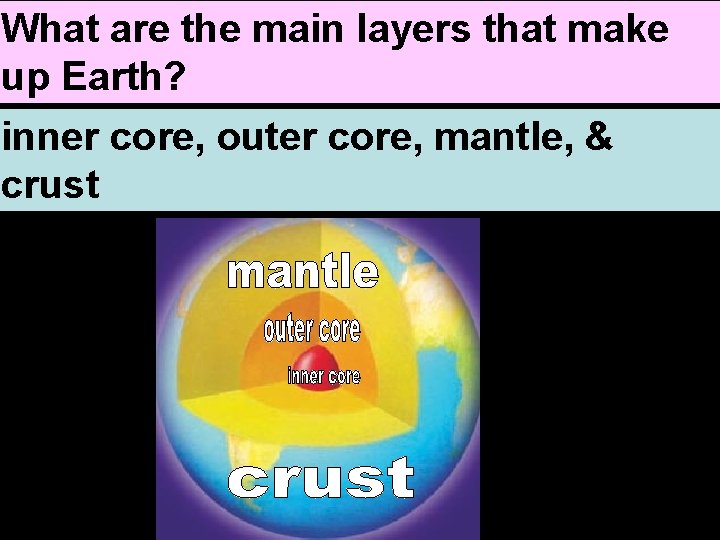
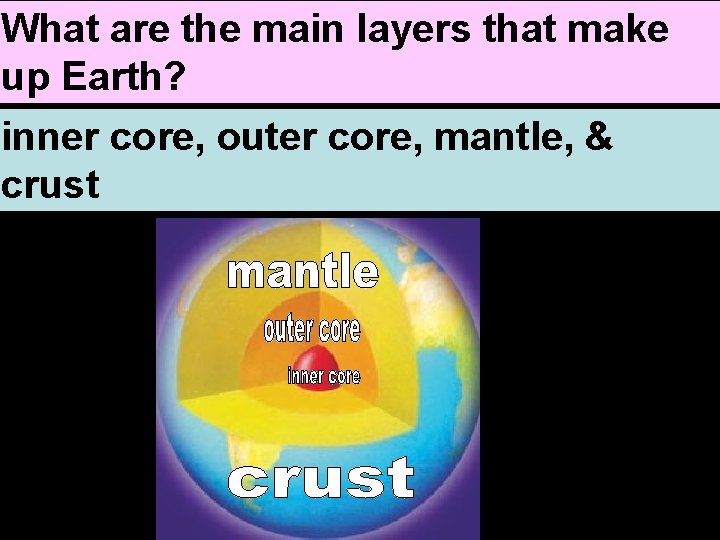
Crust Mantle Outer Core Inner Core
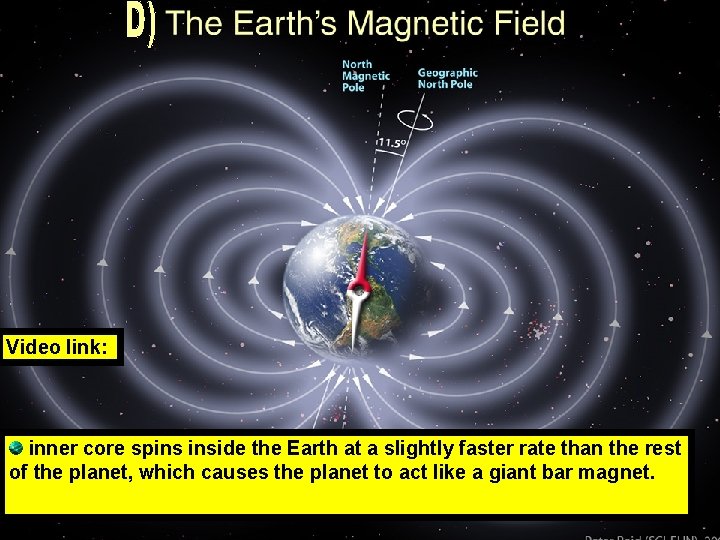
Video link: inner core spins inside the Earth at a slightly faster rate than the rest of the planet, which causes the planet to act like a giant bar magnet.
Earth’s Structure
What makes up Earth’s hard surface?
What is geology? The study of planet Earth
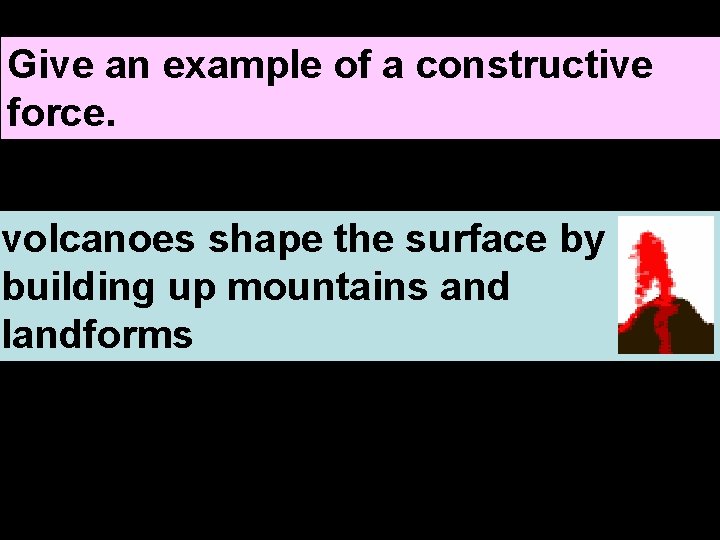
Give an example of a constructive force. volcanoes shape the surface by building up mountains and landforms
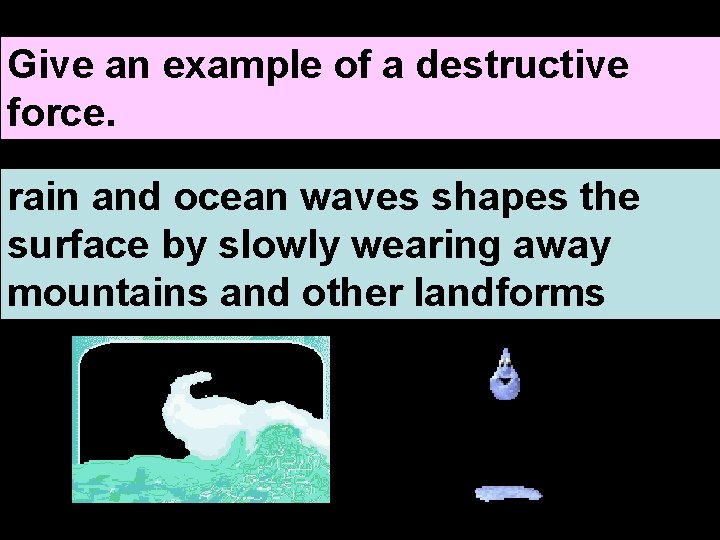
Give an example of a destructive force. rain and ocean waves shapes the surface by slowly wearing away mountains and other landforms
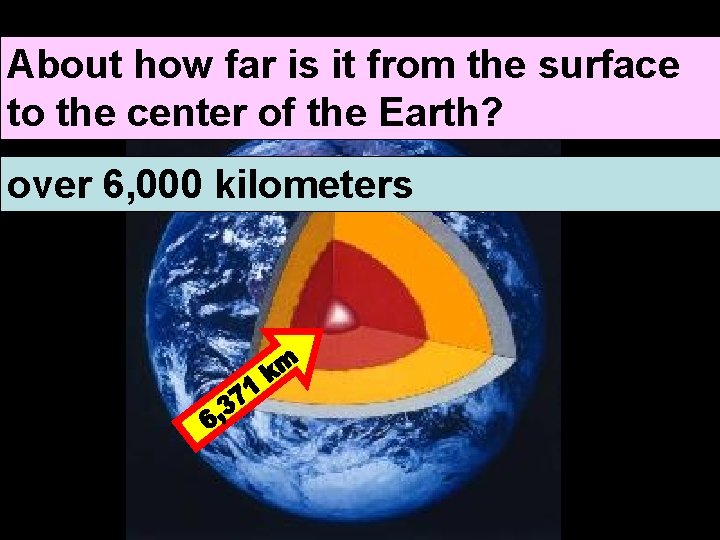
About how far is it from the surface to the center of the Earth? over 6, 000 kilometers
How do geologists learn about Earth’s interior? indirect method- they use seismic waves
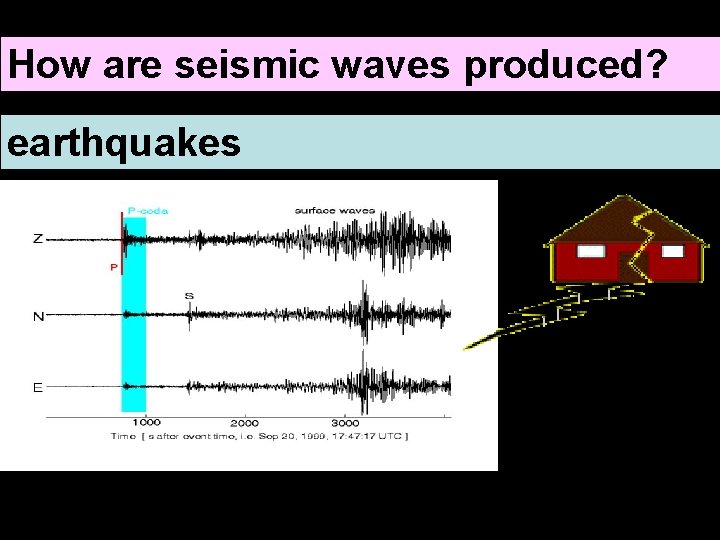
How are seismic waves produced? earthquakes
What happens to the temperature as you from the surface toward the center of the Earth? the temperature increases quickly at first and then more slowly
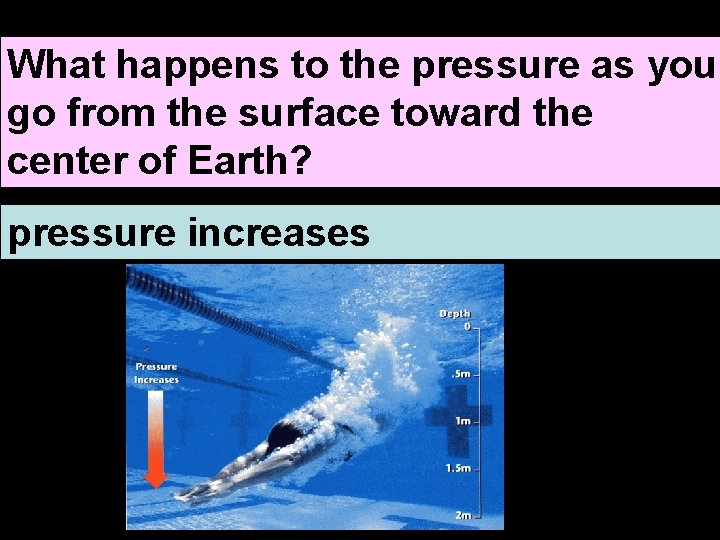
What happens to the pressure as you go from the surface toward the center of Earth? pressure increases
What are the main layers that make up Earth? inner core, outer core, mantle, & crust
The outer layer of rock that forms Earth’s outer skin is called? the crust
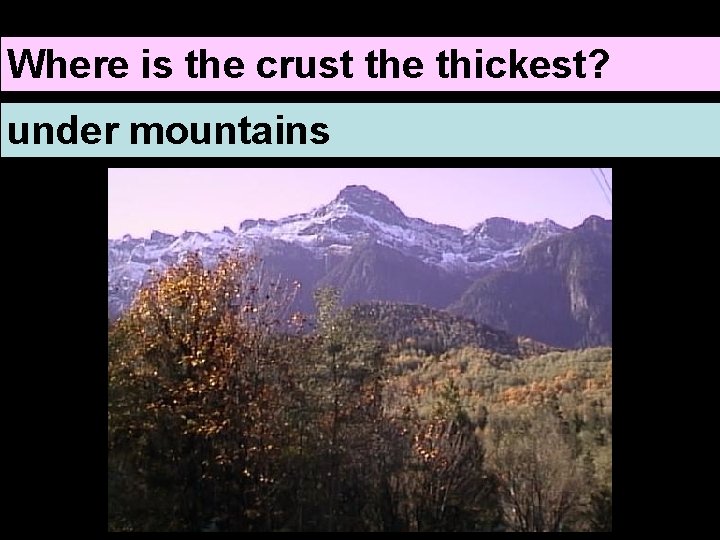
Where is the crust the thickest? under mountains
Where is Earth’s crust the thinnest? under the oceans
What is basalt? the dark-colored rock that makes up most of the oceanic crust
What is granite? the light-colored rock that makes up most of the continental crust
What is the mantle? layer of hot rock between the crust and the core
What is the lithosphere? rigid layer that includes the upper part of the mantle and crust
What is the asthenosphere ? soft layer just below the lithosphere
How thick is the mantle? 2, 900 km
What makes up the outer core? iron and nickel
What are the main layers that make up Earth? inner core, outer core, mantle, & crust