
EPOSTL 1 EPOSTL 2 EPOSTL 3 EPOSTL 4
- Slides: 61
EPOSTL 1
EPOSTL 2
EPOSTL 3
EPOSTL 4
EPOSTL 5
EPOSTL 6
EPOSTL 7
EPOSTL 8
EPOSTL 9
EPOSTL The origins of the EPOSTL 10
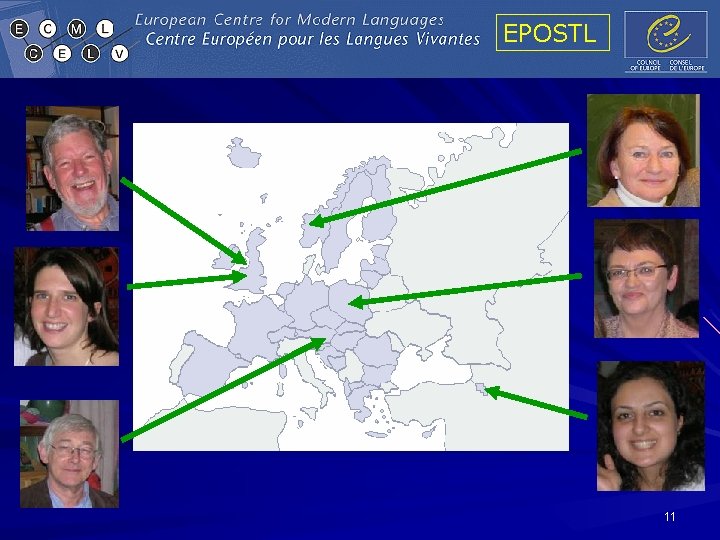
EPOSTL 11
EPOSTL Project Tasks Address content of teacher education core competences To formulate didactic competence descriptors (I can…) relating to language teaching Develop a Portfolio to help student teachers reflect on their knowledge, skills and values 12
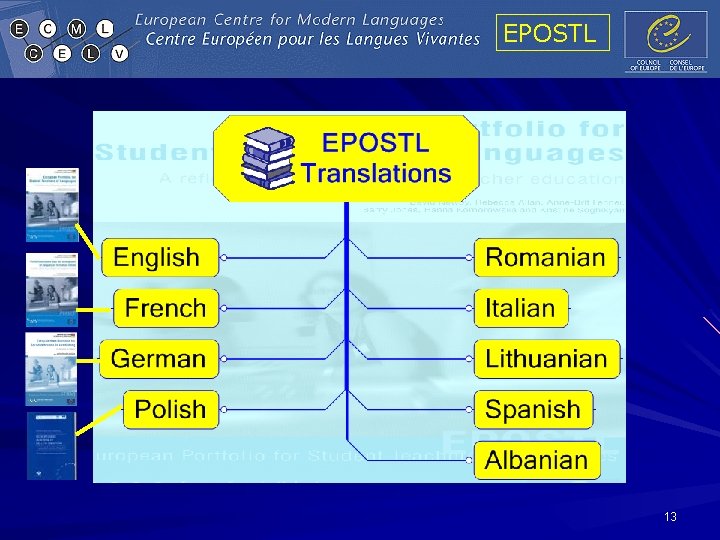
EPOSTL 13
EPOSTL The central aims of the EPOSTL 14
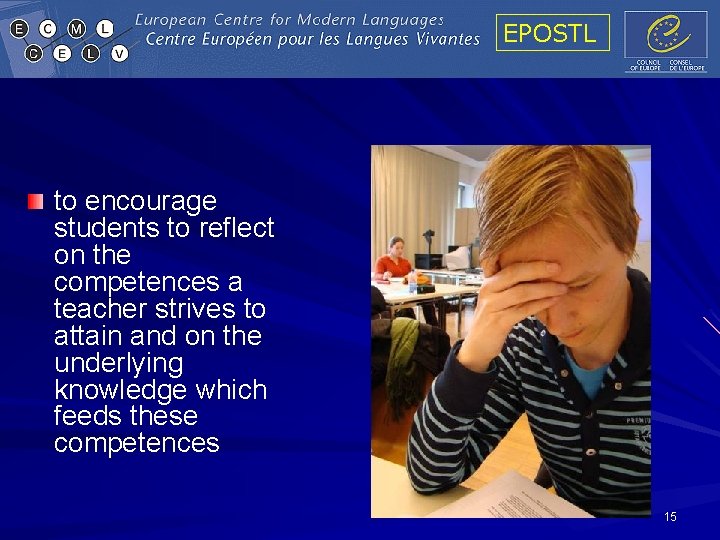
EPOSTL to encourage students to reflect on the competences a teacher strives to attain and on the underlying knowledge which feeds these competences 15
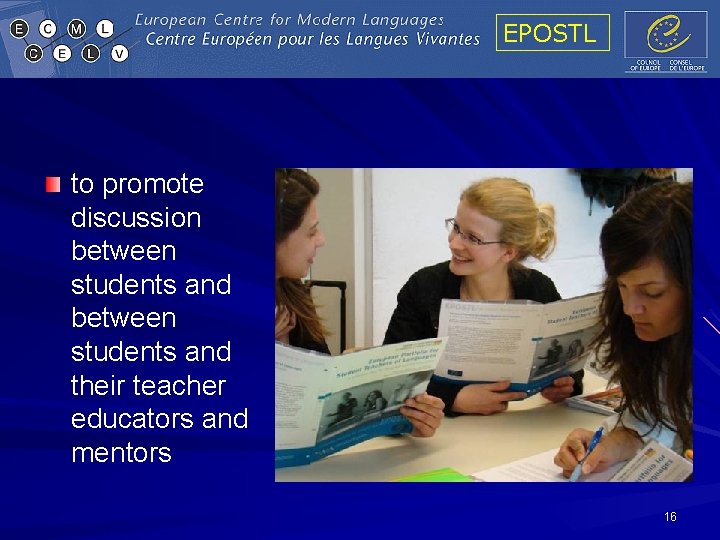
EPOSTL to promote discussion between students and their teacher educators and mentors 16
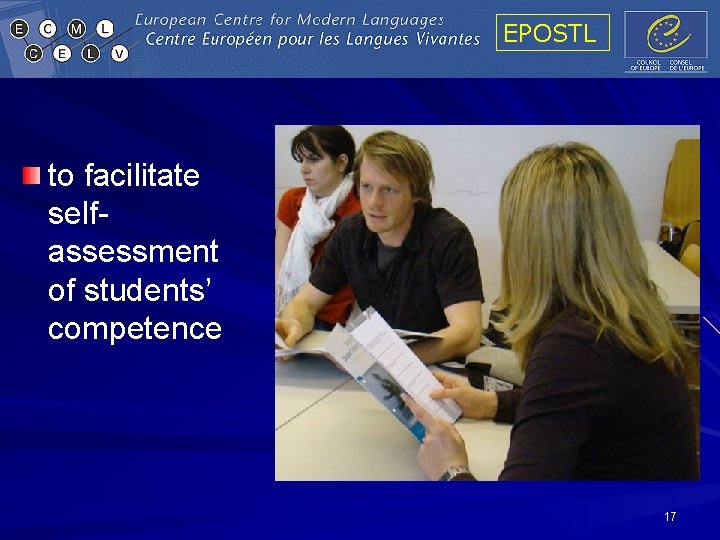
EPOSTL to facilitate selfassessment of students’ competence 17
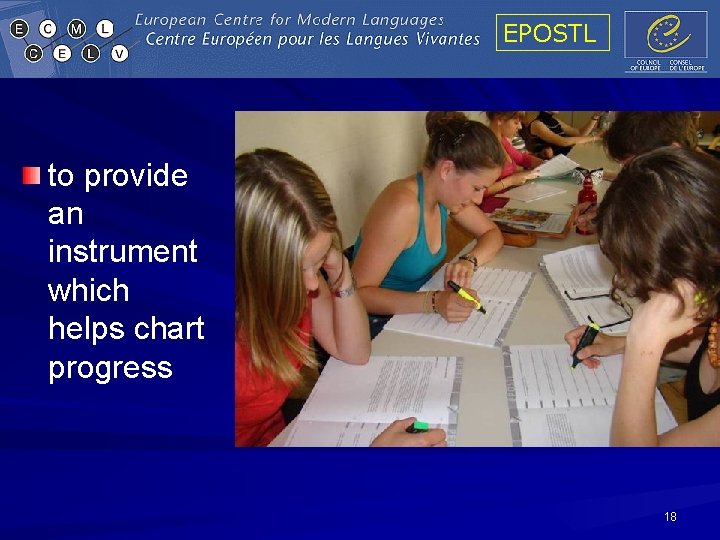
EPOSTL to provide an instrument which helps chart progress 18
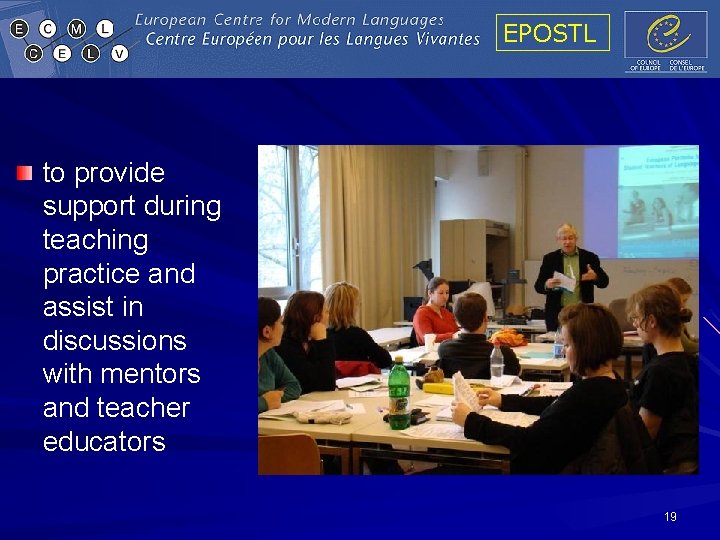
EPOSTL to provide support during teaching practice and assist in discussions with mentors and teacher educators 19
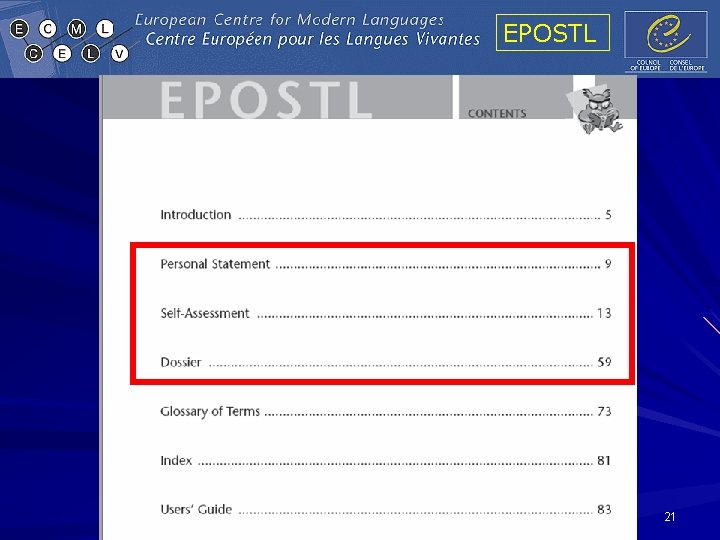
EPOSTL The structure of the EPOSTL 20
EPOSTL 21
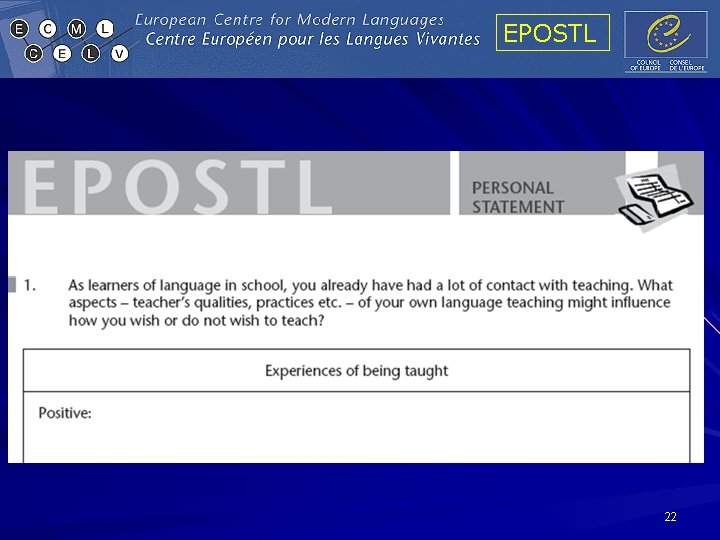
EPOSTL 22
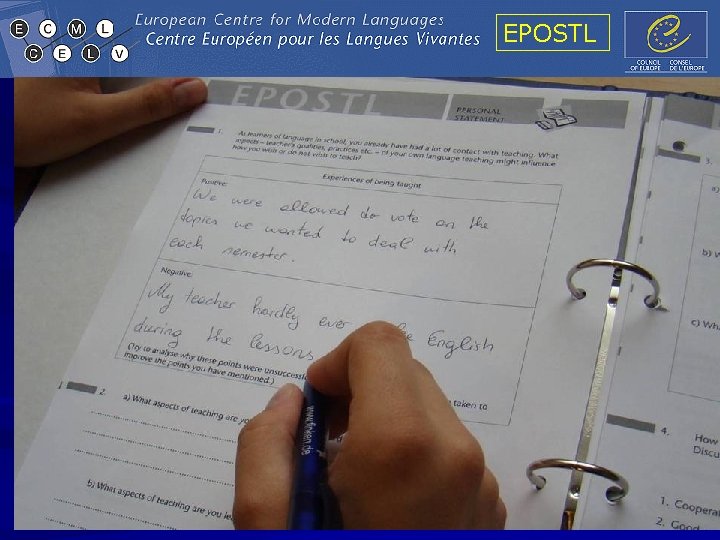
EPOSTL 23
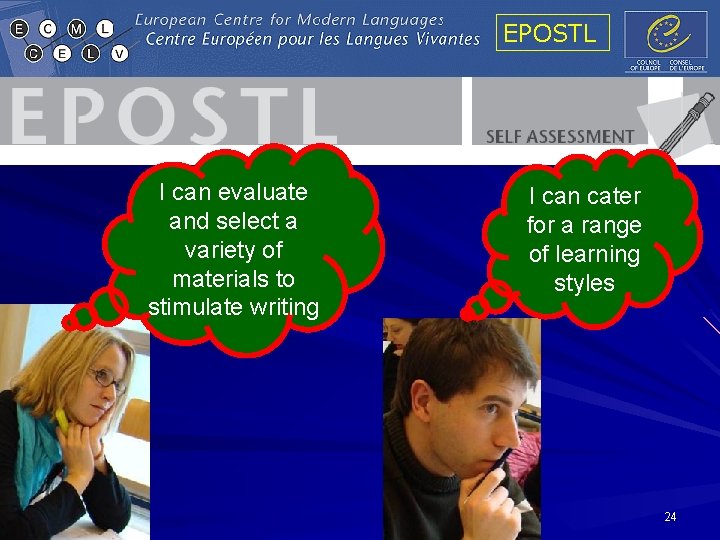
EPOSTL I can evaluate and select a variety of materials to stimulate writing I can cater for a range of learning styles 24
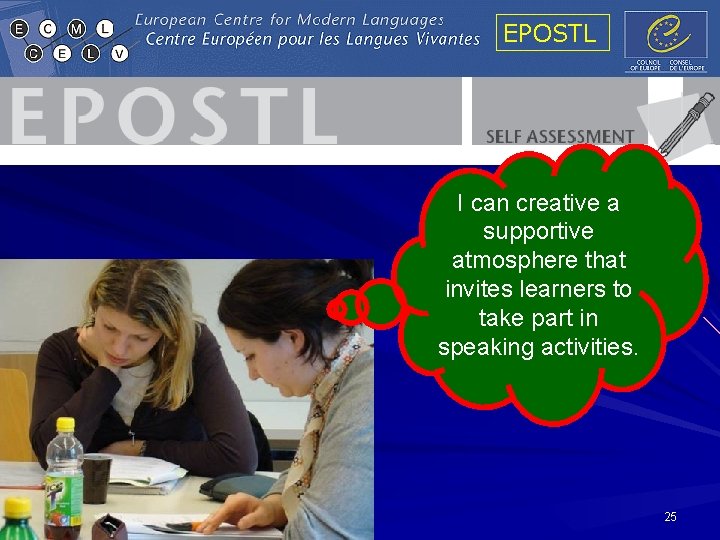
EPOSTL I can creative a supportive atmosphere that invites learners to take part in speaking activities. 25
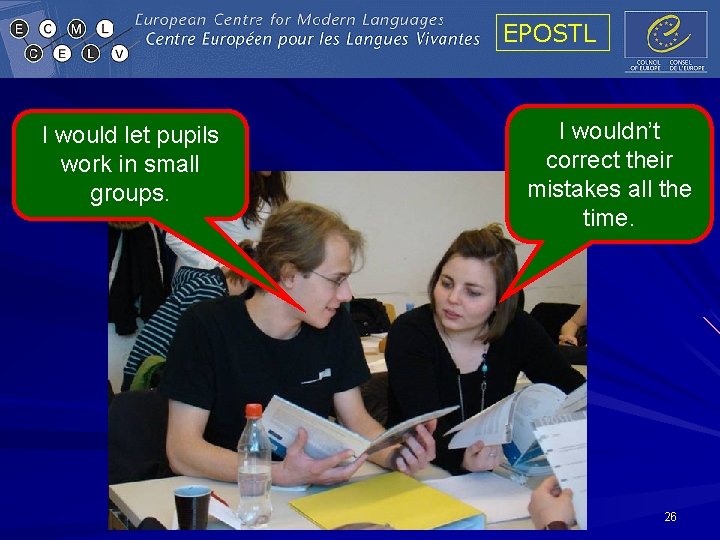
EPOSTL I would let pupils work in small groups. I wouldn’t correct their mistakes all the time. 26
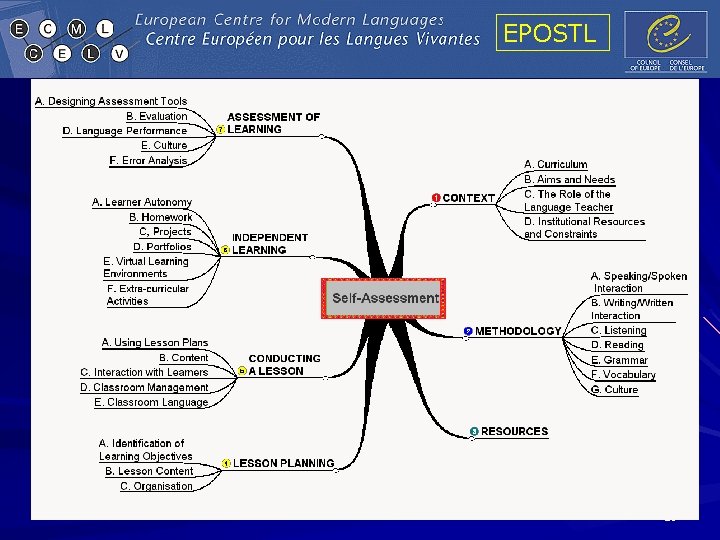
EPOSTL Categorisation of descriptors 1. Context 5. Conducting a lesson 2. Methodology 6. Independent 3. Resources Learning 7. Assessment of learning 4. Lesson planning 27
EPOSTL 28
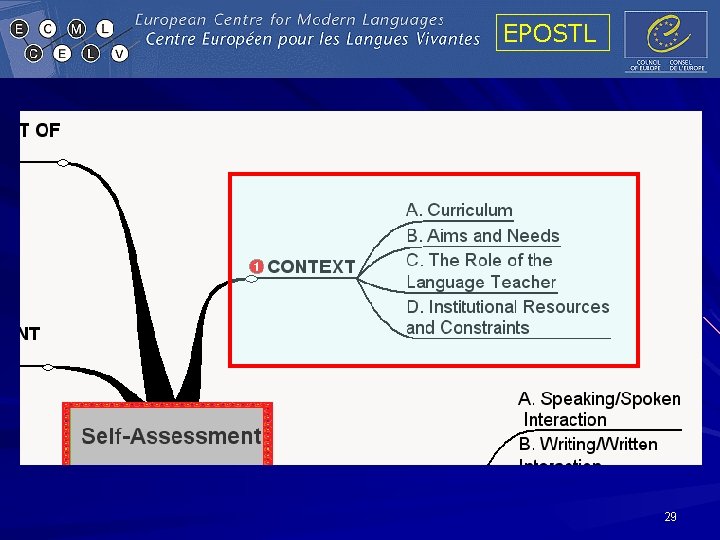
EPOSTL 29
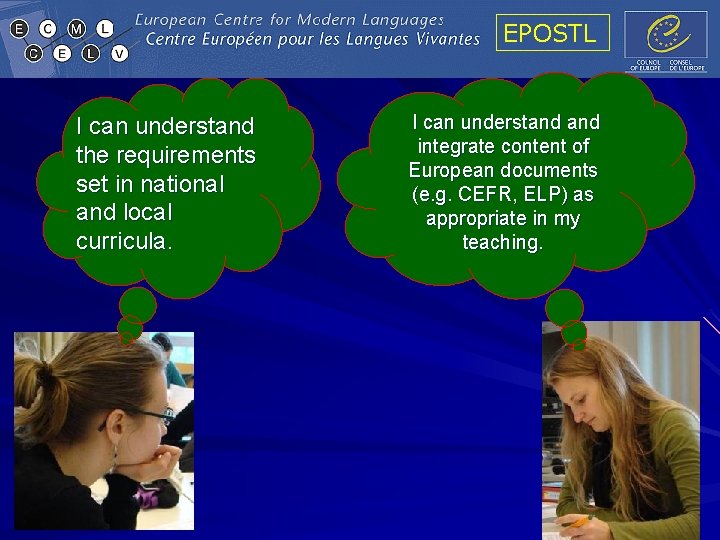
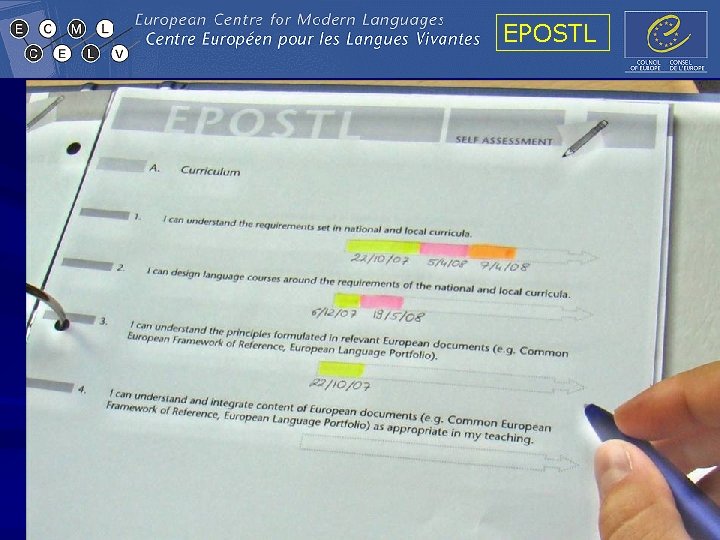
EPOSTL I can understand the requirements set in national and local curricula. I can understand integrate content of European documents (e. g. CEFR, ELP) as appropriate in my teaching. 30
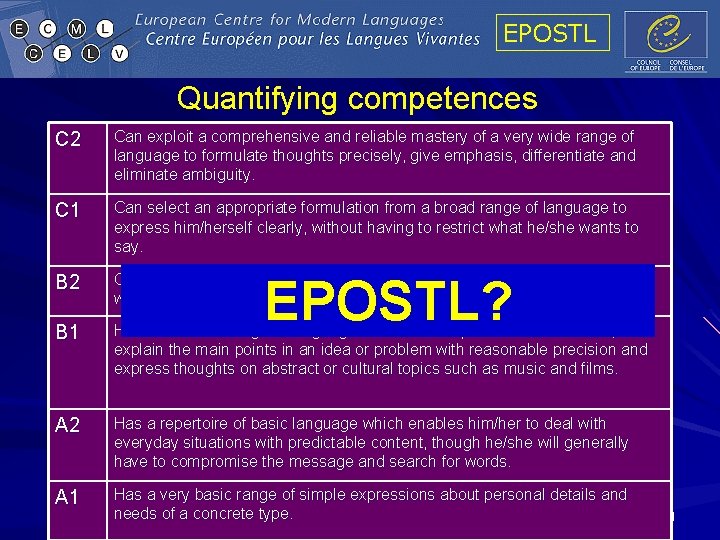
EPOSTL Quantifying competences C 2 Can exploit a comprehensive and reliable mastery of a very wide range of language to formulate thoughts precisely, give emphasis, differentiate and eliminate ambiguity. C 1 Can select an appropriate formulation from a broad range of language to express him/herself clearly, without having to restrict what he/she wants to say. B 2 Can express him/herself clearly and without much sign of having to restrict what he/she wants to say. B 1 Has a sufficient range of language to describe unpredictable situations, explain the main points in an idea or problem with reasonable precision and express thoughts on abstract or cultural topics such as music and films. A 2 Has a repertoire of basic language which enables him/her to deal with everyday situations with predictable content, though he/she will generally have to compromise the message and search for words. A 1 Has a very basic range of simple expressions about personal details and needs of a concrete type. EPOSTL? 31
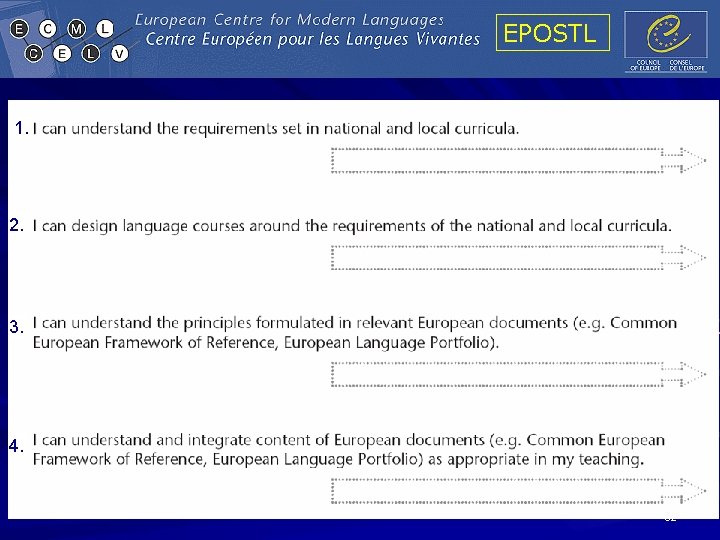
EPOSTL 1. 2. 3. 4. 32
EPOSTL 33
EPOSTL 34
EPOSTL 35
EPOSTL 36
EPOSTL 37
EPOSTL 38
EPOSTL 39
EPOSTL 40
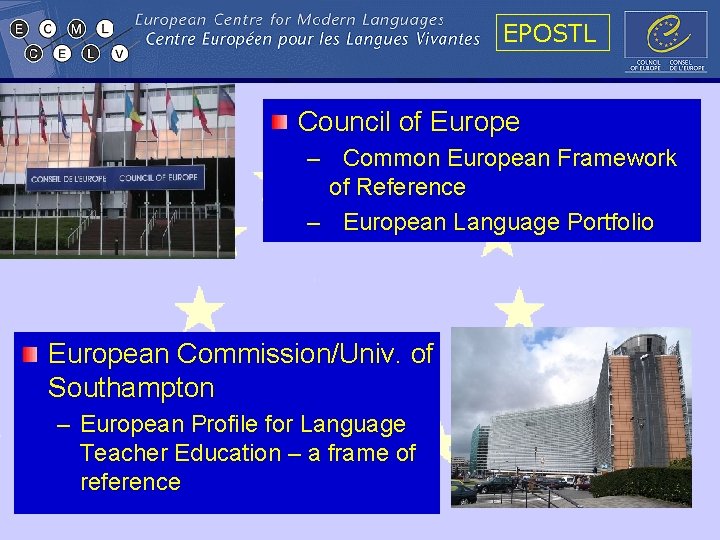
EPOSTL Council of Europe – Common European Framework of Reference – European Language Portfolio European Commission/Univ. of Southampton – European Profile for Language Teacher Education – a frame of reference 41
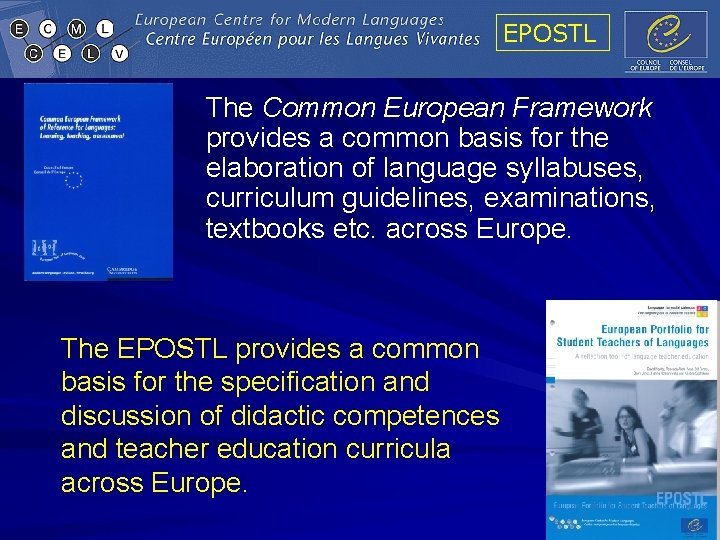
EPOSTL The Common European Framework provides a common basis for the elaboration of language syllabuses, curriculum guidelines, examinations, textbooks etc. across Europe. The EPOSTL provides a common basis for the specification and discussion of didactic competences and teacher education curricula across Europe. 42
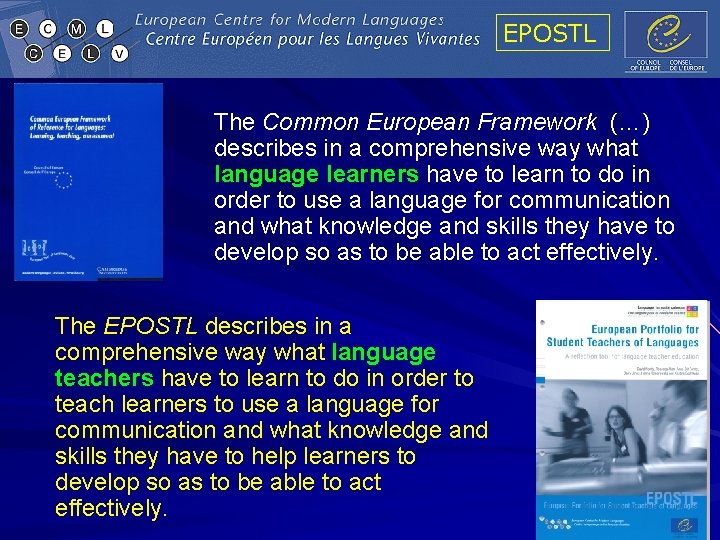
EPOSTL The Common European Framework (…) describes in a comprehensive way what language learners have to learn to do in order to use a language for communication and what knowledge and skills they have to develop so as to be able to act effectively. The EPOSTL describes in a comprehensive way what language teachers have to learn to do in order to teach learners to use a language for communication and what knowledge and skills they have to help learners to develop so as to be able to act effectively. 43
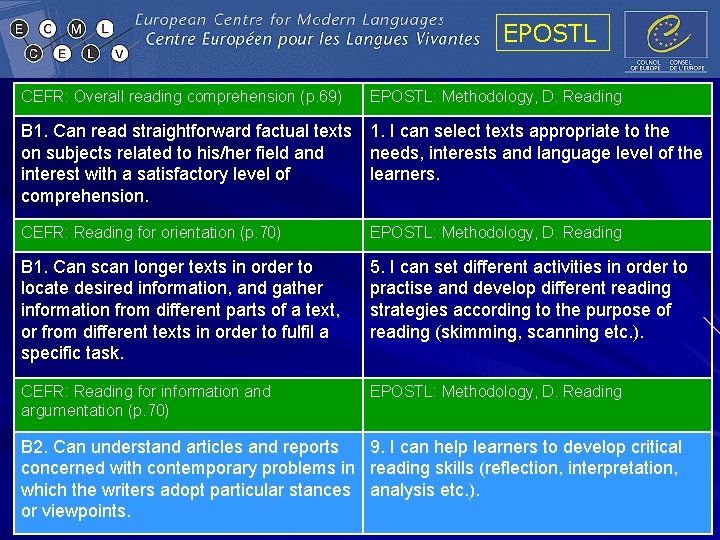
EPOSTL CEFR: Overall reading comprehension (p. 69) EPOSTL: Methodology, D. Reading B 1. Can read straightforward factual texts 1. I can select texts appropriate to the on subjects related to his/her field and needs, interests and language level of the interest with a satisfactory level of learners. comprehension. CEFR: Reading for orientation (p. 70) EPOSTL: Methodology, D. Reading B 1. Can scan longer texts in order to locate desired information, and gather information from different parts of a text, or from different texts in order to fulfil a specific task. 5. I can set different activities in order to practise and develop different reading strategies according to the purpose of reading (skimming, scanning etc. ). CEFR: Reading for information and argumentation (p. 70) EPOSTL: Methodology, D. Reading B 2. Can understand articles and reports 9. I can help learners to develop critical concerned with contemporary problems in reading skills (reflection, interpretation, which the writers adopt particular stances analysis etc. ). or viewpoints. 44
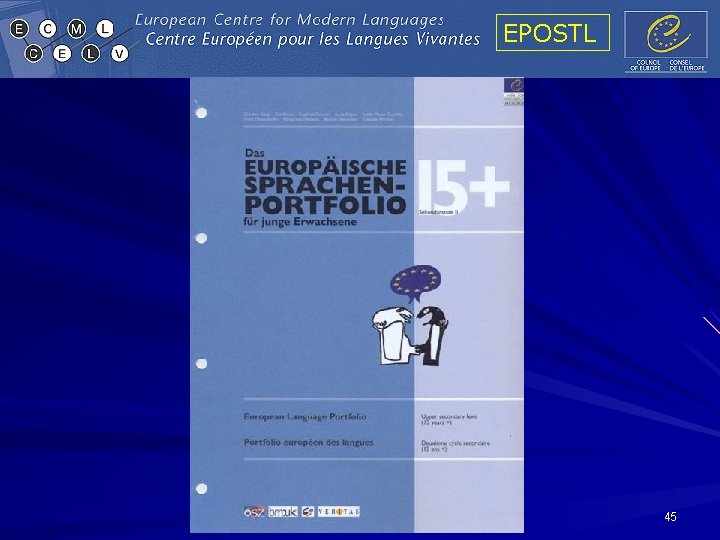
EPOSTL 45
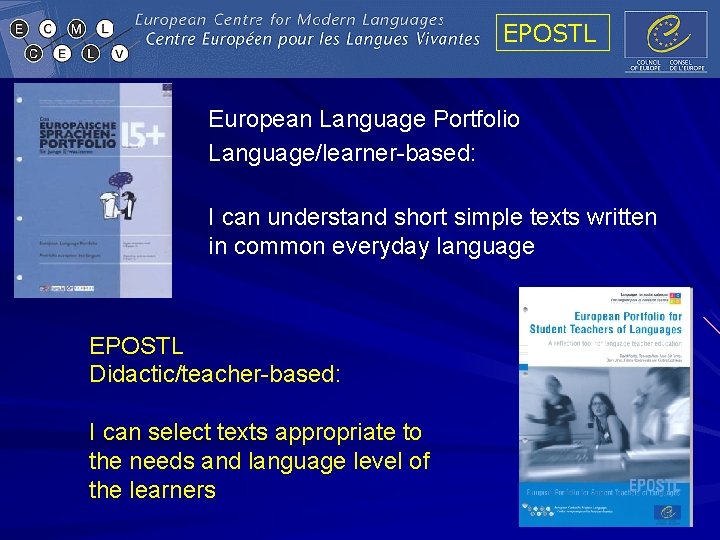
EPOSTL European Language Portfolio Language/learner-based: I can understand short simple texts written in common everyday language EPOSTL Didactic/teacher-based: I can select texts appropriate to the needs and language level of the learners 46
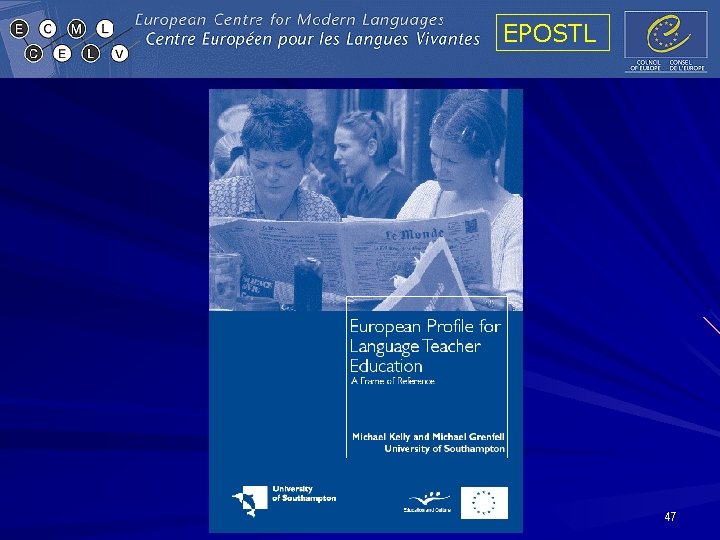
EPOSTL 47
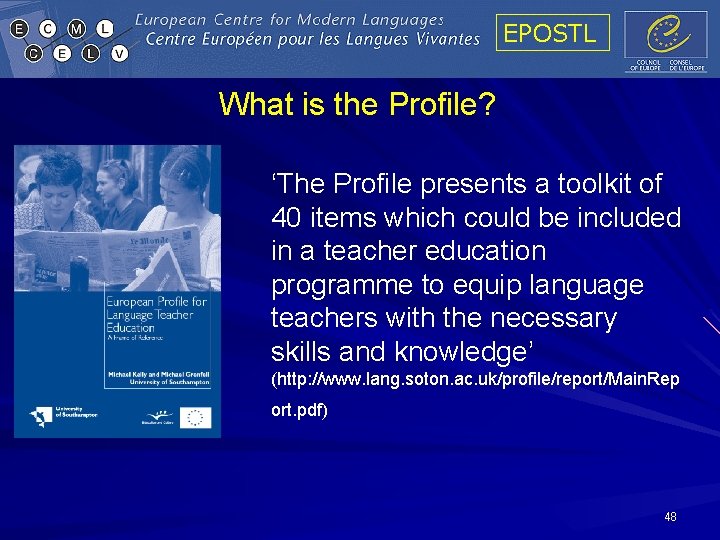
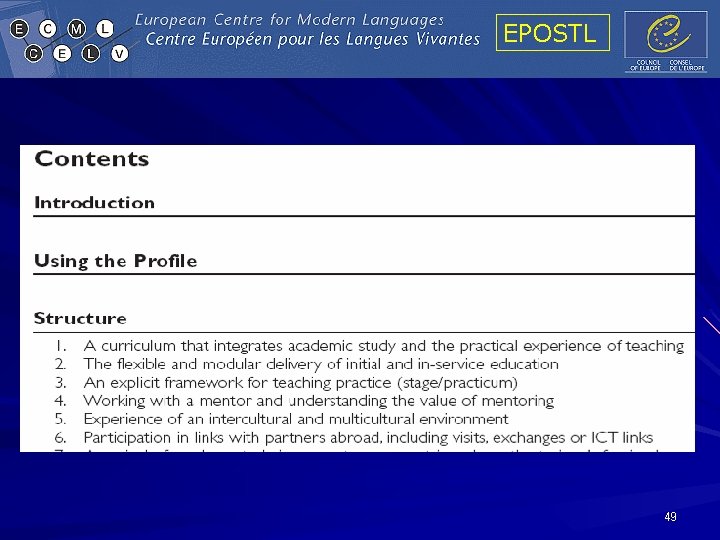
EPOSTL What is the Profile? ‘The Profile presents a toolkit of 40 items which could be included in a teacher education programme to equip language teachers with the necessary skills and knowledge’ (http: //www. lang. soton. ac. uk/profile/report/Main. Rep ort. pdf) 48
EPOSTL 49
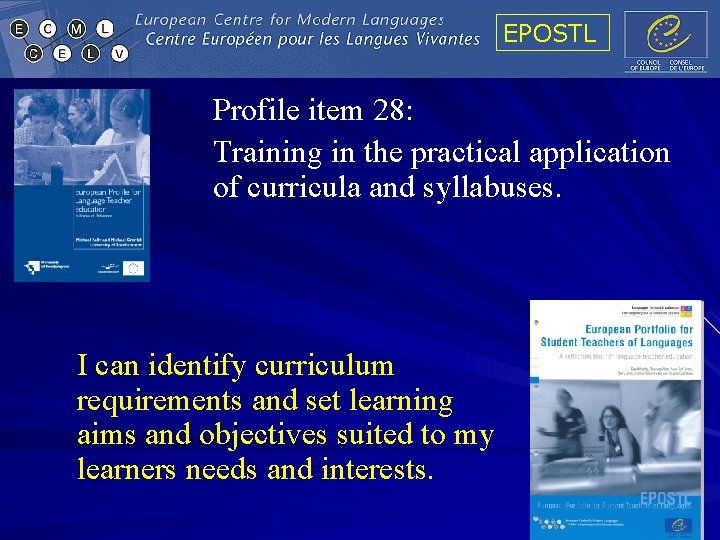
EPOSTL Profile item 28: Training in the practical application of curricula and syllabuses. I can identify curriculum requirements and set learning aims and objectives suited to my learners needs and interests. 50
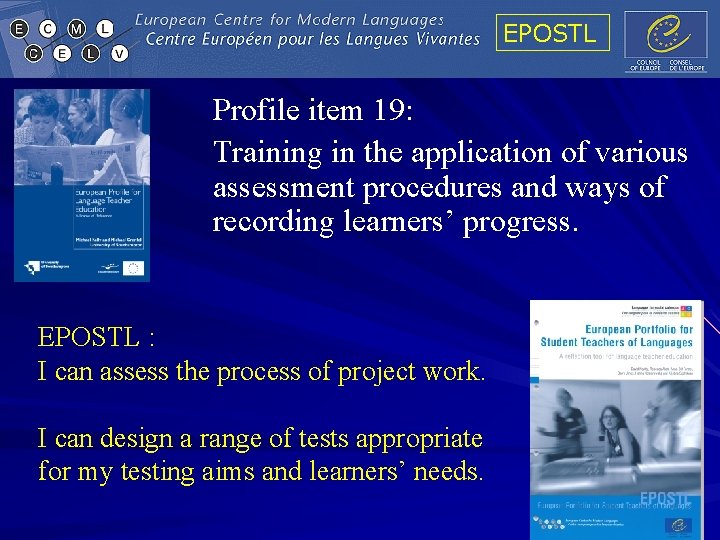
EPOSTL Profile item 19: Training in the application of various assessment procedures and ways of recording learners’ progress. EPOSTL : I can assess the process of project work. I can design a range of tests appropriate for my testing aims and learners’ needs. 51
EPOSTL 52
EPOSTL 53
EPOSTL 54
EPOSTL 55
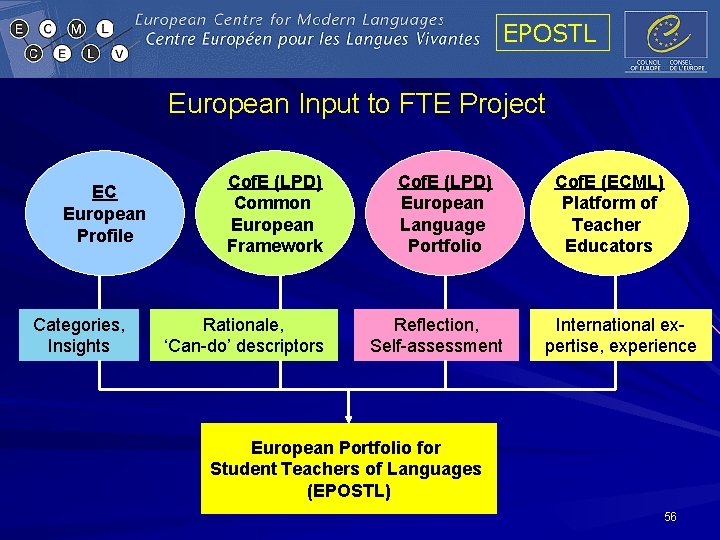
EPOSTL European Input to FTE Project EC European Profile Categories, Insights Cof. E (LPD) Common European Framework Rationale, ‘Can-do’ descriptors Cof. E (LPD) European Language Portfolio Reflection, Self-assessment Cof. E (ECML) Platform of Teacher Educators International expertise, experience European Portfolio for Student Teachers of Languages (EPOSTL) 56
EPOSTL Expected outcomes Provide greater transparency of aims and didactic competences in teacher education for both students and educators Support a reflective mode of teacher education Aid harmonisation of bottom-up, need-based objectives and top-town curriculum planning Aid comparison of teacher education programmes 57
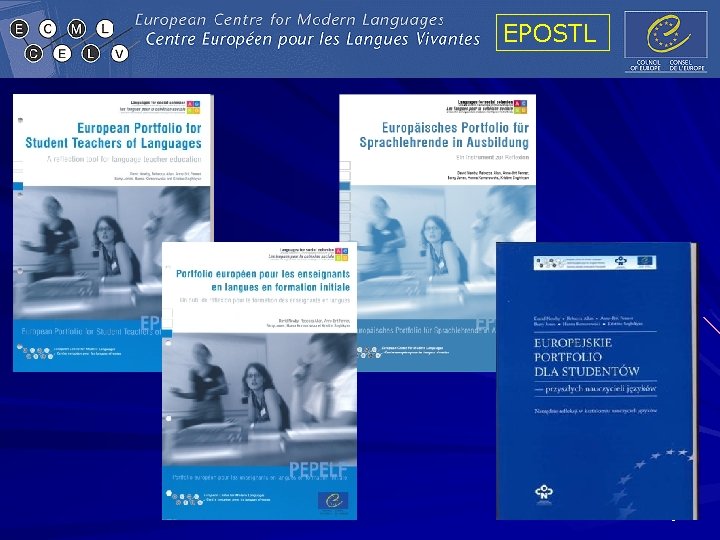
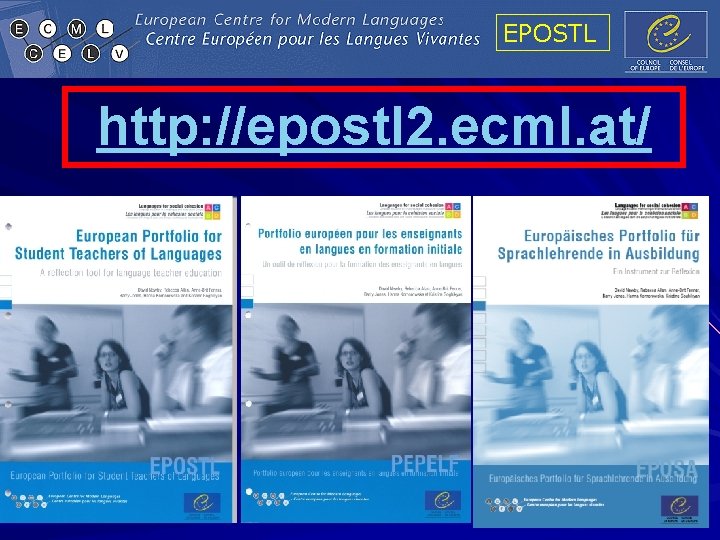
EPOSTL More information and downloadable versions of the EPOSTL from http: //epostl 2. ecml. at/ Power. Point production: David Newby Nancy Campbell Christian Stenner 58
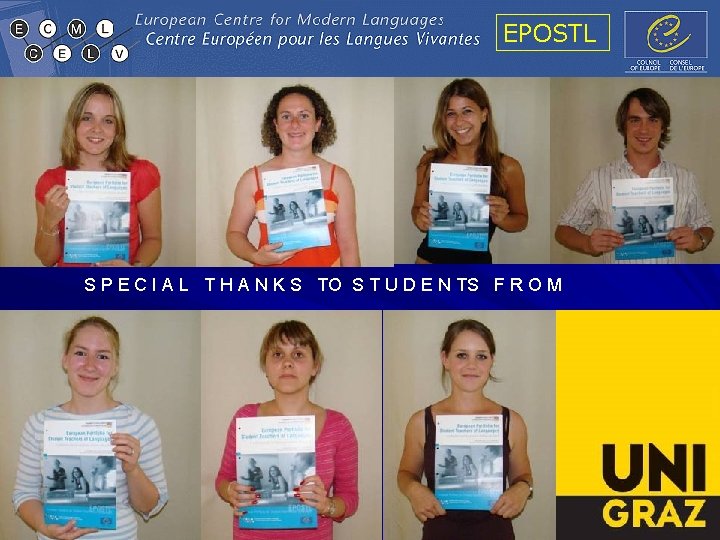
EPOSTL S P E C I A L T H A N K S TO S T U D E N TS F R O M 59
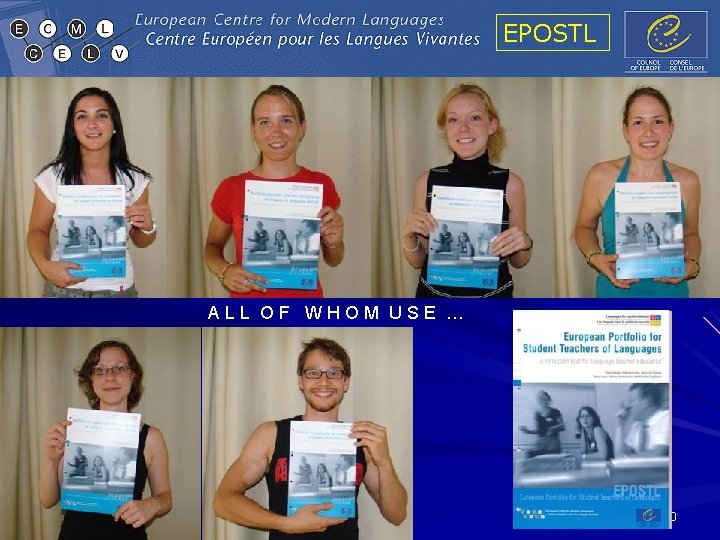
EPOSTL ALL OF WHOM USE … 60
EPOSTL http: //epostl 2. ecml. at/