
Epigenomics Transcriptomics Studies in MESA Yongmei Liu M
- Slides: 17
Epigenomics & Transcriptomics Studies in MESA Yongmei Liu, M. D. , Ph. D. Wake Forest School of Medicine
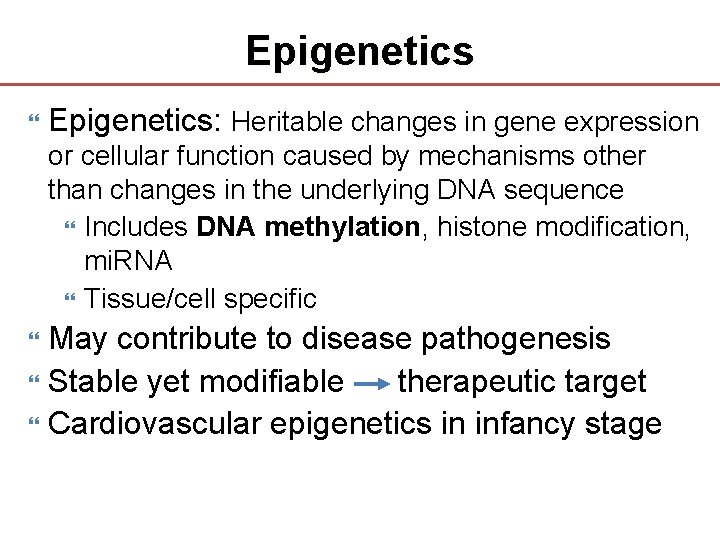
Epigenetics Epigenetics: Heritable changes in gene expression or cellular function caused by mechanisms other than changes in the underlying DNA sequence Includes DNA methylation, histone modification, mi. RNA Tissue/cell specific May contribute to disease pathogenesis Stable yet modifiable therapeutic target Cardiovascular epigenetics in infancy stage
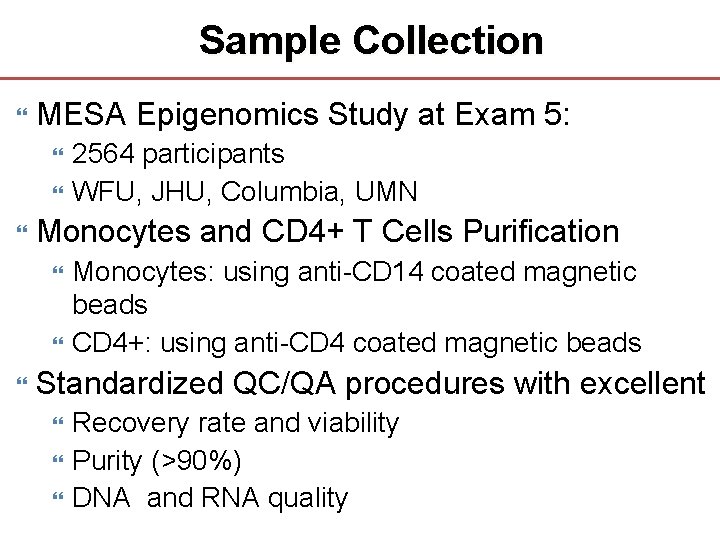
Sample Collection MESA Epigenomics Study at Exam 5: Monocytes and CD 4+ T Cells Purification 2564 participants WFU, JHU, Columbia, UMN Monocytes: using anti-CD 14 coated magnetic beads CD 4+: using anti-CD 4 coated magnetic beads Standardized QC/QA procedures with excellent Recovery rate and viability Purity (>90%) DNA and RNA quality
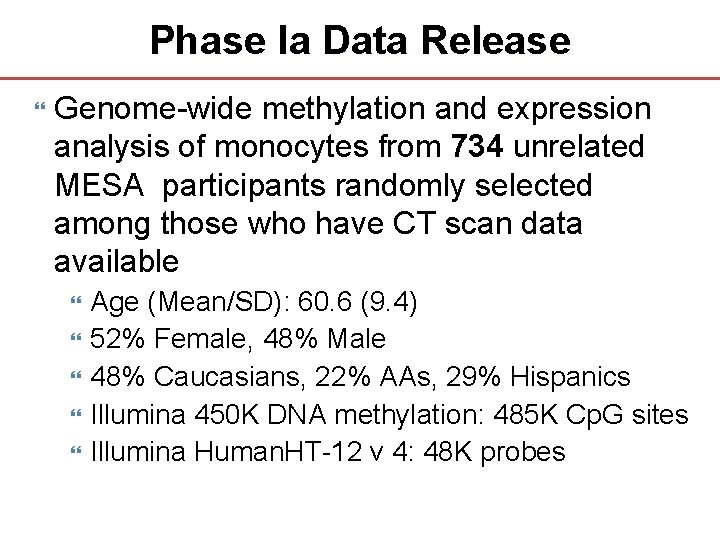
Phase Ia Data Release Genome-wide methylation and expression analysis of monocytes from 734 unrelated MESA participants randomly selected among those who have CT scan data available Age (Mean/SD): 60. 6 (9. 4) 52% Female, 48% Male 48% Caucasians, 22% AAs, 29% Hispanics Illumina 450 K DNA methylation: 485 K Cp. G sites Illumina Human. HT-12 v 4: 48 K probes
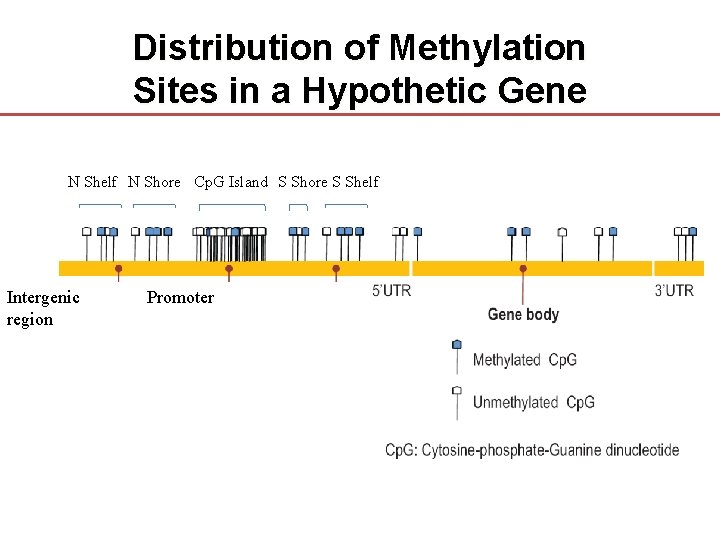
Distribution of Methylation Sites in a Hypothetic Gene N Shelf N Shore Cp. G Island S Shore S Shelf Intergenic region Promoter
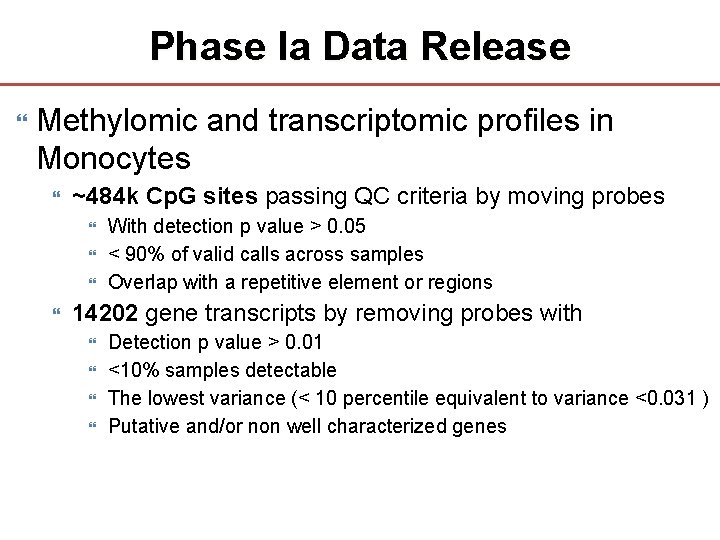
Phase Ia Data Release Methylomic and transcriptomic profiles in Monocytes ~484 k Cp. G sites passing QC criteria by moving probes With detection p value > 0. 05 < 90% of valid calls across samples Overlap with a repetitive element or regions 14202 gene transcripts by removing probes with Detection p value > 0. 01 <10% samples detectable The lowest variance (< 10 percentile equivalent to variance <0. 031 ) Putative and/or non well characterized genes
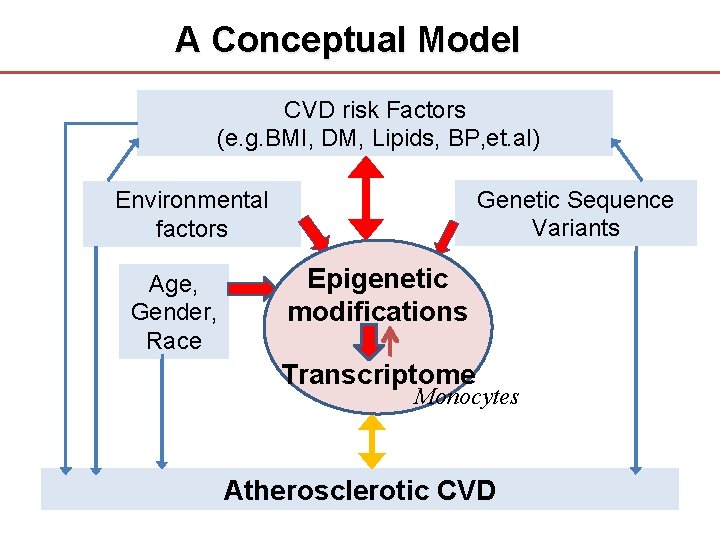
A Conceptual Model CVD risk Factors (e. g. BMI, DM, Lipids, BP, et. al) Genetic Sequence Variants Environmental factors Age, Gender, Race Epigenetic modifications Transcriptome Monocytes Atherosclerotic CVD
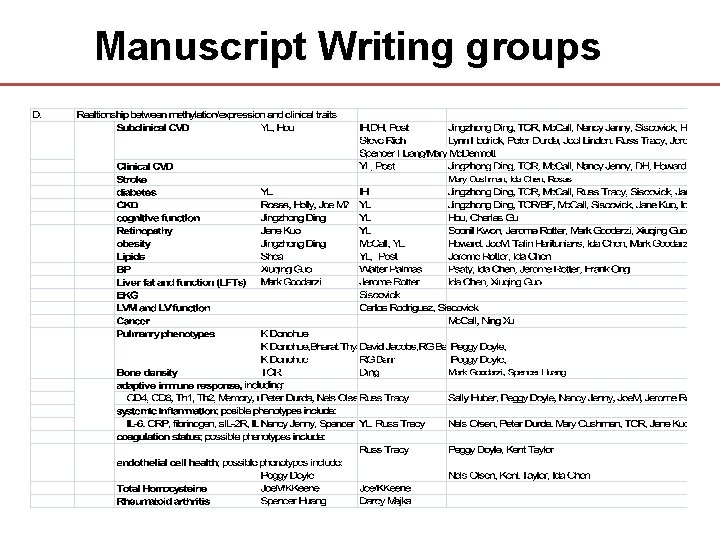
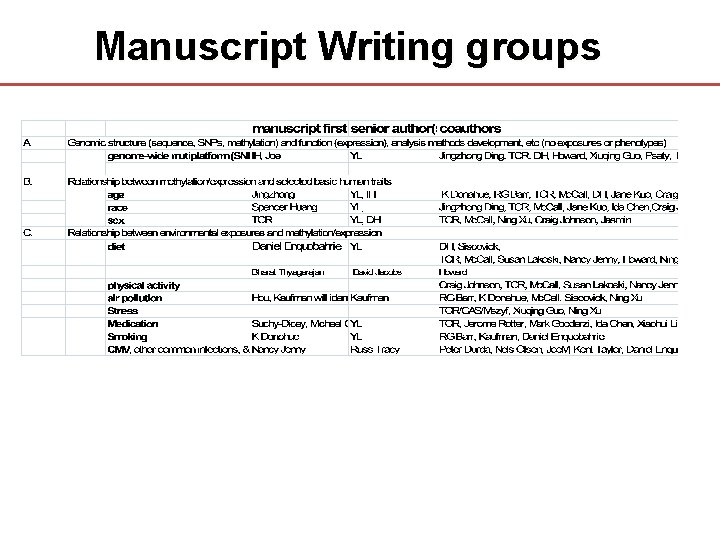
Manuscript Writing groups
Manuscript Writing groups
P&P Guidelines Circulate MESA epigenomics P&P guidelines The first method paper, “Methylomics of Gene Expression in Human Monocytes” is under review. Serves as the reference Provides functional implication for specific Cp. G sites Need a manuscript proposal approval from MESA genetic P&P committee prior to the data release from the MESA CC Circulate the template of our approved manuscript proposal for the first Epigenomics paper
Functional Methylome Understanding epigenetic regulation of gene expression may provide Novel molecular mechanisms Novel therapeutic targets Known functional consequences of epigenetic modifications including DNA methylation limited to discrete genomic regions Challenges to annotate functional methylation loci at the genome-wide level Large sample size Homogeneous cell samples
Associations of Methylation with Gene Express Exposure variables: the methylation value for each Cp. G site on autosomes Outcome variables: gene transcript expression for any autosomal gene within 1 Mb of the Cp. G site in question Covariates: age, sex, race, study sites, chip, position, and residual sample contamination with non-monocytes Linear regression model using R-lm Compute false discovery rate (FDR: Q value) and report genes with FDR<10%
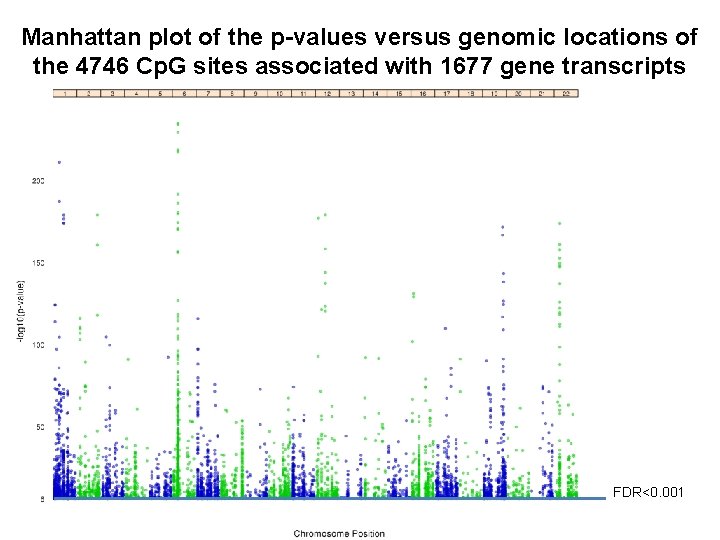
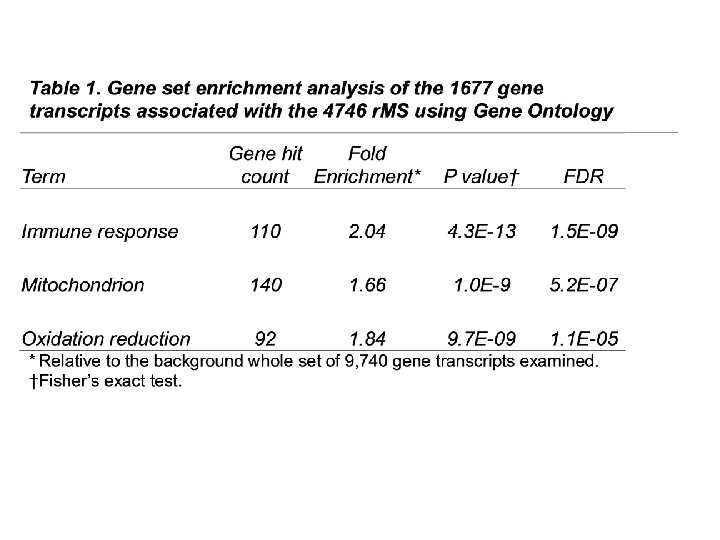
Manhattan plot of the p-values versus genomic locations of the 4746 Cp. G sites associated with 1677 gene transcripts FDR<0. 001
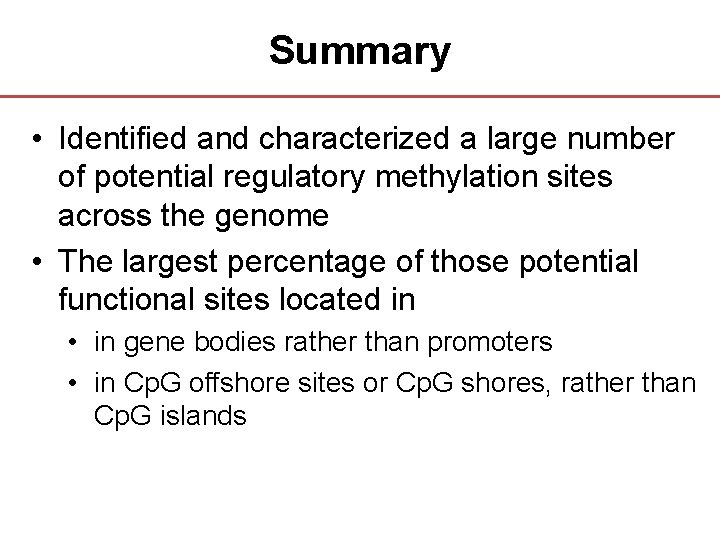
Summary • Identified and characterized a large number of potential regulatory methylation sites across the genome • The largest percentage of those potential functional sites located in • in gene bodies rather than promoters • in Cp. G offshore sites or Cp. G shores, rather than Cp. G islands
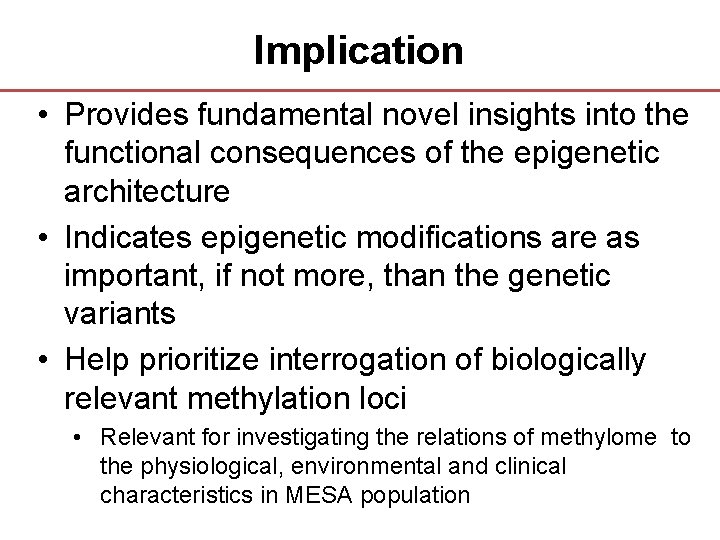
Implication • Provides fundamental novel insights into the functional consequences of the epigenetic architecture • Indicates epigenetic modifications are as important, if not more, than the genetic variants • Help prioritize interrogation of biologically relevant methylation loci • Relevant for investigating the relations of methylome to the physiological, environmental and clinical characteristics in MESA population
Acknowledgements Greg Burke Wendy Post (JHU) David Herrington (WFU) Steve Shea (Columbia) David Jacob (UMN) Aaron Folsom (UMN) Ina Hoeschele (VT) Russel Tracy Peggy Doyle (UVM) Joel Kaufman David Siscovick (UW) NHLBI: R 01 HL 101250