
Epigenomics Ivana de la Serna Block Health Science
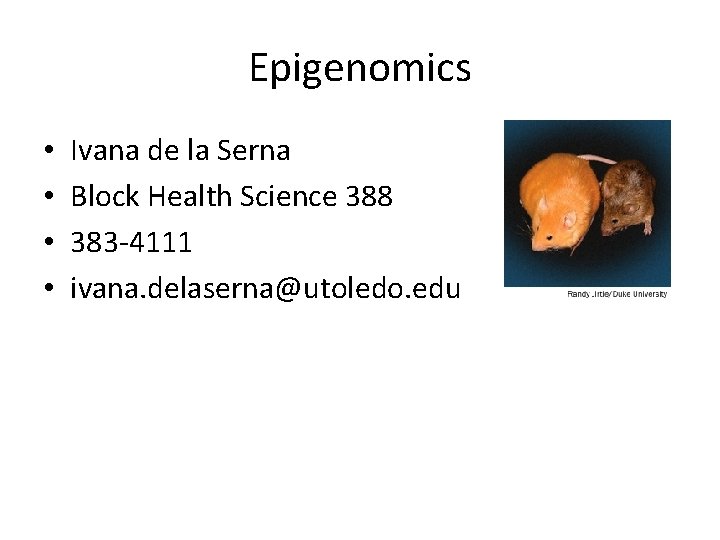
Epigenomics • • Ivana de la Serna Block Health Science 388 383 -4111 ivana. delaserna@utoledo. edu
Outline 1. Epigenetics-definition and overview 2. DNA methylation/hydroxymethylation 3. Histone modifications 4. Nucleosome positioning 6. Methodology for assaying changes in DNA methylation and histone modifications • 7. Epigenetic changes as biomarkers • 8. Pharmacological targeting of epigenetic regulators • • •
Goals • Know some of the key epigenetic modifications that are important in disease • Understand the mechanisms that give rise to epigenetic alterations in disease • Understand how epigenetic alterations can be used as biomarkers • How epigenetic regulators can be targeted in disease
Epigenetics/epigenomics- a definition • Any process that alters gene activity without changing the DNA sequence and leads to modifications that can be transmitted to daughter cells. • Epigenomics: global study of epigenetic changes across the entire genome
Epigenetics • All cells in a multicellular organism have the same genetic material, however, not every gene of an organism is active in each cell at all times. • Conrad Waddington (1905 -1975) coined the term: “epigenetic landscape” to describe mechanisms that convert the genetic information into observable traits or phenotypes. • Epigenetic gene expression patterns and the associated phenotypes, once established, may persist through cell divisions without the involvement of a change in DNA sequence.
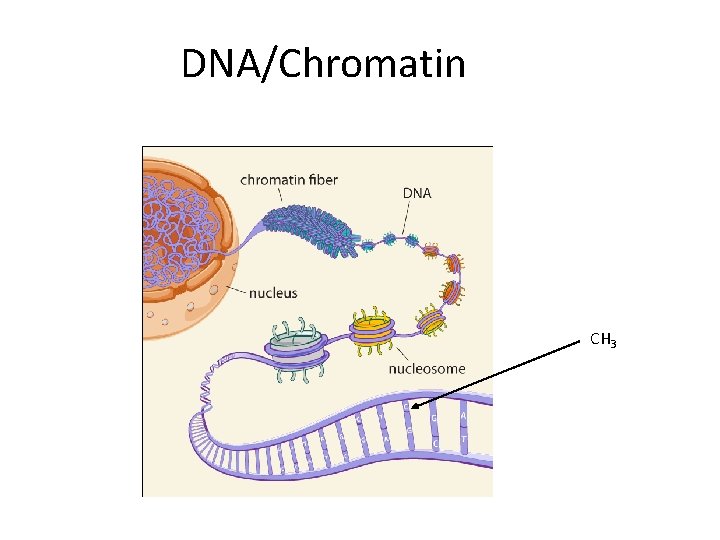
DNA/Chromatin CH 3
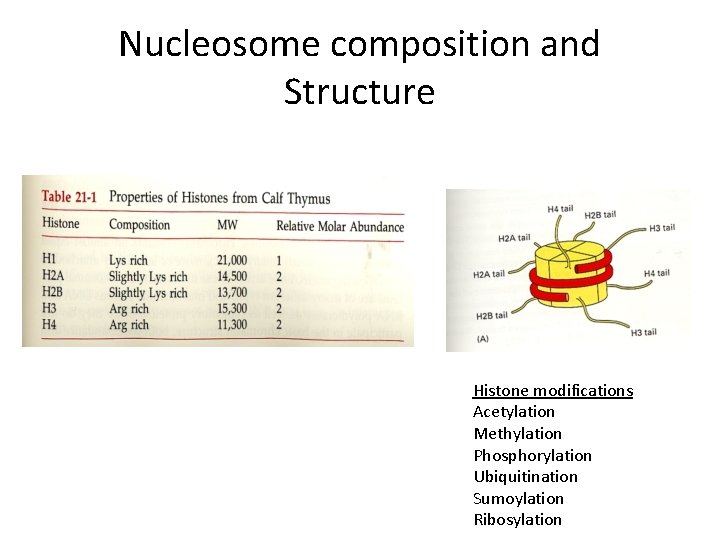
Nucleosome composition and Structure Histone modifications Acetylation Methylation Phosphorylation Ubiquitination Sumoylation Ribosylation
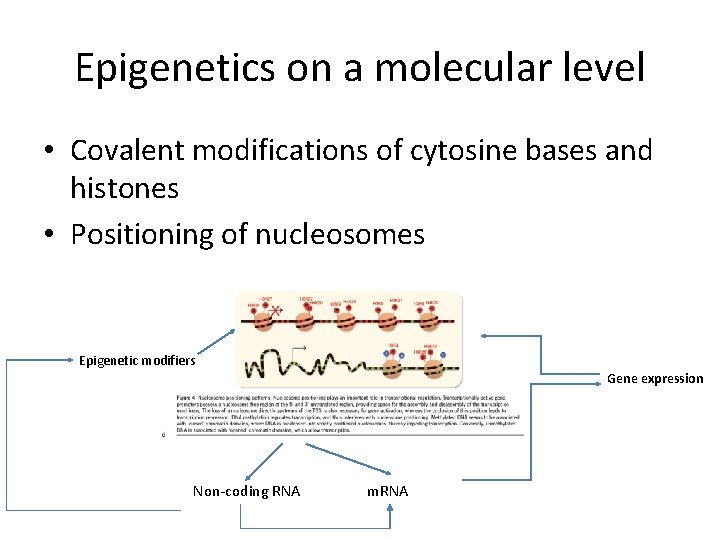
Epigenetics on a molecular level • Covalent modifications of cytosine bases and histones • Positioning of nucleosomes Epigenetic modifiers Gene expression Non-coding RNA m. RNA
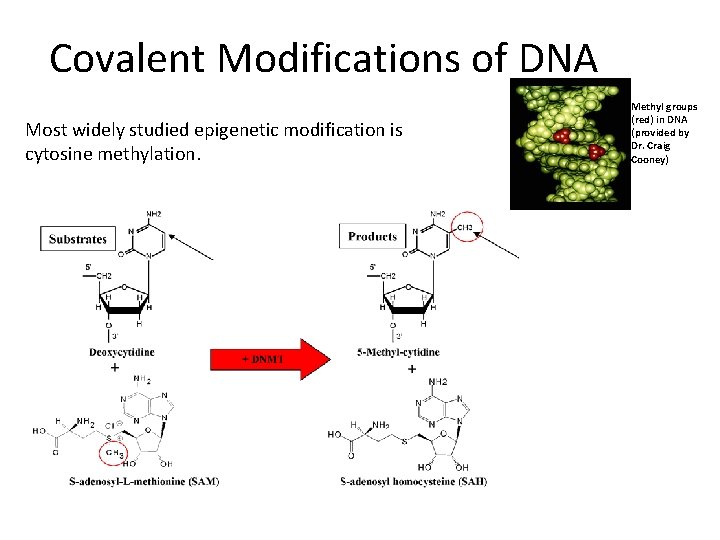
Covalent Modifications of DNA Most widely studied epigenetic modification is cytosine methylation. Methyl groups (red) in DNA (provided by Dr. Craig Cooney)
Functions of DNA methylation in mammals 1. 2. 3. 4. Transcriptional gene silencing Chromatin compaction Genome stability Suppression of homologous recombination between repeats 5. Genome defense 6. X chromosome inactivation (females) 7. Imprinting
Sites of Cytosine Methylation 1. 2. 3. 4. Cp. G islands: regions of more than 200 bases (average of 1000 bases) with a G+C content of at least 50% (approximately 1% of the human genome, 60% of human gene promoters are associated with Cp. G islands. ) Cp. G islands in promoters are usually unmethylated in normal cells. 6% become methylated in a tissue specific manner during early development or in differentiated tissues. Cp. G island shores: regions of lower Cp. G density that lie in close proximity (2 kb) of Cp. G islands. Most of the tissue –specific DNA methylation occurs in Cp. G island shores. 70% of the differentially methylated regions in reprogramming are associated with Cp. G island shores. Gene body: seen in ubiquitously expressed genes, associated with transcriptional elongation. Repetitive elements: protects chromosomal integrity by preventing reactivation of endoparasitic sequences that cause chromosomal instability, translocations, and gene disruption.
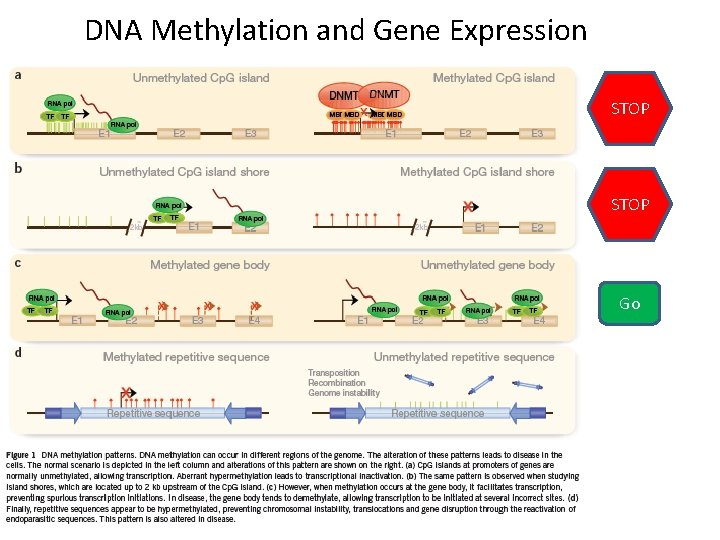
DNA Methylation and Gene Expression STOP Go
DNA Methyltransferases (DNMTs) DNMT family members: DNMT 1, DNMT 2, DNMT 3 A, DNMT 3 B, DNMT 3 L • DNMT 3 A and 3 B: highly expressed in embryonic stem cells and thought to establish the pattern of methylation during embryonic development by catalyzing de novo methylation. • DNMT 1: prefers hemi-methylated DNA but can methylate DNA de novo. Is the most abundant DNMT and required for maintenance of methylation patterns. It is required to methylate hemi-methylated sites during replication (in conjunction with UHRF 1 and PCNA).
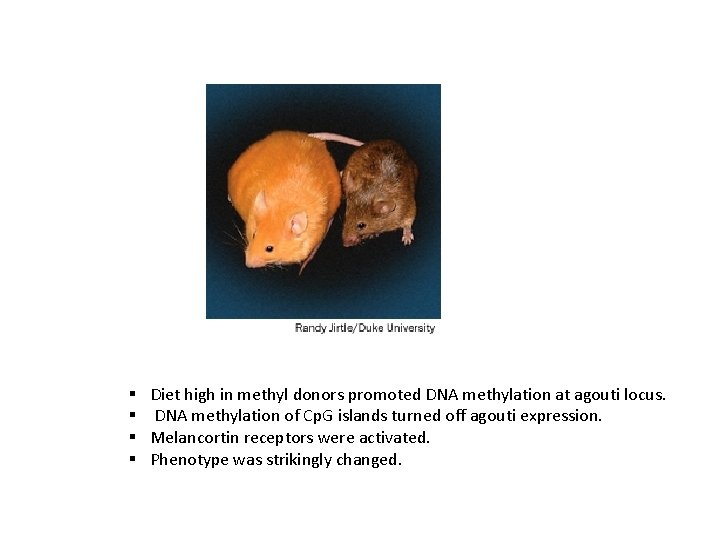
§ § Diet high in methyl donors promoted DNA methylation at agouti locus. DNA methylation of Cp. G islands turned off agouti expression. Melancortin receptors were activated. Phenotype was strikingly changed.
Common Cancer Related Aberrations in DNA Methylation Patterns • Massive global loss of DNA methylation(20% to 60% less overall 5 methylcytosine). • Global hypomethylation occurs mainly at repetitive sequences, promoting chromosomal instability, translocations, gene disruption, and reactivation of endoparasitic sequences. • Hypo-methylation at specific promoters can activate the aberrant expression of oncogenes and induce loss of imprinting (LOI ) • Hyper-methylation at the Cp. G islands of specific promoters can activate aberrant expression of oncogenes and induce loss of imprinting in some loci. • Most hyper-methylation in cancer occurs in Cp. G island shores. • Hyper-methylation patterns are tumor-type specific.
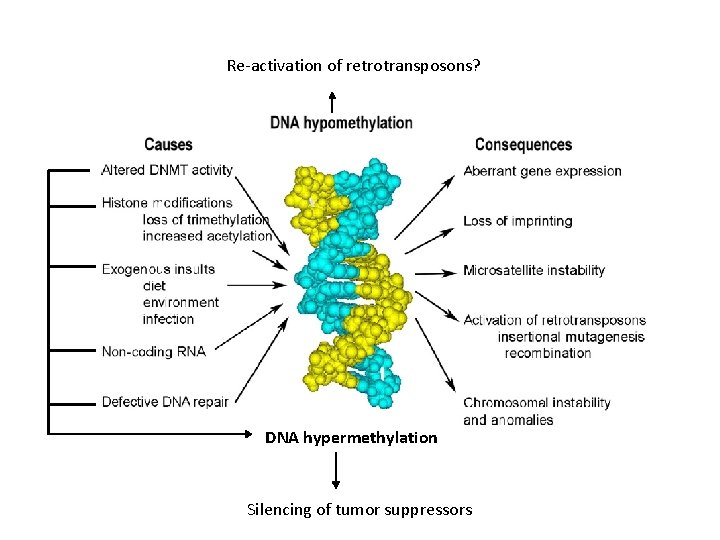
Re-activation of retrotransposons? DNA hypermethylation Silencing of tumor suppressors
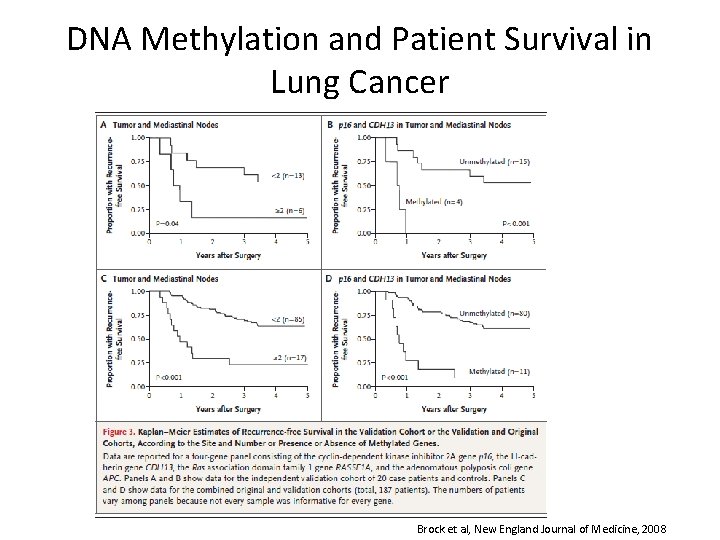
DNA Methylation and Patient Survival in Lung Cancer Brock et al, New England Journal of Medicine, 2008
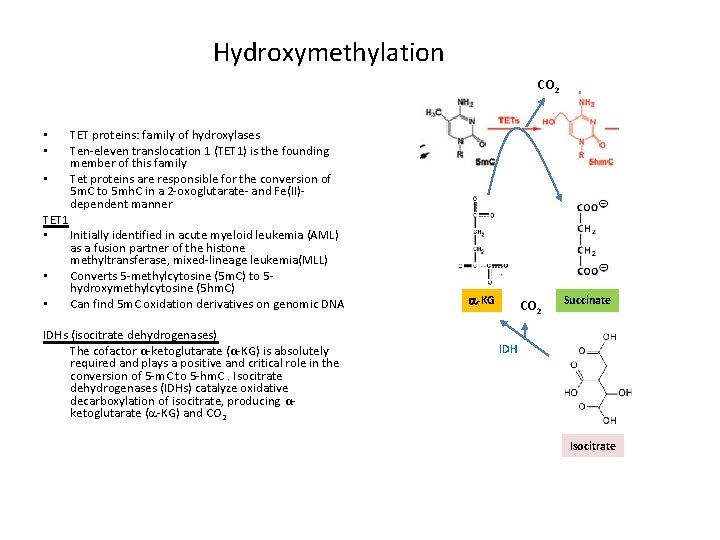
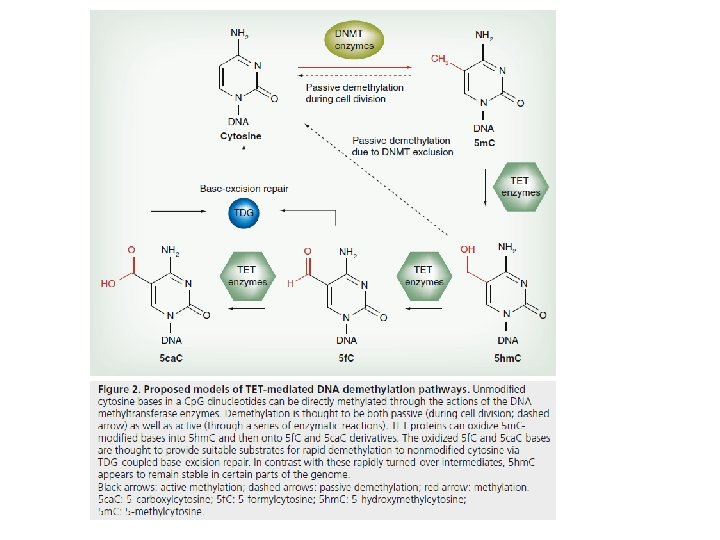
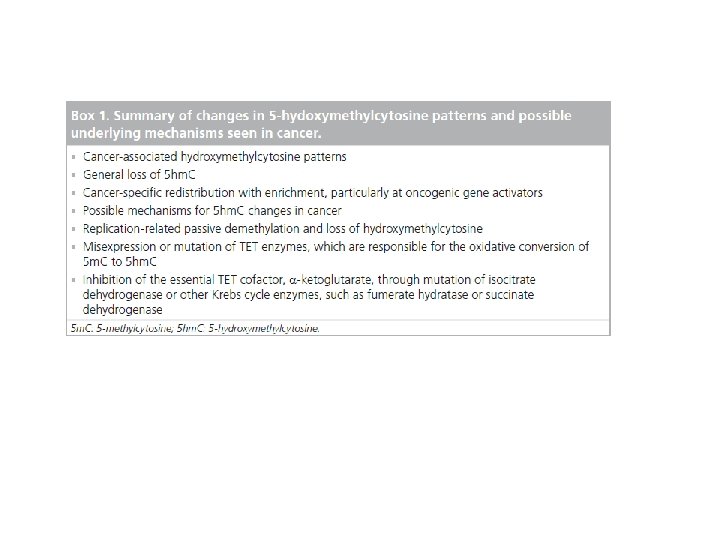
Hydroxymethylation CO 2 • • • TET proteins: family of hydroxylases Ten-eleven translocation 1 (TET 1) is the founding member of this family Tet proteins are responsible for the conversion of 5 m. C to 5 mh. C in a 2 -oxoglutarate- and Fe(II)dependent manner TET 1 • Initially identified in acute myeloid leukemia (AML) as a fusion partner of the histone methyltransferase, mixed-lineage leukemia(MLL) • Converts 5 -methylcytosine (5 m. C) to 5 hydroxymethylcytosine (5 hm. C) • Can find 5 m. C oxidation derivatives on genomic DNA IDHs (isocitrate dehydrogenases) The cofactor α-ketoglutarate (α-KG) is absolutely required and plays a positive and critical role in the conversion of 5 -m. C to 5 -hm. C. Isocitrate dehydrogenases (IDHs) catalyze oxidative decarboxylation of isocitrate, producing αketoglutarate (a-KG) and CO 2 a-KG CO 2 Succinate IDH Isocitrate
Methods for detecting DNA methylation • • Methylation sensitive restriction enzymes Immunoprecipitation based enrichment assays Methylation sensitive PCR (MSP) Bisulfite conversion
Methylation-Sensitive Restriction Digestion Assay • Cost effective method for initial screening HELP Assay Use restriction enzymes (Hpa. II and Msp. I) to determine methylation status • Hpa. II Tiny Fragments (HTFs) • HTF enrichment by ligation-mediated PCR • Combine with microarrays
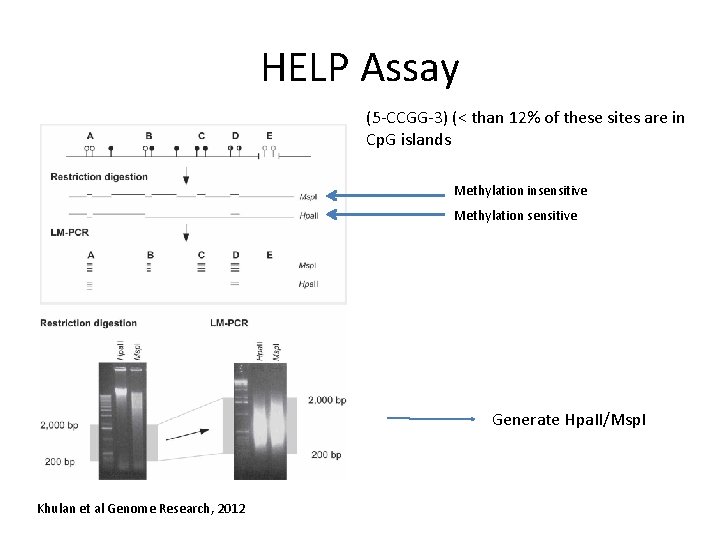
HELP Assay (5 -CCGG-3) (< than 12% of these sites are in Cp. G islands Methylation insensitive Methylation sensitive Generate Hpa. II/Msp. I Khulan et al Genome Research, 2012
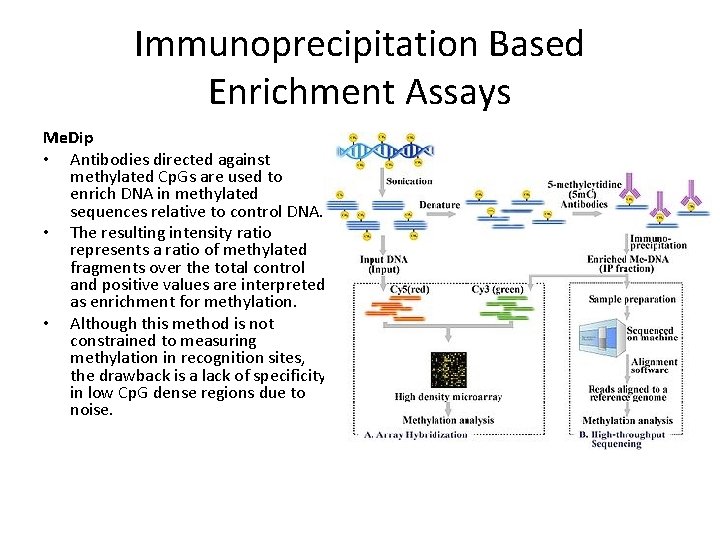
Immunoprecipitation Based Enrichment Assays Me. Dip • Antibodies directed against methylated Cp. Gs are used to enrich DNA in methylated sequences relative to control DNA. • The resulting intensity ratio represents a ratio of methylated fragments over the total control and positive values are interpreted as enrichment for methylation. • Although this method is not constrained to measuring methylation in recognition sites, the drawback is a lack of specificity in low Cp. G dense regions due to noise.
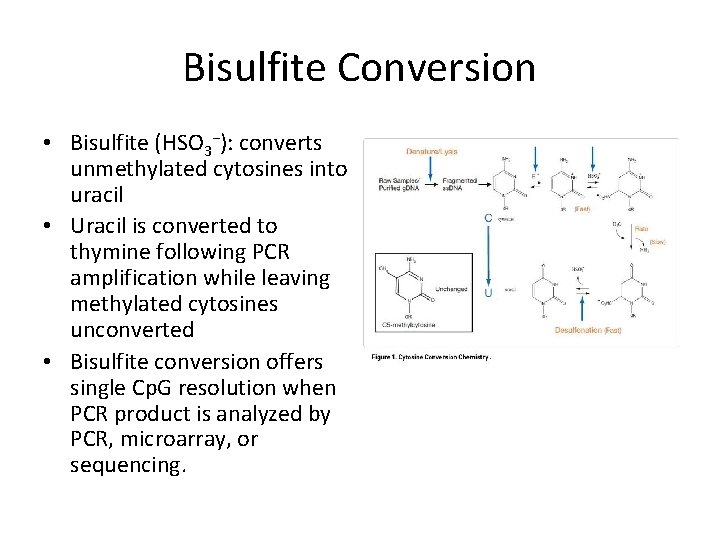
Bisulfite Conversion • Bisulfite (HSO 3−): converts unmethylated cytosines into uracil • Uracil is converted to thymine following PCR amplification while leaving methylated cytosines unconverted • Bisulfite conversion offers single Cp. G resolution when PCR product is analyzed by PCR, microarray, or sequencing.
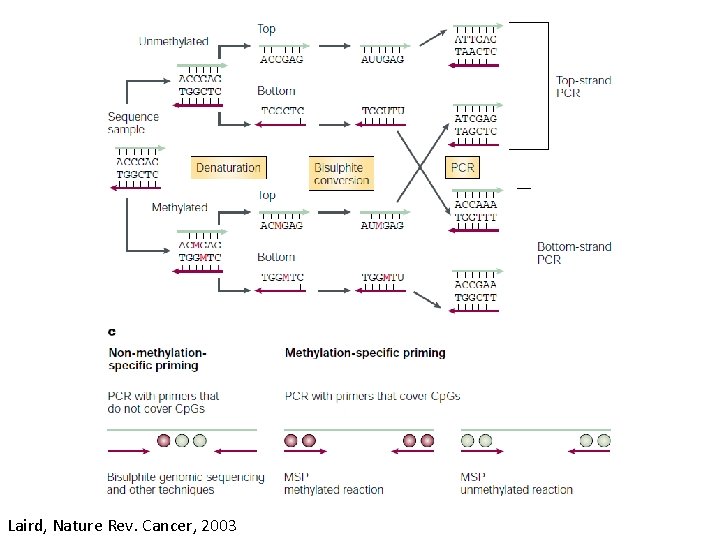
Laird, Nature Rev. Cancer, 2003
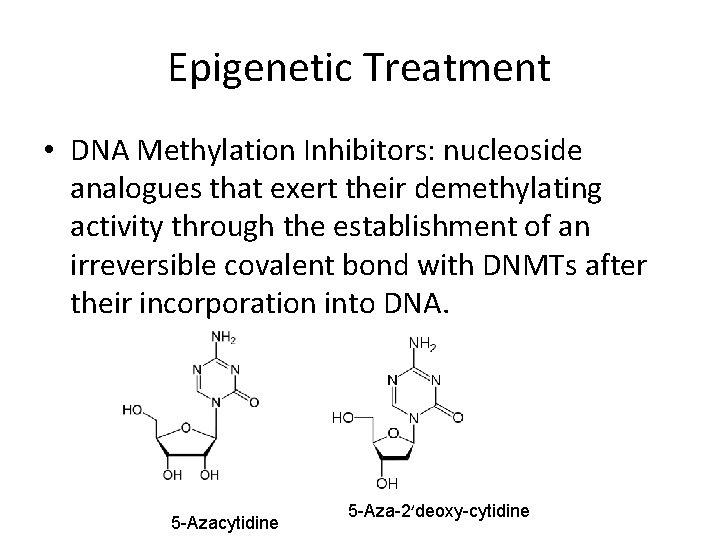
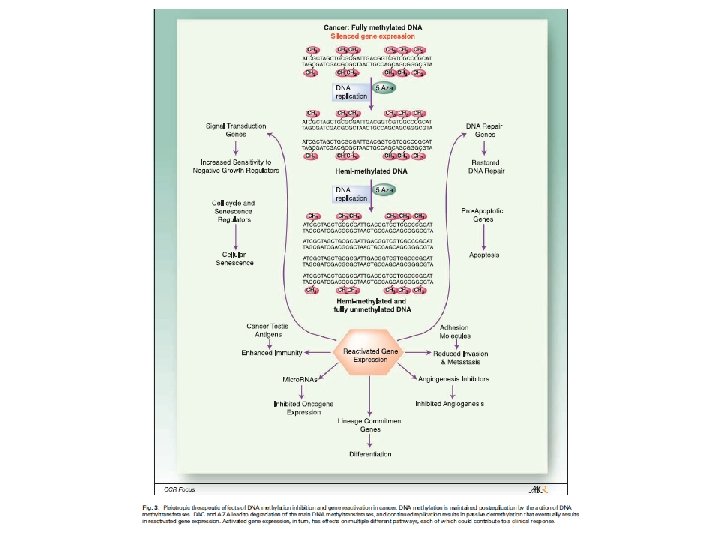
Epigenetic Treatment • DNA Methylation Inhibitors: nucleoside analogues that exert their demethylating activity through the establishment of an irreversible covalent bond with DNMTs after their incorporation into DNA. 5 -Azacytidine 5 -Aza-2’deoxy-cytidine
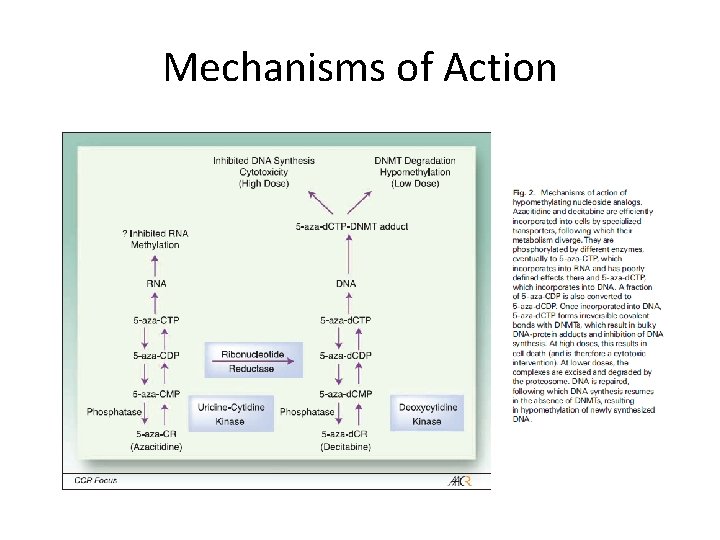
Mechanisms of Action
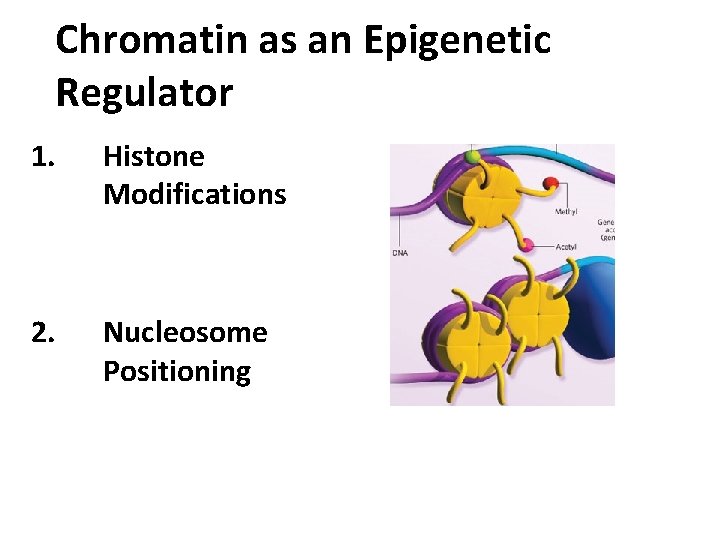
Chromatin as an Epigenetic Regulator 1. Histone Modifications 2. Nucleosome Positioning
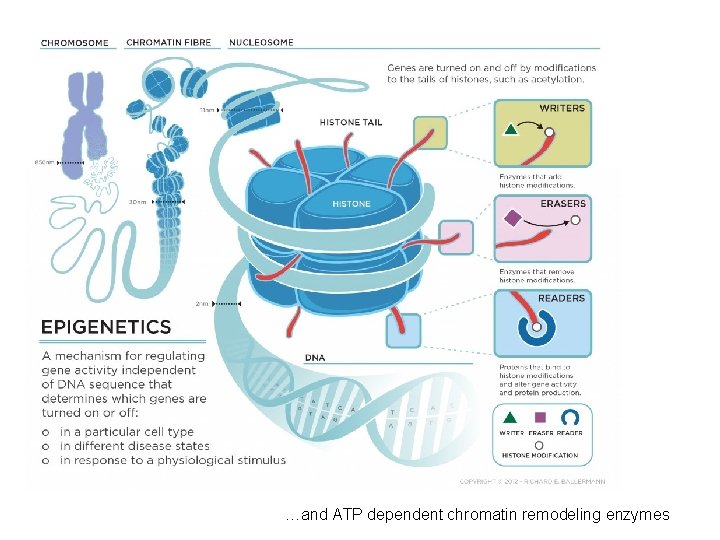
…and ATP dependent chromatin remodeling enzymes
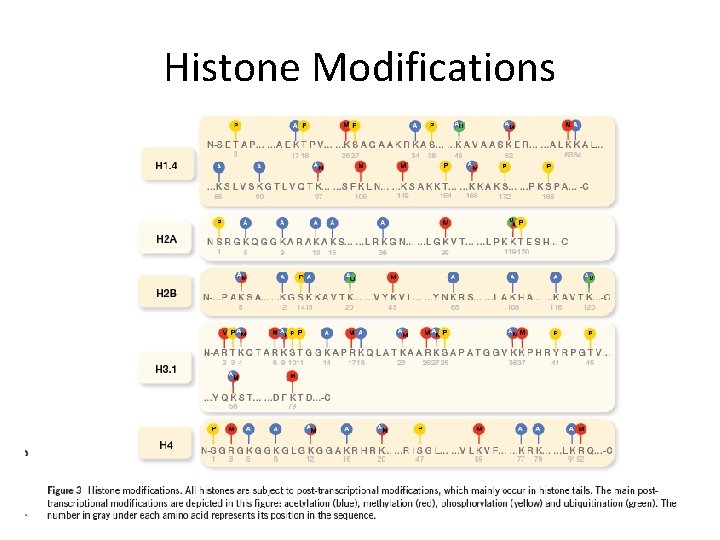
Histone Modifications
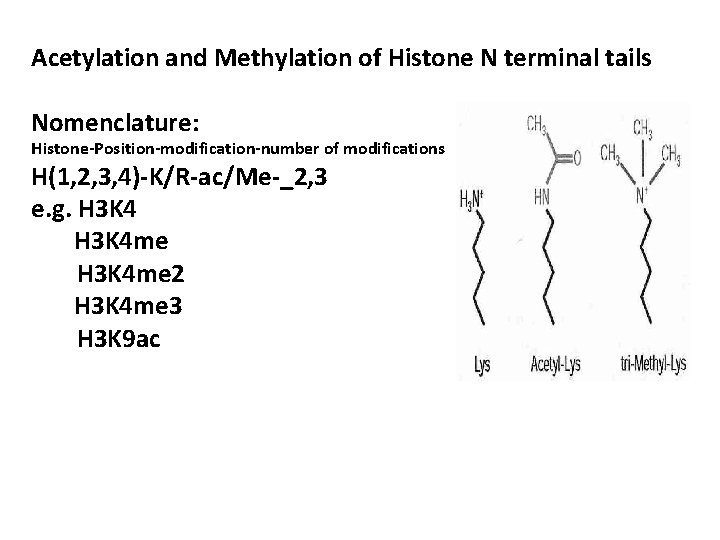
Acetylation and Methylation of Histone N terminal tails Nomenclature: Histone-Position-modification-number of modifications H(1, 2, 3, 4)-K/R-ac/Me-_2, 3 e. g. H 3 K 4 me 2 H 3 K 4 me 3 H 3 K 9 ac
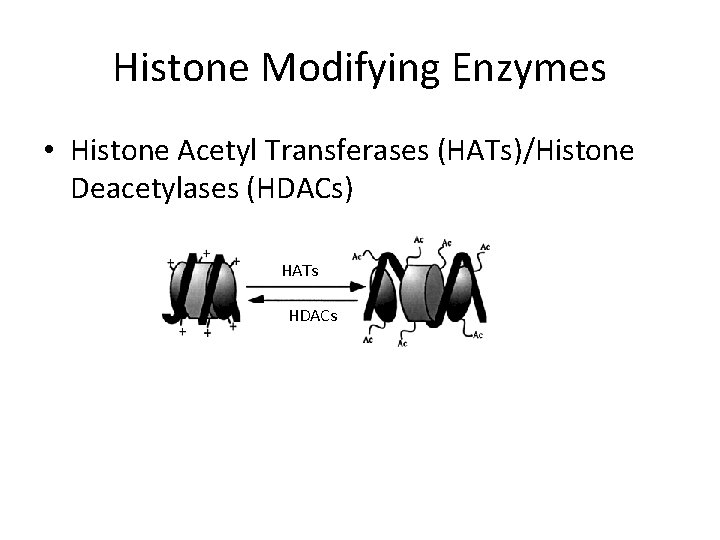
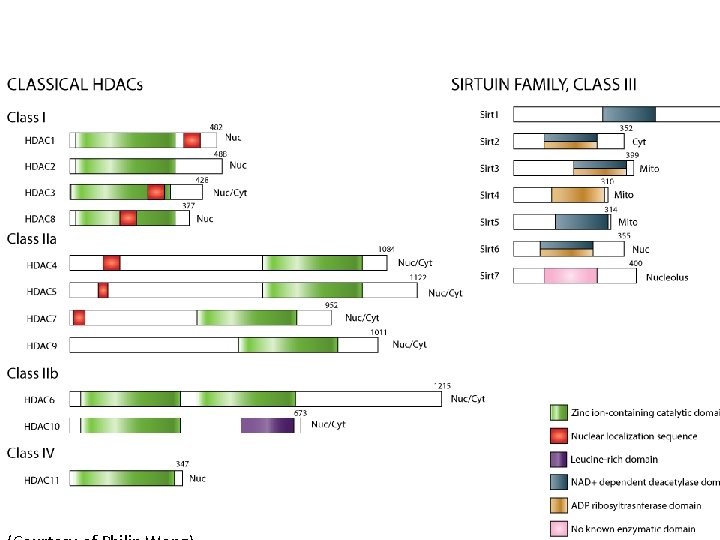
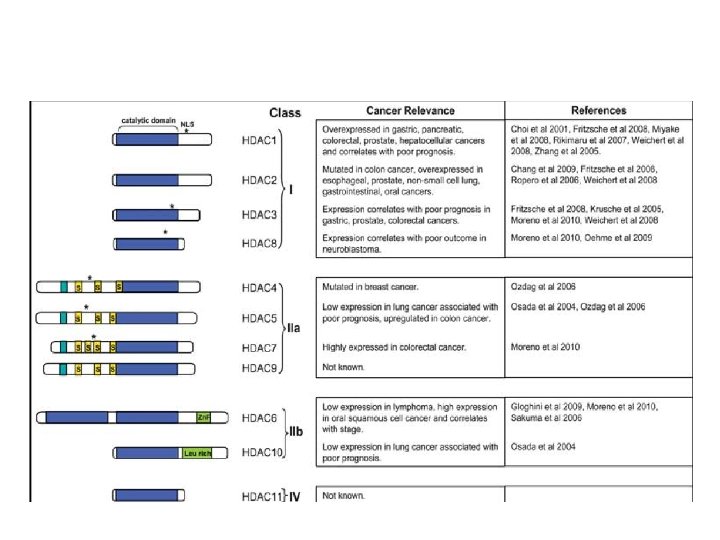
Histone Modifying Enzymes • Histone Acetyl Transferases (HATs)/Histone Deacetylases (HDACs) HATs HDACs
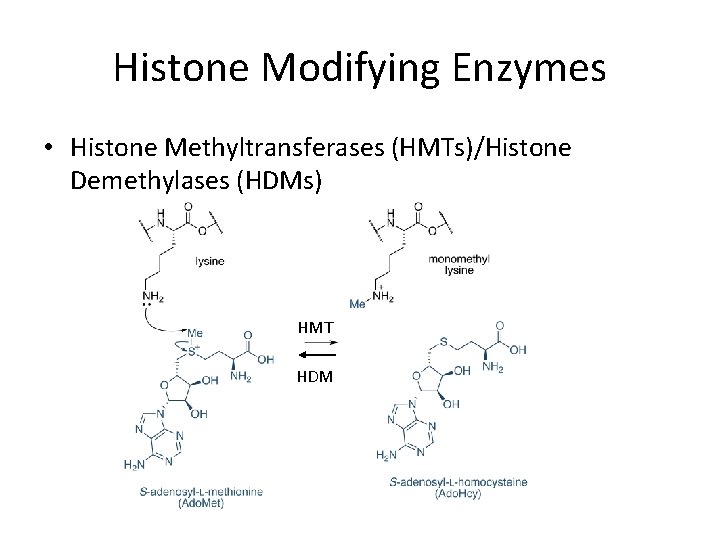
Histone Modifying Enzymes • Histone Methyltransferases (HMTs)/Histone Demethylases (HDMs) HMT HDM
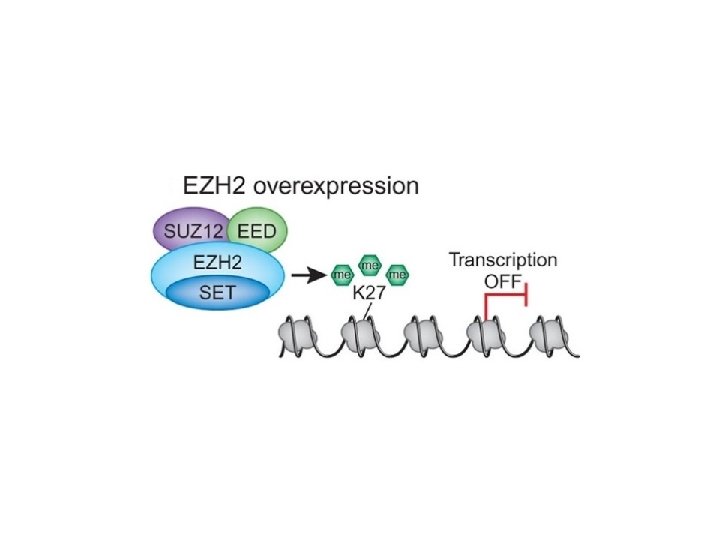
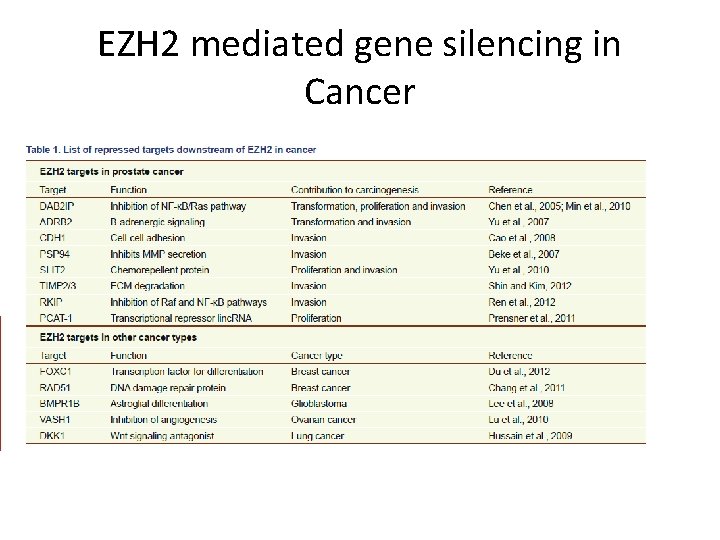
EZH 2 mediated gene silencing in Cancer
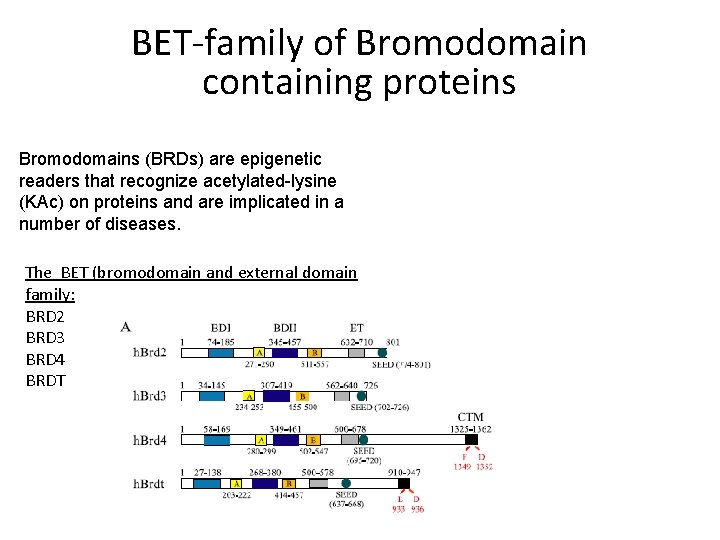
BET-family of Bromodomain containing proteins Bromodomains (BRDs) are epigenetic readers that recognize acetylated-lysine (KAc) on proteins and are implicated in a number of diseases. The BET (bromodomain and external domain family: BRD 2 BRD 3 BRD 4 BRDT
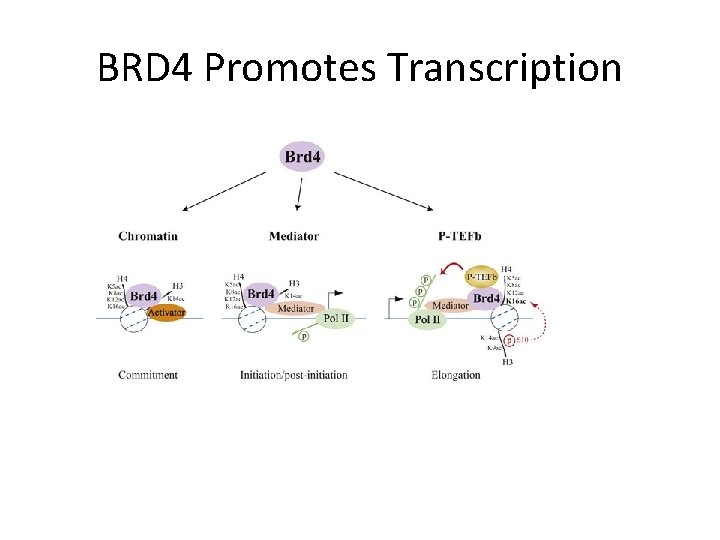
BRD 4 Promotes Transcription
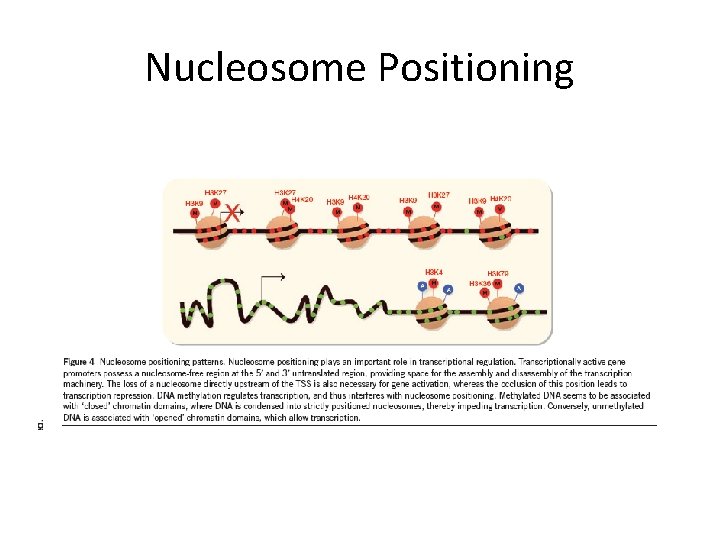
Nucleosome Positioning
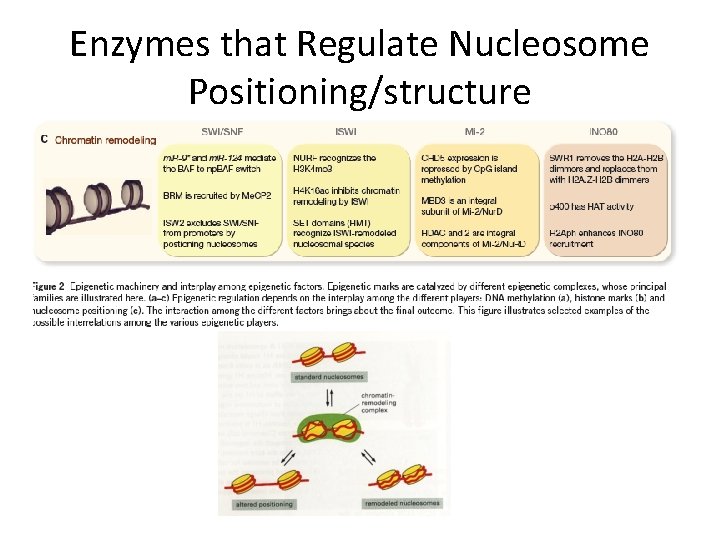
Enzymes that Regulate Nucleosome Positioning/structure
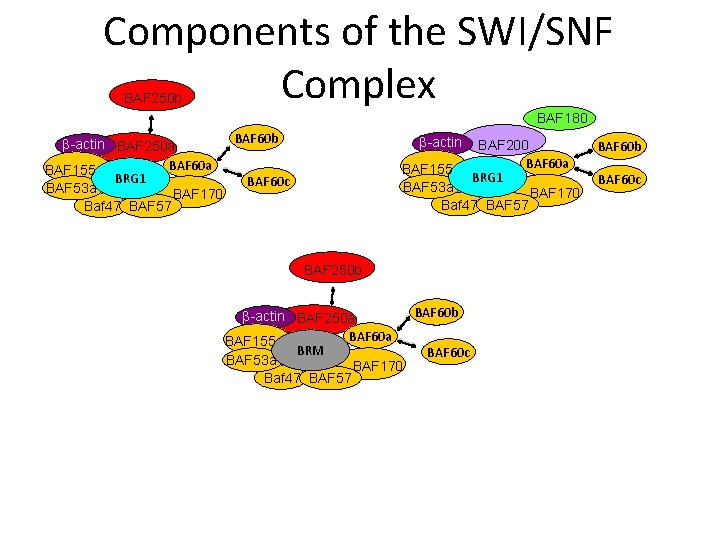
Components of the SWI/SNF Complex BAF 250 b BAF 180 BAF 60 b β-actin BAF 250 a BAF 60 a BAF 155 BRG 1 BAF 60 c BAF 53 a BAF 170 Baf 47 BAF 57 β-actin BAF 200 BAF 60 a BAF 155 BRG 1 BAF 53 a BAF 170 Baf 47 BAF 57 BAF 250 b BAF 60 b β-actin BAF 250 a BAF 60 a BAF 155 BRM BAF 60 c BAF 53 a BAF 170 Baf 47 BAF 57 BAF 60 b BAF 60 c
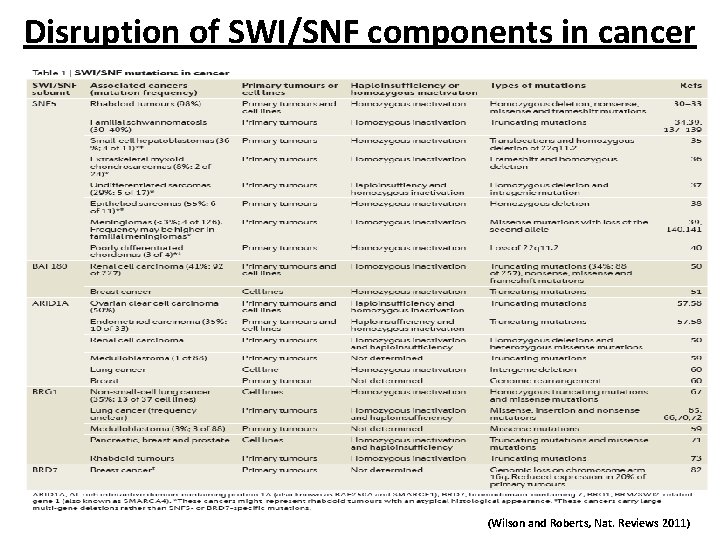
Disruption of SWI/SNF components in cancer (Wilson and Roberts, Nat. Reviews 2011)
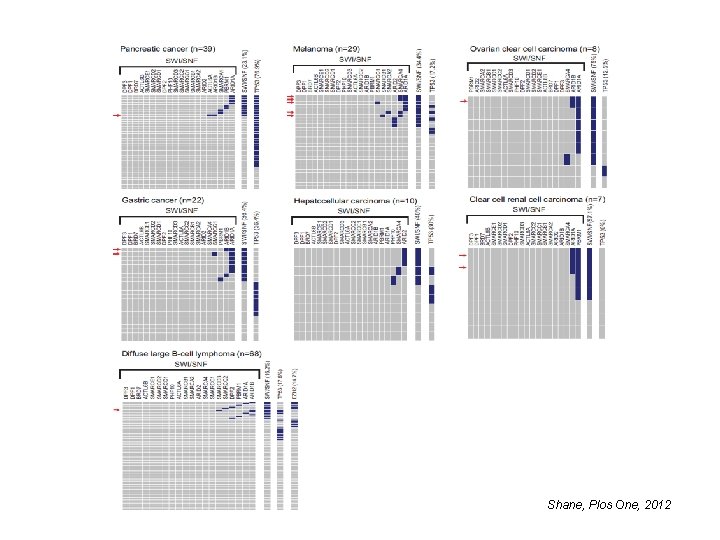
Shane, Plos One, 2012
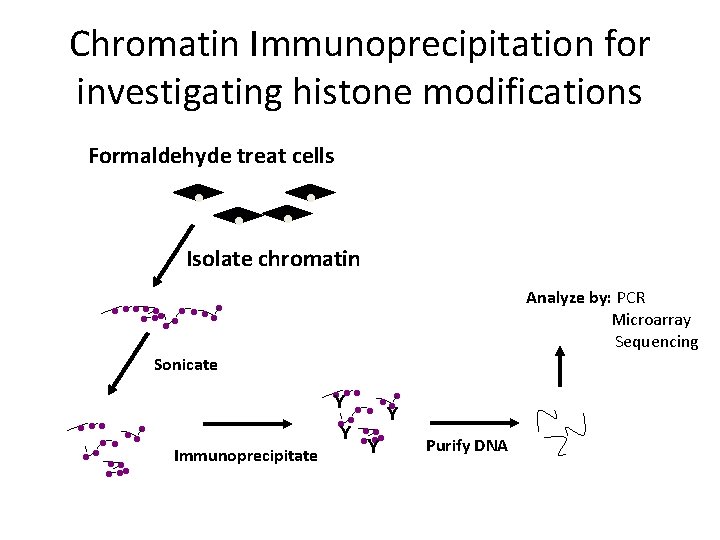
Chromatin Immunoprecipitation for investigating histone modifications Formaldehyde treat cells . . Isolate chromatin . . . Sonicate . . . . Immunoprecipitate Analyze by: PCR Microarray Sequencing . Y. . . Y Y Purify DNA
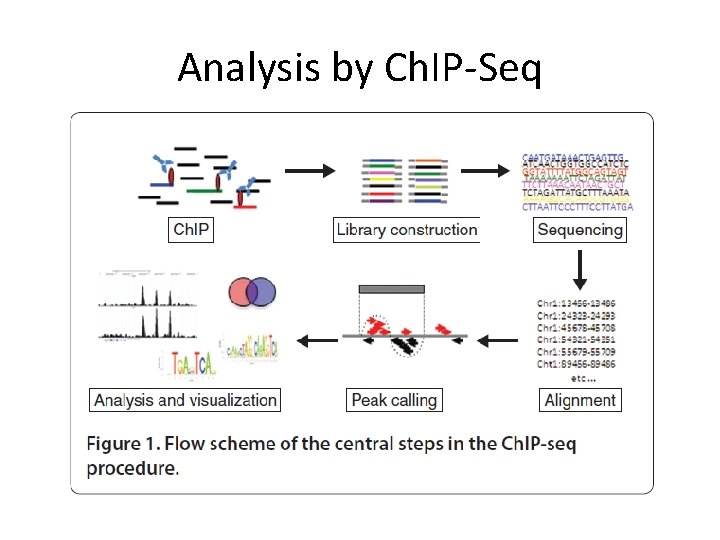
Analysis by Ch. IP-Seq
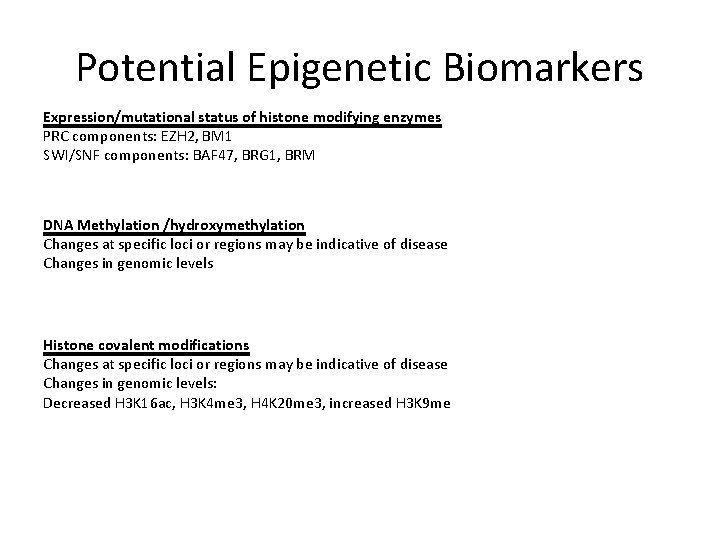
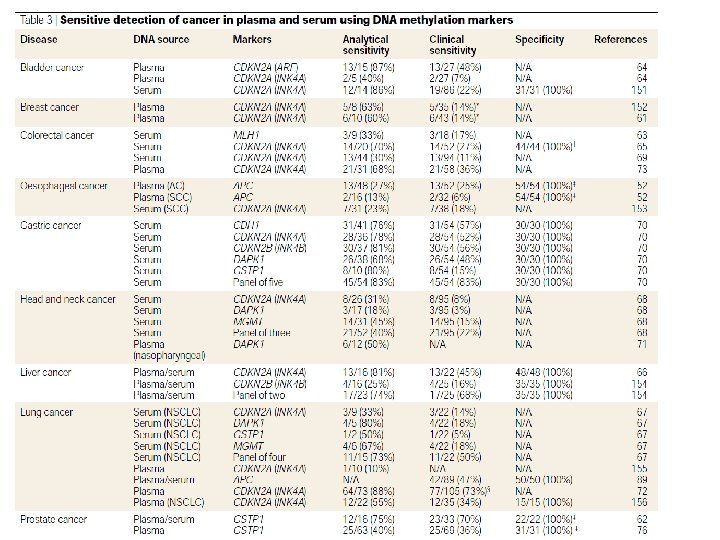
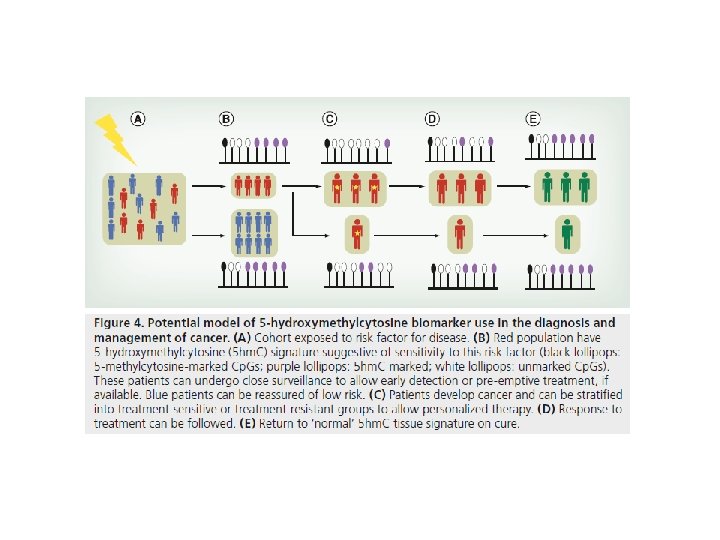
Potential Epigenetic Biomarkers Expression/mutational status of histone modifying enzymes PRC components: EZH 2, BM 1 SWI/SNF components: BAF 47, BRG 1, BRM DNA Methylation /hydroxymethylation Changes at specific loci or regions may be indicative of disease Changes in genomic levels Histone covalent modifications Changes at specific loci or regions may be indicative of disease Changes in genomic levels: Decreased H 3 K 16 ac, H 3 K 4 me 3, H 4 K 20 me 3, increased H 3 K 9 me
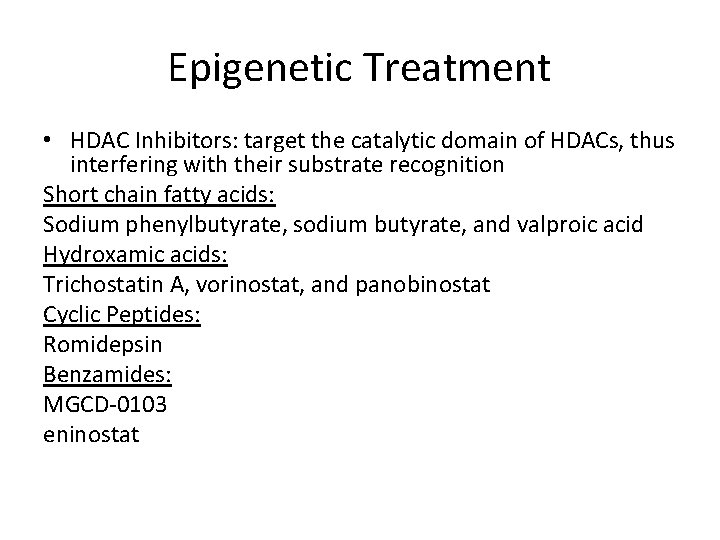
Epigenetic Treatment • HDAC Inhibitors: target the catalytic domain of HDACs, thus interfering with their substrate recognition Short chain fatty acids: Sodium phenylbutyrate, sodium butyrate, and valproic acid Hydroxamic acids: Trichostatin A, vorinostat, and panobinostat Cyclic Peptides: Romidepsin Benzamides: MGCD-0103 eninostat
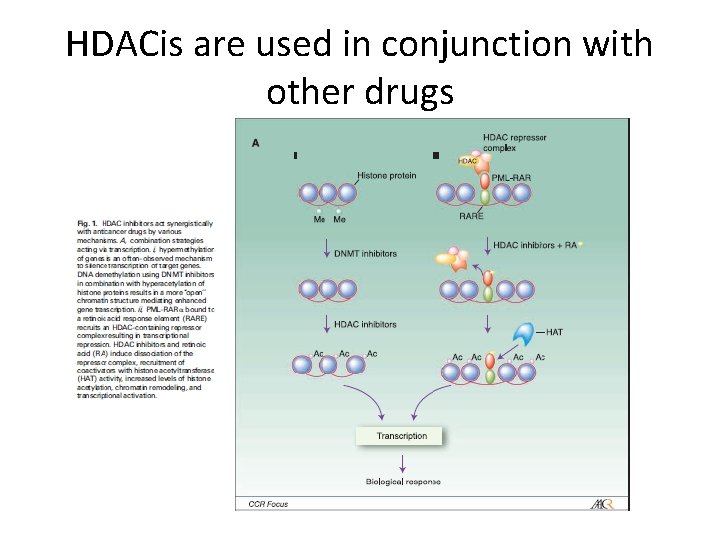
HDACis are used in conjunction with other drugs
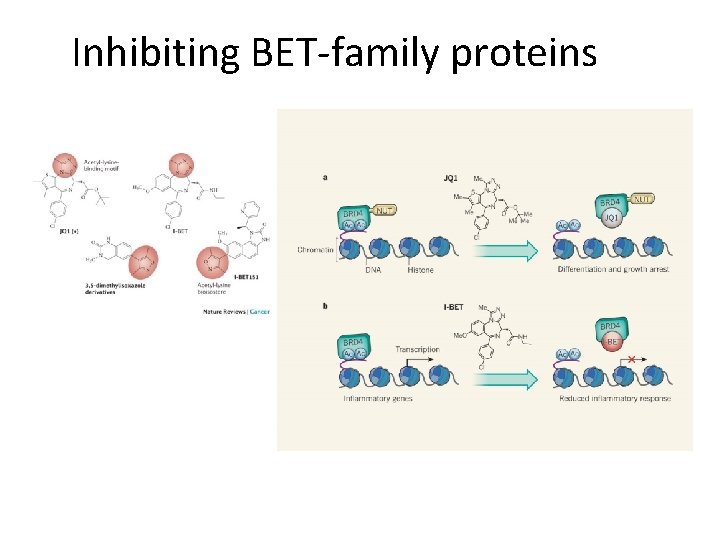
Chemical Inhibition. BET-family of BRD 4 Altersproteins Gene Expression Inhibiting Nature. 2010 December 23; 468(7327): 1067– 1073.
Summary • Epigenetics: “An epigenetic trait is a stably heritable phenotype resulting from changes in a chromosome without alterations in the DNA sequence. • The best characterized epigenetic changes to occur in human diseases involve changes in DNA methylation profiles and/or histone modifications. • These changes are amenable to therapeutic intervention.
Biomarkers: measurable indicators of illnesses, the clinical course, and therapeutic outcome. 1. Gene expression 2. Mutation analysis 3. DNA methylation 4. Chromatin modifications
References • Portella and Esteller (2010) Epigenetic Modifications and Human Disease. Nature Biotech 28: 1057 -1068 • Taby and Issa (2010) Cancer Epigenetics. CA CANCER J CLIN 2010; 60: 376– 392 • Allis and Muir (2010) Spreading Chromatin into Chemical Biology. Chem. Biochem. 12, 264 – 279
- Slides: 57