
Epididymoorchitis spectrum and management Dr Ankur Mittal Associate
- Slides: 24
Epididymoorchitis : spectrum and management Dr Ankur Mittal Associate Professor Department of Urology
Learning Objectives • Describe the clinical manifestations, methods of identification, CDC treatment guidelines, prevention and follow up for epididymoorchitis.
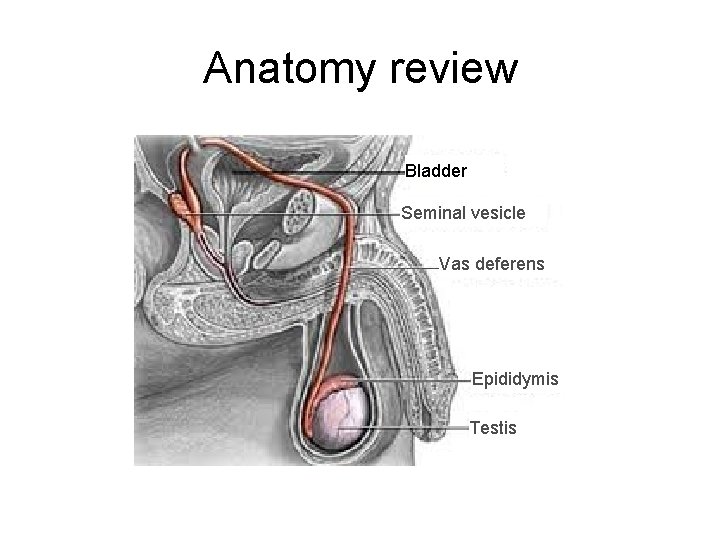
Anatomy review Bladder Seminal vesicle Vas deferens Epididymis Testis
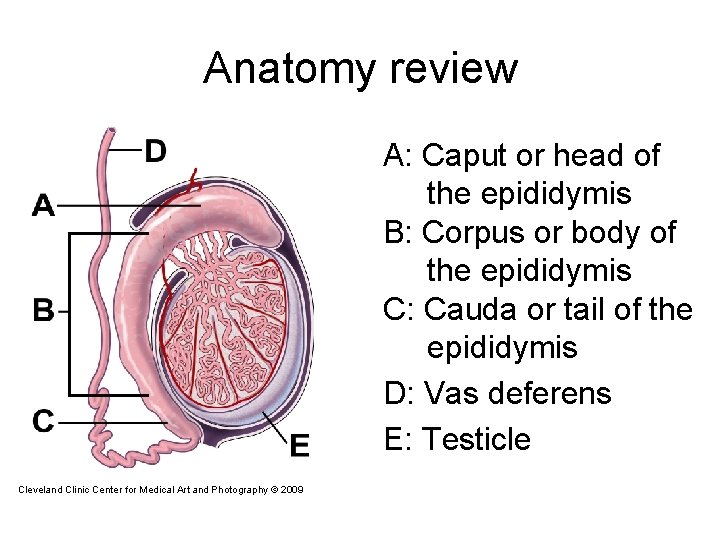
Anatomy review A: Caput or head of the epididymis B: Corpus or body of the epididymis C: Cauda or tail of the epididymis D: Vas deferens E: Testicle Cleveland Clinic Center for Medical Art and Photography © 2009
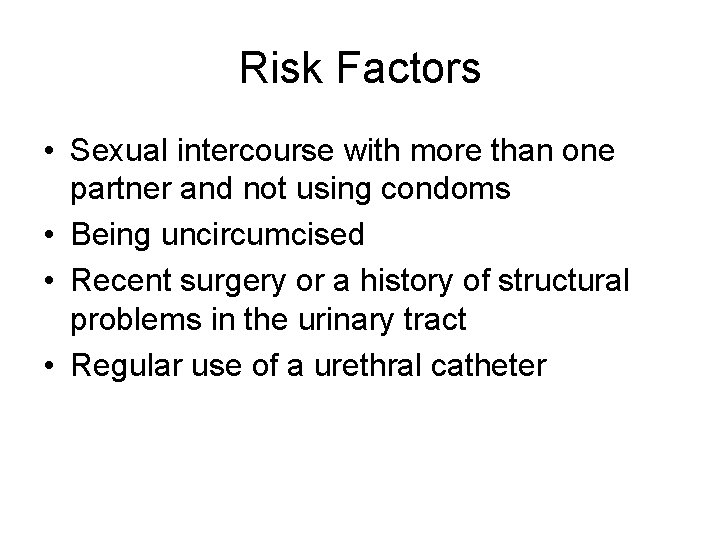
Risk Factors • Sexual intercourse with more than one partner and not using condoms • Being uncircumcised • Recent surgery or a history of structural problems in the urinary tract • Regular use of a urethral catheter
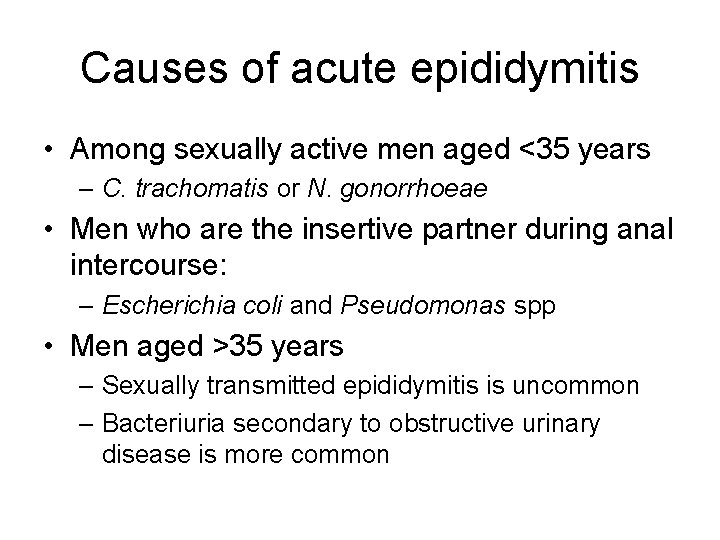
Causes of acute epididymitis • Among sexually active men aged <35 years – C. trachomatis or N. gonorrhoeae • Men who are the insertive partner during anal intercourse: – Escherichia coli and Pseudomonas spp • Men aged >35 years – Sexually transmitted epididymitis is uncommon – Bacteriuria secondary to obstructive urinary disease is more common
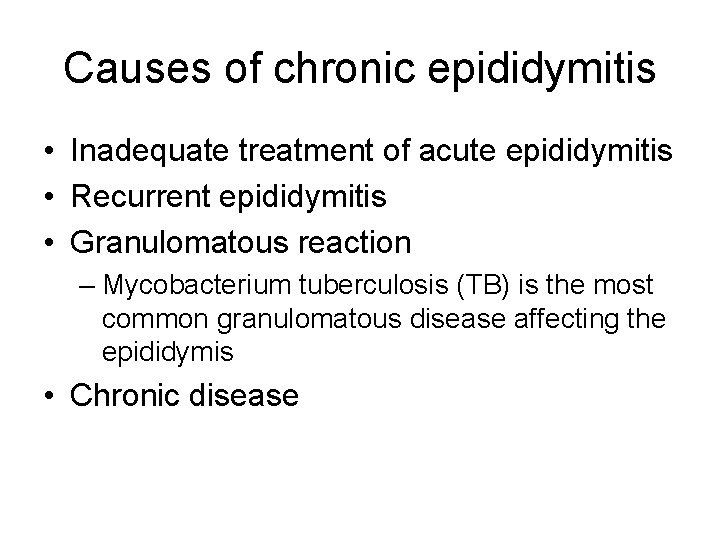
Causes of chronic epididymitis • Inadequate treatment of acute epididymitis • Recurrent epididymitis • Granulomatous reaction – Mycobacterium tuberculosis (TB) is the most common granulomatous disease affecting the epididymis • Chronic disease
Incidence • Epididymitis is most common in young men ages 19 – 35 • ~1 in 1000 men develop epididymitis annually • Acute epididymitis accounts for >600, 000 medical visits per year in the U. S. • Patients with epididymitis secondary to a STI have 2 -5 times the risk of acquiring and transmitting HIV
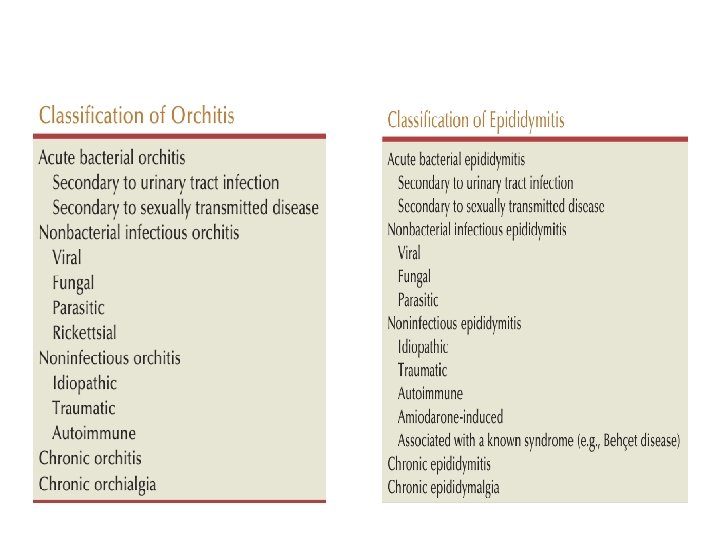
Acute Epididymitis • Discomfort and/or pain in the scrotum, testicle, or epididymis lasts <6 week • Usually caused by a bacterial infection
Chronic Epididymitis § Discomfort and/or pain in the scrotum, testicle, or epididymis lasting >6 weeks § Pain may be constant or waxing and waning § Scrotum is not usually swollen but may be indurated in long-standing cases
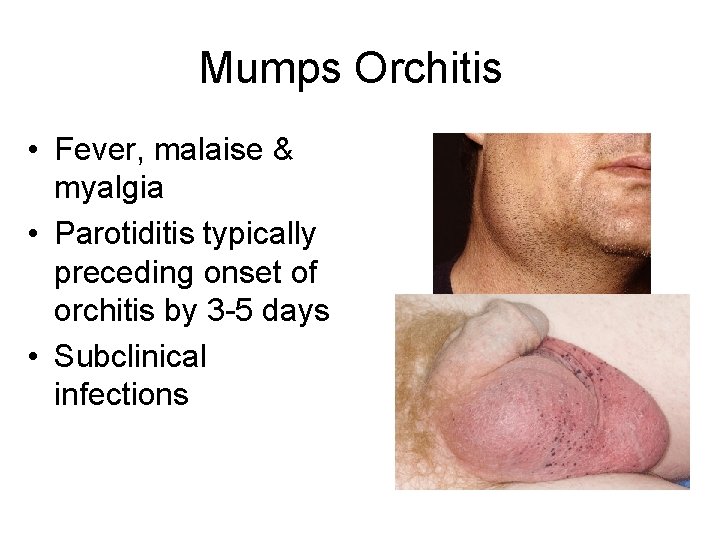
Mumps Orchitis • Fever, malaise & myalgia • Parotiditis typically preceding onset of orchitis by 3 -5 days • Subclinical infections
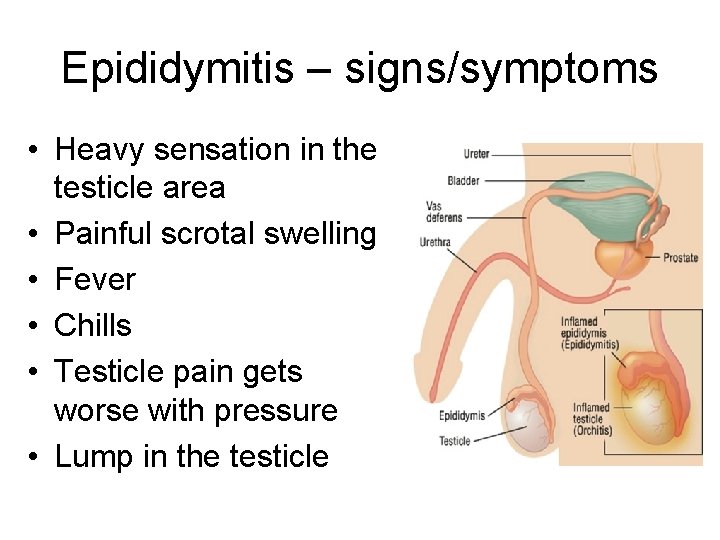
Epididymitis – signs/symptoms • Heavy sensation in the testicle area • Painful scrotal swelling • Fever • Chills • Testicle pain gets worse with pressure • Lump in the testicle
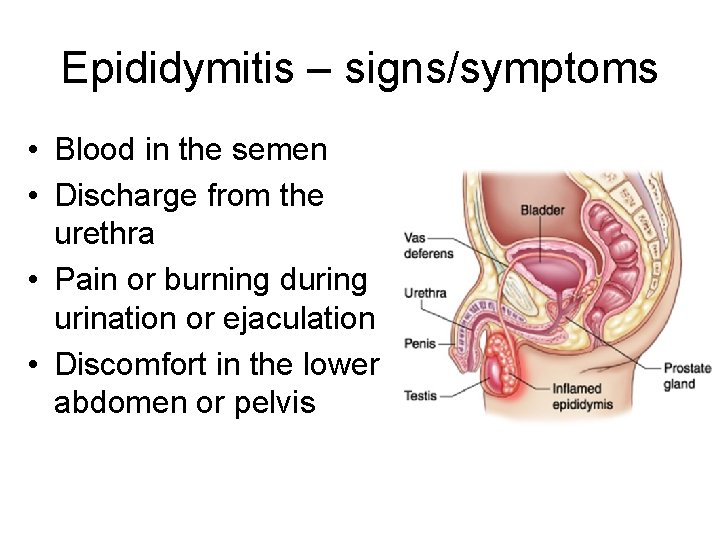
Epididymitis – signs/symptoms • Blood in the semen • Discharge from the urethra • Pain or burning during urination or ejaculation • Discomfort in the lower abdomen or pelvis
Diagnosis • Urine R/M • Urine C/S • Urethral swab – intracellular gram-negative diplococci, -N. gonorrhoeae – only WBCs - C. trachomatis • Scrotal USG( rule out testicular torsion)
Epididymitis – diagnosis • Gram stain of urethral secretions demonstrating ≥ 5 WBC per oil immersion field • Positive leukocyte esterase test on firstvoid urine • Culture, nucleic acid hybridization tests, and NAATs are available for the detection of both N. gonorrhoeae and C. trachomatis
Epididymitis – diagnosis • Physical exam • Additional tests: – Complete blood count – Doppler ultrasound – Testicular scan (nuclear medicine scan) – Urinalysis and culture
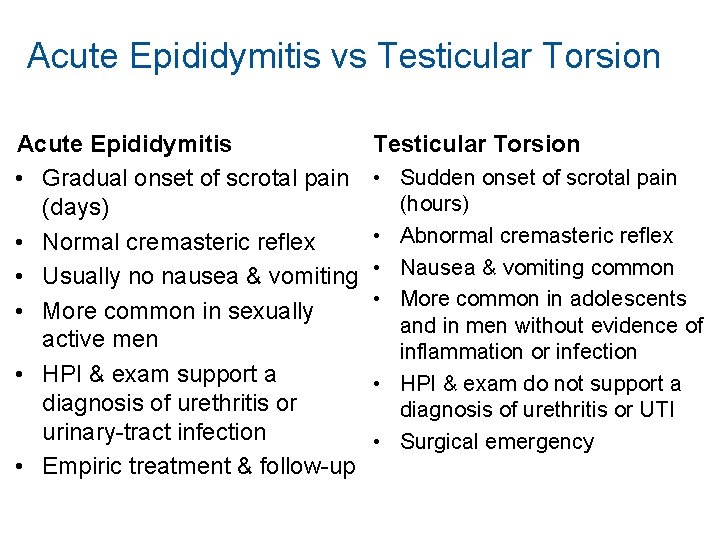
Acute Epididymitis vs Testicular Torsion Acute Epididymitis • Gradual onset of scrotal pain (days) • Normal cremasteric reflex • Usually no nausea & vomiting • More common in sexually active men • HPI & exam support a diagnosis of urethritis or urinary-tract infection • Empiric treatment & follow-up Testicular Torsion • Sudden onset of scrotal pain (hours) • Abnormal cremasteric reflex • Nausea & vomiting common • More common in adolescents and in men without evidence of inflammation or infection • HPI & exam do not support a diagnosis of urethritis or UTI • Surgical emergency
Epididymitis – treatment • Empiric treatment is indicated before laboratory results are available • Goals of treatment of acute epididymitis caused by C. trachomatis or N. gonorrhoeae: – Microbiological cure of infection – Improvement of signs & symptoms – Prevent transmission to others – Reduce potential complications
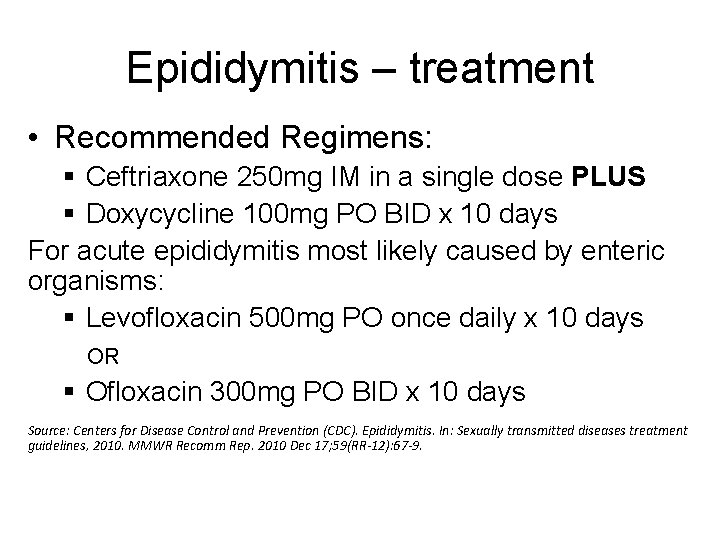
Epididymitis – treatment • Recommended Regimens: § Ceftriaxone 250 mg IM in a single dose PLUS § Doxycycline 100 mg PO BID x 10 days For acute epididymitis most likely caused by enteric organisms: § Levofloxacin 500 mg PO once daily x 10 days OR § Ofloxacin 300 mg PO BID x 10 days Source: Centers for Disease Control and Prevention (CDC). Epididymitis. In: Sexually transmitted diseases treatment guidelines, 2010. MMWR Recomm Rep. 2010 Dec 17; 59(RR-12): 67 -9.
Epididymitis – follow up • Pain improves within 1 -3 days • Induration can last a few weeks-months to resolve • Swelling and tenderness that persists after completion of treatment should be evaluated comprehensively • Evaluate formation of an epididymal abscess or a testicular abscess
Epididymitis – complications Complications of epididymitis: • Abscess in the scrotum • Chronic epididymitis • Fistula on the skin of the scrotum (cutaneous scrotal fistula) • Death of testicular tissue due to lack of blood (testicular infarction) • Sepsis & infertility
Epididymitis – prevention • Practicing safe sex • Treating sexual partners as a contact to epididymitis • Repeat screening for STI ~ 2 months after initial testing for re-infection • Abstain from sex until the individual & sex partners have completed treatment
References • Centers for Disease Control and Prevention (CDC). Epididymitis. In: Sexually transmitted diseases treatment guidelines, 2010. MMWR Recomm Rep. 2010 Dec 17; 59(RR-12): 67 -9. • Nickel JC. Inflammatory Conditions of the Male Genitourinary. Tract: Prostatitis, and Related Conditions, Orchitis, Epididymitis. In: Wein AJ, ed. Campbell-Walsh Urology. 10 th ed. Philadelphia, Pa: Saunders Elsevier; 2011: chap 11. • Trojian TH, Lishnak TS, Heiman D. American Family Physician. 2009 Apr 1; 79(7): 583 -7. Epididymitis and orchitis: an overview. • Walker NA, Challacombe B. Practitioner. 2013 Apr; 257(1760): 21 -5, 2 -3. Managing epididymo-orchitis in general practice.