
Epidemiology of DM Hala Elmorshedy 2013 Objectives List
Epidemiology of DM Hala Elmorshedy 2013
Objectives • • List different types of diabetes Differentiate between type 1 and type 2 diabetes Describe the epidemiology of diabetes Use web-based resources to describe the prevalence of diabetes • Discuss the contributing factors associated with pandemic of type 2 diabetes • Apply knowledge to discuss the complication of diabetes • Outline the diagnosis, screening and prevention of diabetes Epidemiology of DM Hala Elmorshedy 2013

Epidemiology and epidemiologic triangle Epidemiology of DM Hala Elmorshedy 2013
Definition of diabetes Mellitus: • Metabolic syndrome due to impaired insulin section/or variable peripheral insulin resistance leading to disturbed carbohydrate, lipid protein and metabolism. The disease is characterized by hyperglycemia leading to: Ø Polyuria Ø Polyphagia Ø Polydipsia Ø Glycosuria Epidemiology of DM Hala Elmorshedy 2013
Classification: Ø Type 1 insulin dependent diabetes IDD (2 -5%) o Absolute insulin deficiency, immune mediated, sudden onset, more common in young age <30, highest Prvalence 10 -14 y. Ø Type 2, NIDD (90 -95%)* o Insulin resistance, gradual onset, more common in the middle age Ø Gestational diabetes (5%). Ø Secondary diabetes (1%) o drugs, endocrinal diseases Epidemiology of DM Hala Elmorshedy 2013 Ø Pre-diabetes o impaired glucose tolerance progress to Type 2 diabetes)
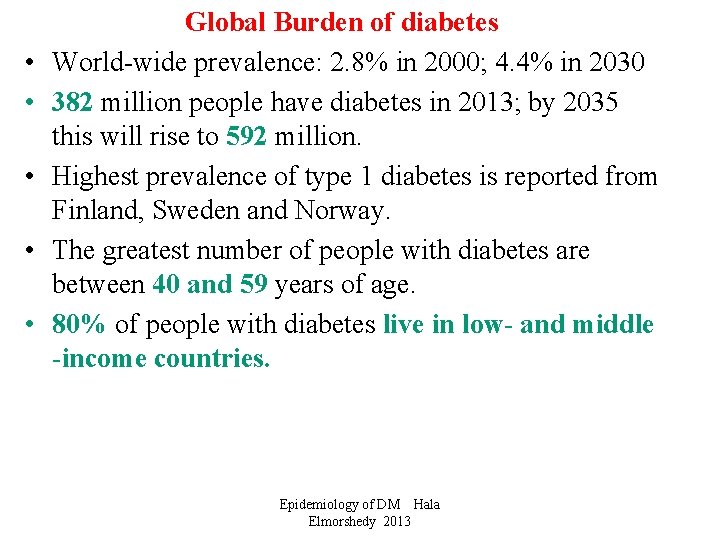
• • • Global Burden of diabetes World-wide prevalence: 2. 8% in 2000; 4. 4% in 2030 382 million people have diabetes in 2013; by 2035 this will rise to 592 million. Highest prevalence of type 1 diabetes is reported from Finland, Sweden and Norway. The greatest number of people with diabetes are between 40 and 59 years of age. 80% of people with diabetes live in low- and middle -income countries. Epidemiology of DM Hala Elmorshedy 2013
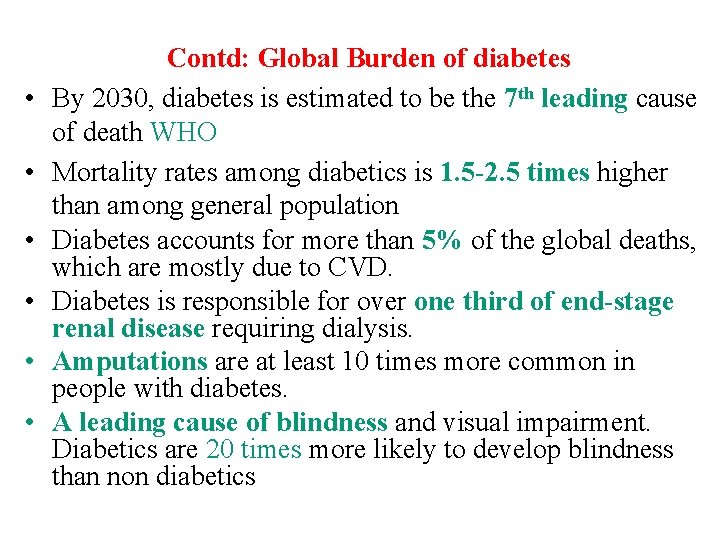
• • • Contd: Global Burden of diabetes By 2030, diabetes is estimated to be the 7 th leading cause of death WHO Mortality rates among diabetics is 1. 5 -2. 5 times higher than among general population Diabetes accounts for more than 5% of the global deaths, which are mostly due to CVD. Diabetes is responsible for over one third of end-stage renal disease requiring dialysis. Amputations are at least 10 times more common in people with diabetes. A leading cause of blindness and visual impairment. Diabetics are 20 times more likely to develop blindness than non diabetics.
World wide burden of diabetes 2013 -2035 Prevalence & Age http: //www. idf. org/atlasmap http: //www. idf. org/diabetesatlas/datavisualisations Epidemiology of DM Hala Elmorshedy 2013
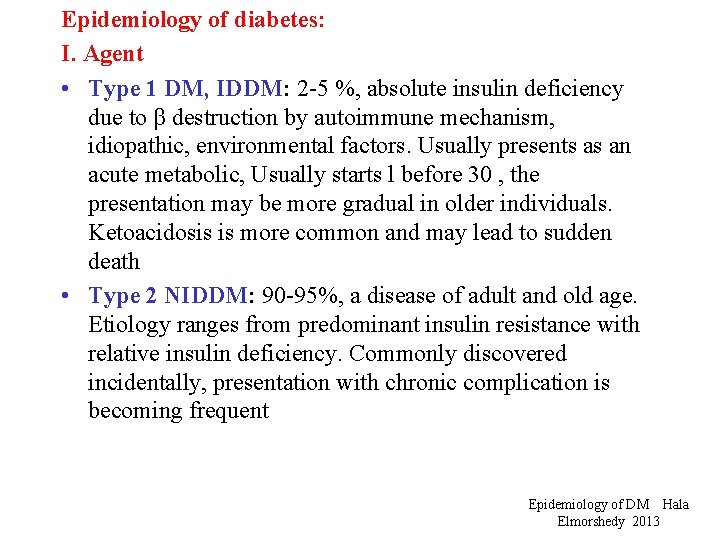
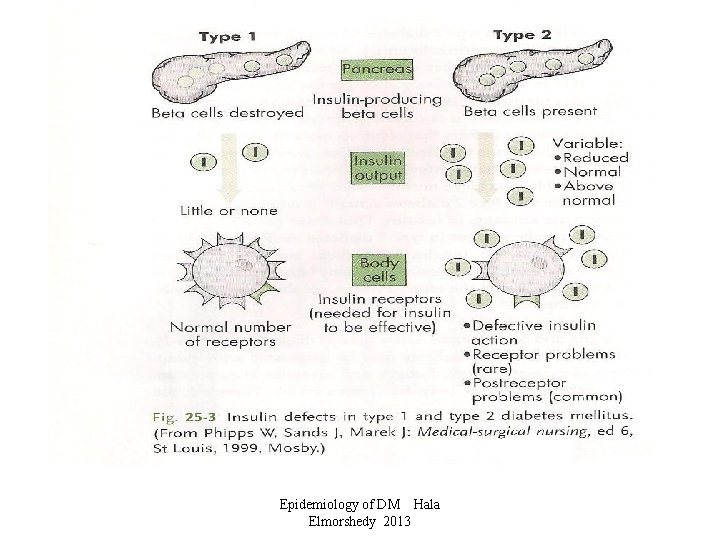
Epidemiology of diabetes: I. Agent • Type 1 DM, IDDM: 2 -5 %, absolute insulin deficiency due to β destruction by autoimmune mechanism, idiopathic, environmental factors. Usually presents as an acute metabolic, Usually starts l before 30 , the presentation may be more gradual in older individuals. Ketoacidosis is more common and may lead to sudden death • Type 2 NIDDM: 90 -95%, a disease of adult and old age. Etiology ranges from predominant insulin resistance with relative insulin deficiency. Commonly discovered incidentally, presentation with chronic complication is becoming frequent Epidemiology of DM Hala Elmorshedy 2013
Epidemiology of DM Hala Elmorshedy 2013
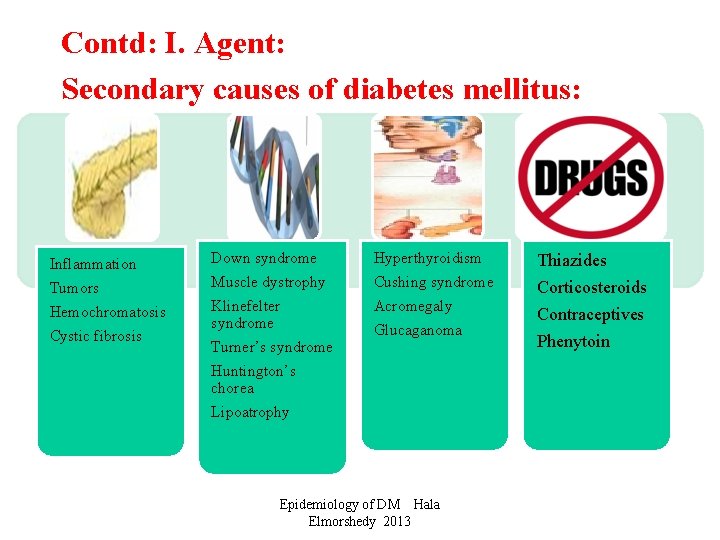
Contd: I. Agent: Secondary causes of diabetes mellitus: Inflammation Tumors Hemochromatosis Cystic fibrosis Down syndrome Muscle dystrophy Klinefelter syndrome Turner’s syndrome Huntington’s chorea Lipoatrophy Hyperthyroidism Cushing syndrome Acromegaly Glucaganoma Epidemiology of DM Hala Elmorshedy 2013 Thiazides Corticosteroids Contraceptives Phenytoin
Epidemiology: II. Host factors 1. Genetic factors: Type 2 DM Ø Genetic determinants in over 90% of adults with type 2 DM as evidenced by the high prevalence of the disease within ethnic groups (especially American Indians, Hispanics, and Asians) and in relatives of people with the disease. Ø Although several genetic polymorphisms have been identified over the past several years, no single gene has been identified Epidemiology of DM Hala Elmorshedy 2013
Epidemiology: II. Host factors: 1. Genetic: Type 1 Ø HLA-DR 3, and HLA-DR 4, are present in > 90% of patients with type 1 (IDDM). Ø Susceptibility genes are more common among some populations than among others and explain the higher prevalence of type 1 DM in some ethnic groups. 2. Environmental factors: Ø Coxsackie virus, rubella virus, cytomegalovirus, Epstein. Barr virus, and retroviruses) have been linked to the onset of type 1 DM. Ø Viruses may directly infect and destroy β cells, or they may cause β-cell destruction indirectly by exposing auto-antigens. Epidemiology of DM Hala Elmorshedy 2013
Epidemiology: II. Host factors 6. Diet: Ø Exposure of infants to dairy products (especially cow's milk and the milk protein β casein). Ø high nitrates in drinking water. Ø low vitamin D consumption have been linked to increased risk of type 1 DM. Ø Early exposure to gluten and cereals increases islet cell autoantibody production for unknown mechanism. Ø Malnutrition through its effect on β Cells 7. Other factors: gestational diabetes increases the risk for both the mother and babies to develop type 2 DM, low and high birth weight, sedentary life Epidemiology of DM Hala Elmorshedy 2013
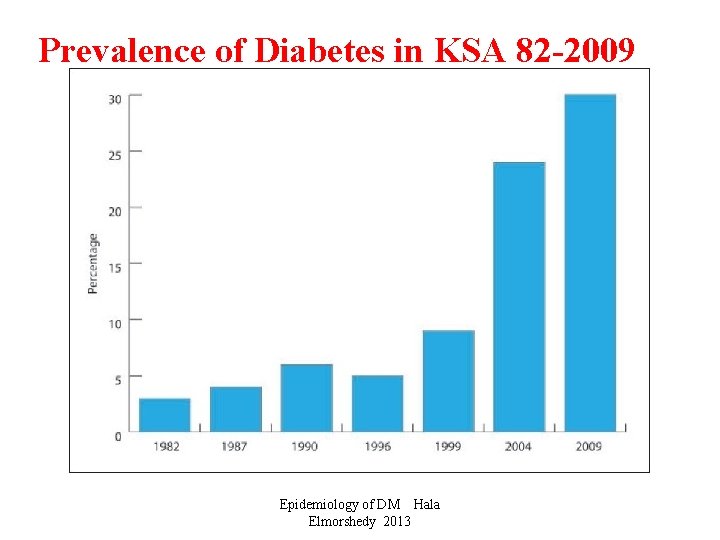
Prevalence of Diabetes in KSA 82 -2009 Epidemiology of DM Hala Elmorshedy 2013
Epidemiology of DM Hala Elmorshedy 2013
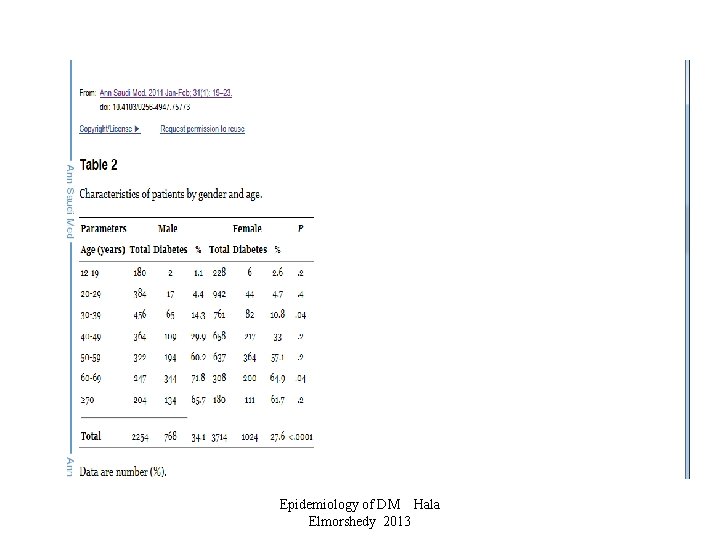
Al-Nozha etal Diabetes Mellitus in Saudi Arabia, Saudi Med J. 2004 Nov; 25(11): 1603 -10. Ø the overall prevalence of DM obtained from this study is 23. 7% in KSA. Ø The prevalence in males and females were 26. 2% and 21. 5% (p<0. 00001). Ø The calculated age-adjusted prevalence for Saudi population for the year 2000 is 21. 9%. Ø Diabetes mellitus was more prevalent among Saudis living in urban areas of 25. 5% compared to rural Saudis of 19. 5% (p<0. 00001). Ø Despite the readily available access to healthcare facilities in KSA, a large number of diabetics 1116 (27. 9%) were unaware of having DM. Epidemiology of DM Hala Elmorshedy 2013
Risk Factors (IDD) • Still being researched, the following factors are considered: • Positive family history with type 1 diabetes slightly increases the risk of developing the disease. • Environmental factors and exposure to some viral infections have also been linked to the risk of developing type 1 diabetes. Epidemiology of DM Hala Elmorshedy 2013
• • • Risk Factors (NIDD) Family history of diabetes Overweight, going from BMI of 21 to 35 increases the likelihood of developing type 2 diabetes "by 37 times. Unhealthy diet, increase consumption of saturated fat Physical inactivity Increasing age High blood pressure Ethnicity (black American, south east Asian) Impaired Glucose Tolerance (IGT) Epidemiology of DM Hala Elmorshedy 2013 History of gestational diabetes Poor nutrition during pregnancy Acanthosis Nigricans Methane Producing Bactria, can directly contribute to weight gain and diabetes
Risk factors(GDM) • In addition, having been previously diagnosed with gestational diabetes or being of certain ethnic groups puts women at increased risk of developing GDM. Epidemiology of DM Hala Elmorshedy 2013
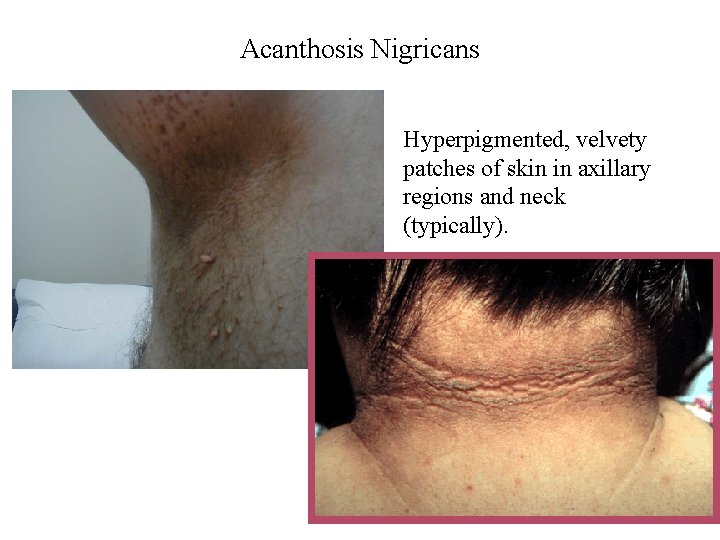
Acanthosis Nigricans Hyperpigmented, velvety patches of skin in axillary regions and neck (typically).
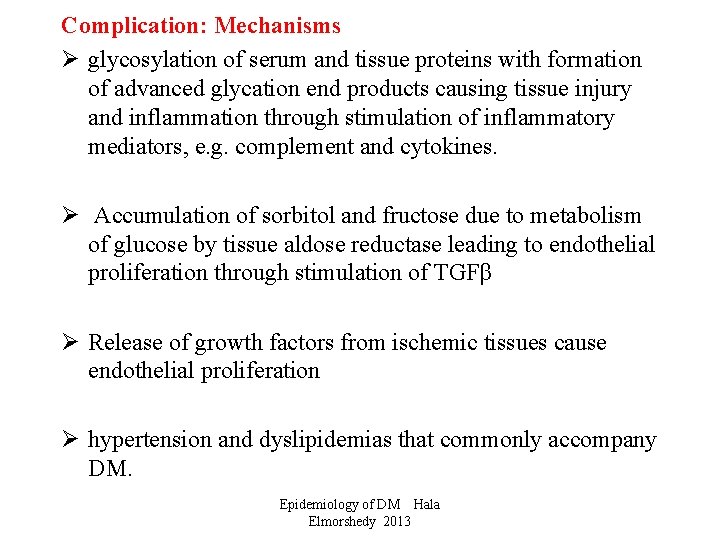
Complication: Mechanisms Ø glycosylation of serum and tissue proteins with formation of advanced glycation end products causing tissue injury and inflammation through stimulation of inflammatory mediators, e. g. complement and cytokines. Ø Accumulation of sorbitol and fructose due to metabolism of glucose by tissue aldose reductase leading to endothelial proliferation through stimulation of TGFβ Ø Release of growth factors from ischemic tissues cause endothelial proliferation Ø hypertension and dyslipidemias that commonly accompany DM. Epidemiology of DM Hala Elmorshedy 2013
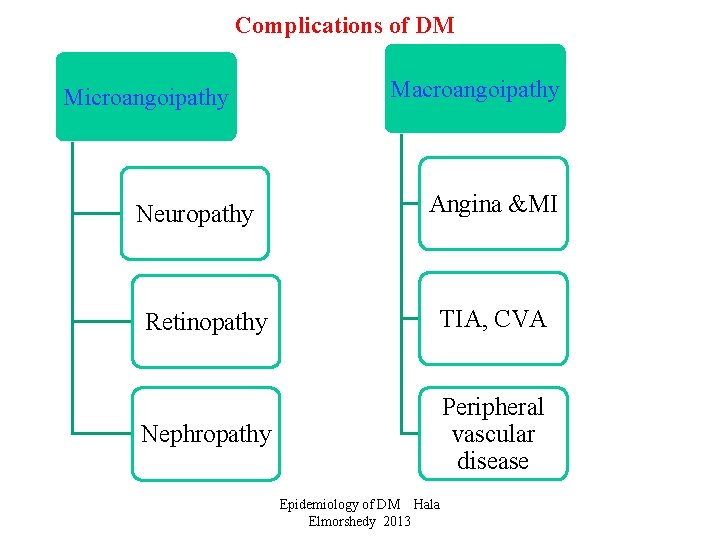
Complications of DM Microangoipathy Neuropathy Macroangoipathy Angina &MI Retinopathy TIA, CVA Nephropathy Peripheral vascular disease Epidemiology of DM Hala Elmorshedy 2013
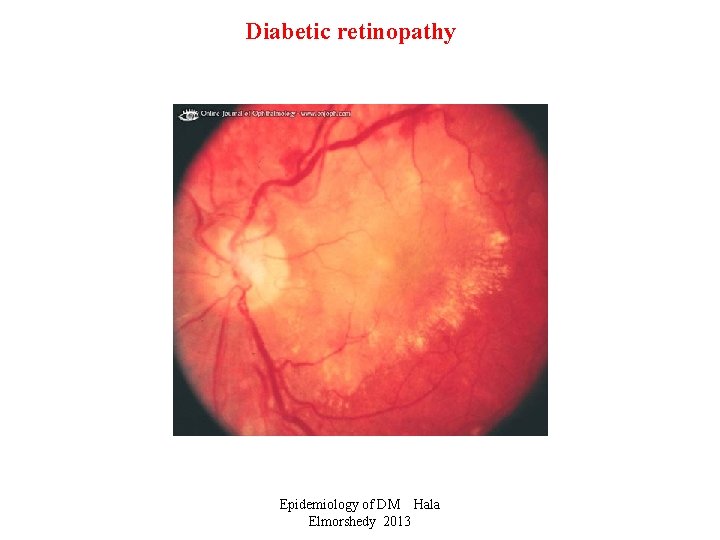
Diabetic retinopathy Epidemiology of DM Hala Elmorshedy 2013
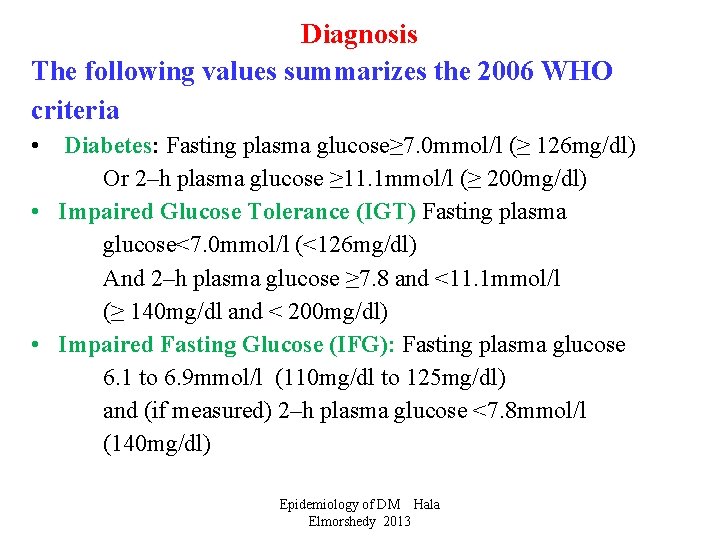
Diagnosis The following values summarizes the 2006 WHO criteria • Diabetes: Fasting plasma glucose≥ 7. 0 mmol/l (≥ 126 mg/dl) Or 2–h plasma glucose ≥ 11. 1 mmol/l (≥ 200 mg/dl) • Impaired Glucose Tolerance (IGT) Fasting plasma glucose<7. 0 mmol/l (<126 mg/dl) And 2–h plasma glucose ≥ 7. 8 and <11. 1 mmol/l (≥ 140 mg/dl and < 200 mg/dl) • Impaired Fasting Glucose (IFG): Fasting plasma glucose 6. 1 to 6. 9 mmol/l (110 mg/dl to 125 mg/dl) and (if measured) 2–h plasma glucose <7. 8 mmol/l (140 mg/dl) Epidemiology of DM Hala Elmorshedy 2013
Screening: Ø Screening for DM should be conducted for people at risk of the disease. Ø Patients with DM are screened for complications. • FPG should be measured every 3 years in individuals 40+ • Consider more frequent testing in high risk group. • N. B. FPG is less sensitive than OGTT. However it is recommended because it is less expensive, more reproducible and easy to standardize.
Screening for complications: • All patients with type 1 DM should begin screening for diabetic complications 5 y after diagnosis. • For patients with type 2 DM, screening begins at diagnosis. • Typical screening for complications includes : Ø Foot examination Ø Fundus examination Ø Urine testing for proteinuria and micro albuminuria Ø Measurement of serum creatinine and lipid profile Epidemiology of DM Hala Elmorshedy 2013
• • Treatment Diet and exercise Type 1 DM, insulin. Type 2 DM, oral anti-hyperglycemics, insulin • Often ACE inhibitors, statins, and aspirin to prevent complications Epidemiology of DM Hala Elmorshedy 2013
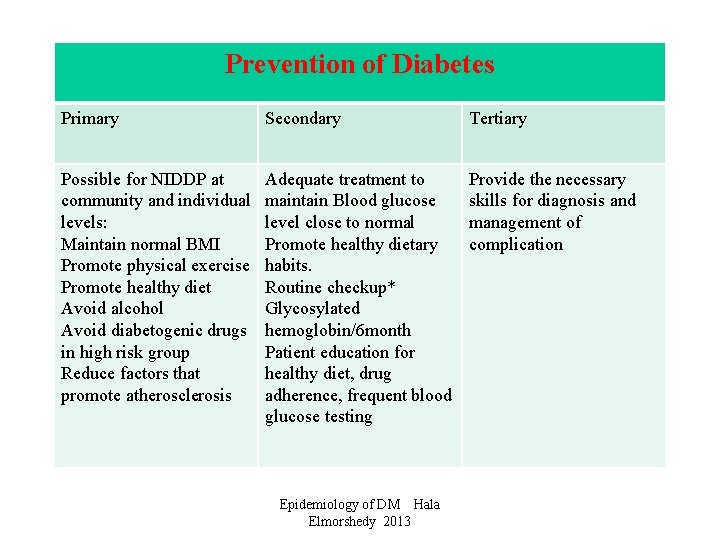
Prevention of Diabetes Primary Secondary Tertiary Possible for NIDDP at community and individual levels: Maintain normal BMI Promote physical exercise Promote healthy diet Avoid alcohol Avoid diabetogenic drugs in high risk group Reduce factors that promote atherosclerosis Adequate treatment to maintain Blood glucose level close to normal Promote healthy dietary habits. Routine checkup* Glycosylated hemoglobin/6 month Patient education for healthy diet, drug adherence, frequent blood glucose testing Provide the necessary skills for diagnosis and management of complication Epidemiology of DM Hala Elmorshedy 2013
• • Patient Education diet, exercise, drugs, self-monitoring of blood glucose level and the symptoms and signs of hypoglycemia, hyperglycemia, and diabetic complications is crucial to optimizing care. Most patients with type 1 DM can also be taught how to adjust their insulin doses. Education should be reinforced at every physician visit and hospitalization. Formal diabetes education programs, generally conducted by diabetes nurses and nutrition specialists, are often very effective. Epidemiology of DM Hala Elmorshedy 2013
Resources Ø http: //www. idf. org/diabetesatlas Ø http: //www. diabetes. org Ø Park’s text book of community and social medicine Ø http: //www. Gulfdiabetes. com Ø http: //www. diabetes. org Ø Mark your calendar. Excellence in diabetes Eid will be held in Doha Qatar next week Epidemiology of DM Hala Elmorshedy 2013
Test yourself? ? 1. Prevalence of type 2 NIDDM in KSA and the Gulf region has increased more than 10 folds during the last 20 years, discuss the possible causes. 2. In Dr Alnozaha study the prevalence of DM in urban areas in KSA exceeds that of rural areas, explain. 3. Describe the screening program in diabetes and mention its objectives. 4. Discuss the risk factors for type 2 diabetes. 5. Diabetes mellitus is one of the genetically determined diseases, discuss. Epidemiology of DM Hala Elmorshedy 2013

Epidemiology of DM Hala Elmorshedy 2013
- Slides: 33